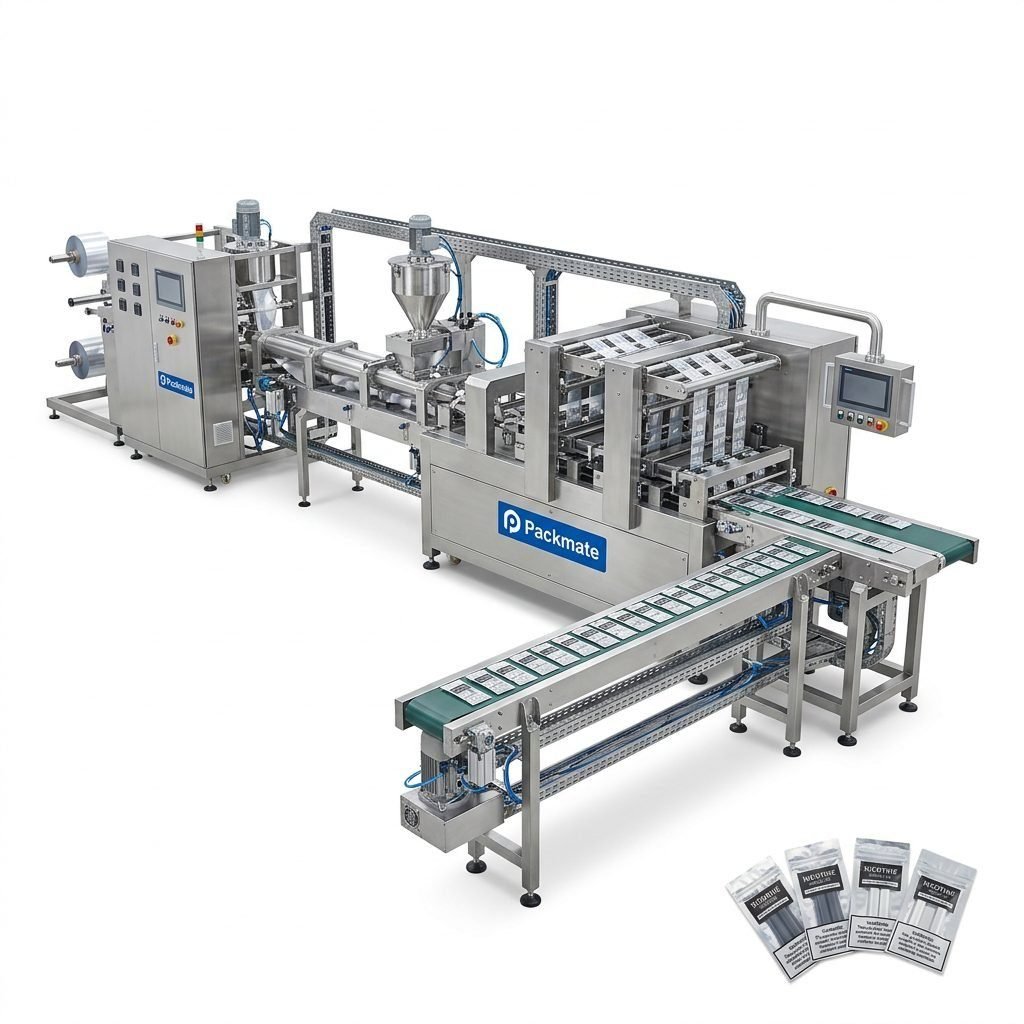
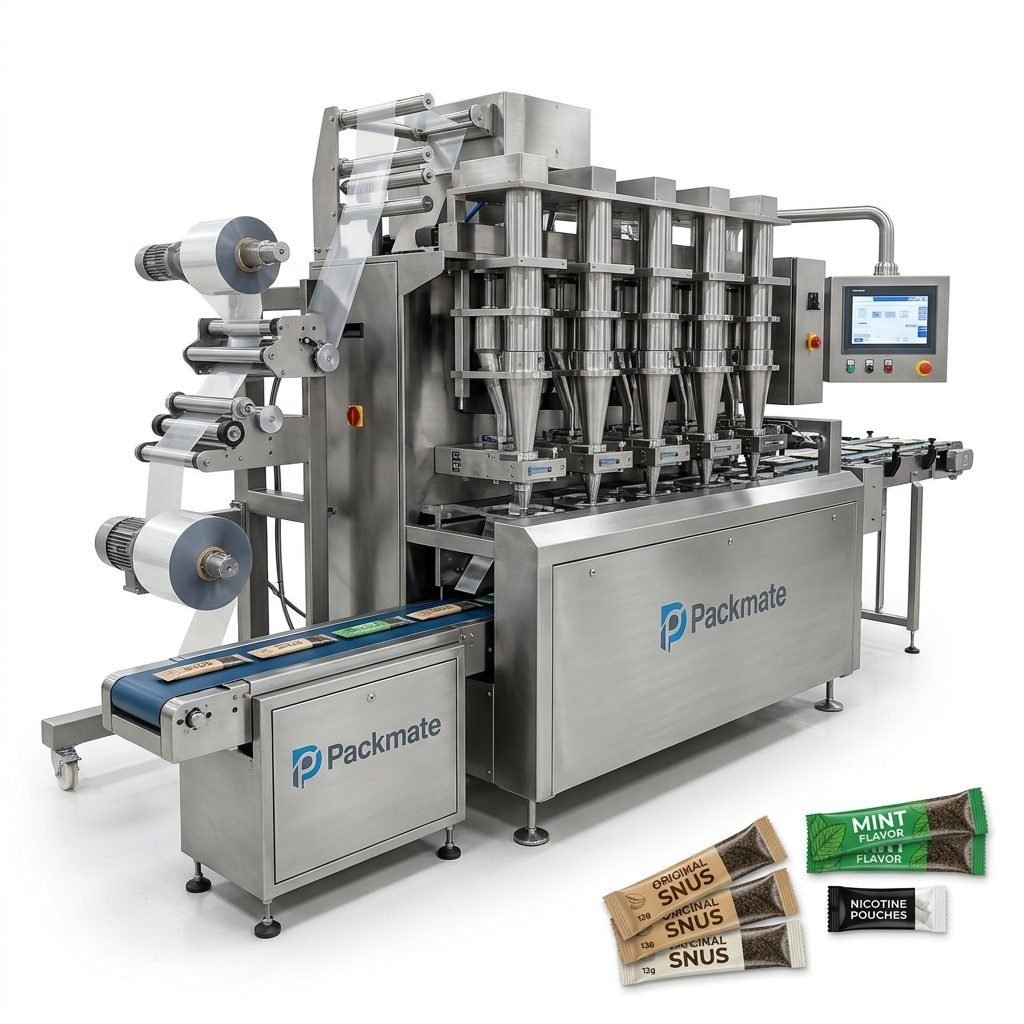
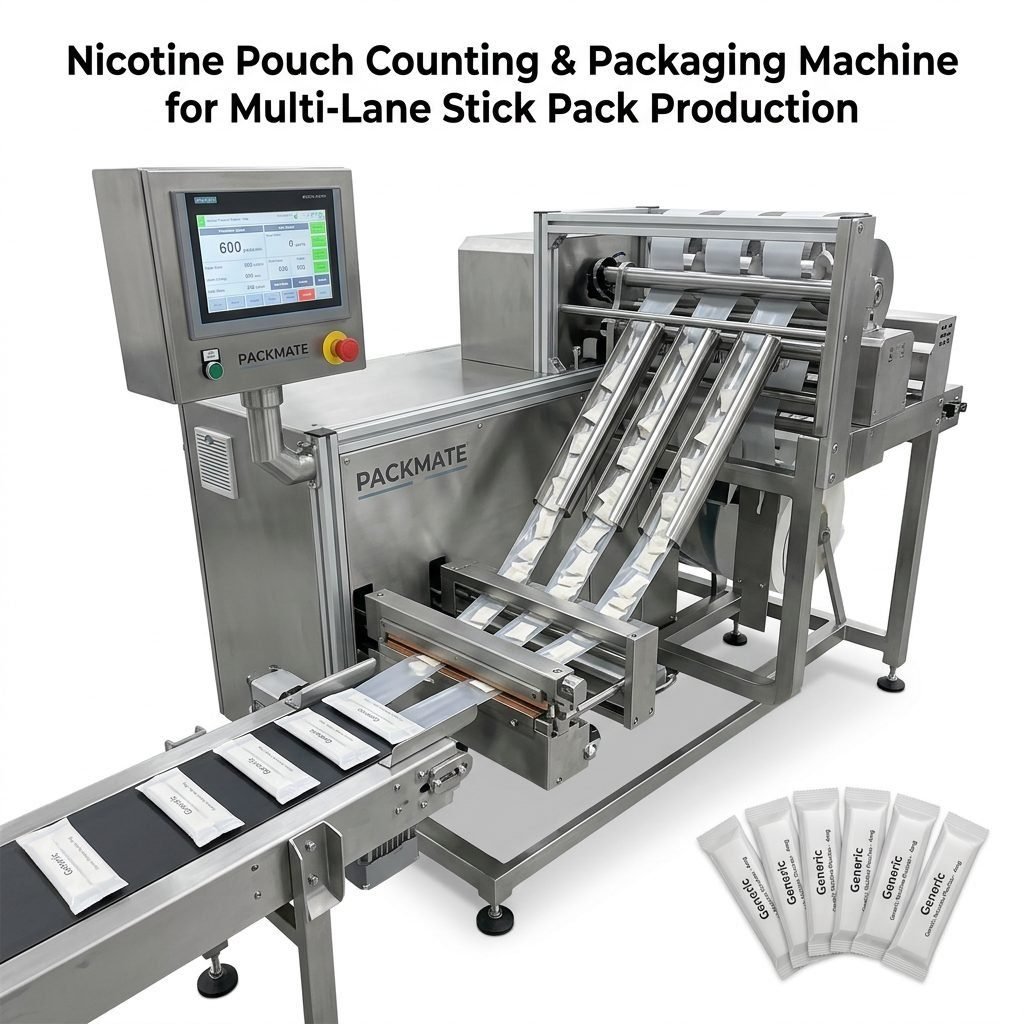
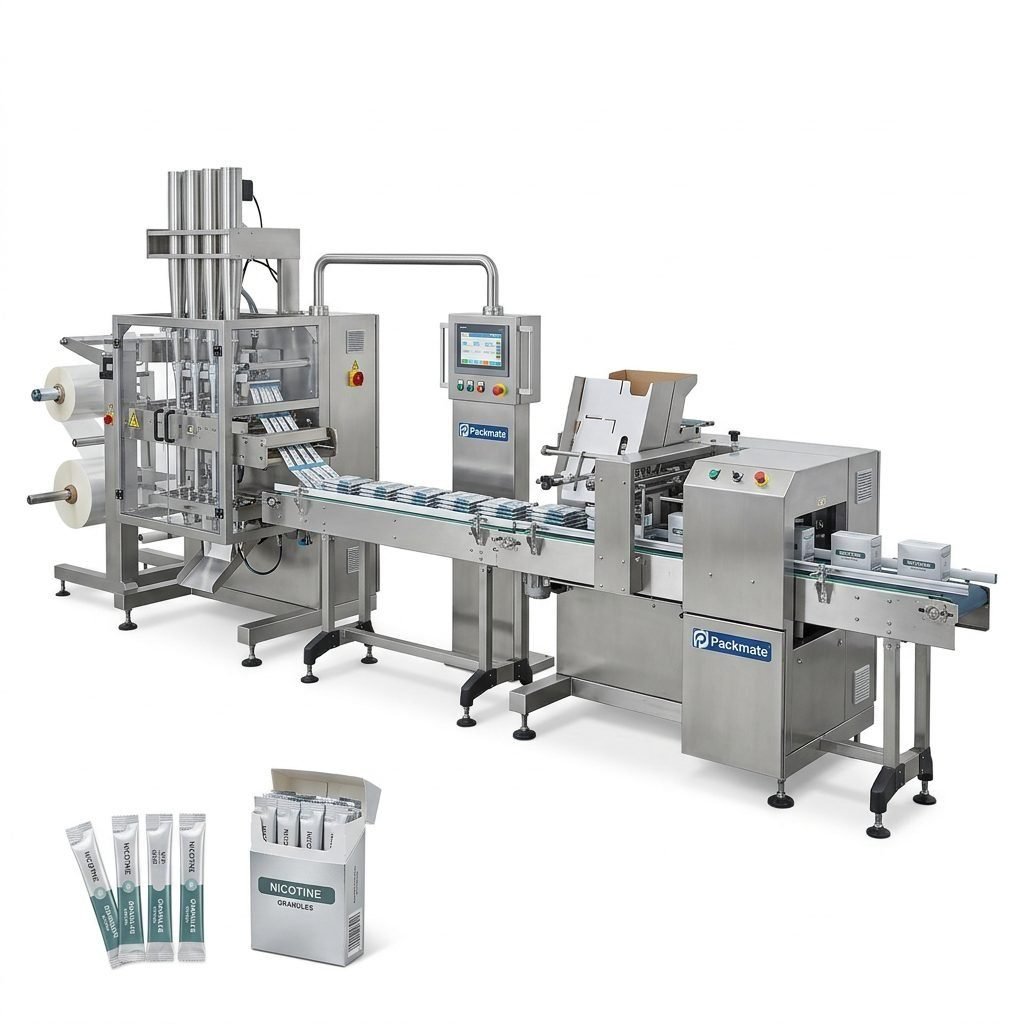
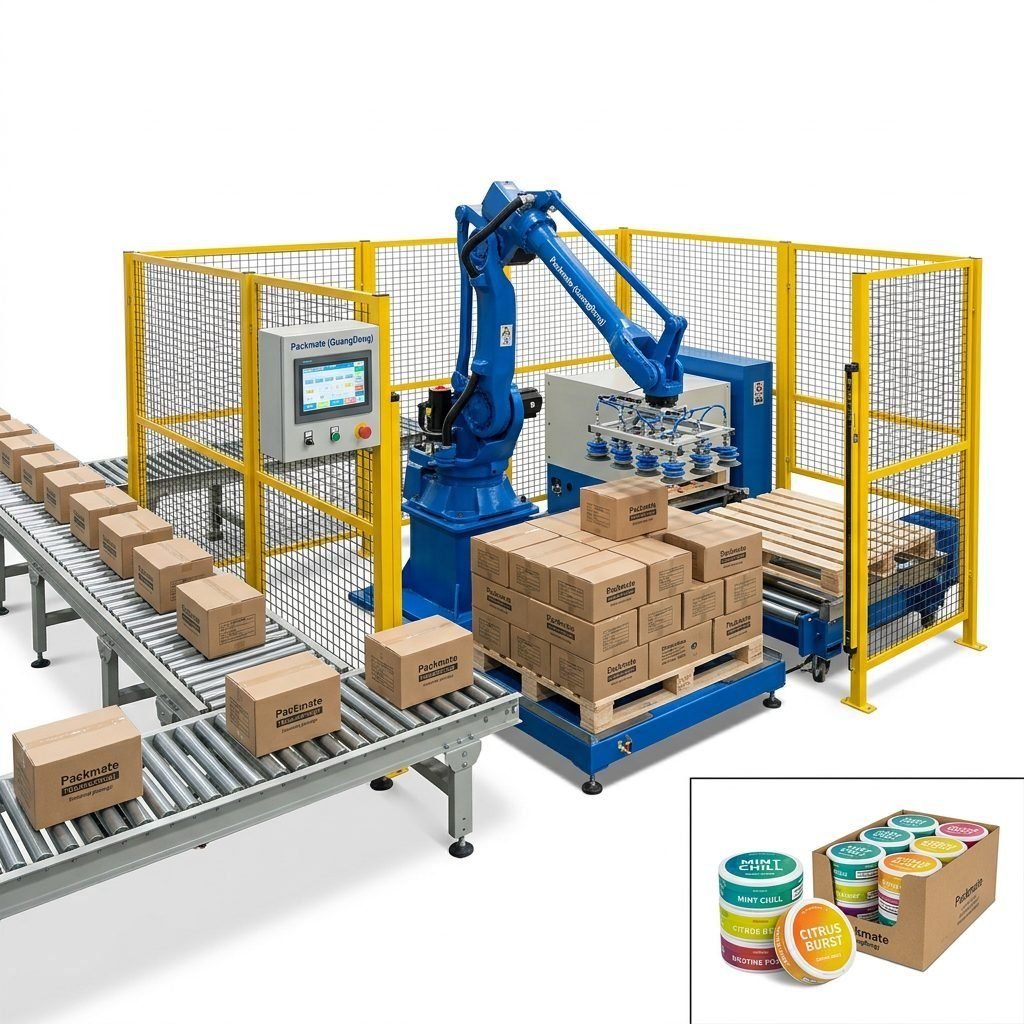
Installing a snus production line is a critical step for manufacturers aiming to deliver consistent, high-quality nicotine pouch or snus products at scale. This guide walks you through equipment selection, layout design, installation sequencing, commissioning checks, and tips for reliable operation. It is geared toward production managers, engineers, and technicians who need a practical, step‑by‑step approach to getting a snus line up and running efficiently.
1. Understanding the core equipment for a snus line
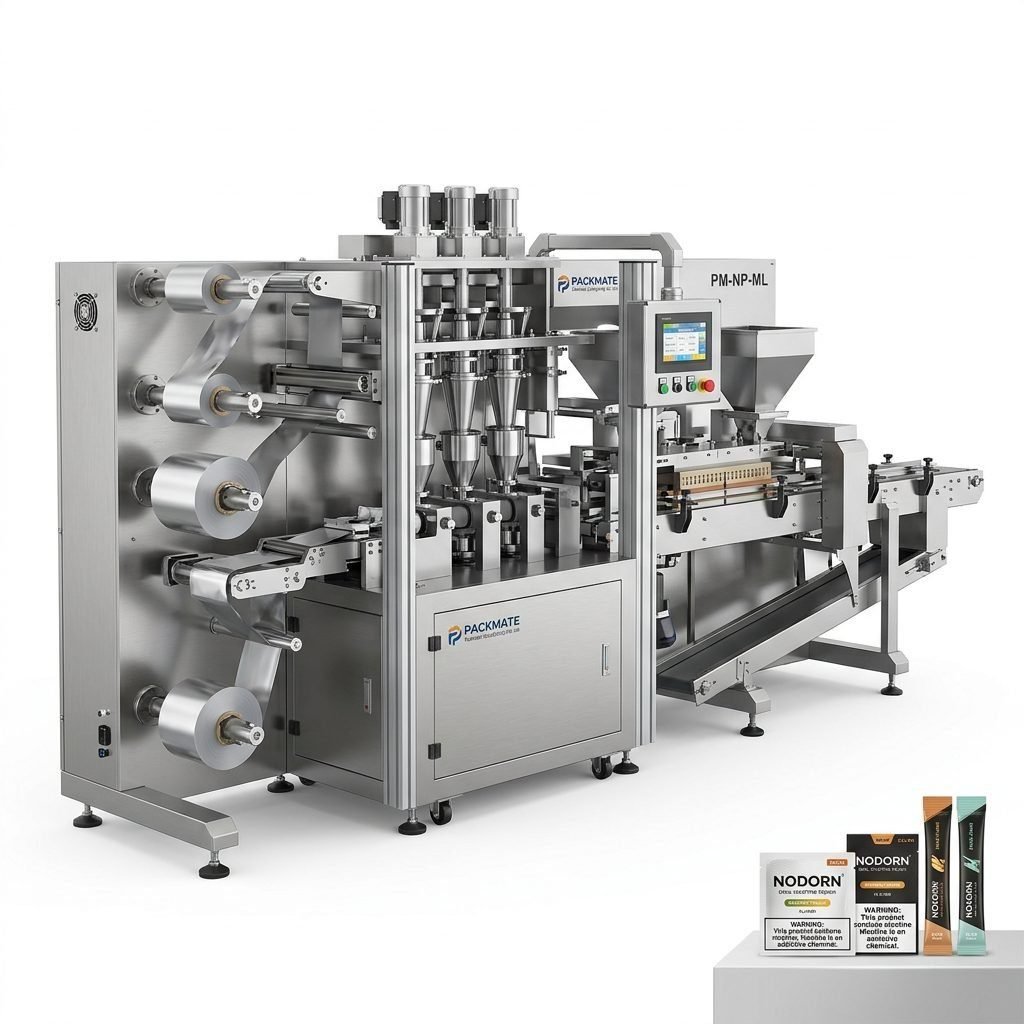
A complete snus line typically integrates multiple pieces of specialized machinery to handle dosing, pouch formation, filling, sealing, conveying, and secondary packaging. Common modules include:
✓ Dosing & batching systems — precise powder or granule feeders that ensure consistent portion weight for each pouch.
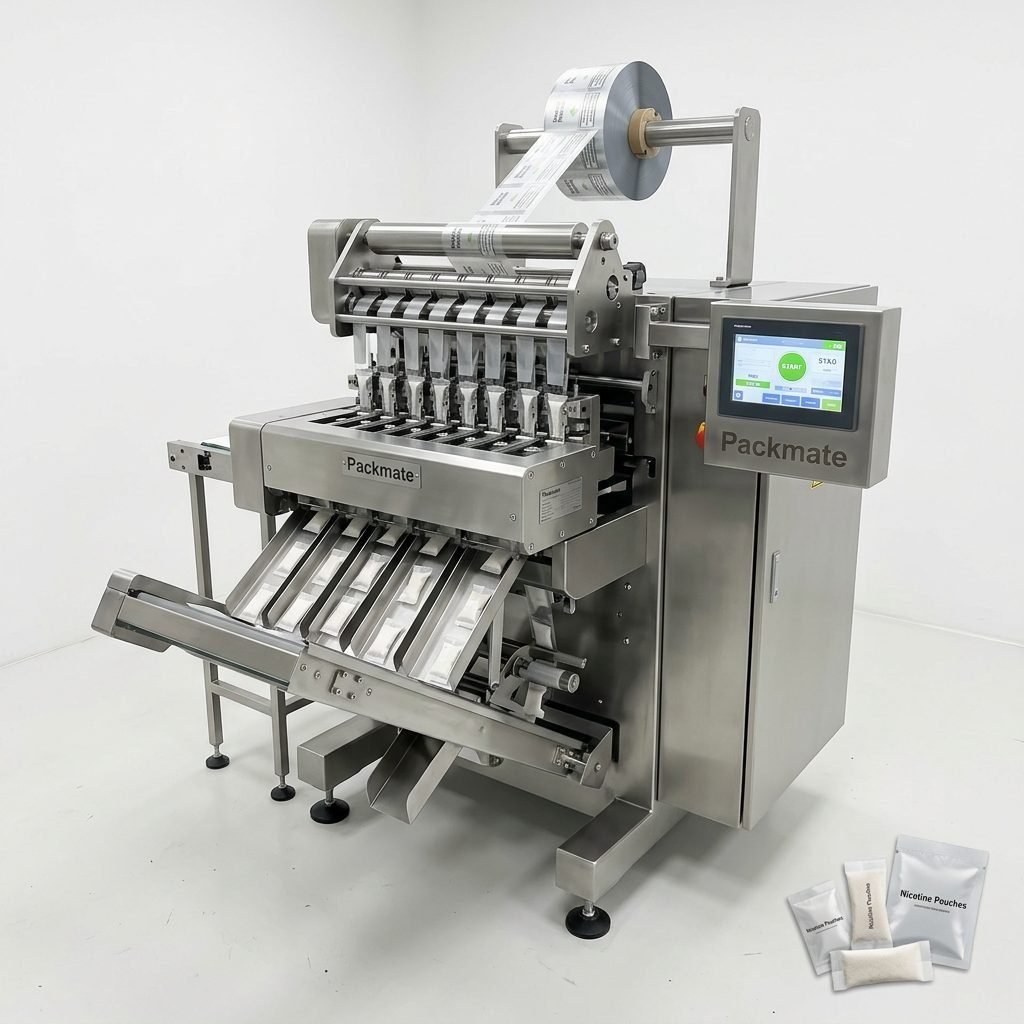
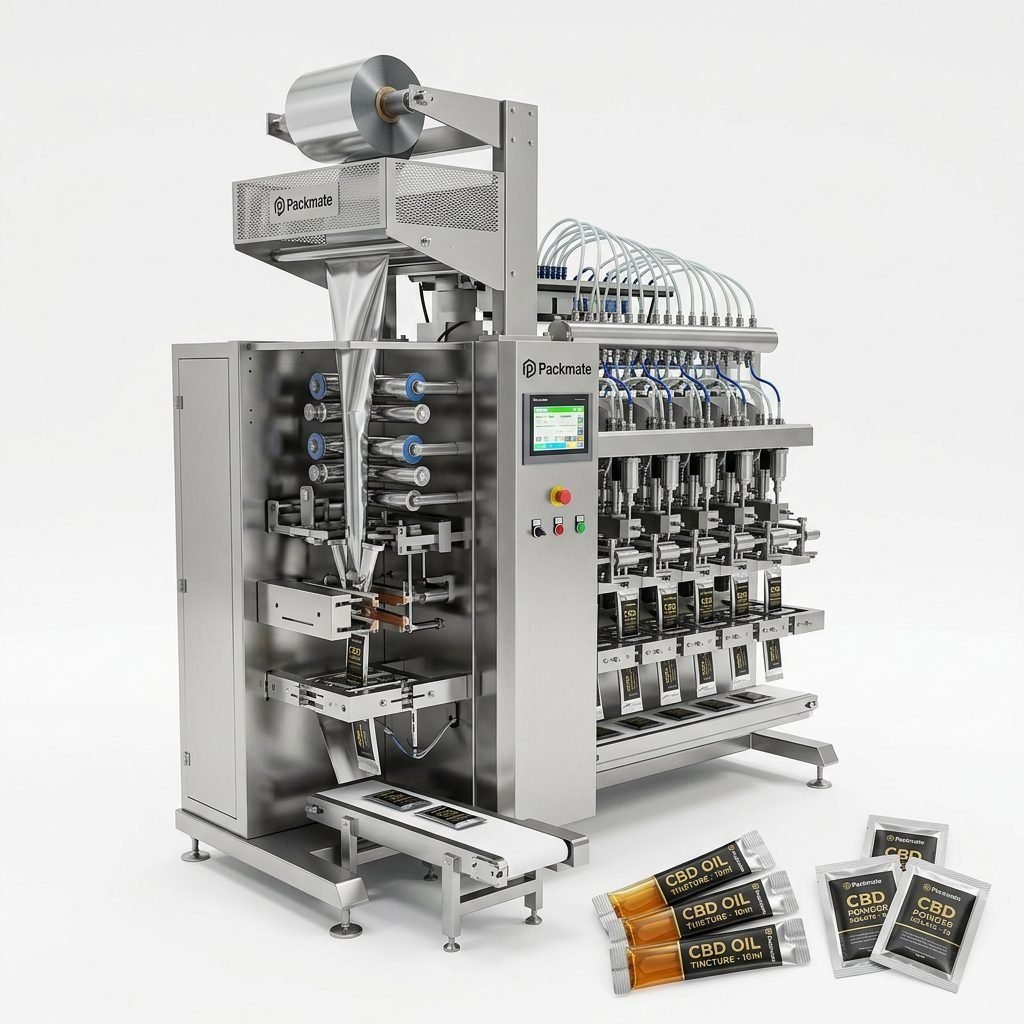
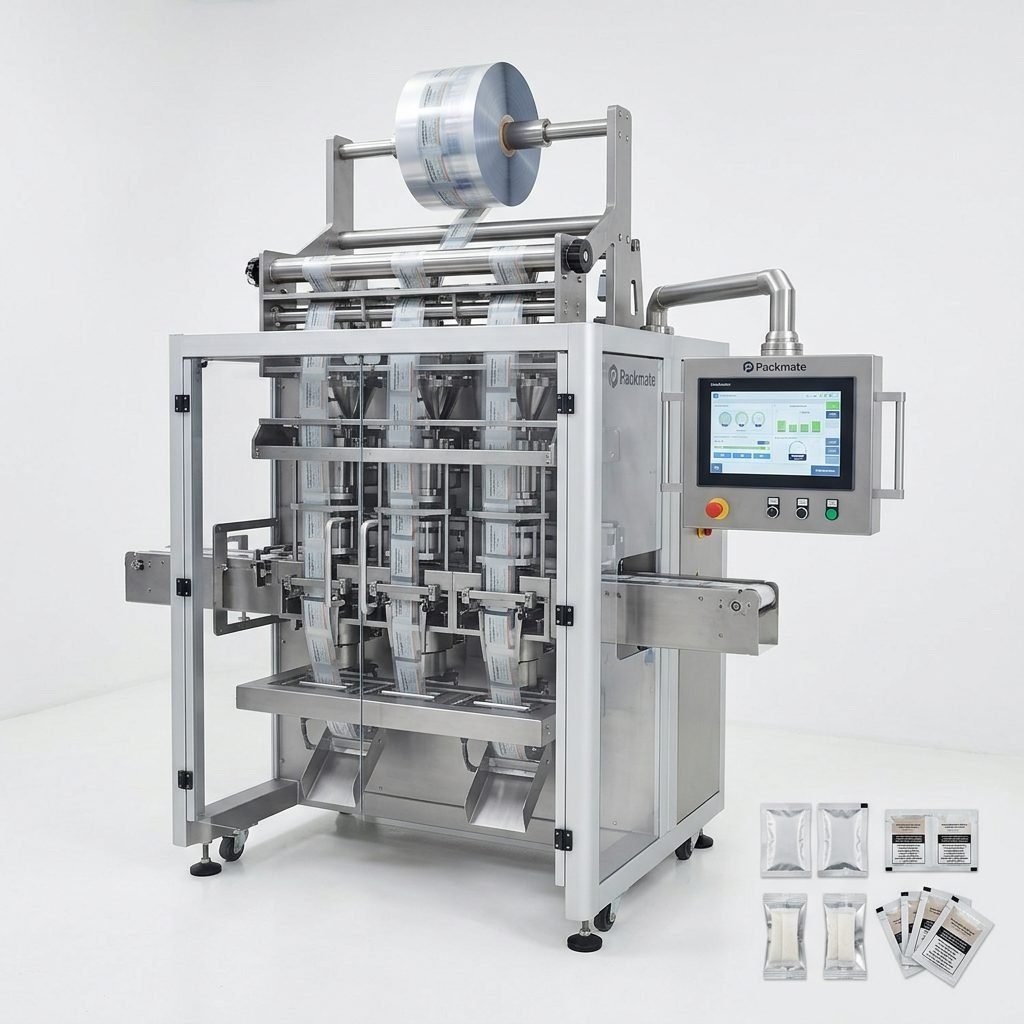
✓ Pouch forming & filling machines — vertical or multi-lane machines that form sachets, stick packs, or nicotine pouches and deliver the measured dose into the pouch cavity.
✓ Sealing & cutting modules — provide hermetic seals and exact cutting to maintain product freshness and presentation.
✓ Conveyor systems & transfer stations — synchronize product flow between machines and enable buffers, inspections, and accumulation.
✓ Secondary packaging — units for cartons, sleeves, multipacks, and palletizing for finished goods.
Where to find reliable snus machine options
If you are planning equipment procurement, consider proven suppliers with experience in snus and nicotine pouch equipment. For example, established ranges include Snus & Nicotine Packaging Machines, multi-lane stick pack and sachet solutions available under Sachet & Stick Pack Machines, and complete filling and packaging lines at Filling & Packaging Lines. Visiting supplier case studies can help you match models to capacity targets: Case.
2. Planning the production layout: principles and practical tips
Effective layout planning maximizes throughput, reduces cross-contamination risk, and simplifies maintenance access. Key planning principles include linear material flow, separation of raw and finished product areas, and provision for cleaning and quality inspection stations.
Flow design: arrange machines in the order of raw material → dosing → pouch forming → filling → sealing → inspection → secondary packaging.
Clean zones: define areas for sensitive operations (filling/sealing) with controlled access and dedicated cleaning protocols.
Maintenance access: ensure at least 700–900 mm of clearance on service sides for technicians and cranes or hoists for heavy components.
Utilities layout: locate compressed air, power, vacuum, and PLC control cabinets centrally to minimize cable runs and pipework.
Space and utilities checklist
Before installation, confirm floor loading capacity, electrical supply (voltage, phase, and dedicated circuits), compressed air capacity and dryness, water and drainage if required, and network/integration points for factory control systems. Consider HVAC and dust control for powder handling areas.
3. Step‑by‑step setup and mechanical installation
Installation should be performed in phases with clear milestones. Below is a pragmatic sequence and recommended checks at each step.
Phase 1 — Delivery & inspection: verify machine serial numbers, shipping damage, and completeness against packing lists. Record any discrepancies and notify the supplier immediately.
Phase 2 — Positioning & anchoring: set machines in final locations using laser levels; anchor per supplier recommendations to avoid vibration or misalignment.
Phase 3 — Utility connections: connect power, air, vacuum, and any pneumatic or hydraulic supplies following electrical safety codes. Ensure filters and regulators are installed on air lines.
Phase 4 — Mechanical alignment: align infeed and outfeed conveyors, check gearbox and belt tensions, and verify sealing and cutting knife geometries.
Phase 5 — Safety & guards: install protective guards, light curtains, emergency stops and verify interlocks function correctly.
Key mechanical tolerances to validate
Validate pouch forming die alignment, fill nozzle concentricity, and sealing temperature uniformity. Use feeler gauges, dial indicators, or laser alignment tools where recommended. Proper mechanical tolerances underpin consistent seal integrity and pouch appearance.
4. Electrical, control integration and HMI setup
Modern snus lines use PLCs and HMIs for recipe management, synchronized motion, and data logging. Integration steps include PLC wiring, encoder calibration, network addressing, and setting up operator screens for process control.
HMI recipes: pre-program common product recipes with pouch length, fill weight, sealing temp, and conveyor speeds to reduce changeover time.
Safety PLC: if present, verify emergency stop circuits, safety relay health, and guard interlocks during commissioning.
Data collection: enable basic production counters and downtime logging for early OEE analysis.
5. Dry runs, test production and process validation
Commissioning should move from dry mechanical tests to low-speed product runs, finishing with full-speed production after quality and reliability are verified. Always use validated raw materials and follow clean-in-place or CIP procedures before first fills.
Step A — No-load checks: run drives, encoders and carriage motion without product to verify ranges and homing.
Step B — Low-speed fills: introduce product at reduced speed to verify dosing accuracy, pouch formation and seal integrity.
Step C — Quality sampling: perform destructive and non-destructive tests on samples (weight, seal peel, visual checks) and record results against acceptance criteria.
Step D — Ramp to production: gradually increase line speed while monitoring reject rates, product temperature, and machine vibration.
6. Operator training and maintenance planning
A well-trained operations team reduces downtime and maintains product quality. Training should include routine startup/shutdown, cleaning, basic troubleshooting, and changeover procedures. Maintenance planning must include preventive schedules, spare parts lists, and documented procedures for common repairs.
Spare parts: stock consumables like sealing belts, knives, filters, and critical electronic spares to minimize MTTD (mean time to diagnose) and MTTR (mean time to repair).
SOP documentation: maintain clear changeover and cleaning SOPs accessible at the HMI and in printed binders on the line.
7. Quality control, calibration and traceability
For regulated markets and consistent product performance, implement weight checks, seal integrity tests, and a traceability system linking raw material lots to finished batches. Regular calibration of dosing equipment and scales is essential.
Integrating automatic checkweighers and metal detectors downstream enhances product safety. A connected MES or simple production log can capture batch codes, operator IDs, and machine parameters for each production run.
When to contact your supplier
Engage your equipment supplier if you observe repeated dosing variance, unexplained seal failures, or if major electrical/electronic faults appear. A reputable supplier should provide commissioning support, spare parts, and long-term service agreements — for more information on service offerings see Service and Contact Us.
8. Troubleshooting common startup issues
During commissioning, expect issues such as inconsistent fill weights, pouch wrinkles, and sealing defects. Quick checks can often resolve these:
Inconsistent fill weight: verify feeder calibration, check for bridging or moisture in raw material, confirm conveyor speed sync.
Wrinkled pouches: check film tension, web tracking, and forming shoulder alignment.
Seal failures: inspect sealing jaw surfaces for contamination, confirm temperature setpoints, and examine pressure settings.
9. Scaling up and multi‑lane synchronization
When designing multi-lane systems for higher throughput, ensure each lane’s dosing and sealing units are synchronized. Use centralized servo drives and a master encoder to maintain phase alignment. Multi-lane designs increase efficiency but require strict calibration discipline.
For complex configurations, consult with manufacturers experienced in multi-lane nicotine pouch systems to ensure the design supports your product geometry and target speed. Explore model options and technical specs at Bag & Pouch Packaging Machines and auxiliary modules at Auxiliary Packaging Equipment.
10. Final acceptance, documentation and handover
A formal Factory Acceptance Test (FAT) and Site Acceptance Test (SAT) should be performed and documented. Acceptance criteria typically include consistent fill accuracy, seal integrity, throughput targets, and safety compliance. Ensure you receive electrical schematics, PLC code backups, spare parts lists, and maintenance manuals during handover.
Deliverables to request: as-built drawings, calibration certificates, software licenses, and operator manuals. Keep them accessible for audits and future training.
Conclusion
Successful snus line installation requires careful planning across mechanical, electrical, and operational domains. Prioritize proper layout design, thorough commissioning, operator training, and ongoing preventive maintenance. Working with experienced suppliers and leveraging proven equipment reduces risk and accelerates time to stable production.
Common Questions
Q: How long does a typical snus line installation take from delivery to full production?
A: Installation time varies by complexity and site readiness; a simple single-lane setup can take 2–4 weeks while large multi-lane lines and full turnkey installations often require 6–12 weeks including commissioning and validation.
Q: What are the most important utilities required for snus packaging machines?
A: Stable three-phase electrical supply, clean dry compressed air, network connectivity for PLC/HMI, and appropriate drainage/ventilation are essential. Confirm utility sizing with your equipment supplier during planning.
Q: Can one supplier provide a full turnkey snus line including secondary packaging?
A: Yes — many specialized manufacturers offer end-to-end solutions from dosing to palletizing. Evaluate suppliers that provide installation, commissioning, training, and after-sales service to simplify project delivery.
Q: How do I ensure product traceability on the line?
A: Use integrated labelers, date/lot coders, and MES or basic production logs to record batch numbers, operator IDs, and machine settings. Ensure labeling occurs upstream of any secondary packaging steps to maintain traceability.
Q: Where can I learn more about machine models and certifications?
A: For product ranges, certifications and exhibition details, visit the manufacturer pages such as About Packmate, Certificate, and Our Exhibition.