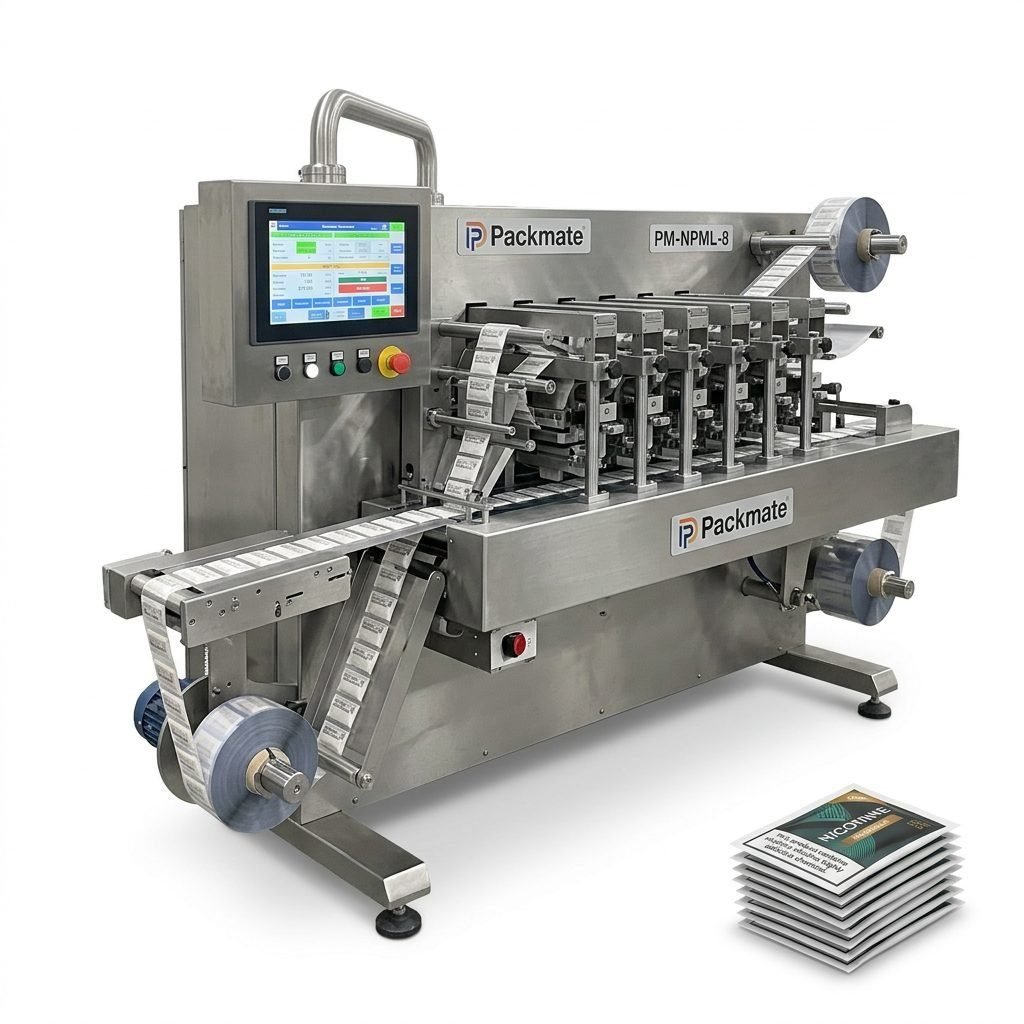
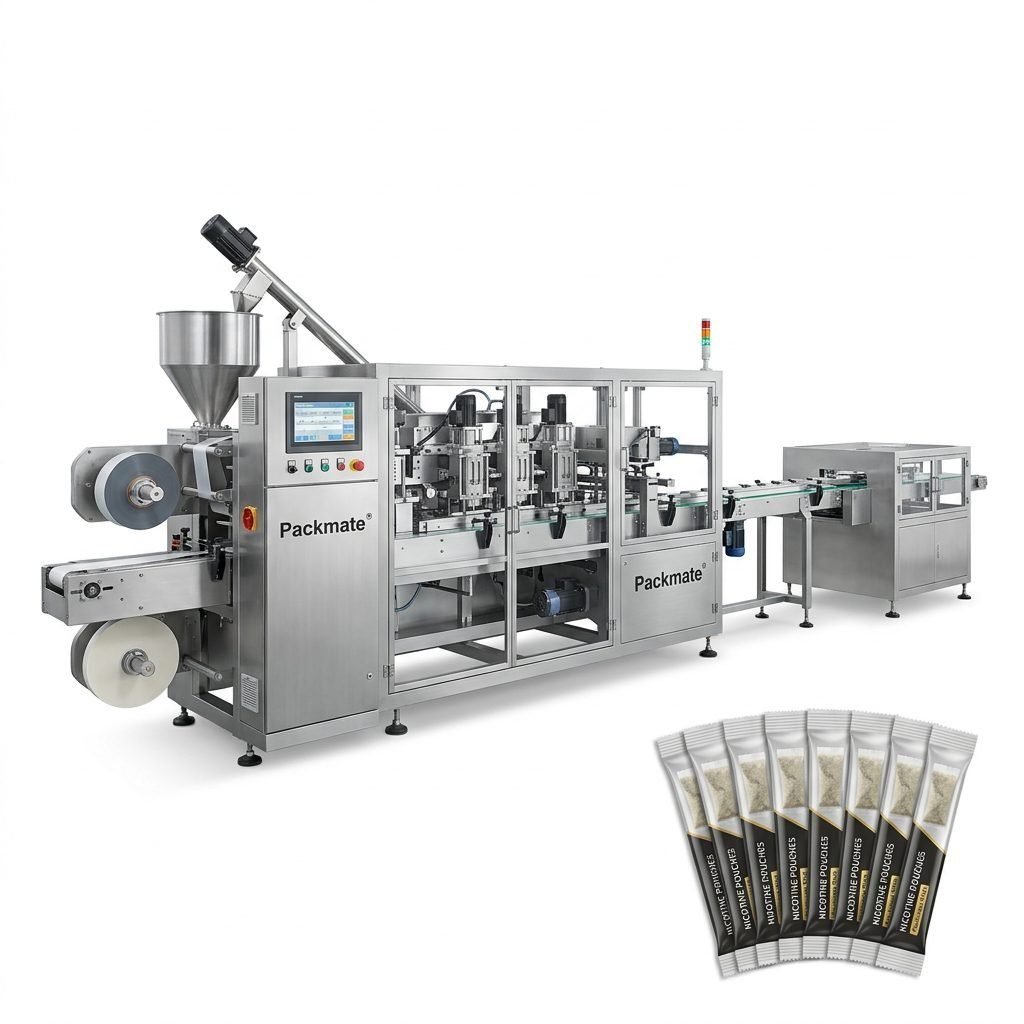
Choosing the right nicotine packaging machinery manufacturer for your business in Samoa is a critical decision that affects product quality, regulatory compliance, production cost, and the long-term scalability of your operation. This guide walks you through the most important selection criteria — from machine types and customization options to after-sales support, certifications, and logistics — so you can confidently select a partner that meets both your technical needs and commercial goals.
Understand the Packaging Types and Production Requirements
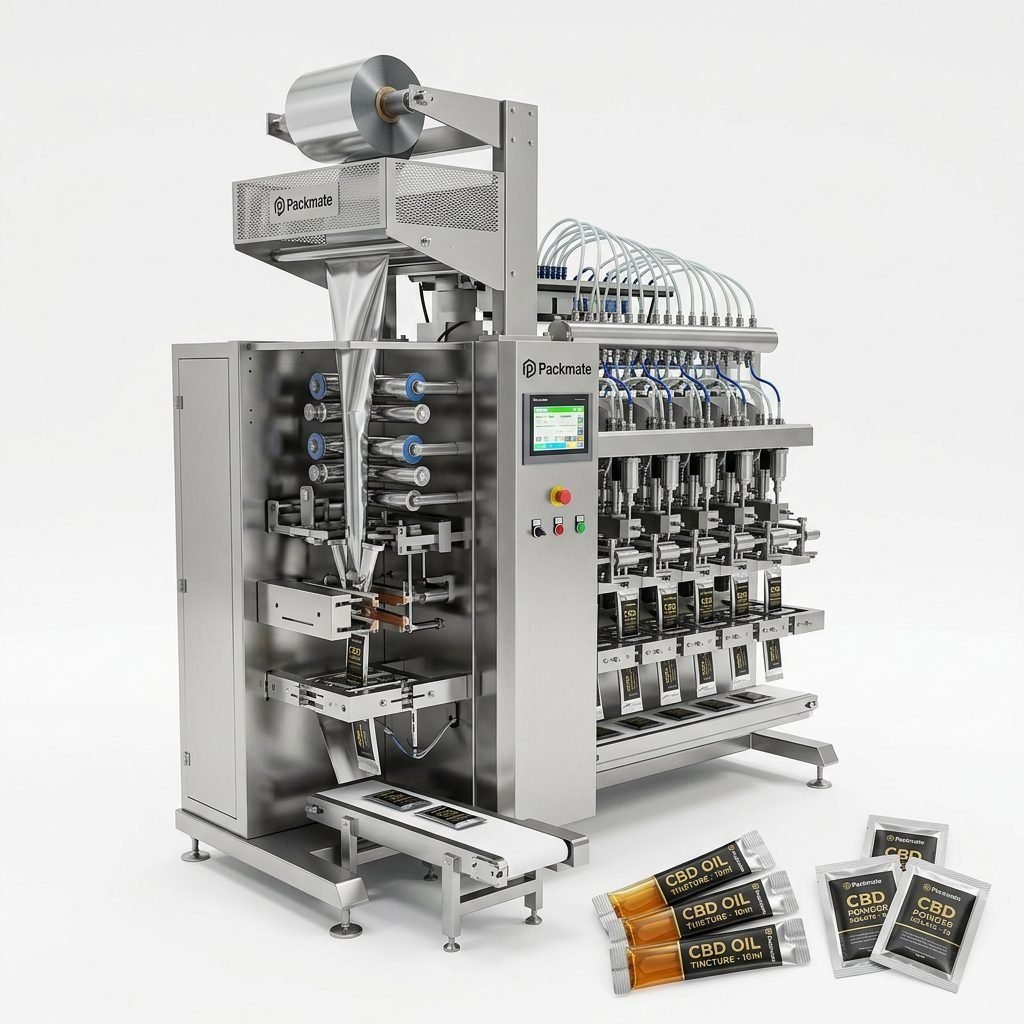
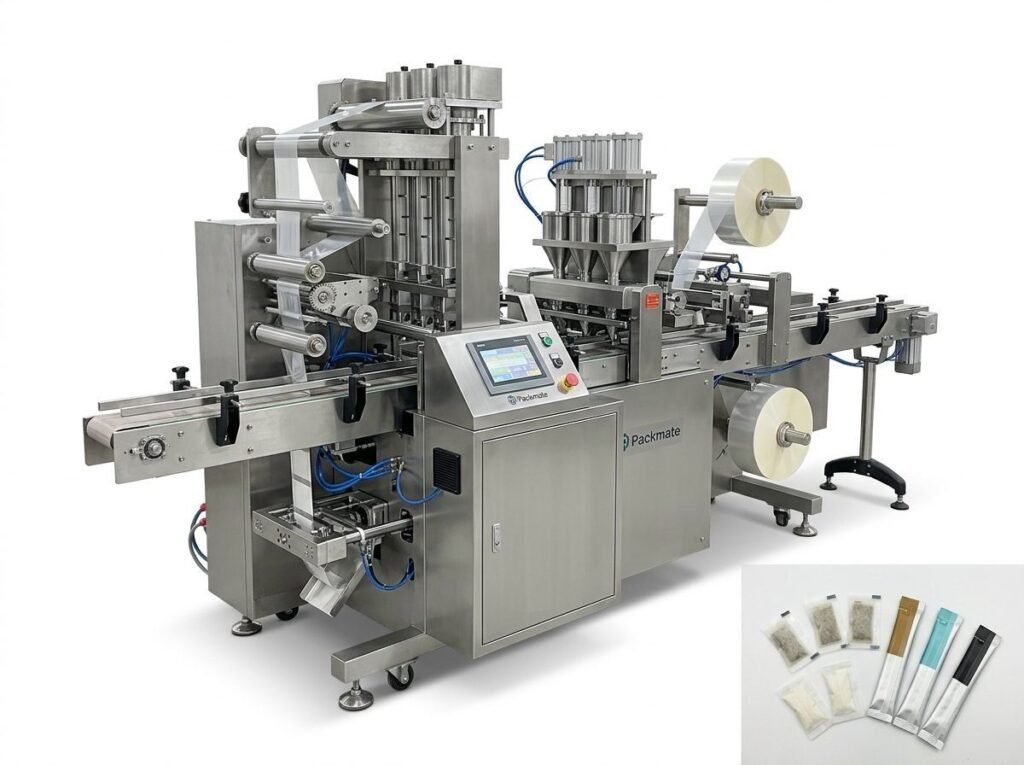
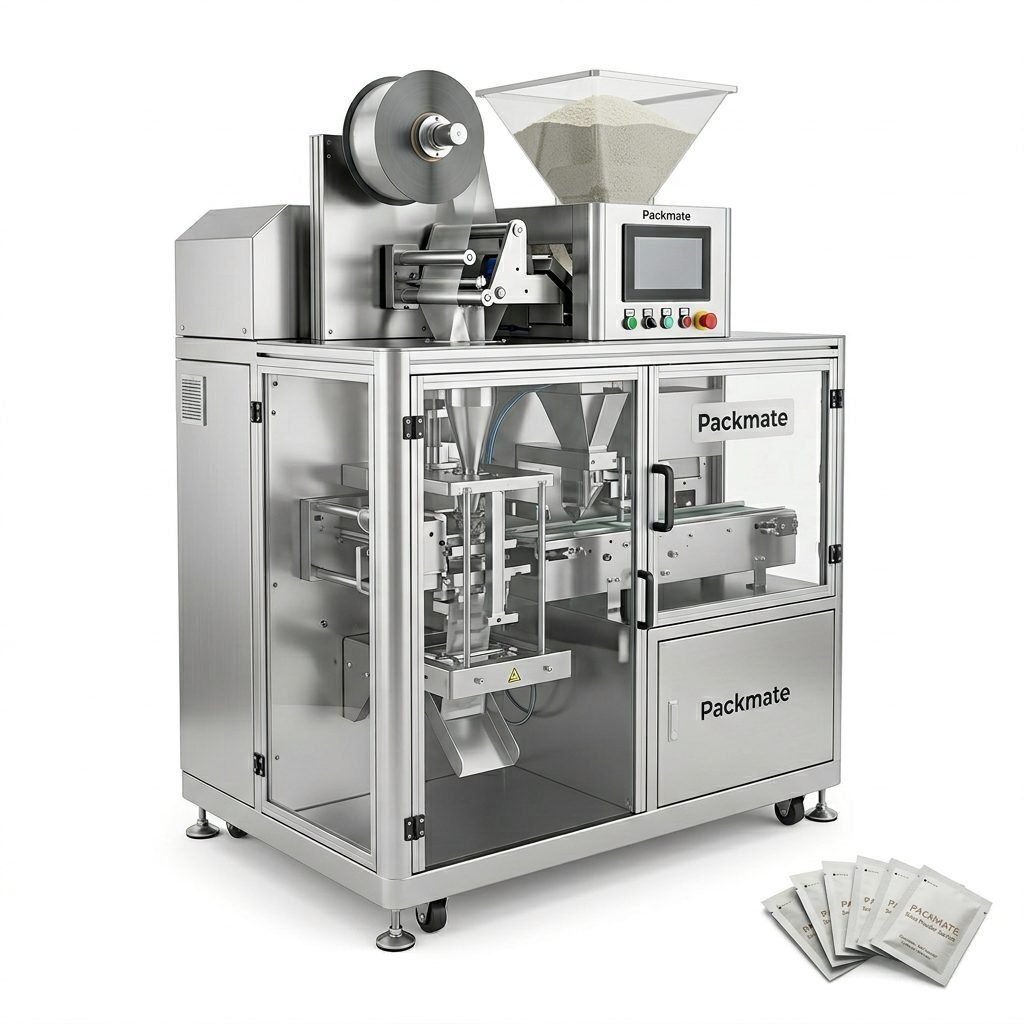
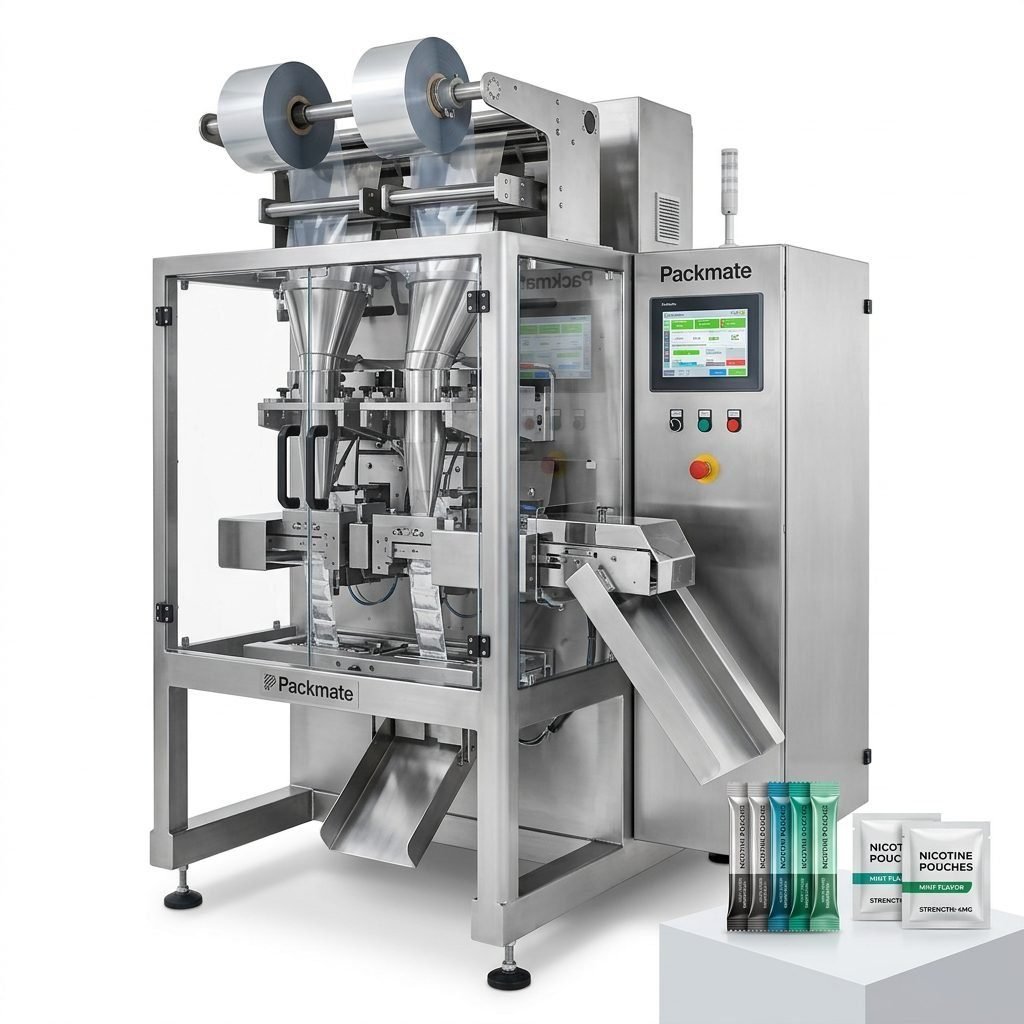
Nicotine products come in various formats: loose snus pouches, nicotine pouches, stick packs, sachets, and multi-lane small-dose pouches. Each format has distinct filling, sealing, and material-handling requirements. Begin by mapping your product specifications—pouch size, fill weight tolerance, packaging materials (foil, paper, laminate), and desired output speed (pouches per minute).
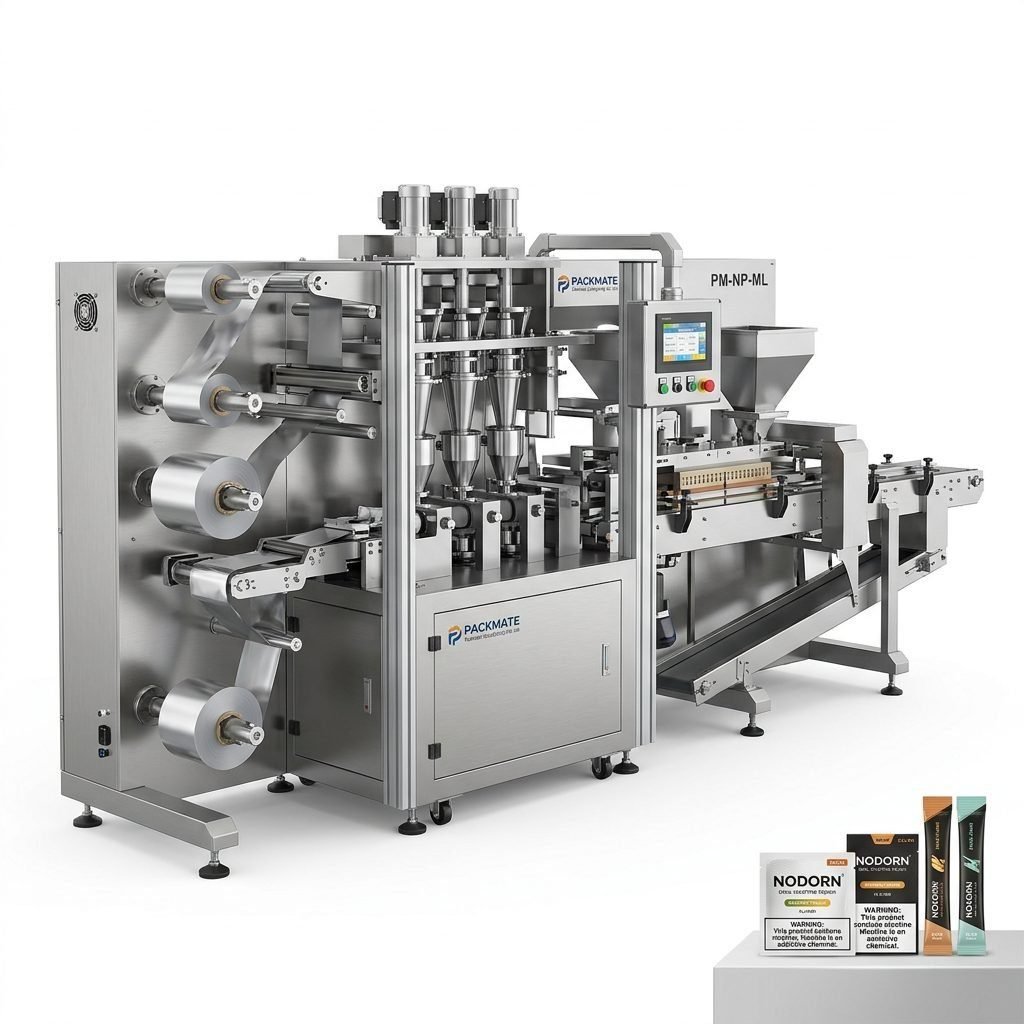
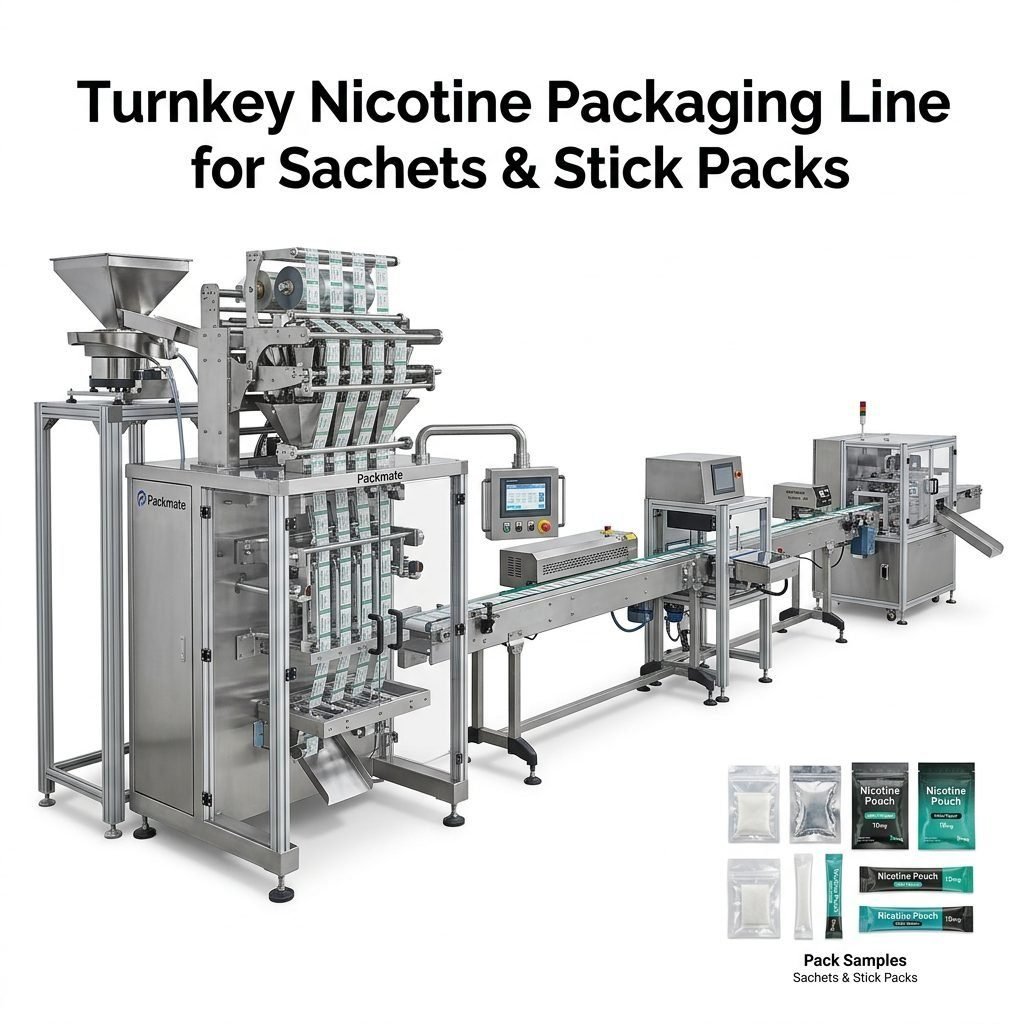
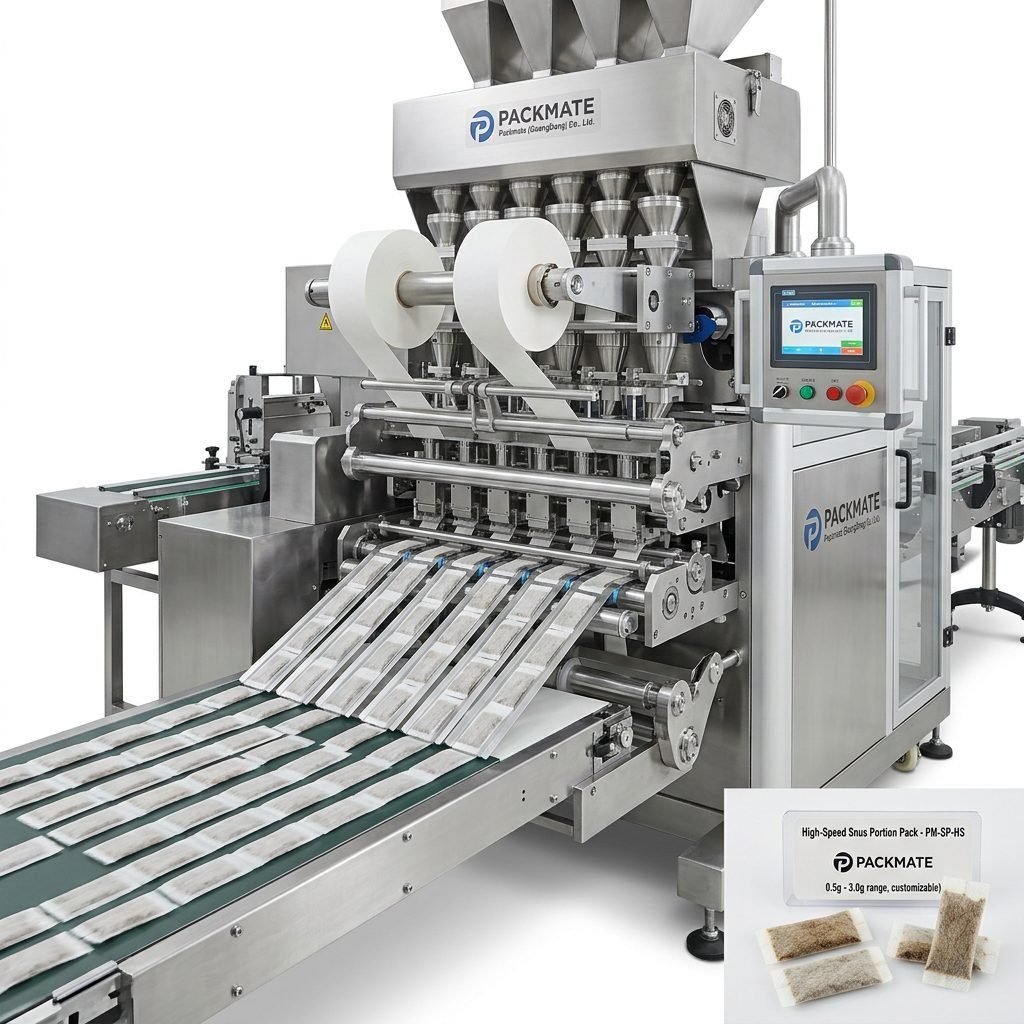
If you need a reference product range, explore specialized lines such as Snus & Nicotine Packaging Machines and Sachet & Stick Pack Machines to see how machine families vary by speed and format.
Key questions to ask
🔧 What are the maximum/minimum pouch sizes and fill weights the machine can handle?
✅ Can the equipment run multiple formats with quick changeovers?
⚡ What is the rated output at your target fill weight and packaging material?
Evaluate Manufacturer Experience and Production Capability
A manufacturer’s track record and factory capacity are essential indicators of their capability to deliver reliable equipment. Look for companies with decades of engineering experience and an established production facility able to support high-precision machining and assembly.
Why factory scale matters: larger facilities typically carry advanced CNC centers, dedicated assembly lines, and formal quality control — all of which reduce delivery risk and improve long-term stability.
Packmate’s profile is an example: 30+ years of experience, a 20,000㎡ factory, and more than 50 machine models demonstrate the kind of capability that supports global turnkey solutions. Learn more on the About Packmate page.
Check Certifications, Standards, and Compliance
For nicotine products, regulatory and safety compliance affects machine design (material contact, cleanliness, electrical safety). Prioritize manufacturers whose equipment complies with international standards such as CE and ISO, and who can document traceability of critical components.
Ask to see certificates, quality control reports, and factory audit results. If your product will be exported, confirm that the supplier understands the packaging and labeling laws of your target markets.
Assess Technical Capabilities and Customization
Nicotine pouch production often requires precise dosing, gentle handling, and flexible sealing systems. Important technical features include multi-lane filling for high throughput, precise auger or volumetric dosing, integration of dosing/check-weigh units, and smart HMI control for recipe management.
If your product requires special handling (moisture-sensitive materials, micro-dose pouches), ensure the supplier offers customization and modular add-ons like inert gas purging, vision inspection, or integrated sealing stations. Packmate offers modular lines such as their multi-lane systems and weighing integrations — see their Weighing & Packaging Systems.
Total Cost of Ownership (TCO) vs. Initial Price
The lowest purchase price isn’t always the best value. Calculate TCO by including installation, training, spare parts, energy consumption, downtime rates, and expected lifespan. High-quality components and precise engineering reduce maintenance and increase uptime.
Tip: request an estimated TCO breakdown from each vendor and a list of recommended spare parts with lead times.
After-Sales Support, Spare Parts and Local Service in Samoa
Reliable after-sales support minimizes downtime. Important aspects include remote troubleshooting, training for operators and technicians, availability of replacement parts, and local partners or agents in the Oceania region to assist with customs, delivery, and field service.
Ask suppliers about their lead times for critical spare parts and whether they provide spare kits with the initial order. Confirm the availability of online resources such as manuals, PLC logic, and maintenance videos.
Factory Acceptance Test (FAT) and Sample Runs
A proper FAT with production samples ensures the machine meets your specifications before shipment. Require a witnessable FAT where your product or an equivalent sample runs at target speeds and quality criteria (seal integrity, weight accuracy, appearance).
If remote attendance is necessary, request live video of the FAT and recorded test cycles. Suppliers with robust FAT processes lower the risk of surprises on site.
Logistics, Installation and Commissioning for Samoa
Shipping to Samoa requires attention to crate sizing, customs documentation, and local handling. Confirm that the manufacturer can support export packing, provide full spares lists, and supply detailed installation and commissioning support. If needed, negotiate on-site commissioning and operator training as part of the contract.
References, Case Studies and Exhibition Demos
References and case studies show how similar customers benefited from the supplier’s solutions. Ask for contactable references in your industry or region, and review video demos or exhibition showings. Visiting a trade show or watching live demos helps you evaluate machine ergonomics and build quality.
Consider reviewing the manufacturer’s exhibition calendar and case studies to validate claims. Packmate often showcases machines at global shows and documents real-world installations — see their Our Exhibition and Case pages.
Contract Terms, Warranty and Intellectual Property
Carefully review contract terms including warranty coverage, intellectual property rights for custom tooling, payment terms, and penalty clauses for delayed delivery. Ensure the manufacturer specifies warranty period, response times for support, and conditions that might void warranty.
Checklist before signing: FAT completion criteria, spare parts list, training scope, warranty terms, and delivery milestones.
How to Compare Multiple Suppliers — A Practical Evaluation Matrix
Create a scoring matrix to compare vendors on objective criteria: production capability, technical fit, certifications, TCO, support network, FAT process, lead times, and references. Assign weights to each criterion based on your priorities (for example, regulatory compliance and uptime may weigh heavier for nicotine products).
Use practical demos, FAT reports, and reference checks to validate scores. This structured approach reduces decision bias and helps you select a vendor who will be a long-term partner.
Local Considerations for Samoa — Customs, Power, and Training
When importing machinery into Samoa, factor in local electrical standards, available utilities, and on-site installation conditions. Confirm whether the supplier provides power conversion, or if you must adapt locally. Arrange for operator and maintenance training so your team can run the line autonomously.
If you need assistance connecting with a supplier, suppliers with international experience often have export and logistics teams to streamline shipment and customs.
Making the Final Decision
Balance technical fit and business risk. A well-documented FAT, transparent TCO, clear warranty and support terms, and strong references should outweigh a marginal price advantage. Choose a manufacturer who demonstrates engineering depth, compliance awareness, and commitment to after-sales service.
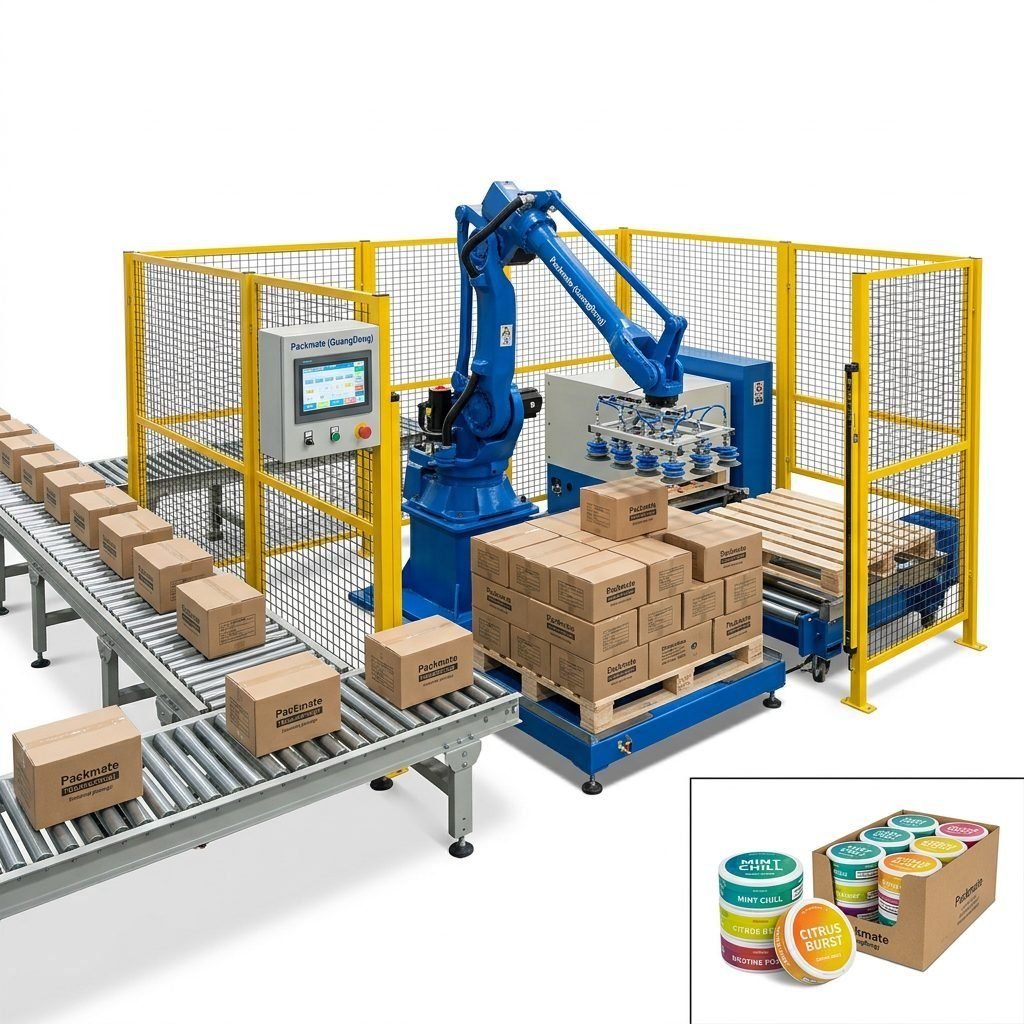
If you need a place to start, review product families like Bag & Pouch Packaging Machines and schedule vendor discussions with a clear list of requirements and evaluation criteria.
Final recommendation: prioritize suppliers that combine proven machine designs, documented FATs, international certifications, and strong after-sales support. Confirm everything in writing before purchase.
Contact and Next Steps
Once you have shortlisted suppliers, request detailed quotations, FAT schedules, and reference contacts. If you want to contact a full-line provider that specializes in snus and nicotine pouch lines and offers turnkey solutions, use the manufacturer’s contact channels to get tailored proposals and factory visit arrangements: Contact Us.
Frequently Asked Questions
1. What machine format is best for small-dose nicotine pouches?
Multi-lane pouch machines and specialized snus/nicotine packaging lines are typically best for small-dose pouches because they allow precise dosing at high throughput while maintaining seal integrity. Evaluate lane count, dosing accuracy, and material handling to choose the right lane configuration.
2. How important are certifications like CE and ISO?
Certifications demonstrate that the equipment meets international safety and quality benchmarks, which is especially important for regulated nicotine products. They reduce compliance risks and make it easier to export finished products to regulated markets.
3. What should I expect during a Factory Acceptance Test (FAT)?
A proper FAT includes running your product or equivalent samples at target speeds, verifying sealing, weight accuracy, and appearance, and documenting results. Ask for live or recorded demonstrations and sign-off checklists that define acceptance criteria.
4. How do I manage spare parts and maintenance for machines shipped to Samoa?
Negotiate spare parts kits in the initial order, obtain a detailed spare parts list with part numbers, and establish lead times for critical components. Ensure the supplier offers remote support, manuals, and training to empower local technicians.
5. Who should I contact to evaluate turnkey packaging solutions?
Reach out to full-line suppliers with experience in nicotine pouch lines and global turnkey projects. For example, you can review product lines and request proposals on pages like Filling & Packaging Lines and arrange direct contact via the Contact Us page.