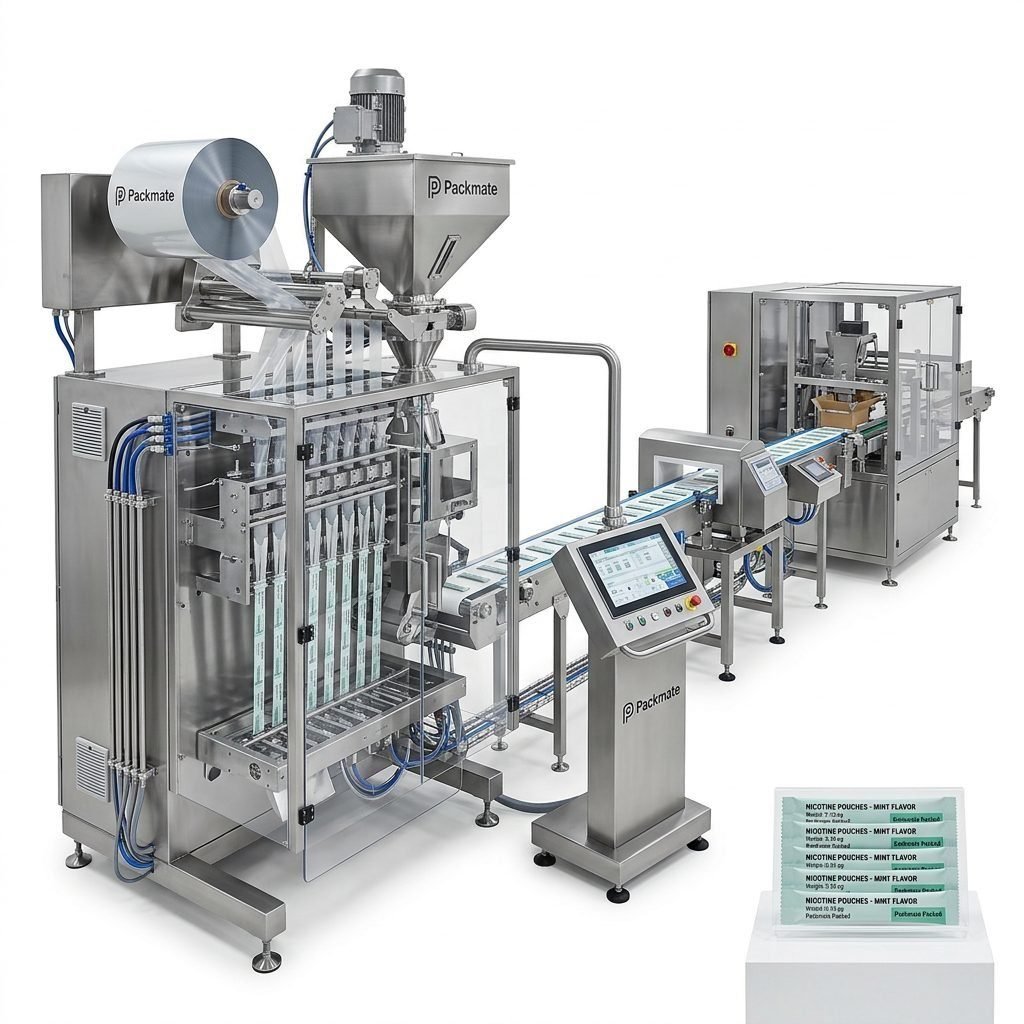
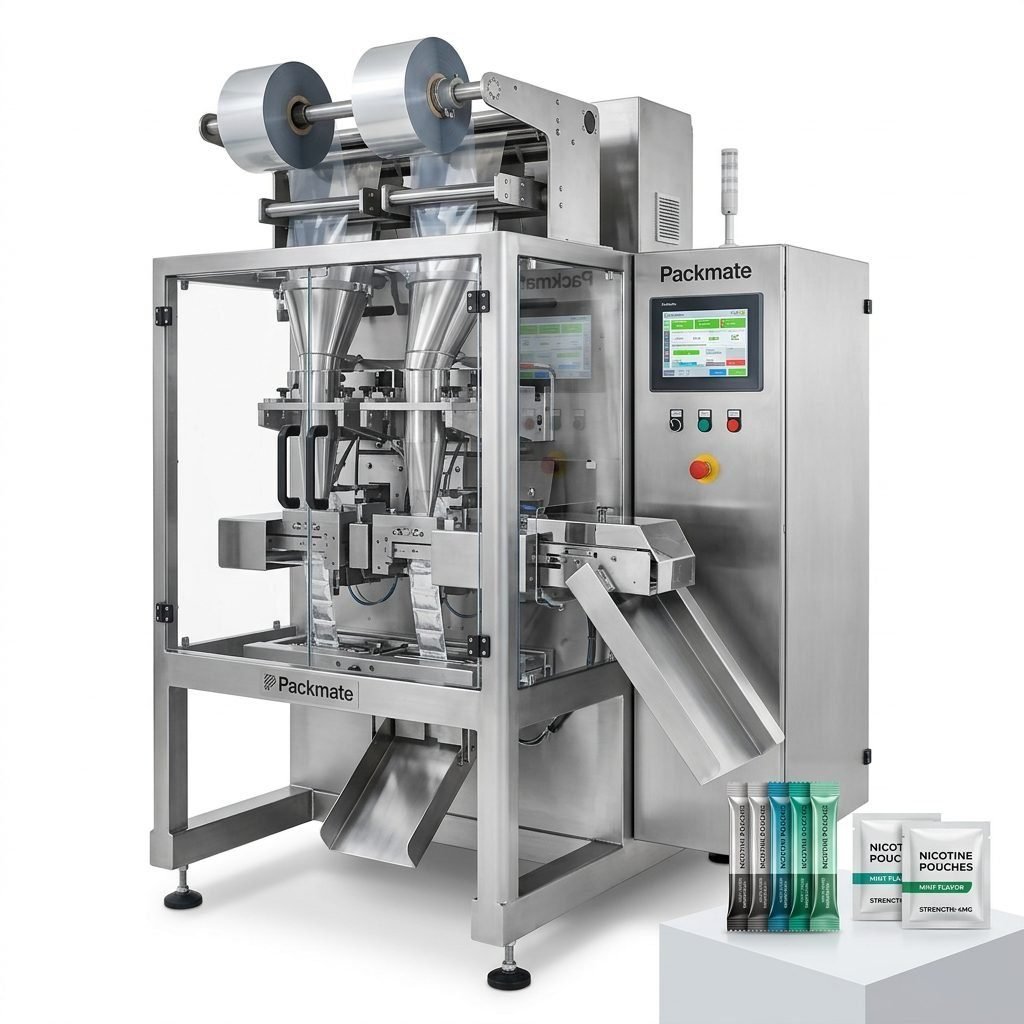
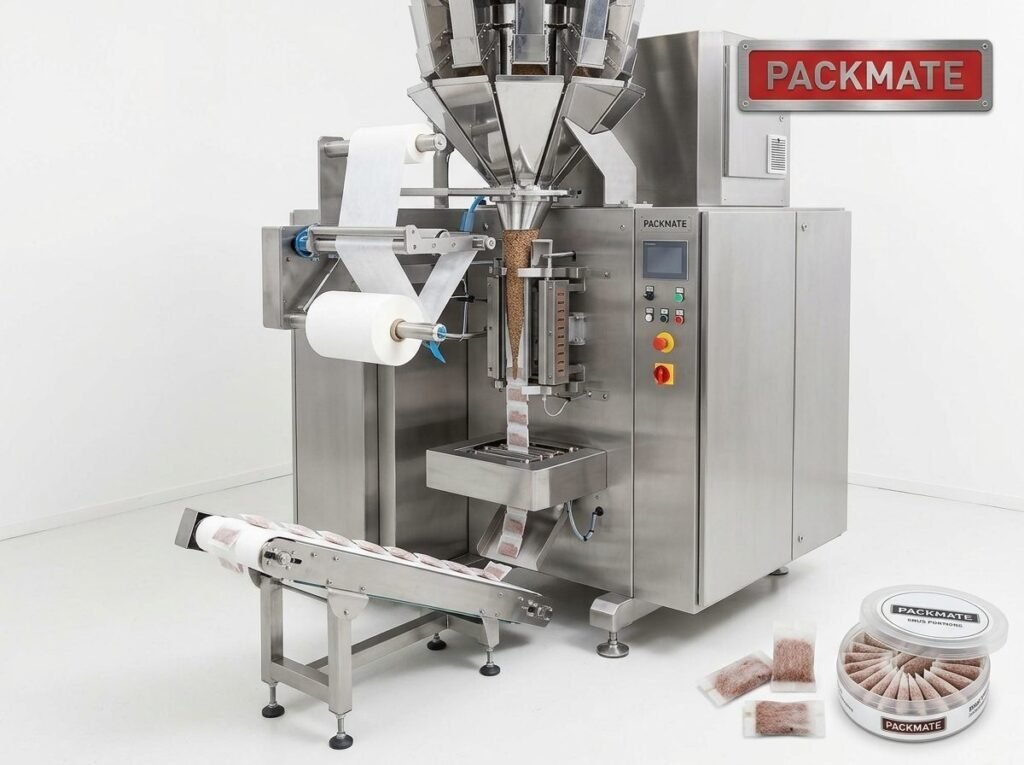
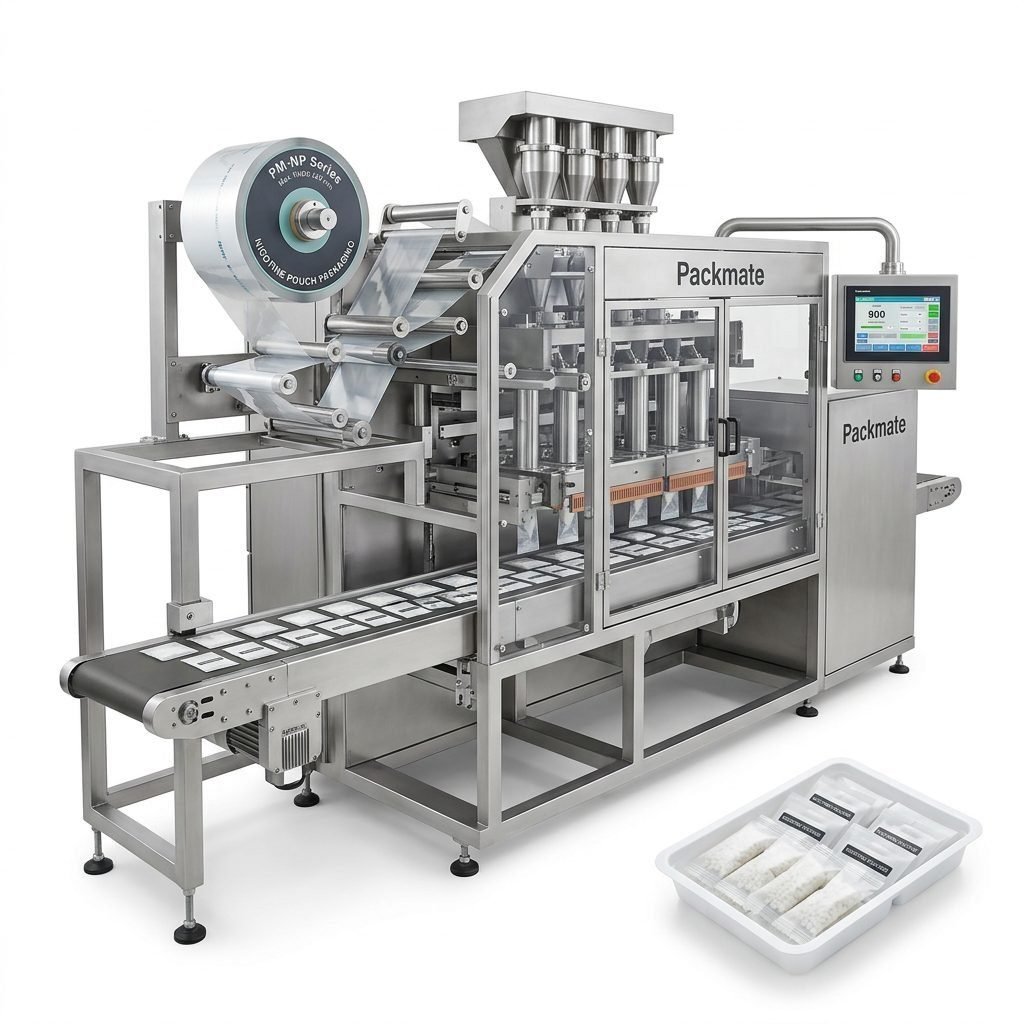
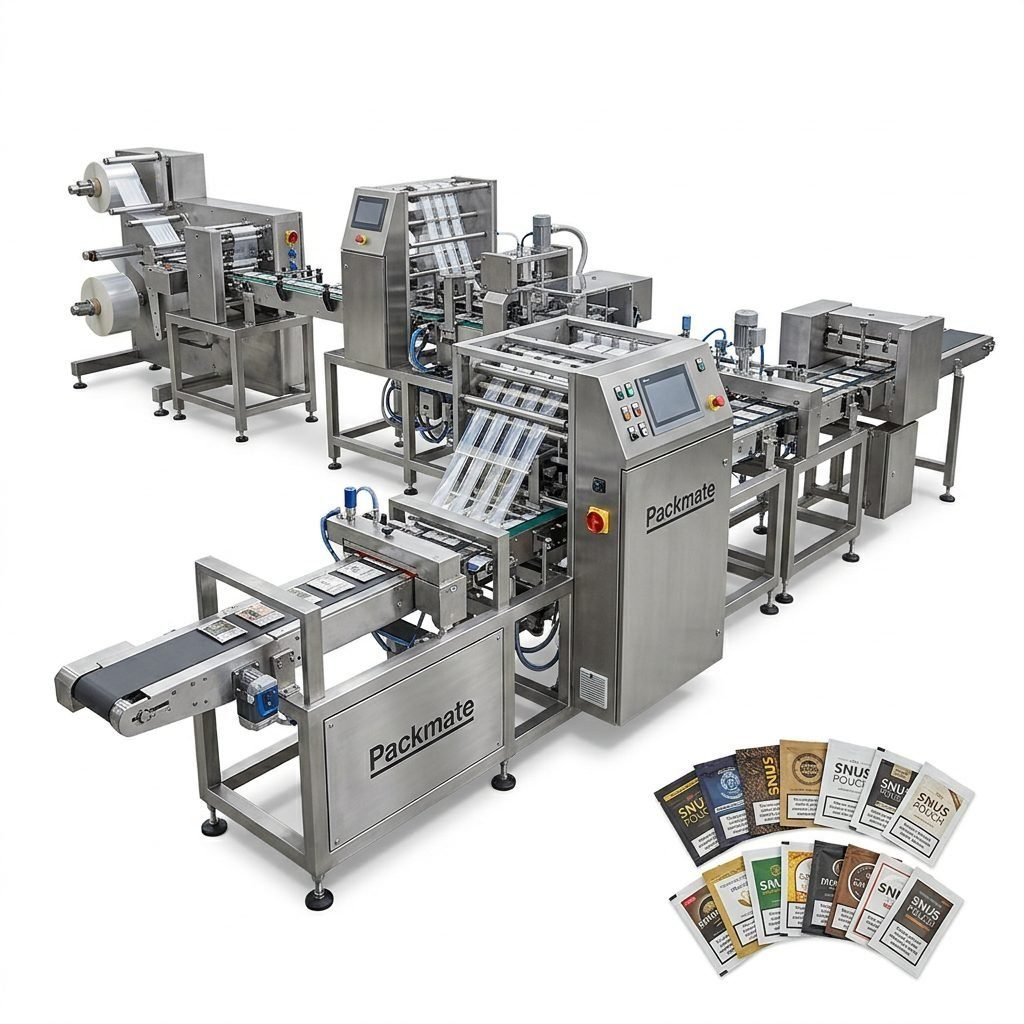
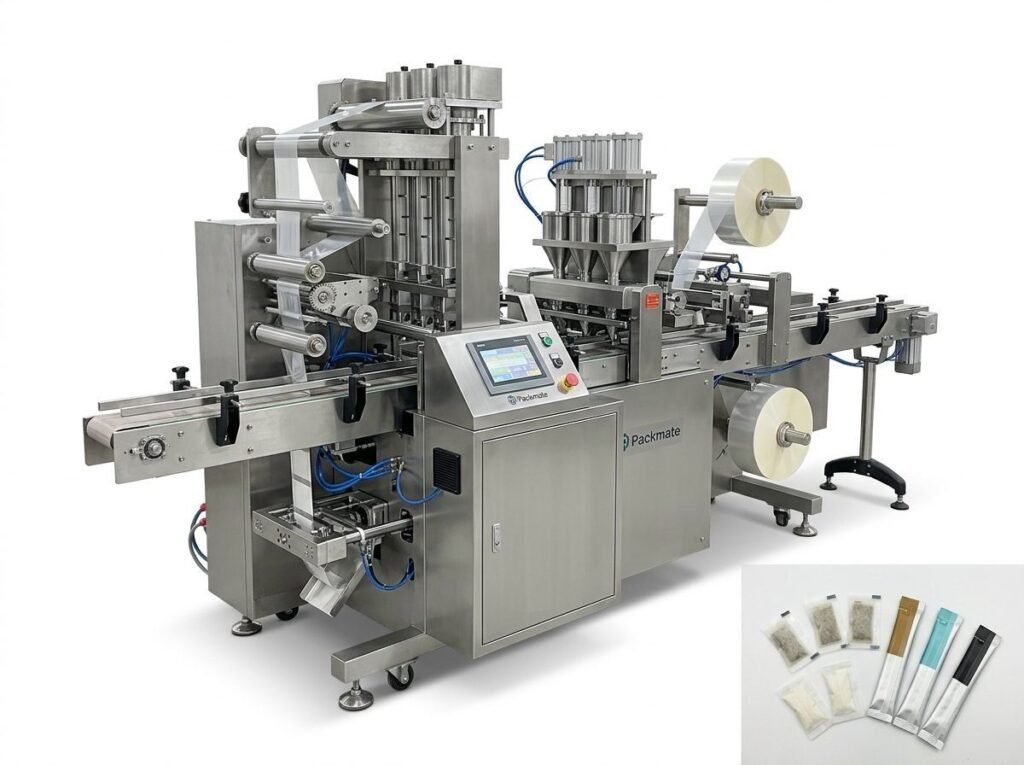
Choosing the right snus packaging machinery manufacturer in Spain can define the scalability, compliance, and cost-efficiency of your nicotine pouch or snus production. This guide walks you through the practical criteria, technical checkpoints, and commercial considerations that help you select a manufacturer who delivers consistent performance, thorough service, and measurable return on investment.
Why selecting the right Spanish manufacturer matters
Spain is a hub for advanced packaging technologies in Europe, offering manufacturers who combine precision engineering with EU regulatory awareness. A reliable Spanish supplier ensures easier logistics across Europe, stronger after-sales service, and faster response times for spare parts and technical support. For companies scaling nicotine pouch lines, these advantages reduce downtime and protect product quality.
Core benefits to expect
✅ Faster compliance with European CE/ISO standards and documentation support for nicotine-related products.
✅ Localized service reduces lead times for spare parts and technical visits.
✅ Optimized logistics for European distribution and customs handling.
Key evaluation criteria when choosing a manufacturer
Focus on measurable capabilities rather than marketing claims. Verify machine performance, engineering depth, and company infrastructure. The most important categories are: technical performance, customization ability, quality systems, production capacity, and after-sales service.
Technical performance and machine types
Inspect the manufacturer’s product range and confirm that machines meet your line-speed, lane-count, and dosage accuracy needs. For snus and nicotine pouches, look for:
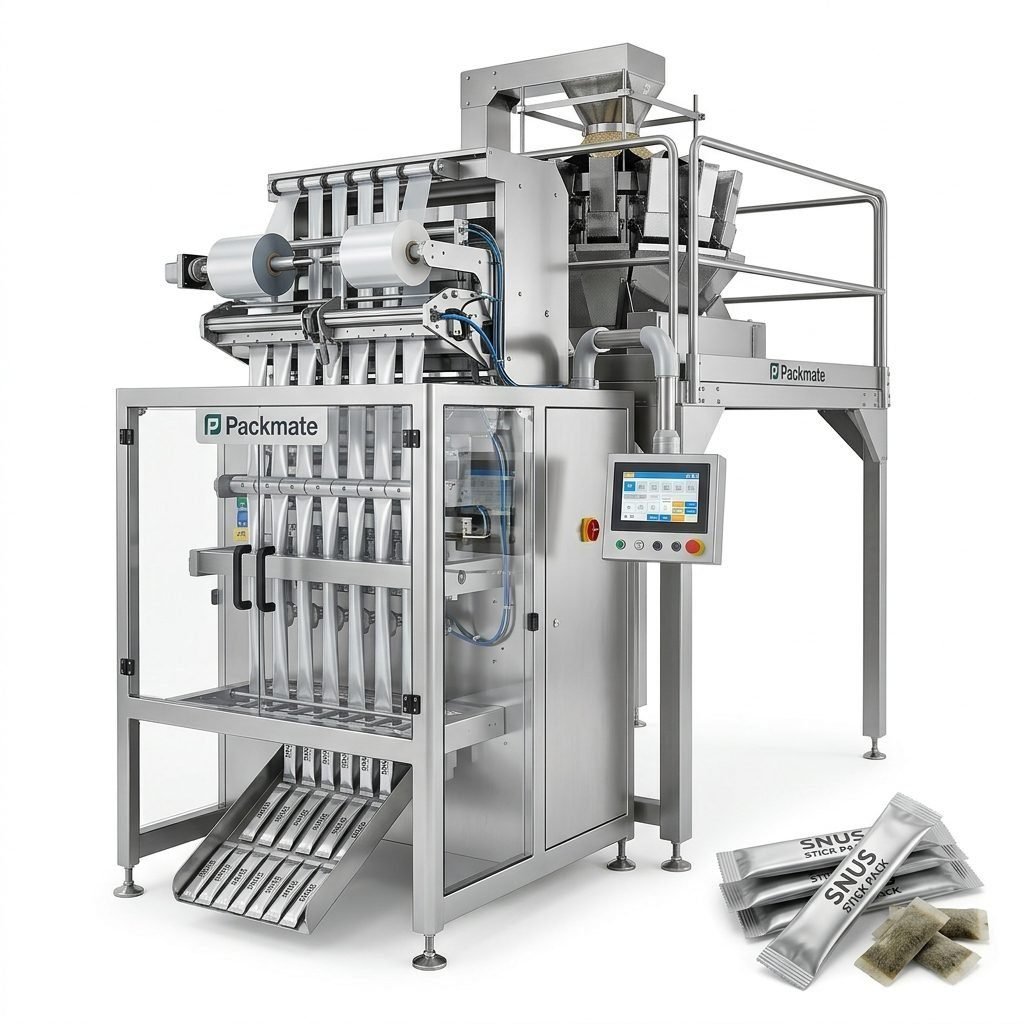
⚙️ Multi-lane pouch systems for small-dose high-throughput production.
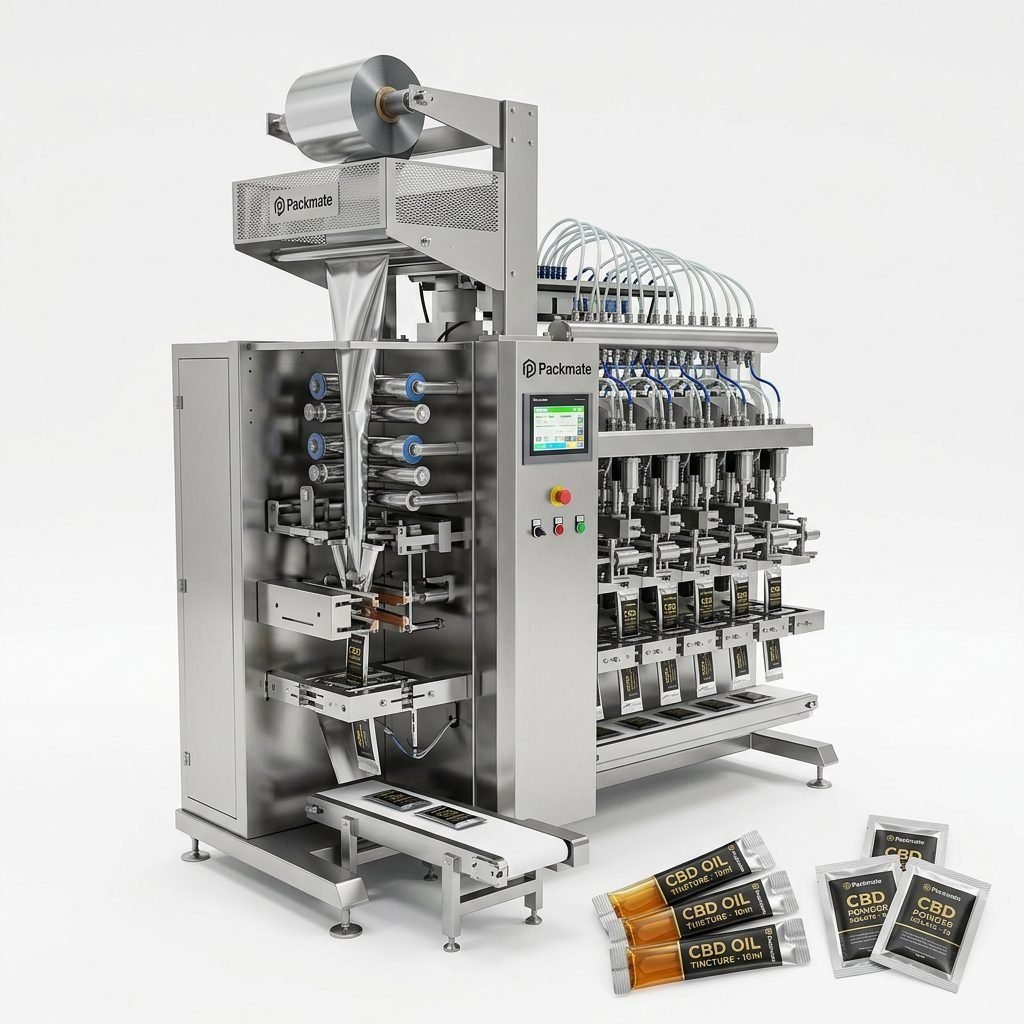
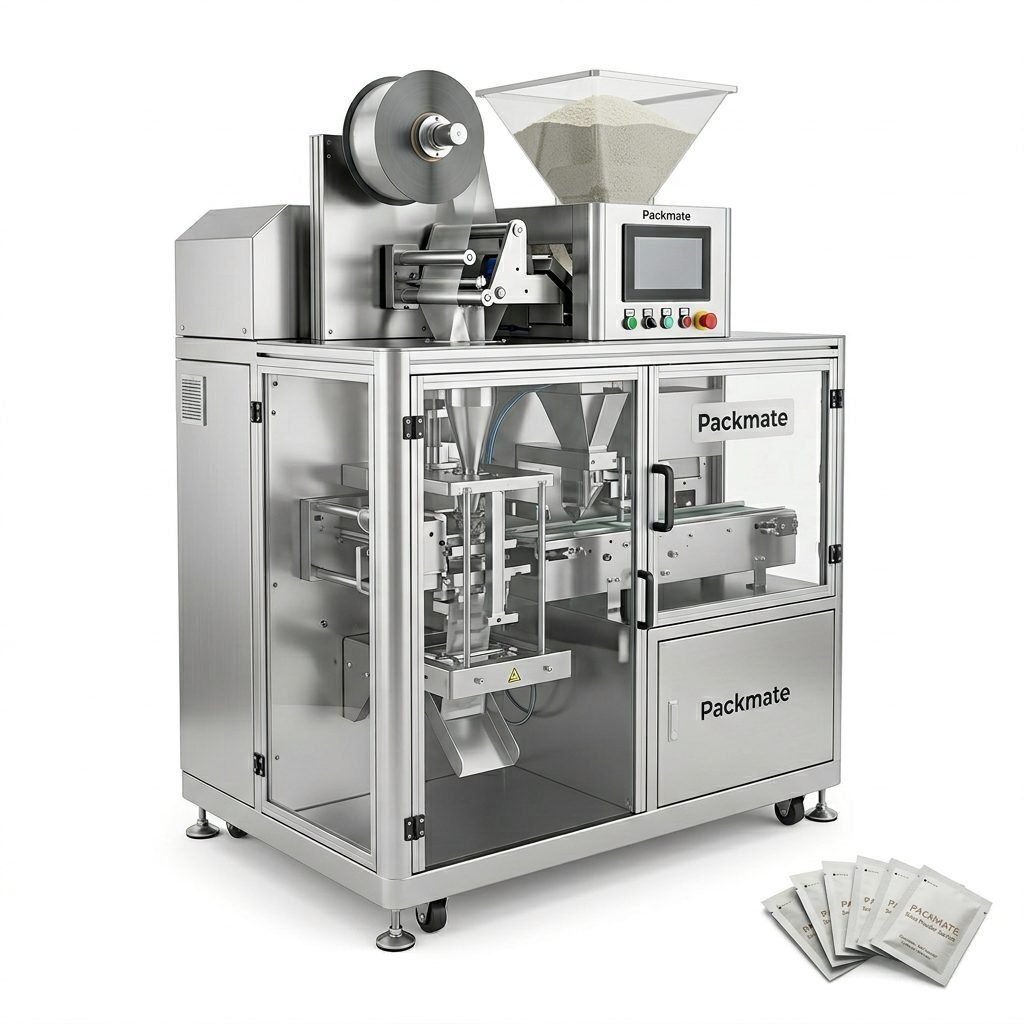
🧾 Sachet & stick pack options for flexible packaging formats — see examples at Sachet & Stick Pack Machines.
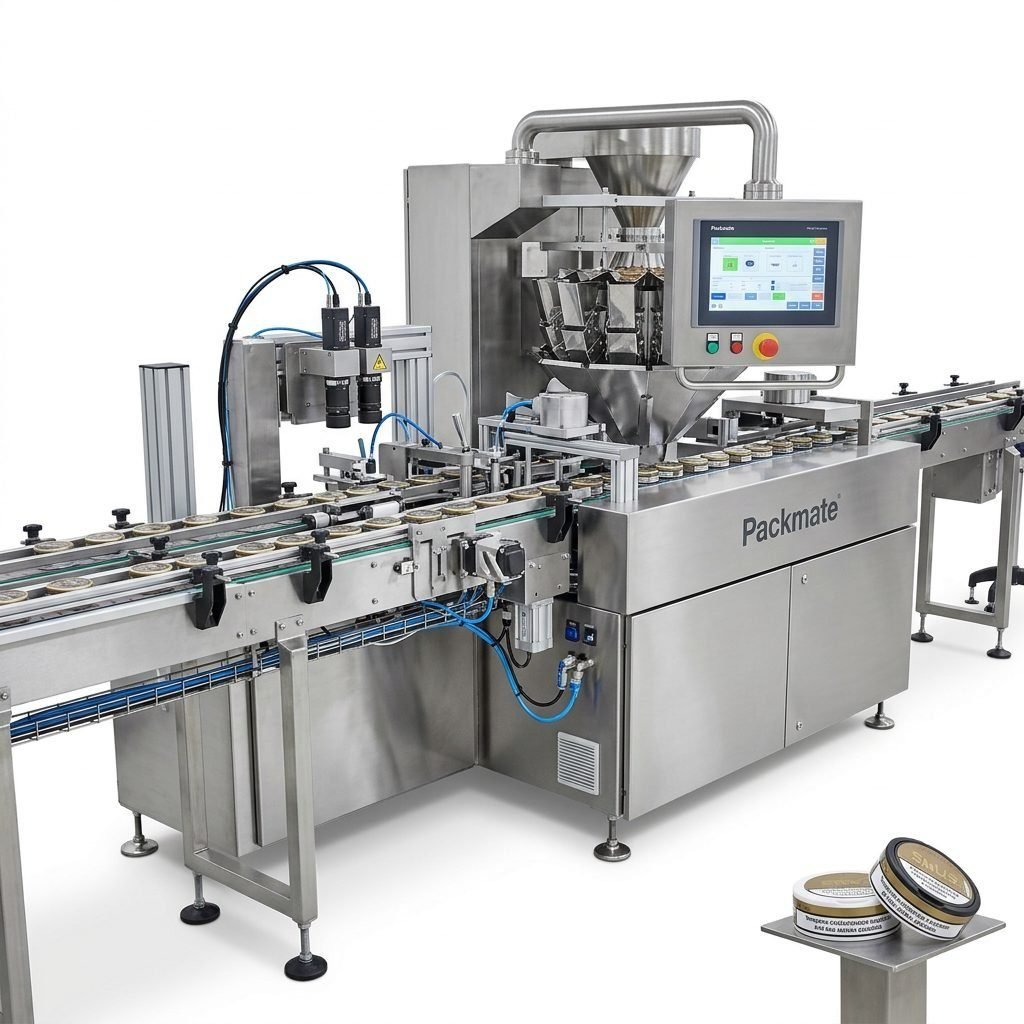
🧩 Integrated weighing and filling systems to maintain consistency — review Weighing & Packaging Systems.
Manufacturing capability and facility
A manufacturing footprint with CNC centers, precision assembly lines, and strict QC processes is critical. Confirm factory scale (e.g., a 20,000㎡ facility), machine model diversity, and custom engineering capacity. These indicators demonstrate the manufacturer’s ability to supply turnkey lines and handle bespoke requirements.
Quality assurance, certifications and regulatory support
Ensure the manufacturer complies with international standards and provides certifications. CE and ISO certifications are baseline requirements for European operations. Ask for factory audit reports, test certificates, and traceability of critical parts. Manufacturers experienced with nicotine pouch lines will understand cross-border regulatory complexities and necessary documentation.
For supplier background and credibility, check their case studies and certificates — for example, view details at Certificate and project cases at Case.
Customization, tooling and integration
A supplier’s ability to customize is often the deciding factor. Determine whether they offer:
🔧 Custom tooling and product-specific dosing modules.
🔌 PLC and HMI integration tailored to your plant control systems.
📈 Turnkey line design that includes upstream feeding and downstream packaging.
Compatibility with existing lines
Ask whether the supplier can integrate new equipment with your plant’s conveyors, labeling systems, and quality inspection devices. Interoperability reduces implementation time and lowers the risk of unexpected retrofits.
After-sales service, spare parts and training
After-sales is where long-term value is delivered. Evaluate:
• Response time for on-site service and remote diagnostics.
• Availability of spare parts and logistics for EU shipments.
• Operator training programs and documentation language options.
• Warranty terms and preventive maintenance plans.
Cost, financing and total cost of ownership (TCO)
The lowest purchase price rarely equates to the lowest TCO. Consider energy efficiency, maintenance intervals, mean time between failures, production uptime, and tooling costs. Request lifecycle cost projections from the manufacturer and compare scenarios with different production volumes.
How to qualify potential manufacturers: a step-by-step checklist
Follow a structured qualification process:
1. Request company profile, factory pictures, and a list of machine models. Confirm factory scale and machining capabilities.
2. Ask for performance data: lane count, ppm, dosing accuracy, and typical MOQ for spare parts.
3. Visit the factory (or request a virtual tour) to inspect assembly lines and testing procedures.
4. Obtain references and case studies, particularly from the snus and nicotine pouch industry — examine relevant products at Snus & Nicotine Packaging Machines.
5. Negotiate warranty, training, and a clear spare parts supply plan.
Negotiating contracts and delivery commitments
Clearly define delivery timelines, acceptance tests, and penalty clauses for missed milestones. Include FAT (Factory Acceptance Test) criteria and SAT (Site Acceptance Test) requirements. Detail responsibilities for installation, commissioning, and training in the contract.
Practical checklist before final purchase
• Confirm CE/ISO certificates and machine safety documentation.
• Validate spare parts lead times and local stocking options.
• Verify training plans for operators and maintenance staff.
• Request sample production runs for your actual SKUs where possible.
• Agree on KPI targets for uptime, throughput, and quality.
Why Packmate Snus Machine is a relevant example
A manufacturer with over 30 years of engineering experience, a 20,000㎡ facility, and specialized multi-lane snus systems demonstrates the types of capabilities you should prioritize. Suppliers with extensive model ranges, such as stick pack, sachet, and multi-lane systems, provide the flexibility needed for evolving nicotine pouch markets. Learn more about the company profile at About Packmate.
ℹ️ Pro tip: If a supplier offers demonstrations at international exhibitions or live machine demos, attend them to validate production claims — check upcoming events at Our Exhibition.
Final selection and onboarding
Once a supplier passes technical, quality, and commercial checks, establish a phased onboarding plan: initial FAT, pilot production, full commissioning, and operator training. Ensure the supplier assigns a dedicated project manager and provides clear escalation paths for technical issues.
Contact and next steps
When you are ready to engage, request a formal proposal that includes detailed specifications, lead times, validation plans, and service agreements. Use the supplier’s service contacts to clarify emergency response times and spare parts logistics — visit Service and Contact Us for direct inquiries.
Frequently Asked Questions
Q1: How do I verify a manufacturer’s claimed production speed and accuracy?
A1: Request a Factory Acceptance Test (FAT), view video documentation of testing with your product type, and ask for performance logs from current customers producing similar nicotine pouch formats.
Q2: What certifications should a European supplier provide for nicotine pouch packaging lines?
A2: At minimum, obtain CE marking and ISO quality management documentation; additionally, request machine-specific safety declarations and any country-specific compliance letters relevant to nicotine product packaging.
Q3: Can suppliers integrate custom dosing modules for micro-dose pouches?
A3: Reputable suppliers will offer custom dosing and multi-lane modules specifically designed for small-dose consistency. Confirm their R&D capacity and ask for sample outputs under load.
Q4: What is a realistic lead time for a complete turnkey snus packaging line?
A4: Typical lead times vary by complexity but expect 12–26 weeks for fully customized lines, including design, assembly, FAT, and shipping. Always confirm with the supplier and build contingency into your project schedule.
Q5: How do I ensure long-term spare parts availability in Europe?
A5: Negotiate spare parts stocking agreements, request parts lists with expected lifecycles, and consider retaining slow-moving critical spares locally to minimize downtime.