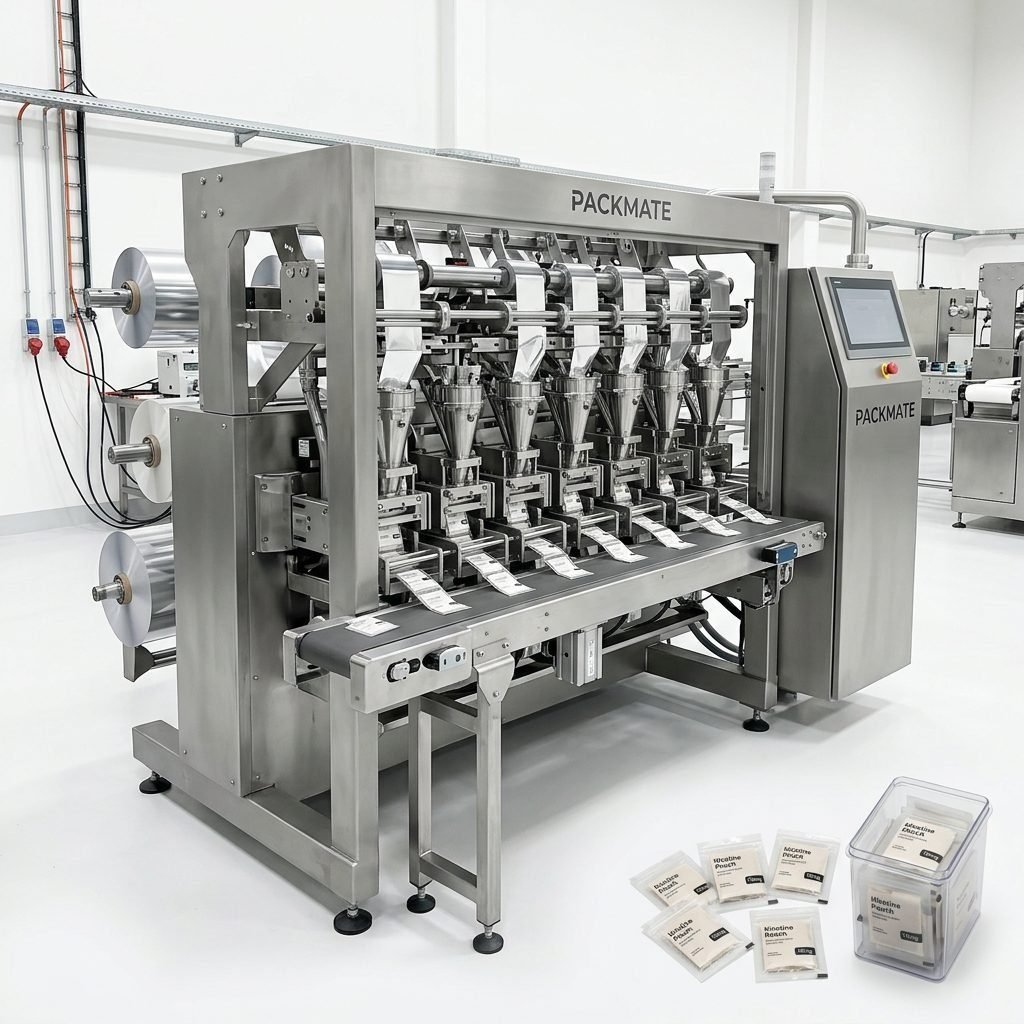
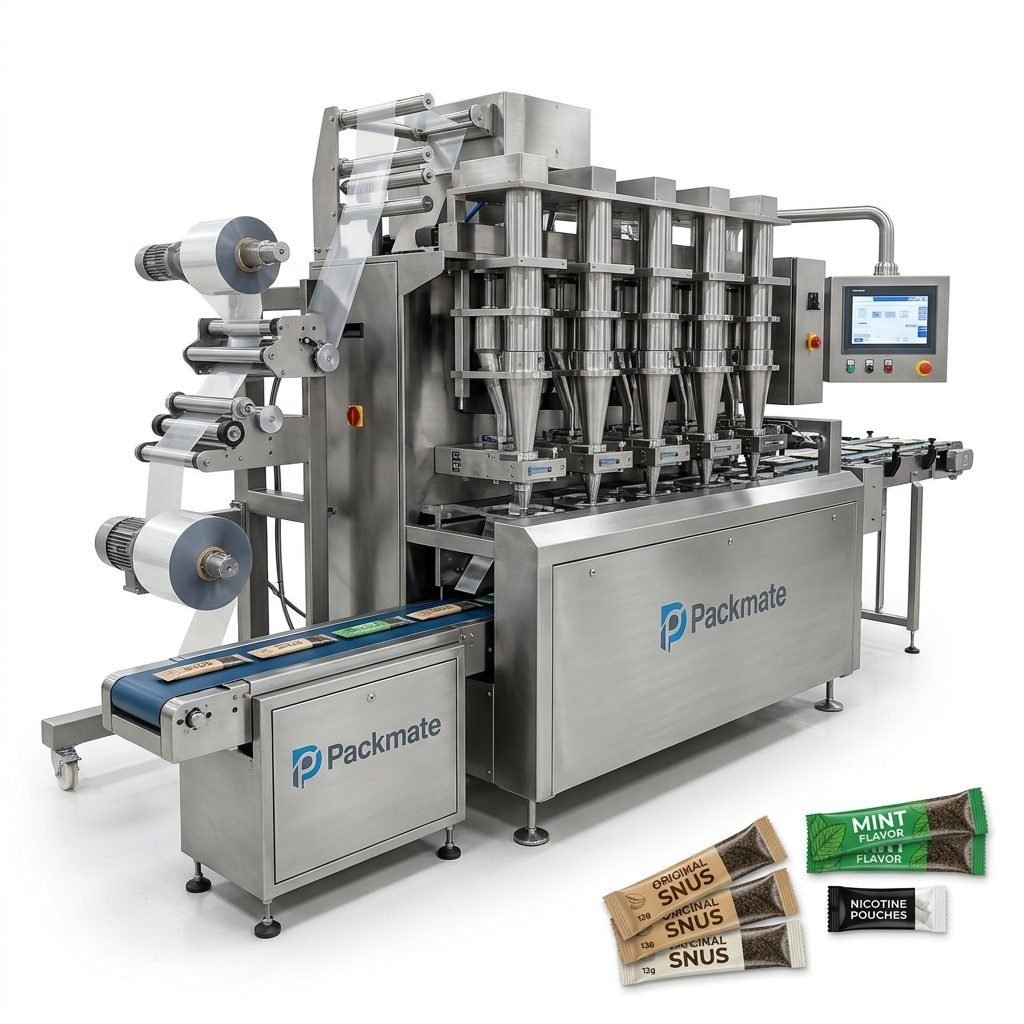
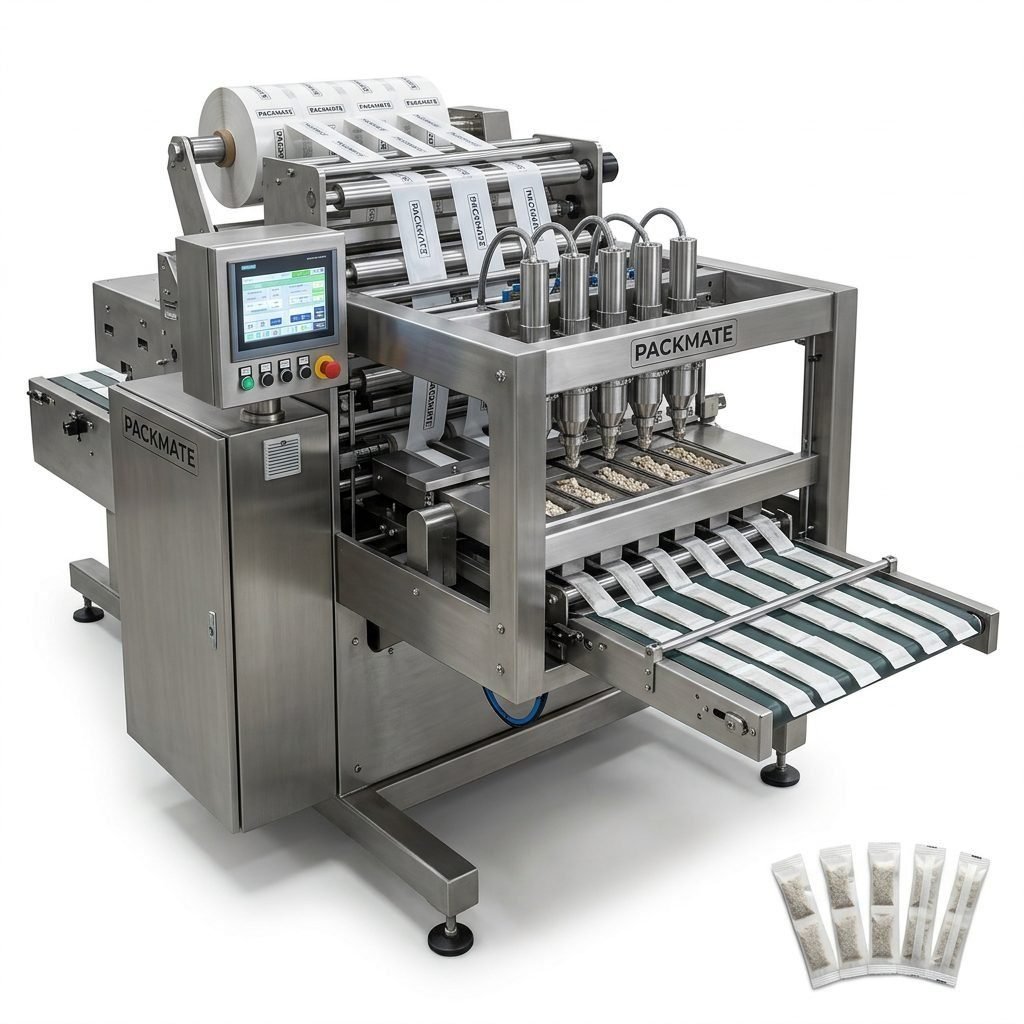
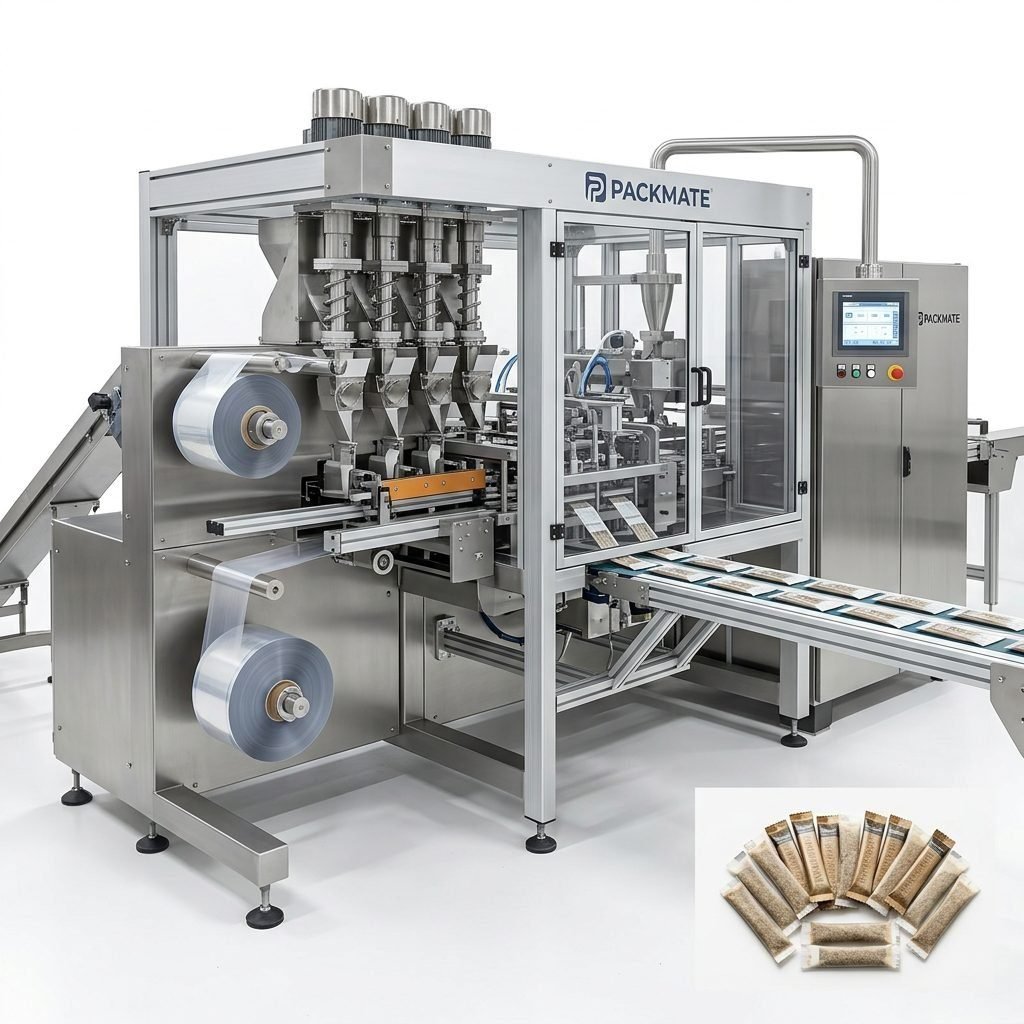
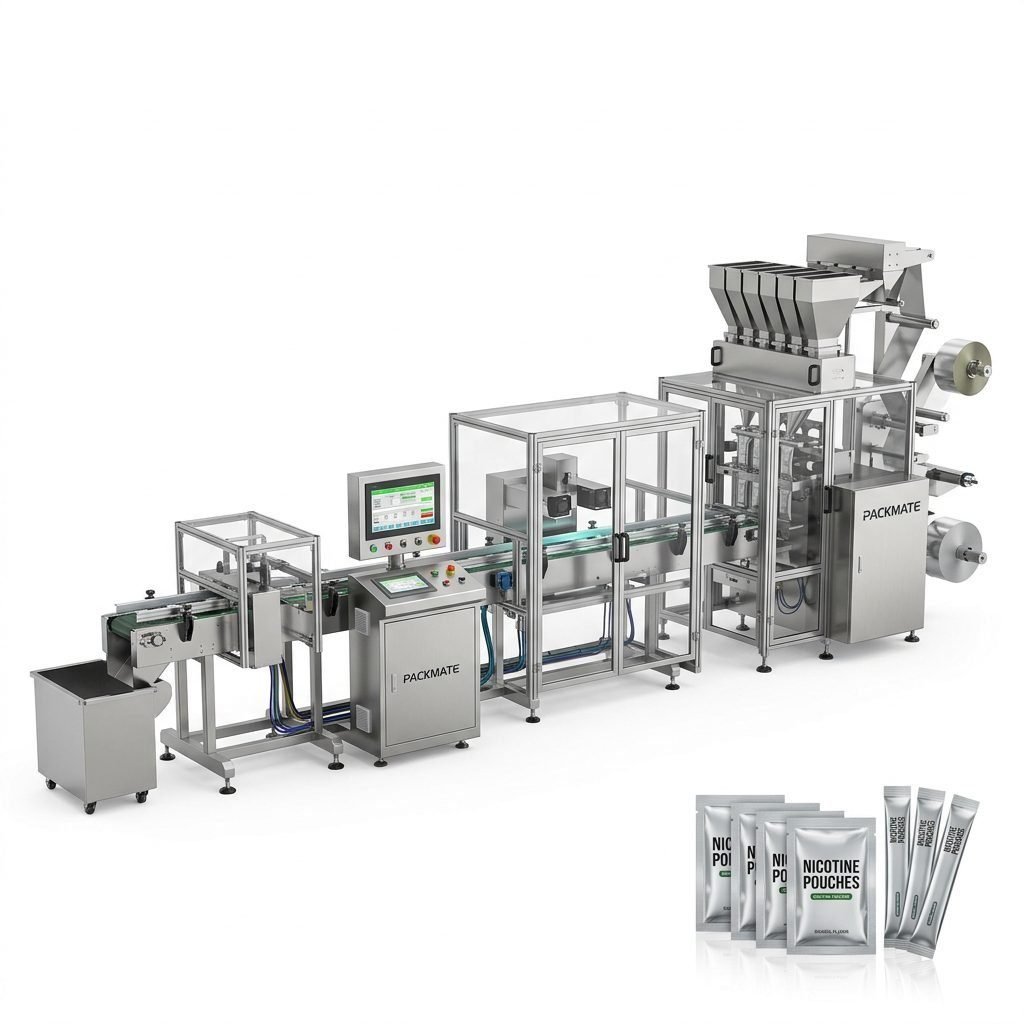
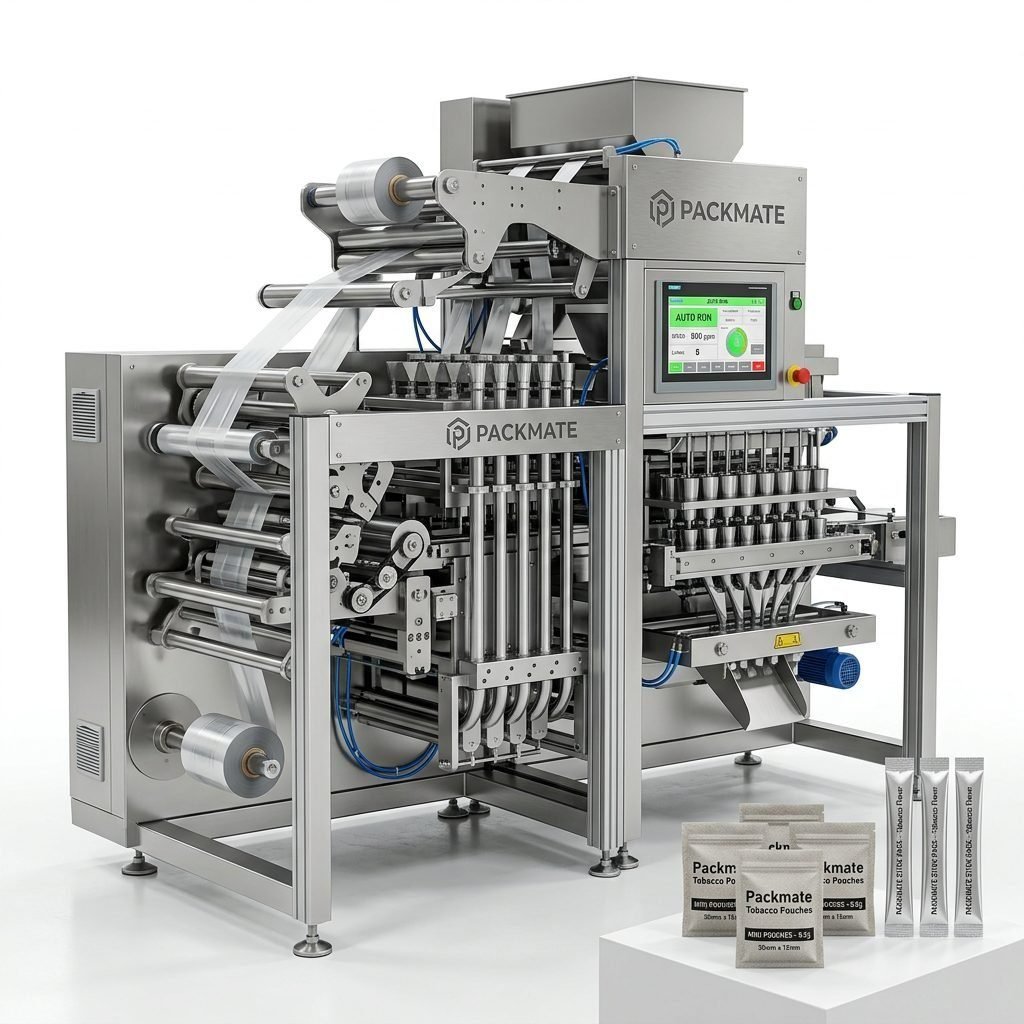
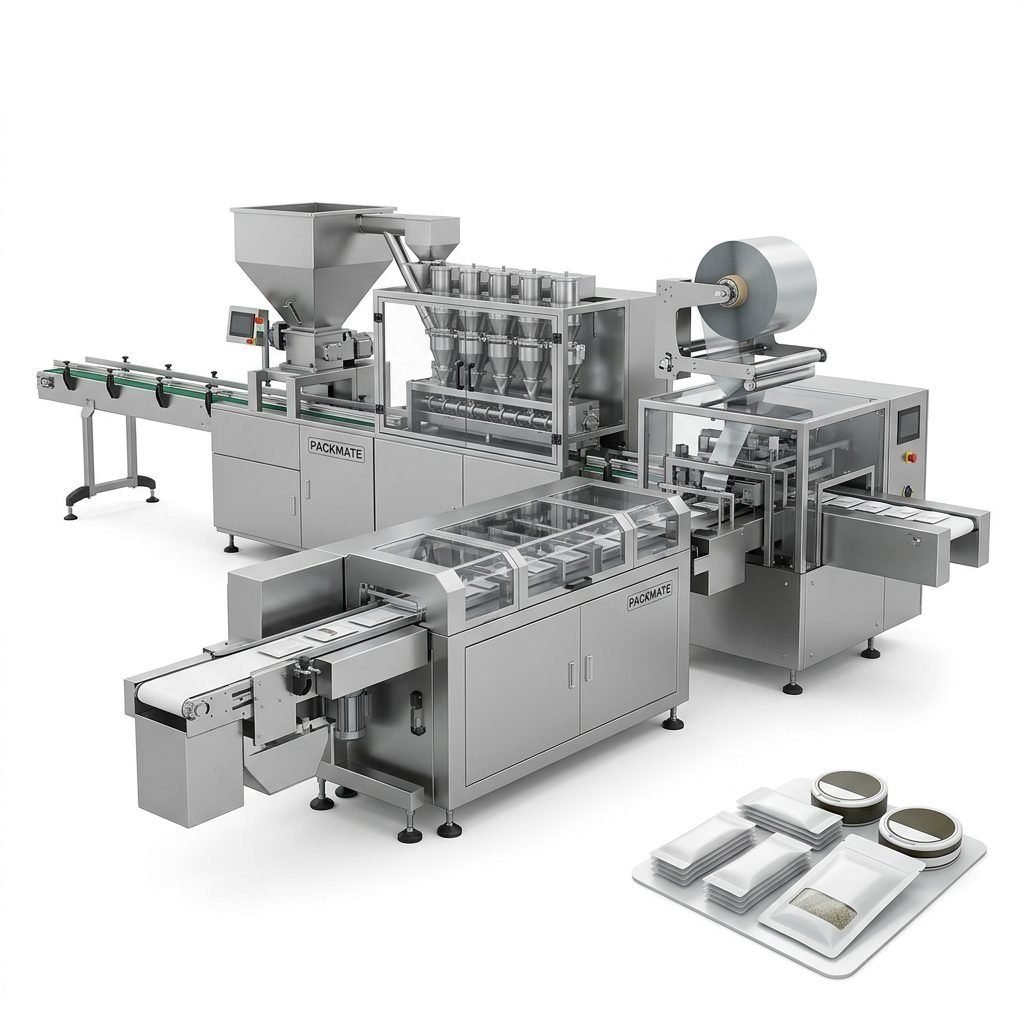
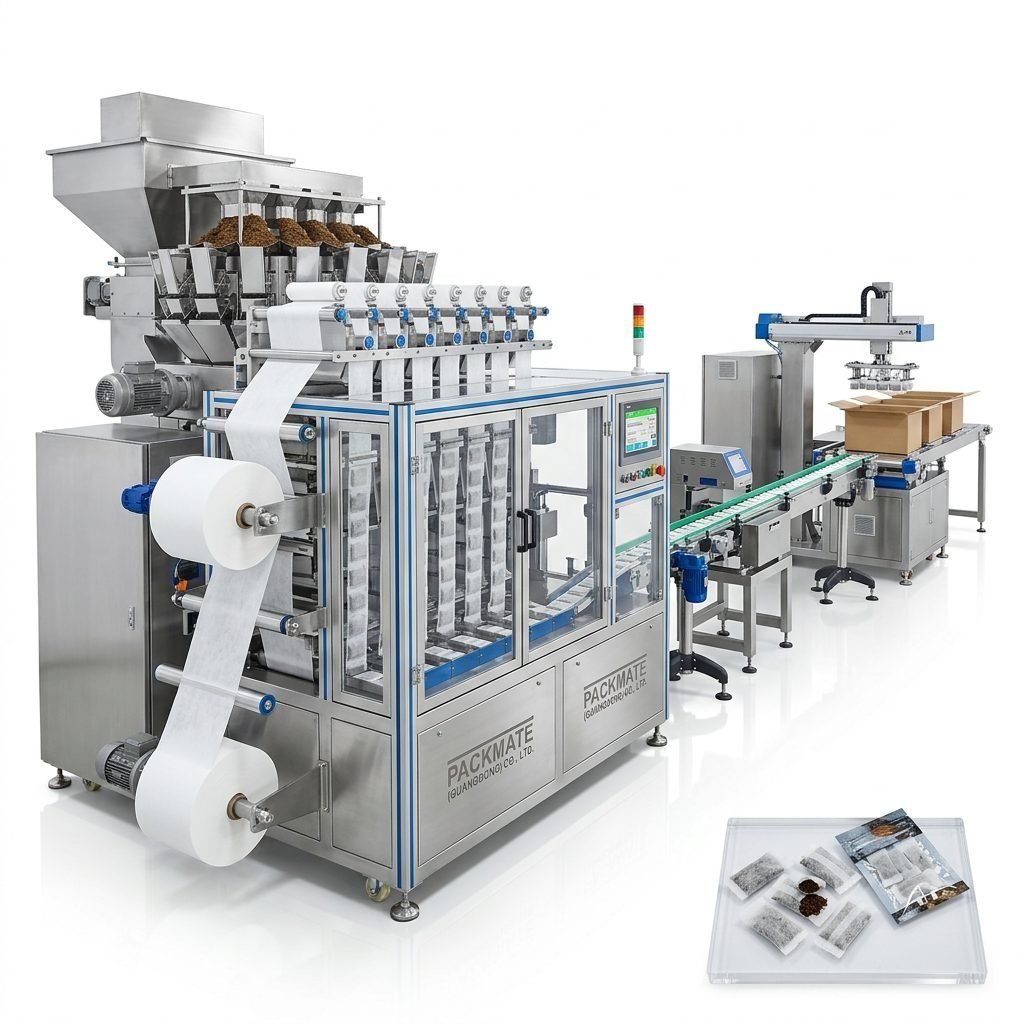
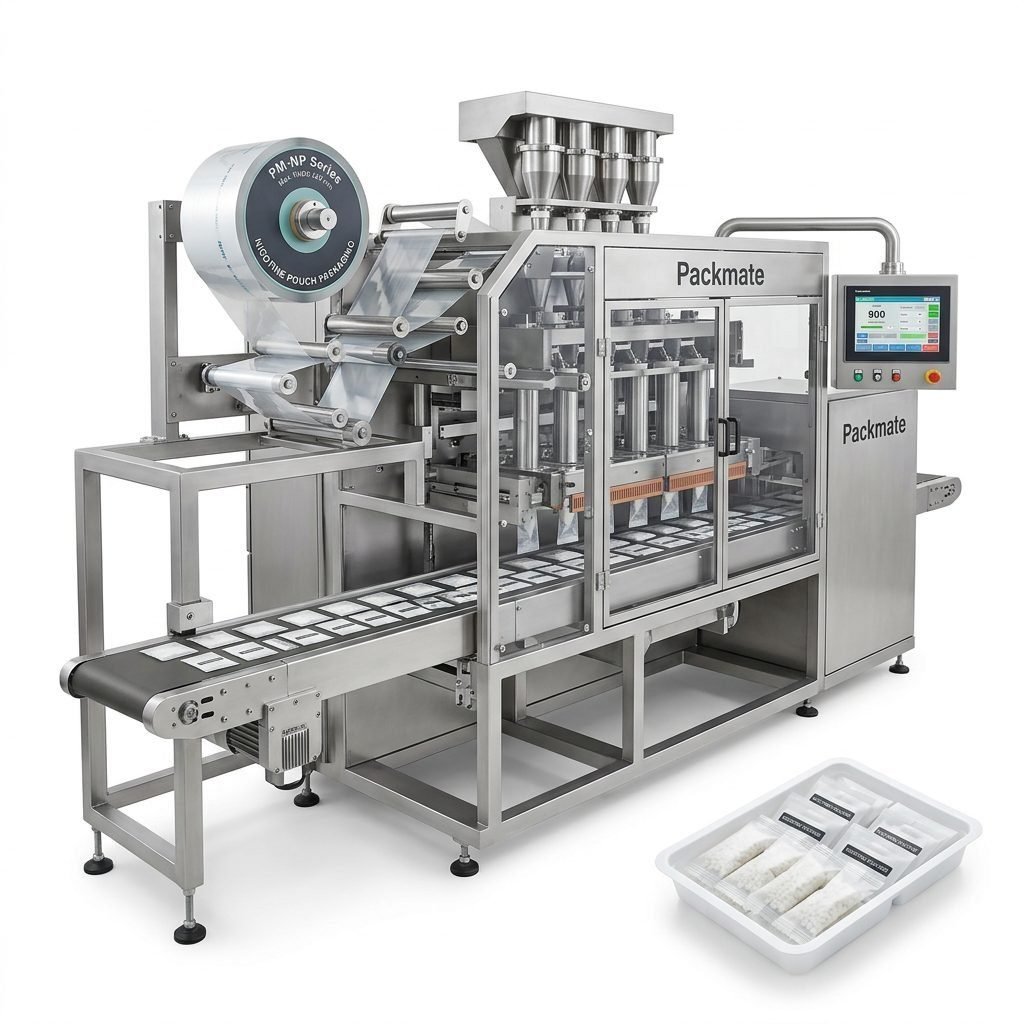
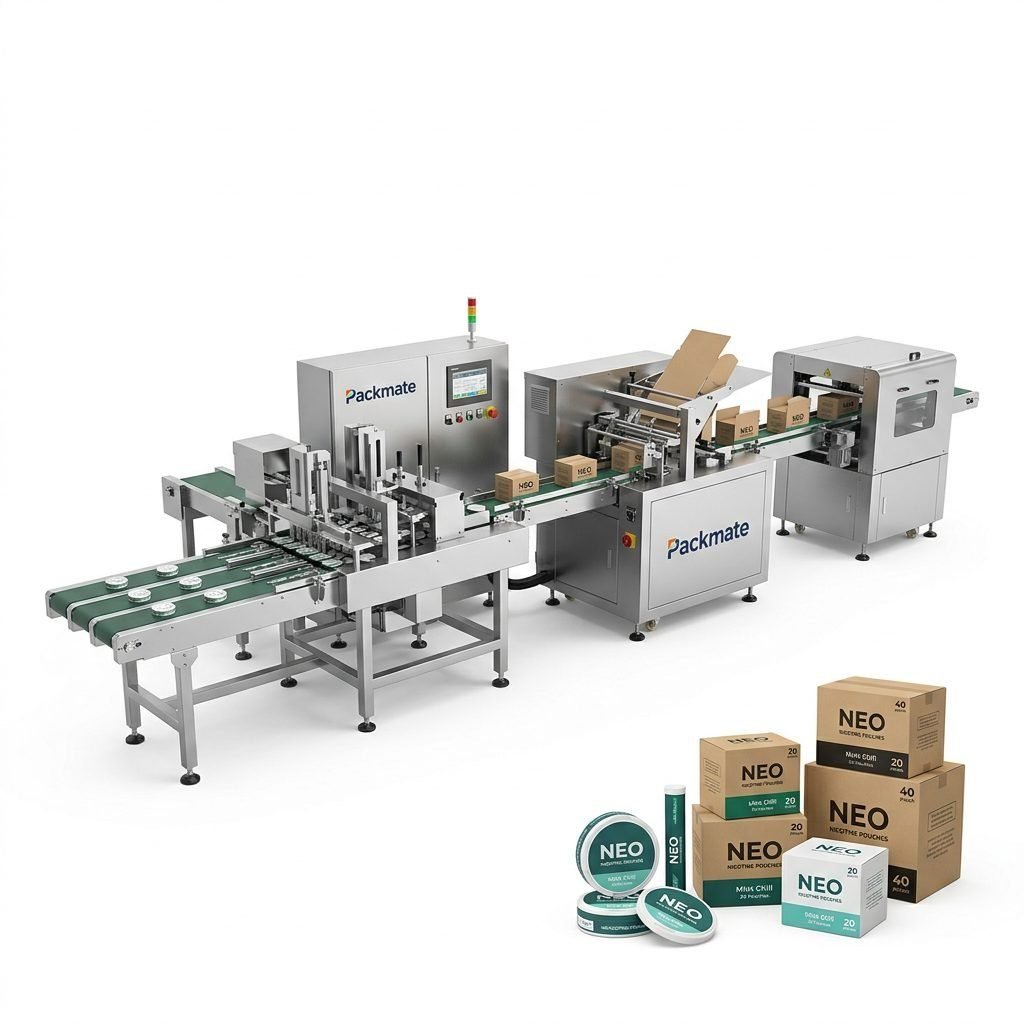
Choosing the right snus packaging machine manufacturer in Southeast Asia is more than a procurement decision — it’s a strategic step that affects product quality, regulatory compliance, production uptime, and your long-term cost structure. This guide walks you through practical, industry-proven criteria and evaluation steps to find a reliable partner that can deliver high-performance snus and nicotine pouch packaging lines tailored to your business needs.
Why the Manufacturer Choice Matters 🔎
A packaging machine is the backbone of your production line. The right manufacturer ensures machines that are stable, accurate, easy to service, and compliant with international standards. Choosing poorly can lead to frequent downtime, inconsistent pouch weight, excessive material waste, and difficulty scaling. In Southeast Asia, many suppliers exist, but real value comes from proven engineering experience, factory capability, and a global service mindset.
Key Manufacturer Capabilities to Verify ⚙️
Look for manufacturers that demonstrate:
- 30+ years or significant engineering background in packaging systems
- Dedicated manufacturing facilities with CNC and precision assembly
- A portfolio of models covering snus / nicotine pouches, stick packs, sachets, and multi-lane systems
- Global customers and turnkey project experience
Tip: A manufacturer with a full workshop, advanced CNC capability and a documented quality control process reduces customization lead times and ensures consistency across machine batches.
Machine Types & Production Flexibility 🧩
Your chosen partner should offer a range of machines that match current and future product formats:
- Multi-lane snus and nicotine pouch packing machines for high throughput
- Stick pack and sachet machines for single-dose or promotional formats
- Powder, granule, and liquid filling systems to support raw material variability
- Auxiliary equipment for conveying, counting, and case packing
Learn more about product lines from the supplier’s catalog and technical pages, for example: Snus & Nicotine Packaging Machines, Sachet & Stick Pack Machines, and Filling & Packaging Lines.
Quality, Standards & Certifications ✅
International certifications (CE, ISO) and documented testing protocols are non-negotiable. Ask for:
- Test reports for machine performance and repeatability
- Certificates showing compliance with electrical and safety standards
- Traceability records for critical components (motors, PLCs, sensors)
Verify certificate copies and, where possible, visit factory testing areas or request live demos during trade shows (Our Exhibition).
Factory Strength & Manufacturing Scale 🏭
A strong manufacturing base supports consistency and fast delivery. Important indicators:
- Factory area size (e.g., 20,000㎡ and dedicated assembly lines)
- Dedicated R&D and test workshops
- Number of machine models and customization capability
Quick check: Ask the supplier for a factory tour or virtual walkthrough and confirm their equipment list (CNC centers, precision assembly equipment).
Service, Spare Parts & Global Support 🌐
After-sales support is where many buyers feel the pain. Confirm:
- Warranty terms and remote diagnostics capability
- Availability of spare parts and typical lead times
- Training packages for operators and maintenance engineers
- Local or regional partners for faster field response
Practical Evaluation Steps 📋
Follow a structured evaluation process to avoid surprises:
- Request a detailed technical spec and an in-line sample video or live demo.
- Ask for references and check customer cases in your region (Case).
- Evaluate electrical & mechanical drawings; confirm PLC and HMI brands used.
- Require a FAT (Factory Acceptance Test) plan and acceptance criteria.
FAT must cover: pouch weight accuracy, sealing integrity, multi-lane synchronization, changeover time, and production speed at target materials.
Total Cost of Ownership (TCO) vs. Upfront Price 💰
Don’t be swayed only by the lowest quote. Evaluate TCO by including:
- Energy consumption and consumables usage
- Maintenance intervals and spare parts cost
- Expected uptime and service response SLA
- Upgrade and scalability options
Regulatory, Materials & Packaging Compatibility 📦
Ensure the machine handles your specific materials (foil, laminate, paper) and that seals meet shelf-life and tamper-evidence requirements. For nicotine products, ensure packaging meets any local regulatory marking or barrier needs.
Questions to Ask a Prospective Manufacturer ❓
Use this short checklist during initial conversations:
- What is your annual production capacity for snus machines?
- Can you provide FAT videos and customer references in my region?
- Which international certifications do your machines hold?
- What is your standard warranty and spare parts policy?
- Do you offer turnkey lines including weighing and auxiliary equipment? (Weighing & Packaging Systems)
Red flag: A supplier unwilling to provide FAT documentation, references, or a site visit should be treated cautiously.
Negotiation & Contract Essentials 📝
In the contract, ensure these items are clearly defined:
- Detailed specifications, acceptance criteria, and FAT checklist
- Delivery timeline, packing, and shipping responsibilities
- Warranty coverage, spare parts list, and lead times
- Training scope, documentation, and remote support terms
A Real-World Path: From RFQ to Production 🚀
1) Prepare an RFQ with product specs, expected speed, and sample materials.
2) Request a proposal with detailed machine drawings and electrical schematics.
3) Schedule FAT and pilot run with your materials.
4) Approve acceptance and arrange shipping, installation, and training.
5) Start with a controlled ramp-up and collect performance data for optimization.
Supplier Highlights — Why Consider Packmate Snus Machine 🏷️
When evaluating manufacturers in Southeast Asia, consider companies with deep packaging experience and turnkey capabilities. Suppliers with a history of focused R&D in snus packaging, large factory footprints (e.g., 20,000㎡), and a portfolio of multi-lane systems are advantageous. For more on supplier credentials, see About Packmate and their Certificate pages.
Pro tip: Balance technical fit with serviceability. Local spare stock and documented training reduce lifecycle costs and minimize downtime.
Final Steps Before You Buy ✅
– Confirm spare parts kit and commissioning plan.
– Set KPIs for the first 90 days (uptime, yield, material waste).
– Agree on a continuous improvement plan with the manufacturer for optimization after installation.
Frequently Asked Questions
Q1: How long is the typical lead time for a customized snus packing line?
A: Lead time depends on customization depth; standard multi-lane solutions may ship in 12–20 weeks, while fully customized turnkey lines require longer planning. Always confirm factory capacity and current backlog.
Q2: Can manufacturers handle nicotine pouch regulatory requirements?
A: Reputable manufacturers ensure machines meet hygiene, electrical, and sealing standards. You should still confirm labeling and materials compliance per your market rules.
Q3: What warranty and support terms should I require?
A: A minimum 12-month warranty on mechanical and electrical parts, clear spare parts pricing, and remote troubleshooting are recommended. Onsite support or local partners speed resolution.
Q4: Where can I see real machine demos or customer references?
A: Ask for FAT videos, site visit references, and exhibition demos; supplier pages and case studies often list global deployments and event demos (Our Exhibition, Case).
If you are ready to request proposals, prepare a concise RFQ with your product specs, pouch material, target speed, and expected uptime. A clear RFQ gets you accurate proposals and accelerates vendor evaluation.
Useful links: Bag & Pouch Packaging Machines, Auxiliary Packaging Equipment, Contact Us.