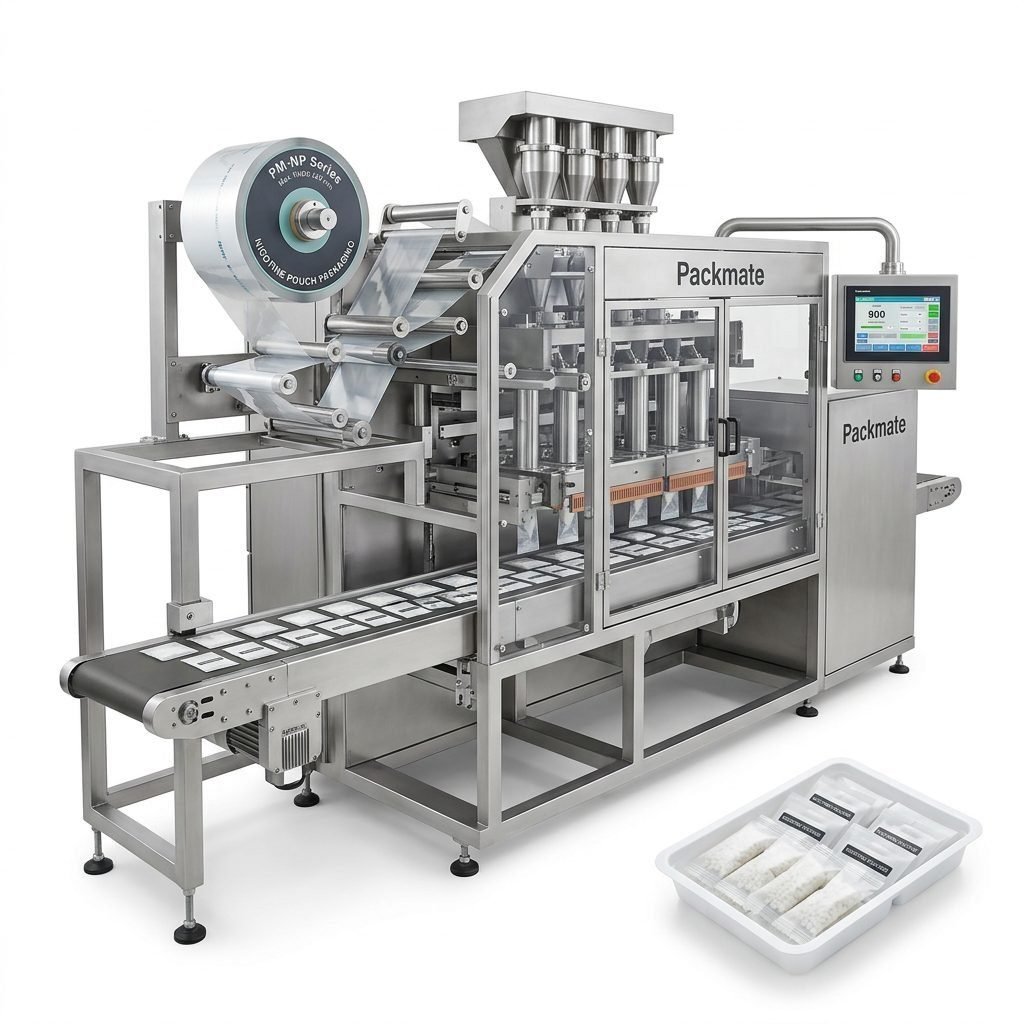
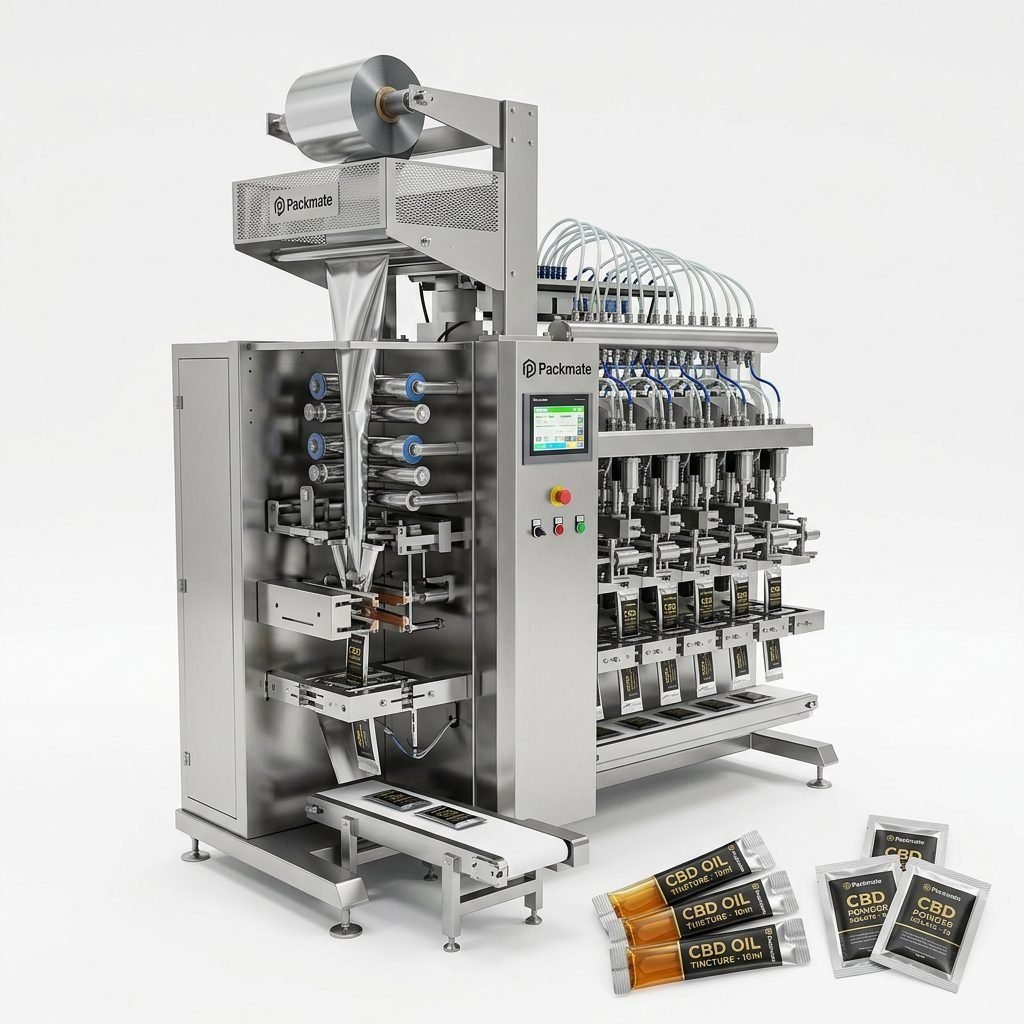
Entering the Israeli snus and nicotine pouch market requires more than a good recipe — it demands the right packaging machinery that ensures consistent dosing, airtight sealing, regulatory compliance, and efficient throughput. This buyer’s guide walks manufacturers through choosing snus packaging machinery in Israel, from machine types and production planning to supplier evaluation and after-sales support, so you can make an informed investment.
Market Context & Why Machinery Choice Matters 🇮🇱
Israel’s consumer preferences and regulatory environment create unique requirements for snus and nicotine pouch production. Machines must deliver strict hygiene, precise portion control, and flexible packaging styles to meet both domestic demand and export standards. Choosing equipment that combines stability, speed, and easy validation is critical to avoid costly downtime and compliance issues.
Key outcomes you should expect
⚙️ Consistent dosing — each pouch must hit target weight within tight tolerances.
📦 Reliable sealing — hermetic seals to preserve freshness and comply with transport rules.
⏱️ Minimal downtime — quick changeovers for small batches and flavor SKUs.
🔁 Traceability & validation — to meet audits and export requirements.
Common Types of Snus Packaging Machines
Different product forms and business models demand different machine families. Here are the most relevant options:
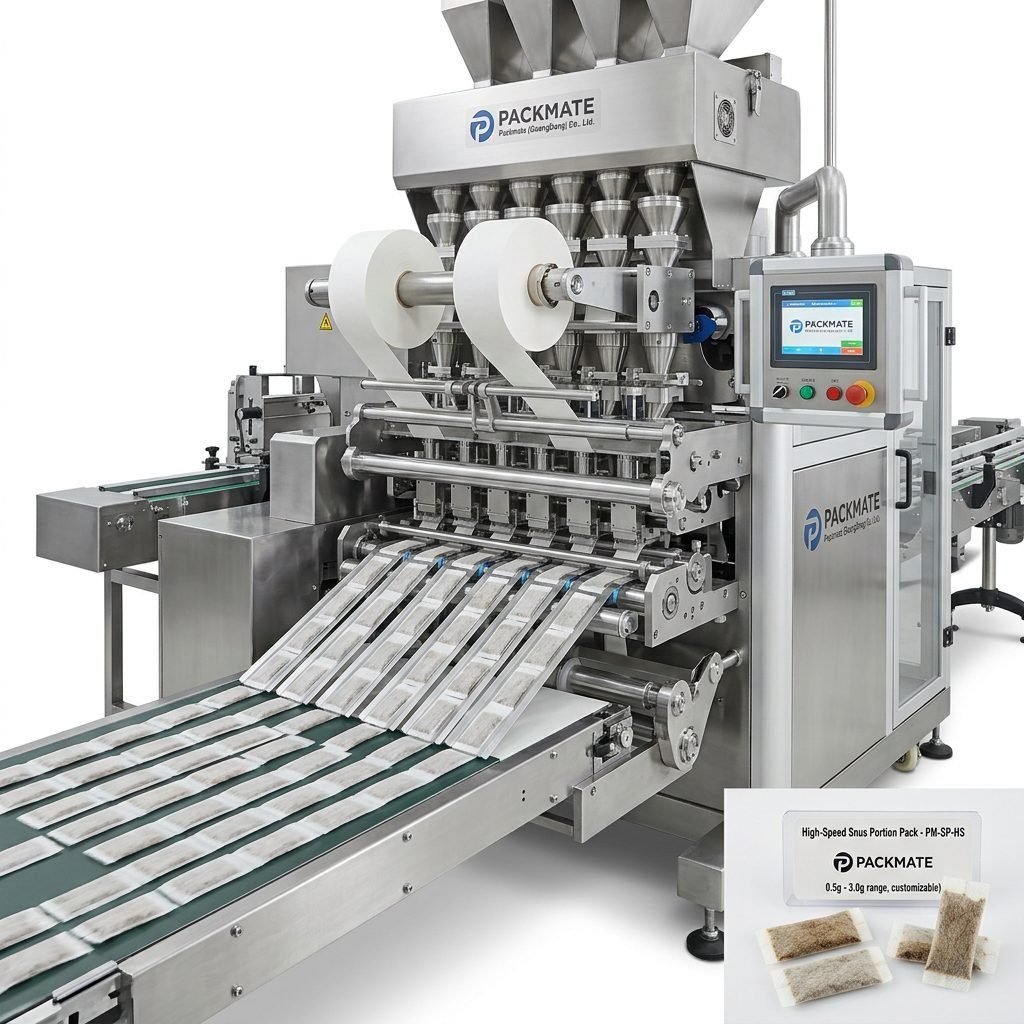
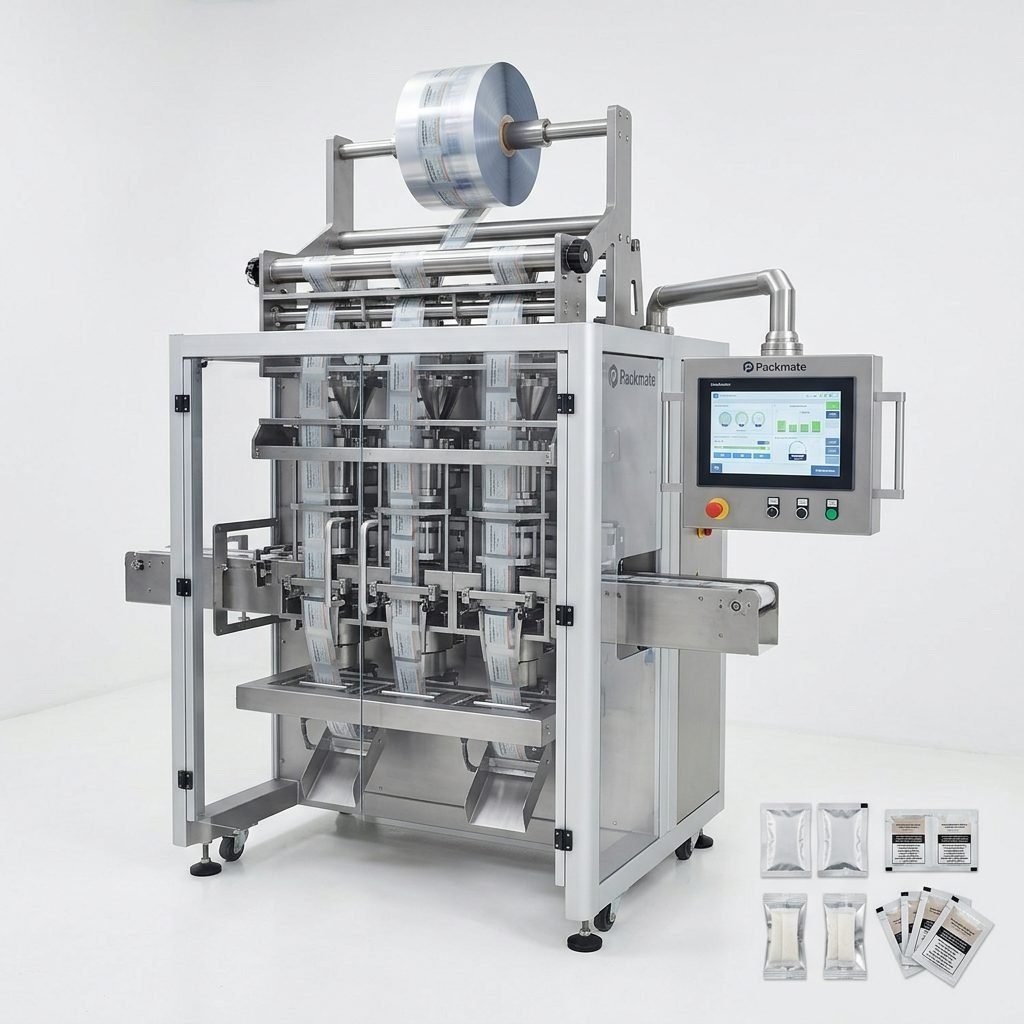
1. Single-lane & Multi-lane Nicotine Pouch Machines
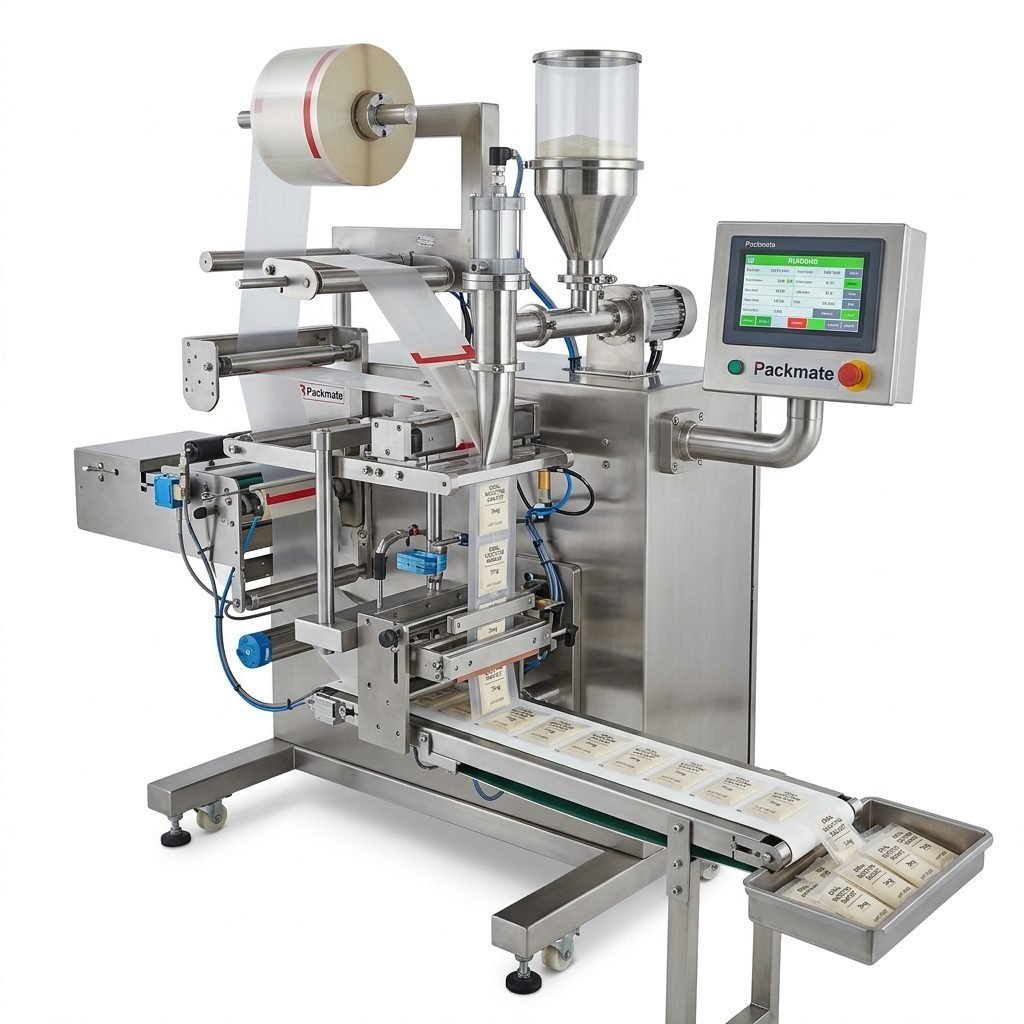
Multi-lane systems increase output without enlarging the machine footprint. For manufacturers aiming at high throughput, a robust multi-lane solution ensures uniform pouch formation and synchronized dosing across lanes. Single-lane machines remain economical for smaller runs or R&D.
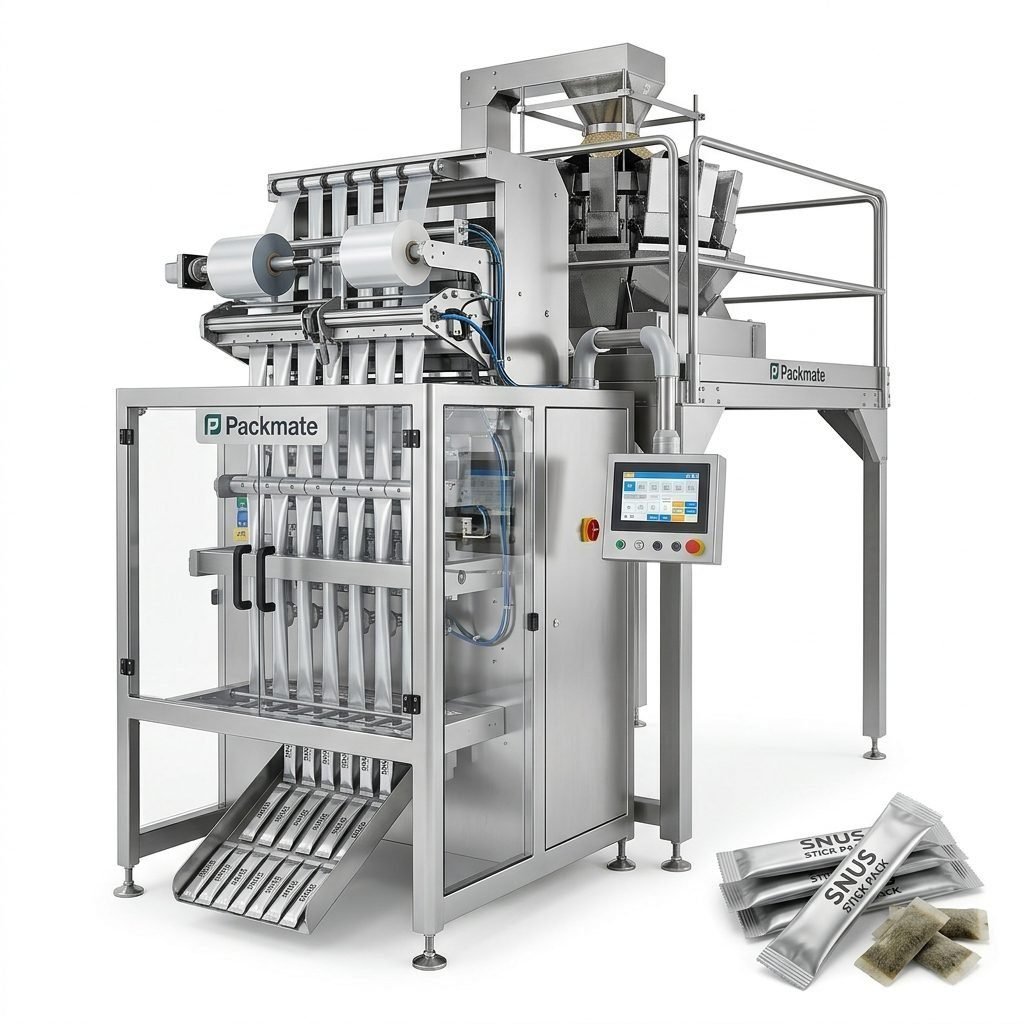
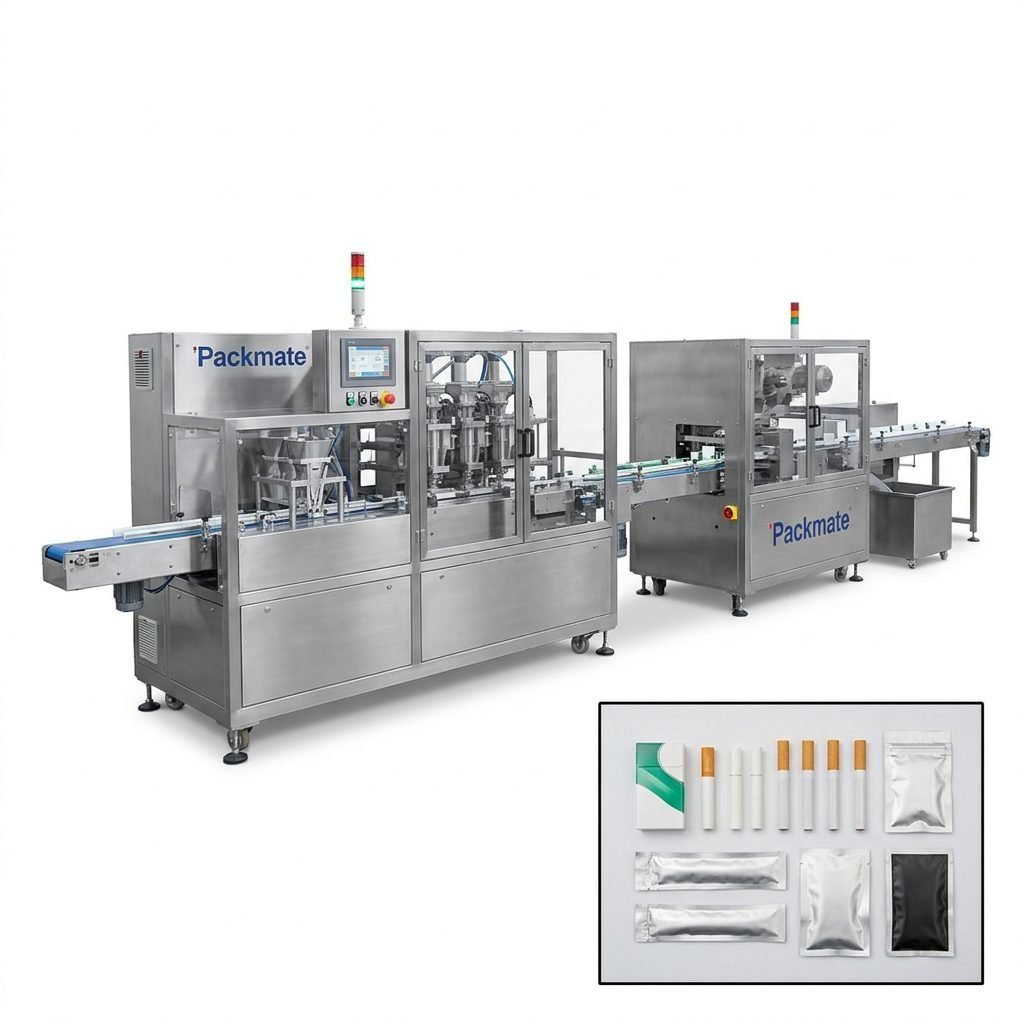
2. Sachet & Stick Pack Machines
Sachet and stick formats provide alternative portion experiences. These machines are ideal when product presentation, portioning speed, and packaging aesthetics are priorities. If you want to explore stick or sachet formats, evaluate thermal sealing quality and film handling accuracy.
Learn more about proven options: Sachet & Stick Pack Machines.
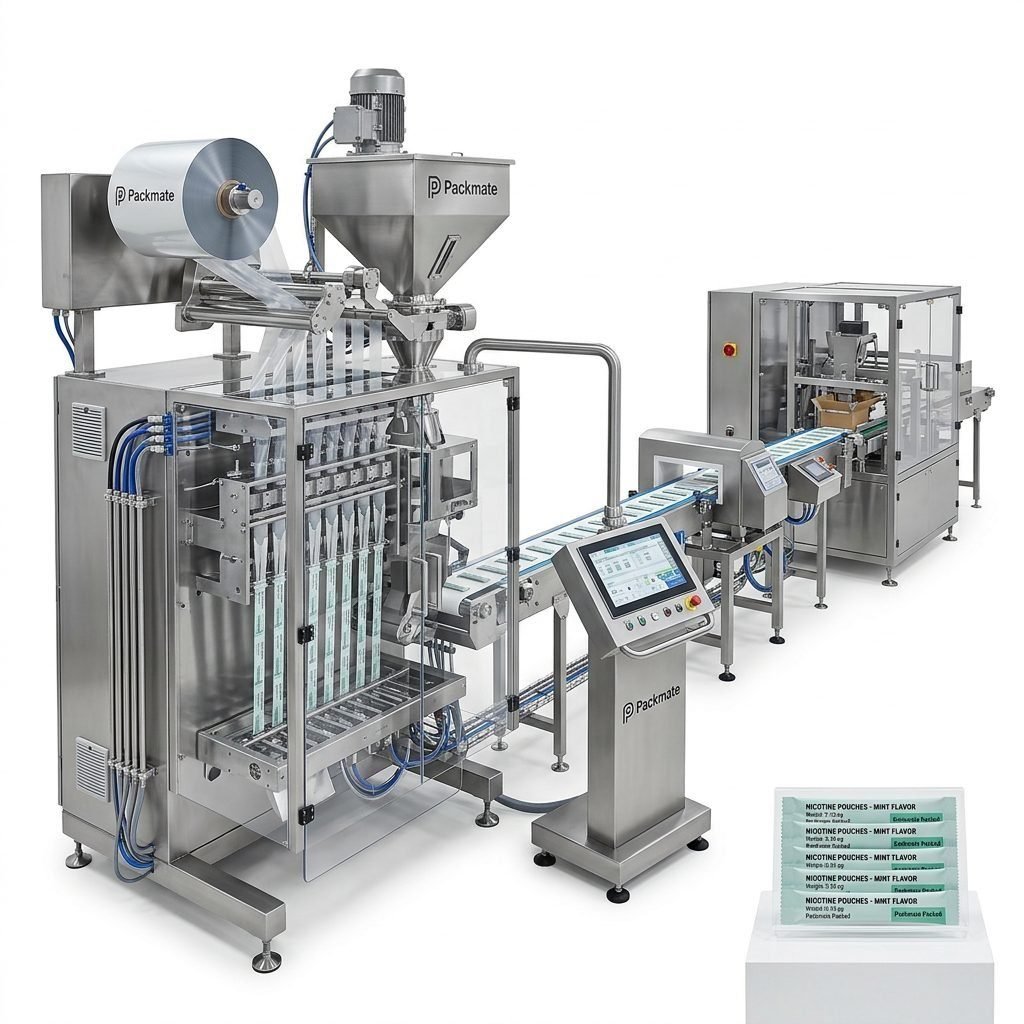
3. Integrated Filling & Packaging Lines
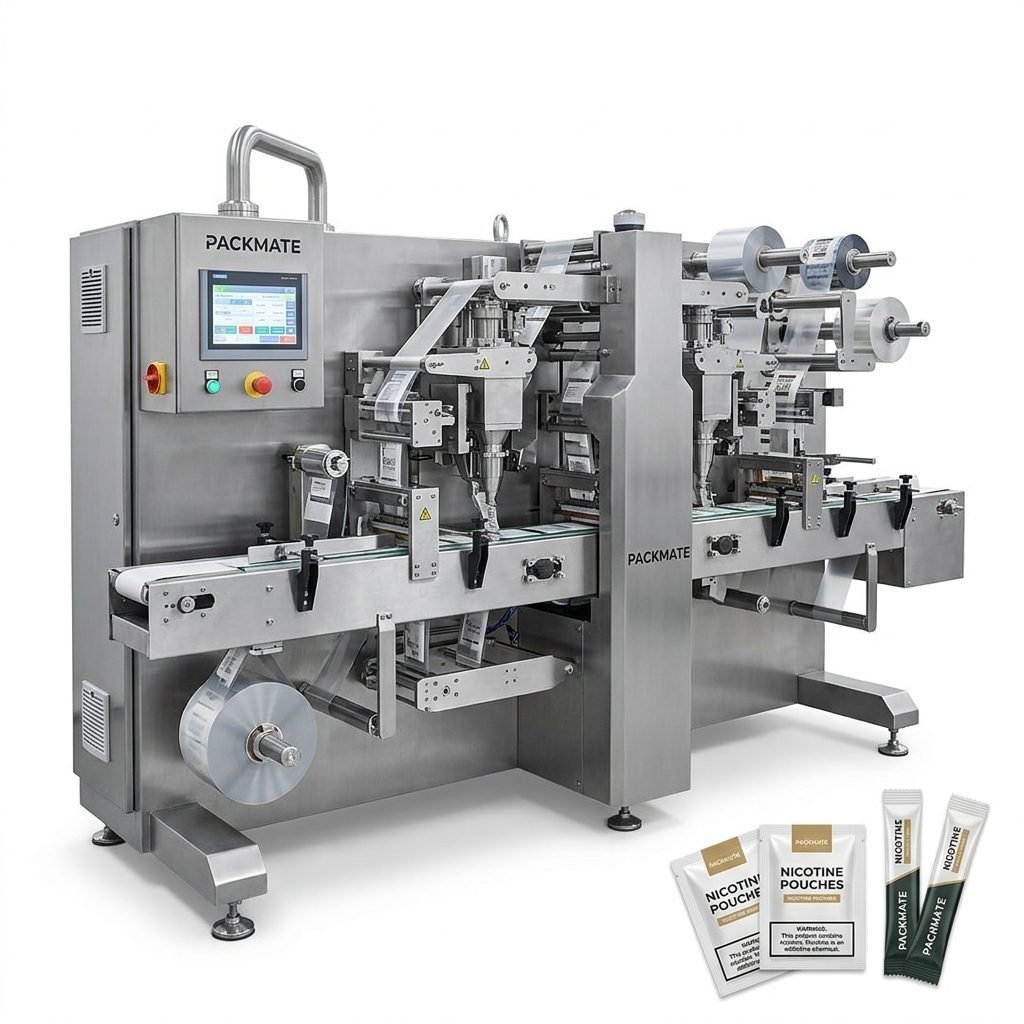
For turnkey production, integrated lines combine dosing, pouch making, sealing, and secondary packaging. These systems are designed for consistent, high-volume manufacturing and are often modular for phased upgrades.
See examples of fully integrated solutions: Filling & Packaging Lines.
Technical Features to Prioritize
When comparing machines, focus on technical specifics that directly impact product quality and operational cost.
Precision Dosing & Weighing
Accurate dosing systems (auger, pump, or multi-head weighers) reduce product giveaway and ensure compliance with declared nicotine content. Look for integrated real-time weight feedback and automatic correction features.
Seal Integrity & Material Handling
Sealing temperature control, reliable jaw pressure systems, and film tension management are essential. Poor sealing leads to leaks and short shelf-life — unacceptable for nicotine pouches.
PLC & HMI Controls
Intuitive HMI interfaces with recipe management, remote diagnostics, and multilingual support (Hebrew/English) speed operator training and reduce human error.
Sanitation & Cleanability
Stainless steel contact parts, tool-free access panels, and CIP-friendly designs are mandatory to meet hygiene requirements in nicotine pouch production.
Assessing Supplier Capabilities
Choosing a machine is as much about the vendor as the hardware. Evaluate manufacturer experience, factory capability, and track record.
🔍 Look for: 30+ years engineering history, robust CNC and assembly lines, and a global service footprint.
🏭 Factory size & models: Wide model range (50+ models) and a 20,000㎡ manufacturing facility indicate capacity for customization and spare parts availability.
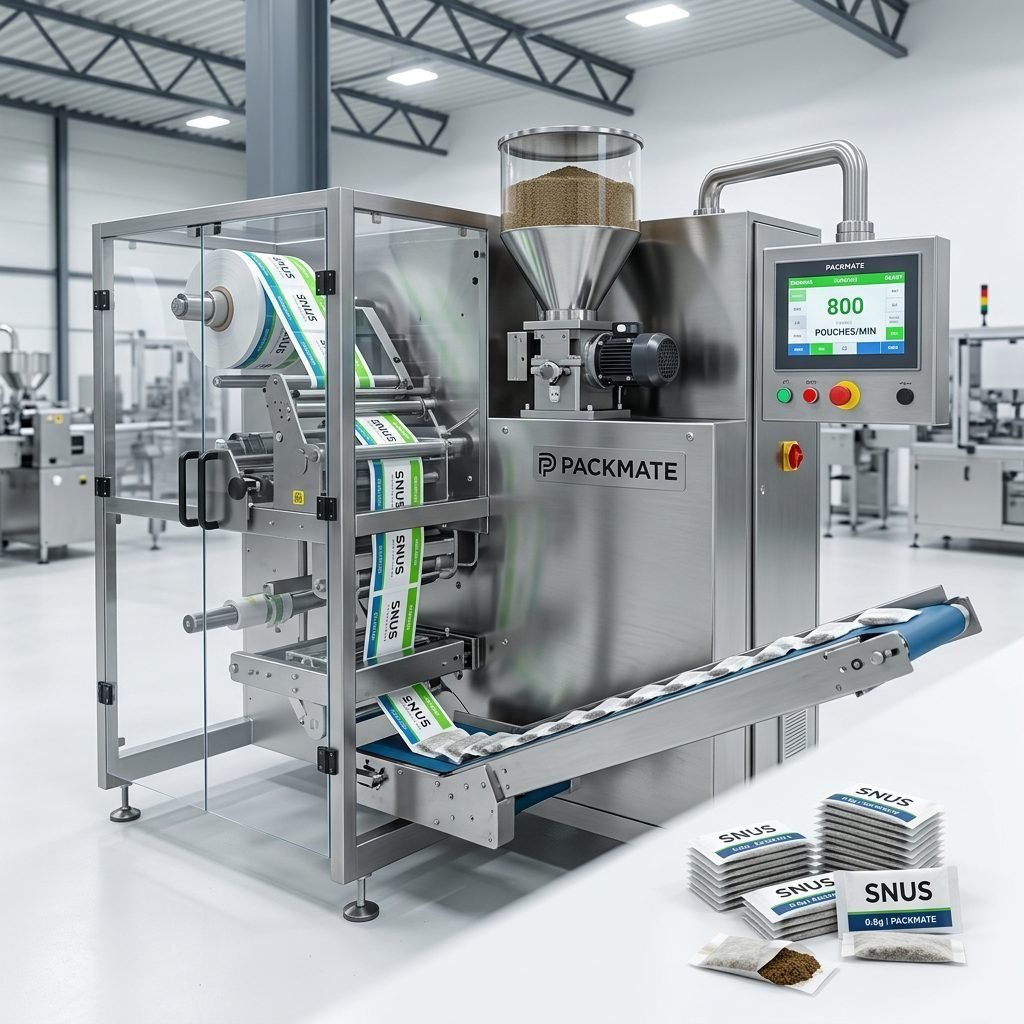
Packmate Snus Machine is an example of a supplier with long-term experience in snus packaging and multilanes. Review their company profile and capabilities when comparing vendors: About Packmate.
Certifications, Compliance & Documentation
Make sure machines come with CE, ISO, and full technical documentation including electrical schematics, PLC programs, validation protocols, and maintenance manuals. These documents are essential during import, installation, and audits.
Confirm that suppliers offer factory acceptance tests (FAT) and site acceptance tests (SAT) to validate performance before handover.
Service, Spare Parts & Local Support
After-sales service is often the deciding factor. Ensure the supplier provides:
- Fast spare parts delivery (wear parts stock)
- Remote troubleshooting and training
- On-site installation and start-up support
For direct support and inquiries, keep a verified supplier contact: Contact Us.
Cost Considerations & Total Cost of Ownership (TCO)
Machine price is only part of TCO. Include installation, validation, training, spare parts, consumables (films, inks), energy, and expected maintenance intervals. A slightly higher capital cost is often justified by lower downtime and reduced product giveaway.
ROI Factors to calculate
– Throughput and yield improvements.
– Reduction in manual rework and scrap.
– Changeover times between SKUs.
– Energy efficiency and consumables consumption.
Installation, Validation & Staff Training
Plan for a structured installation with clear validation steps: mechanical checks, electrical inspections, sample runs, and documentation of results. Operator and maintenance training should cover daily checks, quick changeover procedures, and basic troubleshooting.
✅ Tip: Request on-site training with hands-on practice for production staff and maintenance technicians — it’s the fastest way to reduce early operational hiccups.
Site Requirements & Utilities
Prepare your production area with adequate floor space, stable power supply, grounding, compressed air quality, and ventilation. Machines that handle nicotine require proper containment and waste handling — coordinate with your facility engineers early.
Customization & Scalability
Your chosen vendor should offer modular upgrades: additional lanes, integrated weighing modules, automation for secondary packaging, or serialization/traceability options. This allows scaling capacity as your business grows without full equipment replacement.
Inspection Checklist Before Purchase
Use this checklist during vendor evaluation and factory visits:
– Machine throughput vs required output.
– Dosing accuracy and variability reports.
– Seal strength and vacuum/leak test data.
– Spare parts list and lead times.
– FAT protocol and acceptance criteria.
– Warranty terms and service SLA.
– References and customer case studies.
Real-World Case Examples
Suppliers with proven global installations often publish case studies showing multi-lane upgrades, rapid deployment for new SKUs, and service metrics. Reviewing actual cases helps set realistic expectations for delivery timelines and performance. See real examples and project showcases: Case.
Why Packmate is a Consideration
Packmate combines long-term engineering experience, a broad product portfolio for snus & nicotine pouch production, and a sizable manufacturing base. Their product range includes specialized snus & nicotine packaging machines suitable for small-dose pouch production and multi-lane systems. Explore their machine categories: Snus & Nicotine Packaging Machines.
Negotiation & Procurement Tips
– Request itemized quotes to compare apples-to-apples.
– Build performance acceptance into the contract (speed, accuracy).
– Ask for extended training and spare parts discounts.
– Negotiate payment terms tied to FAT and SAT success.
Maintenance Best Practices
Scheduled preventive maintenance, inspection of wear parts, and rapid access to critical spares like sealing jaws, sensors, and feed rollers significantly reduce unplanned stops. Ensure the vendor supplies a clear preventive maintenance schedule.
Final Selection Roadmap
1) Define product SKUs, expected volumes, and format types.
2) Shortlist suppliers with relevant snus experience and visit factories or demand virtual demos.
3) Run FATs, validate performance targets, and document acceptance criteria.
4) Plan installation, staff training, and spare parts stocking.
5) Execute SAT and start with a controlled ramp-up to full production.
Additional Resources
For a broader view of packaging capabilities and complementary equipment such as weighing and auxiliary lines, review product categories to match your production roadmap: Weighing & Packaging Systems and Auxiliary Packaging Equipment.
Conclusion
Choosing the right snus packaging machinery in Israel requires aligning production needs with machine capabilities, supplier reliability, and post-sale support. Prioritize dosing accuracy, seal integrity, hygienic design, and local serviceability. Investing time in supplier audits and FATs will pay dividends in consistent product quality and predictable production costs.
Frequently Asked Questions
Q1: What machine speed do I need for a small-to-medium production line?
A1: Aim for a machine that meets your peak SKU demand with a 20-30% buffer. For many mid-size operations a multi-lane line delivering 200–600 pouches/min (total) is common, but exact needs depend on pouch size and dosing system.
Q2: How important is multi-lane technology for snus pouches?
A2: Multi-lane systems greatly increase throughput without proportional increases in footprint and can reduce cost per pouch, but they require high-precision synchronization and more complex maintenance.
Q3: What certifications should I expect from a reputable supplier?
A3: CE and ISO certifications are baseline. Request FAT documentation, material traceability, and compliance records for any electrical and safety components.
Q4: Can I expand my line later if demand grows?
A4: Yes — choose modular systems that allow adding lanes, upgrading dosing modules, or integrating secondary packaging without replacing the entire line.
Q5: How can I see the machines before buying?
A5: Visit supplier factories or request live demos and FAT videos. Many manufacturers host exhibitions and demos — check their exhibition schedule to arrange an inspection: Our Exhibition.