Choosing the right snus packaging machinery in Bolivia requires a careful balance of production needs, local conditions, regulatory compliance, and long-term serviceability. Whether you are scaling a nicotine pouch brand, launching a new snus product, or optimizing an existing line for higher efficiency, the right equipment can dramatically affect yield, quality, and total cost of ownership. This guide will walk you through the key technical, operational, and commercial factors to evaluate so you can select the best snus packaging solution for your Bolivian operation.
🔎 Understand Your Production Targets and Product Format
Start by defining your daily and monthly production volumes. Small artisanal runs and pilot projects will need different machinery than large-scale plants. Consider:
– Target output per shift: units/hour or pouches/minute.
– Product format: portioned nicotine pouches, loose snus, stick packs, or sachets.
– Dose consistency: tolerance for fill weight variation (important for compliance and customer trust).
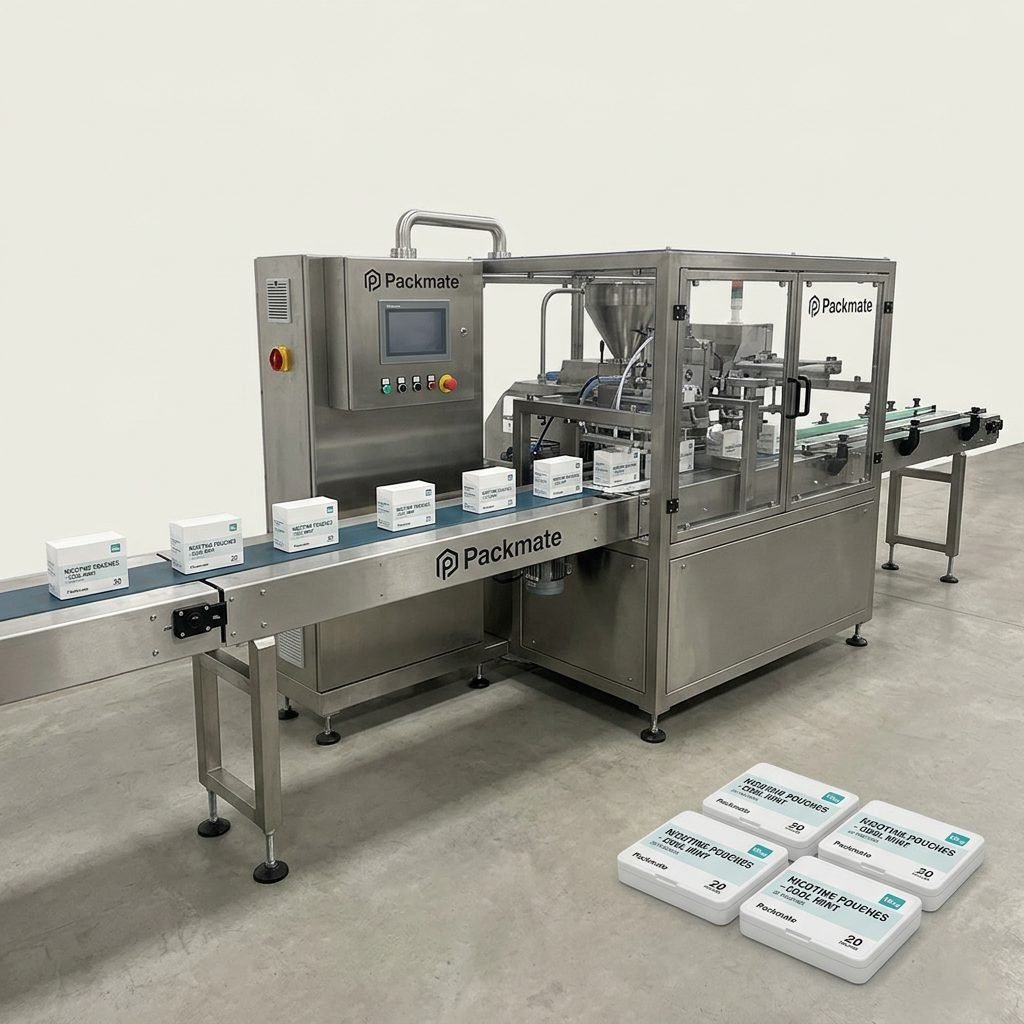
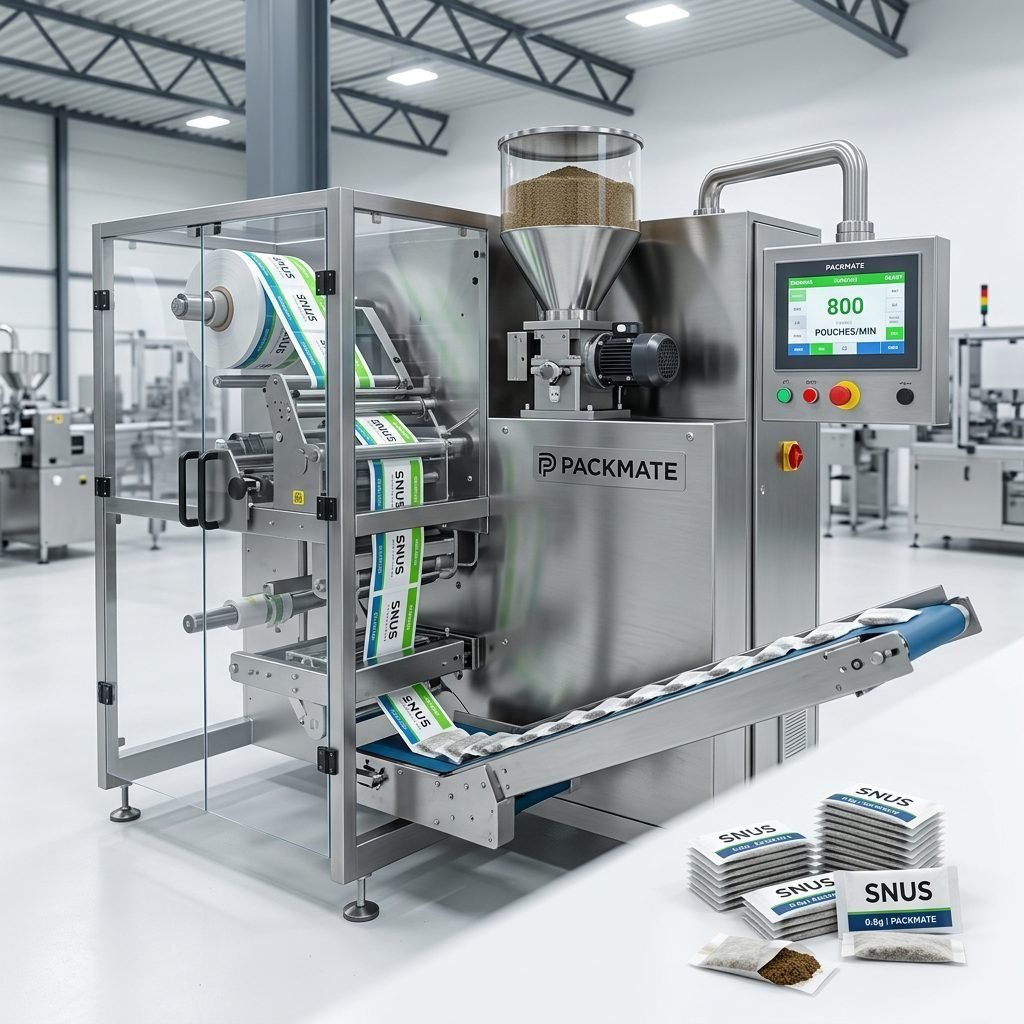
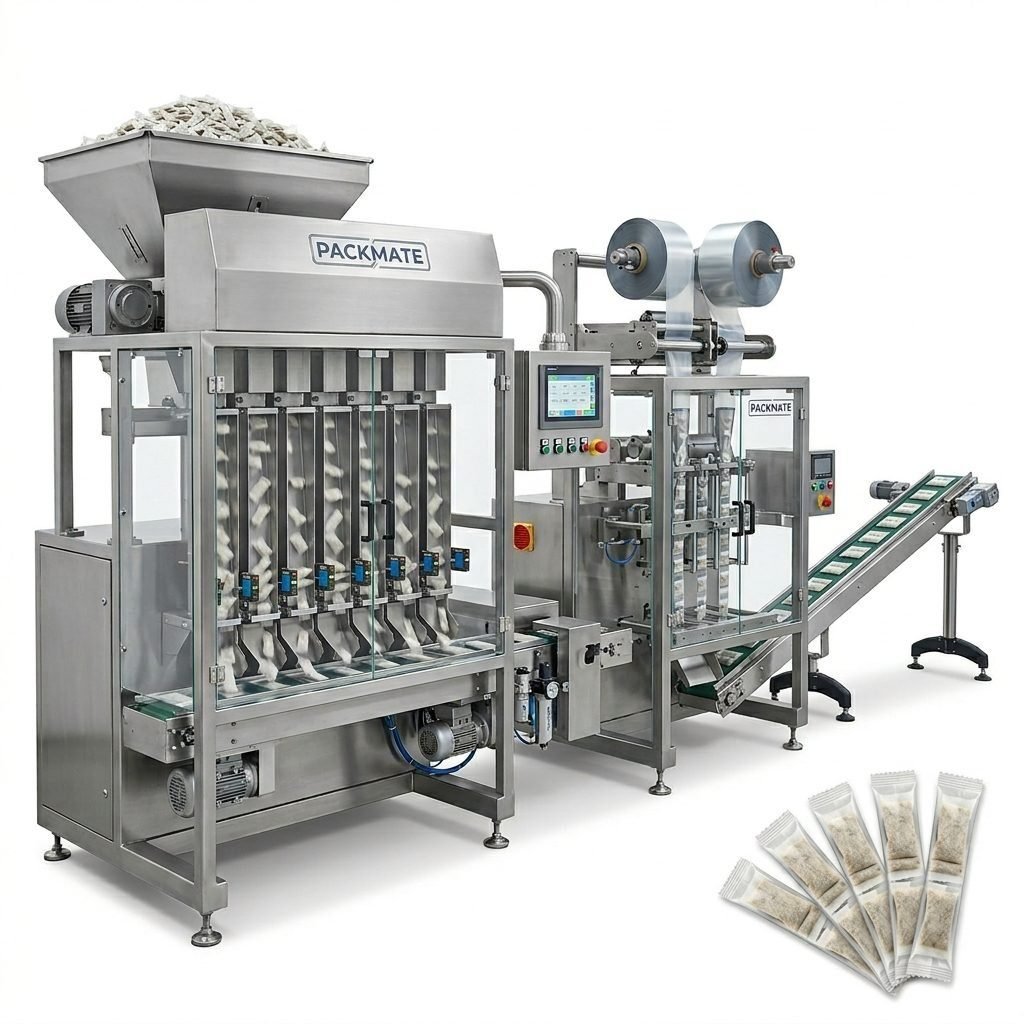
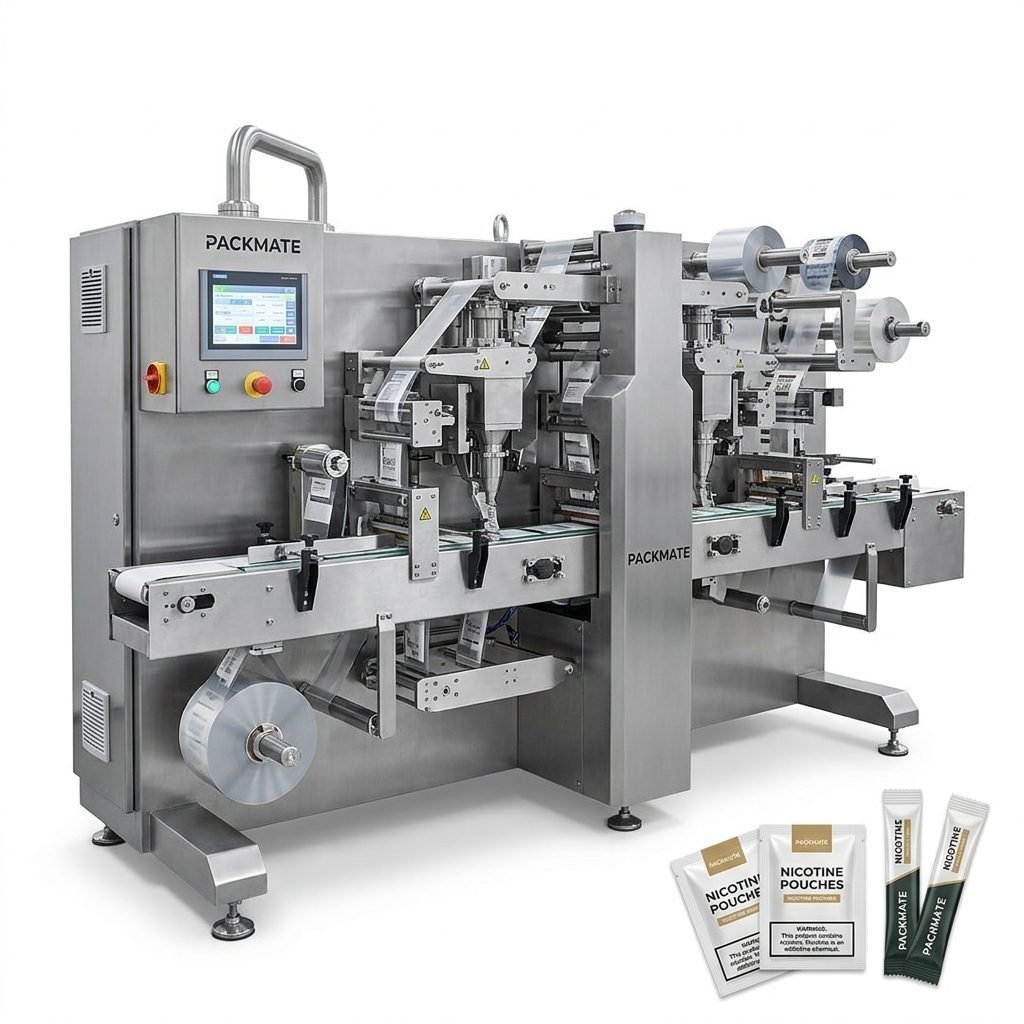
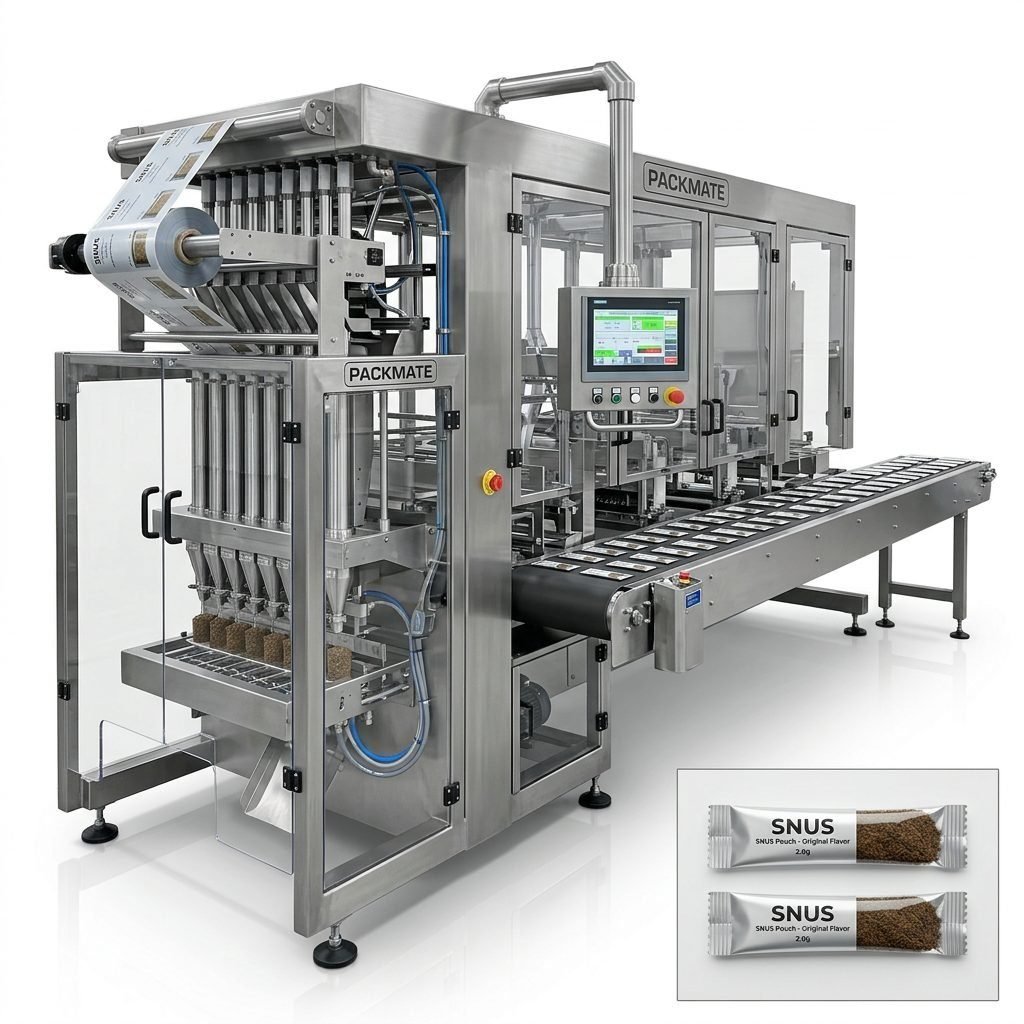
Machines designed specifically for nicotine pouches and snus (such as multi-lane pouch systems) deliver high throughput while maintaining fill precision. For a catalogue of specialized equipment, review the manufacturer’s offerings like the Snus & Nicotine Packaging Machines.
⚙️ Select the Right Machine Type for Product Characteristics
Different pack formats and product physical properties call for distinct machine architectures:
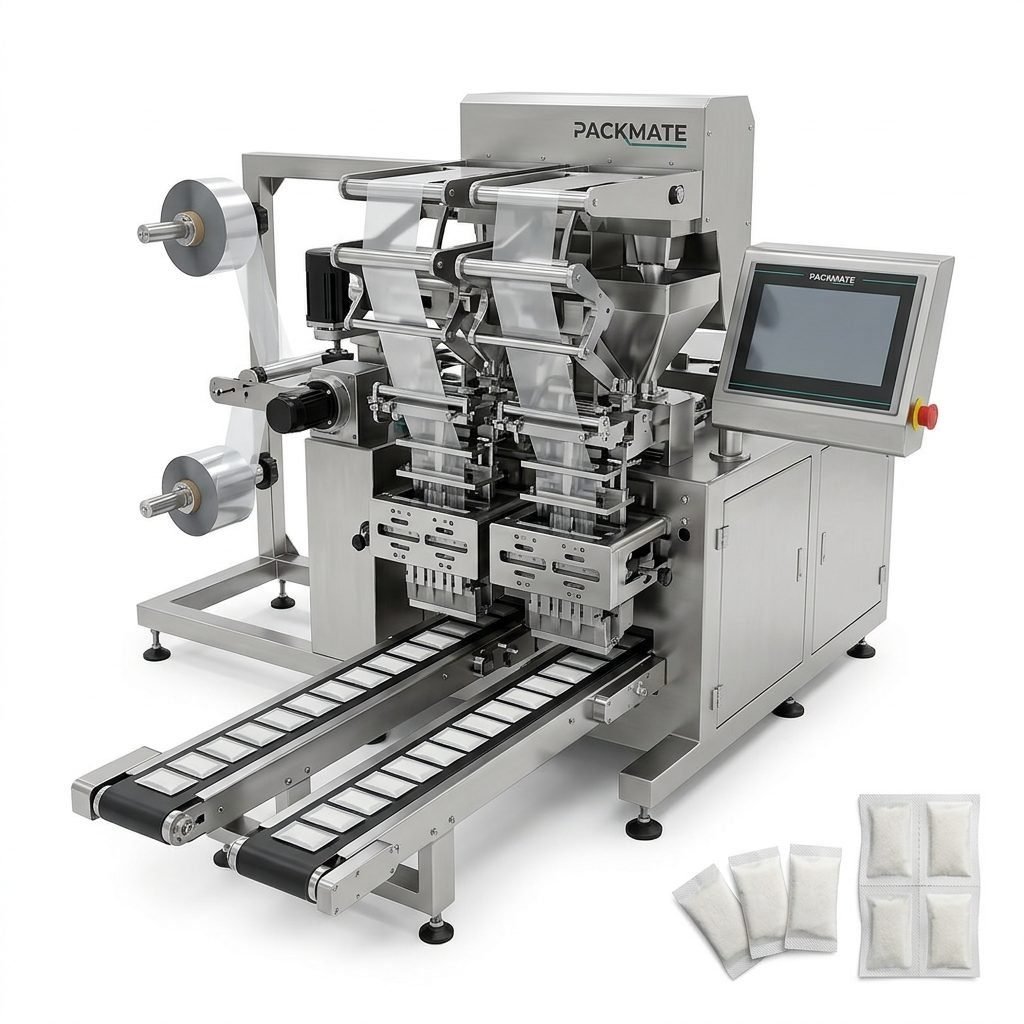
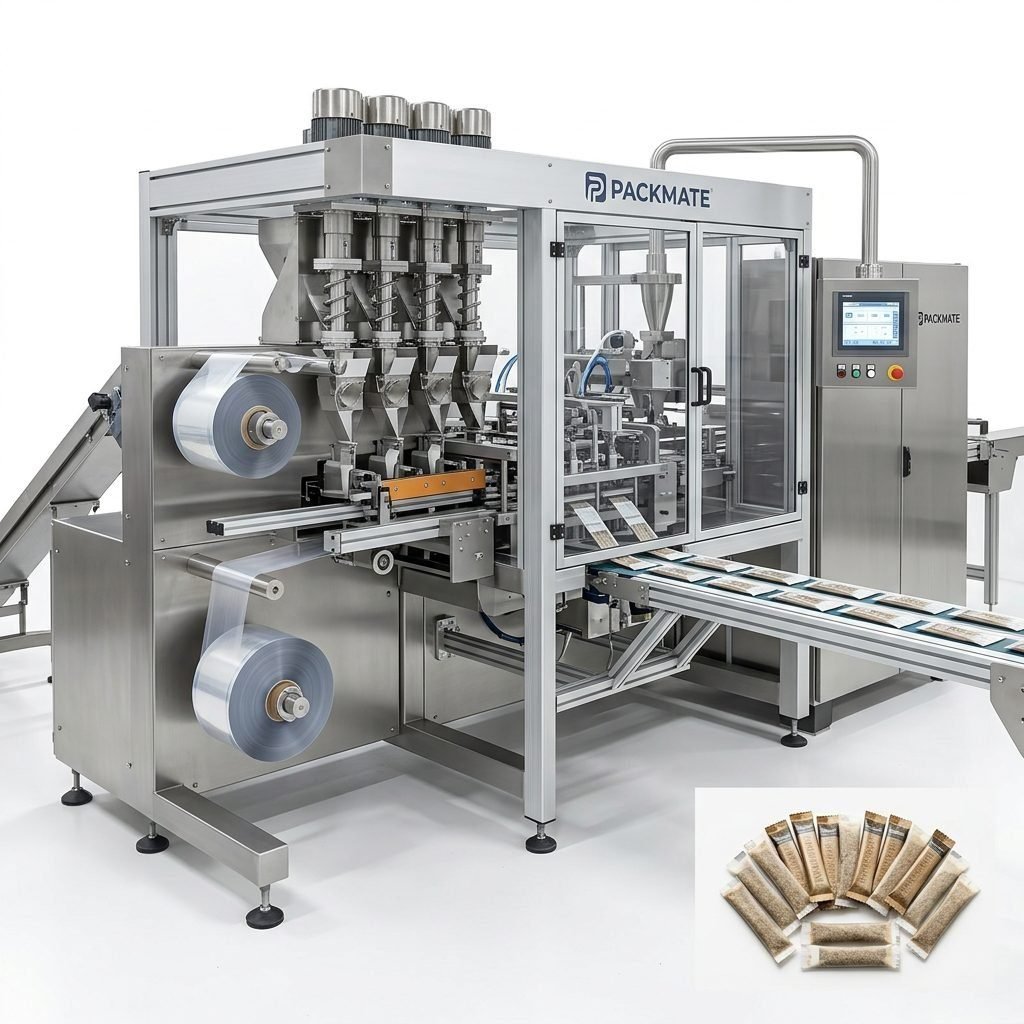
Tip: Multi-lane stick or sachet systems are ideal when you need to multiply output without a larger footprint. Consider Sachet & Stick Pack Machines for small-dose, multi-lane packaging scenarios.
– Pouch machines: best for stand-up or single-dose snus pouches.
– Stick/sachet machines: efficient for sealed tear-open formats and multi-lane operations.
– Form-fill-seal vs pre-made pouches: FFS systems reduce material handling; pre-made pouch fillers are flexible for varied pouch sizes.
🔌 Consider Local Utilities, Infrastructure and Site Conditions
Bolivia presents variable site conditions depending on region (altitude, humidity, power stability). These factors influence machine selection and auxiliary equipment:
– Electrical supply: confirm available voltage, phase, and frequency; choose machines that support local power or plan for transformers/inverters.
– Environmental control: high humidity can affect tobacco and pouch adhesives; consider dehumidifiers or controlled production areas.
– Workforce skill level: automation level should match your team’s ability to operate and maintain the equipment.
Important: Machines with intuitive HMI and remote support options reduce downtime for teams with limited local automation experience.
📋 Regulatory Compliance and Certifications
Regulatory requirements vary by country and product classification. Seek equipment that supports compliance and traceability:
– Certifications: CE and ISO-rated machinery indicates internationally recognized safety and quality standards.
– Hygienic design: easy-to-clean surfaces and accessible components for GMP practices.
– Traceability: integration with batch coding and serialization systems to meet market demands.
🤝 Evaluate Automation, Integration and Line Flexibility
Modern snus production benefits from modular lines that integrate feeders, fillers, sealing, and end-of-line packaging. Consider:
– Modularity: allows phased investment and future upgrades.
– Integration capability: ability to connect to weighing systems, cartoners, case packers, and auxiliary equipment.
– Recipe management: quick changeovers and stored configurations for different SKUs.
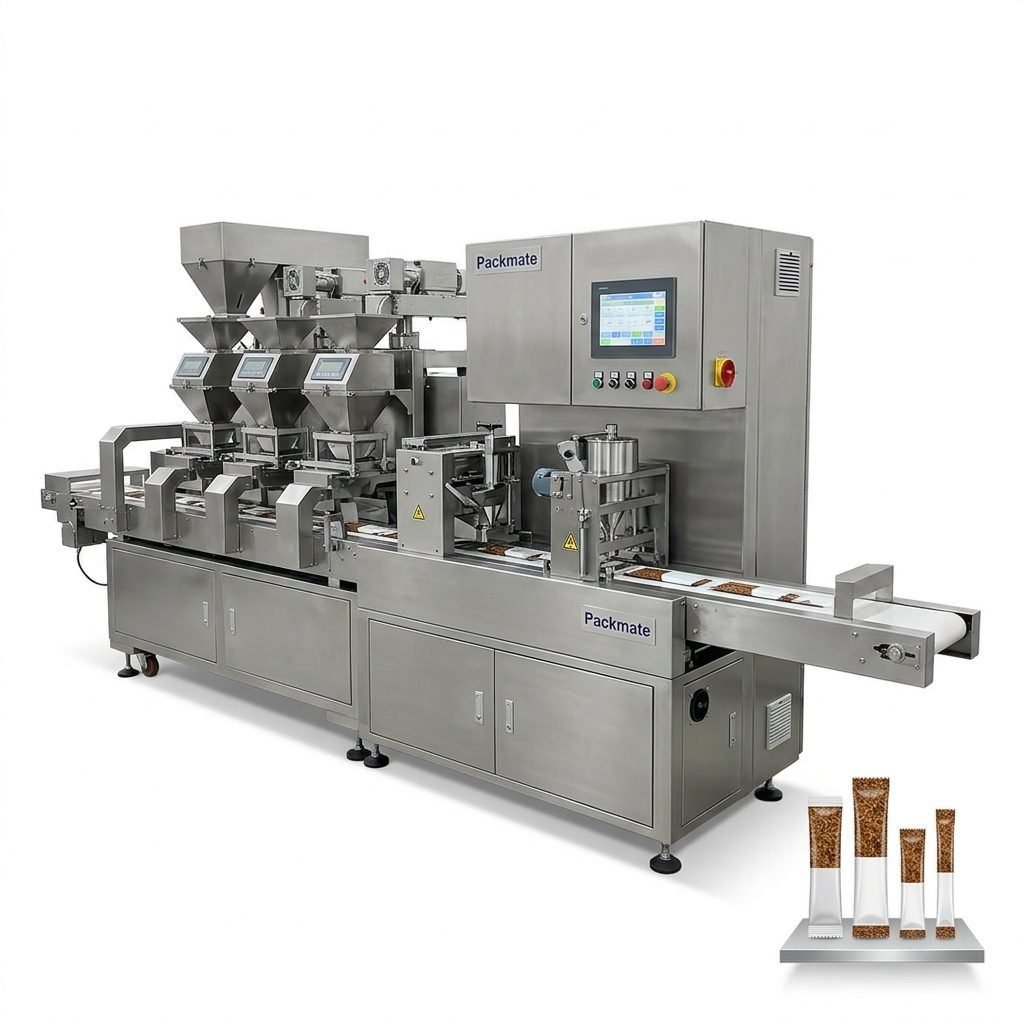
If you plan a full automated production line, explore Filling & Packaging Lines and Weighing & Packaging Systems to ensure synchronized performance.
🔧 Maintenance, Spare Parts and After-Sales Support
Long-term uptime depends on responsive support and availability of spare parts. When evaluating suppliers:
– Local service presence: local agents or trained technicians shorten repair times.
– Spare parts lead time: verify parts stocking and shipping times to Bolivia.
– Remote diagnostics: remote troubleshooting reduces on-site visits and speeds resolution.
Vendor selection tip: manufacturers with a global footprint and exhibition presence often provide stronger after-sales networks. Learn more About Packmate for company background and factory capabilities.
💰 Total Cost of Ownership and Return on Investment
Buying decisions should consider not only purchase price but also operating expenses:
– Energy consumption: efficient drives and pneumatics reduce utility costs.
– Material utilization: film savings from precision forming or sealing save long-term costs.
– Labor reduction: higher automation may raise capex but decrease labor and error-related losses.
📦 Packaging Material Compatibility and Quality Control
Ensure your machine handles the materials you plan to use:
– Film types and barrier requirements: nicotine products may require barrier films to maintain shelf life.
– Sealing quality: test different laminate structures and seal parameters with machine vendors.
– In-line quality checks: weight checks, vision systems for print and seal integrity.
🌐 Supplier Reputation, Case Studies and Exhibitions
Vet prospective suppliers by examining real-world deployments and exhibition demonstrations:
– Request case studies showing similar projects and visit reference sites if possible.
– Attend exhibitions where suppliers showcase live demos to confirm performance claims. See Our Exhibition for upcoming events.
– Confirm certifications and long-term business history — companies with 20,000㎡ facilities, advanced CNC machining, and decades of experience typically offer more reliable engineering and quality.
For practical samples and installed-case examples, review the manufacturer’s Case page that highlights global deployments and customer results.
🧩 Typical Purchase Checklist (Quick)
✓ Confirm production targets
✓ Choose machine type (pouch/stick/sachet)
✓ Verify local power and site conditions
✓ Check certifications (CE/ISO)
✓ Validate spare parts and service support
📞 How to Work with an International Manufacturer (Buying from Abroad)
Importing machinery into Bolivia involves logistics, documentation, and installation planning:
– Lead times and shipping: confirm factory lead time and choose air or sea freight.
– Customs and documentation: ensure clear invoicing, CE/ISO certification copies, and installation manuals.
– On-site commissioning: agree on installation scope, training, and warranty coverage before purchase.
– Local partnerships: leveraging local agents or authorized service partners streamlines after-sales care.
🏭 Why Manufacturer Capabilities Matter
Choosing a manufacturer with strong factory capabilities, comprehensive R&D, and a wide model range reduces risk:
– Factory size & equipment: large CNC centers and precision assembly lines ensure consistent quality.
– Model variety & customization: over 50+ models and turnkey solution experience allow tailored lines.
– Experience: decades of R&D and incremental improvements mean mature, reliable designs.
Explore product categories such as Bag & Pouch Packaging Machines and Auxiliary Packaging Equipment to design a complete, optimized line.
📌 Final Selection Roadmap
1. Define product specs, volumes, and growth plan.
2. Shortlist machines that match format and throughput.
3. Verify supplier certifications, references, and local service options.
4. Request FAT (Factory Acceptance Test) and pilot runs when possible.
5. Plan installation, training, and spare part stocking.
Remember: the cheapest initial bid rarely yields the best long-term value. Prioritize reliability, support, and modular growth capability.
🔗 Helpful Resources and Next Steps
For more detailed product specifications and to request quotes, consider visiting these resource pages:
– Snus & Nicotine Packaging Machines: https://www.snusmachinery.com/products/snus-nicotine-packaging-machines/
– Sachet & Stick Pack Machines: https://www.snusmachinery.com/products/sachet-stick-pack-machines/
– About Packmate (company background and manufacturing strength): https://www.snusmachinery.com/about-us/
– Case studies and global projects: https://www.snusmachinery.com/case/
✅ Quick Decision Checklist Before Purchase
– Confirm machine throughput matches business forecasts.
– Validate compatibility with chosen packaging materials.
– Ensure clear warranty, spare part availability, and training plans.
– Review on-site infrastructure needs (power, air, environment).
– Request references and FAT reports.
Frequently Asked Questions (FAQs)
Q1: How do I determine the right machine capacity for future growth?
A1: Start with current demand and project 2–3 years ahead; select modular equipment or multi-lane machines that support capacity scaling without full replacement.
Q2: What certifications should I insist on when purchasing snus packaging machinery?
A2: Look for CE and ISO certifications for safety and quality. Also confirm hygienic design features and the manufacturer’s test documentation for your product type.
Q3: How can I minimize downtime after installation in Bolivia?
A3: Arrange on-site commissioning, operator training, stock critical spare parts locally, and secure remote support agreements for fast troubleshooting.
Q4: Are turnkey lines worth the investment compared with buying standalone machines?
A4: Turnkey lines reduce integration risk and typically improve overall efficiency. If you lack systems integration experience, turnkey solutions save time and ensure synchronized performance.
Q5: Where can I see live demos or verify machine performance before buying?
A5: Visit manufacturer exhibition events or request a Factory Acceptance Test (FAT). Many manufacturers also provide video demos and reference case studies to validate performance.