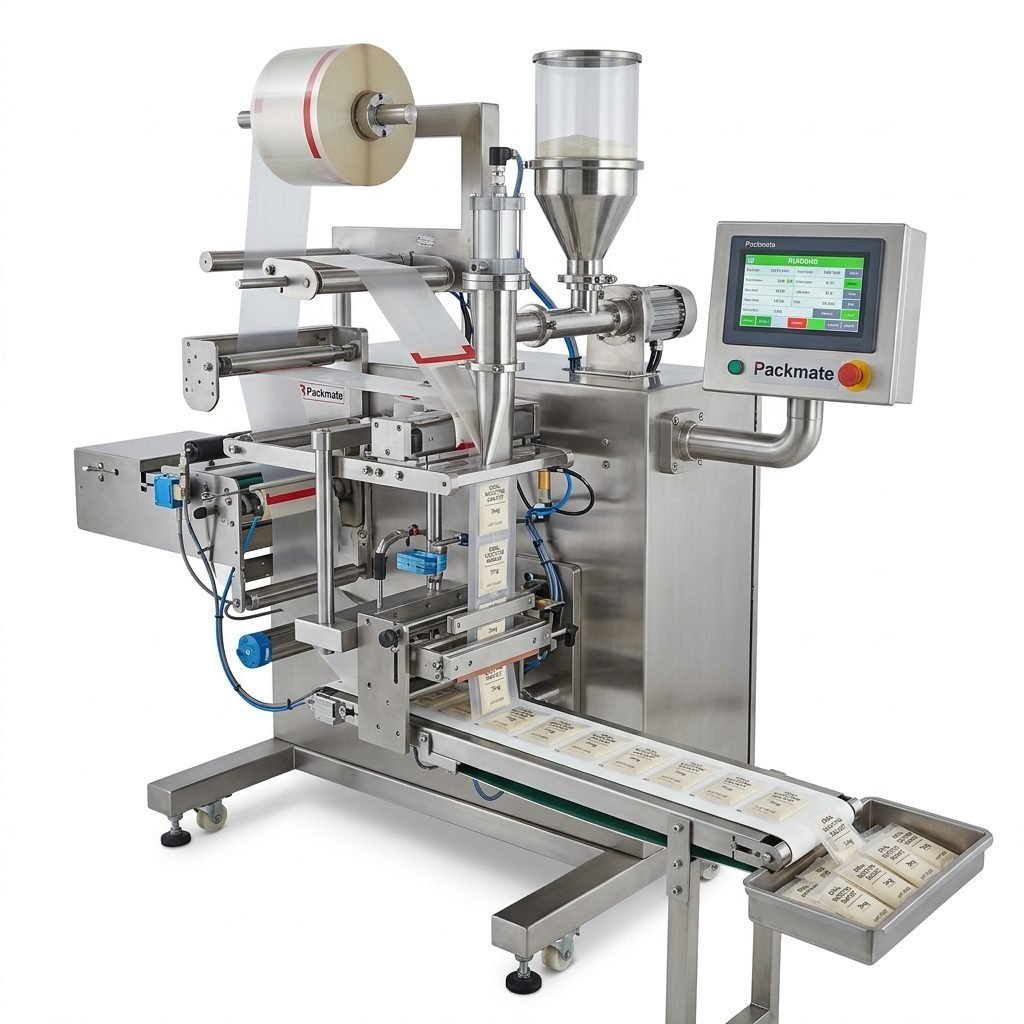
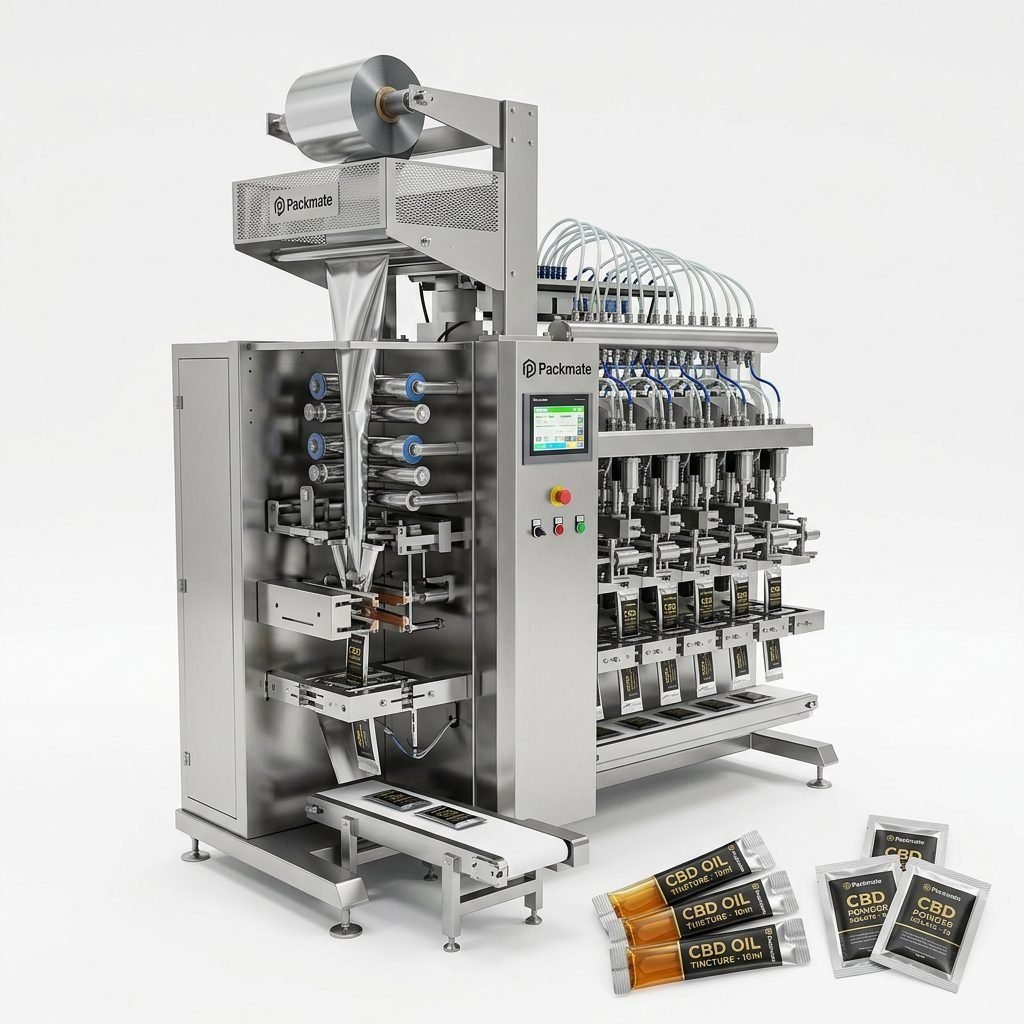
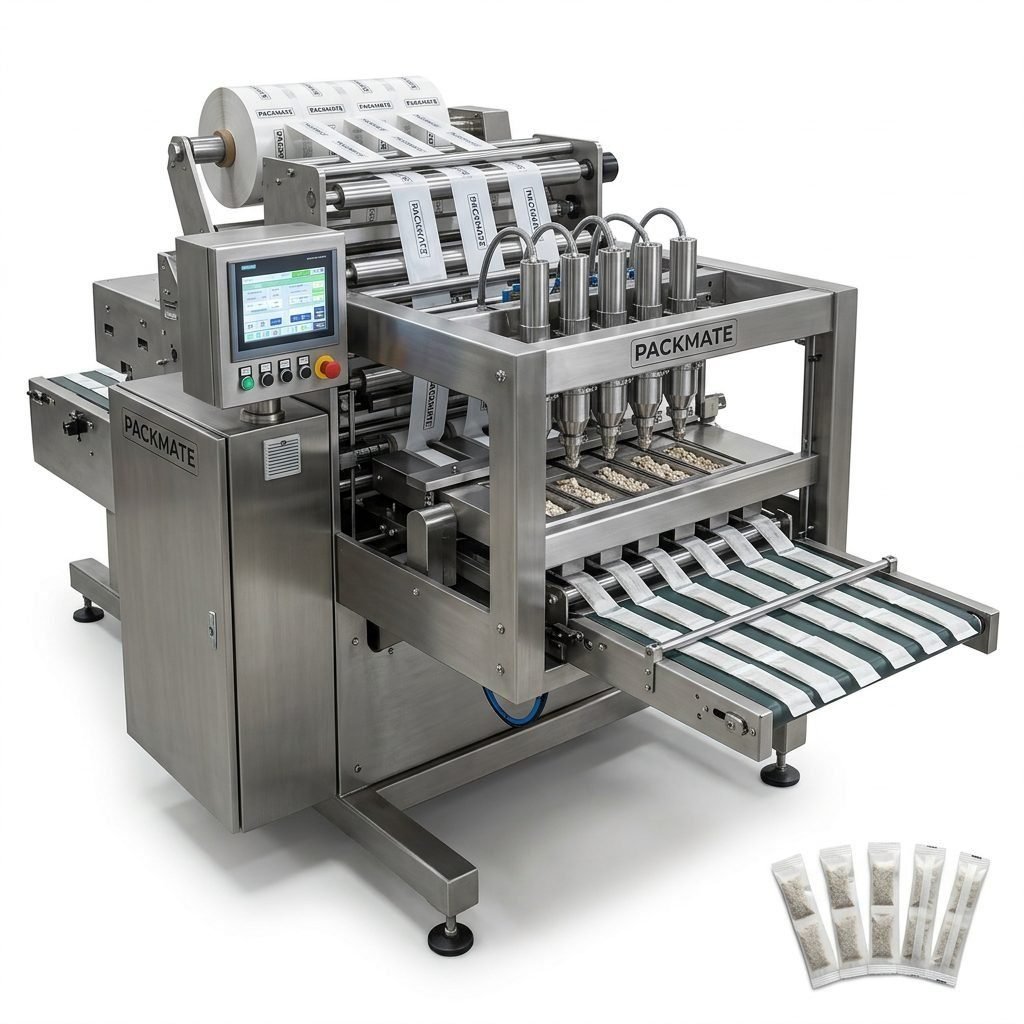
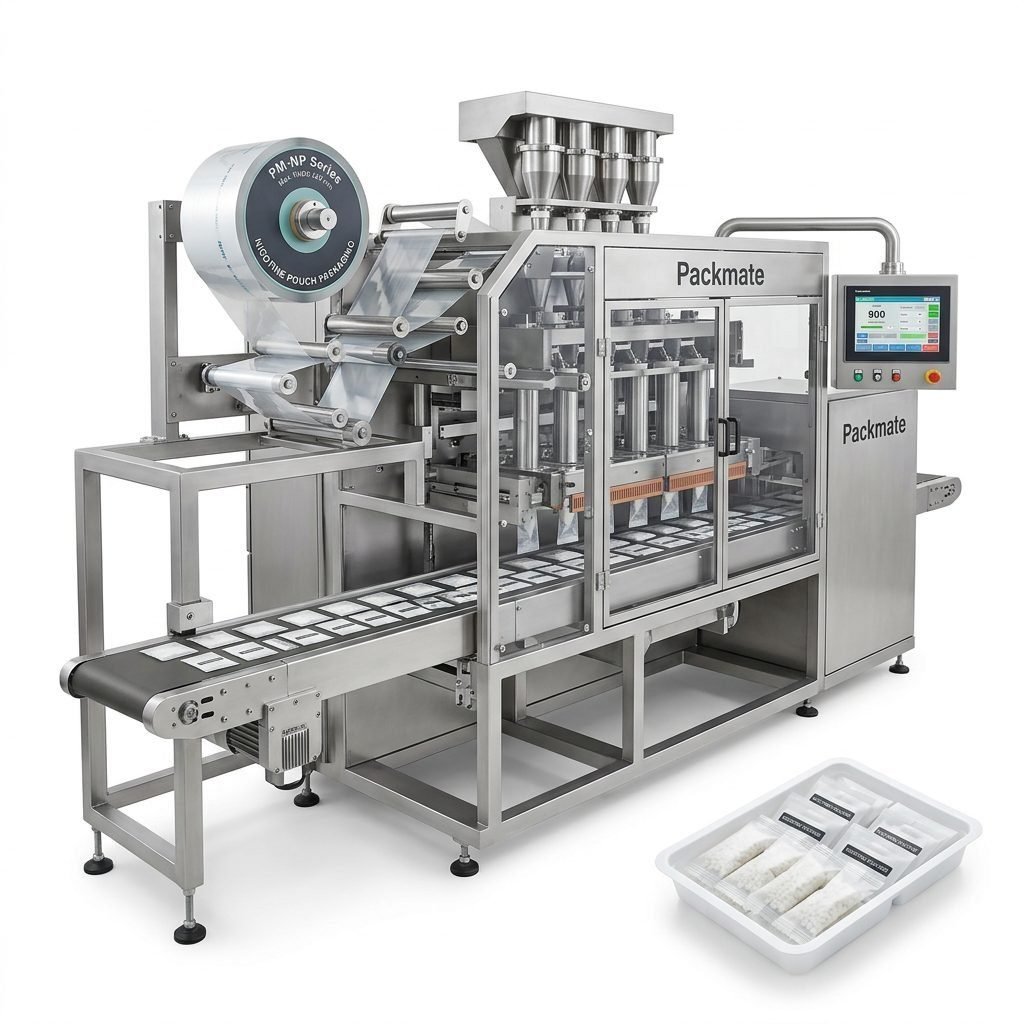
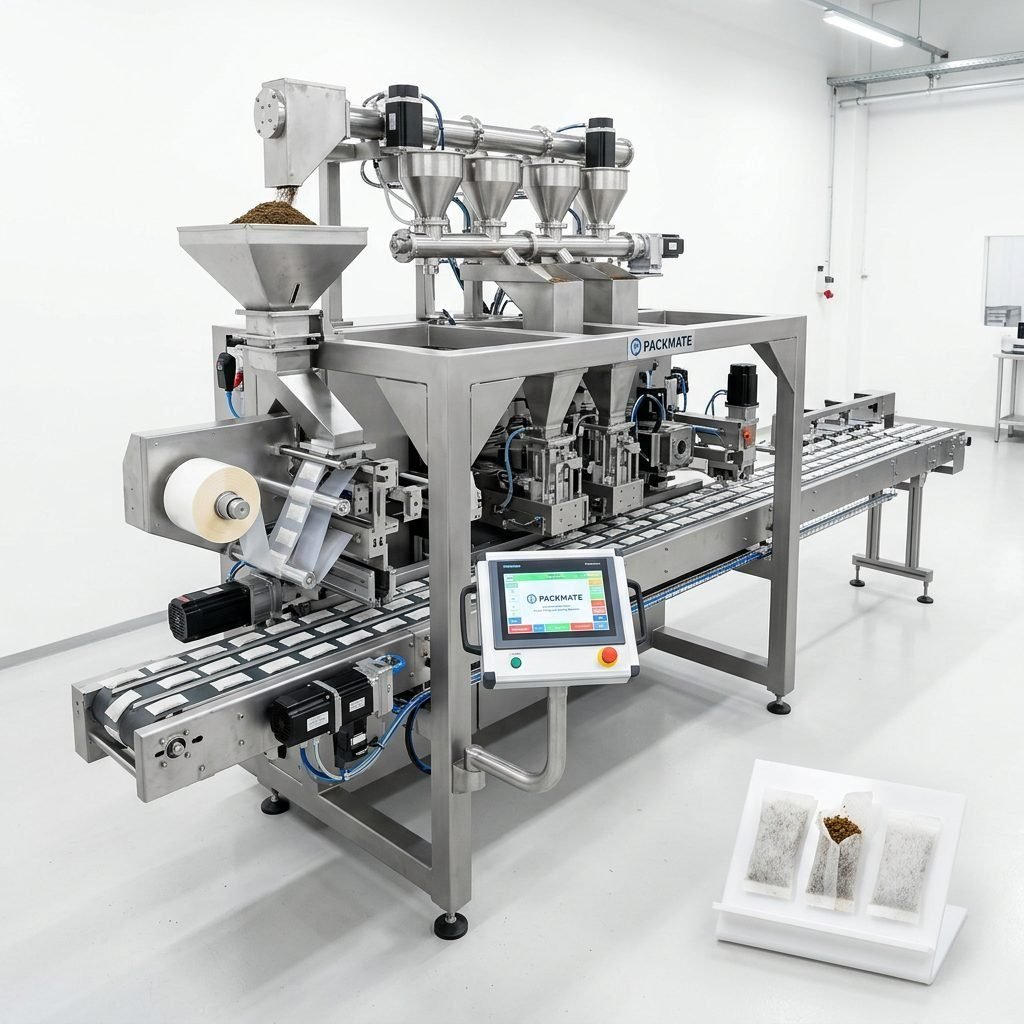
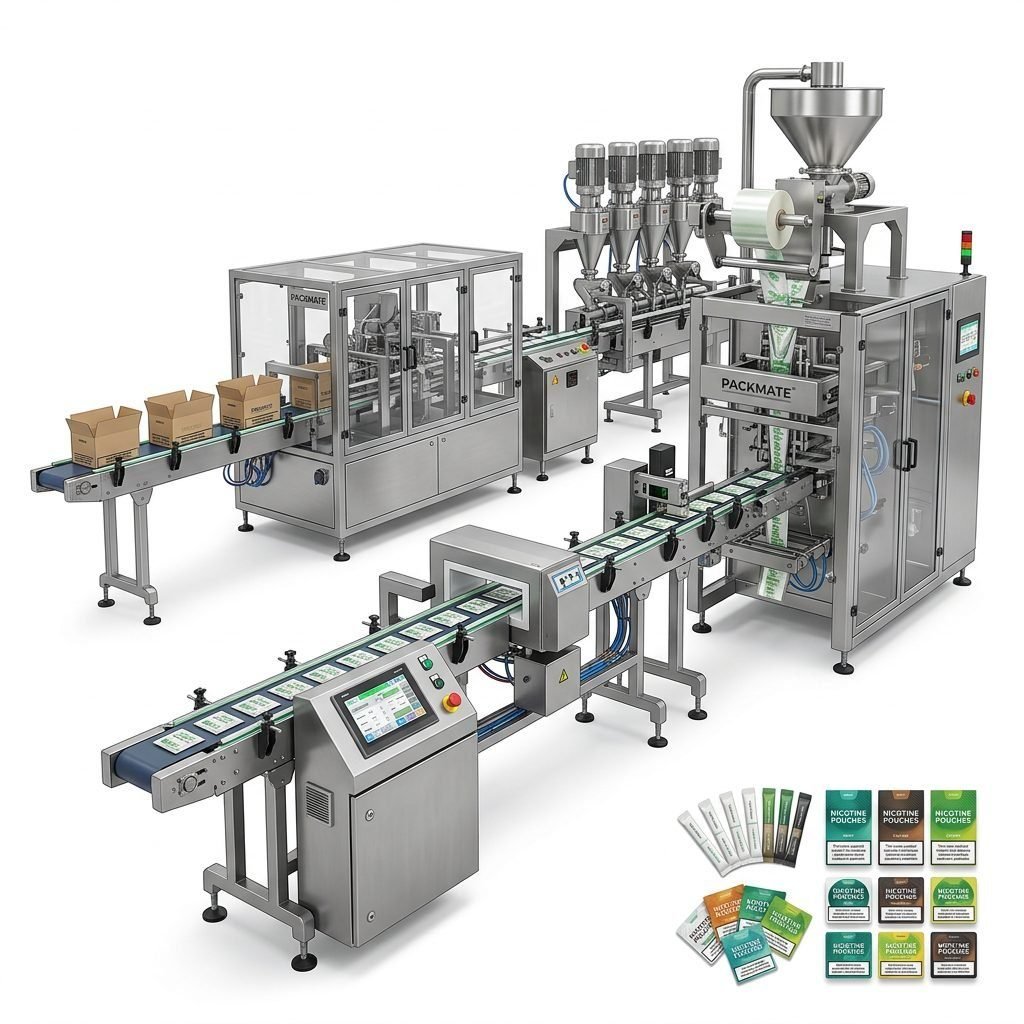
In today’s fast-growing nicotine pouch market, manufacturers demand packaging lines that combine speed, accuracy, and regulatory compliance. This article walks through a complete nicotine pouch packing solution based on high-speed automatic packaging machines, highlighting machine types, production line layouts, performance metrics, customization options, and practical tips to maximize output and reduce cost-per-unit.
⚙️ Overview: What a Modern Nicotine Pouch Packing Solution Includes
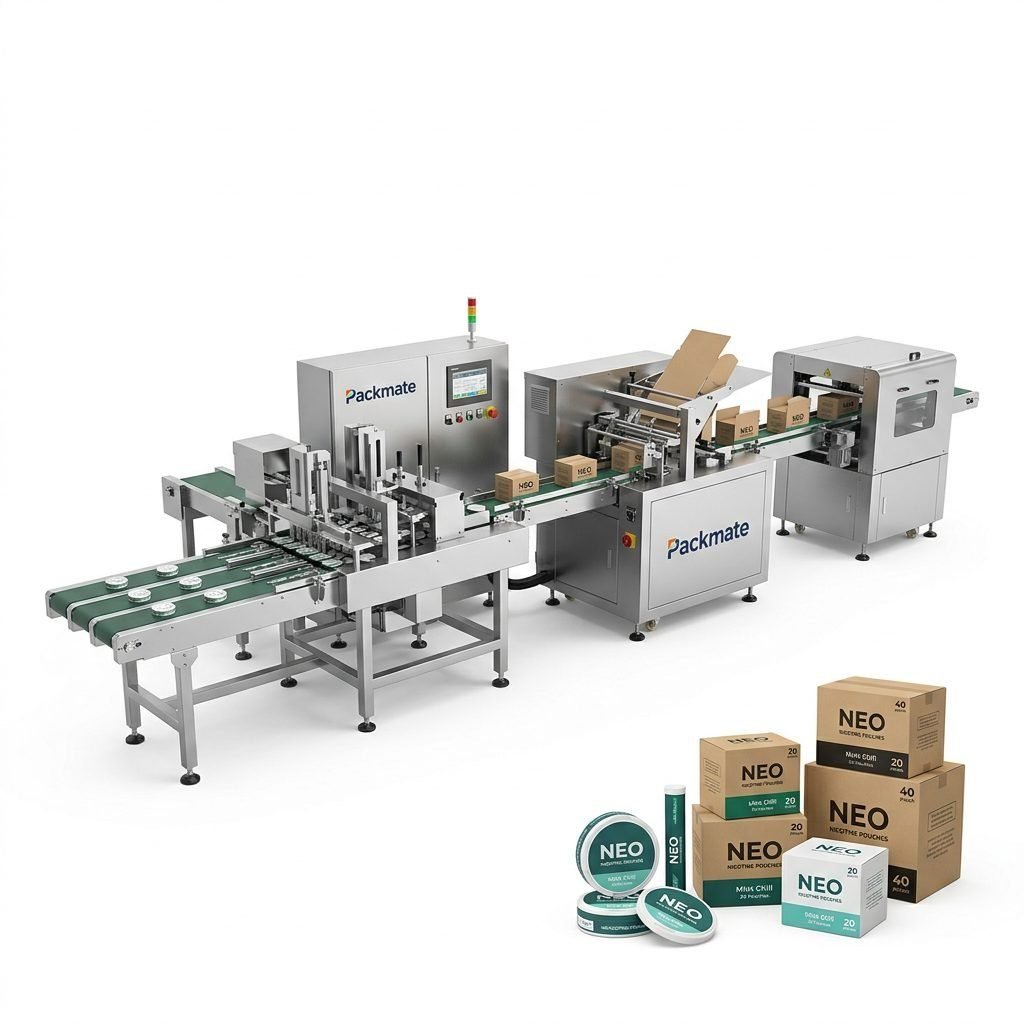
A full nicotine pouch packing line integrates several core modules: a dosing/weighing station, pouch or stick forming and filling machine, sealing and cutting unit, multi-lane synchronization, automated feeding systems, and downstream case packing or cartoning. High-speed automatic machines dramatically increase throughput while preserving dose precision and pouch integrity.
🔎 Key Machine Types for Nicotine Pouch Production
The most common equipment you will consider includes:
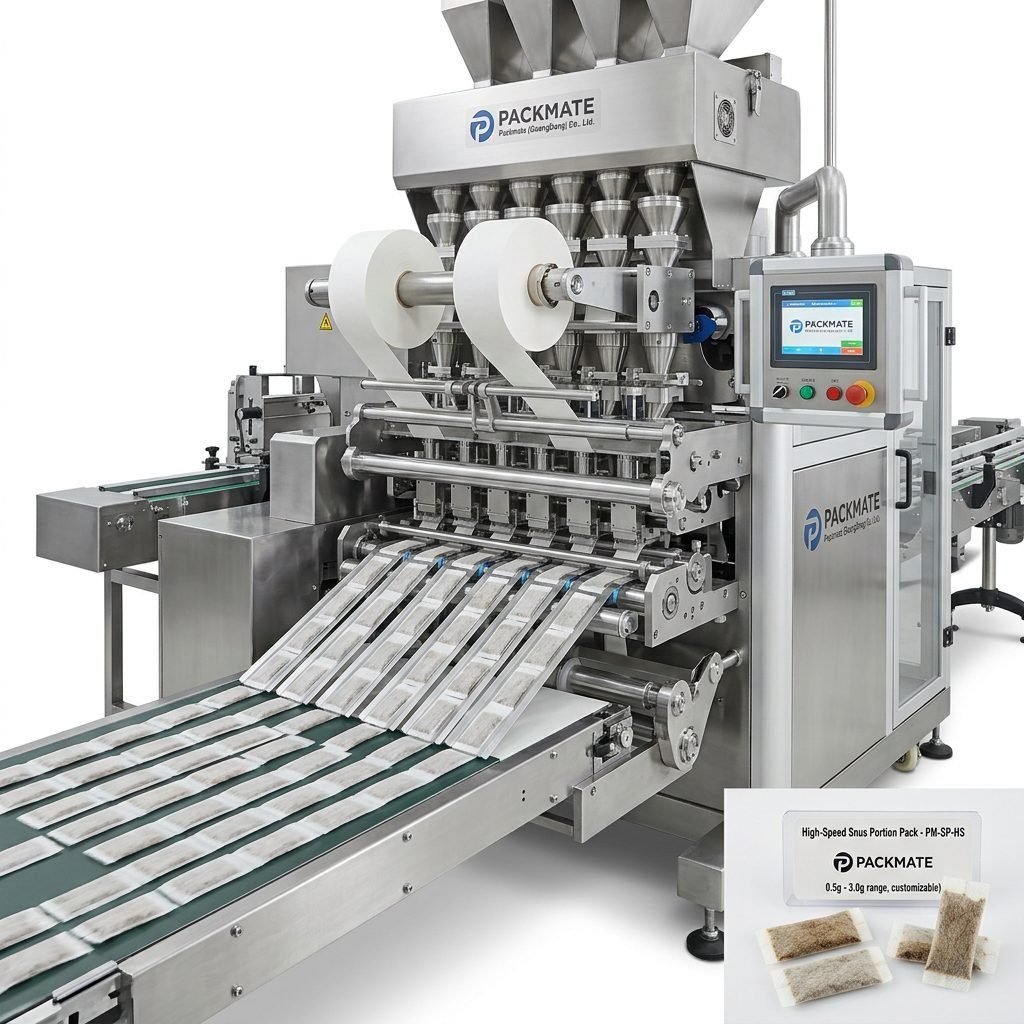
- Multi-lane snus / nicotine pouch packing machines (suitable for tiny dose pouches, high lane counts for maximum throughput).
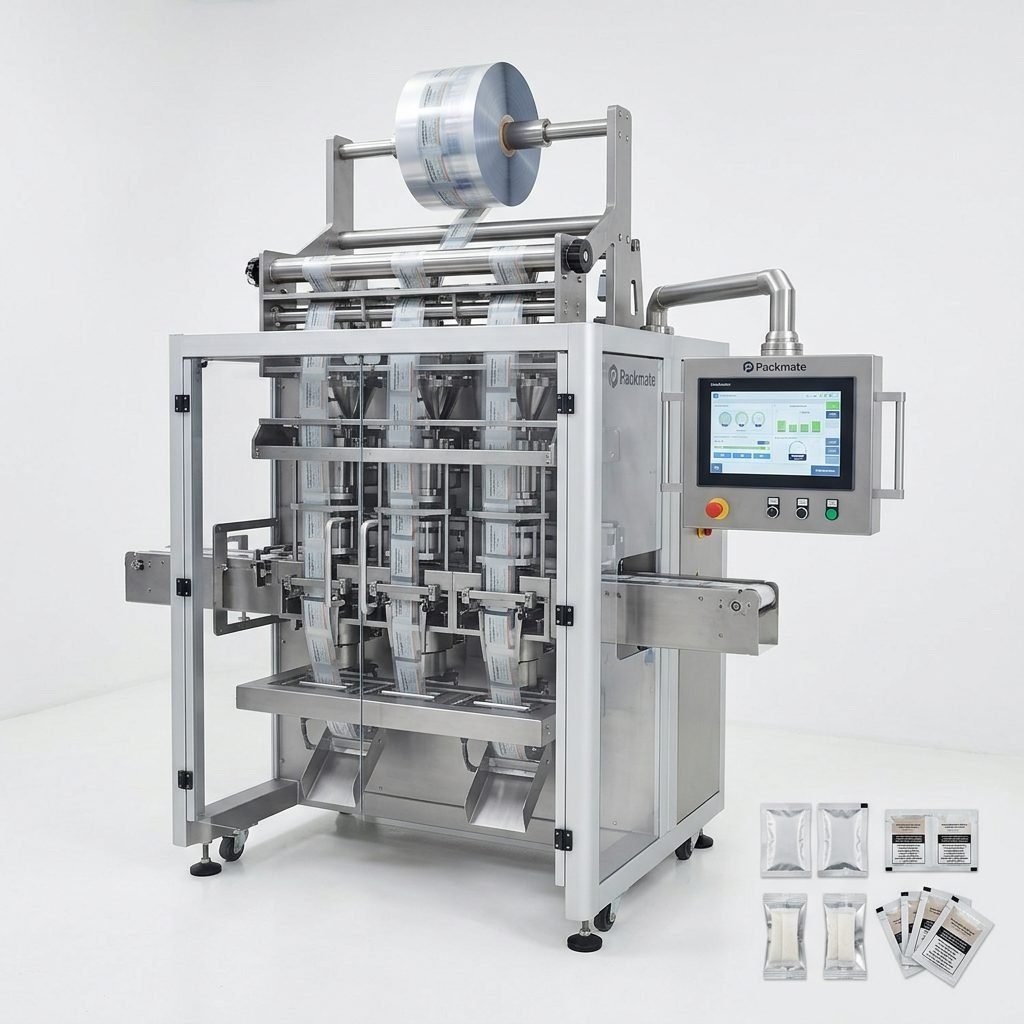
- Sachet & Stick Pack Machines for stick-shaped or pillow pouches — fast changeovers for varying pouch sizes. See product details: Sachet & Stick Pack Machines.
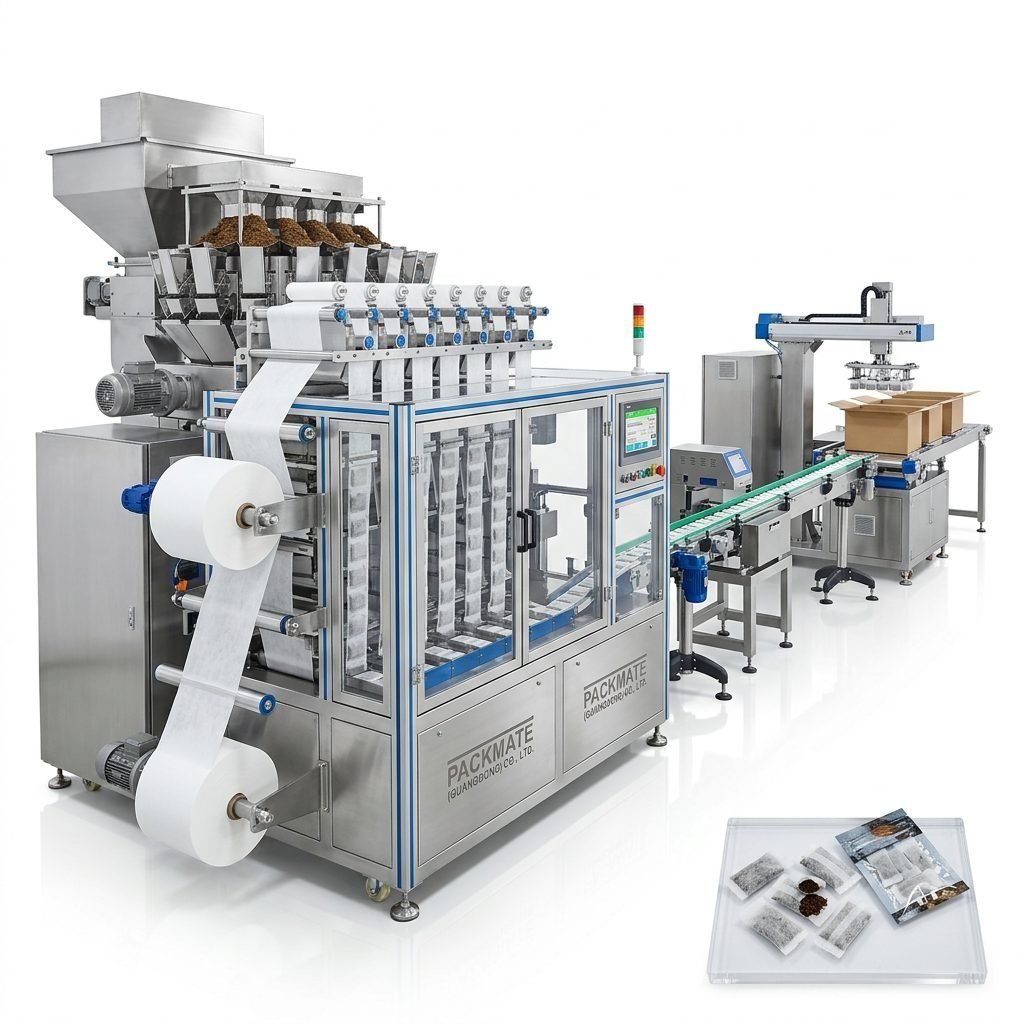
- Powder and granule dosing and weighing systems that ensure consistent fill weights. Explore: Weighing & Packaging Systems.
- Auxiliary equipment: vibratory feeders, metal detectors, automated checkweighers, and in-line labeling and cartoning. More options: Auxiliary Packaging Equipment.
🚀 High-Speed Capabilities: Performance Metrics That Matter
When evaluating machines, focus on these metrics:
- Throughput (pouches per minute): Multi-lane systems multiply a single-lane speed — e.g., a 4-lane machine running 80 pouches/min per lane yields 320 ppm overall.
- Filling accuracy: Maintain ±X mg tolerance depending on product specification to comply with regulations and reduce waste.
- Changeover time: Quick tooling adjustments and recipe management reduce downtime.
- OEE (Overall Equipment Effectiveness): Monitor availability, performance, and quality to identify bottlenecks.
🧩 Typical Production Line Layout
A typical high-speed nicotine pouch line follows a modular flow:
- Raw material handling → dosing/weighing → multi-lane pouch forming & filling → sealing & cutting → inline quality check (vision/metal detection) → secondary packing (carton or flow-wrap) → palletizing.
- Each module can be integrated into a turnkey solution with centralized PLC/HMI control to manage recipes, alarms, and traceability.
✔️ Multi-lane Advantages
Multi-lane configurations allow small-dose pouch production at industrial throughput without increasing per-pouch cost proportionally. They also improve redundancy — if one lane is paused, others can keep running while maintenance is performed.
🔧 Customization & Turnkey Solutions
Manufacturers often need customization for pouch formats, dosing methods, and regulatory labeling. A reputable supplier will offer:
- Tailored tooling for custom pouch sizes and materials.
- Integration with upstream and downstream equipment to form a single automated line.
- Global compliance support and documentation for CE, ISO, and local regulatory needs.
For companies looking to source complete lines or explore model options, check Packmate’s offerings for snus and nicotine packaging: Snus & Nicotine Packaging Machines.
🏭 Factory Strength & Quality Assurance
A strong manufacturing base is critical to reliable machine delivery and after-sales service. Key elements to verify with suppliers:
- Modern CNC machining and precision assembly lines to ensure part accuracy and repeatability.
- Comprehensive testing protocols and inspection reports for each machine.
- Spare parts support and global service networks.
✅ Certification, Compliance and Exhibition Presence
Certified machines streamline global market entry. Look for CE and ISO standards, audit reports, and regular participation in international exhibitions — indicators of a supplier’s reliability. Learn more about the company behind many snus systems: About Packmate.
📦 Case Studies & Global Deployments
Proven installations across Europe, Asia, and the Americas demonstrate machine performance under varying regulatory and production conditions. Many suppliers publish case studies showing uptime, throughput, and ROI — helpful resources when comparing options. See global examples here: Case.
💡 Practical Tips for Implementation
- Start with a pilot line to validate recipes and packaging materials.
- Invest in operator training and digital SOPs to minimize human errors and reduce changeover times.
- Plan for spare parts inventory for high-wear components to maximize OEE.
- Use real-time monitoring and predictive maintenance tools to proactively manage downtime risks.
If you need a tailored quote or on-site evaluation, reach out to the supplier to discuss production targets, pouch formats, and integration options: Contact Us.
📈 Return on Investment: What to Expect
The ROI for high-speed automatic packing lines is driven by increased throughput, reduced labor costs, and lower product giveaway due to precision dosing. Typical payback periods depend on production volume and product margin, but most high-speed lines show measurable savings within 12–36 months.
🛠 After-sales Service & Spare Parts
Confirm service response times, spare parts availability, and training packages before purchase. A manufacturer with on-site commissioning & long-term service agreements will protect your production investment and minimize unexpected downtime.
📣 Final Recommendation
For brands and contract manufacturers scaling nicotine pouch production, prioritize multi-lane, modular high-speed systems with robust dosing accuracy and integrated quality checks. Partner with a supplier that offers turnkey solutions and proven global installations to reduce commissioning risk and accelerate time-to-market.
❓ Frequently Asked Questions
Q1: What throughput can I expect from a multi-lane nicotine pouch line?
A: Throughput varies by lane count and per-lane speed. Modern multi-lane systems commonly achieve several hundred pouches per minute overall. Discuss your target ppm with the supplier to determine the optimal lane configuration.
Q2: How accurate is the dosing for powder or granule nicotine formulations?
A: High-end dosing and weighing systems maintain tight tolerances (typically within ± a few milligrams depending on product properties). Proper calibration and product-specific tuning are essential.
Q3: Can I integrate custom labeling and batch traceability?
A: Yes. Most turnkey solutions include PLC/HMI integration for recipe management, label printing, and serialized batch coding to meet regulatory and traceability requirements.
Q4: Where can I see machine examples and request catalogs?
A: View detailed product families and downloadable materials at the manufacturer’s product pages and catalog. For machine families and models, visit: Catalog.
Q5: How do I arrange a factory acceptance test (FAT) or on-site trial?
A: Contact the supplier to schedule a FAT or demonstration. Many manufacturers welcome on-site visits at their production facility or at trade exhibitions — see upcoming events: Our Exhibition.