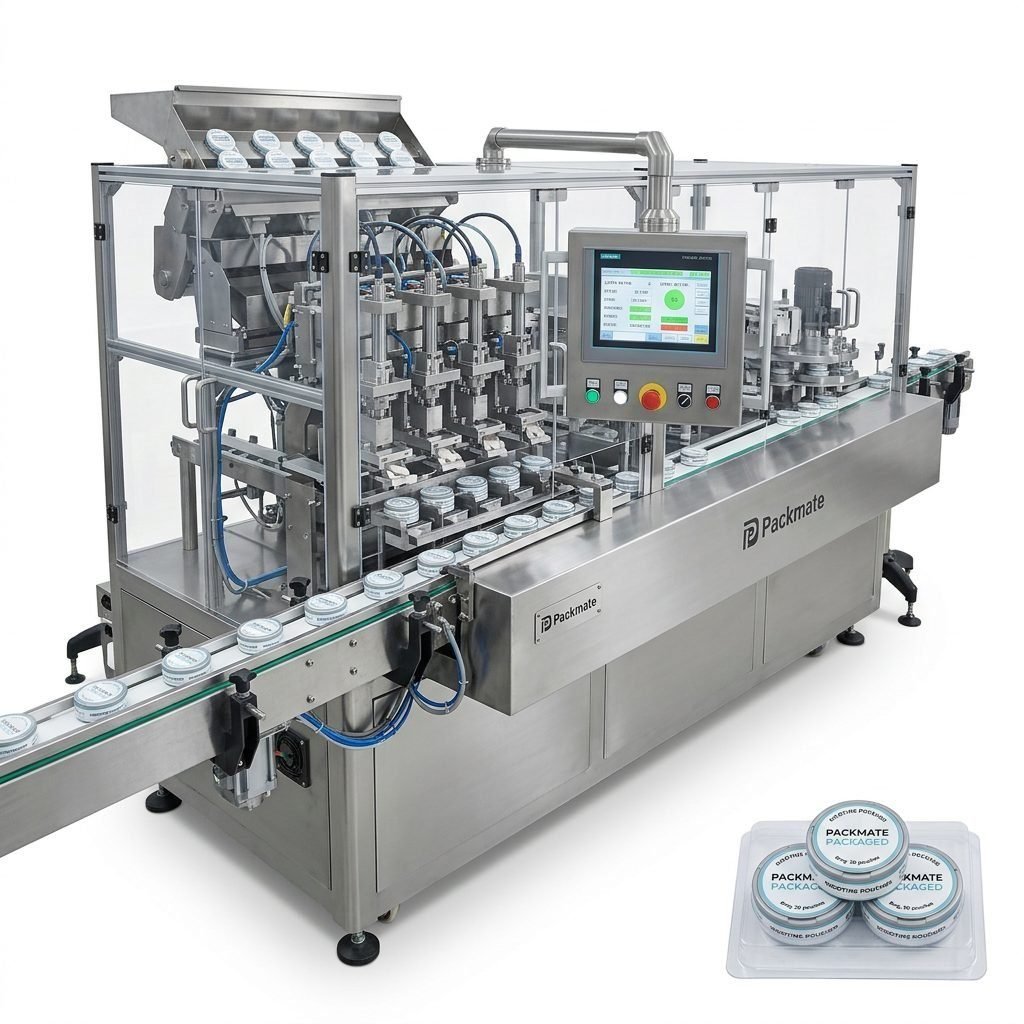
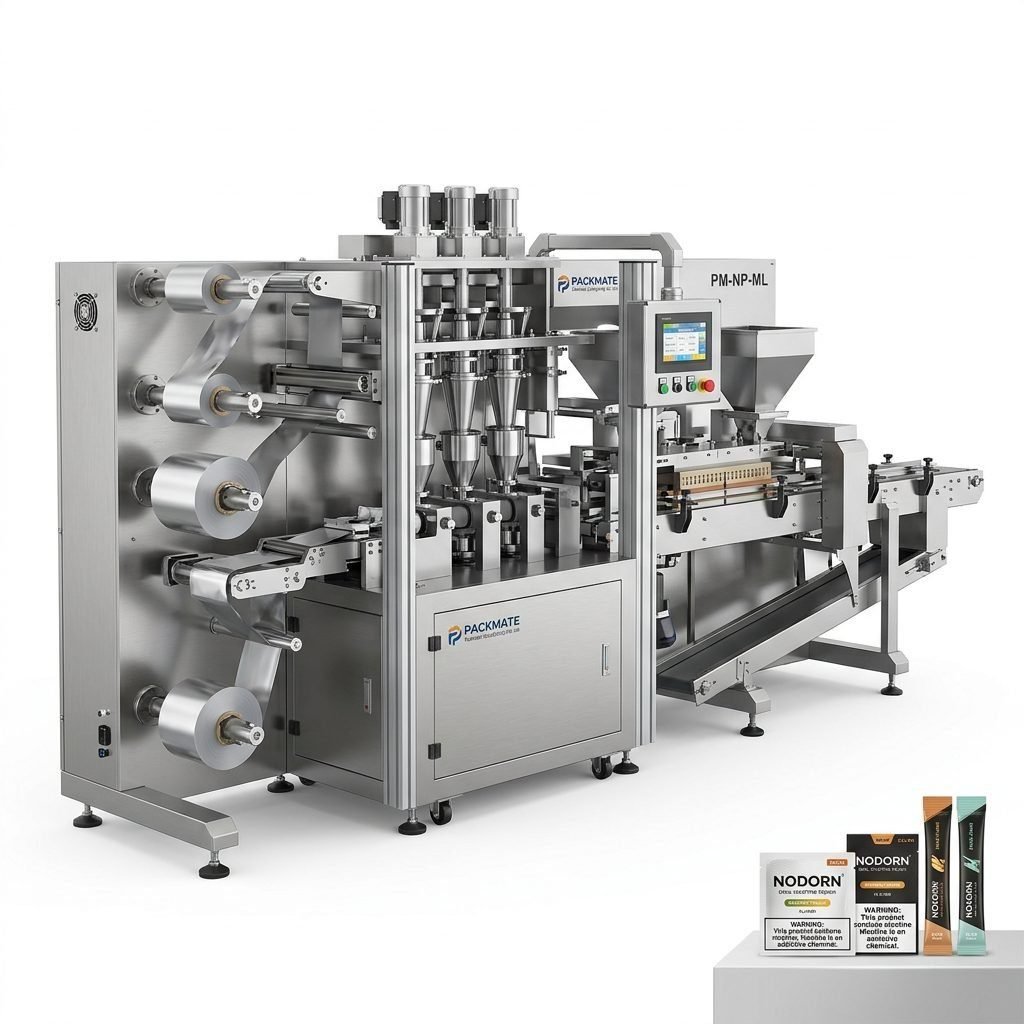
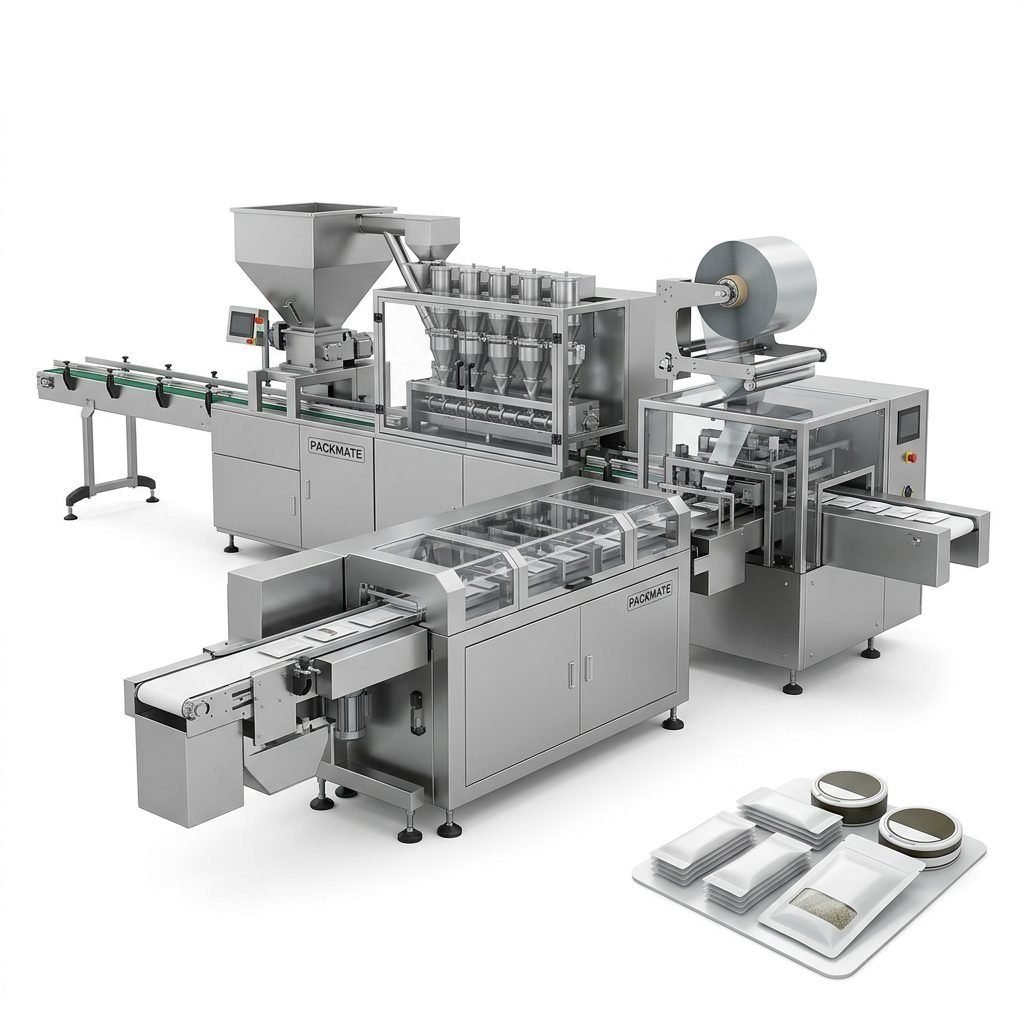
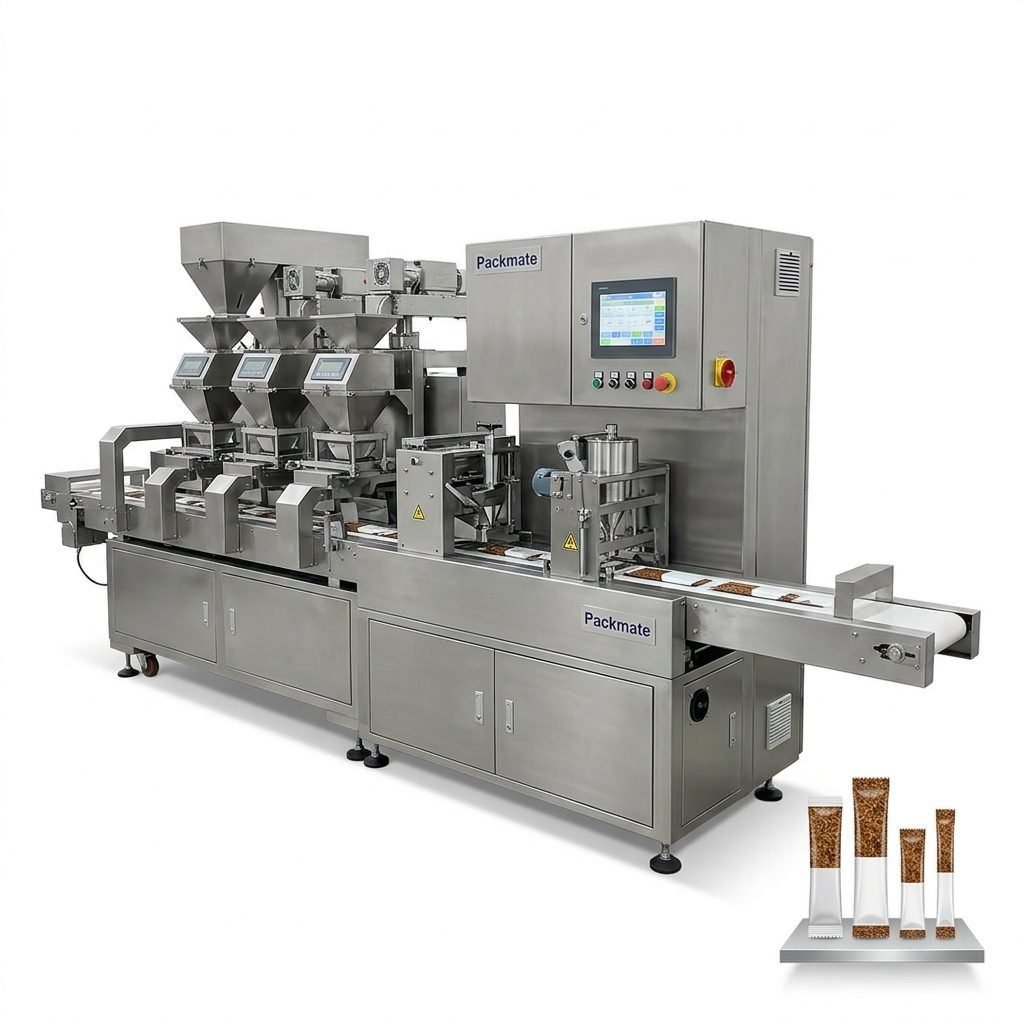
Choosing the right automatic snus filling and packing solution is more than picking a machine — it’s about aligning production goals, regulatory compliance, and long-term operational efficiency. This guide walks packaging managers and engineers through automation levels, machine types, selection criteria, and practical tips to help you invest in the optimal snus packing line for your business.
Understanding Automation Levels for Snus Packing
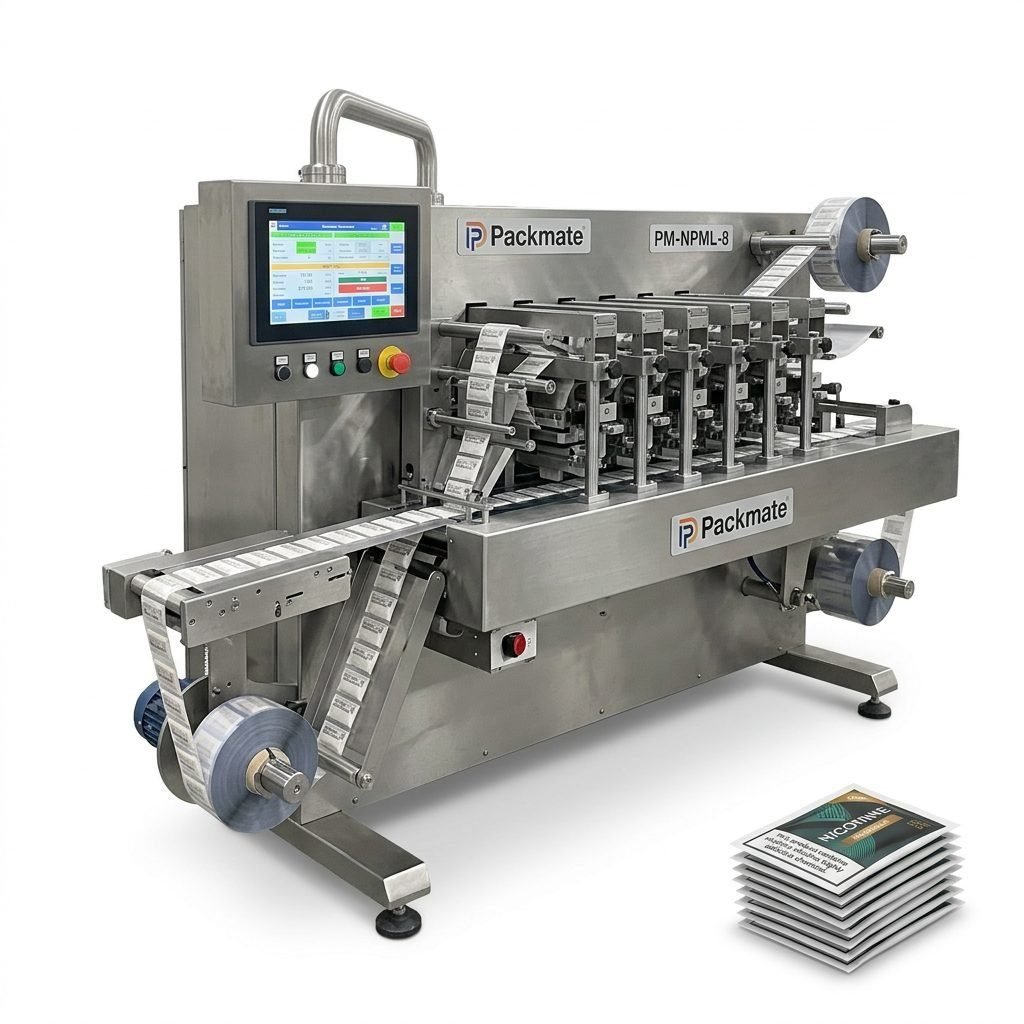
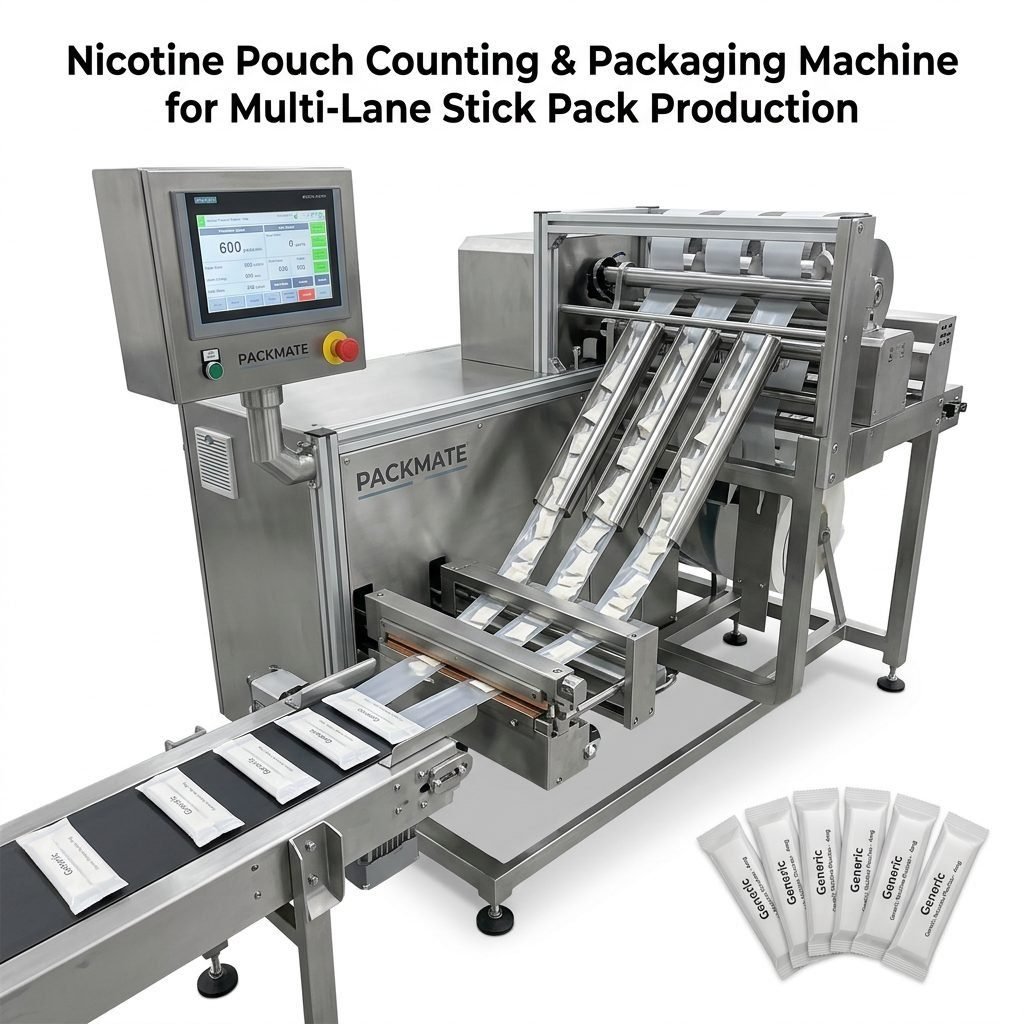
Automation in snus packaging ranges from semi‑automatic fillers to fully integrated turnkey lines. At one end, semi‑automatic systems provide basic dosing and manual packaging which are suitable for pilots and small batches. At the other end, high‑speed multi‑lane lines offer continuous feeding, precision dosing, automated pouch forming, sealing, and secondary packaging with minimal operator intervention.
Key automation tiers
- Tier 1 — Semi‑automatic filling and manual packaging (low throughput).
- Tier 2 — Single‑lane automatic filling, forming, and sealing (medium throughput).
- Tier 3 — Multi‑lane fully automatic lines with integrated weighing, dosing, and secondary packaging (high throughput).
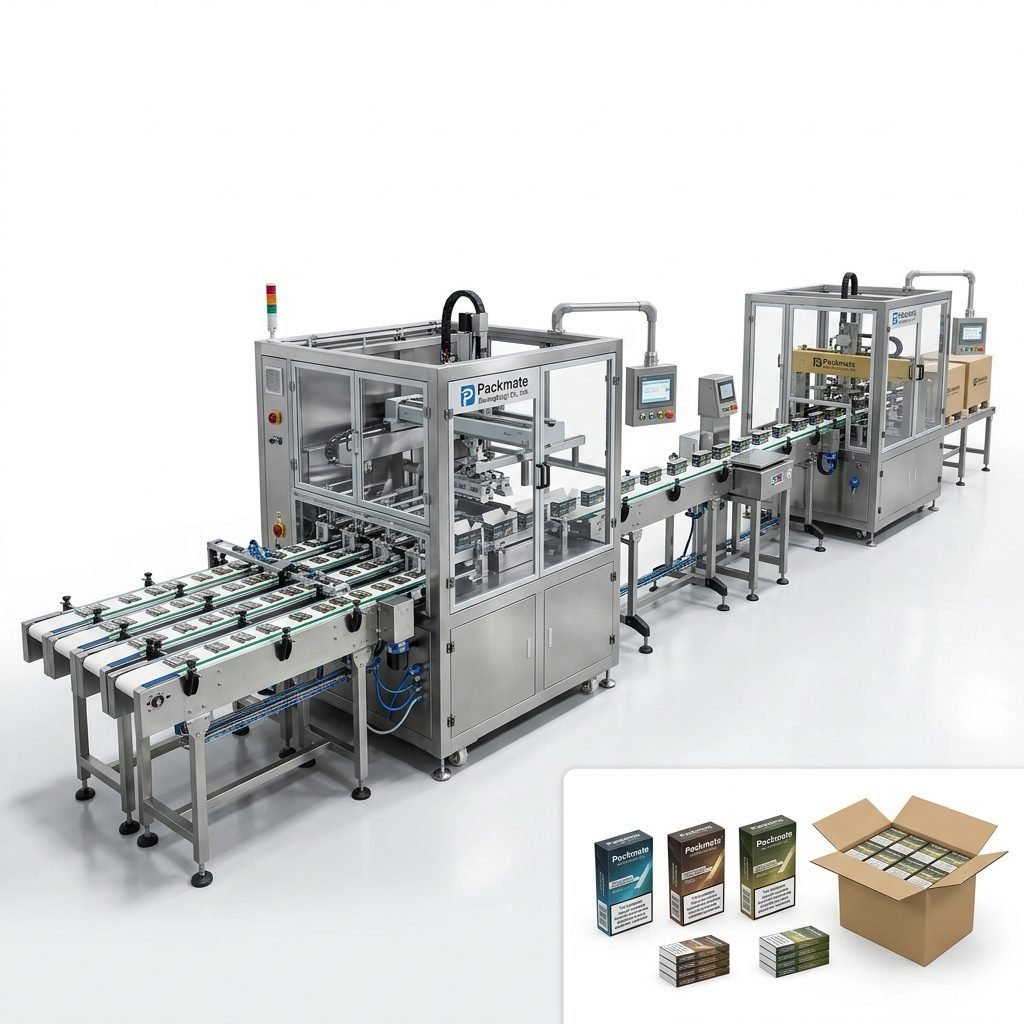
- Tier 4 — Turnkey production lines with end‑of‑line case packers, inspection, and data integration (enterprise scale).
How to Choose: Practical Selection Criteria
Evaluate machines against real production needs. Prioritize capacity, tolerance, flexibility, and maintainability. Below are the most decisive factors.
1. Target Production Capacity
Define your target output in pouches per minute and daily throughput. A machine that meets instant demand but cannot scale will force expensive upgrades. Multi‑lane systems allow scaling without a linear footprint increase, making them ideal for growing lines.
2. Pouch Type & Format Flexibility
Consider whether you need stick packs, sachets, pillow pouches, or custom sachet sizes. Machines designed for a wide range of pouch formats reduce future tooling costs. If you expect frequent format changes, prioritize quick‑change toolings and recipe memory functions.
⚠️ Critical: If you pack nicotine pouches or regulated snus products, ensure the line supports traceability, CIP (clean‑in‑place) capability, and contamination‑control measures.
3. Accuracy & Fill Technology
Fill accuracy affects product cost and consumer consistency. Options include auger fillers, volumetric dosing, and loss‑in‑weight systems. For powders and micro‑dose snus, high‑precision weighing systems are often recommended. Consider integration with weighing & packaging systems to achieve required tolerances — see examples of integrated offerings here:
Weighing & Packaging Systems.
4. Line Integration & Automation Features
Modern lines use PLC/HMI controls, recipe management, and real‑time diagnostics. Look for modular connectivity so the snus filler can integrate with upstream feeders and downstream case packers. If you require a full line, review turnkey options for filling & packaging lines:
Filling & Packaging Lines.
Machine Types Commonly Used for Snus & Nicotine Pouches
Each machine type has distinct advantages. Matching product characteristics with the right machine class reduces waste and downtime.
Single‑Lane Automatic Pouch Machines
Best for low to mid volumes and when high flexibility is needed. Easier to maintain but limited in throughput. Ideal for R&D lines and niche products.
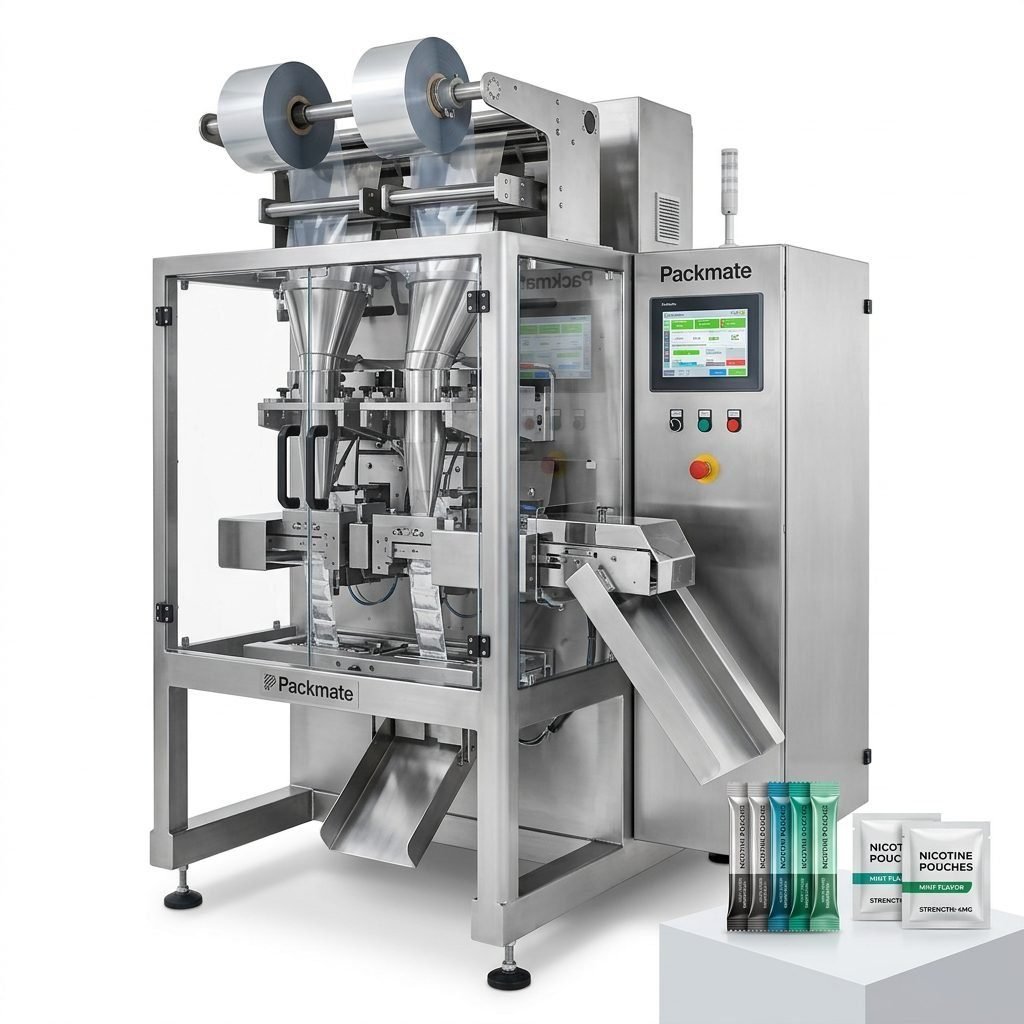
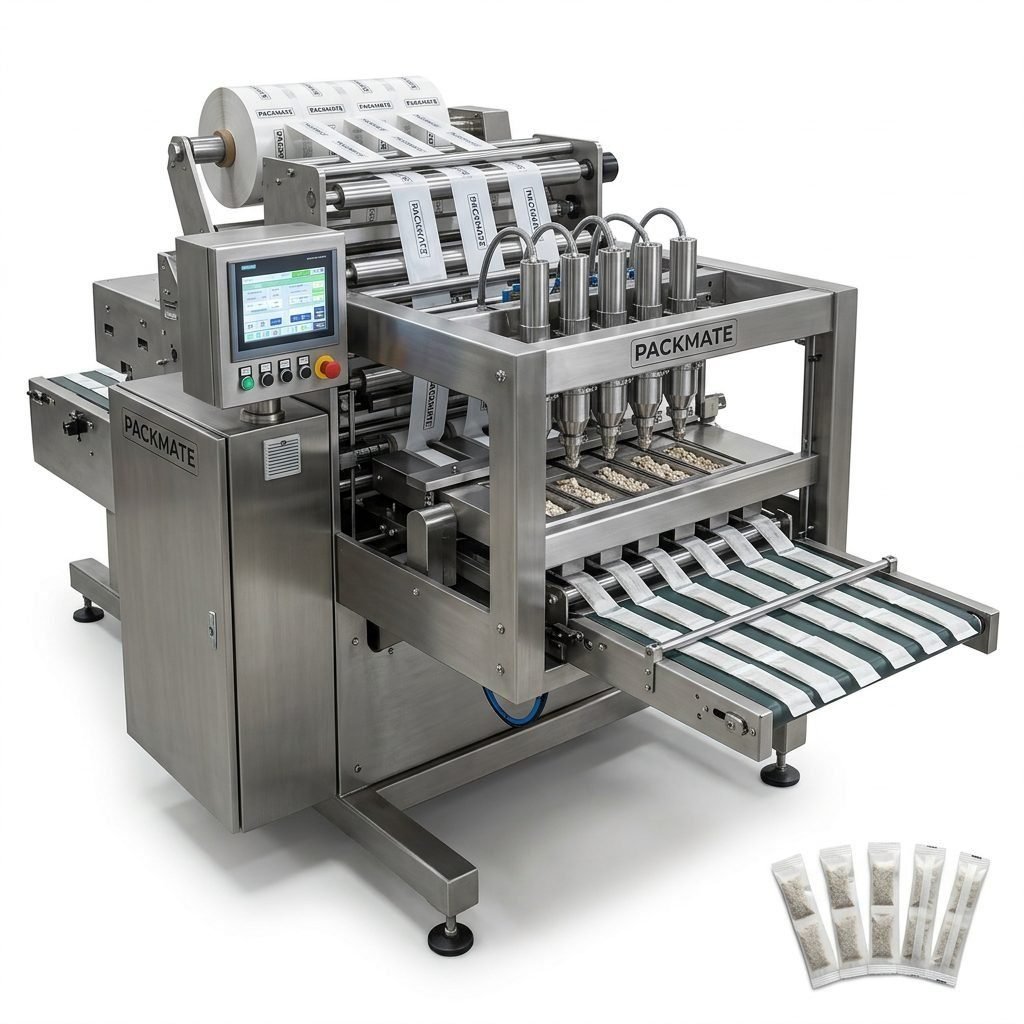
Multi‑Lane High‑Speed Systems
Use multiple parallel lanes to multiply output without a proportional increase in footprint. These are ideal for established high‑volume snus brands and contract manufacturers handling large orders.
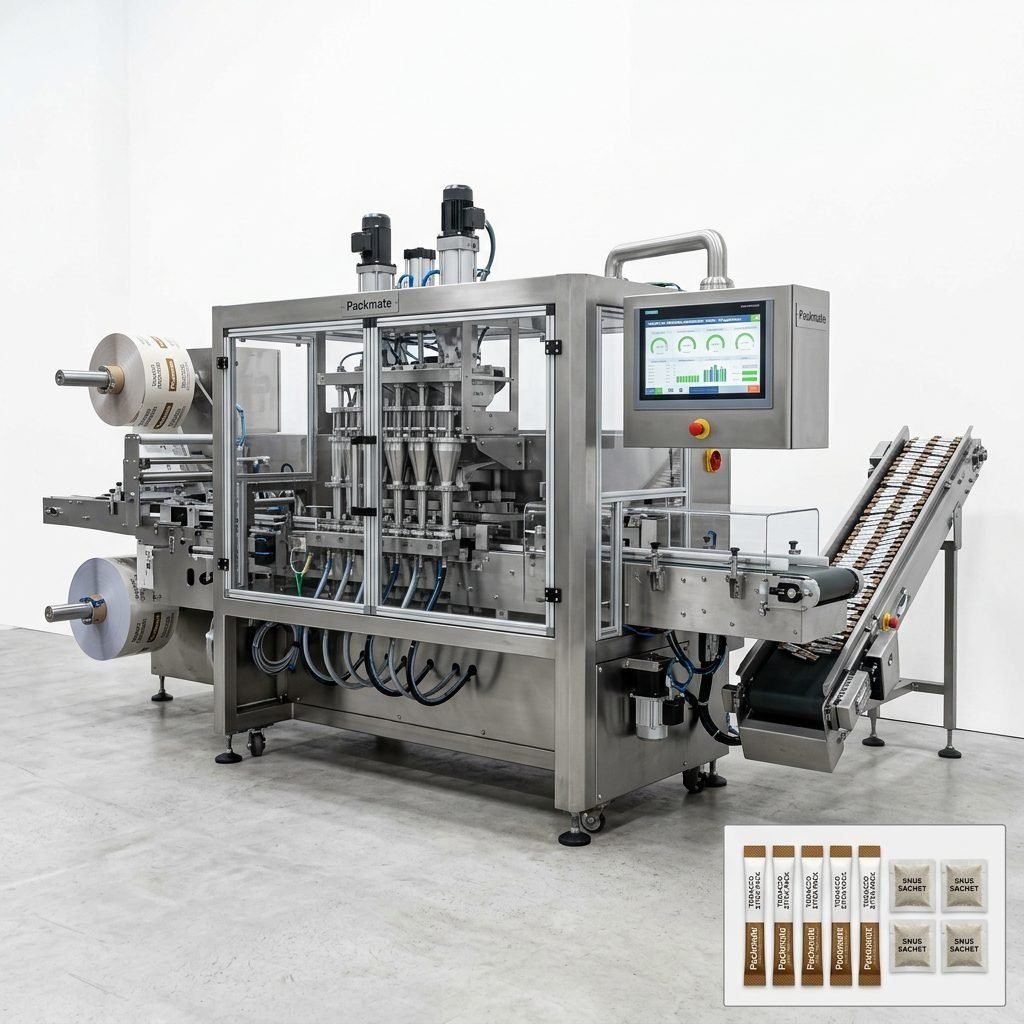
Sachet & Stick Pack Machines
If you produce stick packs or small sachets, dedicated stick pack machines provide excellent sealing and consistent presentation. For multi‑format needs, choose machines with quick‑change modules. Browse specialized sachet & stick options:
Sachet & Stick Pack Machines.
Operational Considerations: Efficiency, Maintenance & Cost
Lifecycle cost often outweighs purchase price. Consider energy use, tool wear, spare parts availability, and on‑site service agreements.
🔧 Tip: Ask suppliers for MTBF (mean time between failures) data, a spare parts kit, and recommended preventive maintenance schedules. Packmate’s factory and support structure (20,000㎡ facility, advanced CNC machining) can be relevant when evaluating long‑term serviceability:
About Packmate.
Regulatory Compliance & Certification
For nicotine products, compliance and documentation are essential. Ensure machines and lines can be validated and that the manufacturer provides CE/ISO certification and material traceability. For more on certifications and standards, check:
Certificate.
Customization & Turnkey Solutions
Many producers prefer a single vendor responsible for the entire line — from feeders to final case packing. Turnkey providers reduce integration risk and speed up commissioning. Packmate offers multiple machine models and full lines designed specifically for snus and nicotine pouch production:
Snus & Nicotine Packaging Machines.
What a turnkey package typically includes
- Primary filling and sealing equipment
- Loss‑in‑weight or multi‑head weighing systems
- Conveying, checkweighing and metal detection
- Case packing and palletizing
- Control systems, HMI recipes, and documentation
Selecting a Supplier: Key Questions to Ask
When evaluating vendors, use a checklist to compare proposals objectively.
- What is the guaranteed throughput with our product specs?
- Can the machine handle our powder/granule viscosity and moisture?
- What changeover times and spare parts are included?
- Is onsite commissioning and operator training provided?
- What warranty, service level agreements, and global spare parts support exist?
Real‑World Example & Case Studies
Machine performance in a controlled demo is important, but real production references matter most. Review supplier case studies to confirm performance under similar products and environments. For real examples from a global supplier, see:
Case.
Installation & After‑Sales Support
Plan for factory acceptance testing (FAT), on‑site installation, and operator training. A reliable partner should provide spare parts, remote diagnostics, and scheduled maintenance contracts. Consider suppliers that regularly exhibit and demonstrate machines — this indicates active R&D and customer engagement:
Our Exhibition.
📦 Pro tip: Negotiate a spare parts kit and first‑year service in the purchase contract to avoid long downtime for critical components.
Cost vs Value — Making a Balanced Decision
Low initial cost machines can create higher operational expenses. Evaluate total cost of ownership (TCO): energy consumption, labor savings from automation, waste reduction from precise dosing, and expected uptime. Multi‑lane automation often delivers the best TCO for medium and high volumes.
Financing & Pilot Programs
Ask vendors about leasing, demo units, or pilot programs. A pilot line or FAT run with your product enables risk mitigation before full investment. For service and catalogs, consult:
Catalog and
Service.
Decision Checklist — Quick Reference
- Production target: pouches/min & daily volume
- Pouch formats: current & planned
- Accuracy: tolerance mm / mg
- Expandability: multi‑lane & modularity
- Compliance: CE/ISO documentation
- After‑sales: spare parts & service coverage
Conclusion
Selecting the right snus packing automation requires a pragmatic assessment of capacity needs, product characteristics, regulatory requirements, and long‑term support. Investing time in FATs, pilot runs, and supplier references will pay dividends in consistent packaging quality and lower operational costs.
Frequently Asked Questions
Q1: How do I estimate required throughput?
Estimate daily target units, peak shifts, and downtime allowances. Convert these to pouches per minute and add a margin for growth. Discuss these numbers with the vendor to match machine configuration.
Q2: Are multi‑lane machines worth the investment?
For medium to high volumes, multi‑lane systems often provide better footprint efficiency, higher throughput, and lower unit labor costs. They require careful feed and synchronization design.
Q3: What certifications should I require?
Request CE and ISO certifications, material traceability, and FAT documentation. For nicotine products, ensure the supplier supports necessary documentation for regulatory audits.
Q4: Can I get a turnkey solution including secondary packaging?
Yes — many suppliers offer turnkey filling & packaging lines with integrated secondary packaging, inspection, and case packing. Review the supplier’s case studies and ask for references:
Case.
Q5: How important is after‑sales support?
Extremely important. Fast spare parts delivery and remote diagnostics minimize downtime. Verify local support options and the manufacturer’s service network before purchasing.