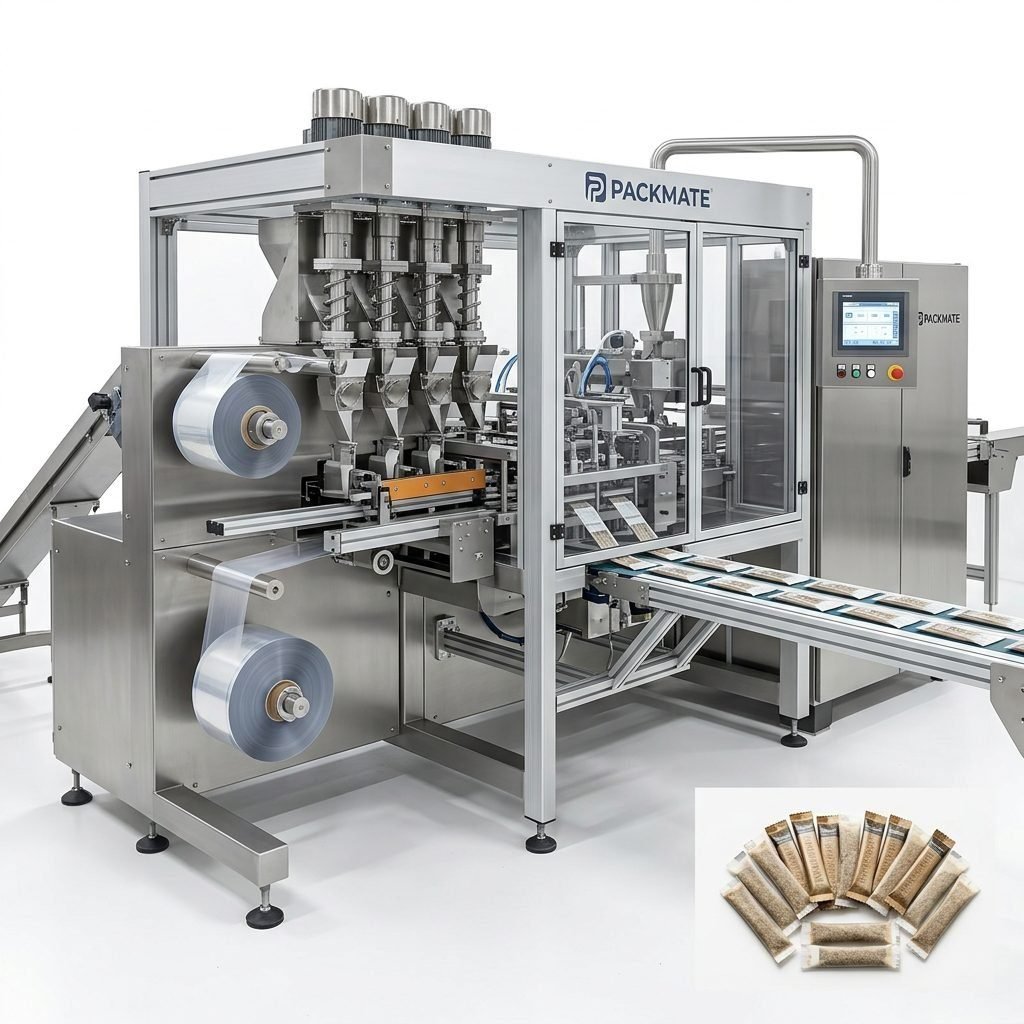
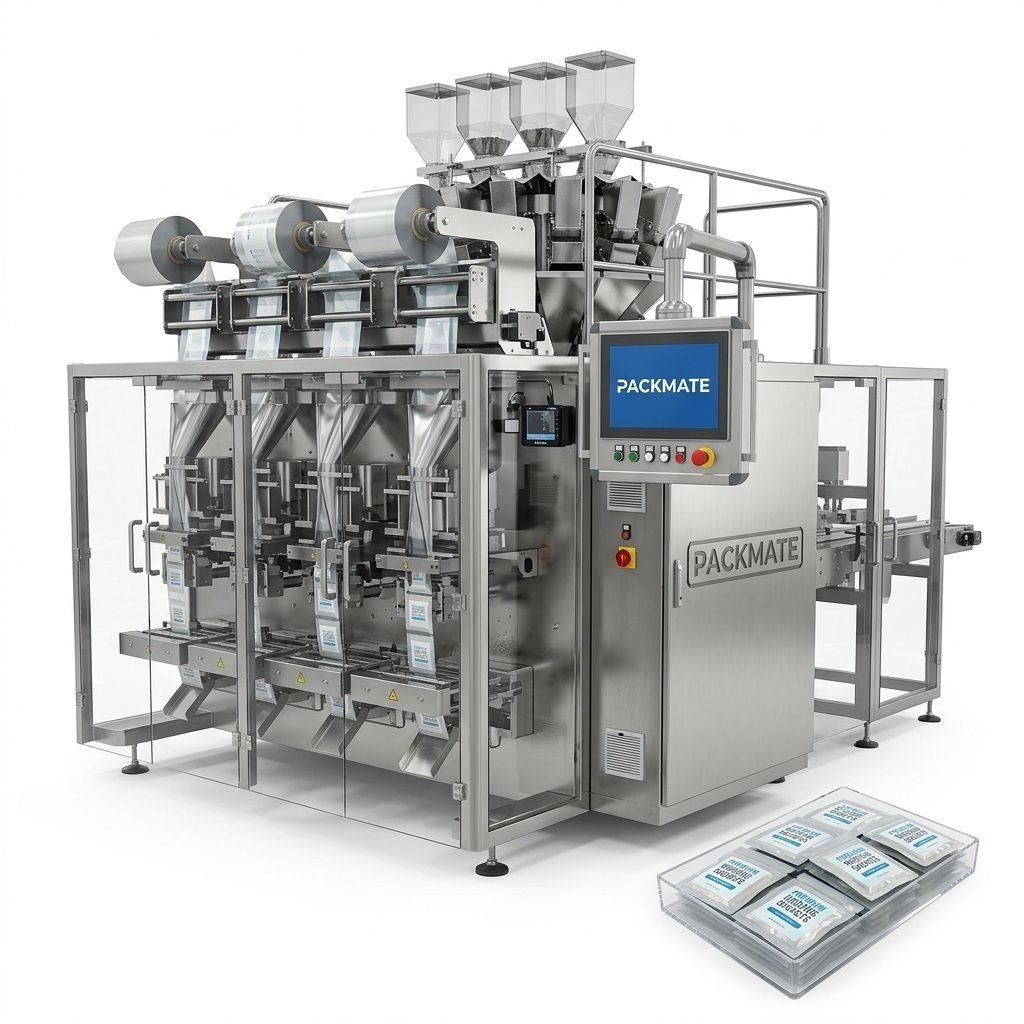
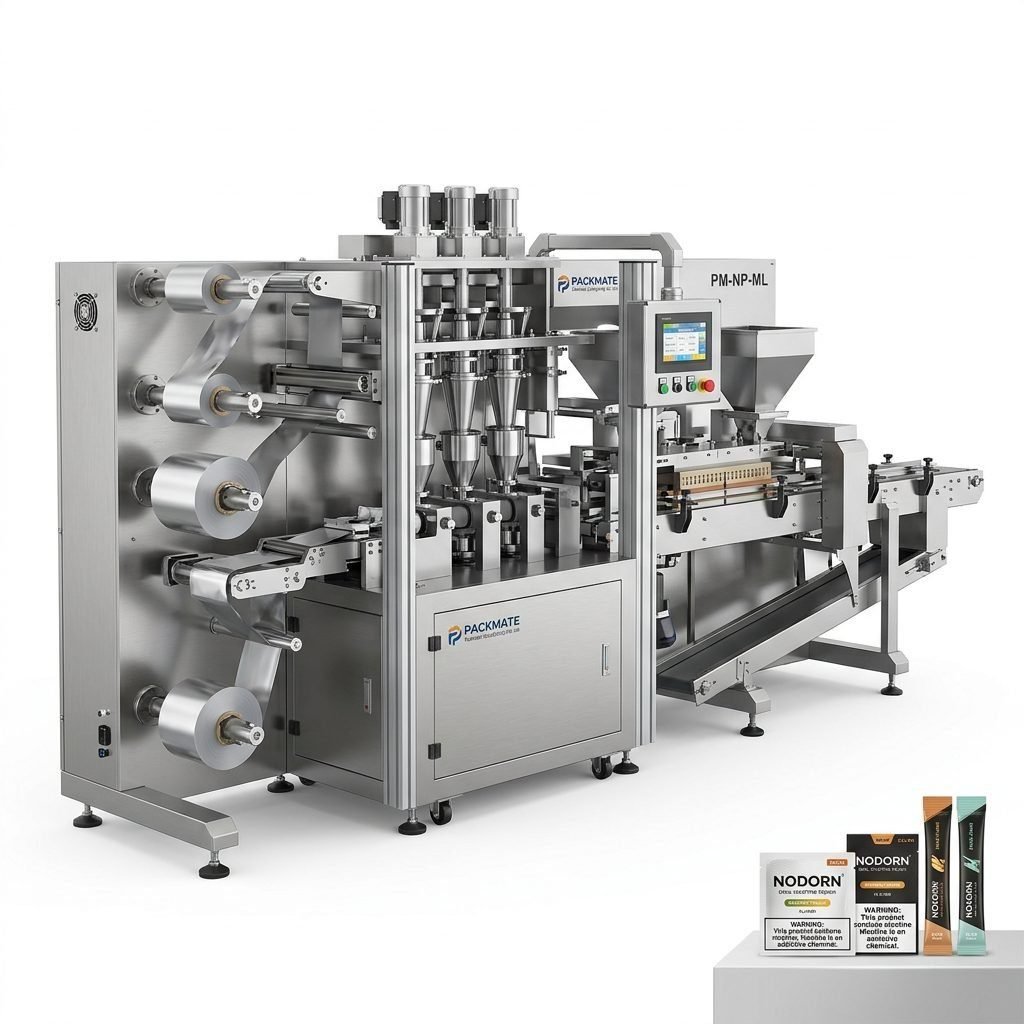
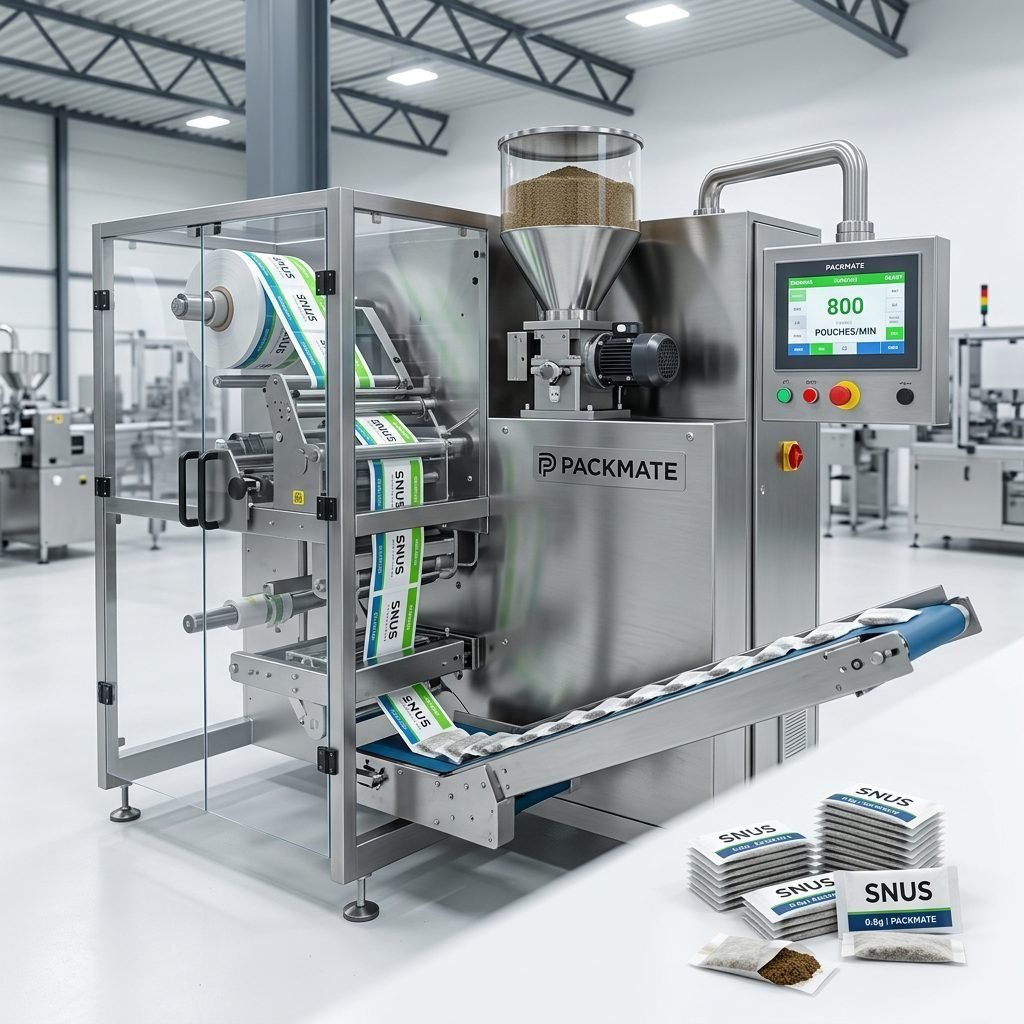
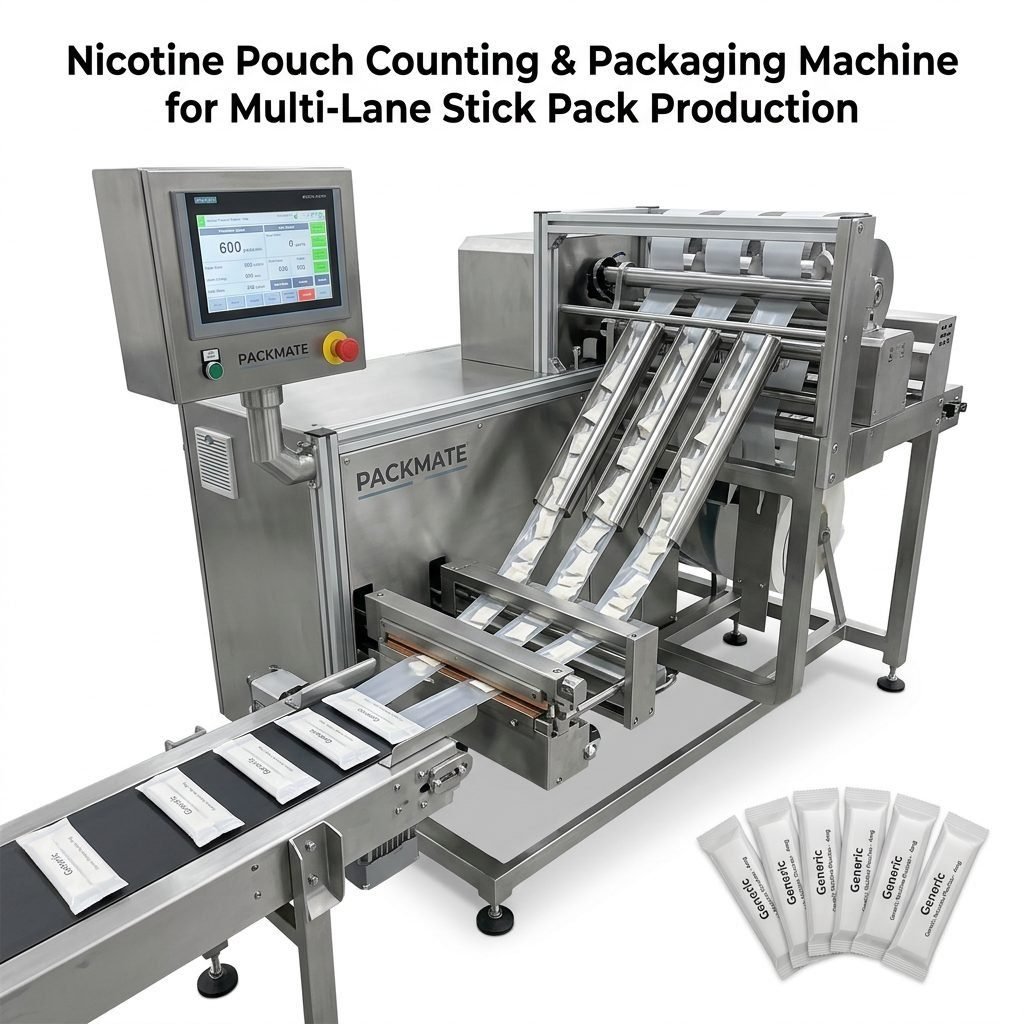
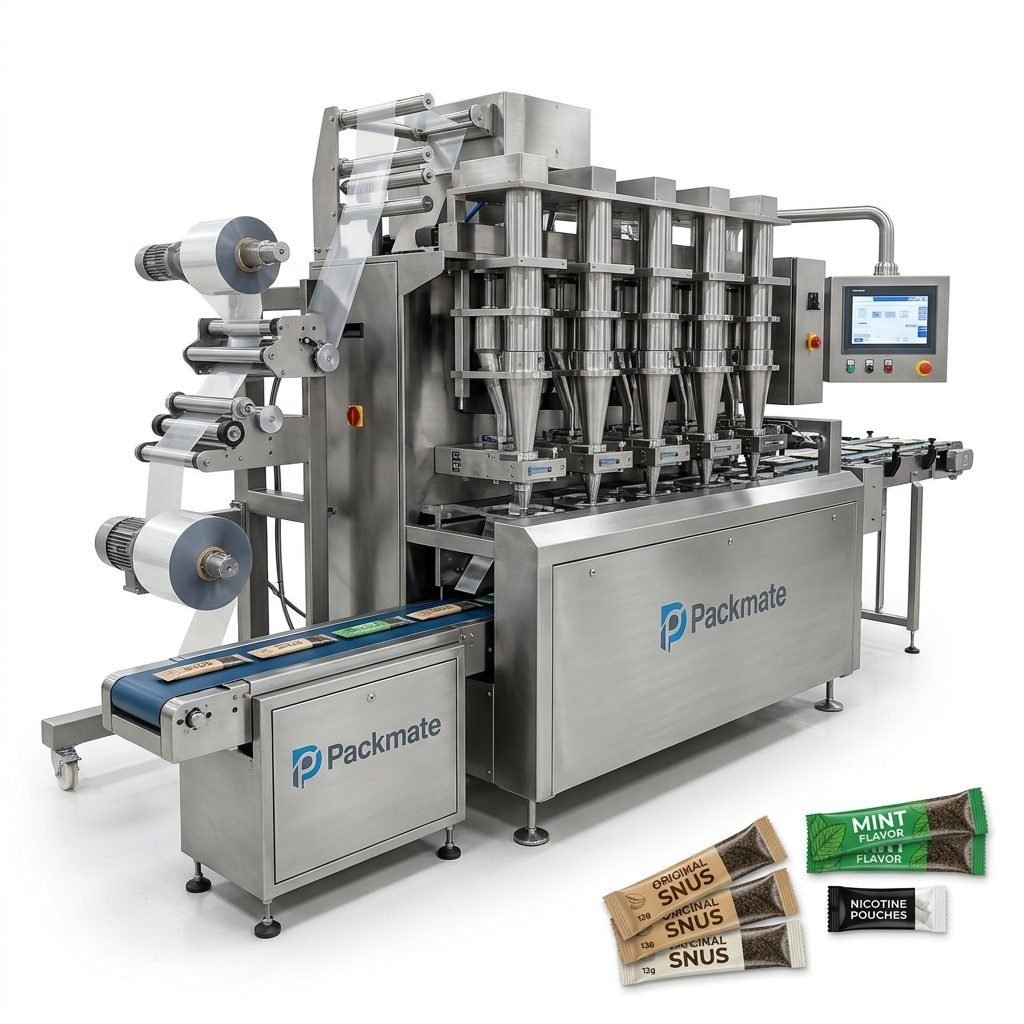
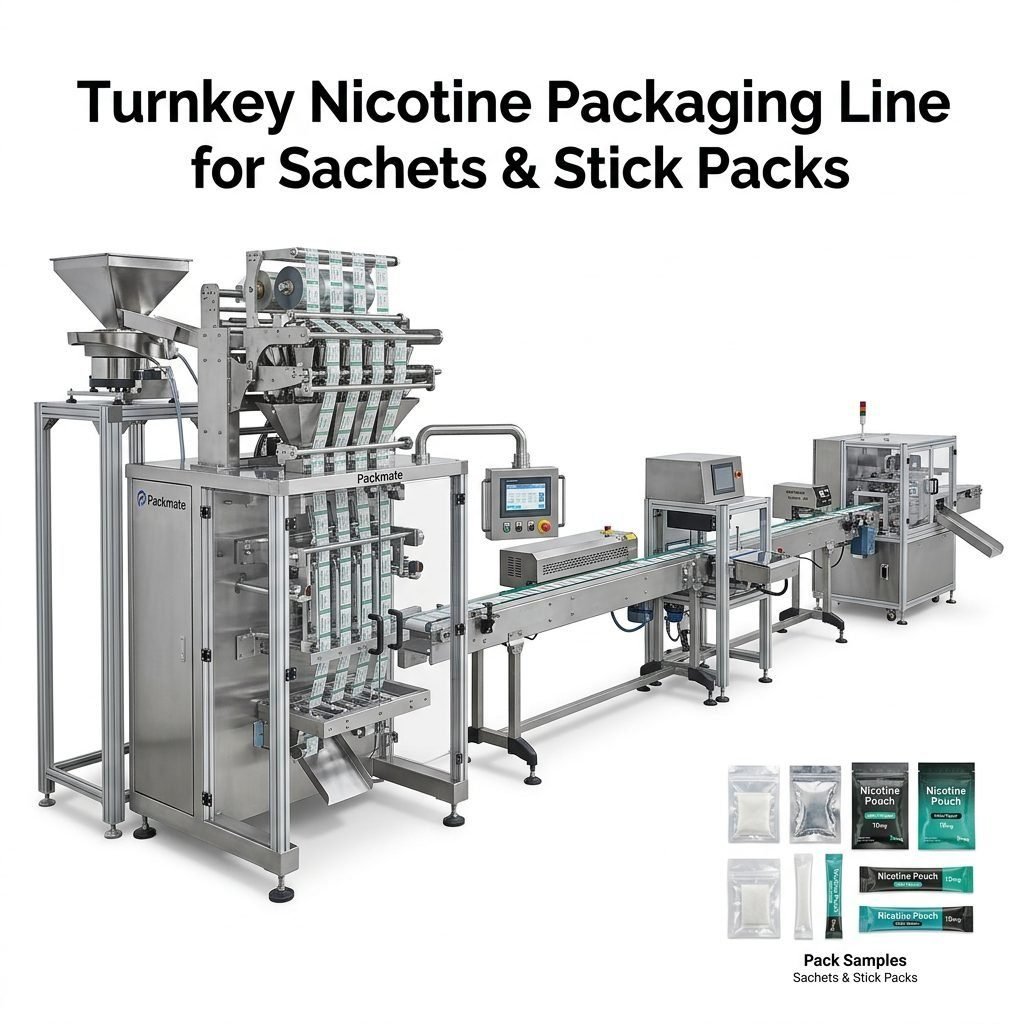
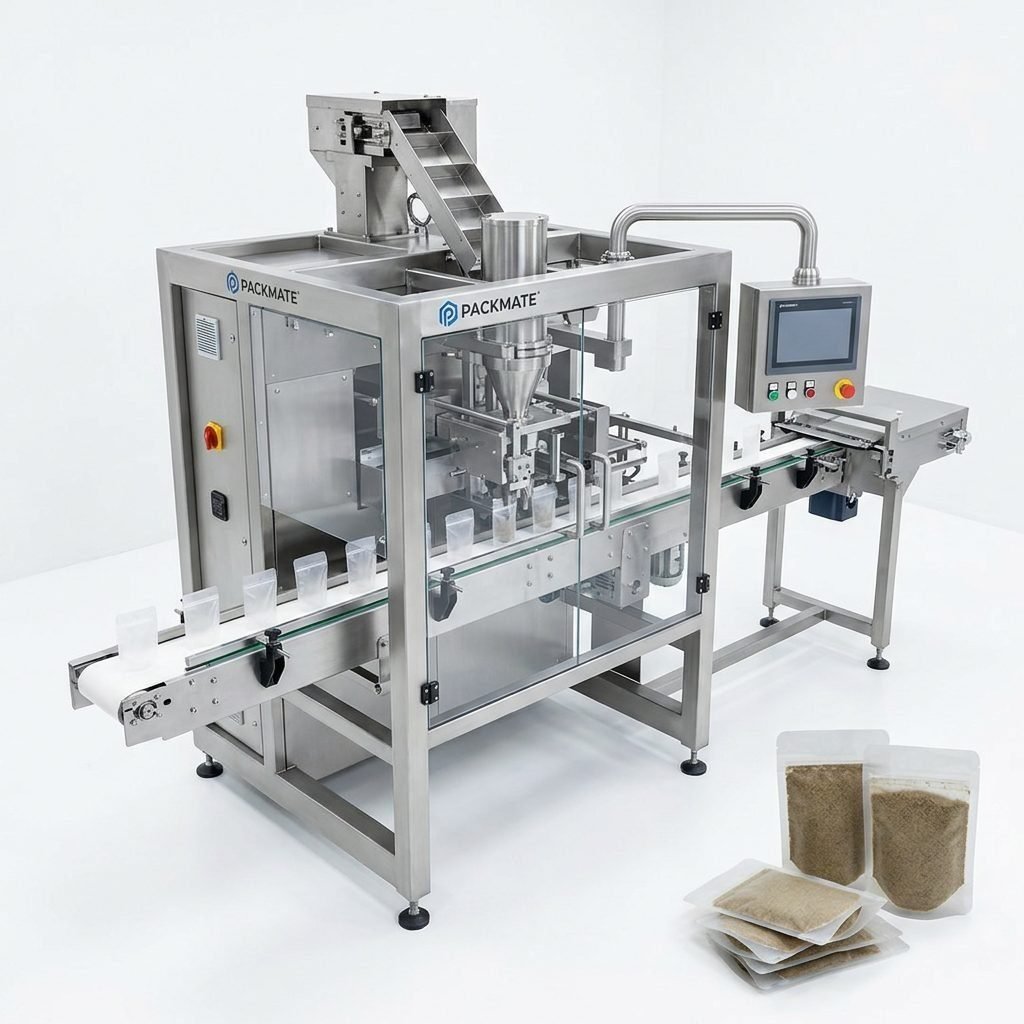
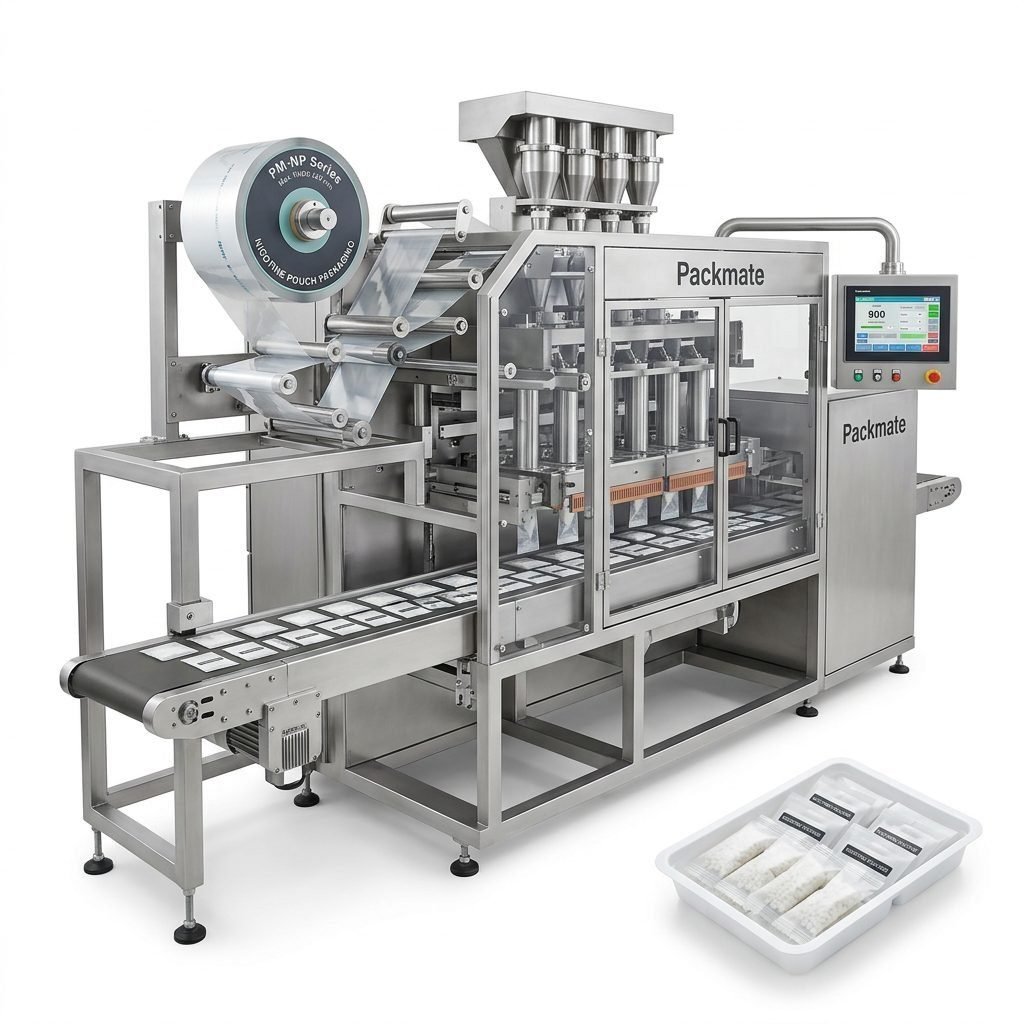
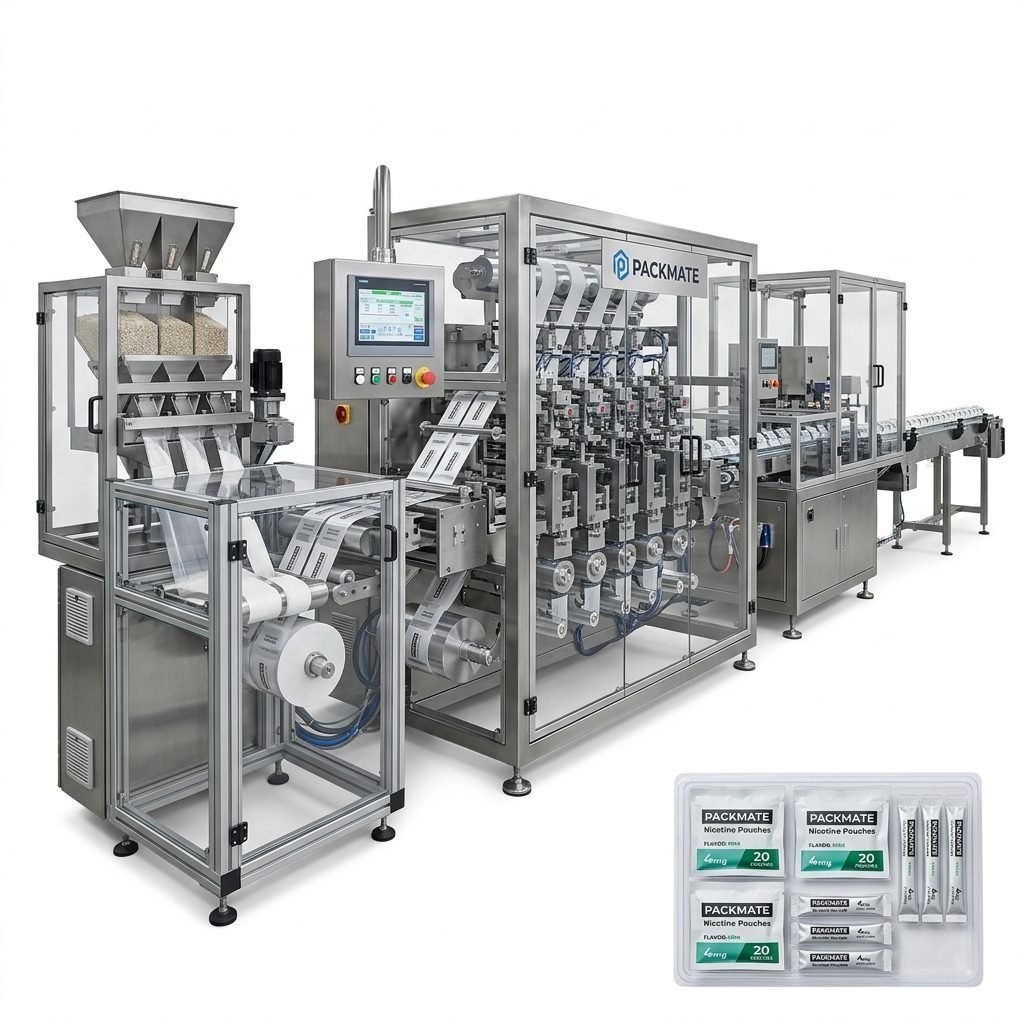
In the fast-evolving world of nicotine pouch production, a reliable and fully automatic packing line can mean the difference between meeting global demand and falling behind. This article provides a comprehensive look at a Nicotine Pouch Packing Line — a complete automatic packaging solution built for high-speed production, precision dosing, and consistent output. Whether you are expanding a factory, evaluating turnkey suppliers, or preparing to upgrade to multi-lane systems, the following guide covers key components, benefits, technical considerations, and practical deployment tips for manufacturers and line managers.
Overview: What a Complete Nicotine Pouch Packing Line Includes
A complete packing line for nicotine pouches typically integrates multiple subsystems into a synchronized workflow. Core modules include:
⚙️ Filling & Dosing: Precise metering systems for nicotine blend, powder, or granules, providing consistent sub-milligram accuracy across lanes.
🎛️ Form-Fill-Seal Machines: High-speed pouch forming, sealing and cutting modules suited for stick, sachet, or multi-lane pouches.
🔧 Auxiliary Equipment: Conveyors, product feeders, accumulators, and checkweighers that stabilize flow and ensure regulatory compliance.
Why choose a fully automated line?
Fully automated packing lines deliver multiple advantages for nicotine pouch manufacturers:
• Higher throughput and predictable output for large-volume markets.
• Reduced labor dependence and increased consistency in product dosing and seal integrity.
• Traceability options through integrated HMI systems, barcode printing, and data logging for regulatory auditing.
Key Technical Features to Evaluate
When assessing a nicotine pouch packing line, focus on modularity, precision, and serviceability. Critical specifications include:
• Multi-lane capability: 2-up, 4-up or higher lane systems that multiply per-minute output while maintaining dosing accuracy across all lanes.
• Dosing precision: Gravimetric or volumetric dosing systems with feedback control to maintain product weight tolerances.
• Servo-driven motion: For synchronized sealing, cutting and pouch forming, enabling higher speeds and reduced mechanical wear.
• Hygienic design: Stainless steel contact parts, sealed enclosures, and easy-clean structures for food-grade and regulatory compliance.
• Automated quality control: In-line checkweighing, metal detection, and vision inspection for seal integrity and label accuracy.
Typical Production Workflow
A smooth, high-speed production run follows a defined sequence:
1. Raw material handling and blending of nicotine pouches or filling mix.
2. Accurate dosing and metering into the feed system.
3. Pouch formation, filling, and sealing in the FFS module.
4. In-line inspection: weight checks, vision checks and seal integrity verification.
5. Secondary packaging: cartons, outer boxes, or display-ready packaging, including serialization if required.
Customization & Turnkey Solutions
Packmate and similar manufacturers offer tailored turnkey lines to match product formats, regulatory requirements, and production scale. Custom options include:
• Dedicated multi-lane layouts for small-dose nicotine pouches to reach high outputs without losing fill accuracy.
• Integration with upstream mixing and downstream carton erecting machines for end-to-end automation.
• Special packaging formats such as stick packs or sachets for specific markets and consumer preferences.
Real-World Examples & Case Studies
Across Europe, Asia, and the Americas, multi-lane nicotine pouch lines have been deployed to scale artisanal manufacturers into industrial producers. To explore actual projects and machine portfolios, visit product pages and case references such as:
Snus & Nicotine Packaging Machines •
Case Studies •
Sachet & Stick Pack Machines
Factory & Manufacturing Strengths to Look For
When selecting a supplier for nicotine pouch packing lines, supplier capacity matters. Evaluate:
• Engineering experience — 20+ years of R&D and iterative improvement are strong indicators of mature designs.
• Manufacturing footprint — large, CNC-equipped factories with precision assembly lines deliver consistent machine quality.
• Model variety — a range of machines from single-lane fillers to fully integrated multi-lane lines helps future-proof your investment.
Regulatory Compliance & Certifications
Ensure your line components meet international safety and quality standards. Look for CE, ISO certification and documented testing procedures carried out by the manufacturer.
Operational Considerations for High-Speed Lines
High-speed production demands careful planning and robust procedures:
• Preventive maintenance schedules — Servicing intervals and parts replacement plans reduce downtime.
• Operator training — Comprehensive training reduces setup time and improves overall equipment effectiveness.
• Spare parts strategy — Stock critical wear items and have a supplier plan for rapid dispatch.
After-Sales Support & Global Reach
Choose partners with global service networks, exhibition presence, and a transparent record of long-term service. For more details on support offerings and exhibitions, see:
Service •
Our Exhibition •
About Packmate
Integration With Packaging Ecosystem
A nicotine pouch packing line rarely operates in isolation. Effective integration boosts throughput and reduces manual handling:
• Automated feeding conveyors link mixers to dosing modules.
• Vision systems work with cartoners to confirm print quality and serialization.
• Complementary equipment like weighing and secondary packaging systems can be supplied as part of a turnkey solution — view complementary systems here: Weighing & Packaging Systems.
Design for Local Markets
Different regions have distinct product formats and regulatory requirements. For example:
• European markets often demand strict traceability, robust documentation, and multi-lingual packaging options.
• Asian factories may prioritize compact multi-lane lines for urban factory footprints and high labor productivity.
• North American customers frequently request intensive validation steps and integration with serialization systems for post-market surveillance.
Selecting the Right Supplier: What to Ask
Before committing, verify the supplier’s credentials and capabilities. Key questions include:
• Can you provide references or case studies of similar nicotine pouch lines?
• What is the expected throughput at specified fill accuracy and number of lanes?
• What certifications and acceptance tests are included in the purchase?
• Are installation, commissioning and operator training included in the quote?
• What is your spare parts and service response plan for overseas customers?
Cost Considerations & Return on Investment
While initial capital expense can be significant for high-speed multi-lane lines, the ROI is driven by reduced labor costs, higher yield, improved consistency, and the ability to meet large contracts. Consider total cost of ownership: energy consumption, maintenance, spare parts, and software licensing.
Deployment Timeline & Project Planning
Typical project phases include requirements review, design approval, factory acceptance testing (FAT), shipment, installation, and site acceptance testing (SAT). A well-managed supplier will share a Gantt-style timeline and coordinate logistics for a smooth ramp-up.
Contact & Next Steps
If you are ready to evaluate lines, request technical datasheets, production capacity calculations, and FAT videos. For supplier information and direct contact, check the manufacturer’s contact page: Contact Us.
🔎 Quick Recommendation: For manufacturers targeting scalable nicotine pouch production, consider multi-lane, servo-driven FFS solutions combined with in-line weighing and vision inspection to meet both speed and regulatory demands.
Conclusion
Investing in a complete automatic Nicotine Pouch Packing Line modernizes production, increases throughput, and improves product consistency. By choosing a reputable supplier with strong engineering experience, robust manufacturing facilities, and global support capabilities, you secure a long-term partner for growth. Careful planning around dosing accuracy, lane scalability, and after-sales support will ensure your packing line delivers reliable performance and a tangible return on investment.
Frequently Asked Questions
Q1: How many pouches per minute can a multi-lane packing line achieve?
A1: Output depends on lane count, pouch format and dosing method. Multi-lane systems can reach several hundred to thousands of pouches per minute in aggregate when properly configured.
Q2: What accuracy can I expect from dosing systems?
A2: Modern gravimetric or precision volumetric dosing solutions typically achieve sub-5% deviation and, with calibration and closed-loop control, deliver consistent weight within narrow tolerances required for nicotine pouch dosing.
Q3: Are turnkey lines compliant with international standards?
A3: Reputable suppliers provide CE and ISO-compliant equipment, validated in factory acceptance tests. Confirm certifications and test reports before purchase.
Q4: Can the line be customized for different pouch formats?
A4: Yes. Most manufacturers offer modular designs that can be adapted for stick packs, sachets, or varied pouch sizes with changeover kits and adjustable tooling.
Q5: Where can I see examples and get more technical details?
A5: Review machine portfolios, case studies and product specs on supplier websites such as the Packmate product pages for Snus & Nicotine Packaging Machines and related systems: Snus & Nicotine Packaging Machines, Bag & Pouch Packaging Machines, and Filling & Packaging Lines.