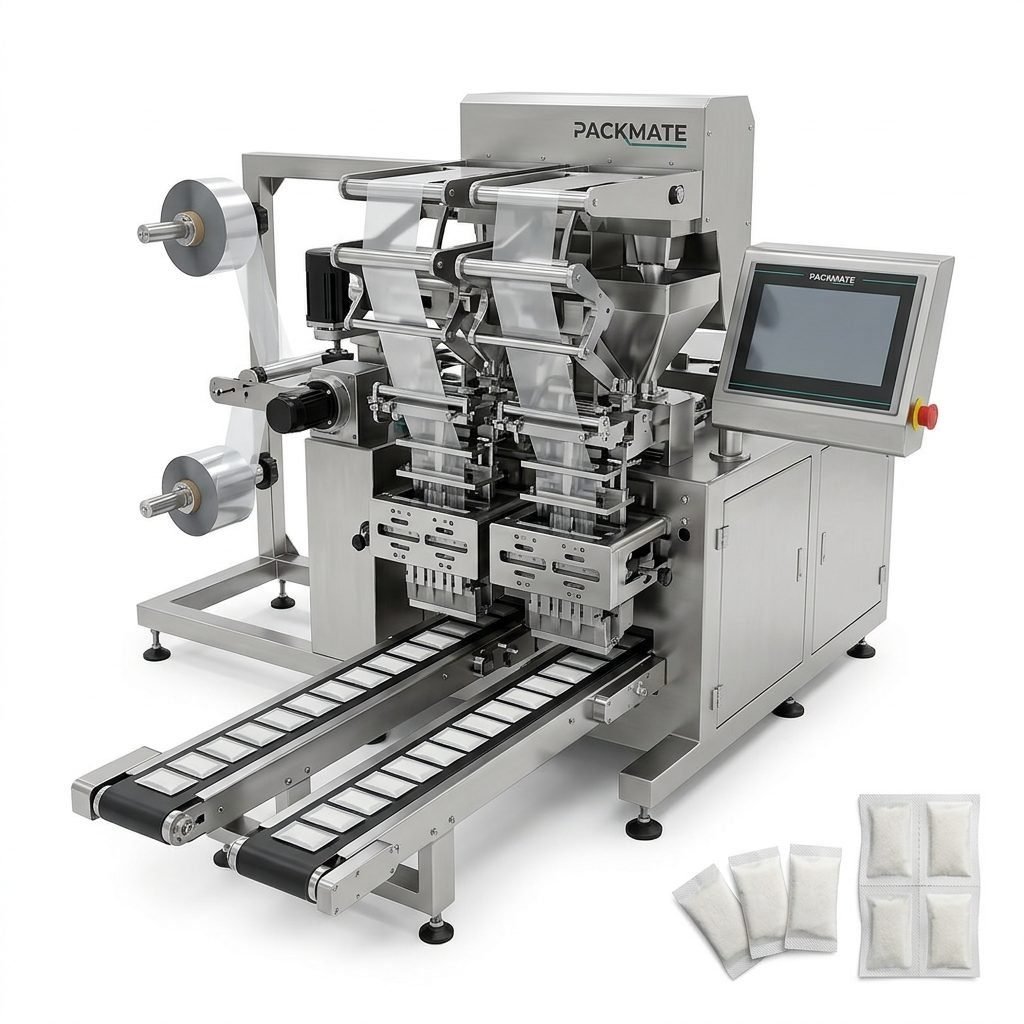
Choosing the right snus packaging machinery supplier in Switzerland is more than a procurement decision — it’s a strategic step that affects regulatory compliance, product quality, production efficiency, and consumer trust. This guide walks Swiss manufacturers and importers through the critical factors to consider when selecting a supplier for snus and nicotine pouch packaging lines, with practical tips tailored to Swiss market expectations for precision, sustainability, and multilingual labeling.
Understanding Swiss Market Expectations and Regulations
Switzerland values precision engineering, strict adherence to safety standards, and environmental responsibility. When sourcing snus packaging machines, Swiss buyers typically expect:
- High accuracy and repeatability for small-dose pouches and multi-lane production.
- Compliance with European and international safety and hygiene standards (CE, ISO).
- Flexible systems that support multilingual labeling (German, French, Italian) and local market variants.
- Energy-efficient and low-waste designs that align with sustainability goals.
Tip: When evaluating suppliers, ask for machine validations, material traceability, and examples of multilingual label integration to ensure smooth entry into Swiss retail channels.
Key Technical Capabilities to Prioritize
Not all packaging machines are created equal. For snus and nicotine pouches, prioritize suppliers that can demonstrate:
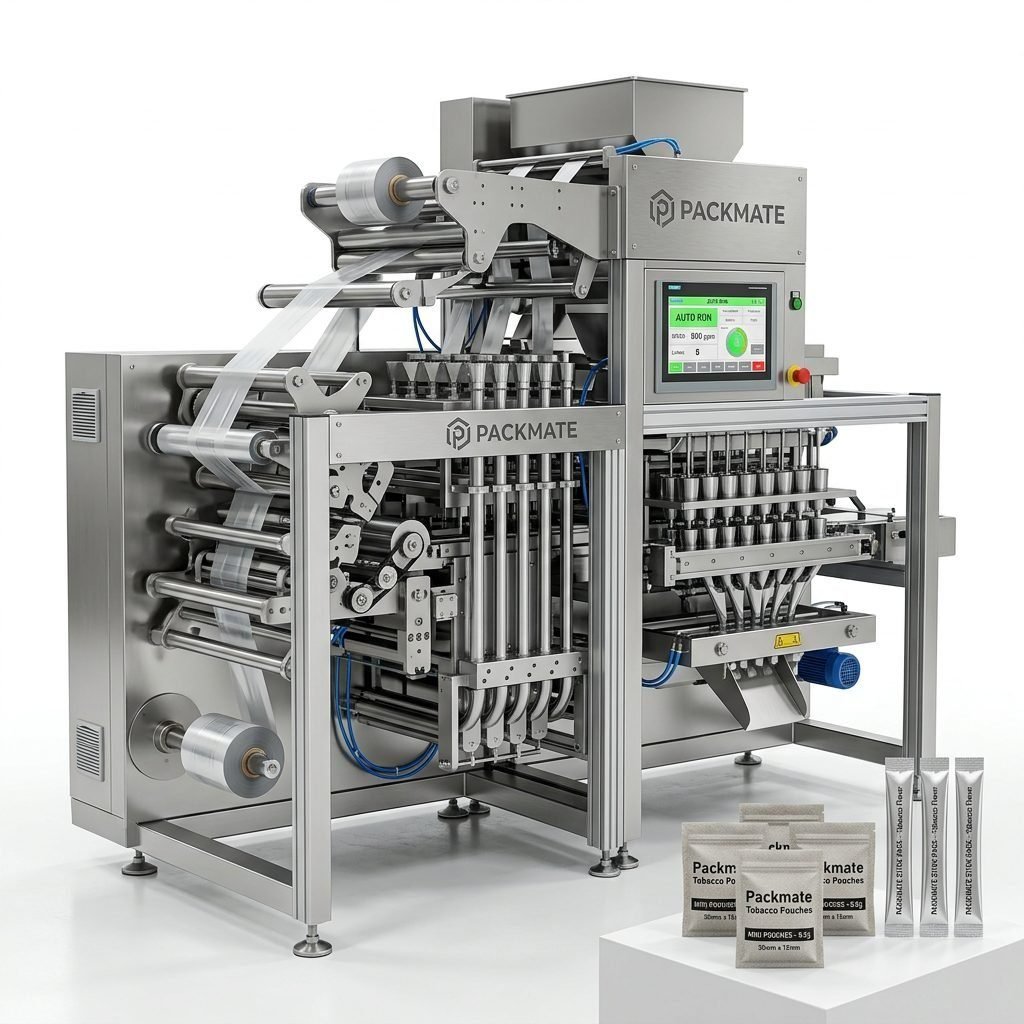
- Multi-lane packaging technology for high throughput without sacrificing dose accuracy.
- Adaptive feeding and sealing solutions for different pouch materials: foil, laminated films, and recyclable substrates.
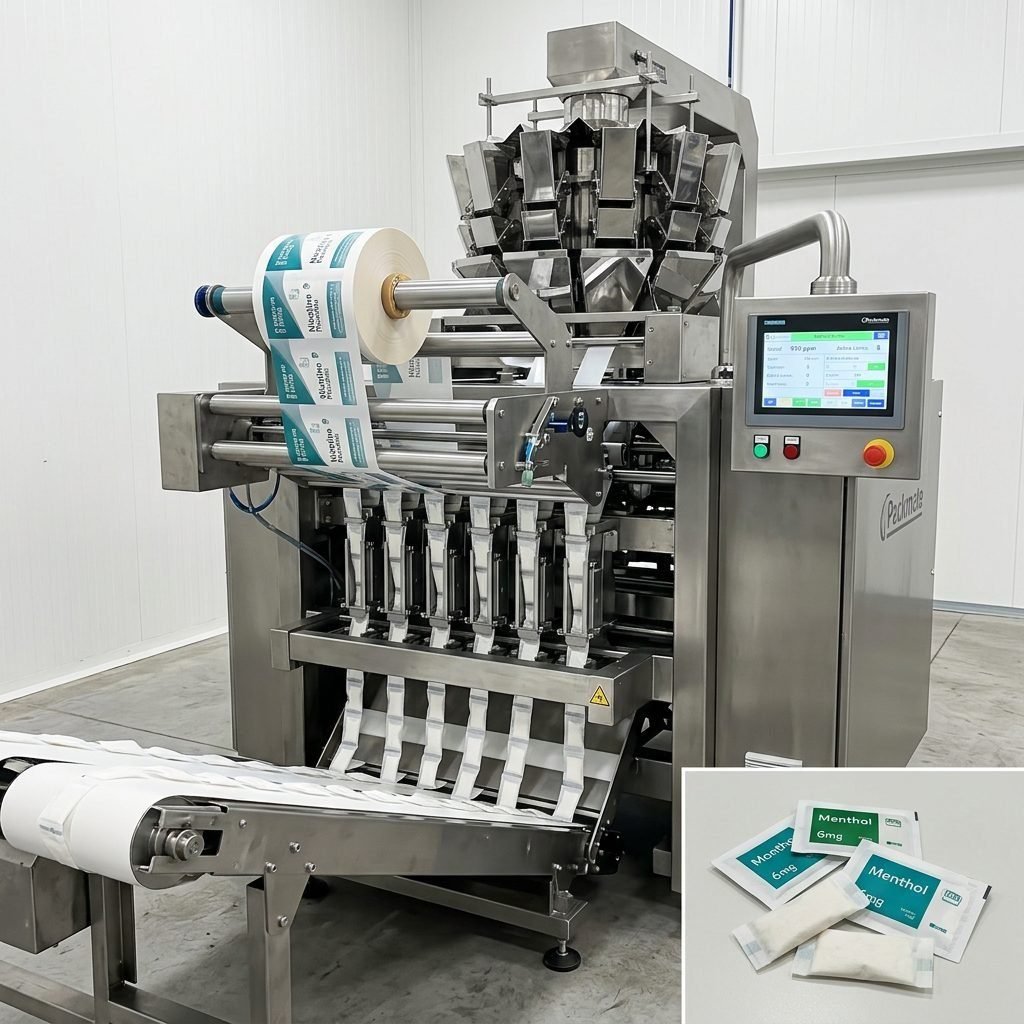
- Integrated weighing and dosing systems for consistent fill accuracy (look for weighing & packaging systems demonstrations).
- Hygienic design and easy-to-clean components to meet strict tobacco-related hygiene protocols.
Supplier Track Record and Certifications
Swiss businesses place great weight on proven track records and certifications. When vetting a potential supplier:
- Request references from European or Swiss customers, or case studies showing similar projects (Case examples).
- Confirm international certifications like CE and ISO — these demonstrate compliance with safety and quality standards (Certificates).
- Review factory capabilities: CNC machining, precision assembly, and controlled testing lines are indicators of reliability.
Why it matters: A manufacturer with a robust factory footprint and rigorous quality control is more likely to deliver machines that meet Swiss standards for uptime, accuracy, and after-sales support.
Evaluating Machine Types for Snus Production
Different production goals call for different machine architectures. Common snus packaging solutions include:
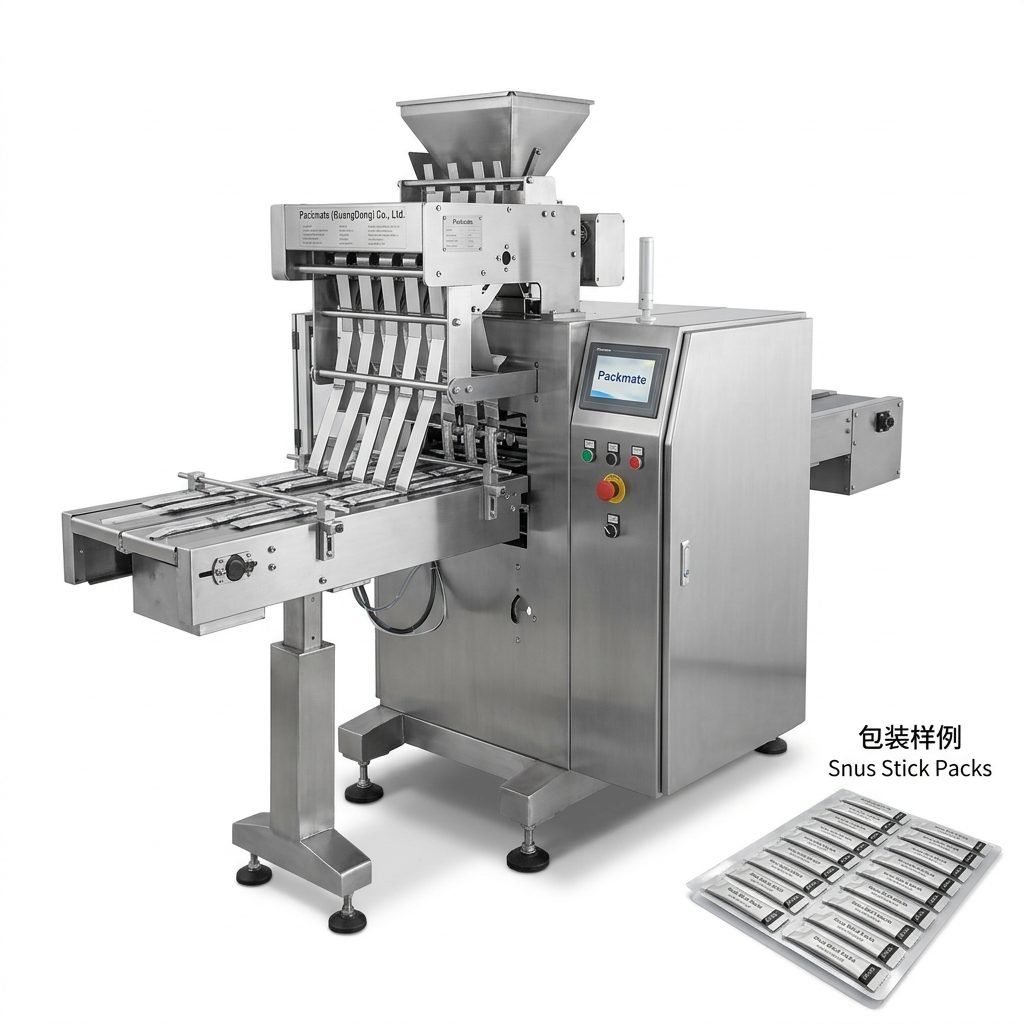
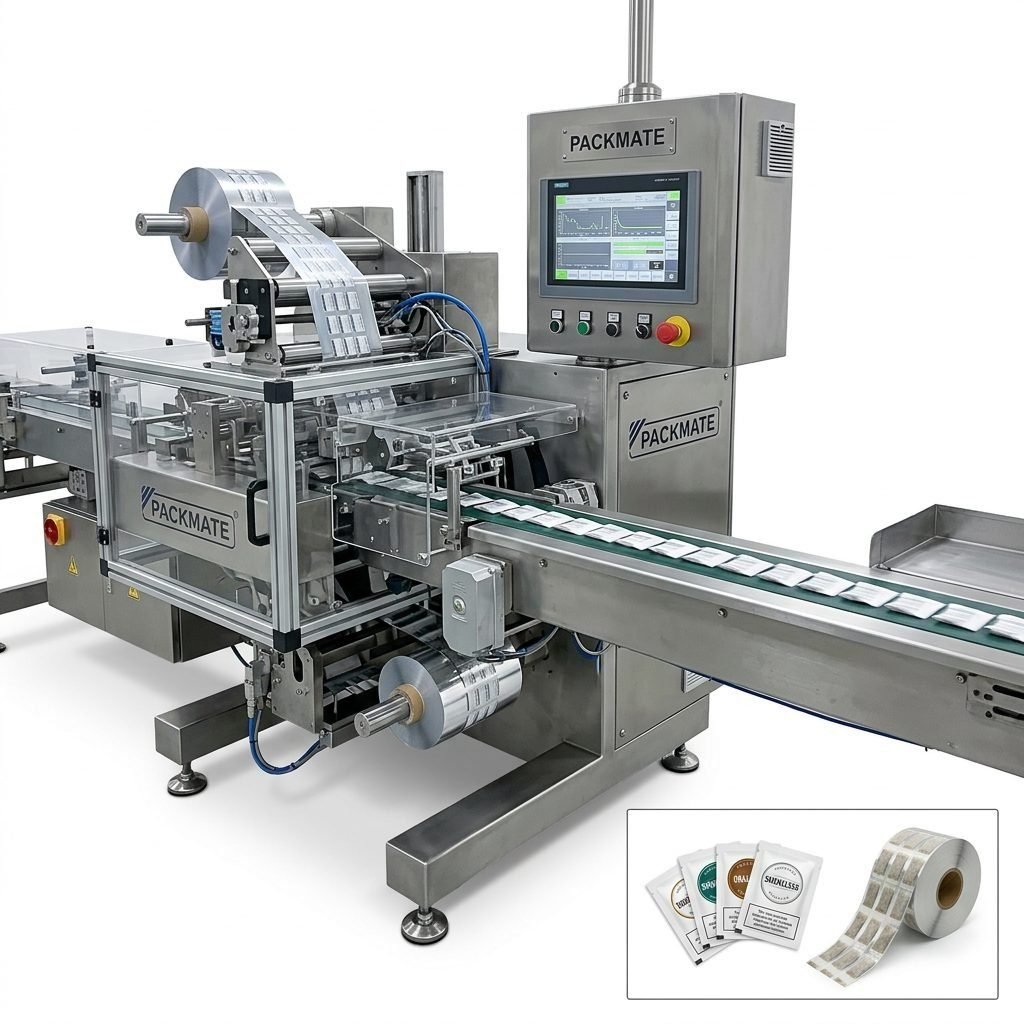
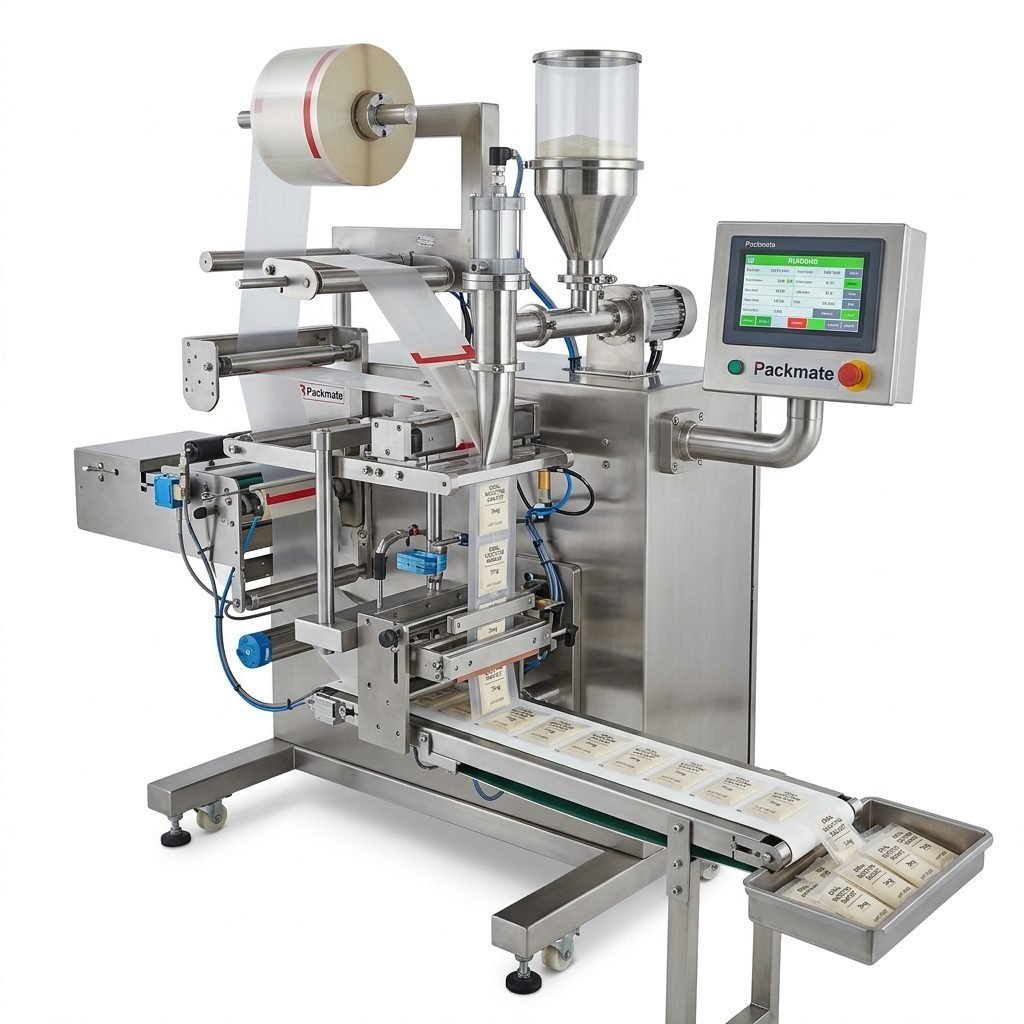
Stick Pack and Sachet Lines
Stick pack and sachet machines are ideal for single-dose snus pouches. They typically offer:
- Fast line speeds and precise sealing.
- Options for tear notches or resealable features.
- Compatibility with printed film for branding and legal text in multiple languages.
Multi-Lane Systems for High Volume
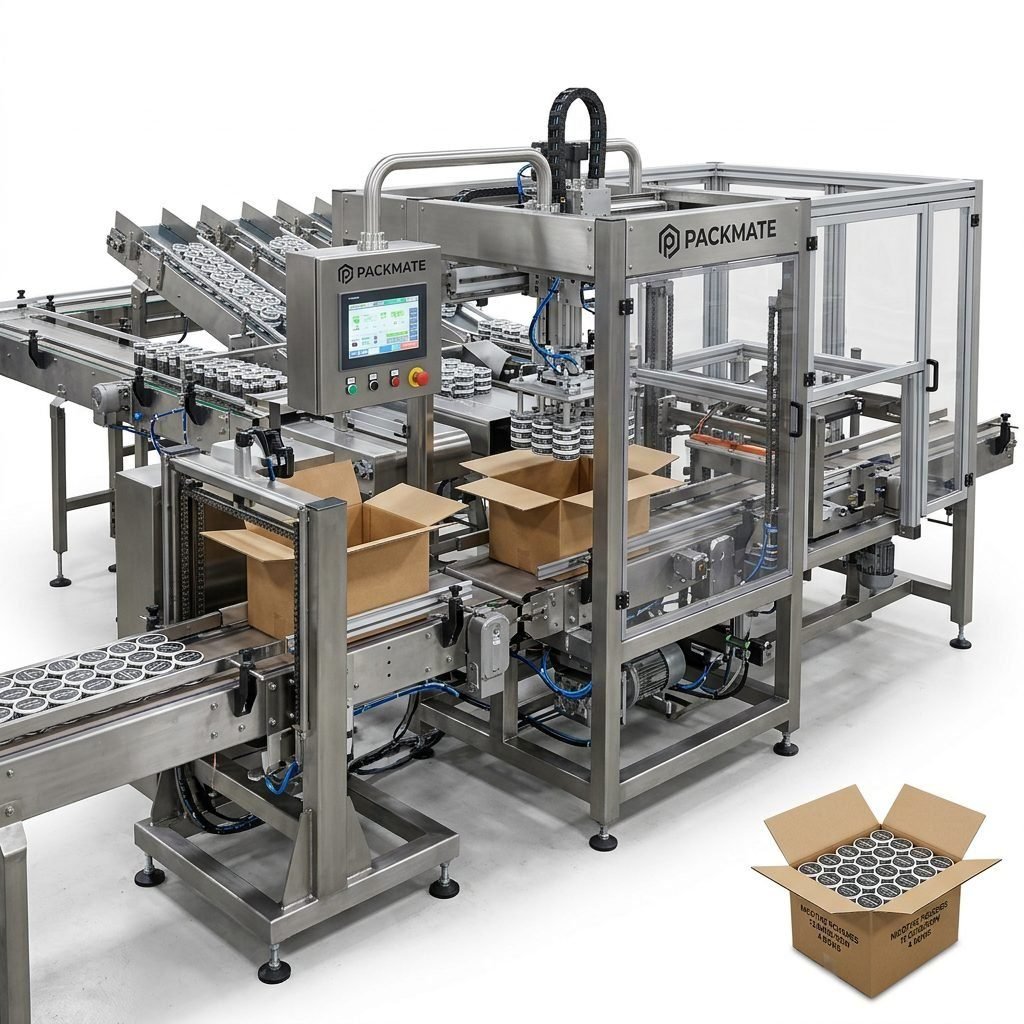
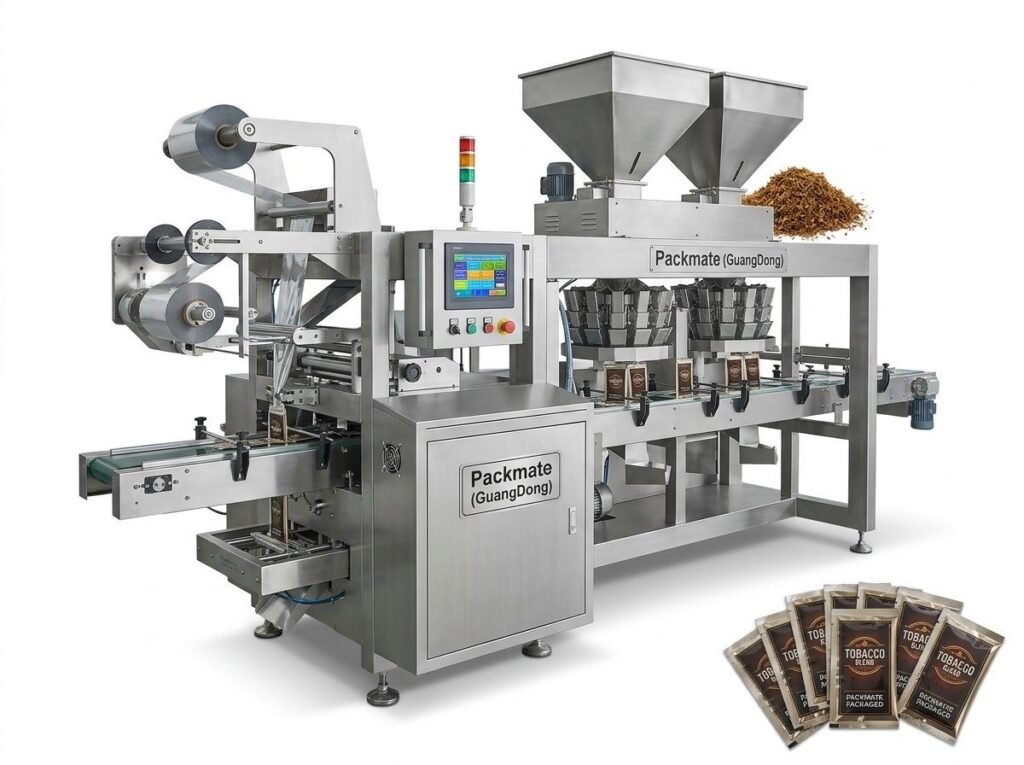
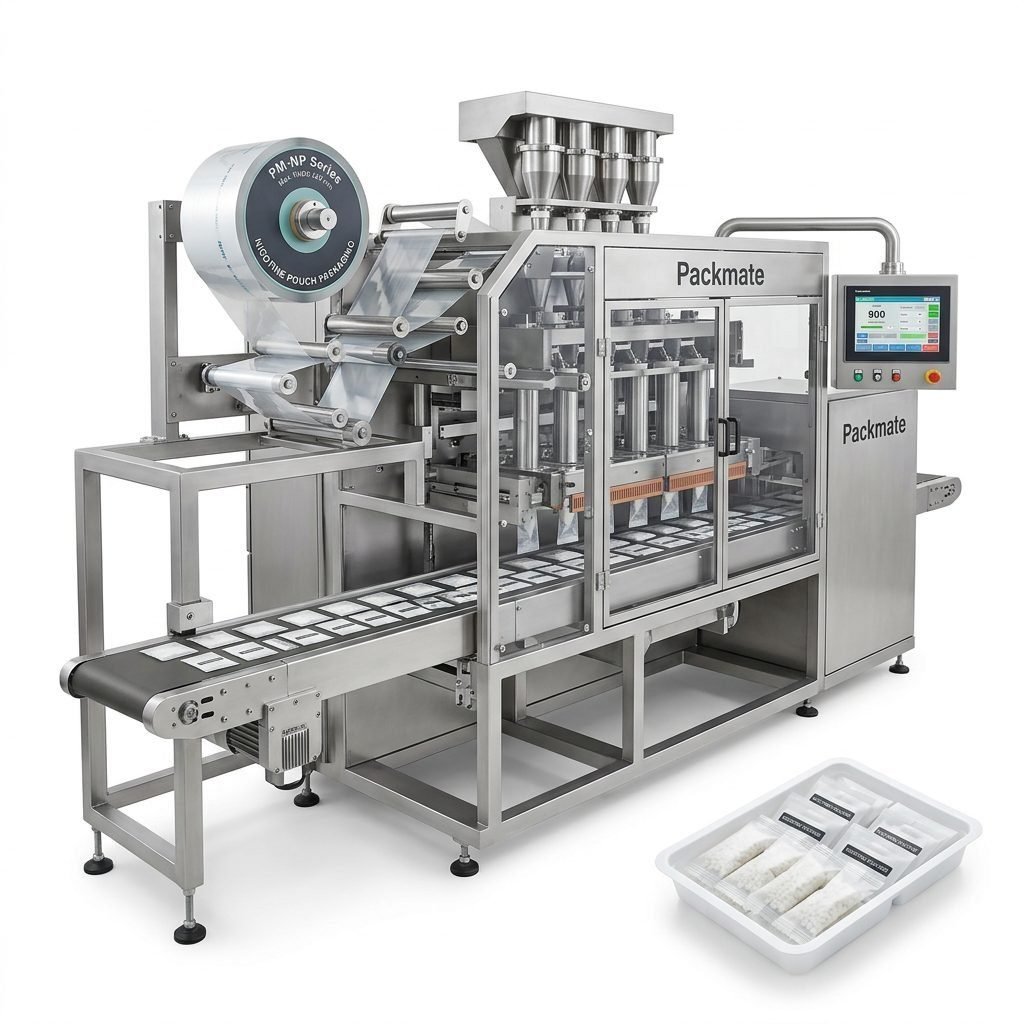
For manufacturers scaling up, multi-lane systems reduce per-unit costs while keeping dose control tight. Look for suppliers experienced in multi-lane snus lines and automated downstream equipment for counting, cartoning, and boxing.
For a full overview of available machines, check product categories like Snus & Nicotine Packaging Machines and Sachet & Stick Pack Machines.
Customization, Integration and Turnkey Solutions
Swiss manufacturers often prefer turnkey suppliers that can provide end-to-end production lines — from dosing and packaging to labeling and final boxing. Key considerations:
- Modularity: Can machines be upgraded as your product range grows?
- Integration: Does the supplier offer synchronized upstream and downstream systems (weighing, filling, cartoning)?
- Turnkey capability: Are installation, commissioning, operator training, and documentation included?
Supplier highlight: Suppliers that publish clear project timelines and training plans (and who have global exhibition presence) are easier to work with when deploying in regulated markets like Switzerland (Our Exhibition).
After-sales Support, Spare Parts and Local Service
A machine’s value is determined by its lifecycle. In Switzerland, local or regional support networks shorten downtime and protect production schedules. Ask about:
- Availability of spare parts and the typical lead times.
- Remote diagnostics and software update capabilities.
- Training packages for operators and maintenance staff.
- Warranty terms and options for extended service contracts.
Local compliance and documentation
Ensure suppliers provide detailed documentation in applicable languages and documentation required for customs, CE conformity, and import procedures in Switzerland. A supplier that can provide full technical files and user manuals in multiple languages will reduce validation time.
Sustainability, Energy Efficiency and Waste Reduction
Switzerland’s market increasingly rewards sustainable production. When comparing suppliers:
- Check for energy-saving drives, low air consumption designs, and efficient film usage to reduce scrap.
- Ask whether machines support recyclable films or reduced-material packaging formats.
- Request lifecycle assessments or examples of energy consumption under typical production runs.
Note: Energy-efficient equipment helps reduce operating costs and aligns with Swiss sustainability expectations — a significant advantage when negotiating long-term supply agreements.
Commercial Terms, Lead Times and Financing
Beyond machine specs, commercial clarity is essential. Verify:
- Typical production lead times and ramp-up plans.
- Payment terms, deposit schedules, and options for financing or leasing.
- Clauses for acceptance testing, factory acceptance tests (FAT), and site acceptance tests (SAT).
Factory Visits and FAT
When possible, request a factory visit or live FAT (or an online video FAT). Seeing a machine run with your product or a close material simulation is one of the best ways to validate supplier claims.
Why Packmate Snus Machine Often Ranks Highly for Global Buyers
With 30+ years of engineering experience and a 20,000㎡ manufacturing facility, Packmate offers a broad portfolio of snus and nicotine pouch packaging machines. Strengths include:
- 50+ machine models across stick pack, sachet and multi-lane systems.
- Advanced CNC machining, precision assembly, and strict quality control.
- Global turnkey solutions and exhibition presence to demonstrate live performance (About Packmate).
Quick action: If you plan a project, request product catalogs, machine demos or a tailored quotation to match Swiss labeling, multilingual printing, and regulatory requirements (Catalog).
Practical Checklist Before You Purchase
Use this checklist to compare suppliers and protect your investment:
- Does the supplier provide FAT/SAT and multilingual documentation?
- Are spare part lead times and local support options clearly defined?
- Can the machine run your exact pouch material, size, and fill weight?
- Are energy consumption and waste metrics available for your planned production speed?
- Is there a clear warranty, training plan, and escalation path for technical issues?
Making the Final Decision: Balancing Cost, Risk and Future Growth
The lowest upfront price rarely equals the best long-term value. Evaluate total cost of ownership, ease of upgrades, spare parts availability, and the supplier’s willingness to support pilot runs. Swiss manufacturers often favor suppliers who can demonstrate both engineering quality and reliable after-sales service.
Next step: Contact the supplier with a clear product spec sheet, target output, and regulatory requirements. This enables an accurate quotation and a realistic production timeline (Contact Us).
Final Recommendations for Swiss Buyers
Swiss buyers should prioritize suppliers that combine precision engineering, international certifications, and a clear plan for multilingual and compliant packaging. Look for suppliers with global project experience and local service pathways to minimize risk.
Common Questions (FAQs)
Q1: How do I verify a supplier’s CE/ISO claims?
Ask for scanned certificates, recent audit reports, and references of installations in Europe. You can also request a factory tour or remote video verification of quality control processes.
Q2: What lead time should I expect for a turnkey snus line?
Lead times vary by customization level; standard lines may ship in a few months while highly customized multi-lane turnkey solutions can take 4–9 months including FAT.
Q3: Can machines be configured for multilingual labeling for Swiss markets?
Yes — most modern printers and film handling systems support multi-language print layouts. Confirm that the supplier can test your artwork during FAT.
Q4: Is local service available in Switzerland?
Many suppliers offer regional partners or remote support. Confirm spare part stocking arrangements and whether on-site technicians can be dispatched quickly.
Q5: Where can I see machine demos and learn more?
Visit supplier exhibitions, request factory FAT, or check online case studies and catalogs to compare real-world performance (Filling & Packaging Lines).