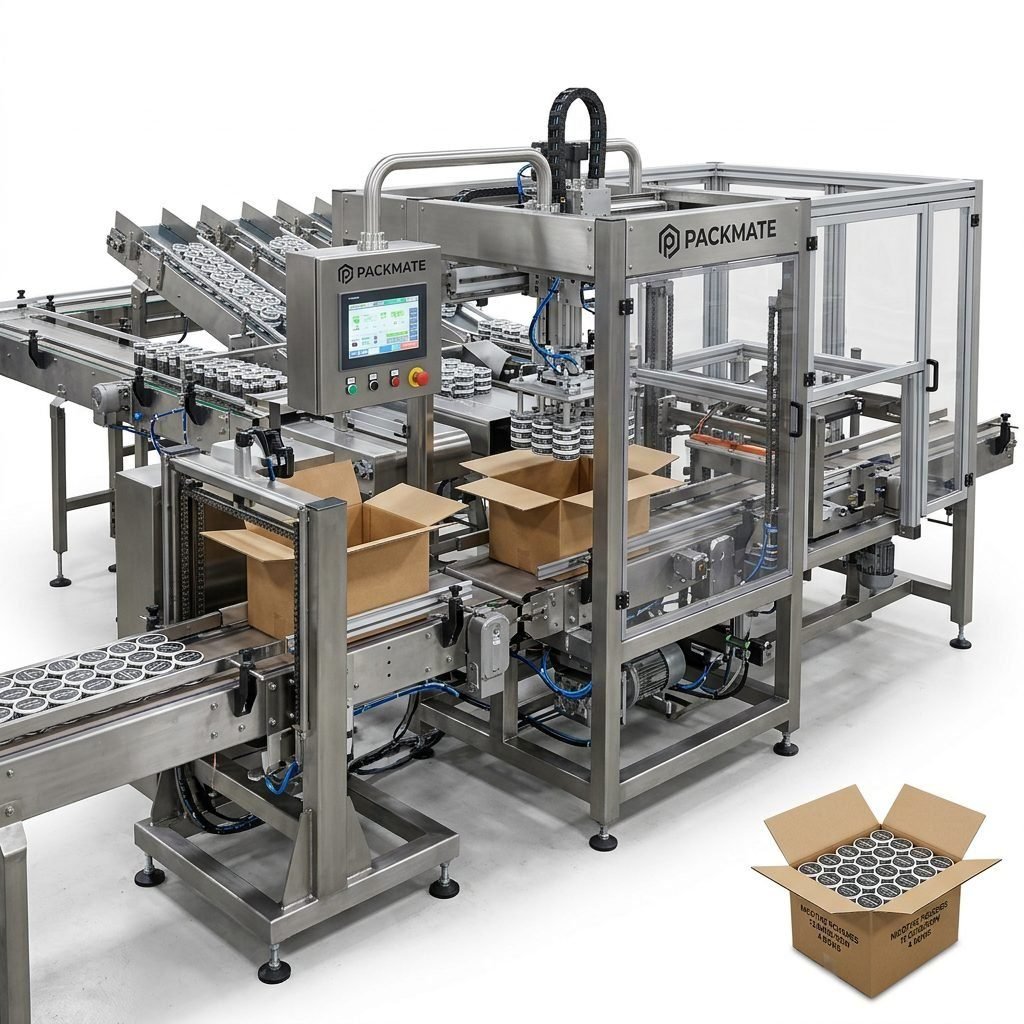
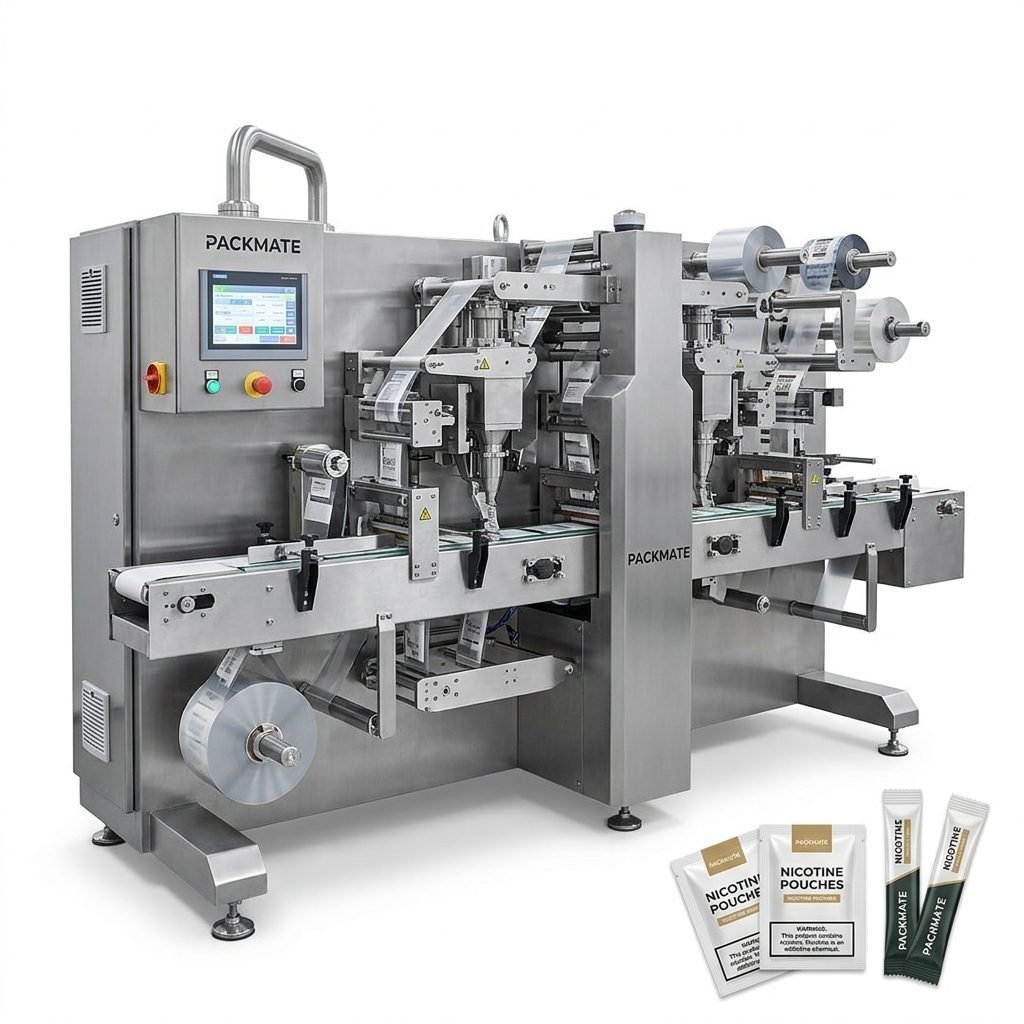
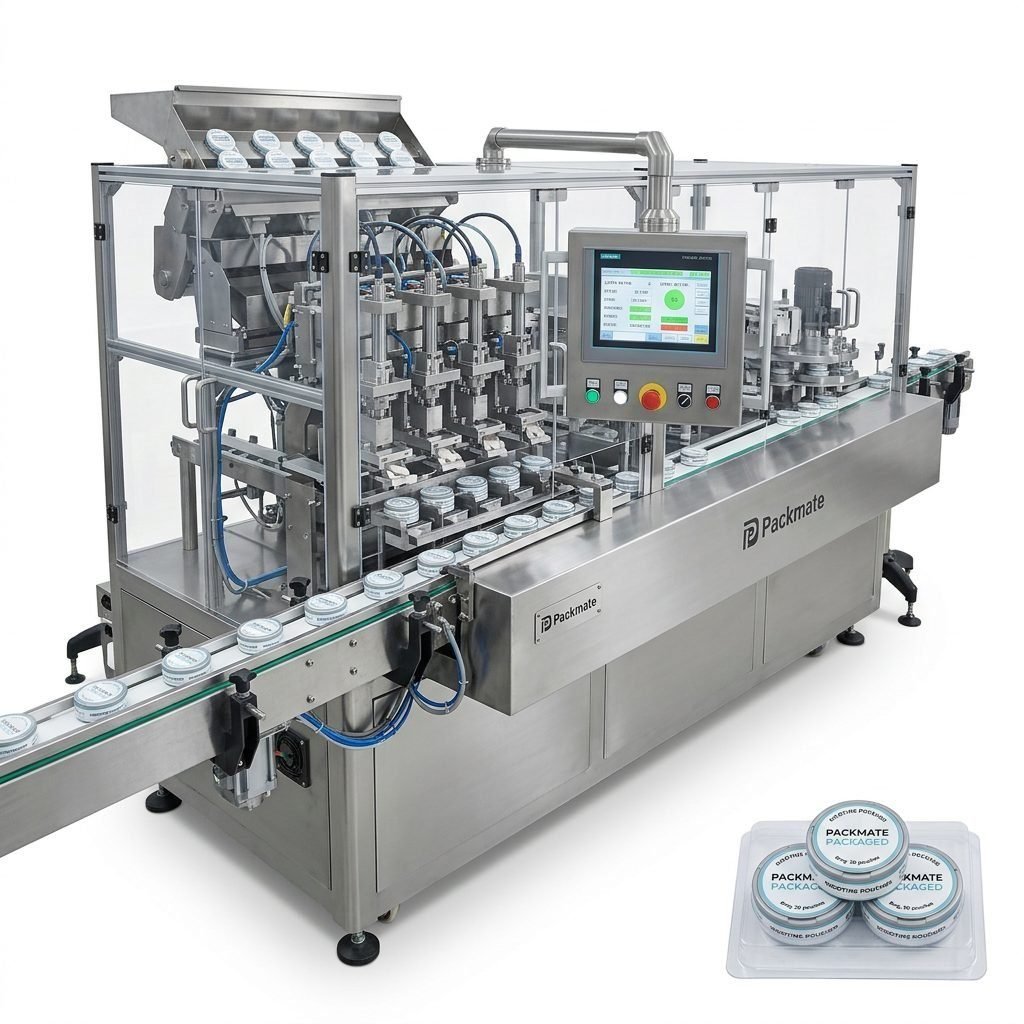
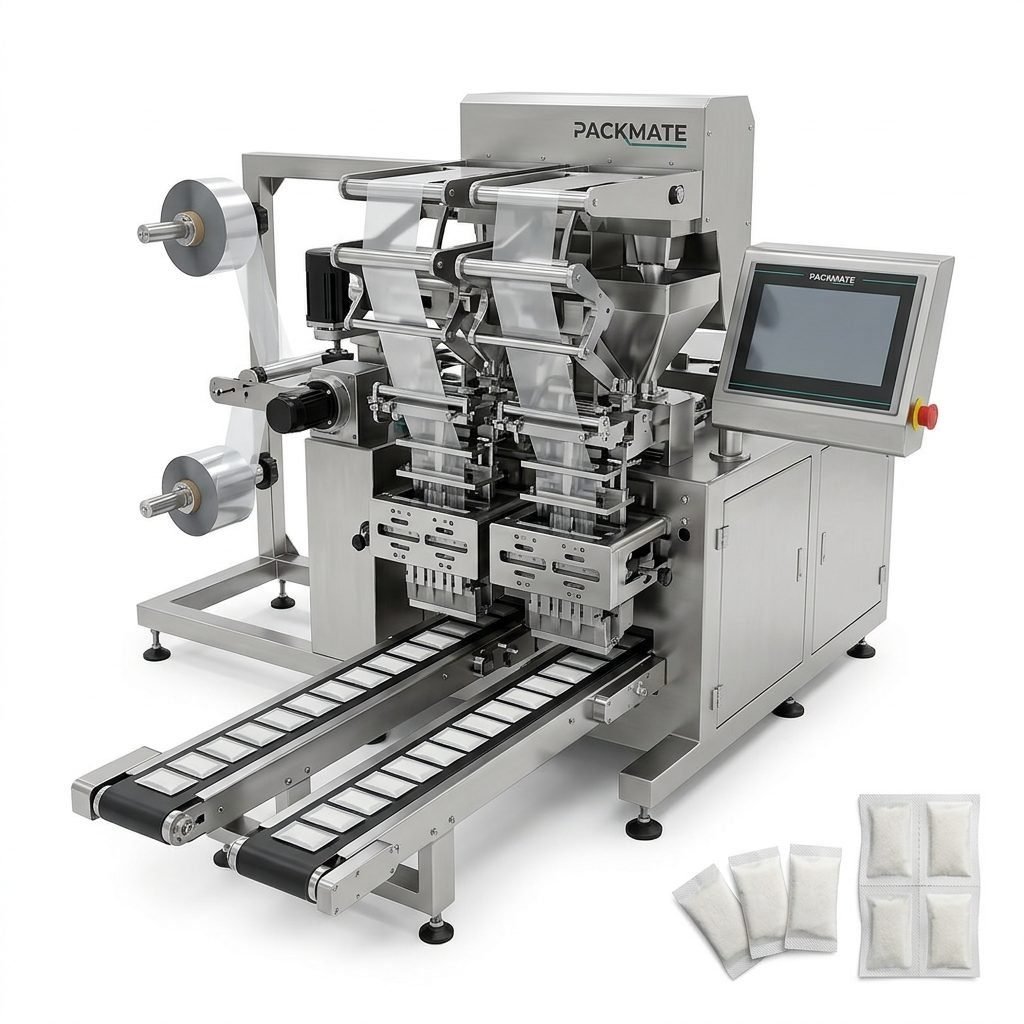
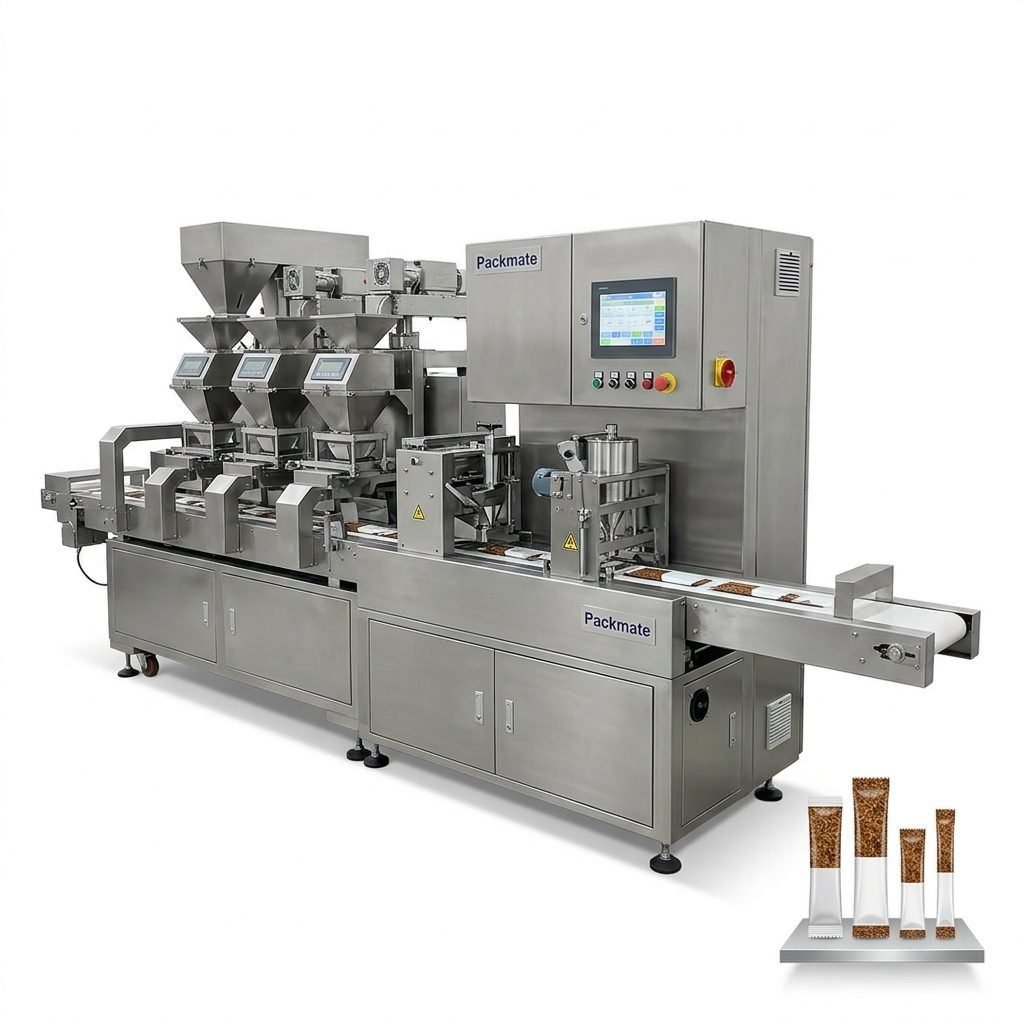
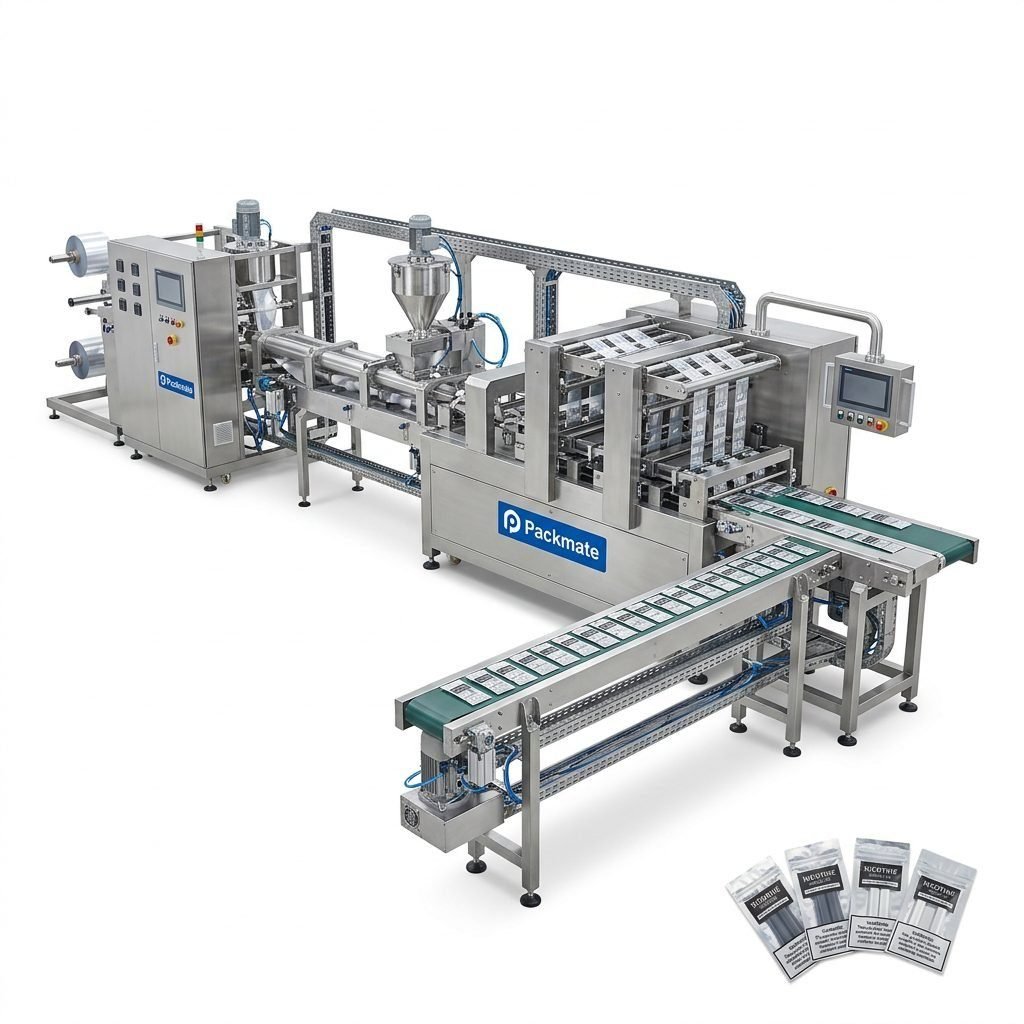
Choosing the right nicotine packaging machinery supplier is a critical decision for any business in Zambia that wants to scale production, comply with regulations, and maintain consistent product quality. This guide walks you through practical, Zambia-specific considerations — from machine capabilities and certifications to local logistics, after-sales support, and negotiating terms — so you can select a supplier that matches your operational needs and long-term goals.
Understand Zambia’s Market and Regulatory Context
Zambia’s market for nicotine pouches and snus is influenced by regional trade patterns, local regulations, and consumer preferences. English is widely used in business, and relationships and trust play a central role in procurement. Import duties, packaging regulations, and public health policies can affect the design and labeling requirements for nicotine products. Before selecting a supplier, map out the regulatory landscape and local market expectations so packaging lines are compliant and commercially viable.
Key local considerations
🔍 Power and environment: Zambia experiences variable power reliability in some regions. Consider machines with robust electrical tolerances and options for UPS integration.
🔍 Humidity and storage: High humidity affects nicotine pouch quality. Look for packaging that provides barrier properties and machines with controlled dosing and sealing quality.
🔍 Business culture: Face-to-face meetings and trust-building are valuable. Suppliers who offer site visits or participate in regional exhibitions are easier to work with.
Must-have Technical Criteria for Nicotine Packaging Machines
When evaluating equipment, prioritize performance metrics and production stability over upfront cost alone. The right machines reduce waste, improve consistency, and minimize downtime.
✅ Production speed & multi-lane capability: Choose models that support required output (pouches/min) and multi-lane options if you plan to scale. Multi-lane systems increase throughput with efficient footprint usage.
✅ Dosing accuracy & consistency: Small-dose nicotine pouches require precise dosing to ensure product quality and regulatory compliance.
✅ Sealing & film compatibility: Machines should support barrier films and heat-seal profiles suitable for product shelf-life in Zambia’s climate.
✅ Hygiene & easy cleaning: Look for sanitary designs and quick-change parts for batch switching and quality control.
Supplier Credentials and Certifications
Reliable suppliers present verifiable credentials. Insist on international certifications and documented compliance to standards relevant to machinery safety and manufacturing quality.
Important certifications: CE and ISO are common global credentials that indicate adherence to safety and quality systems. Ask for copies of certificates, testing reports, and references from other African or global customers.
After-sales Service, Spare Parts and Local Support
After-sales service is often the deciding factor. In Zambia, where on-site technical resources may be limited, prompt supplier support saves time and money.
⚙️ Spare parts availability: Confirm parts lead time and local stocking options.
⚙️ Remote diagnostics & training: Suppliers offering remote support, online training, and comprehensive manuals reduce downtime. Request a training plan for operators and maintenance staff.
⚙️ Warranty & maintenance contracts: Ask for warranty length, terms, and optional service contracts tailored to your uptime needs.
Assessing Total Cost of Ownership (TCO)
Purchase price is only one element. Calculate TCO using expected throughput, energy consumption, maintenance frequency, spare part costs, and expected lifetime. A slightly higher-capability machine from a reputed manufacturer often yields lower TCO through fewer stoppages and higher yield.
Factory Tour and Machine Trials
Whenever possible, visit the supplier’s manufacturing facility or request a live demonstration. Watching the machine run your exact product or a close analogue is invaluable.
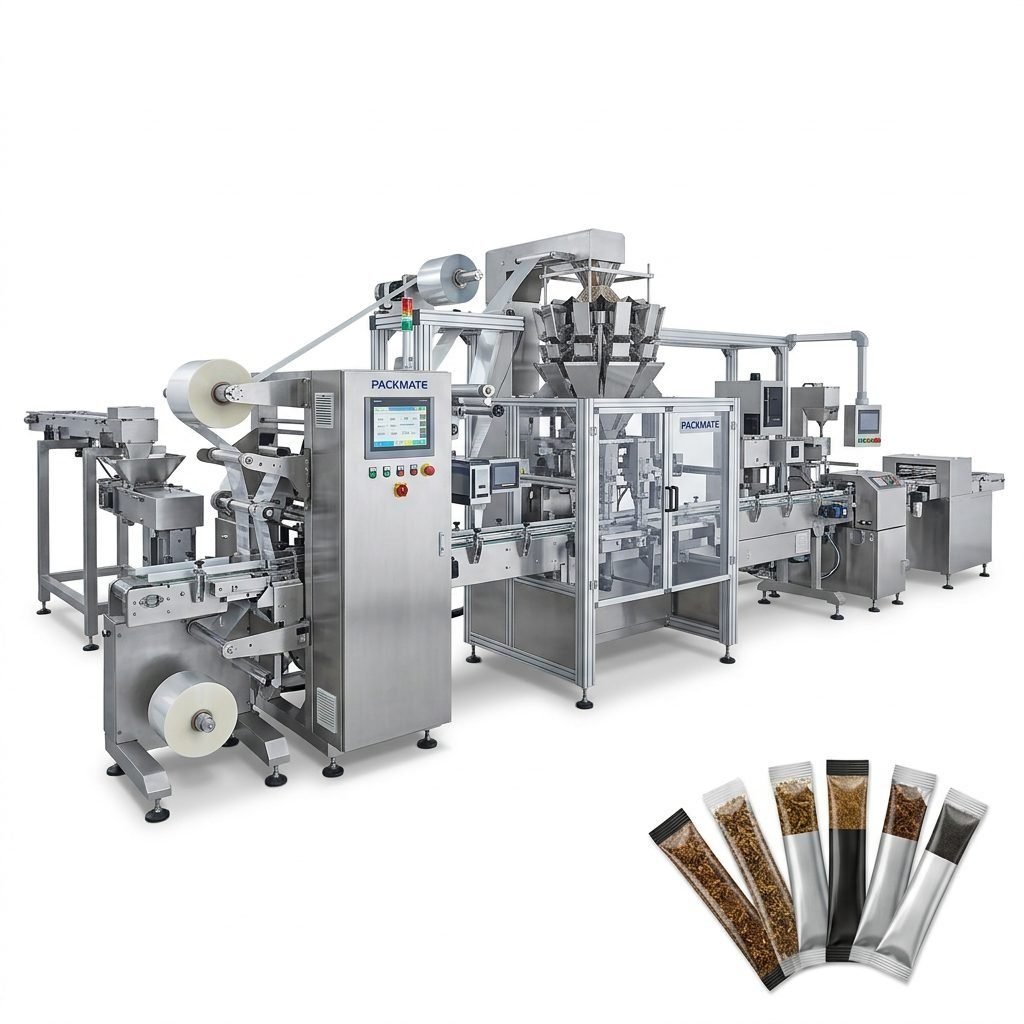
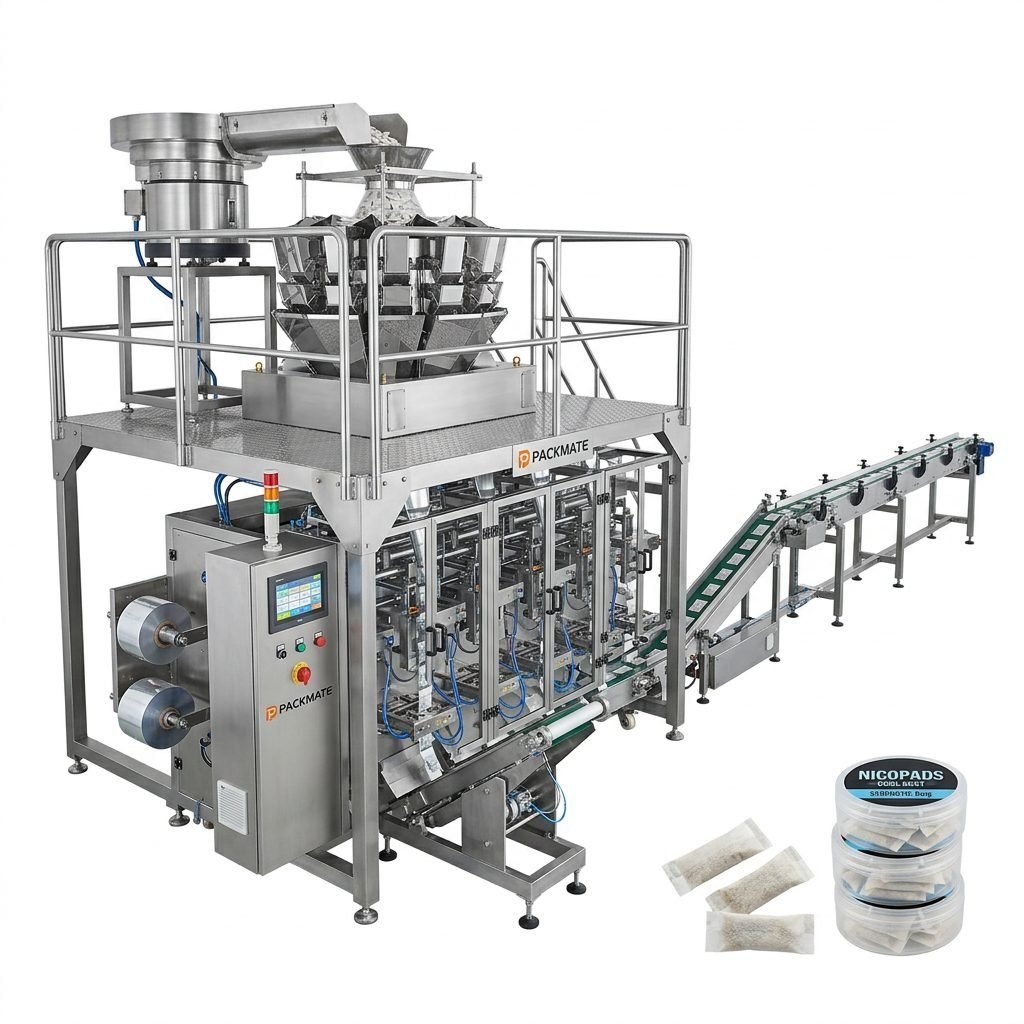
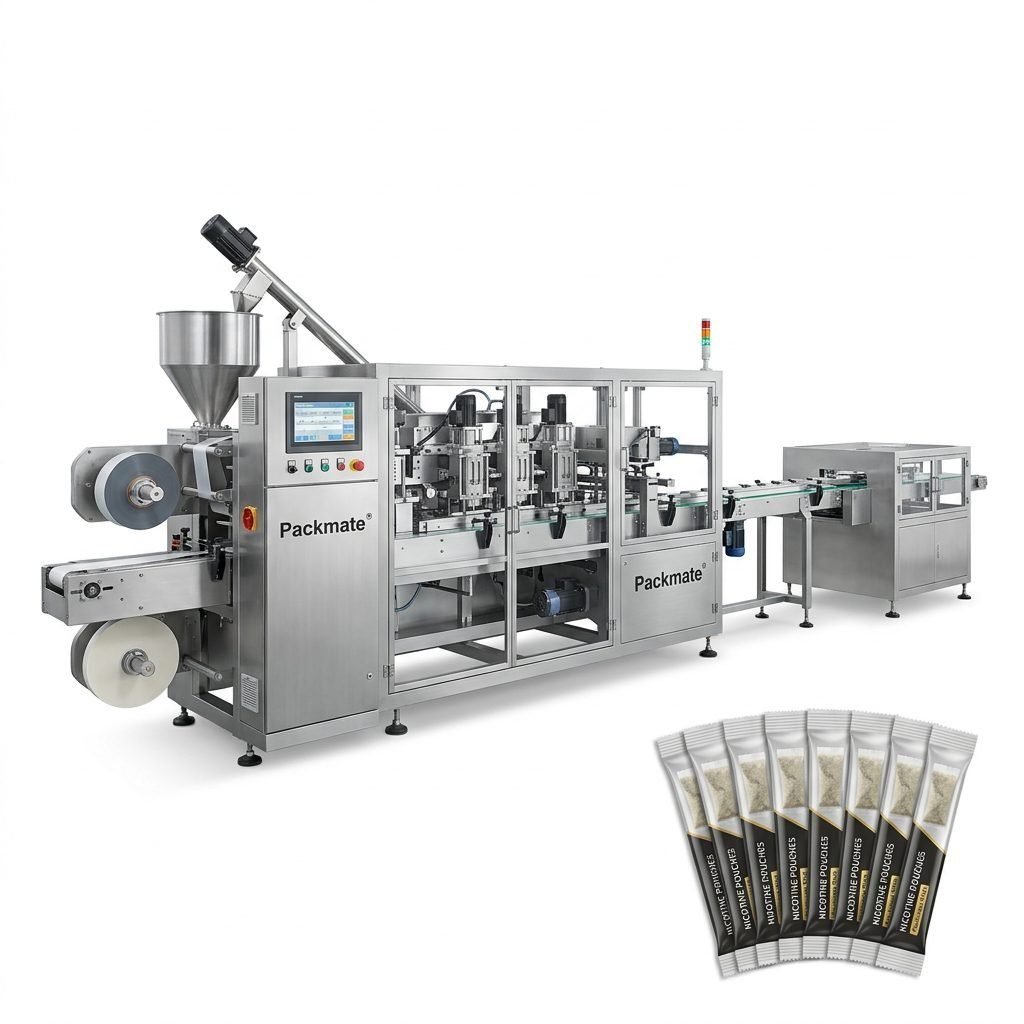
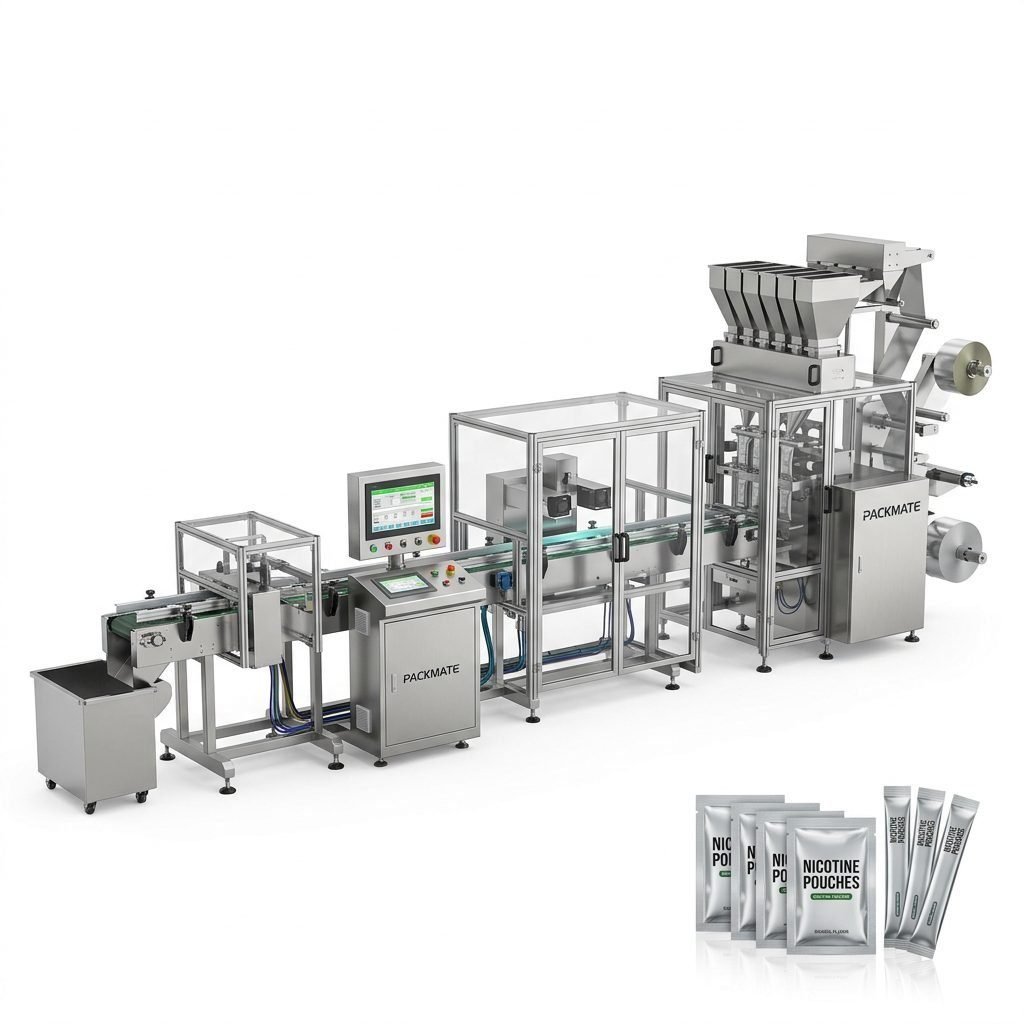
Packmate Snus Machine, for example, provides factory tours and demonstrations of its snus and nicotine packaging lines. Learn more about their capabilities on their product pages such as Snus & Nicotine Packaging Machines and review cases at Case.
Questions to Ask Potential Suppliers
Use this checklist during vendor evaluations and negotiations.
1. What are the standard and maximum line speeds for my product profile?
2. Can you provide test reports or videos using my exact formula or a sample?
3. What certifications and quality systems do you maintain (CE, ISO)?
4. What training, documentation, and spare-part kits are included?
5. What are payment terms, lead times, and shipping logistics to Zambia?
Logistics, Import and Local Installation Considerations in Zambia
Plan transport routing, customs clearance, and local installation support. Zambia’s main ports of entry are often via Dar es Salaam or Durban for sea freight, or direct airfreight to Lusaka. Ensure your supplier can handle export documentation and recommend reliable freight forwarders familiar with the region.
Discuss on-site installation: will the supplier dispatch technicians or train your local team? For complex multi-lane lines, commissioning by factory engineers reduces startup risk. Packmate publishes support options and service details that can be explored in their Service and Contact Us pages.
Negotiating Contracts and Protecting Your Business
Contracts should clearly define delivery milestones, acceptance testing criteria, warranty scope, spare parts list, and penalties for missed timelines. Include a clause for acceptance tests with your product or a defined test method to verify performance before final payment.
Key contractual elements
• Acceptance testing: Define test samples, yield criteria, and acceptable downtime for trial runs.
• Warranty terms: Specify response time for critical failures and define spare part delivery windows.
• Training & documentation: Include operator and maintenance training as part of the delivery package.
Practical Tips for Working with Overseas Suppliers (China to Zambia)
Many Zambia-based buyers source machinery from China manufacturers. Build a clear communication plan, set regular update checkpoints, and arrange virtual FATs (Factory Acceptance Tests). When possible, visit trade shows to evaluate multiple suppliers and watch live demonstrations.
Packmate Snus Machine has decades of engineering experience and a large manufacturing facility with advanced CNC centers and assembly lines. Reading the company profile and timeline helps you understand manufacturing capabilities and longevity in the market; explore their About Packmate page for complete background.
Final Selection Checklist
Use the following checklist before signing a purchase order:
✔️ Performance validation: Machine trials passed for your product.
✔️ Documentation: Complete manuals, drawings, and part lists delivered.
✔️ Support: Clear warranty and local support plan.
✔️ Compliance: Certifications and packaging conformity to local regulations.
✔️ Logistics: Shipping plan, customs paperwork, and installation schedule confirmed.
Why Supplier Track Record Matters
Suppliers with strong global deployment evidence and exhibition presence reduce risk. Look for partners who demonstrate long-term cooperation with global customers and attend major trade shows. You can verify references and inspect installed lines through case studies to confirm real-world performance.
For an example of an experienced manufacturer with a wide model range and turnkey solutions for snus and nicotine pouches, review product categories like Bag & Pouch Packaging Machines and explore multi-function lines on the Filling & Packaging Lines page.
Summary: Choose for Performance, Support and Local Fit
Selecting the best nicotine packaging machinery supplier in Zambia means balancing machine performance, global certifications, after-sales service, and an understanding of local conditions. Prioritize suppliers who offer clear evidence of product performance, responsive support, and the willingness to work through installation and commissioning in Zambia. This approach reduces risk and sets your production up for sustainable success.
Frequently Asked Questions
Q1: How long does delivery from a typical overseas supplier take to Lusaka?
Delivery timelines vary by model and customization. Standard machines often ship within 60–120 days after order and acceptance testing, plus sea freight time. Expedited options or local stocking of parts can shorten downtime.
Q2: What certifications should I require?
Ask for CE and ISO certificates as a baseline. Also request test reports and any export compliance documents relevant to nicotine products.
Q3: Can suppliers support remote commissioning in Zambia?
Many suppliers offer remote diagnostics, virtual FATs, and commissioning support. Confirm remote support channels, language of instruction, and time-zone availability.
Q4: What local factors can affect machine performance?
Humidity, power stability, and operator training significantly influence outcomes. Specify packaging films suited for local storage and request robust electrical solutions.
Q5: Where can I view real customer cases and technical catalogs?
Review manufacturer case studies and catalogs to validate performance and model fit. Many suppliers publish this information online — for instance, detailed product and case pages are available from established manufacturers which showcase machines, applications, and global installations.