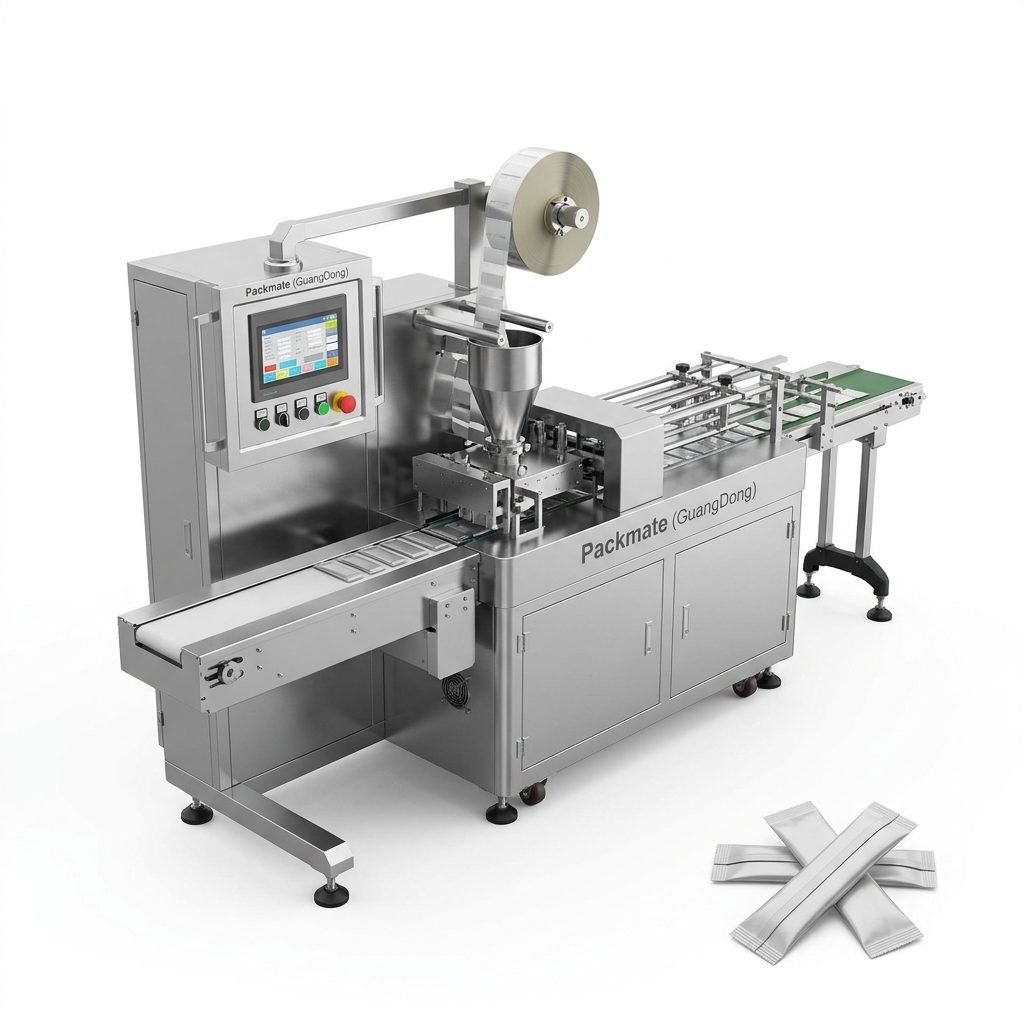
Choosing the right snus packaging machinery manufacturer for production in Montenegro requires a careful balance of technical evaluation, regulatory understanding, and long-term commercial considerations. Whether you plan to launch a new nicotine pouch brand or scale an existing snus production line, the right partner will ensure consistent product quality, regulatory compliance, and an optimized return on investment. This guide helps procurement managers, production engineers, and business owners in Montenegro evaluate manufacturers and select the best snus packaging solutions for their specific needs.
🔎 Key Criteria to Evaluate a Snus Packaging Machinery Manufacturer
When comparing manufacturers, assess technical capability, customization options, compliance with international standards, and after-sales support. Below are the primary criteria to consider.
1. Product Range & Machine Types
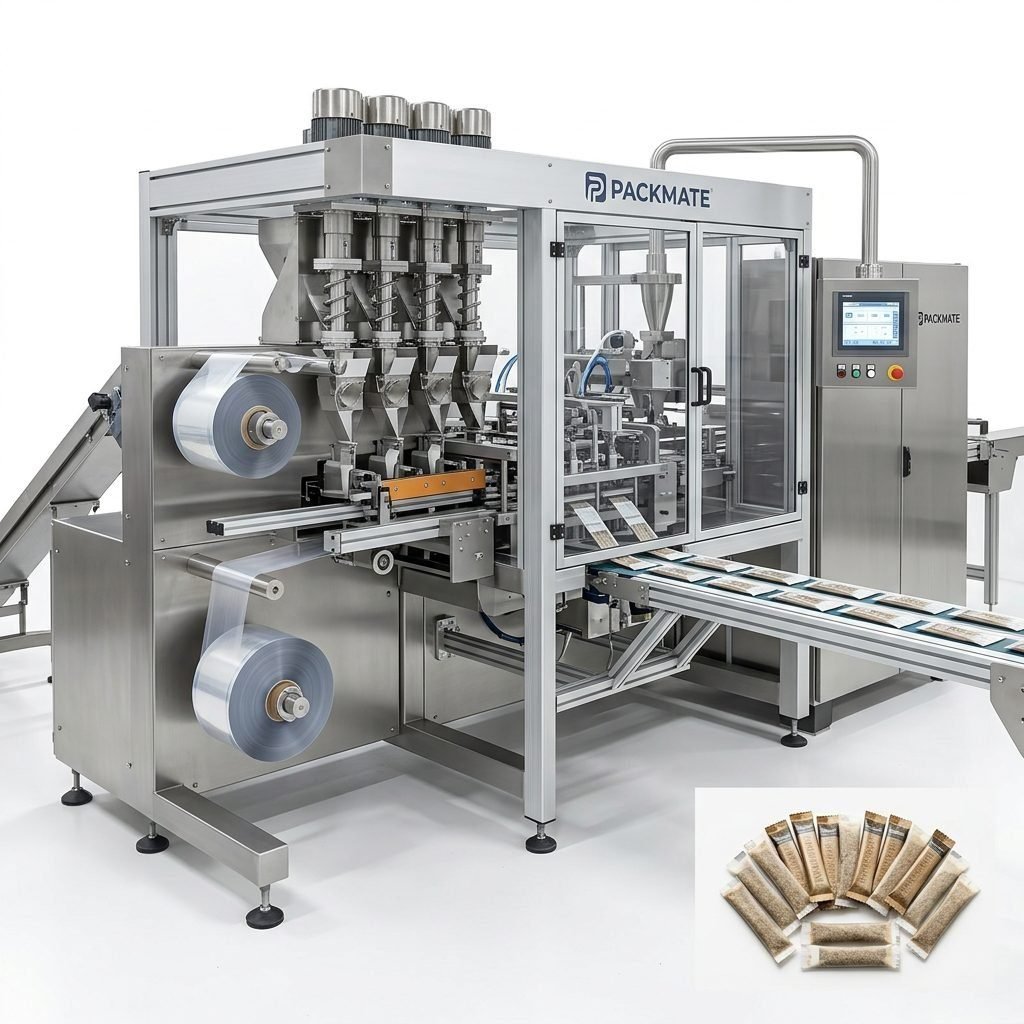
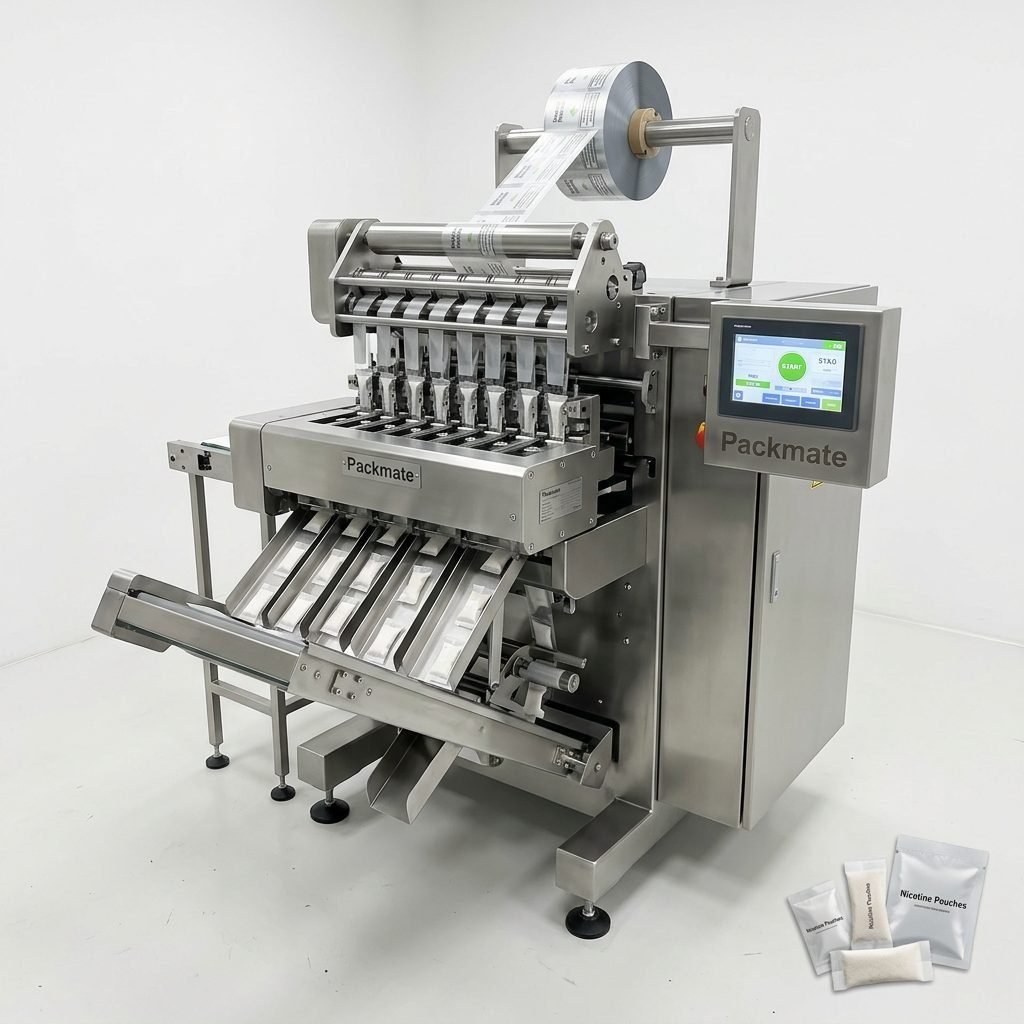
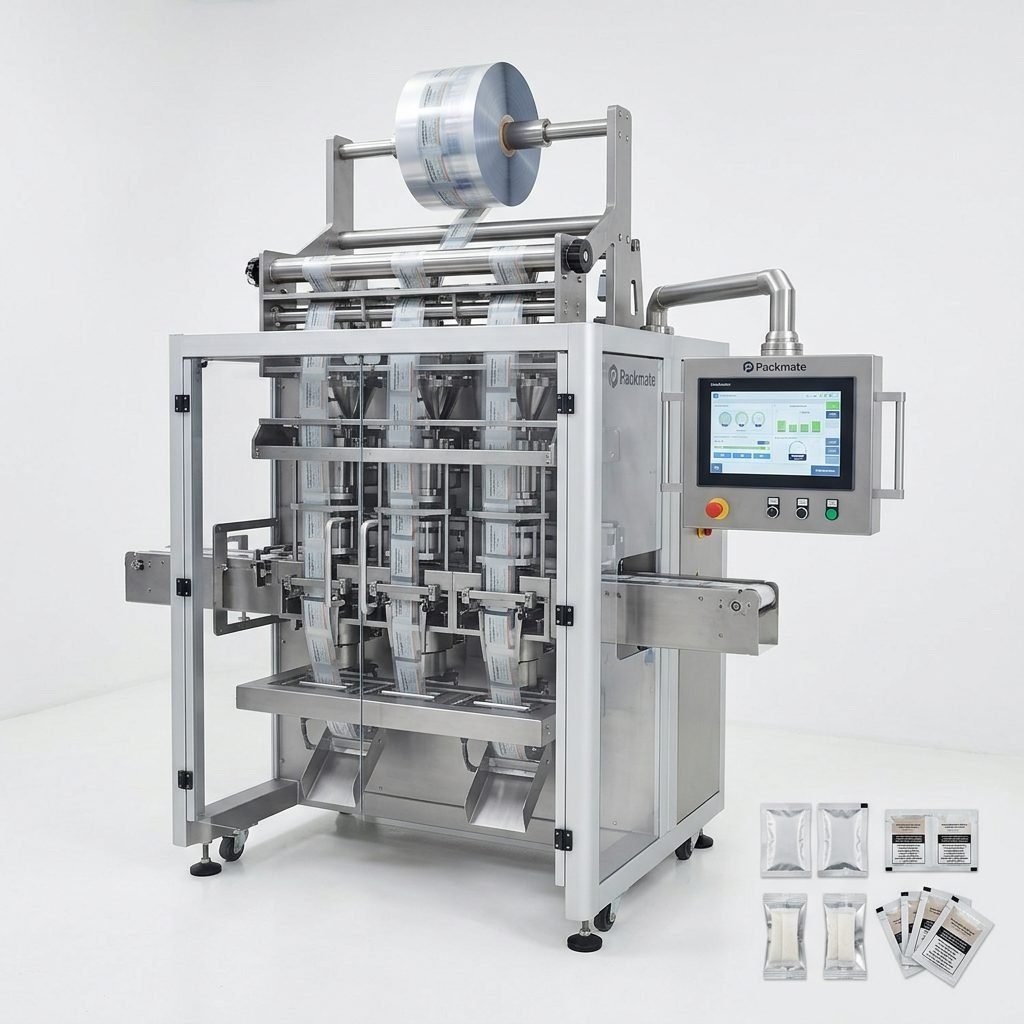
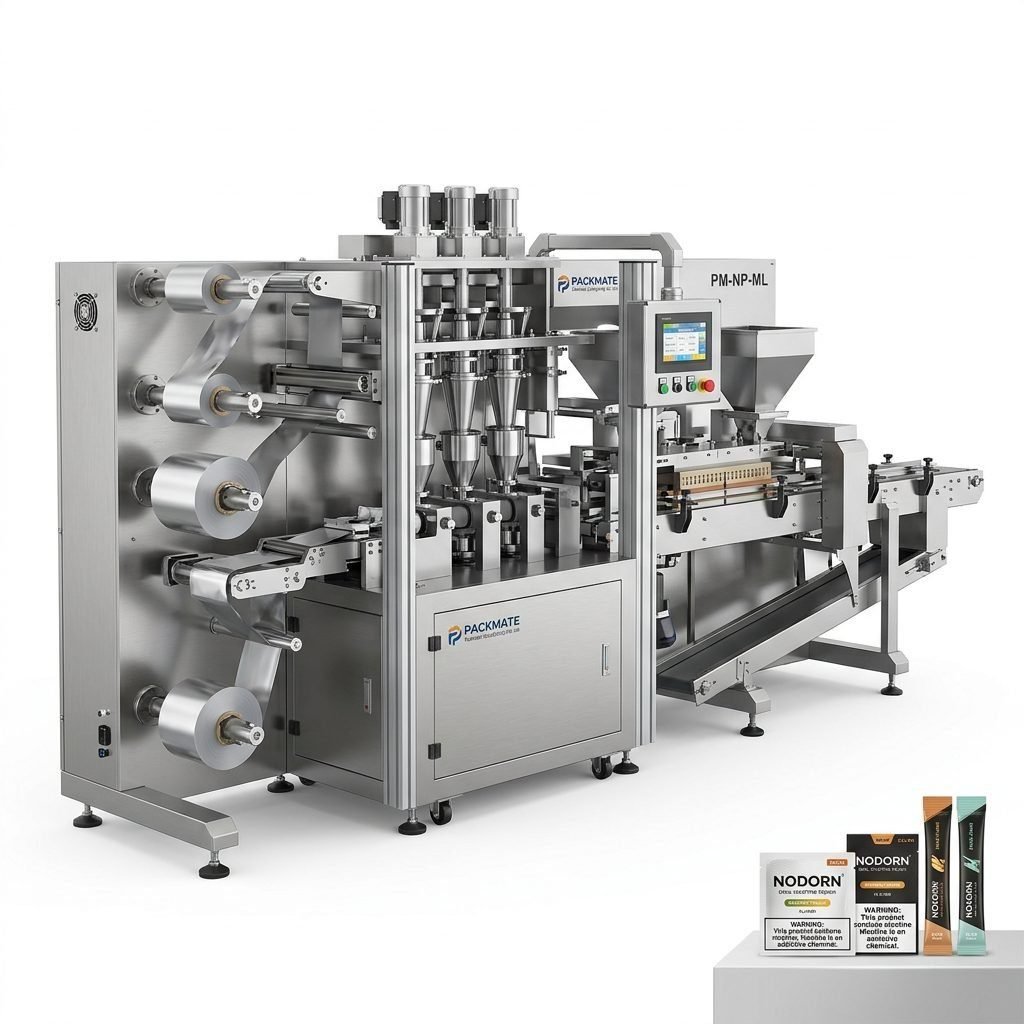
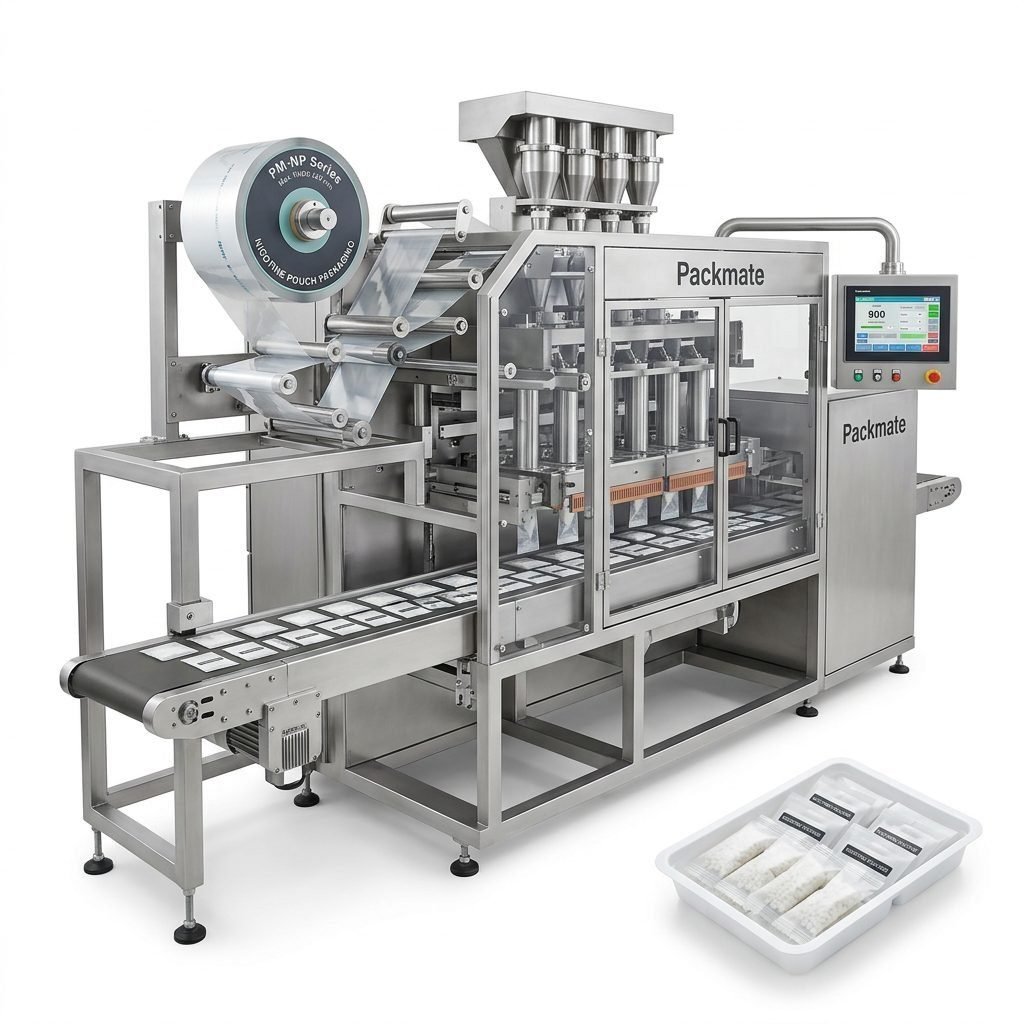
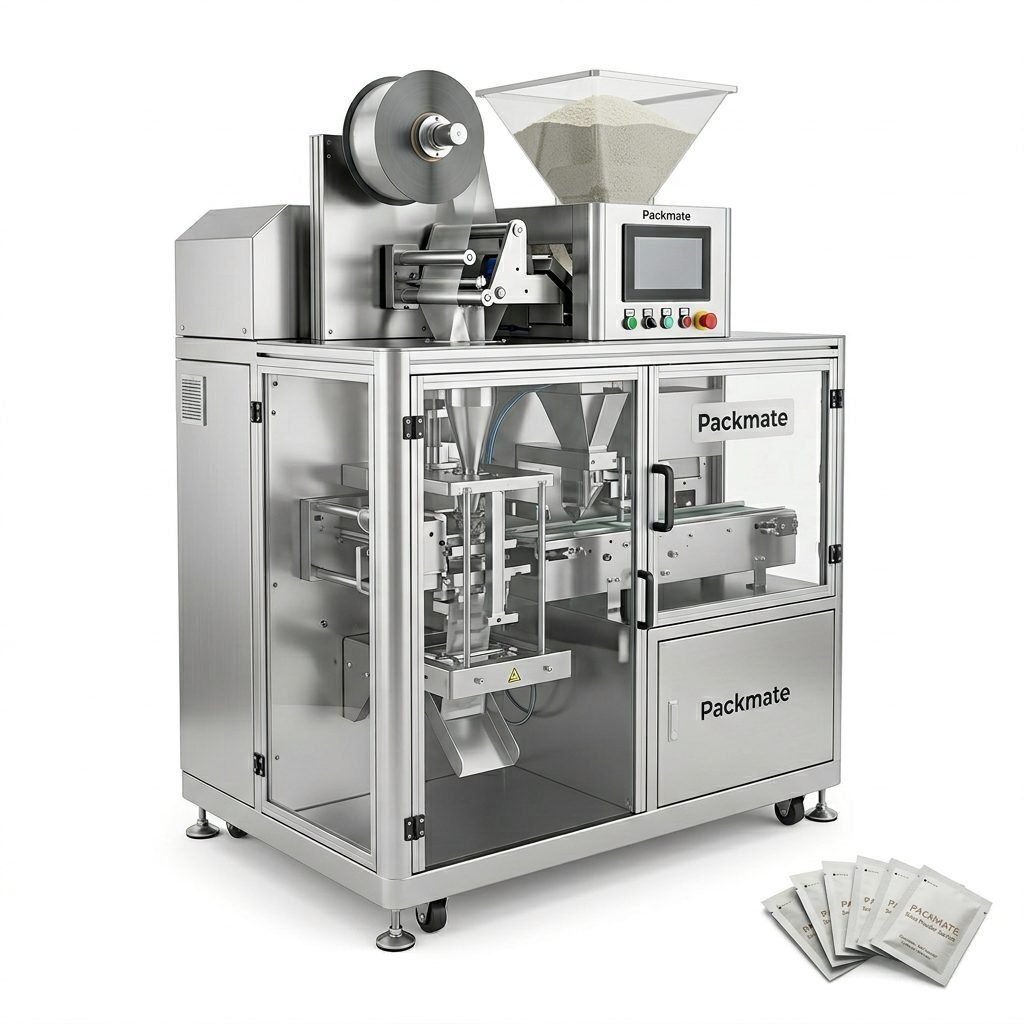
A reliable supplier should offer a wide portfolio: multi-lane pouch lines, stick pack systems, sachet machines, and liquid/powder filling lines. If you need fully automated turn-key lines or specialized small-dose pouch solutions, make sure the manufacturer has proven models for nicotine pouches and snus. Explore product categories like Snus & Nicotine Packaging Machines and Sachet & Stick Pack Machines to compare technical features and throughput.
For nicotine pouch operations, prioritize multi-lane systems with precise dosing and low maintenance sealing heads to minimize waste and downtime.
2. Engineering Experience & Factory Capacity
Manufacturing experience matters. Companies with decades in packaging machinery have refined mechanical design, quality control, and supply chain resilience. Check factory scale and equipment: advanced CNC machining, precision assembly lines, and test centers are indicators of quality production capability. For example, a manufacturer with a 20,000㎡ facility and 30+ years’ engineering experience demonstrates capability to deliver robust, repeatable machines.
3. Certifications & Regulatory Compliance
Ensure the machinery complies with international standards such as CE and ISO. Compliance is essential for workplace safety, cross-border shipments, and regulatory audits in Montenegro and EU markets. Ask for certificates, audit reports, and machine-level safety features (safety guards, emergency stops, electrical protection).
⚙️ Technical Specifications That Matter
Beyond surface claims, dig into specific machine specifications that directly impact production efficiency and product quality.
Throughput & Scalability
Understand the maximum pouches-per-minute and how throughput scales with lane additions. Some manufacturers offer modular multi-lane designs so you can start small and expand capacity as demand grows.
Accuracy & Dosing Control
Nicotine pouch production requires precise dosing to meet labeling and regulatory requirements. Check dosing mechanisms, tolerance ranges, and integration with weigh-check systems. Manufacturers offering integrated weighing and packaging subsystems often provide better overall accuracy — see examples in Weighing & Packaging Systems.
Material Compatibility & Seal Integrity
Verify compatibility with your chosen pouch materials (PE/PA laminates, barrier films) and test seal strength under accelerated aging if required. Machines with adjustable sealing parameters and high-quality sealing tooling will reduce leaks and rejected products.
Always request factory acceptance testing data and sample pouches produced on the exact model you intend to buy — this validates real-world performance.
🤝 Commercial & Service Considerations
After-sales service, spare parts supply, warranties, and training determine the total cost of ownership. Evaluate the manufacturer’s global support footprint and responsiveness, especially if they are based outside Montenegro.
After-sales Support & Spare Parts
Confirm availability of critical spare parts, typical lead times, and whether the manufacturer stocks replacement kits. Prefer partners who provide clear documentation, online manuals, and remote troubleshooting support.
Installation, Commissioning & Training
On-site installation and operator training are essential. Ask whether training is included, the duration, language support, and whether the supplier offers follow-up visits. Video training or remote sessions can supplement on-site support to reduce future travel costs.
Warranty & Service Contracts
Typical warranties cover parts and limited labor for a defined period. For production-critical lines, negotiate extended service contracts or local maintenance agreements in Montenegro to guarantee rapid response when issues arise.
📦 Commercial Terms & Logistics
Delivery times, export packaging, installation support, and customs documentation influence project timelines. Manufacturers with experience exporting turnkey lines will guide you through shipping, customs clearance, and local installation planning.
Lead Time & Production Scheduling
Longer lead times require careful planning. Ask for a production timeline, milestones (design approval, FAT – factory acceptance test, shipment), and penalties for delays where appropriate. A structured timeline reduces onboarding surprises.
Packaging for Export & Documentation
Ensure machines are packed with durable, export-grade crates and complete with operation manuals, wiring diagrams, spare parts lists, and certificates to smooth customs inspections and local acceptance tests.
🔬 Factory Visits, References & Case Studies
Visiting a manufacturer’s production facility or attending an exhibition demonstration is the most reliable way to validate capabilities. Ask for case studies and customer references — real-world installations show how machines perform over time and under production loads. View global examples and exhibition records to confirm field reliability: Case and Our Exhibition.
Request to see machines running your product (or a close analogue) during a factory visit or live demo. Performance under real materials is the best predictor of success.
💡 Customization & Turnkey Solutions
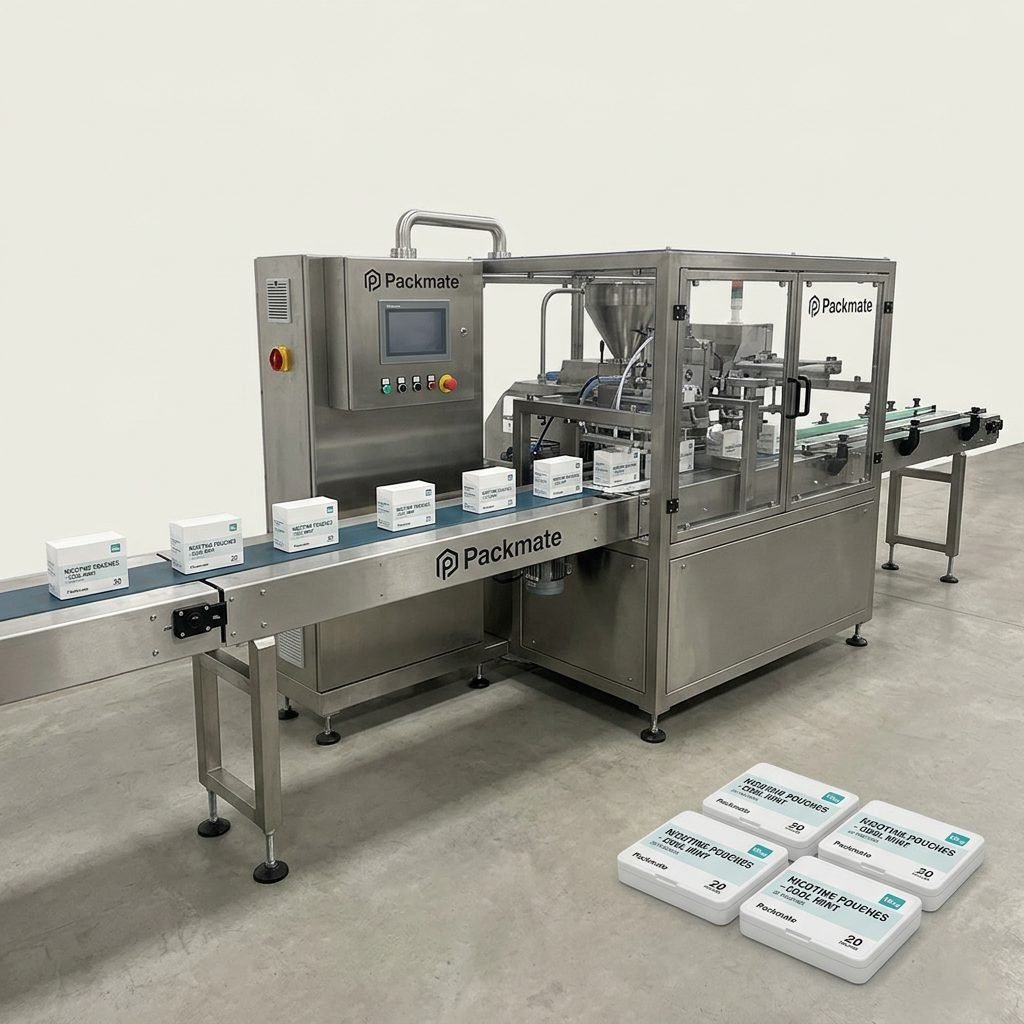
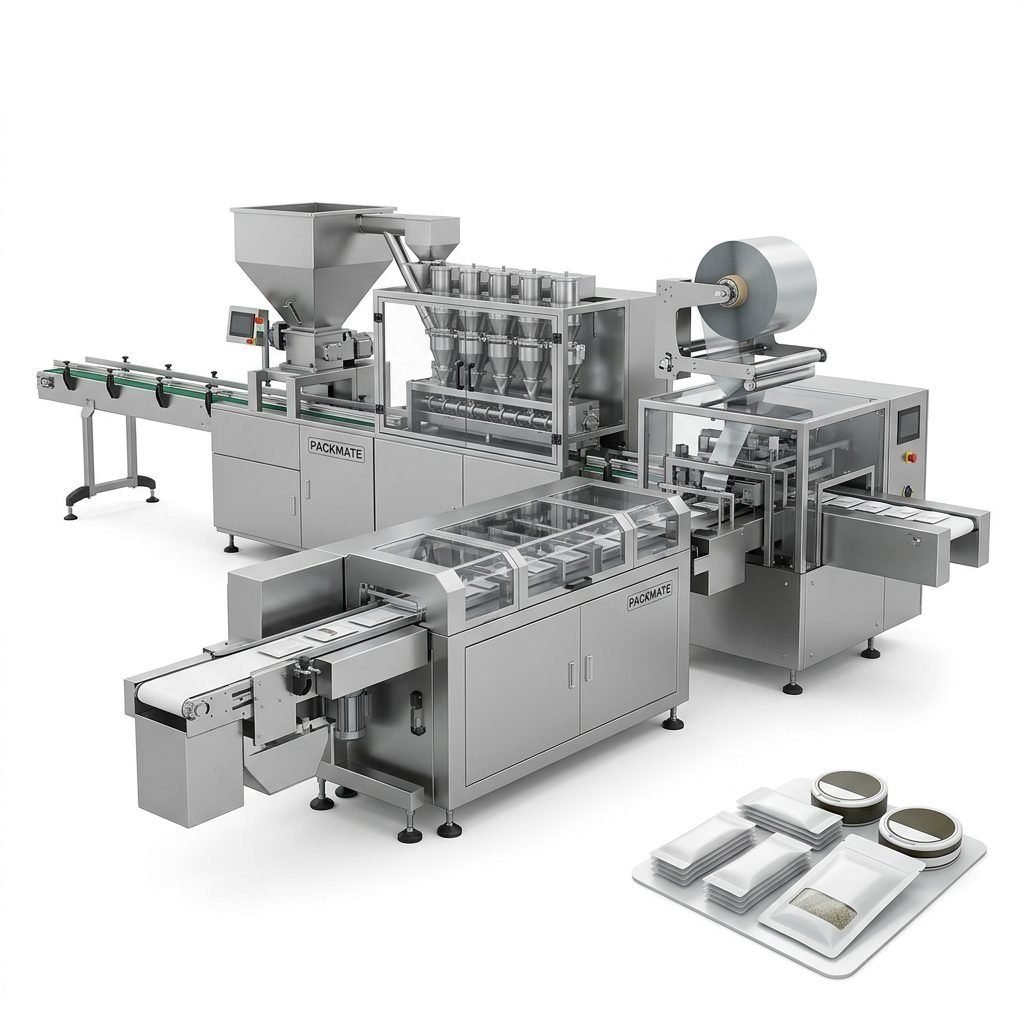
For businesses in Montenegro that need a complete production line, turnkey solutions reduce integration risk. Confirm that the manufacturer can supply upstream/downstream equipment such as feeders, metal detectors, checkweighers, and packaging conveyors to create a seamless line. Manufacturers offering full lines often include project management and commissioning services — check examples under Filling & Packaging Lines.
Software & Automation
Modern machines include PLC/HMI control systems and recipe management. Ensure software is user-friendly, supports multiple languages, and allows remote diagnostics. Discuss data logging and traceability features if compliance or batch tracking is required.
Spare Parts Kits & Upgradability
Obtain a list of recommended spare parts kits and optional upgrades (higher-speed modules, additional lanes) so you can future-proof your investment. Modular designs are generally easier and cheaper to upgrade.
📋 How to Shortlist & Evaluate Suppliers: A Step-by-Step Checklist
Use a consistent evaluation framework to compare quotes and proposals. Below is a practical checklist you can adapt to procurement.
- Define required throughput, pouch formats, and material specs.
- Request machine datasheets: footprint, power, air, capacity, and tolerance.
- Ask for FAT video or scheduled factory acceptance test with samples.
- Verify certifications: CE/ISO and any regional compliance specifics.
- Get documented warranty, spare parts availability, and lead times.
- Request customer references in similar markets and industry segments.
- Compare total cost of ownership including installation, training, and shipping.
Pay attention to mean-time-between-failure (MTBF) metrics and documented uptime figures from existing customers.
🏷 Pricing: What to Expect
Machine price varies with automation level, custom features, lane count, and included peripherals. Low initial price may mean higher long-term costs due to poorer reliability or lack of support. Request a line-item quote covering machine price, installation, spare parts, consumables, and training hours.
Negotiation Tips
Negotiate for clear payment terms, staged deliveries tied to FAT completion, and an agreed commissioning schedule. Ask for bundled pricing if you purchase multiple machines or a full turnkey package — suppliers often provide discounts or faster lead times for larger orders.
🌍 Local Considerations for Montenegro
Montenegro’s geographic position makes it feasible to import equipment from European or Asian manufacturers. Consider port handling, customs duties, and whether the supplier has European service partners. A manufacturer with experience exporting to Europe will better navigate documentation and transport compliance.
If you need assistance evaluating suppliers further, manufacturers like Packmate offer detailed product catalogs and pre-sales consultation that can help define specs and integration options: Catalog and About Packmate.
✅ Final Selection Checklist (Short)
Before signing a contract, confirm the following:
- Factory acceptance testing schedule and acceptance criteria.
- Clear warranty and spare parts availability promise.
- Installation, commissioning, and operator training included.
- Documentation, certificates, and testing records provided with shipment.
- Defined escalation path for service and maintenance issues.
Reach out to the supplier’s service team or local representative early in the project to verify timelines and on-site support — proactive planning avoids costly delays.
Additional Resources
For detailed product options and support, explore manufacturer pages on machine categories and services: Bag & Pouch Packaging Machines, Service, and Contact Us to request technical consultations and quotations.
Frequently Asked Questions
Q1: How long does it take to receive a custom snus packaging line?
A1: Typical lead times range from 12 to 28 weeks depending on customization, lane count, and spare-part sourcing. Confirm schedule with the manufacturer and include FAT milestones in the contract.
Q2: What ongoing costs should I plan for?
A2: Budget for spare parts kits, scheduled preventive maintenance, occasional tooling replacement, and annual calibration or software updates. Factor service-level agreements if minimal downtime is critical.
Q3: Can machines be upgraded later to increase capacity?
A3: Many modern systems are modular. Discuss upgradability (additional lanes, higher-speed modules) with the supplier during purchase to ensure compatibility and avoid costly retrofits.
Q4: Are remote diagnostics and support available?
A4: Most established manufacturers provide remote diagnostics, spare-parts tracking, and virtual troubleshooting. Verify connectivity options and cybersecurity measures before commissioning.
Q5: How do I validate a manufacturer’s claims?
A5: Visit the factory, inspect production records, request FAT with your materials, and contact references. Review certificates and ask for machine performance data over sustained production periods.