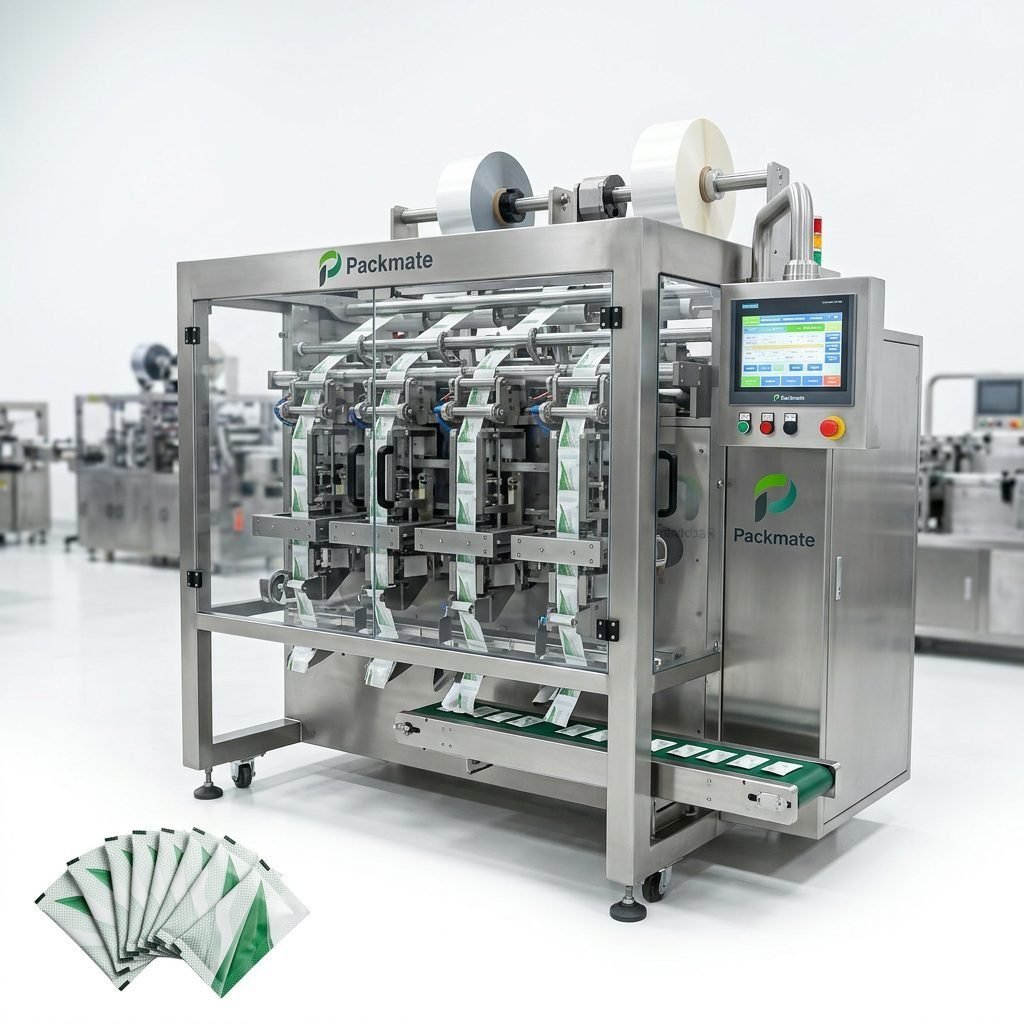
Choosing the right snus packaging machine manufacturer in Estonia can be a defining decision for your business growth. This guide walks you through practical criteria, technical considerations, and negotiation points so you can select a partner who delivers reliable equipment, compliance, and long-term service. Whether you are scaling production of nicotine pouches, sachets, or multi-lane snus lines, the right manufacturer will help you balance cost, speed, and product quality.
Why location matters: Estonia as a sourcing hub
Estonia offers strategic advantages for European businesses: proximity to major markets, streamlined logistics across the EU, and a business-friendly environment. When choosing a snus packaging machine manufacturer targeting Estonia, consider suppliers who can provide local support or reliable European service networks. This reduces downtime and simplifies spare parts delivery.
🔍 Key takeaway: A manufacturer with European logistics, CE compliance, and experience in nicotine pouch production will help you meet regulations faster and minimize import delays.
Essential manufacturer credentials
When evaluating suppliers, verify certifications and manufacturing capacity. Look for industry certifications like CE and ISO, evidence of quality control, and transparent production processes. A strong factory footprint with CNC machining and precision assembly lines indicates technical capability for high-tolerance components.
Product and model variety
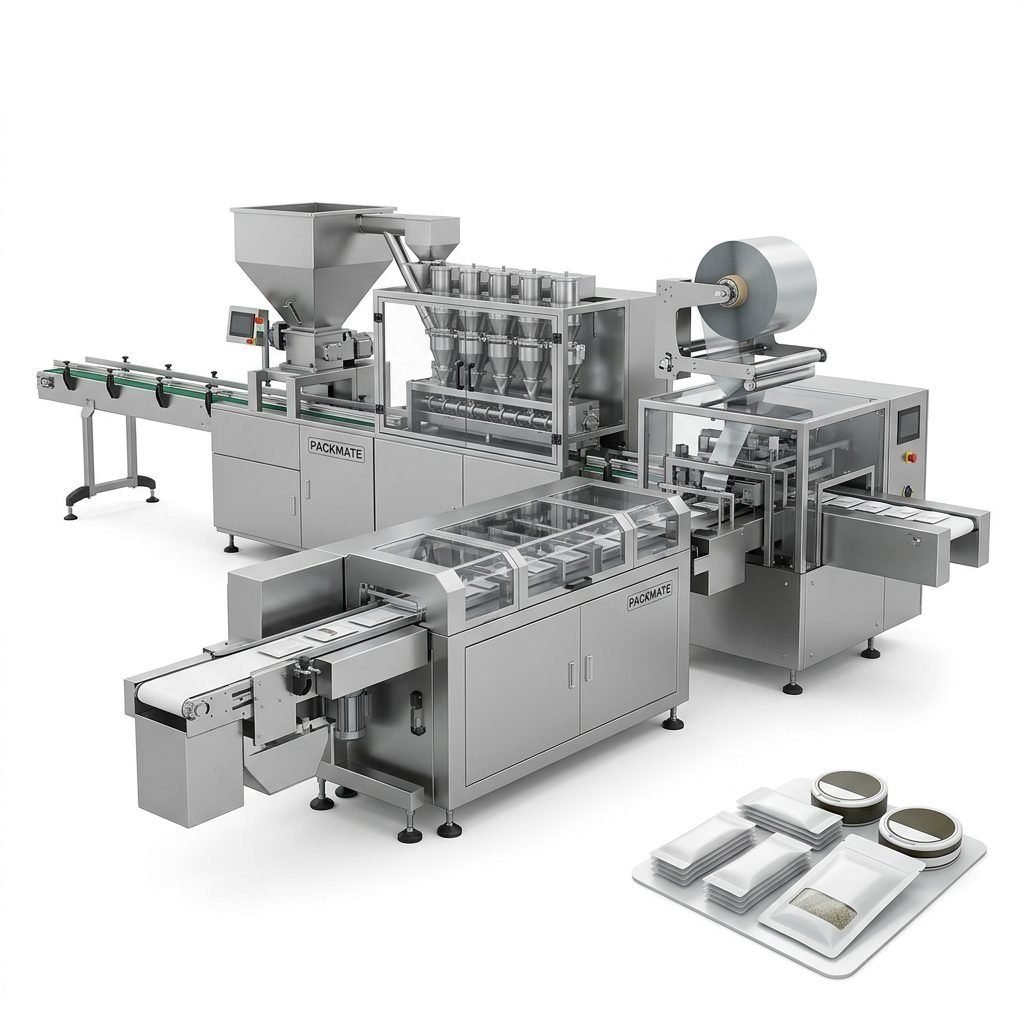
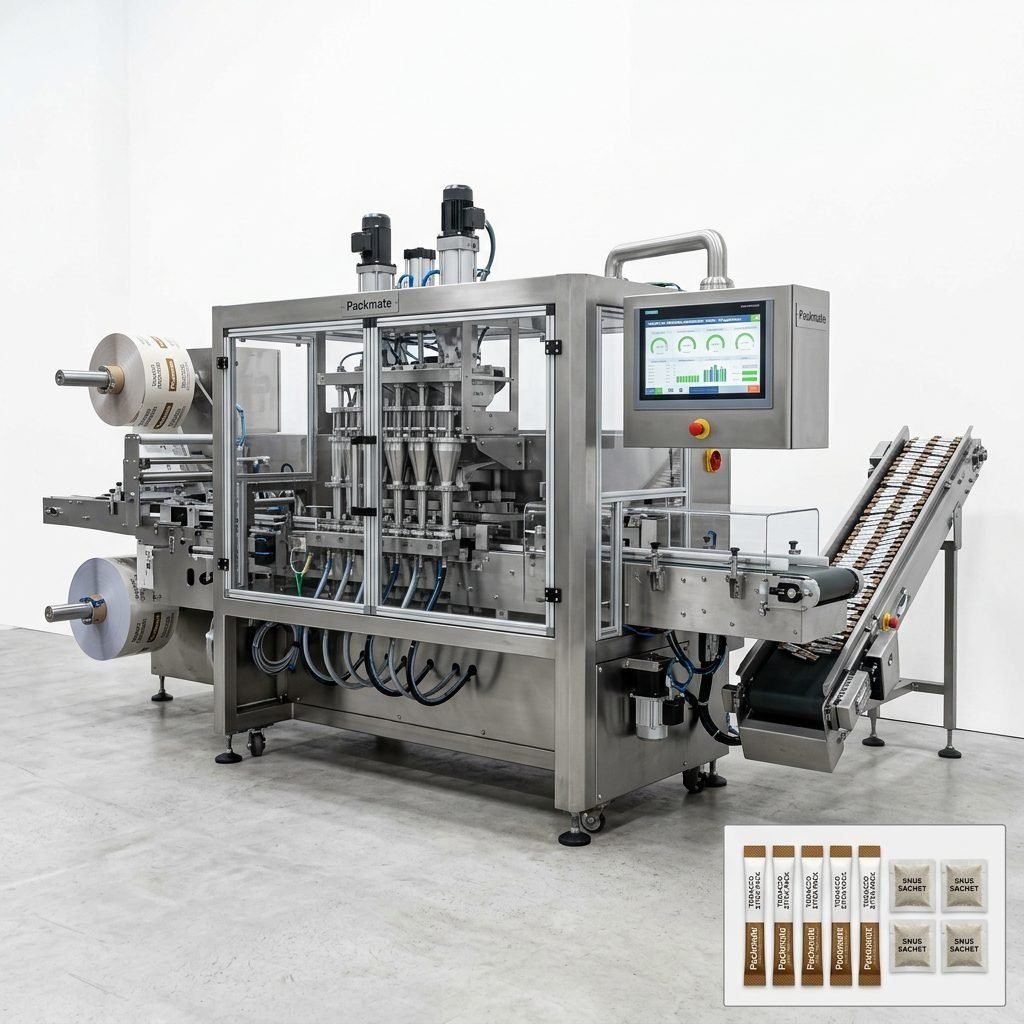
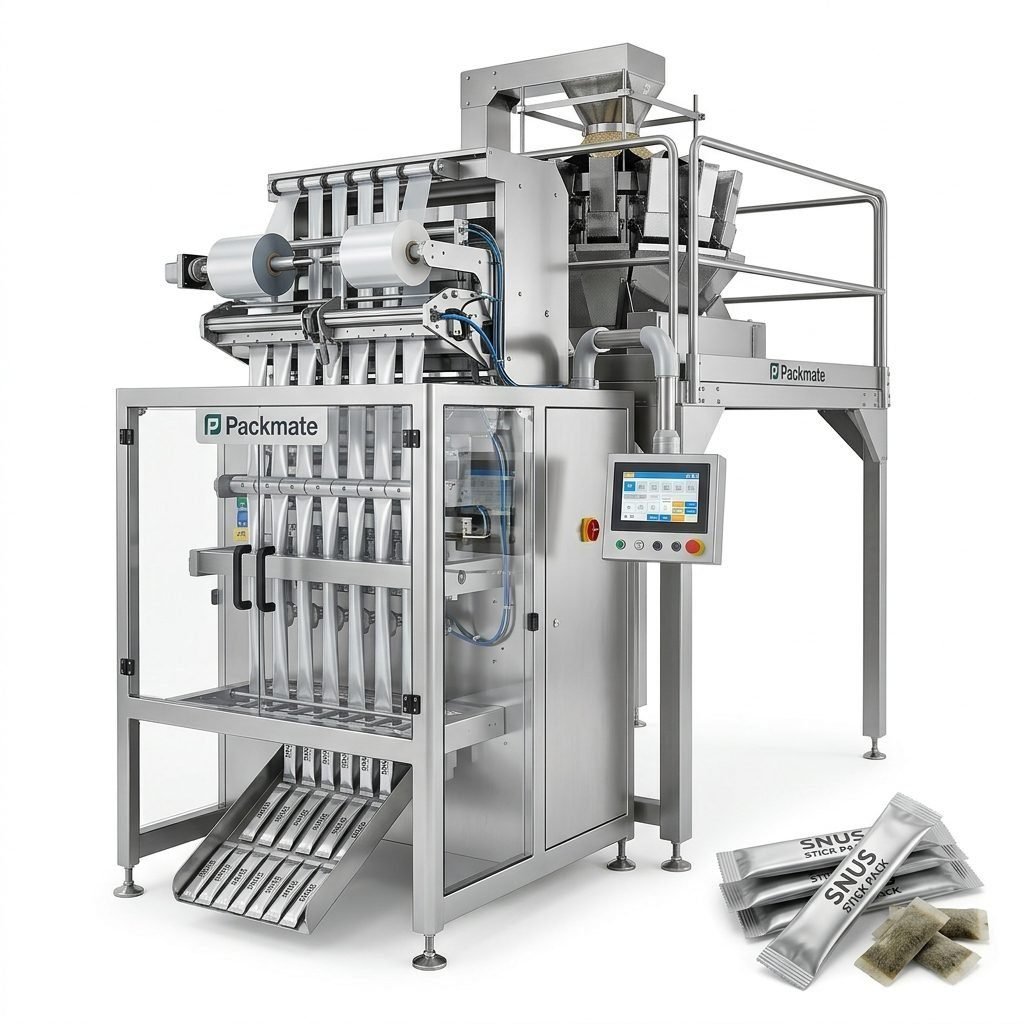
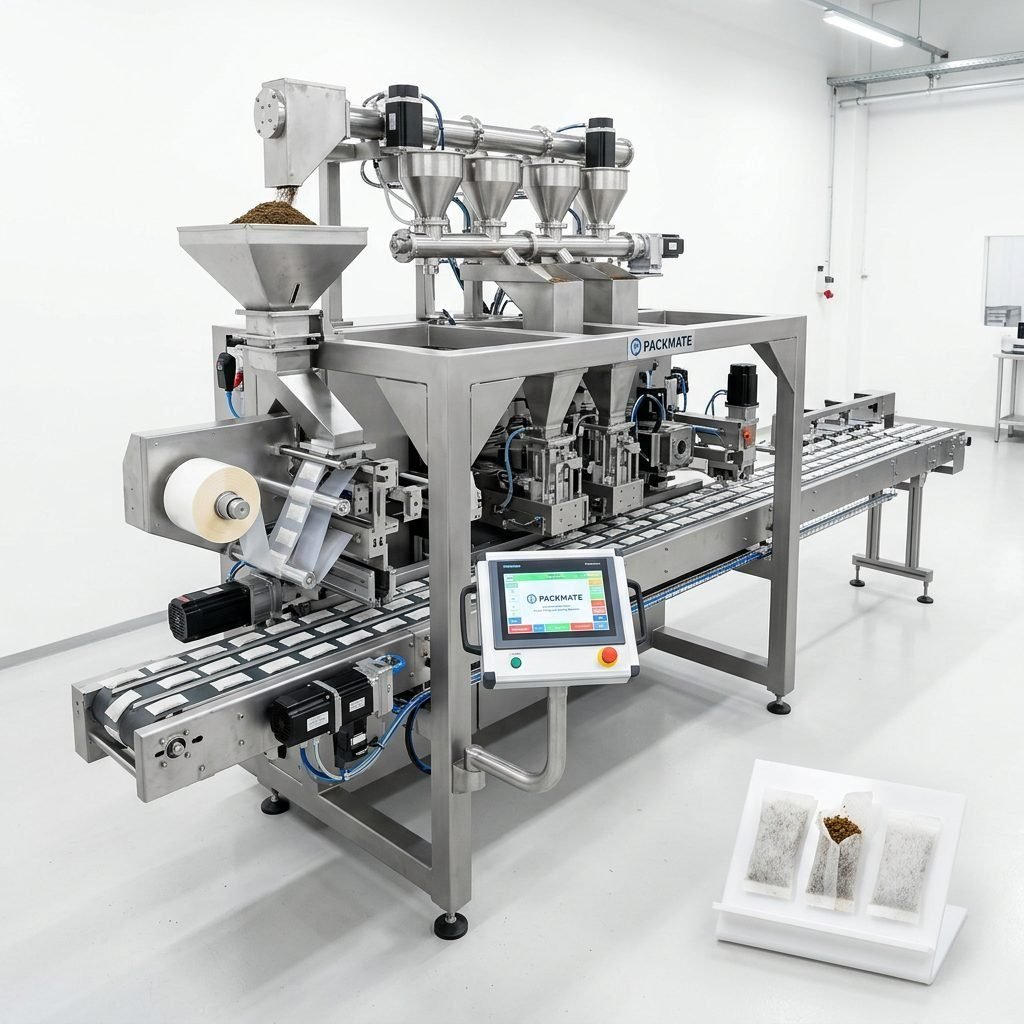
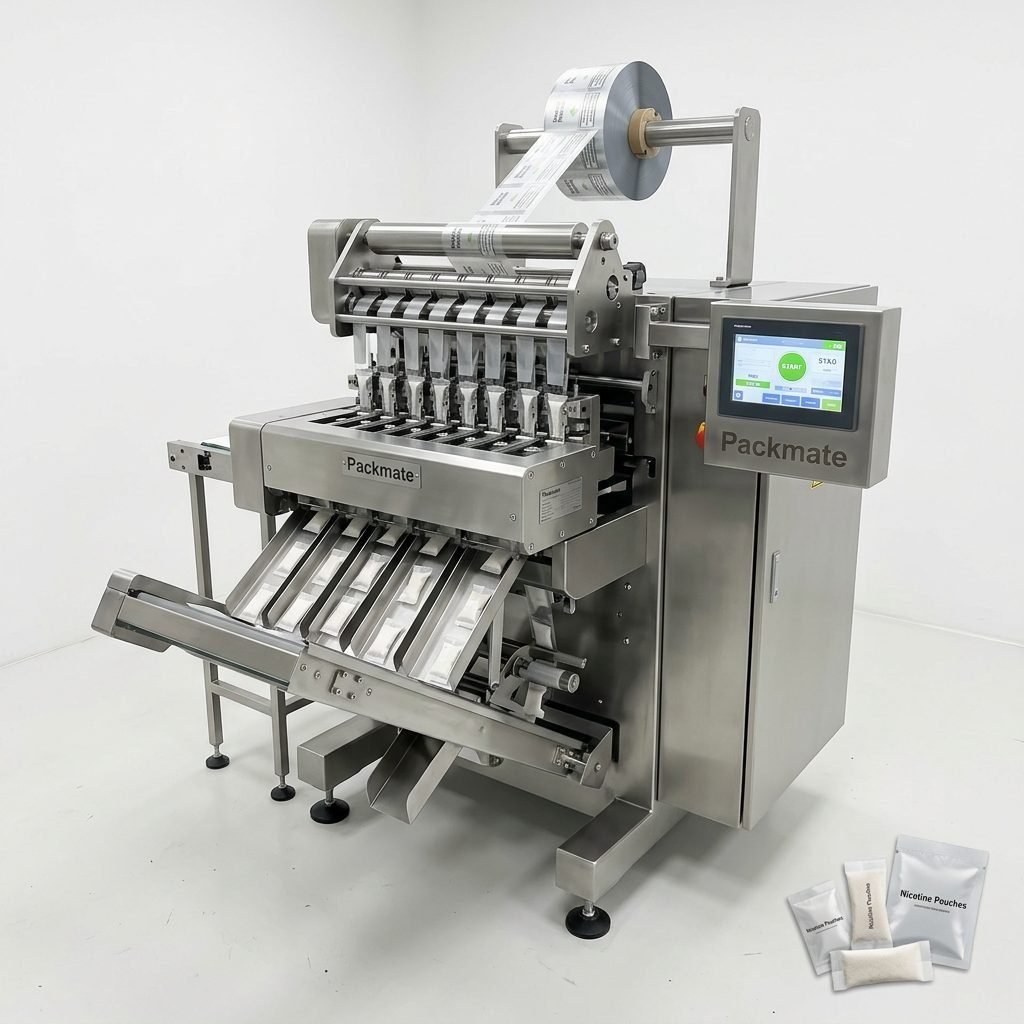
Choose a manufacturer with a wide product range—single-lane sachet machines, stick packers, and multi-lane snus pouch lines. A diverse catalog allows you to scale or pivot product formats without switching suppliers. Explore product categories such as
Snus & Nicotine Packaging Machines and
Bag & Pouch Packaging Machines for examples of available solutions.
✅ Practical tip: Request machine model catalogs and ask about typical outputs (units/min), lane configurations, and compatibility with nicotine pouch sizes.
Technical features to prioritize
In technical evaluations, look for:
-
Stable multi-lane synchronization for consistent pouch weight and form.
-
High-precision filling systems and gentle handling to protect product integrity.
-
Modular design for easy maintenance and quick format changeovers.
-
Robust HMI with SFC/Industry 4.0 readiness for data logging and remote diagnostics.
Customization and turnkey solutions
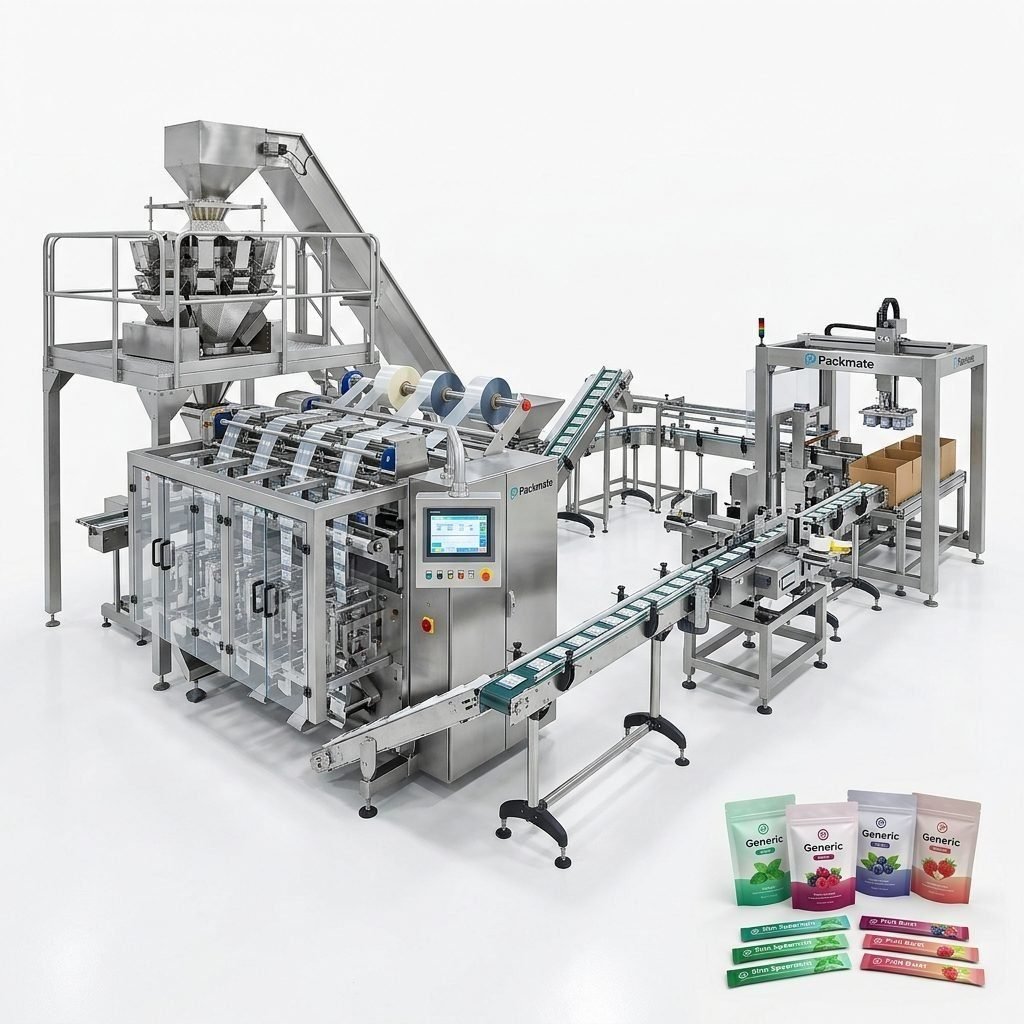
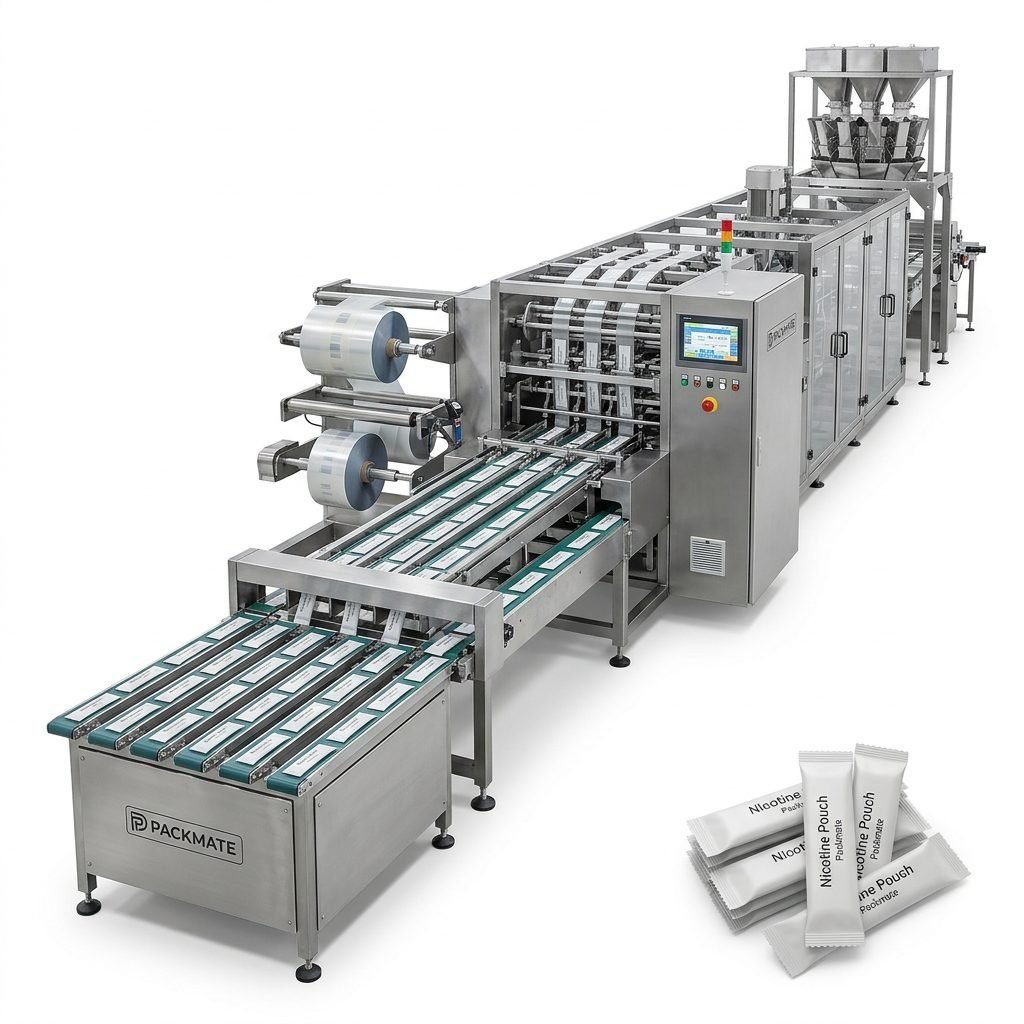
Your ideal manufacturer should offer customization for your pouch design, dosing accuracy, and lane count. Full turnkey providers deliver not just machines, but integrated filling, weighing, and packaging lines. If you need a complete line, review options such as weighing & packaging systems and filling lines to ensure compatibility:
Weighing & Packaging Systems and
Filling & Packaging Lines.
⚠️ Warning: Beware of vendors who over-promise speed without disclosing uptime metrics or long-term maintenance plans.
Service, spare parts, and local support
After-sales support is critical. Confirm availability of spare parts, average lead-times for replacements, and whether the manufacturer offers training or onsite commissioning. Manufacturers with a global presence or partnered service centers in Europe can significantly cut response times.
Inspection and factory acceptance testing (FAT)
Always request a Factory Acceptance Test (FAT) before shipping. FAT demonstrates machine performance under real conditions and helps you verify output, dosing accuracy, and ease of operation. If you cannot visit in person, ask for live video FAT sessions and recorded performance logs.
Quality control and manufacturing strength
A robust manufacturing setup—CNC machining, precision assembly, and strict quality tests—translates into machines that run longer with fewer breakdowns. Ask for evidence: production floor photos, assembly processes, and quality control procedures. Suppliers with 20,000㎡ production capacity and multiple machine models typically manage complex customer requirements better.
Case studies and references
Review real-world cases and client testimonials. A legitimate manufacturer will share success stories and examples of snus production lines delivered globally. Explore case references and exhibition records to confirm market presence:
Case and
Our Exhibition.
🔧 Checklist for references: production output, uptime statistics, maintenance logs, and customer contactable references.
Purchasing terms and negotiation points
Negotiate payment schedules, warranty length, inclusion of commissioning, and spare parts kits. Ensure delivery terms (Incoterms), lead times, and penalties for missed delivery are clear. Ask for a clear scope of supply and documented acceptance criteria to avoid later disputes.
Cost vs. total cost of ownership (TCO)
The lowest initial price may not be the best deal. Evaluate TCO: energy consumption, mean time between failures (MTBF), spare parts pricing, and ease of maintenance. A machine that saves downtime and reduces waste often pays back faster.
Integration and future-proofing
Choose systems designed for modular upgrades—add lanes, integrate in-line metal detection, or connect to OEE systems. Future-proof equipment supports new pouch designs and regulatory changes without a full replacement.
Red flags to avoid
Watch for fuzzy technical specs, lack of FAT, no documented references, or unwillingness to provide spare parts lists. If a company cannot demonstrate production capacity or certifications, proceed cautiously.
✅ Decision tip: Prioritize vendors who offer structured training, clear spare parts plans, and documented FAT results.
Working with global suppliers
Global suppliers that serve multiple continents often have robust QA, compliance documentation, and export experience. If you are sourcing machines from outside Estonia, ensure clear customs documentation and compatibility with local electrical standards.
How to shortlist vendors — step-by-step
1. Gather 6–8 potential vendors with relevant machine types.
2. Request datasheets, FAT procedures, and references.
3. Compare TCO, lead times, and warranty terms.
4. Conduct FAT (onsite or remote) and verify performance.
5. Finalize contract with clear acceptance criteria and service SLAs.
Contact and due diligence resources
Use manufacturer pages and catalogs to confirm offerings and capabilities. For more details on a particular supplier, visit their corporate pages to check certifications and mission statements:
About Packmate,
Certificate,
and review service options at Service.
📌 Remember: Good communication and clear documentation are as important as machine performance.
Final evaluation matrix
Create a scorecard that weights: Technical fit (30%), TCO (25%), Service & Parts (20%), References & FAT (15%), and Delivery & Contract Terms (10%). This objective approach helps avoid decisions based on price alone.
Next steps after selection
After you select a manufacturer: finalize a technical specification document, schedule FAT dates, arrange logistic planning, and confirm installation/commissioning schedules. Plan operator training and stock up on critical spare parts before machine arrival to ensure a smooth start-up.
🚀 Launch checklist: Signed specs, FAT complete, spare parts shipped, commissioning booked, and operator training scheduled.
Common Questions
Q1: How important is CE certification for snus packaging machines?
CE certification is critical for sales within the EU. It demonstrates compliance with safety and health regulations and simplifies customs clearance and market acceptance.
Q2: What should I expect from a Factory Acceptance Test (FAT)?
FAT should verify machine speed, dosing accuracy, sealing quality, and changeover times. It should include documented results, video evidence (if remote), and signed acceptance criteria.
Q3: How do I estimate return on investment (ROI) for a new snus packaging line?
Calculate ROI by comparing increased production capacity, reduced labor and waste, energy consumption, and maintenance costs against the capital expenditure. Include projected sales growth enabled by higher output.
Q4: Can manufacturers supply turnkey solutions including weighing and auxiliary equipment?
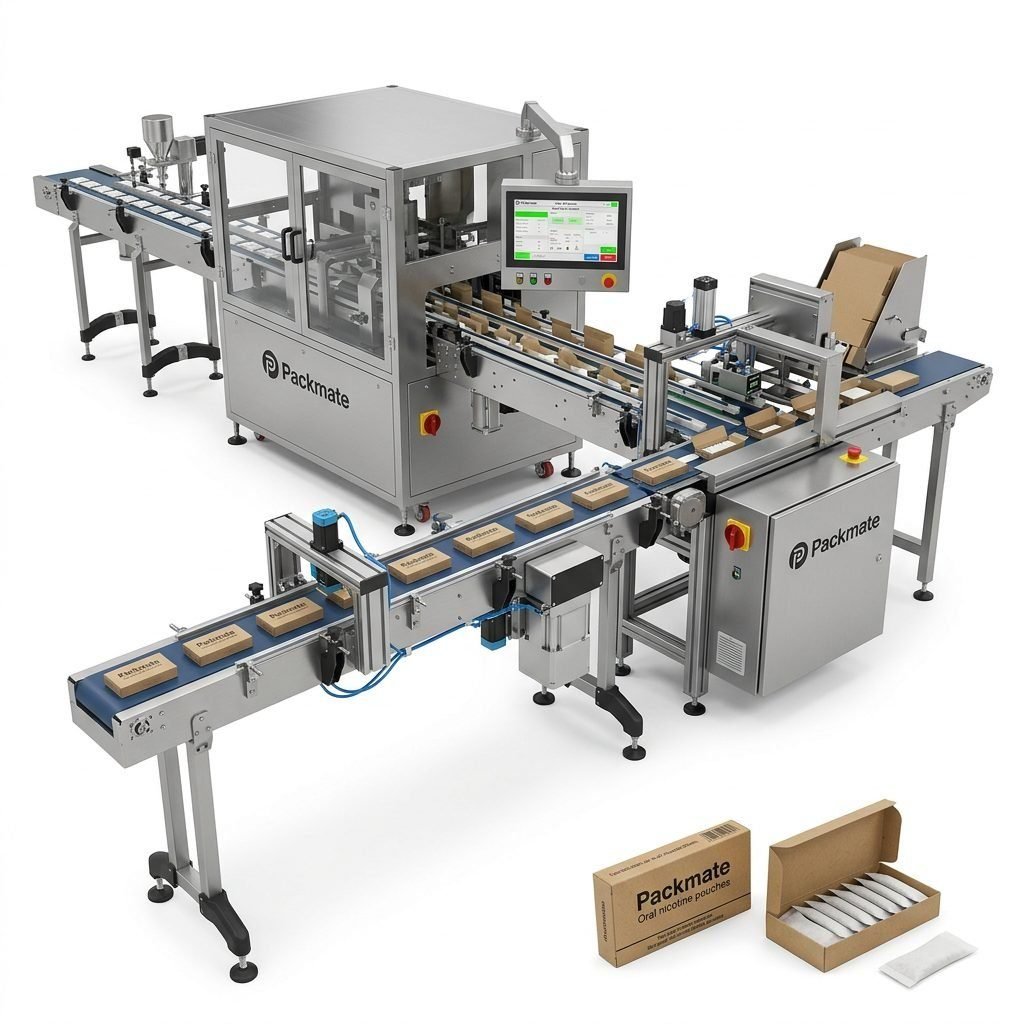
Yes. Many established suppliers offer integrated lines including weighing, filling, pouch forming, and auxiliary equipment. Review product pages for Weighing & Packaging Systems and Auxiliary Packaging Equipment to confirm offerings.
Q5: What warranty and spare parts support should I expect?
Typical warranties cover mechanical and electrical defects for a defined period (often 12–24 months). Ensure spare parts availability, lead times, and recommended on-site spare kits are documented in the contract.