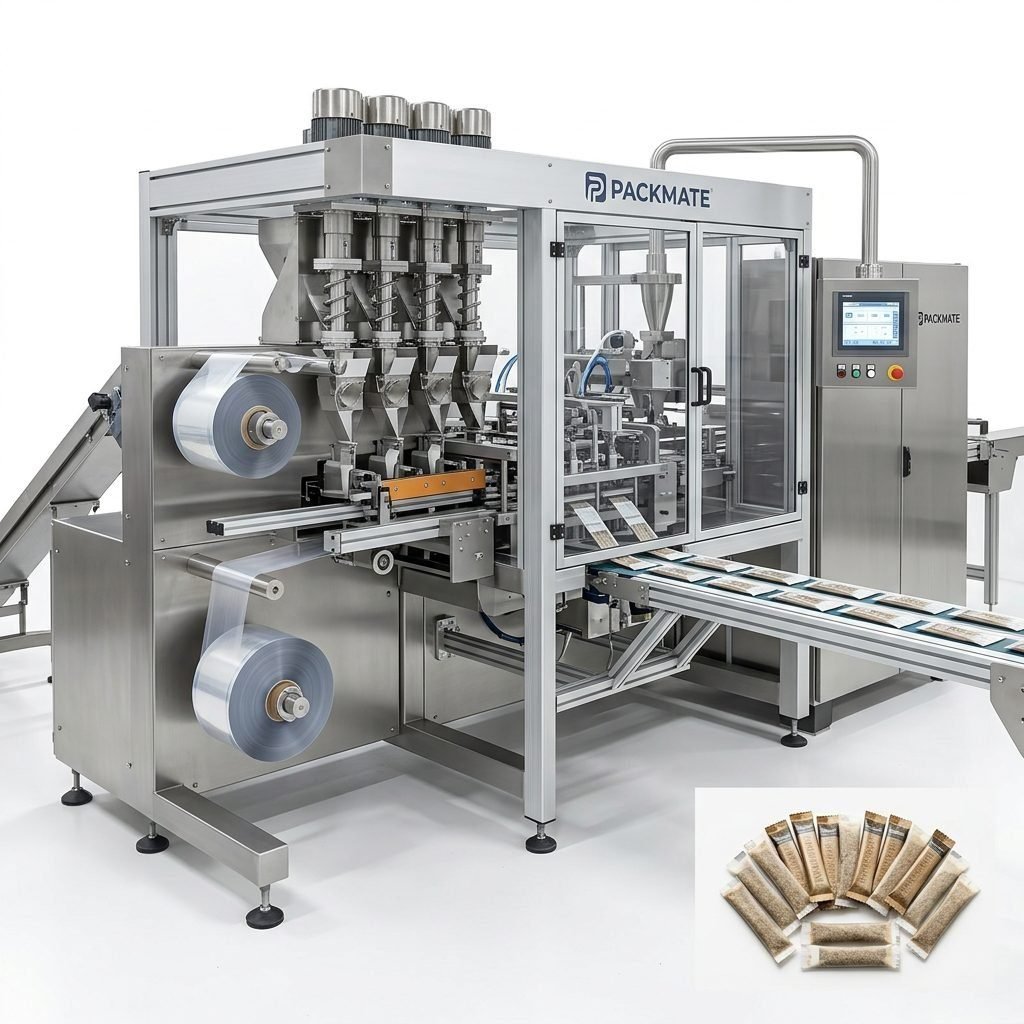
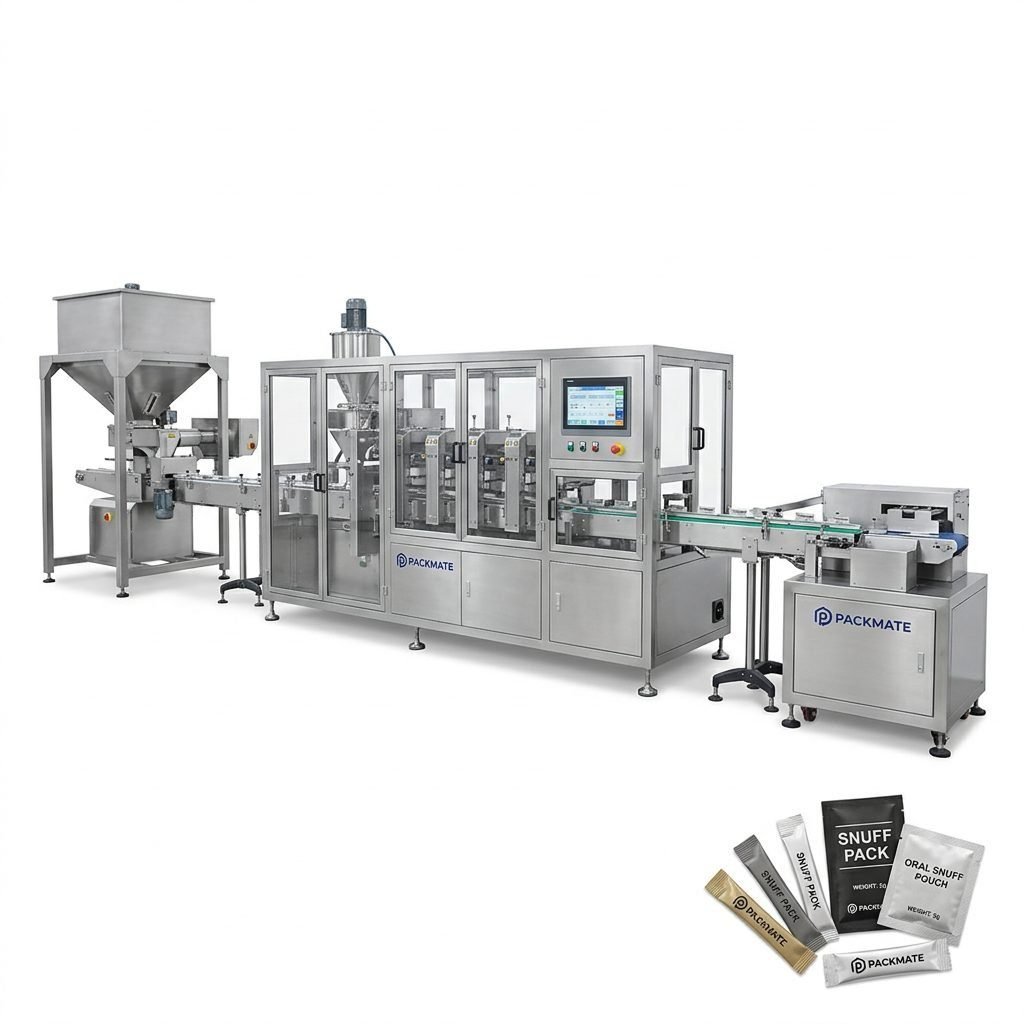
Automated nicotine pouch packaging combines precision dosing, high-speed sealing, and accurate labeling to meet strict quality and regulatory demands. This guide walks packaging engineers, production managers, and procurement teams through a practical, step‑by‑step process for automated filling, sealing, and labeling of nicotine pouches — from raw material preparation to finished cases ready for distribution.
Overview of a Full Nicotine Pouch Packaging Line 🔧
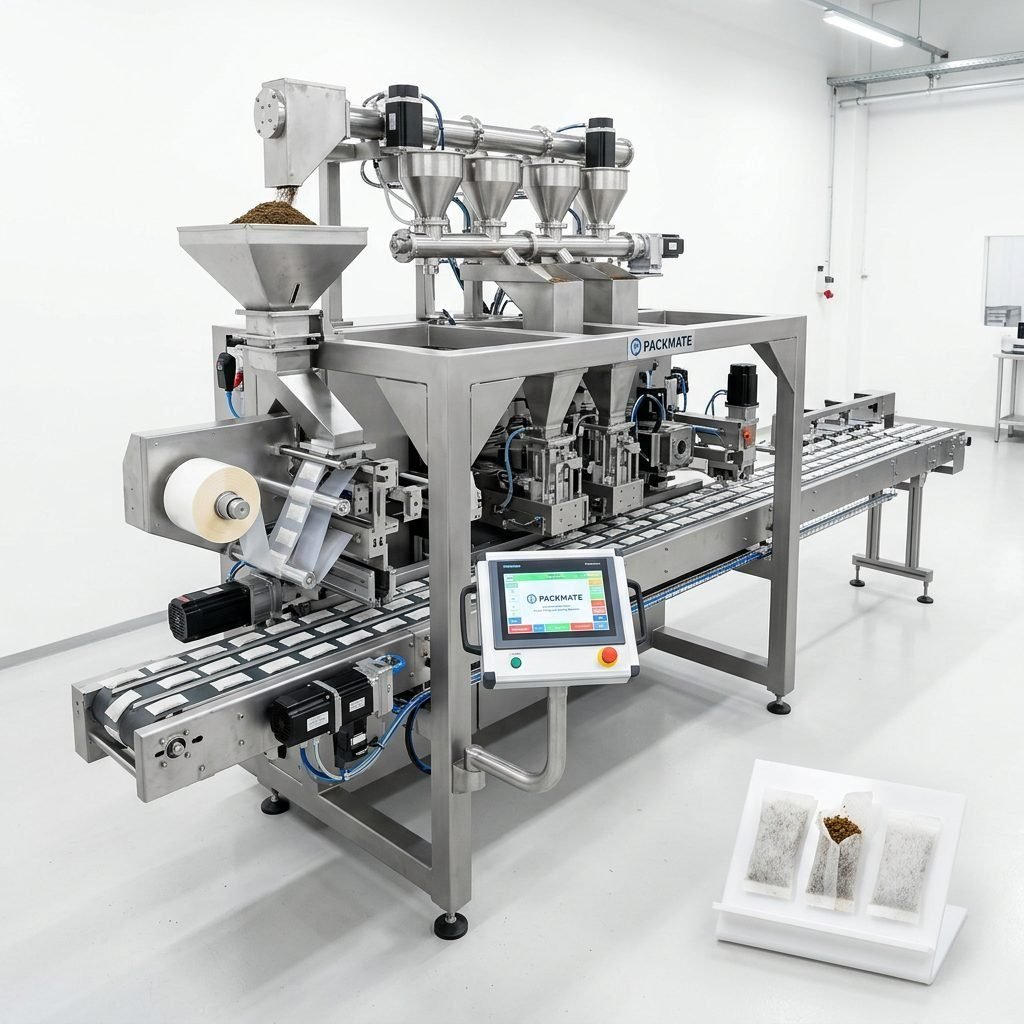
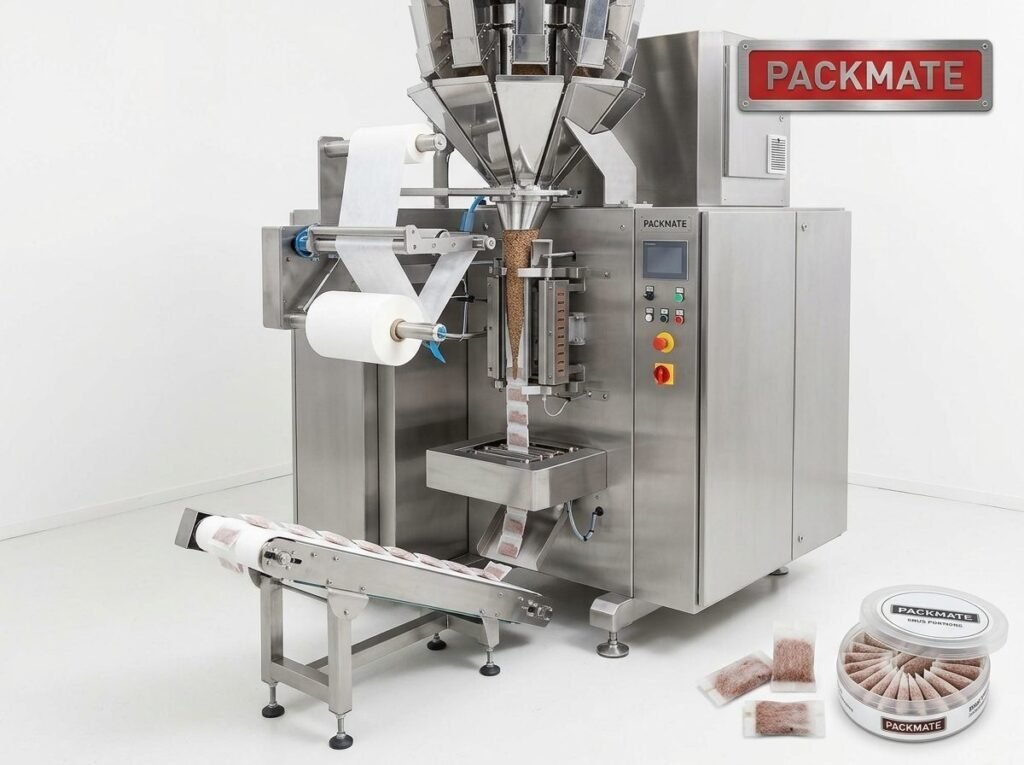
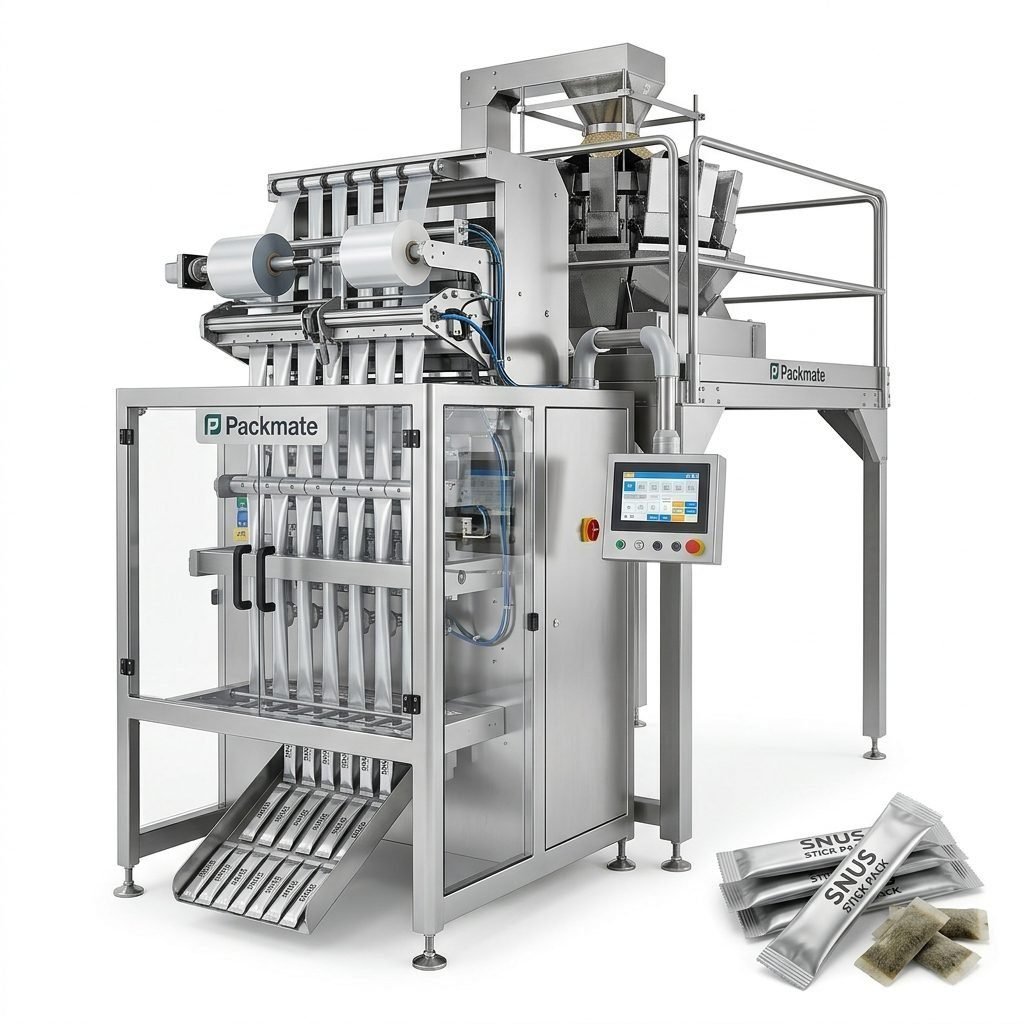
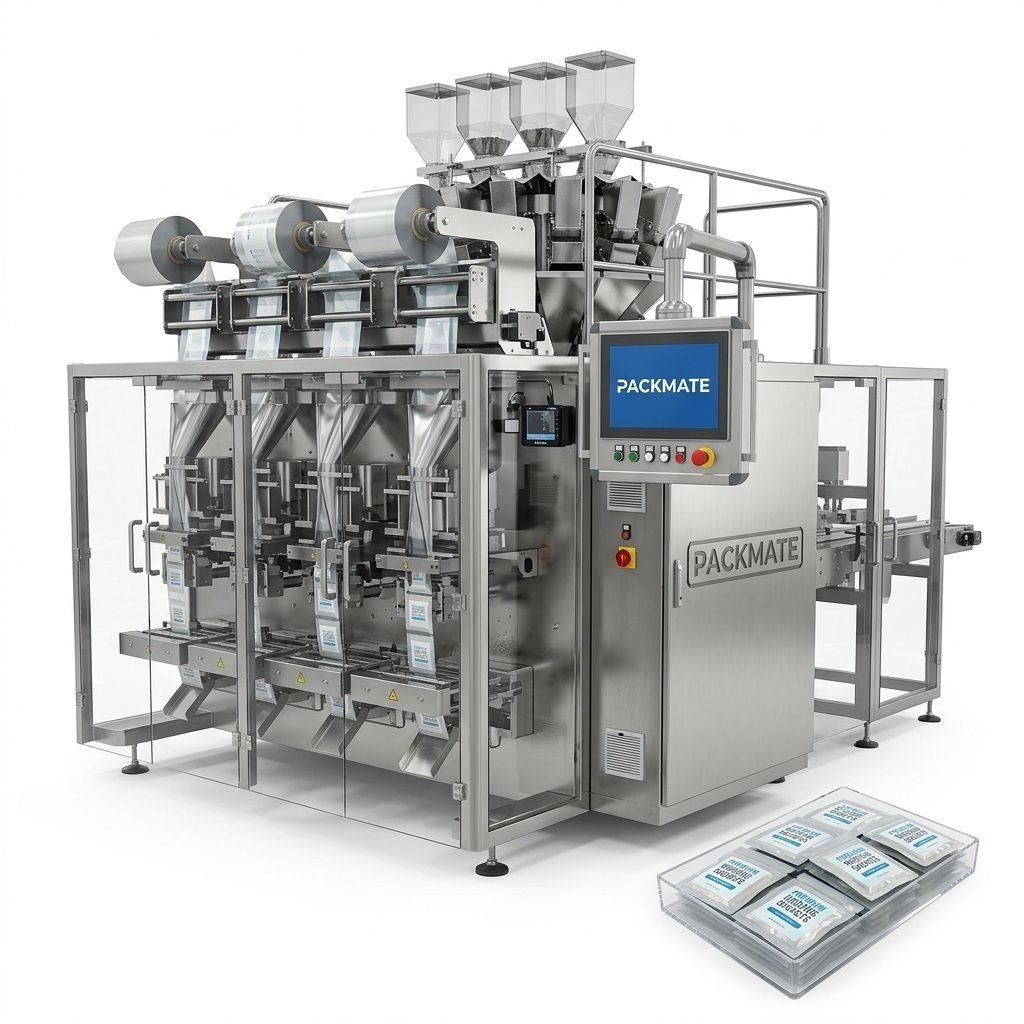
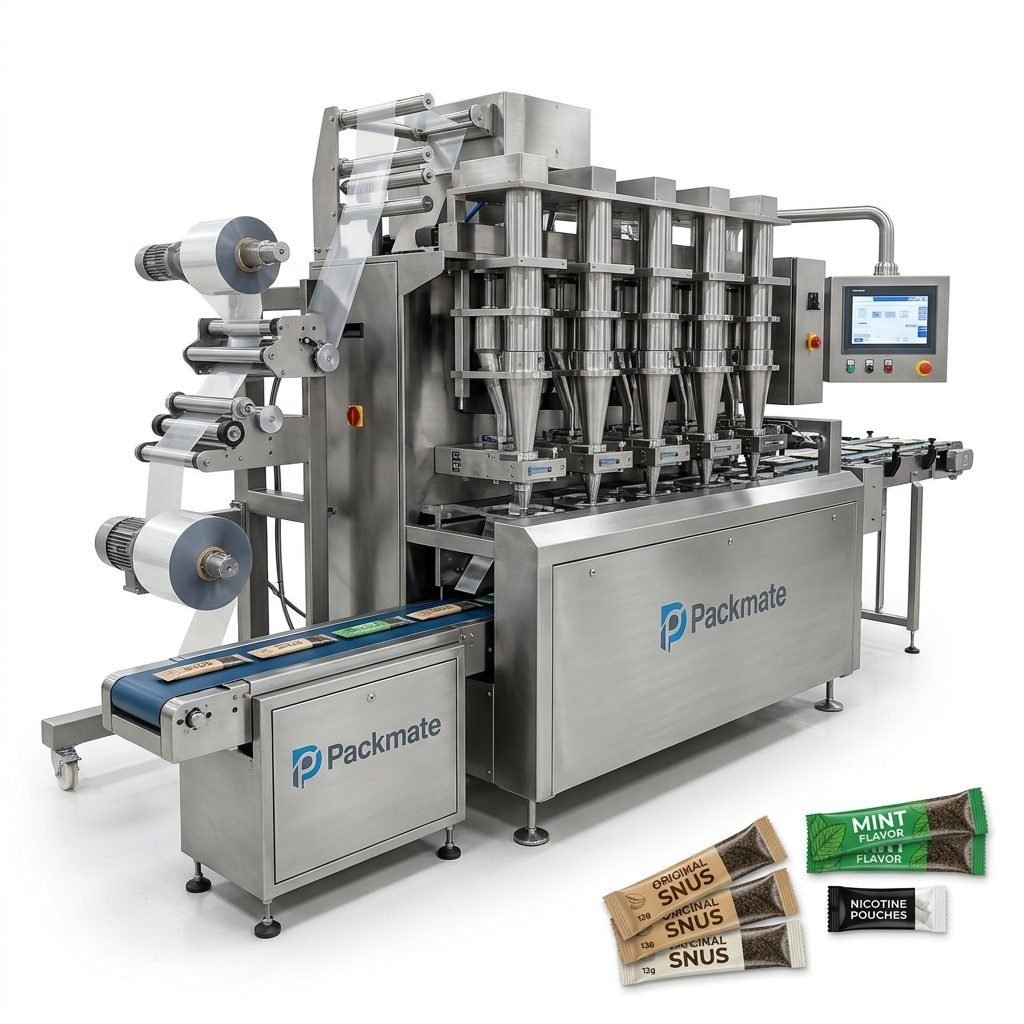
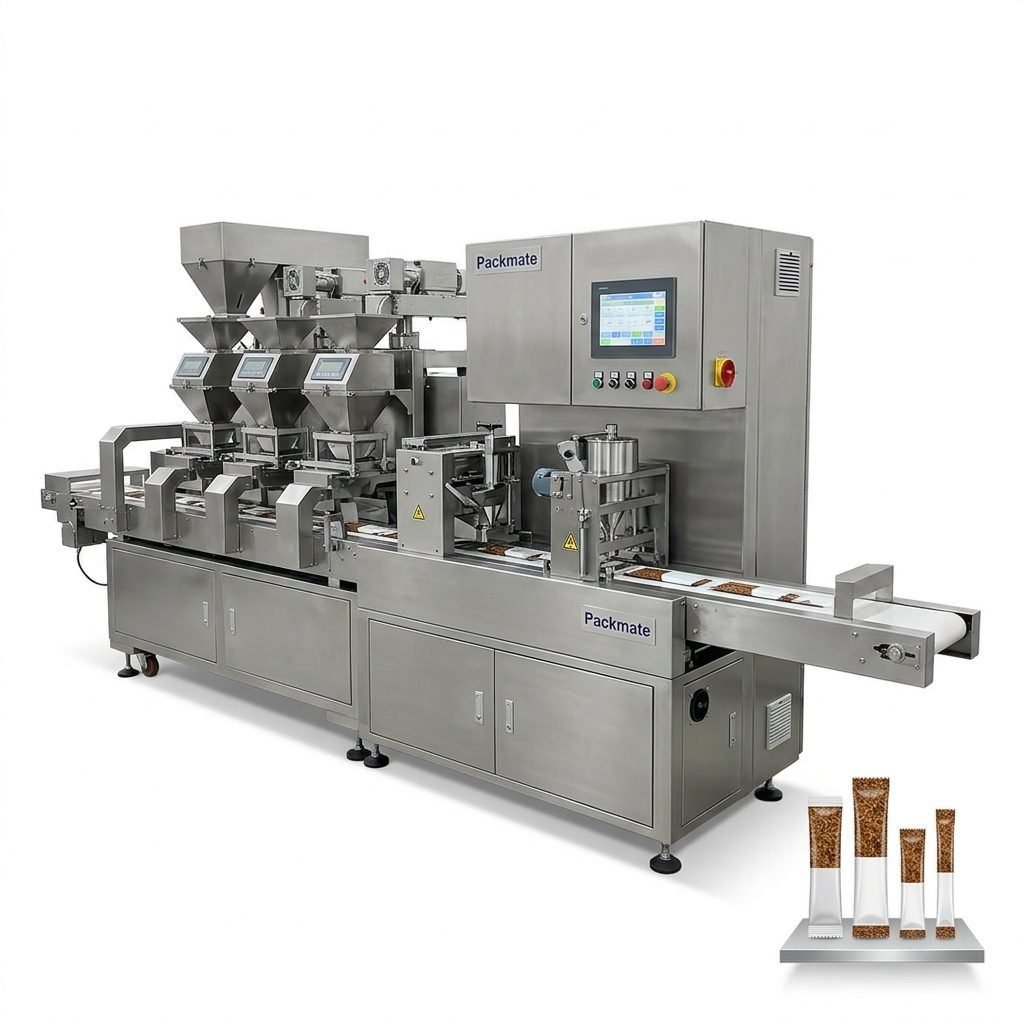
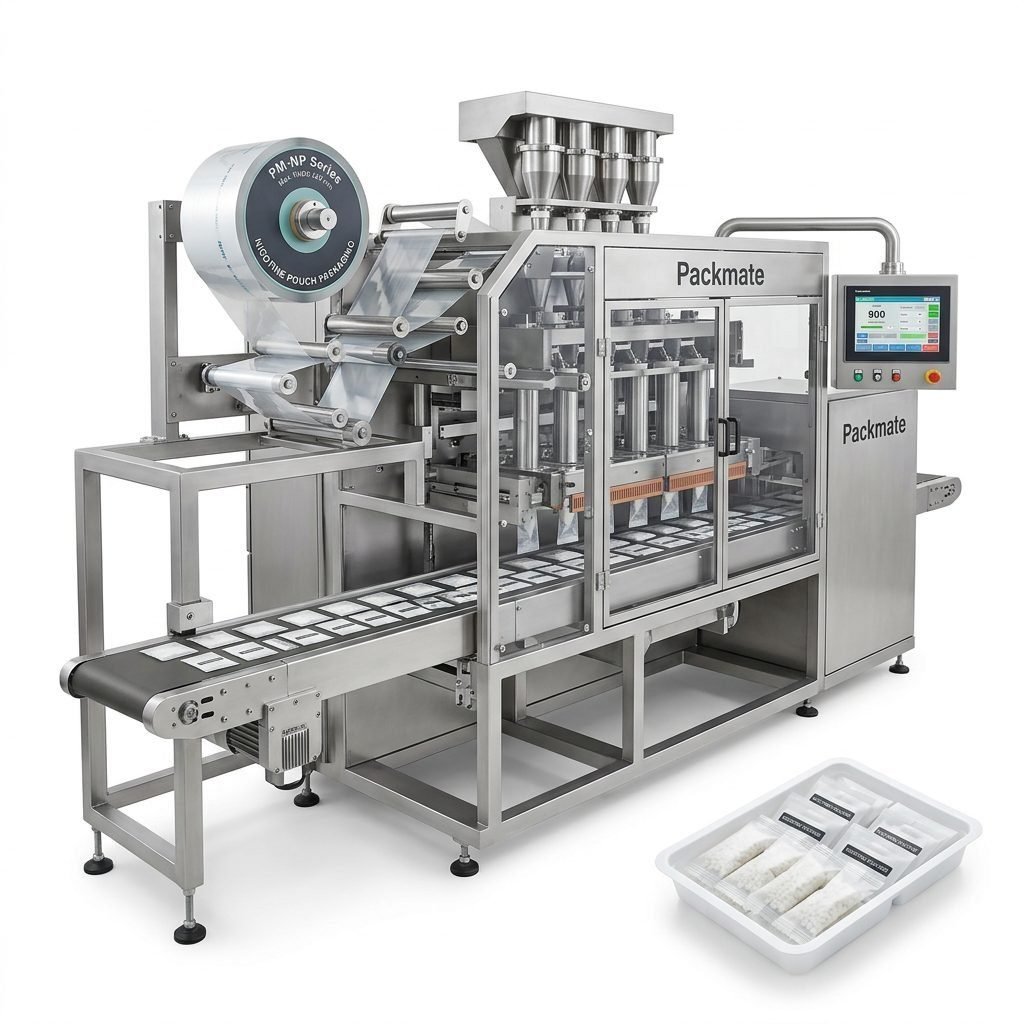
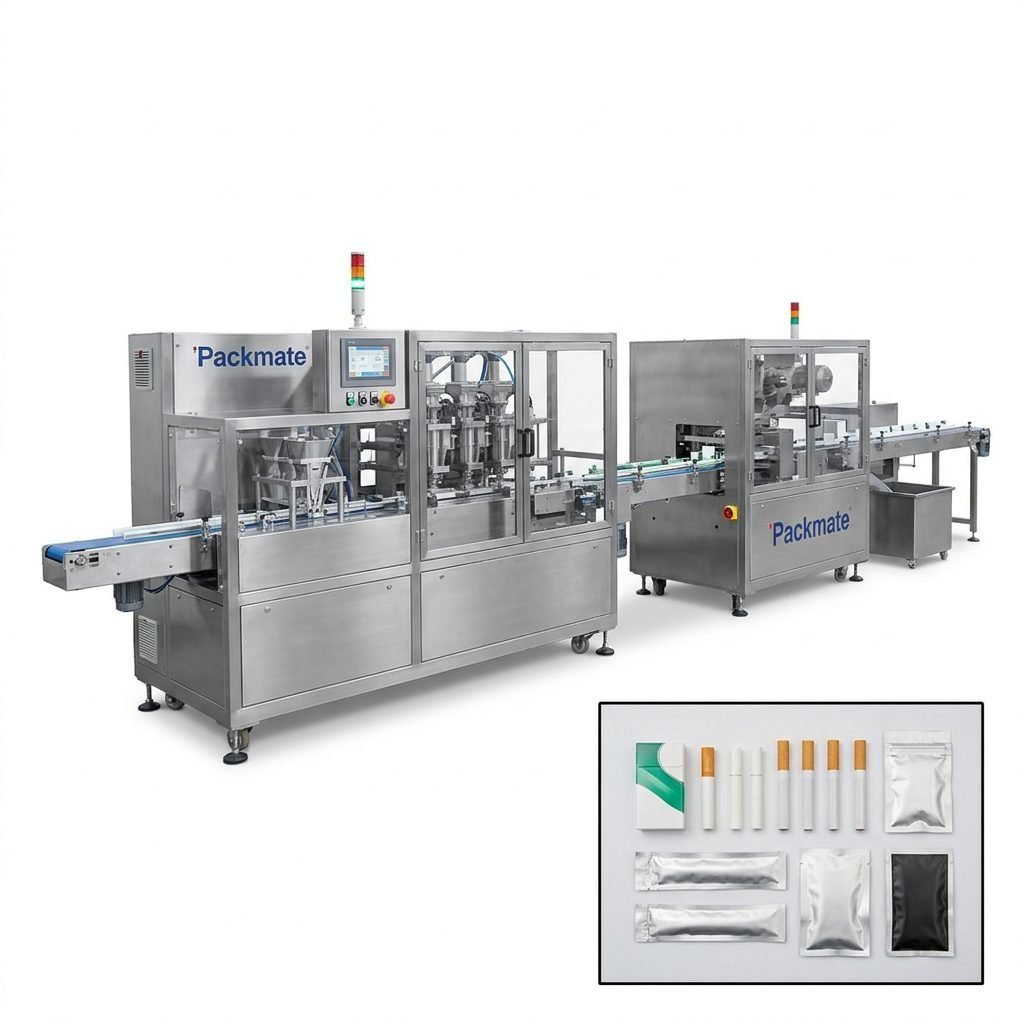
A modern nicotine pouch packaging line typically includes upstream dosing and weighing, pouch forming or pouch feeding modules, high-precision filling heads, sealing units (heat or ultrasonic), inline labeling and coding systems, visual inspection, and secondary case packing. For compact operations, multi-lane systems enable high throughput while maintaining small-dose accuracy. For turnkey solutions, manufacturers like Snus & Nicotine Packaging Machines provide integrated lines tuned to product characteristics.
Key components at a glance
– Weighing & dosing modules (vibratory, multi-head weighers, auger fillers) — see Weighing & Packaging Systems.
– Pouch handling/feeding or form-fill-seal modules for sachets and stick packs.
– High-accuracy filling heads and servo controls.
– Sealing units with temperature control and pressure adjustment.
– Labeling, inkjet coding, and serialization modules.
– Automated inspection and rejection, case packers and palletizers.
✅ Tip: For nicotine pouches, control of dose consistency and cross-contamination prevention are critical. Select filling systems with easy-clean contact parts and quick-change tooling for different pouch sizes.
Step 1 — Pre‑production planning and material preparation
Proper planning starts with a bill of materials and validated recipes. Ensure raw nicotine pouch blend (tobacco-free or tobacco-based), pouch substrates (paper, non-woven, or laminate), inner liners, desiccants, and secondary packaging materials are available and certified for intended markets. Confirm regulatory labeling and any regional requirements; for example, in some European countries consumer warnings and multi-lingual labels are mandatory.
Sanitation and material handling
– Implement a dedicated intake area with lot tracking.
– Use closed or HEPA-filtered transfer hoppers for powders and fine blends.
– Schedule pre-production CIP and validate residue limits on contact parts.
Step 2 — Dosing and metering: accuracy first
The dosing stage defines product uniformity. Options include volumetric auger fillers, multi-head weighers for granules/blends, and precision piston or time-pressure fillers for slurry-like carriers. Multi-lane systems enable parallel filling of many pouches at once, increasing throughput while keeping per-lane accuracy.
🔬 Critical: Validate each filler with sample runs. Use statistical process control (SPC) to monitor mean dosage and standard deviation. Adjust feeder vibration, screw pitch, or weigh-head feed rates until target tolerances are met.
Step 3 — Pouch presentation and orientation
Pouches may arrive as pre-made sachets or be formed on a form-fill-seal (FFS) station. For pre-made pouches, reliable pick-and-place or pocket conveyor systems are essential to present pouches to filling heads accurately. For FFS, ensure film tension and forming shoulder alignment are tuned to maintain consistent pouch geometry.
Handling delicate substrates
Use vacuum grippers with adjustable suction, or mechanical pocket guides for soft non-woven pouches. Multi-lane feeders must be synchronized to avoid lane drift and ensure synchronous filling and sealing.
Step 4 — Automated filling: tips for precision
Integrate feeder outputs with motion-controlled filling heads. Servo-driven axes enable fill timing and position adjustments per lane. Program recipes for different pouch sizes so that dosing, dwell time, and any tamping or vibration steps are recalled automatically.
⚙️ Optimization: For very small gram doses, a two-stage fill (coarse then fine) reduces variability. Combine multi-head weighers with servo augers for consistent low-dose performance.
Step 5 — Sealing methods and quality control
Proper seals preserve freshness and ensure regulatory safety. Choose between heat-seal jaws, ultrasonic sealing, or impulse sealing depending on pouch material. Heat-seal offers broad compatibility; ultrasonic is ideal for some laminates and reduces thermal stress.
Inline seal verification
Use force sensors, temperature monitoring, and visual inspection cameras to verify seal integrity. Leakers can be detected with vacuum decay, pressure decay, or burst testing stations integrated into the line.
Step 6 — Labeling, coding and traceability
After sealing, apply labels and print lot codes and expiry dates using thermal inkjet or laser coders. For markets with strict traceability, integrate serialization and a line-level MES to log batch IDs and timestamps to ensure full chain-of-custody.
Many integrators provide modular labelers that can apply front/back labels, tamper-evident seals, or shrink sleeves. For customized solutions, explore full Filling & Packaging Lines from specialized manufacturers.
🛡️ Reminder: Ensure label placement does not obscure statutory warnings. For EU markets, follow local tobacco and nicotine product labeling laws.
Step 7 — Inspection, rejection and data capture
Inline vision systems check for fill level, seal conformity, misprints, and label placement. Rejection ports should be placed after inspection and before secondary packaging. Log each rejection with an error code to enable root-cause analysis.
Statistical monitoring
Drive continuous improvement with SPC charts. Track fill weight histograms, reject rates, and mean time between failures (MTBF) for critical subsystems such as sealers and feeders.
Step 8 — Secondary packaging and case packing
Organize finished pouches into cartons or trays using side-sealers, wrap-around cartoners, or robotic case packers. For high-volume plants, automated palletizing and stretch-wrapping prepare shipments efficiently.
If you need end-to-end solutions, consult specialist pages like Bag & Pouch Packaging Machines or contact the manufacturer directly via Contact Us.
Step 9 — Cleaning, maintenance and changeover
Regular maintenance reduces unplanned downtime. Establish daily washdown protocols, weekly deep-clean cycles for product contact parts, and planned preventive maintenance (PPM) for mechanical and electrical systems. Rapid changeover kits with quick-release clamps and modular tooling speed down-times between SKUs.
⏱️ Best practice: Target OEE improvements through standardized work instructions, operator training, and spare-parts kits for wear items.
Quality, compliance and certifications
Machines and lines should comply with local and international standards. Look for CE and ISO certifications, and ensure software and electrical systems meet regional directives. Packmate Snus Machine emphasizes conformity to global standards as part of their equipment offering — see Certificate for reference.
Customization and scalability
Choose a modular line architecture to scale capacity. Multi-lane filling heads, expandable infeed modules, and flexible labeling stations allow manufacturers to add lanes or change formats with minimal PLC and mechanical upgrades. For example, Packmate offers multi-lane snus pouch systems designed for small-dose products and international markets — learn more at About Packmate.
Market-specific considerations
When selling to different regions, adapt designs for local customer preferences and regulatory text placement. In Nordic markets where snus use is traditional, shoppers value compact, reusable tins and discreet packaging; in other regions, child‑resistant features and tamper evidence may be required.
Common operational challenges and solutions
– Inconsistent fill weights: check feeder calibration, replace worn auger flights, and stabilize hopper feed.
– Seal failures: verify temperature uniformity, clean sealing surfaces, and ensure correct anvil pressure.
– Label slippage: confirm label stock compatibility and tension control in the applicator.
– Cross-contamination: implement color-coded tools and validated CIP cycles.
Choosing the right supplier and support
Evaluate suppliers on engineering experience, factory capability, spare parts availability, and global support networks. Packmate Snus Machine highlights decades of machine design, a 20,000㎡ manufacturing facility, and international service — their case studies illustrate field-proven installations: Case.
📞 Need help? For turnkey design, spare parts, or on-site commissioning, reach out through the manufacturer’s service page: Service.
Wrapping up — operational checklist before first production run
– Validate all recipes and PLC recipes.
– Perform dry runs for material handling and motion sequences.
– Run sample lots and perform QC tests for fill variance and seal integrity.
– Confirm labeling accuracy, lot coding and traceability integrations.
– Train operators and lock SOPs for sanitation and changeover.
Additional resources
Explore product lines for deeper technical specs: Sachet & Stick Pack Machines and Auxiliary Packaging Equipment.
Frequently Asked Questions (FAQs)
Q1: How do I ensure consistent low-gram dosing for nicotine pouches?
A1: Use multi-stage dosing (coarse + fine), calibrated multi-head weighers, and SPC monitoring. Regularly check feeder wear parts and revalidate weights after maintenance.
Q2: What sealing method is best for laminated pouches?
A2: Ultrasonic sealing can reduce heat exposure and provide strong seams for some laminates; heat-seal with precise temperature control works for most film laminates. Test materials under real conditions to choose the right method.
Q3: Can I integrate serialization and traceability into an existing line?
A3: Yes — most modern lines accept modular labelers and coders and can interface with MES systems. Evaluate PLC and I/O capacity, and choose coders compatible with your software stack.
Q4: How do I minimize cross-contamination during product changeovers?
A4: Implement dedicated changeover kits, color-coded tools, validated clean procedures, and short CIP cycles for contact parts. Maintain separate material flow for nicotine-containing and neutral products where feasible.
Q5: Where can I see live demonstrations and request quotes?
A5: Attend industry exhibitions or request on-site demos from manufacturers. See Our Exhibition and request contact via Contact Us.