Selecting the right manufacturer for a snus packaging machine is one of the most important decisions for any business entering or expanding in the nicotine pouch market. This guide breaks down practical steps to help South African distributors, manufacturers, and entrepreneurs choose the best snus packaging machine manufacturer for their needs — covering machine performance, compliance, local market habits, after-sales support, and total cost of ownership.
Understand the South African Market Context
South Africa’s consumer market has distinct preferences and regulatory sensitivities. While traditional smoking remains common, there is a growing awareness and experimentations with alternative oral products, particularly in urban centers. Buyers here often prioritize durability, reliability, and cost-efficiency due to logistics and maintenance constraints outside major cities. When evaluating manufacturers, consider how their machines perform under local conditions: variable power supply, dusty environments, and the need for easy maintenance.
Local buyer habits that matter
South African buyers often prefer suppliers who can ensure timely spare parts, provide multilingual technical support (English and Afrikaans commonly), and offer training. Companies in Cape Town, Johannesburg, and Durban expect fast service and clear import documentation. For rural distribution networks, robustness and low downtime are valued above flashy automation that is hard to maintain locally.
Choose a manufacturer who understands logistics to South Africa and has an established spare parts policy — this reduces downtime and long-term operational risk.
Define Your Production Needs First
Before approaching manufacturers, get your production requirements clear. Important variables include:
• Intended output per minute/hour/day
• Product format (pouch size, stick pack, sachet, multi-lane pouches)
• Filling type (powder, granule, moisture-controlled snus paste, nicotine pouches)
• Packaging material (laminated films, paper-aluminum laminates, biodegradable options)
Why clarity matters
Clear specs help you compare machines on a like-for-like basis. For example, multi-lane systems can dramatically increase throughput for small-dose pouches, but they require precise synchronization and higher upfront investment. If you need modularity, ensure the manufacturer offers flexible configurations that can scale as your business grows.
Evaluate Technical Capability and Product Range
A capable manufacturer should offer machines that match your product type and capacity goals. Look for experience in snus and nicotine pouch equipment as well as complementary lines:
- Proven snus/nicotine pouch machines with multi-lane options
- Stick pack and sachet solutions for product line flexibility
- Supporting equipment: weighing, filling, and auxiliary systems
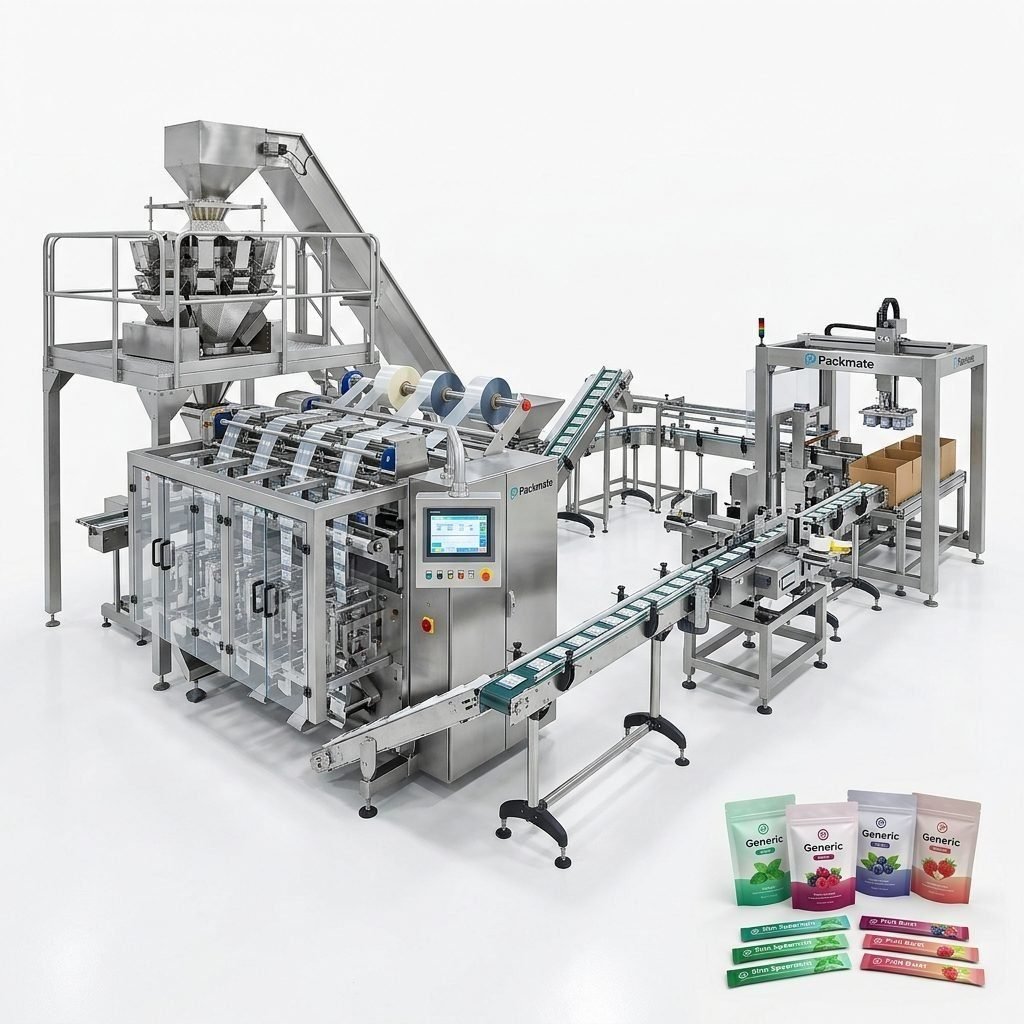
- Custom turnkey packaging solutions for full production lines
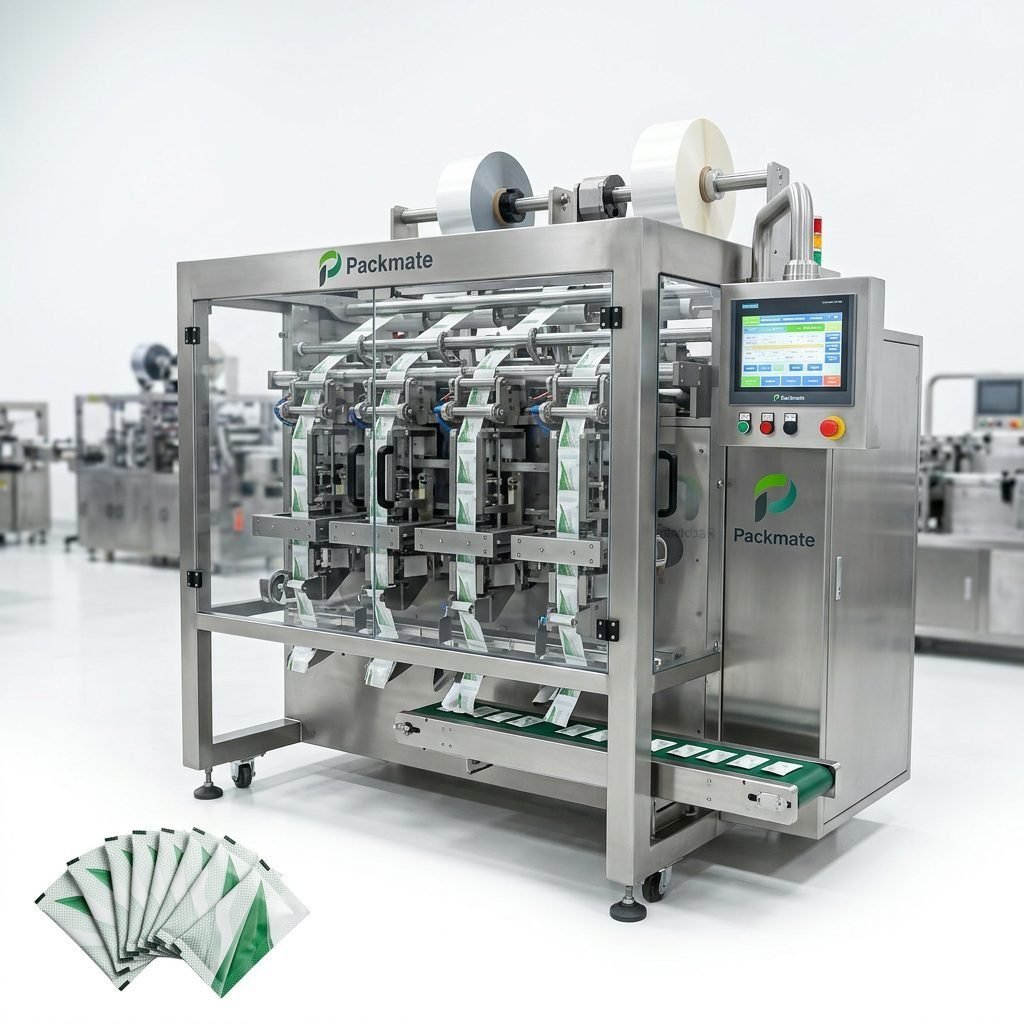
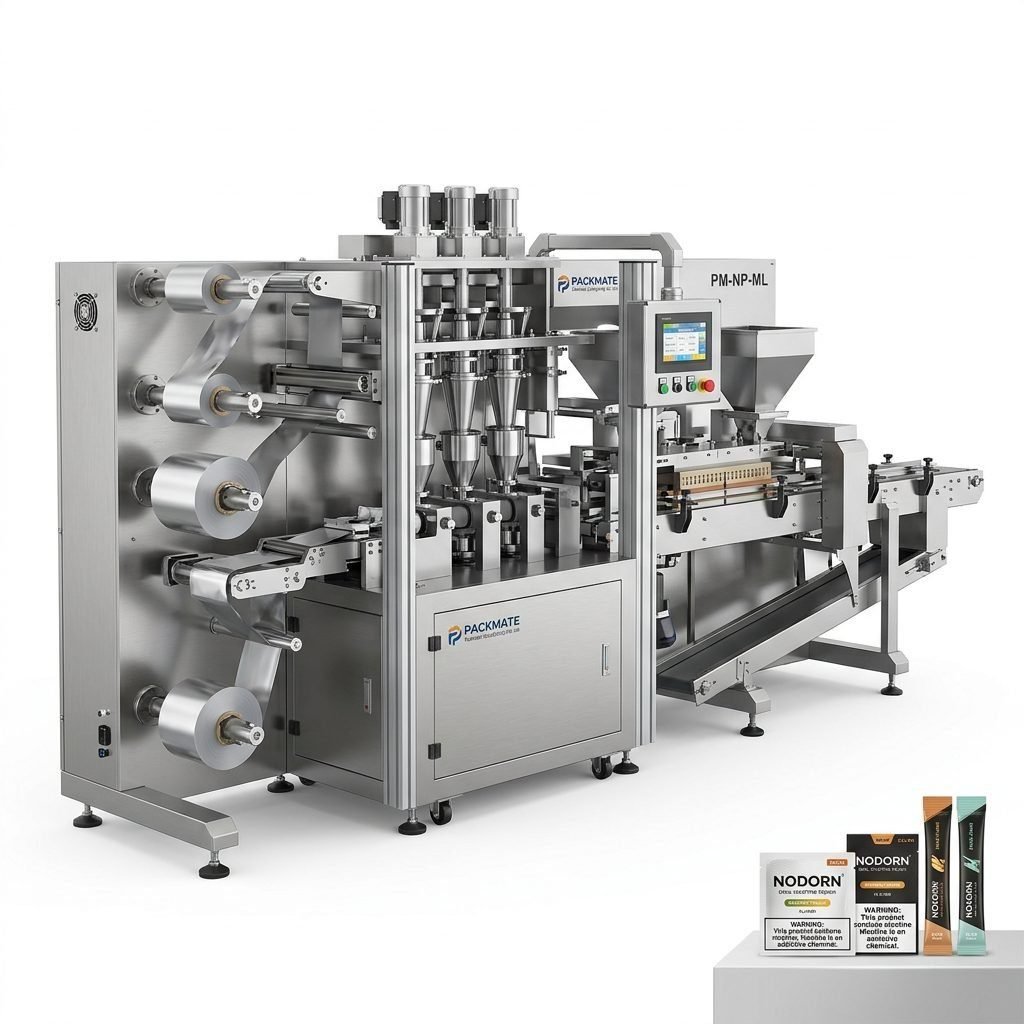
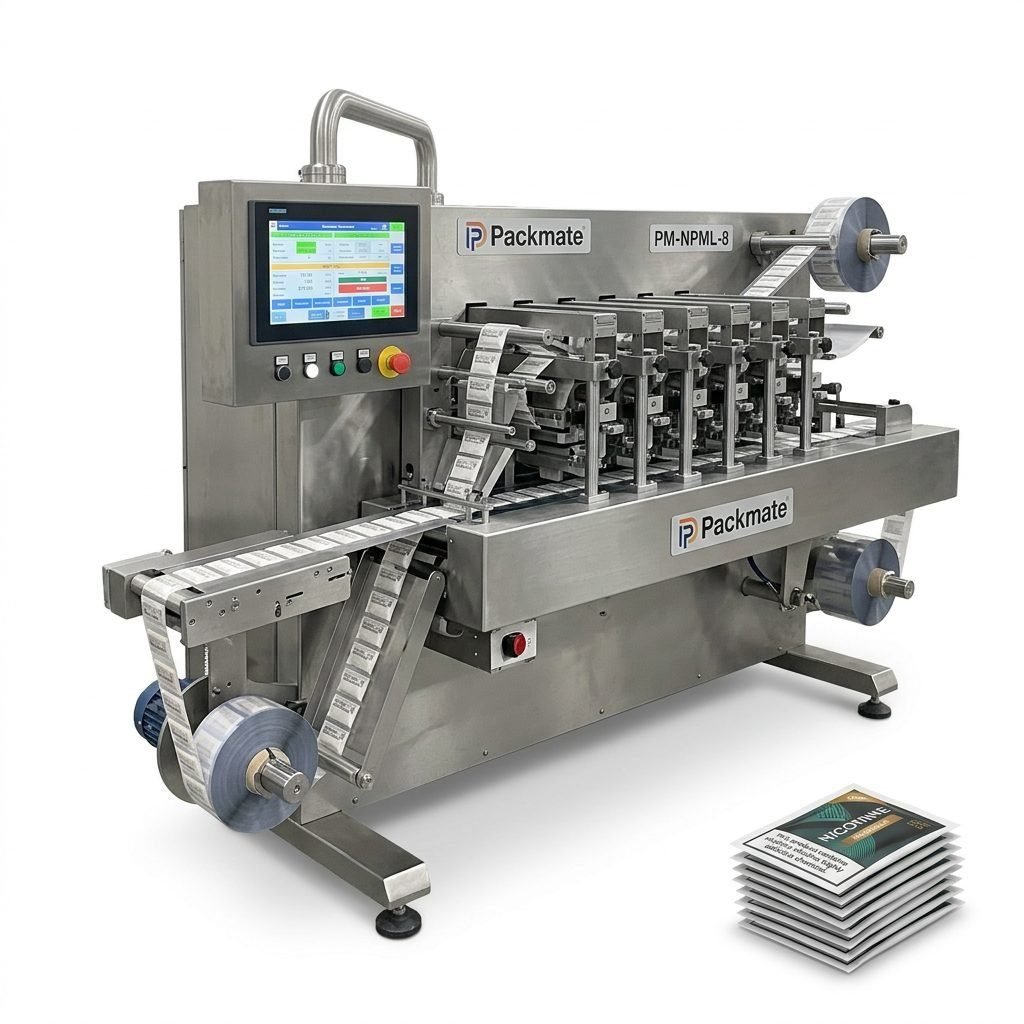
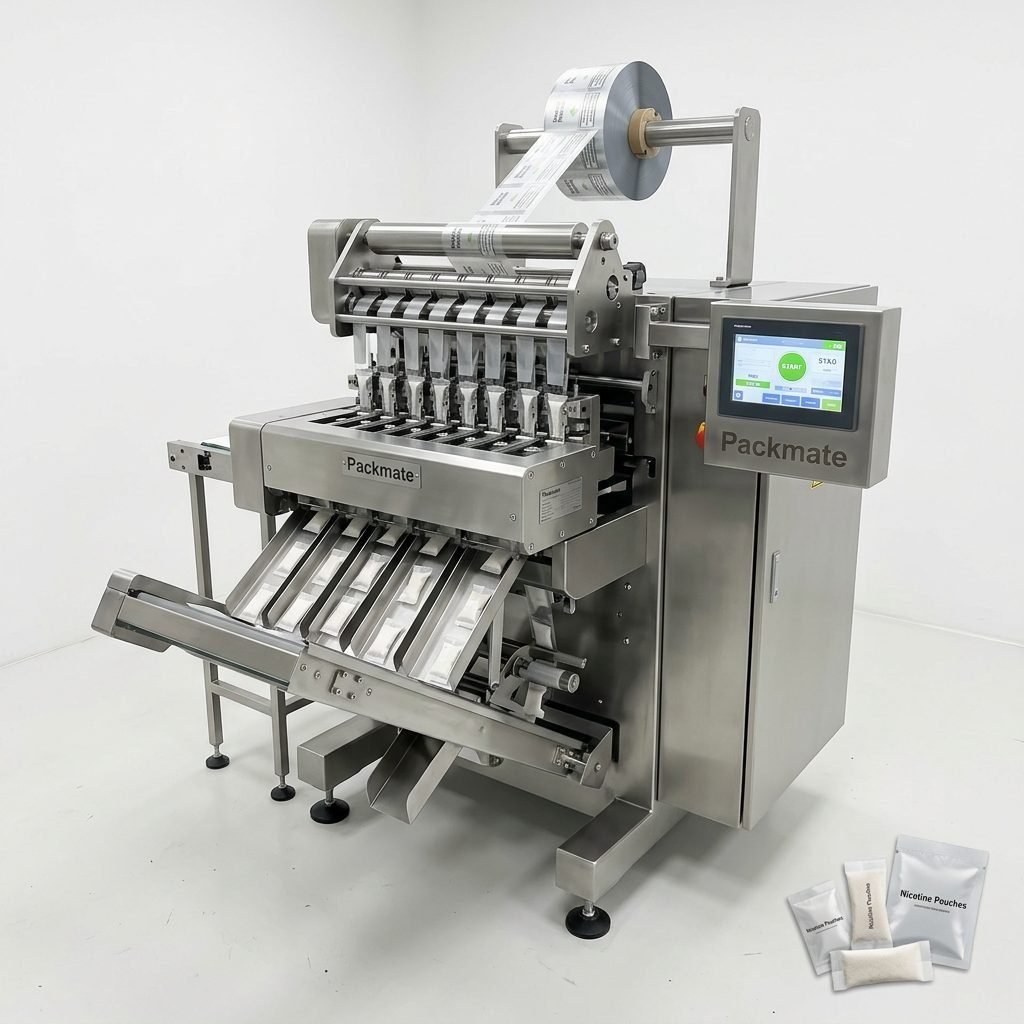
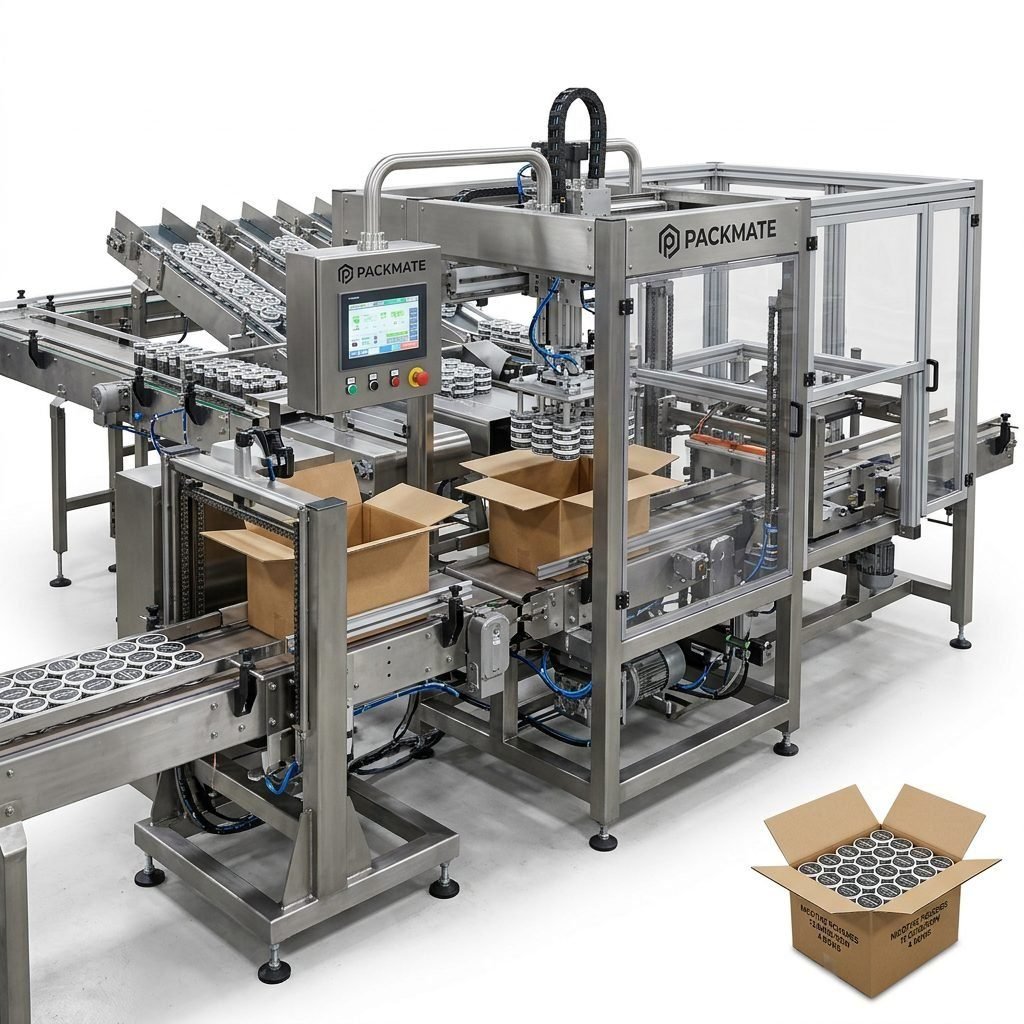
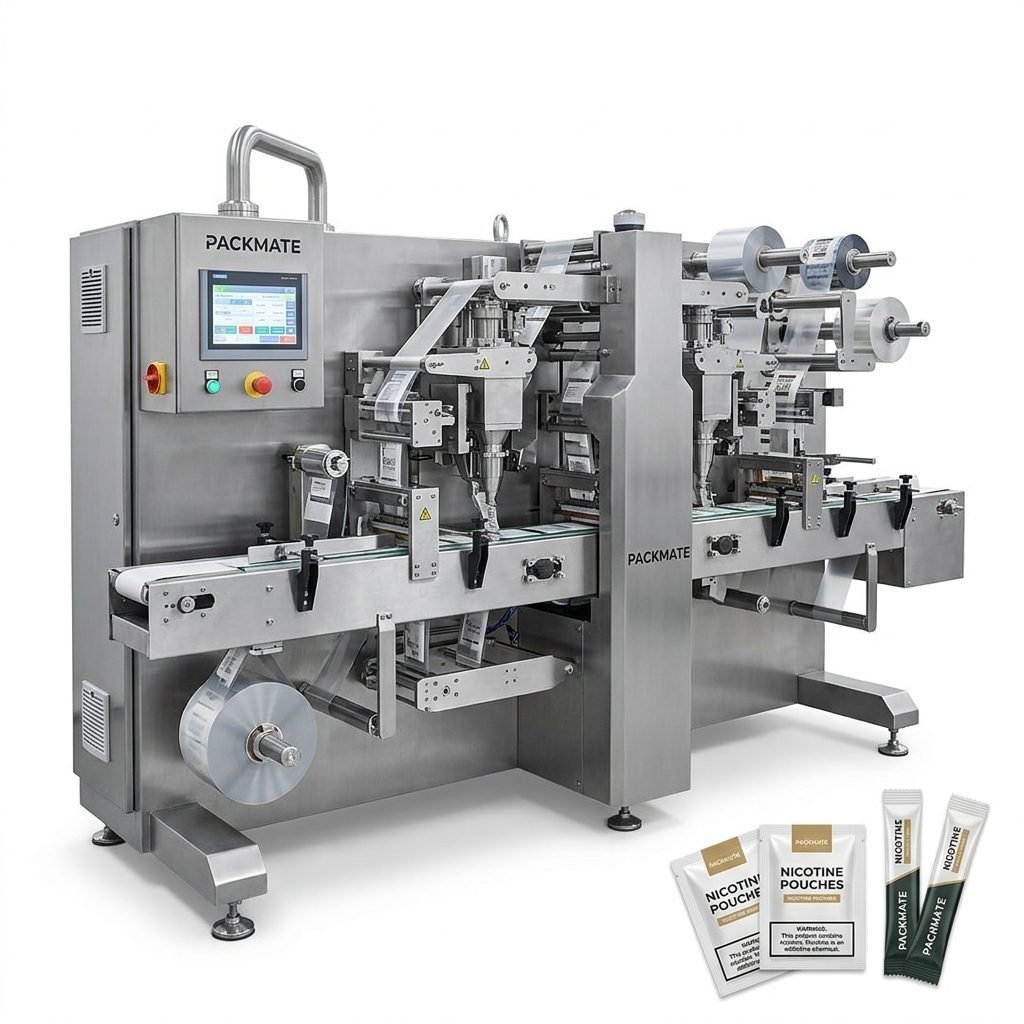
Packmate Snus Machine, for example, lists focused experience in snus packaging with 50+ machine models and turnkey solutions. Reviewing a manufacturer’s product catalog and case studies will reveal whether they have relevant models that match your needs — see their Snus & Nicotine Packaging Machines and Sachet & Stick Pack Machines offerings for reference.
Inspect Manufacturing Quality and Certifications
Manufacturing standards and certifications are tangible indicators of reliability. Ask for proof of CE, ISO, and other relevant certificates — these demonstrate compliance with international safety and quality expectations. A well-equipped factory with advanced CNC centers and precision assembly lines is preferable because it indicates control over key components and tolerances.
No factory visit, no certifications shown, or vague answers about QC processes — these are signs to proceed with caution.
Assess After-Sales Service and Spare Parts Strategy
After-sales support can be the difference between a profitable line and repeated production stoppages. Evaluate response time, remote support capability, and local stocking options for spare parts. For South Africa, confirm customs-friendly paperwork and whether the manufacturer can ship spares quickly or has regional partners.
Packmate emphasizes global support and participation in international exhibitions — reviewing their Our Exhibition and Service pages can give an idea of their client engagement and after-sales approach. Also examine customer case studies to learn how quickly they resolve issues in overseas installations: see Case examples.
Questions to ask about support
• What is the guaranteed response time for technical calls?
• Are engineers available for on-site commissioning in South Africa?
• Does the manufacturer provide remote diagnostics and software updates?
• What is the lead time for critical spare parts?
Compare Total Cost of Ownership (TCO)
The cheapest machine up-front might cost more over its lifetime due to higher maintenance, energy use, or frequent replacement parts. Evaluate:
• Energy consumption and efficiency
• Mean time between failures (MTBF) and maintenance intervals
• Availability and cost of spare parts
• Training costs for local operators and technicians
Request a TCO example from the manufacturer for a 3–5 year run. This should include spare parts, training, and estimated downtime costs.
Verify Customization and Turnkey Capabilities
A manufacturer that can deliver modular machines or full turnkey lines will help you scale over time. Whether you need integrated weighing systems, automated feeding, or complex multi-lane pouch lines, confirm the supplier’s ability to provide drawings, PLC programming, and full line integration.
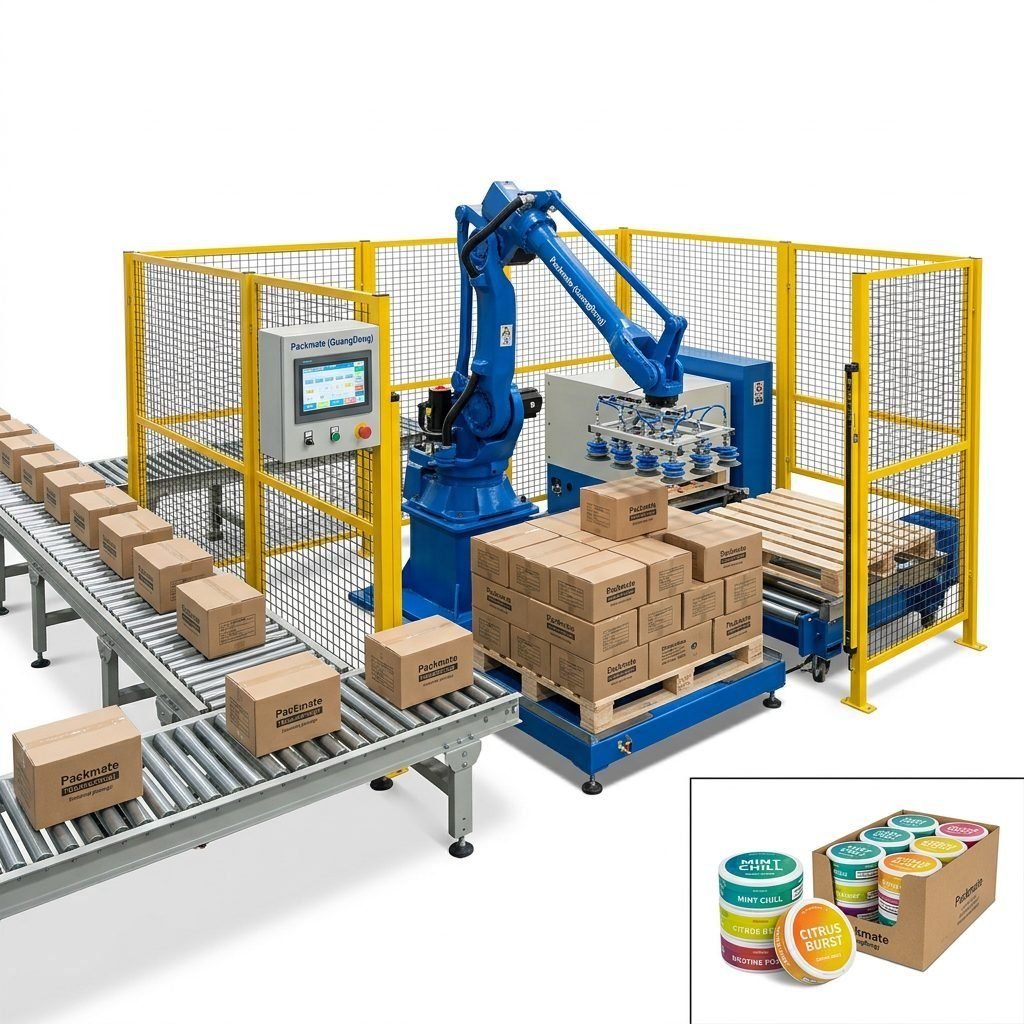
Packmate’s offering of filling & packaging lines and auxiliary equipment is an example of a vendor providing both core machines and supporting systems — review relevant modules on their Filling & Packaging Lines and Auxiliary Packaging Equipment pages.
Request Factory Acceptance Tests (FAT) and References
A FAT or video demonstration proving the machine can run your exact product is essential. Ask for:
• Live demos or recorded runs with similar products
• Client references in similar climates or markets
• Detailed acceptance criteria and a warranty covering functional performance
Insist on a written FAT report and video evidence showing your product at design speed before shipment.
Negotiate Clear Contracts and Intellectual Property Terms
Ensure the purchase contract includes delivery terms (INCOTERMS), acceptance criteria, warranty scope, and spare parts lead times. If your formulations or tooling are proprietary, include confidentiality and IP usage clauses in the agreement.
Plan for Installation, Training, and Local Certification
Arranging professional installation and operator training minimizes startup risk. Verify the manufacturer’s capability to provide on-site commissioning in South Africa or remote support that includes step-by-step commissioning guides. Also confirm what documentation they provide for local regulatory compliance and customs clearance.
On-the-ground considerations
• Ensure electrical specs match local supply (380V/400V three-phase or single-phase requirements).
• Confirm noise and ventilation requirements for the factory floor.
• Plan operator training schedules and spare-part kits to be kept on-site.
A comprehensive vendor will provide a commissioning checklist, operator manuals, and a recommended stock list of consumables and wear parts.
Make the Decision: Scorecard Approach
Use a simple scorecard to compare shortlisted manufacturers. Suggested criteria and weights:
- Machine performance & suitability — 30%
- Quality & certifications — 20%
- After-sales & spare parts — 20%
- TCO & financing options — 15%
- References & FAT results — 15%
Scoring helps you move beyond sales claims to quantifiable comparisons. Prioritize vendors that score well across reliability, support, and documented performance rather than only price.
Useful Links and Manufacturer Resources
For detailed product specifications and company background, review manufacturer resources such as their product pages, case studies, and contact pages. Example resources:
Snus & Nicotine Packaging Machines
Contact the Manufacturer to request quotes, FAT videos, and installation options.
Conclusion
Choosing the best snus packaging machine manufacturer for your South African business requires more than price comparison. Prioritize manufacturers who demonstrate domain experience (snus, nicotine pouch lines), international certifications, robust factory capabilities, proven after-sales support, and clear FAT documentation. Factor in local logistics and the preferences of South African buyers — durability, parts availability, and effective training will ensure long-term profitability and minimal downtime.
Frequently Asked Questions (FAQs)
Q1: How important are certifications like CE and ISO when buying a snus packaging machine?
Certifications signal that the manufacturer follows international safety and quality standards. They reduce the risk of equipment not meeting electrical safety, mechanical safety, or material traceability expectations — all important for reliable long-term operation.
Q2: Can a manufacturer support multi-lane snus pouch production for small-dose products?
Yes. Experienced manufacturers offer multi-lane systems designed specifically for small-dose pouches. These systems boost throughput but require precise synchronization and professional commissioning.
Q3: What spare parts should I stock locally in South Africa?
Common critical spares include drive belts, servo components, sealing jaws, sensors, spare PLC modules, and electrical fuses. Your manufacturer should provide a recommended spare parts kit tailored to your machine model and expected run rate.
Q4: How do I validate a manufacturer before purchasing?
Request FAT videos with your product, check references in similar markets, review certifications, and assess their after-sales service policy. If possible, visit the factory or arrange a third-party inspection to verify build quality.
Q5: Where can I find more information on the manufacturer’s product lines?
Explore detailed product pages such as the Snus & Nicotine Packaging Machines, Filling & Packaging Lines, and Case pages to understand the available models and past installations. Contact the supplier directly for catalogs, custom quotes, and FAT scheduling.