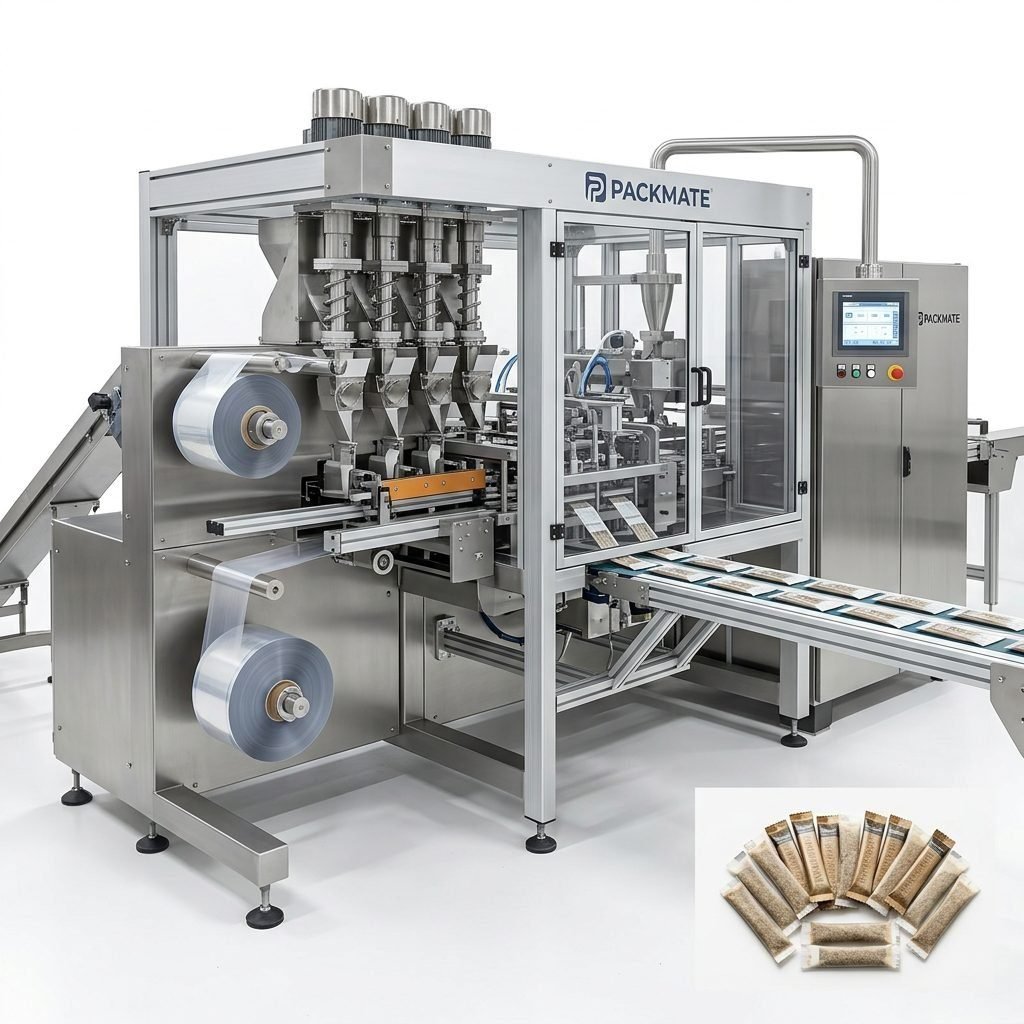
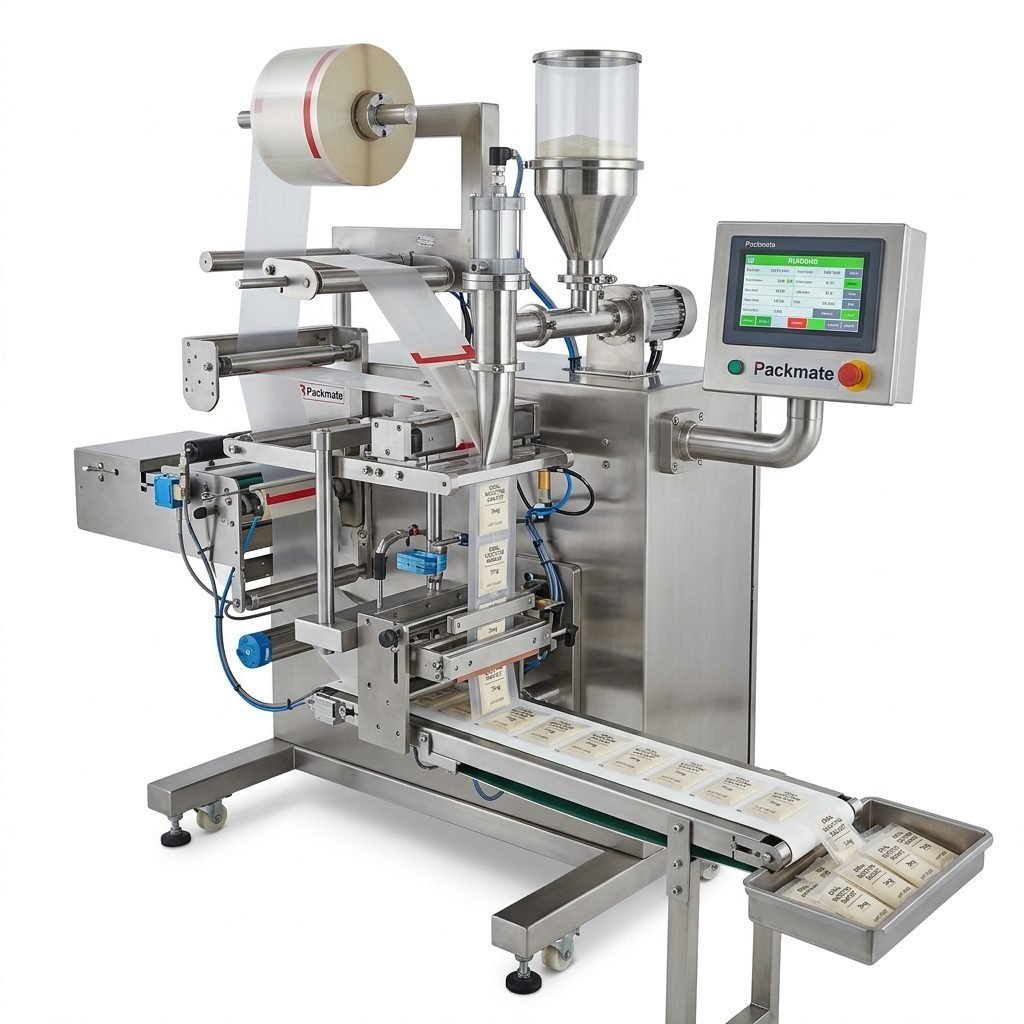
Selecting the right nicotine packaging machinery manufacturer in Italy—or when importing machines into Italy—can determine the success of your product launch, production efficiency, and long-term operational costs. This guide walks you through practical, industry-proven steps to evaluate manufacturers, technical features to demand, and Italy-specific considerations to ensure your investment delivers reliable, compliant, and scalable packaging lines for nicotine pouches, snus-style products, and related items.
Why choosing the right manufacturer matters for the Italian market
Italy is part of the European Union, where tobacco snus is restricted for consumer sale outside Sweden, and regulatory attention on nicotine products is high. Beyond legality, Italian buyers value precision engineering, elegant machine design, and efficient after-sales service. A well-chosen manufacturer will help you:
– Meet European safety & CE expectations. Certification and tested compliance are essential.
– Obtain compact, visually refined machines that suit Italian production floors and aesthetic expectations.
– Minimize downtime by ensuring fast spare-part delivery and local service options.
Key criteria to evaluate any nicotine packaging machinery manufacturer
When comparing vendors, rate them on both technical capability and business suitability. Consider these non-negotiable factors:
🔧 Proven Experience — Years in packaging, industry references, and a record of delivering complete lines for nicotine pouches or similar small-dose products.
✅ Range of Machine Models — Multi-lane, stick pack, sachet, and dedicated snus/nicotine pouch machines to match your capacity and format needs.
⚙️ Manufacturing Capacity — Large factory area, CNC capabilities, and a standardized production process to ensure lead-time reliability.
🛠 After-Sales Support — Spare part supply, remote diagnostics, training, and local service network or partner presence in Italy.
Technical capabilities and recommended machine types
The packaging format you choose (pouch, sachet, stick, multi-lane small-dose pouches) determines the machinery family you need. Prefer manufacturers who offer multiple compatible systems so you can scale or switch formats without complete retooling. Key machine categories to evaluate:
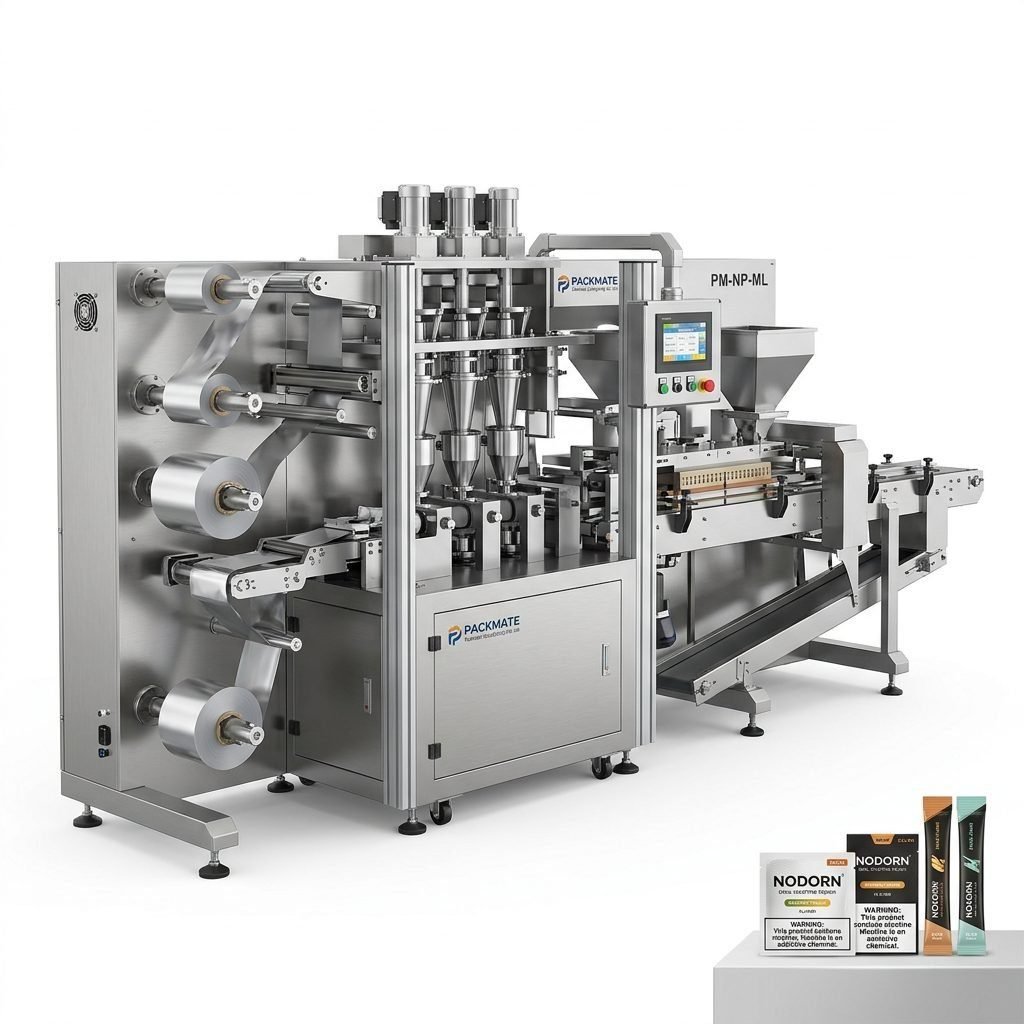
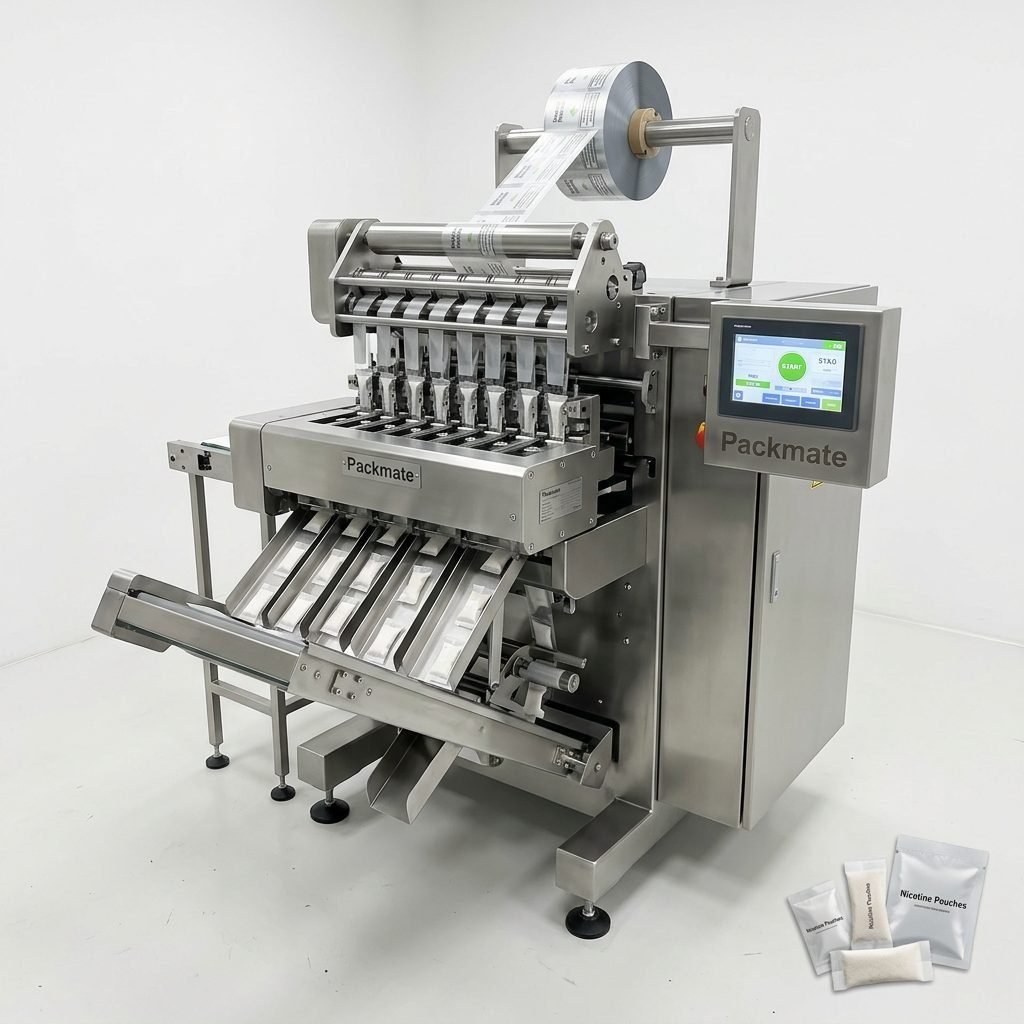
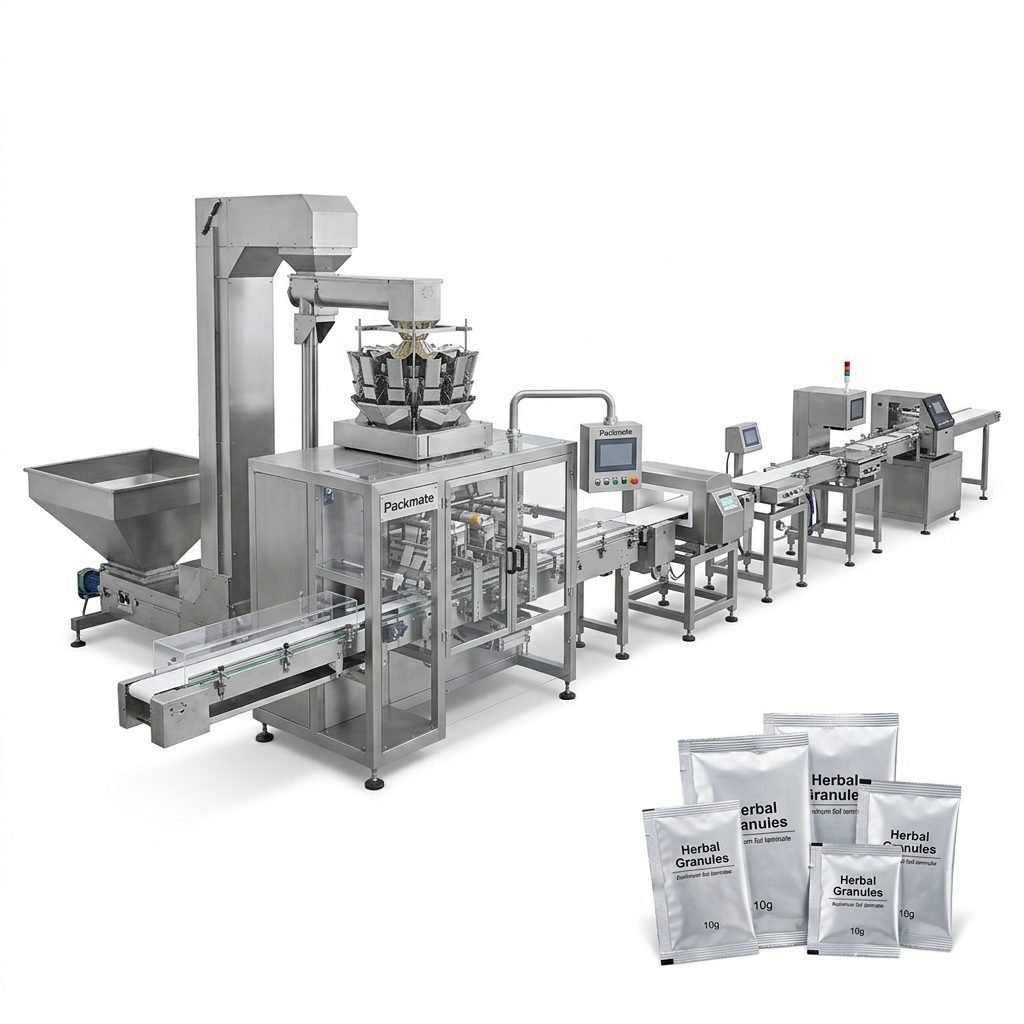
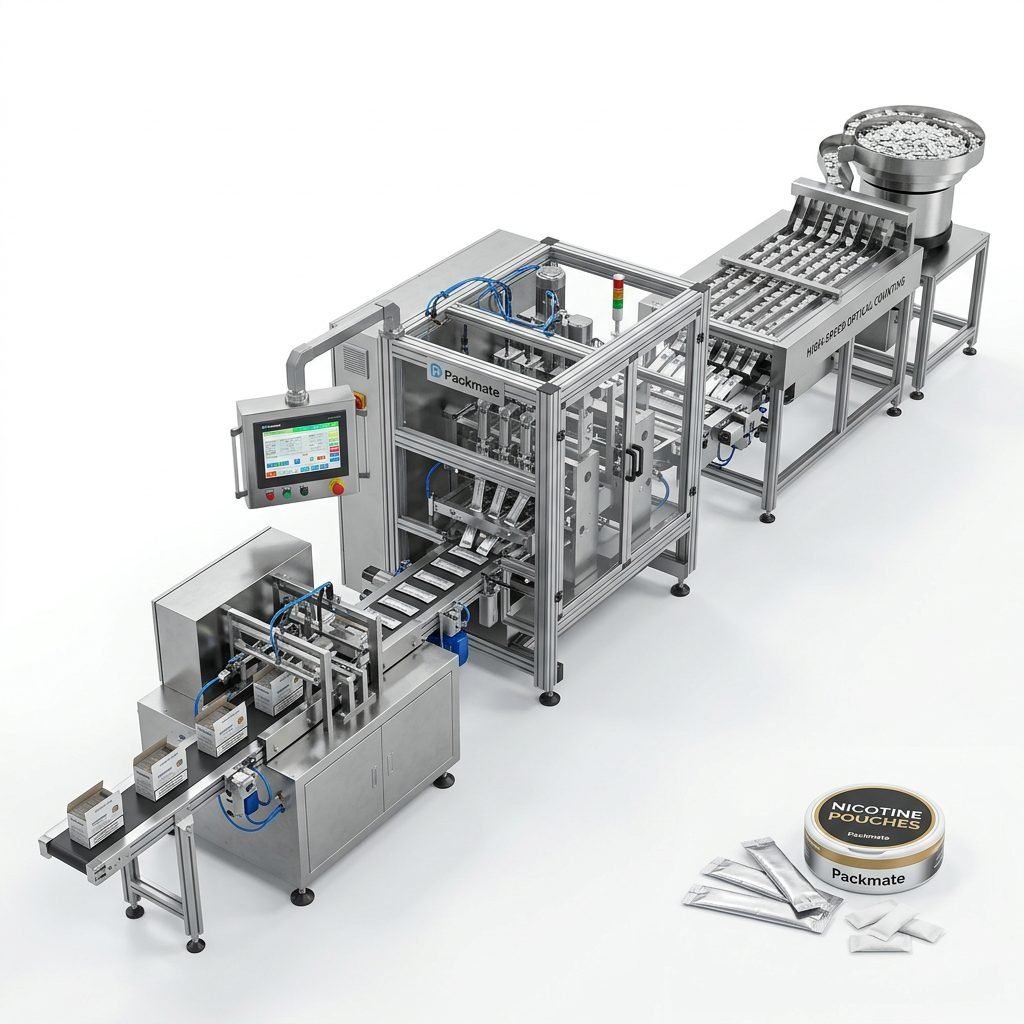
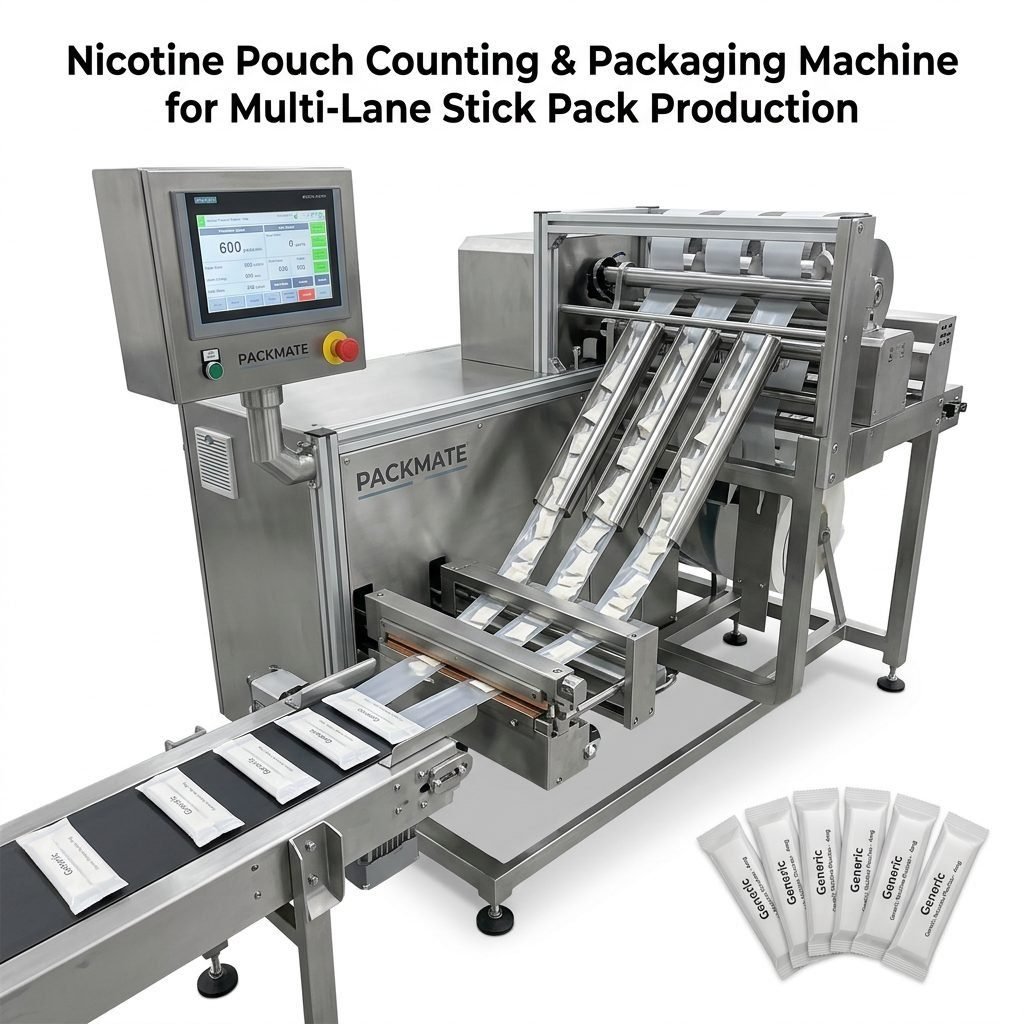
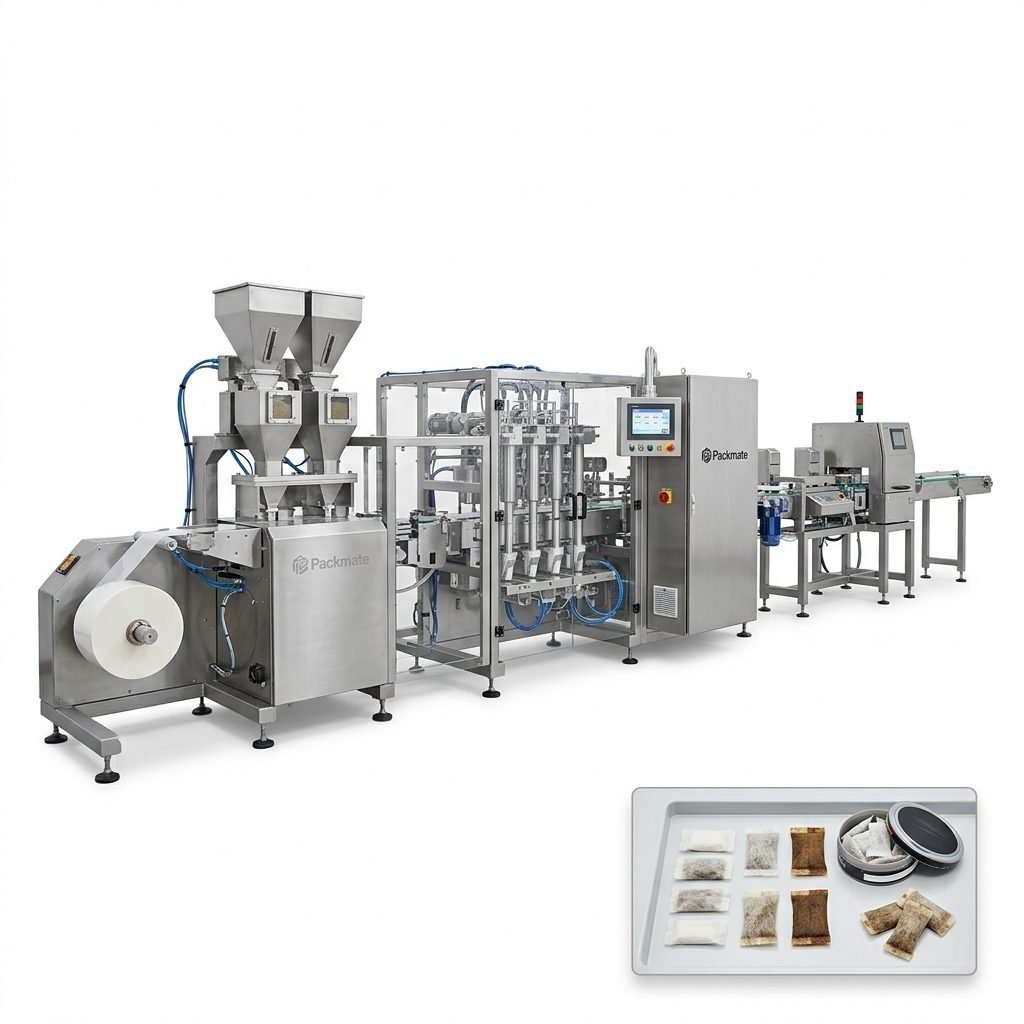
- Snus & nicotine pouch packaging machines — look for specialized designs for small-dose pouches and multi-lane throughput. Product examples
- Bag & pouch packaging machines for primary packaging flexibility. See models
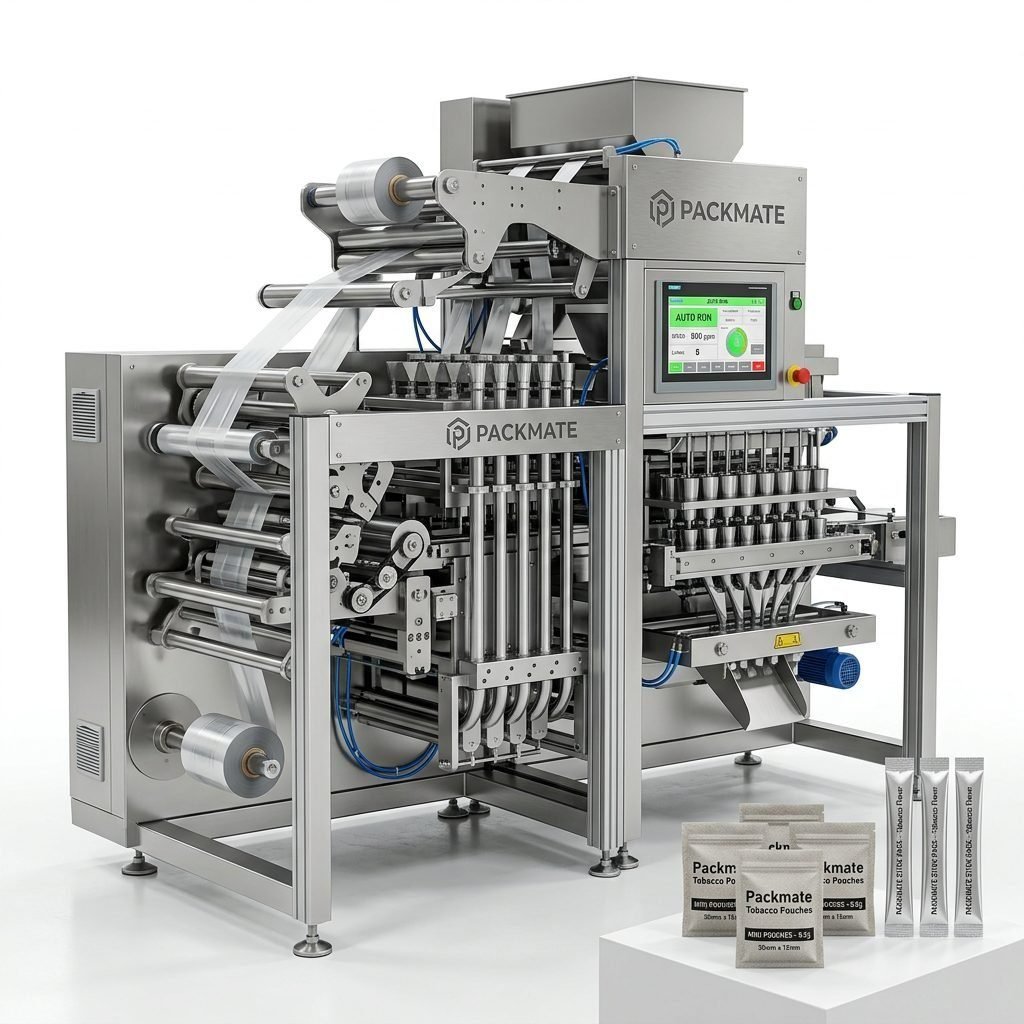
- Sachet & stick pack machines for single-serve or promotional formats. Explore options
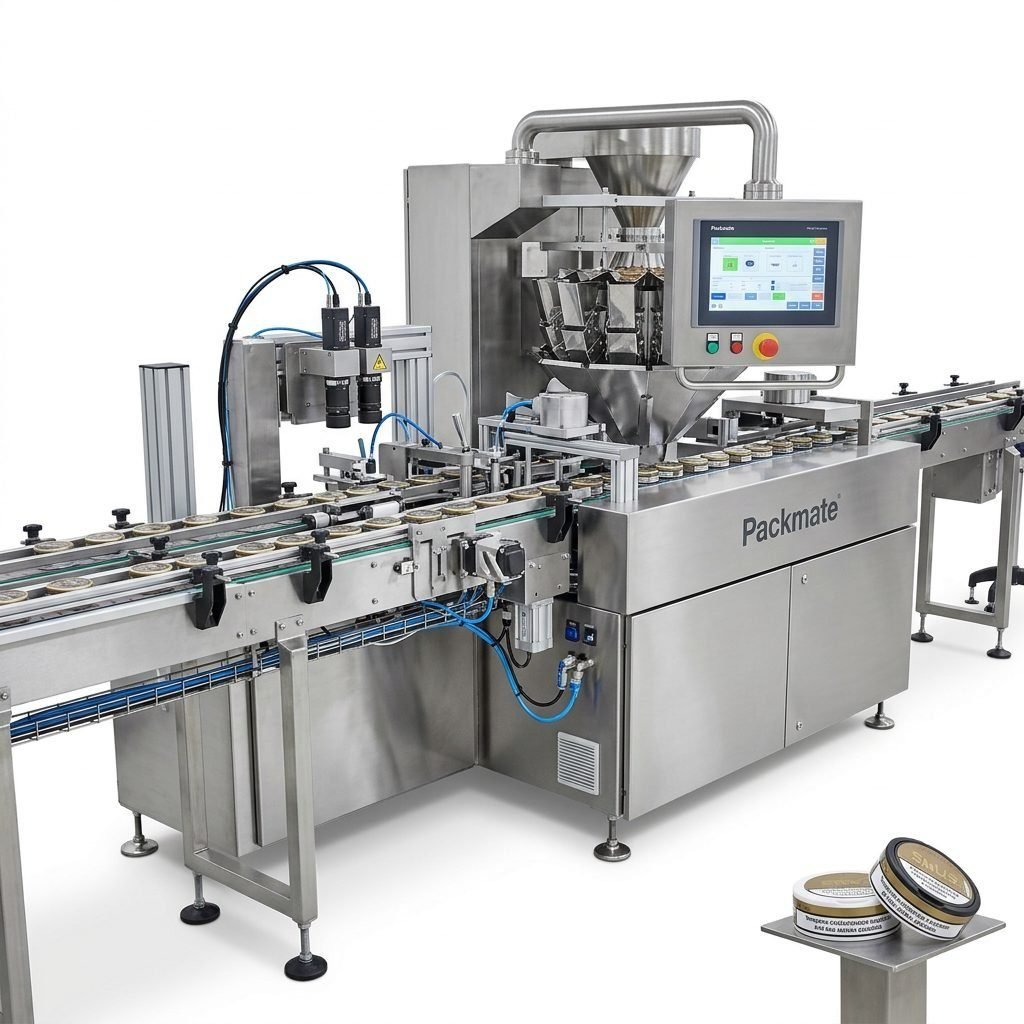
- Weighing & packaging systems to ensure precise dosing for nicotine pouches and to integrate seamlessly with filling lines. Weighing solutions
Quality, certifications, and production strength
Trusted manufacturers will publish evidence of factory strength, certifications, and rigorous testing processes. Check for:
– Factory size and CNC/assembly capabilities — a 20,000㎡ facility with advanced machining centers is a strong sign of capacity and maturity.
– International certifications such as CE and ISO. For details, request the manufacturer’s certificate pack and test reports. Certification examples
Service, spare parts, and training — don’t skimp here
Even the best machine needs timely service. Ask potential vendors for:
- Spare parts lead times to Italy and stock policy for wear parts.
- Remote diagnostics capability and software support for Industry 4.0 integration.
- On-site commissioning, operator training, and comprehensive manuals in English (and Italian if possible).
- Long-term service contracts and options for local partners/dealers in Italy.
For manufacturer service policies and global support examples, view the service and contact pages.
Cost vs. total value — beyond initial price
While initial purchase price matters, compute the Total Cost of Ownership (TCO): energy consumption, spare parts, mean time between failures (MTBF), and operator training. A cheaper machine that requires frequent maintenance will cost more over 3–5 years. Insist on performance metrics like OEE (Overall Equipment Effectiveness) during proposal evaluation.
Factory acceptance and on-site testing
Require Factory Acceptance Tests (FAT) with your product or a very close simulation prior to shipment. After installation, conduct a Site Acceptance Test (SAT) to validate throughput, accuracy, and integration with auxiliary systems. Vendors who attend exhibitions and demos (look for their presence on event lists) demonstrate transparency and confidence—see exhibition records.
How to shortlist and run vendor evaluations — a step-by-step checklist
Follow a structured process to reduce risk and compare apples-to-apples:
- Issue an RFI with product specs, format, target throughput (ppm), and integration requirements.
- Compare proposals for machine footprint, utilities, spare parts, and lead times.
- Request videos of running machines with similar products and ask for client references or case studies. Case examples
- Schedule FAT, verify CE/ISO documentation, and confirm warranty & SLA terms.
- Negotiate acceptance criteria, training scope, and spare parts kits included with the purchase.
🔍 Quick Shortlist Checklist
• 30+ years industry experience or proven multi-lane snus/pouch lines.
• CE/ISO certified equipment and transparent FAT reports.
• Onsite commissioning and Italian-language support options (preferred).
Italy-specific considerations and cultural fit
Italian manufacturers and buyers emphasize craftsmanship, machine aesthetics, and collaborative relationships. When you negotiate or evaluate vendors:
- Expect detailed technical discussions—prepare engineering drawings, P&ID, and product samples.
- Prioritize vendors that can communicate in Italian or provide local partners to reduce delays and misunderstandings.
- Understand regional supply chains—logistics to Italy and EU customs clearance may affect lead times and certifications.
- Consider local service partners for quicker response times; foreign vendors with local agents are often the most practical choice.
Why Packmate-style manufacturers can be a strong choice
Manufacturers with a long history in packaging machinery, large factory footprints, and a wide model range (50+ machine models) offer predictable delivery schedules and customization options. Look for partners who publish:
– A clear company story and development timeline showing continuous R&D.
– Global turnkey solutions and export experience to Europe. Learn more about company background and mission on the About and Mission & Vision pages.
Next steps: how to proceed with vendor engagement
1. Prepare an RFP including production targets, pouch dimensions, dosing accuracy, and required utilities.
2. Shortlist 3 vendors and request FAT videos, references, and a detailed spare-parts list.
3. Visit the factory if possible or request a virtual walk-through to verify CNC capabilities and assembly lines. For direct engagement, use the contact page to schedule demos or factory visits.
📦 Must-have document requests before purchase
• FAT protocol and video of machine running with a similar product.
• Full spare parts list, recommended inventory levels, and delivery lead times to Italy.
• CE/ISO certificates and maintenance manuals in English/Italian.
Final considerations before signing a contract
Ensure payment milestones, delivery timelines, warranty terms, and acceptance criteria are contractually defined. Include clauses for performance guarantees and remedies if the installed line fails to meet agreed throughput or accuracy. If you plan to export machines into Italy from outside the EU, check VAT, customs, and import compliance with local advisors.
For manufacturers who demonstrate long-term commitment, extensive model lines, and global turnkey capability, you gain not only a machine supply partner but a technology partner who can support your product evolution and scaling needs.
Frequently Asked Questions
Q1: Are nicotine pouch machines legal to import and use in Italy?
A1: Regulations vary—while snus (tobacco snus) is restricted in many EU countries, nicotine pouches may be regulated differently. Always consult local regulatory counsel and notify appropriate authorities before launching new nicotine products in Italy.
Q2: What certifications should I insist on?
A2: Request CE and ISO certificates as a minimum. Also ask for FAT documentation, electrical safety tests, and any EU-specific declarations of conformity.
Q3: How important is a factory visit?
A3: Very important. A visit verifies manufacturing quality, CNC capability, assembly practices, and capacity. If travel isn’t feasible, request a live virtual tour and FAT video.
Q4: How many spare parts should I stock?
A4: Minimum spare inventory should include critical wear parts (seals, belts, cutters), sensors, and a small PLC/HMI module. Ask the vendor for a recommended starter kit and forecasted lead times for replacements to Italy.
Q5: Where can I see real examples of installation and performance?
A5: Request case studies and references. Many manufacturers publish installation examples and success stories—review their case pages or exhibition demos to validate claims.