Entering the Ethiopian nicotine pouch or snus market means more than selling a product — it requires a packaging partner who understands product handling, regulatory compliance, and local market habits. Choosing the right nicotine packaging machinery manufacturer will determine your production stability, product quality, and speed to market. This guide walks you through practical steps, technical checks, and local considerations to help you select the best manufacturing partner for your business in Ethiopia. ⚙️📦
Understand the Ethiopian Market and Local Habits
Ethiopia’s consumer landscape is shaped by rapid urbanization, a youthful population, and a strong cultural focus on traditional products. While coffee culture remains dominant, modern urban centers show growing interest in convenience and on-the-go products. When planning production, factor in local tastes, preferred pouch sizes, and packaging aesthetics that resonate with Ethiopian retailers and regulatory labeling requirements. Also keep in mind that import processes and customs clearance can add time — partnering with a manufacturer experienced in international logistics can mitigate delays.
Key Capabilities to Look For in a Manufacturer
Not all packaging suppliers are equal. Seek a manufacturer who demonstrates strong engineering depth, proven machines for nicotine pouch formats, and a track record of turnkey solutions. Important capabilities include:
✅ Multi-format expertise — stick pack, sachet, multi-lane nicotine pouch systems and liquid or powder filling compatibility.
✅ High throughput and scalability — machines that can scale from pilot runs to full production without extensive rework.
✅ International certifications — CE, ISO, and robust quality-control systems to ensure safety and compliance.
✅ After-sales & spare parts — quick parts supply, remote diagnostics, and training programs.
Why factory strength and experience matter
Manufacturers with long-term experience and in-house machining capacity can control quality and customization better. For example, a supplier with 30+ years of engineering experience and a large factory footprint (20,000㎡) typically offers advanced CNC machining, precision assembly lines, and a broad range of models to choose from. These factors translate to more reliable machines, better tolerance control for small-dose pouches, and faster turnaround on custom requirements.
Verify Product Fit: Machine Types and Features
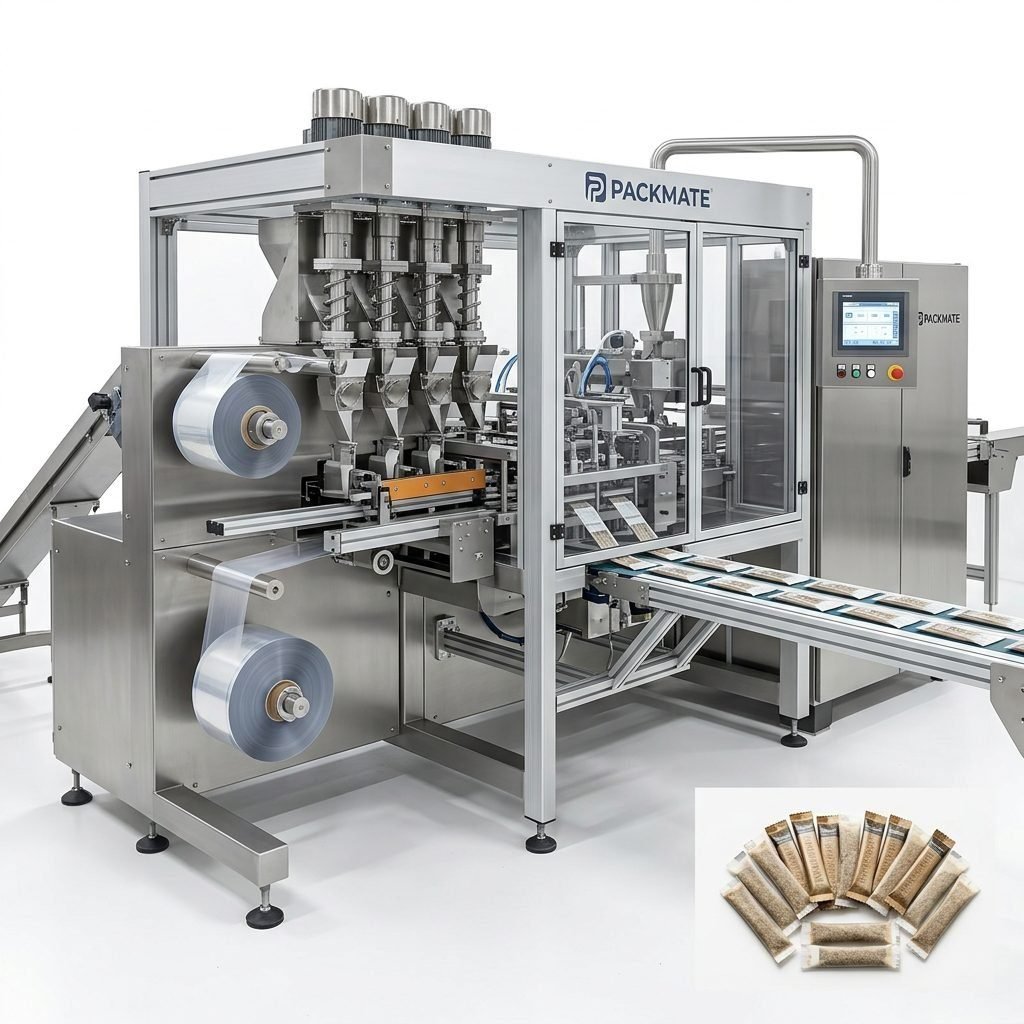
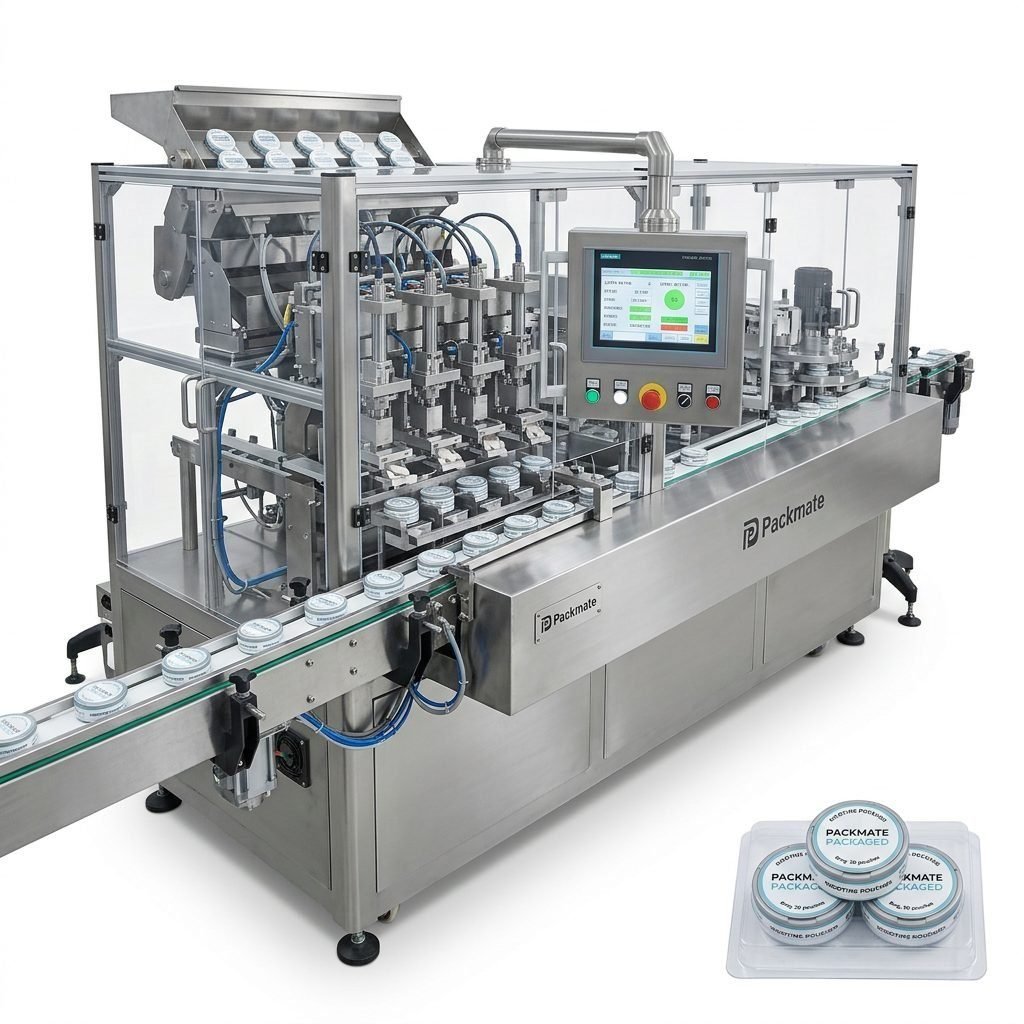
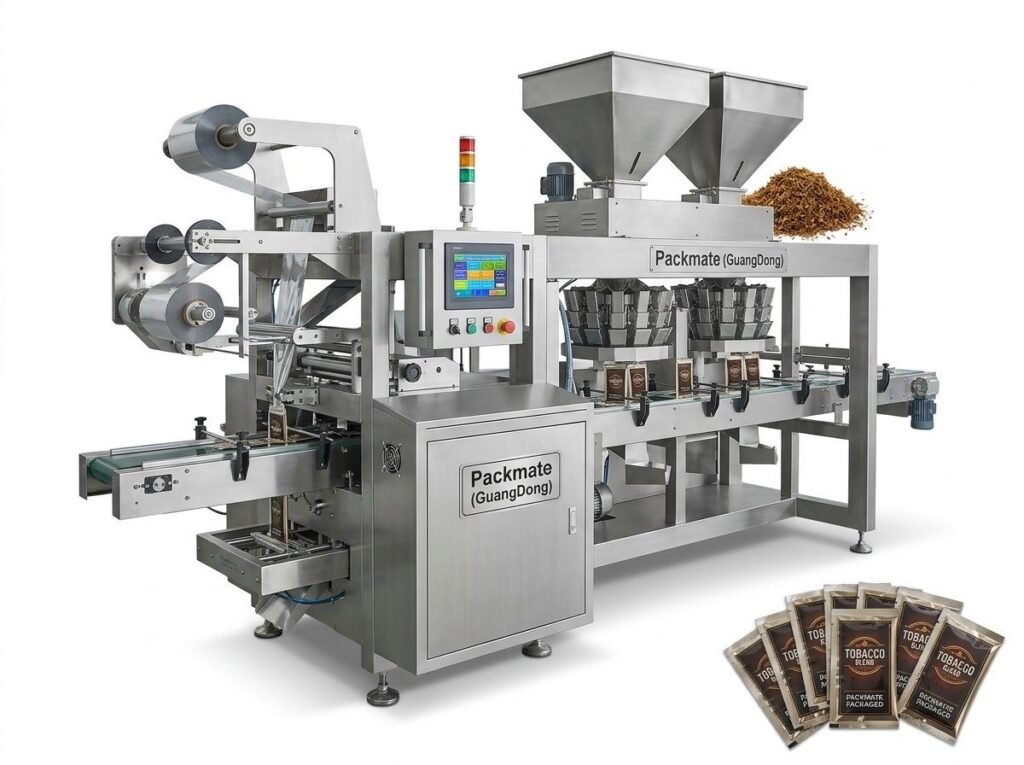
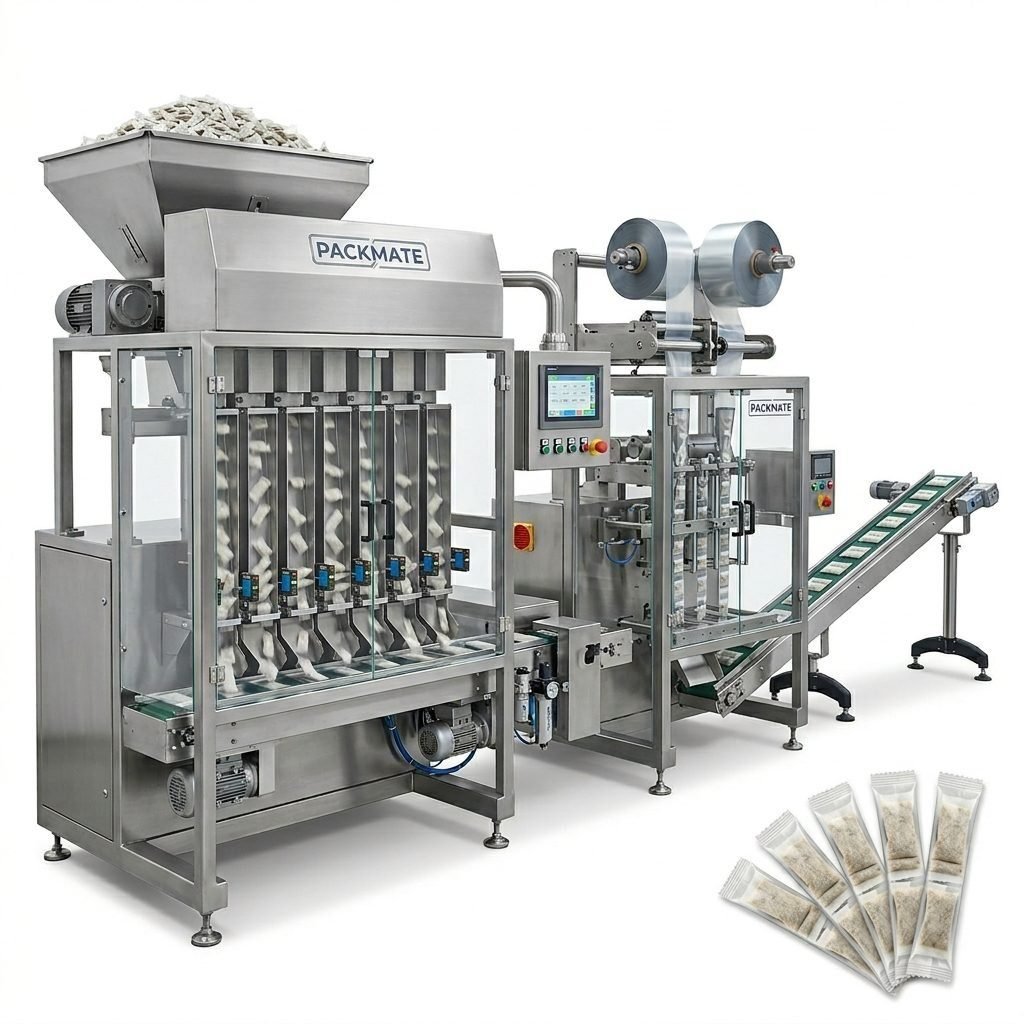
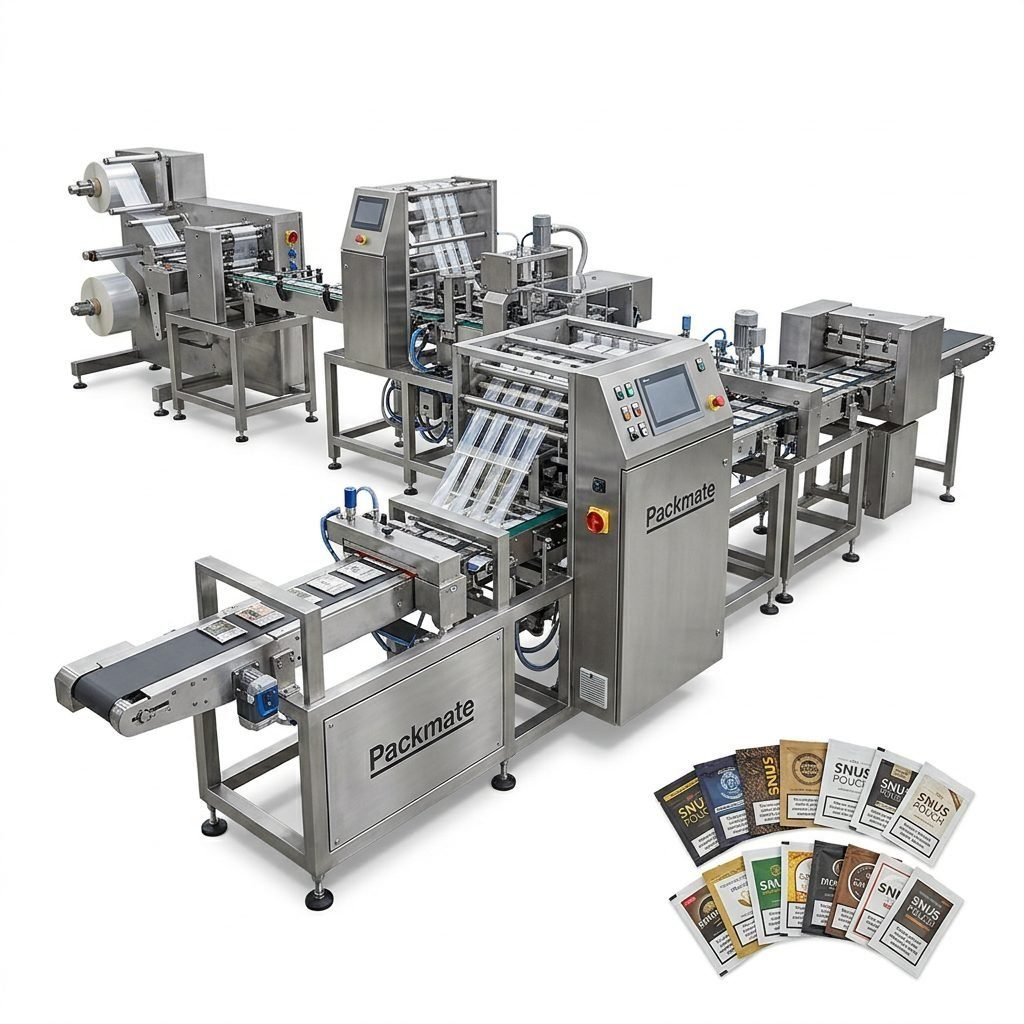
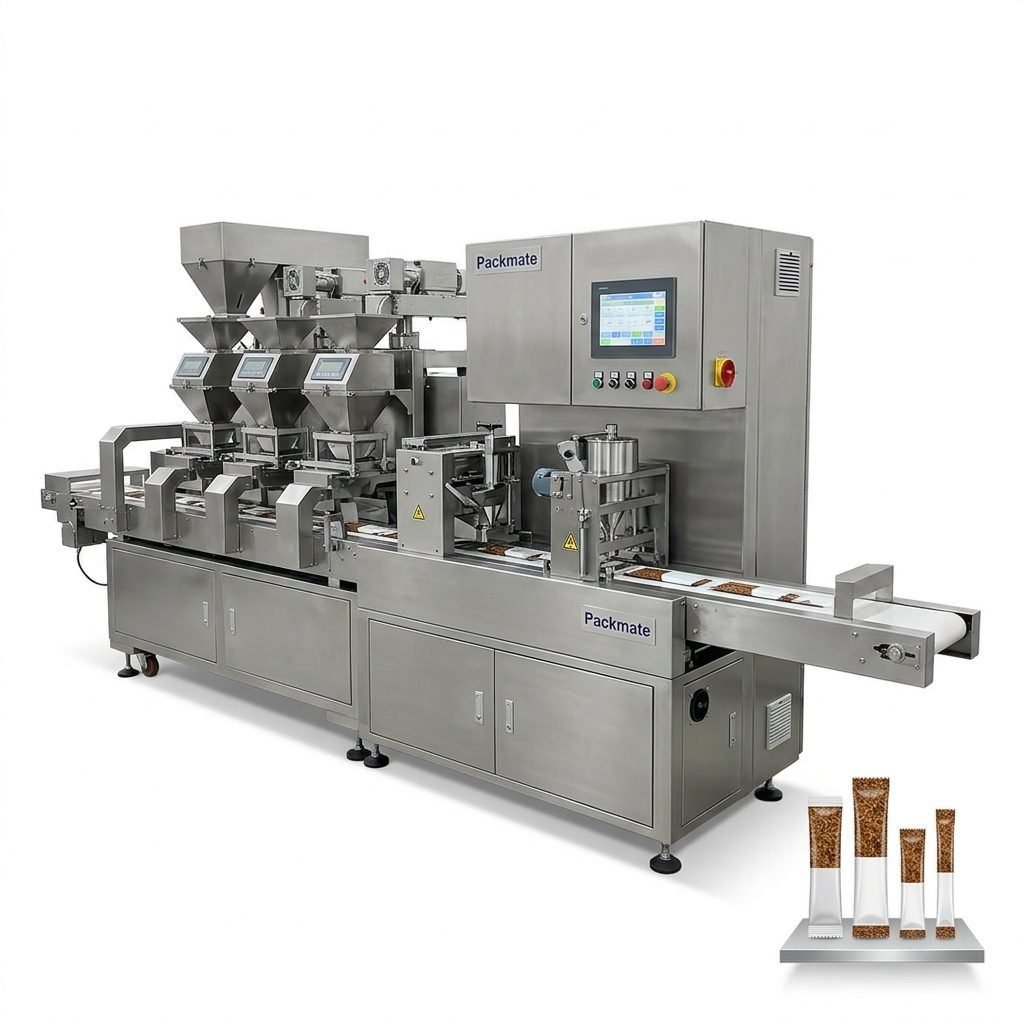
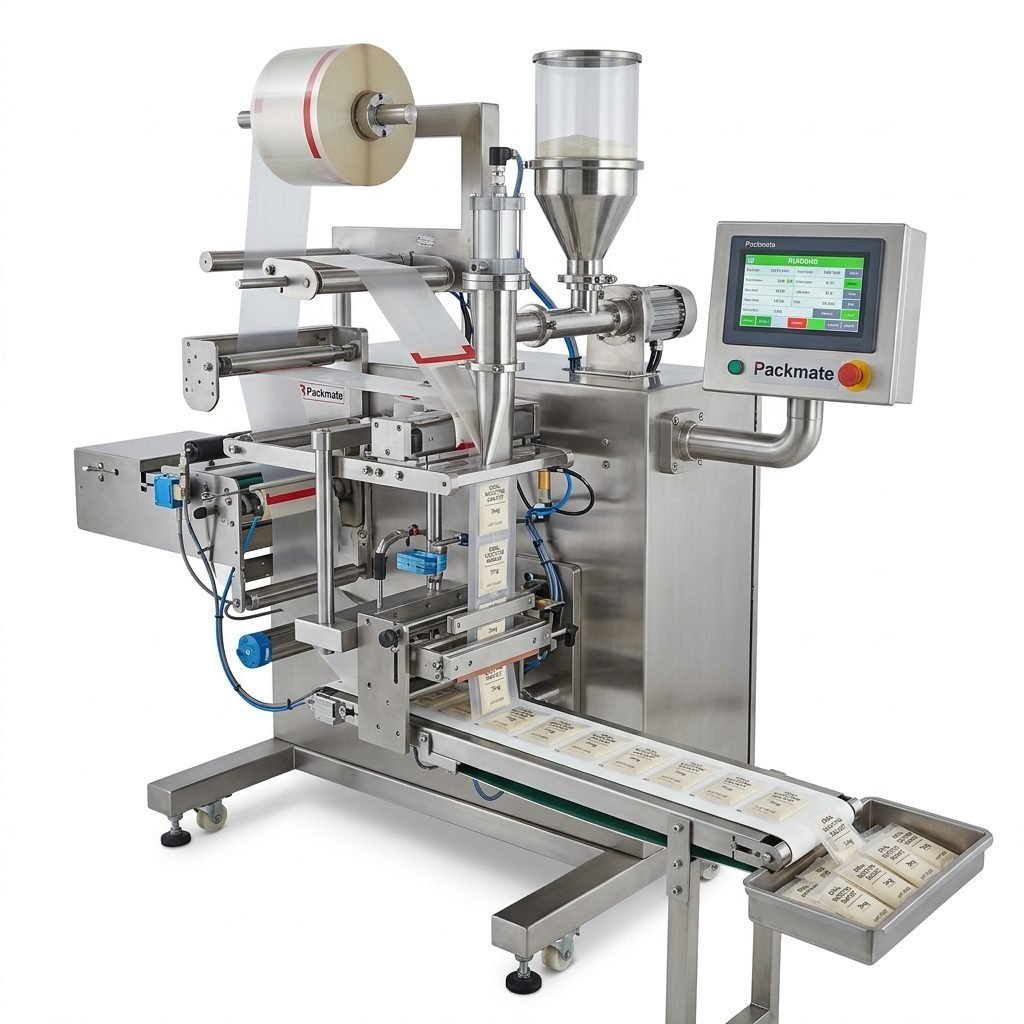
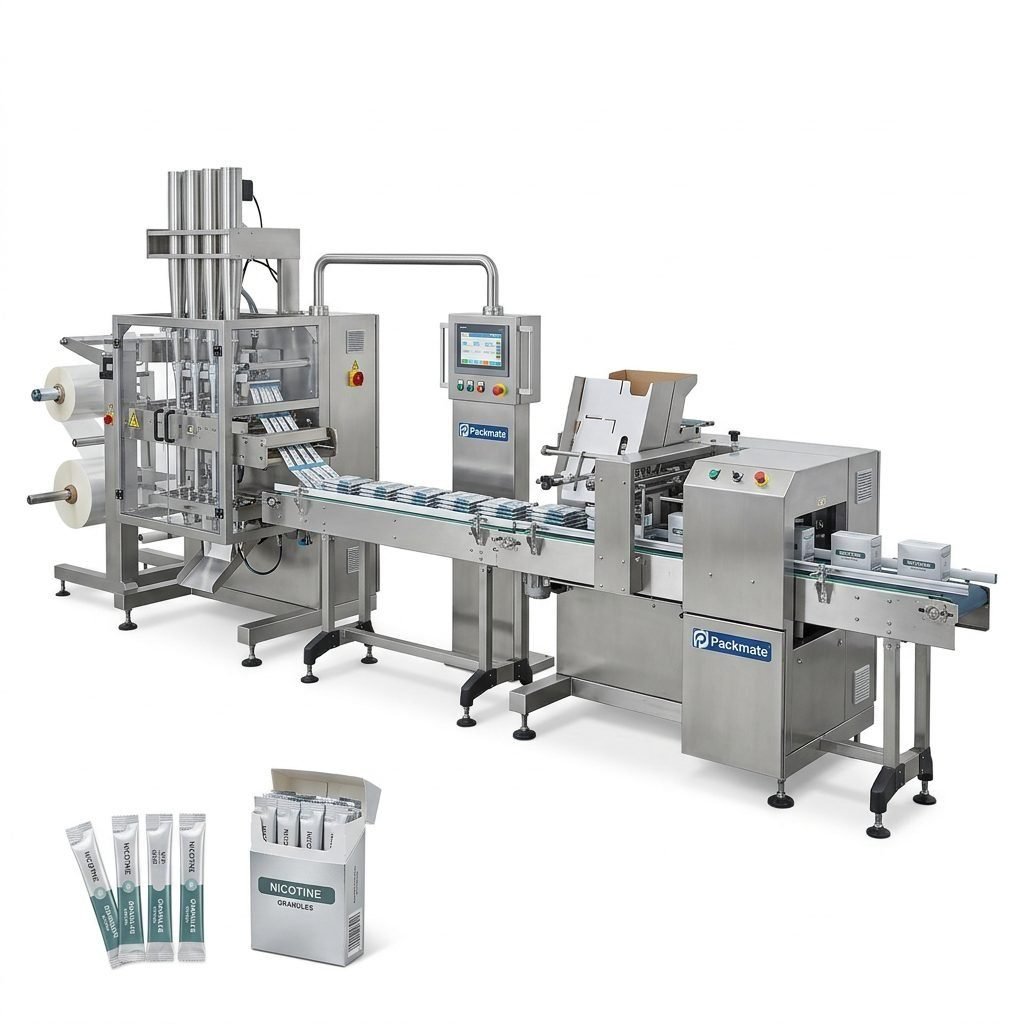
Match the manufacturer’s equipment portfolio to your product specs. Typical nicotine packaging machines you should evaluate include stick pack machines, sachet machines, multi-lane snus pouch lines, and integrated weighing & filling systems. Test samples and ask for machine demonstrations to confirm the packaging format, sealing integrity, and fill accuracy. Consider visiting the manufacturer’s facility or attending an exhibition where machines are displayed live.
For technical reference, review product lines such as Snus & Nicotine Packaging Machines, Sachet & Stick Pack Machines, and Filling & Packaging Lines to compare designs and modules that match your product format.
Quality & Compliance Checks
Quality assurance is non-negotiable for nicotine products. Confirm the manufacturer adheres to international standards and can provide documentation (CE, ISO certificates). Ask for inspection reports, material traceability, and factory acceptance test (FAT) videos. Manufacturers that publish third-party certificates and have exhibition presence typically prioritize compliance and transparency.
Recommended verification steps
⚙️ Request FAT videos and run-off samples;
🔍 Check CE / ISO documentation and audit trail for key components;
📦 Validate sealing integrity, pouch weight accuracy, and line OEE data;
🔧 Review spare parts lead times and on-site support plans.
Service, Training and Spare Parts
A well-built machine needs reliable after-sales. Confirm the manufacturer provides:
– Remote technical support and PLC/servo parameter guidance.
– On-site commissioning and operator training to ensure smooth start-up.
– Spare parts kits and clear part numbering to avoid long downtimes.
– Preventive maintenance schedules and service contracts.
Customisation & Turnkey Solutions
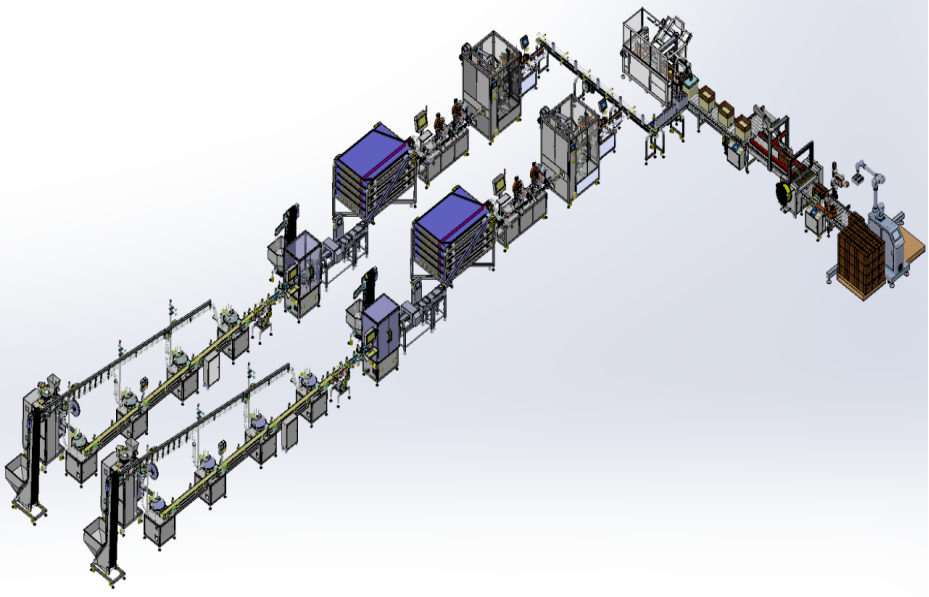
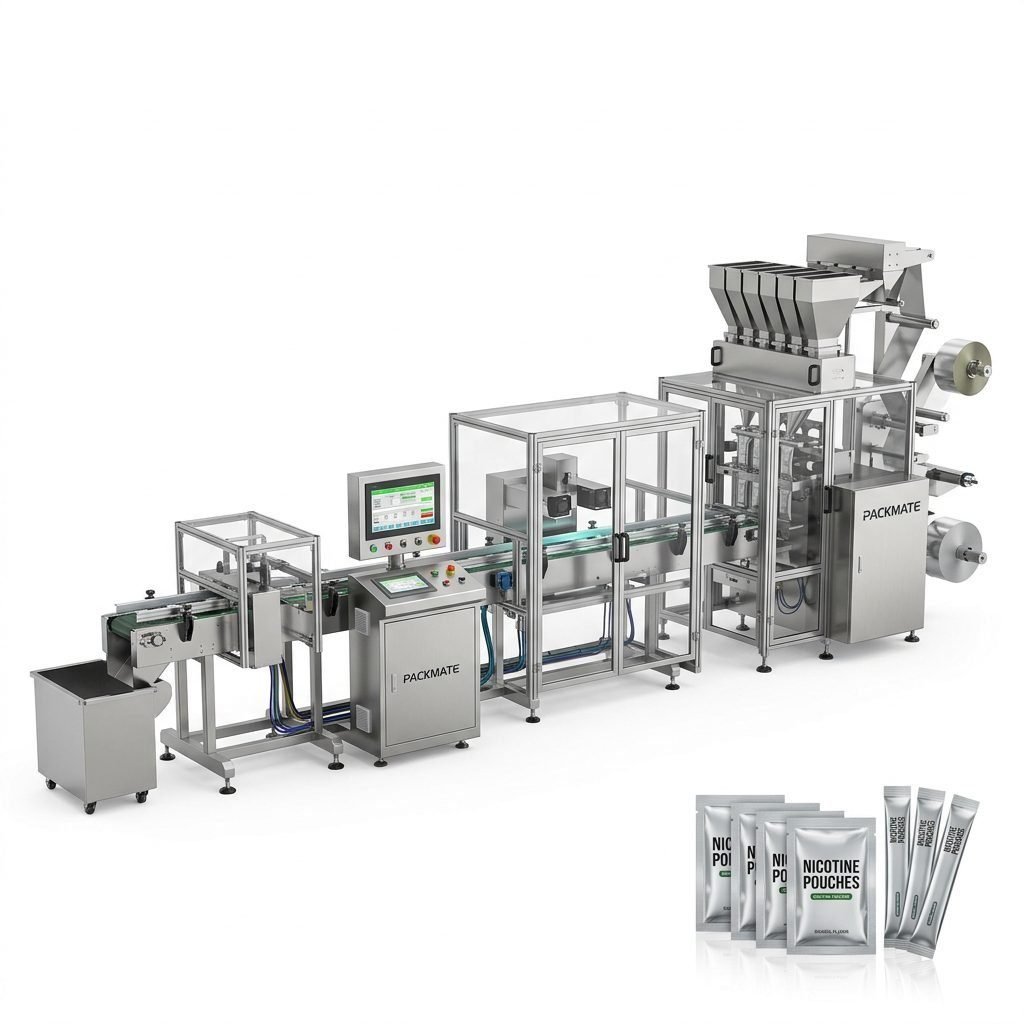
Your product specifications and packaging artwork might require custom tooling, labeling systems, or multi-lane arrangements to reach target throughput. Choose a manufacturer that offers turnkey lines — integrating weighing, pouch forming, filling, sealing, date coding, and secondary packing. Turnkey suppliers reduce integration risks and accelerate time-to-market. Explore examples and case studies on the manufacturer’s site to evaluate their turnkey experience.
Learn more about practical turnkey implementations and case references at Case and the company overview at About Packmate.
Practical Procurement Checklist
🔎 Technical specs — confirm fill accuracy, sealing temp ranges, and compatible pouch materials.
📈 Throughput & scalability — requested speed and future expansion lanes.
💼 Compliance — CE/ISO and export documentation for Ethiopia.
🚚 Logistics — shipping terms (EXW, FOB), lead time, and customs handling.
🛠 Service — warranty, spare part stock, and remote support response times.
Cost vs. Value: What to Prioritize
While initial capital cost matters, prioritize total cost of ownership: uptime, energy efficiency, durability of wear parts, and ease of maintenance. A slightly higher upfront investment in robust automation can deliver lower labor costs, reduced waste, and higher consistency — important for regulated nicotine products. Ask for sample ROI calculations from the manufacturer based on your planned shifts, uptime targets, and yield percentages.
Local Regulations and Import Considerations
Ethiopia has its own regulatory framework for tobacco and nicotine-related products that can affect labeling, ingredient disclosure, and import permits. Before finalizing a purchase:
– Consult with local legal counsel or a regulatory consultant to confirm product registration requirements.
– Ensure packaging machines can support mandatory labeling languages, batch codes, and excise stamp application where needed.
– Plan for import duties, customs inspections, and electrical standards to avoid rework.
Factory Acceptance & Installation
Insist on a Factory Acceptance Test (FAT) and detailed installation plan. A FAT should run your product on the line, demonstrating target speeds and packaging quality. For installation in Ethiopia, confirm the manufacturer provides:
– Comprehensive installation documentation and wiring diagrams.
– On-site commissioning team or accredited local partner for start-up.
– Training for operators and maintenance staff.
How to Evaluate Manufacturer Reputation
Reputation comes from verifiable projects and long-term customer relationships. Look for references in similar markets, exhibitions attendance, and public case studies. Reliable manufacturers frequently demonstrate equipment at trade shows and publish customer success stories. Check reviews, request references, and if possible, visit a current customer site. For product and exhibition insights, review Our Exhibition and product catalogs to compare solutions.
Top Technical Features to Confirm
When you evaluate machine specs, make sure the following are clearly addressed:
⚙️ Servo-driven controls for precise dosing and consistent pouch formation;
⚙️ Hygienic design and easy-clean access points for nicotine handling;
⚙️ Quick-change tooling to switch flavors, sizes and lane counts;
⚙️ Integrated weighing & packaging synchronization for minimal giveaway.
Sample Purchase Timeline
A typical procurement and deployment timeline for a nicotine pouch production line may look like:
0–4 weeks: Technical selection, RFQ and commercial negotiation.
4–12 weeks: Design finalization, tooling, and factory scheduling.
12–18 weeks: FAT, sample validation and documentation.
18–26 weeks: Shipping, customs clearance, installation and commissioning in Ethiopia.
Final Checklist Before You Sign
Ensure the contract includes lead times, payment terms, warranty conditions, spare parts availability, training scope, and clear acceptance criteria for the FAT and on-site commissioning. Ask for a parts list, recommended consumables, and an escalation matrix for critical failures.
Why Packmate Snus Machine is a Candidate to Consider
A manufacturer with over 30 years of engineering experience, a 20,000㎡ factory, and a broad machine portfolio offers credible advantages: diverse machine models (50+), advanced CNC & assembly systems, and experience supplying turnkey lines globally. When evaluating suppliers, look for similar strengths and verify references and in-field performance data.
Useful product links
For product matching and deeper technical comparison, review category pages such as Bag & Pouch Packaging Machines and Weighing & Packaging Systems.
Conclusion
Selecting the right nicotine packaging machinery manufacturer for Ethiopia means balancing technical fit, compliance, serviceability, and proven experience. Emphasize certifications, FAT validation, spare parts logistics, and local regulatory readiness. A strong manufacturing partner will offer clear documentation, on-site commissioning, and the flexibility to scale — essential elements for a successful product launch and sustained operations in the Ethiopian market.
Frequently Asked Questions
Q1: What documents should I request before purchasing?
Ask for CE/ISO certificates, FAT videos, sample run reports, BOM and parts lists, warranty terms, and references of current customers in similar markets.
Q2: How important is on-site commissioning?
On-site commissioning ensures machine calibration to local conditions, operator training, and quick troubleshooting — highly recommended for complex lines.
Q3: Can manufacturers help with regulatory labeling for Ethiopia?
Many experienced manufacturers can support label printing integration and advise on packaging workflows, but you should confirm local regulatory details with a local consultant.
Q4: What spare parts are critical to keep in stock?
Keep wear parts, sealing jaws, belts, pumps, sensors, and an electronic spare kit (PLC modules, drives) on hand to reduce downtime.
Q5: Where can I see real machine examples and case studies?
Visit manufacturer case pages and exhibitions for live demos; see Case and Our Exhibition for examples.