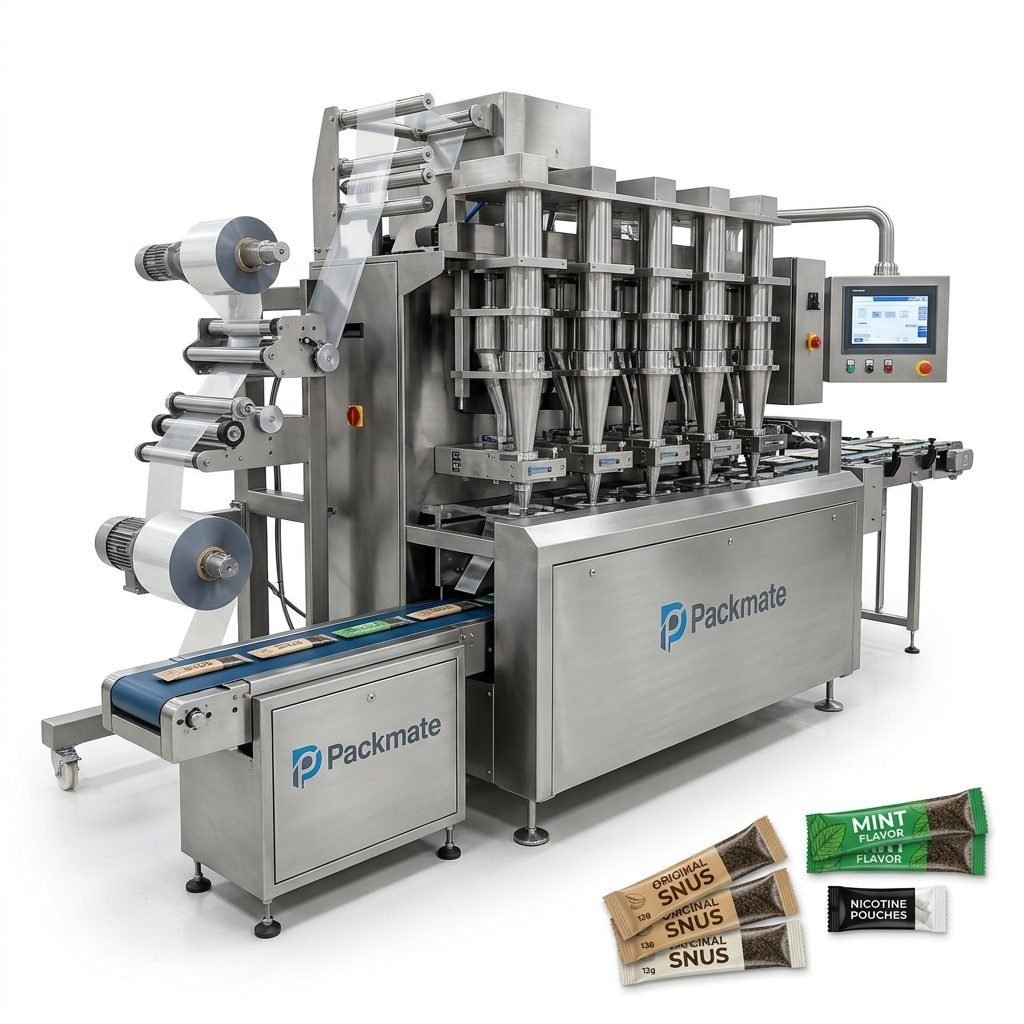
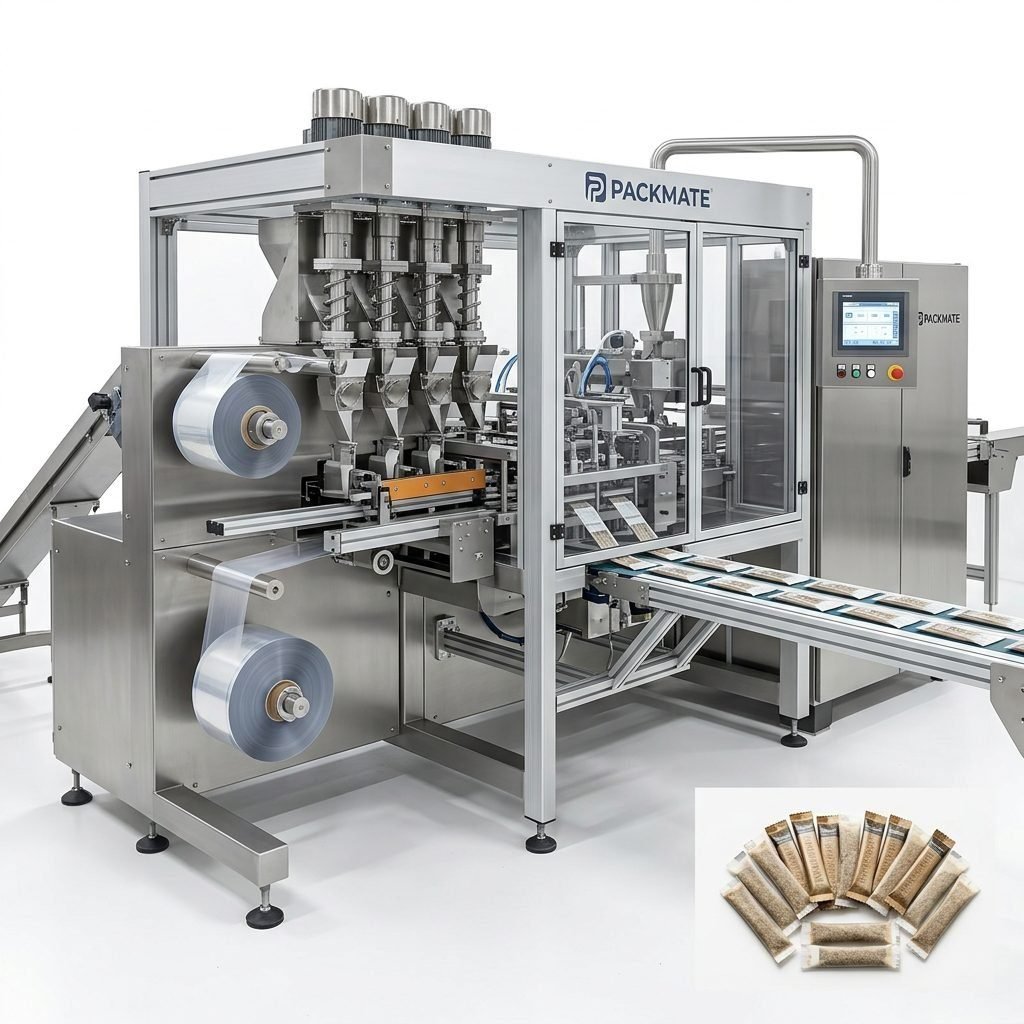
Choosing the right nicotine packaging machine in Argentina requires balancing regulatory compliance, production capacity, product format and long-term service. This guide walks you through the technical and commercial considerations so you can select a machine that delivers reliable performance, smooth validation and a strong return on investment. Whether you are producing snus, nicotine pouches, sachets or stick packs, the right equipment makes all the difference.
Understand the Argentine market and regulatory context
Argentina’s regulatory landscape for nicotine products is evolving. Before selecting equipment, confirm local labeling, packaging and material restrictions with legal counsel. Machines must support tamper-evident seals, traceability and consistent fill accuracy to avoid compliance issues. Import duties and local certification requirements can affect total cost and lead time, so factor these into procurement planning.
Quick note:
Prioritize machines that can produce compliant sealing, batch coding and easy integration with traceability systems for Argentine distribution.
Key packaging formats and which machines fit
Different nicotine products demand different packaging lines. Here are the most common:
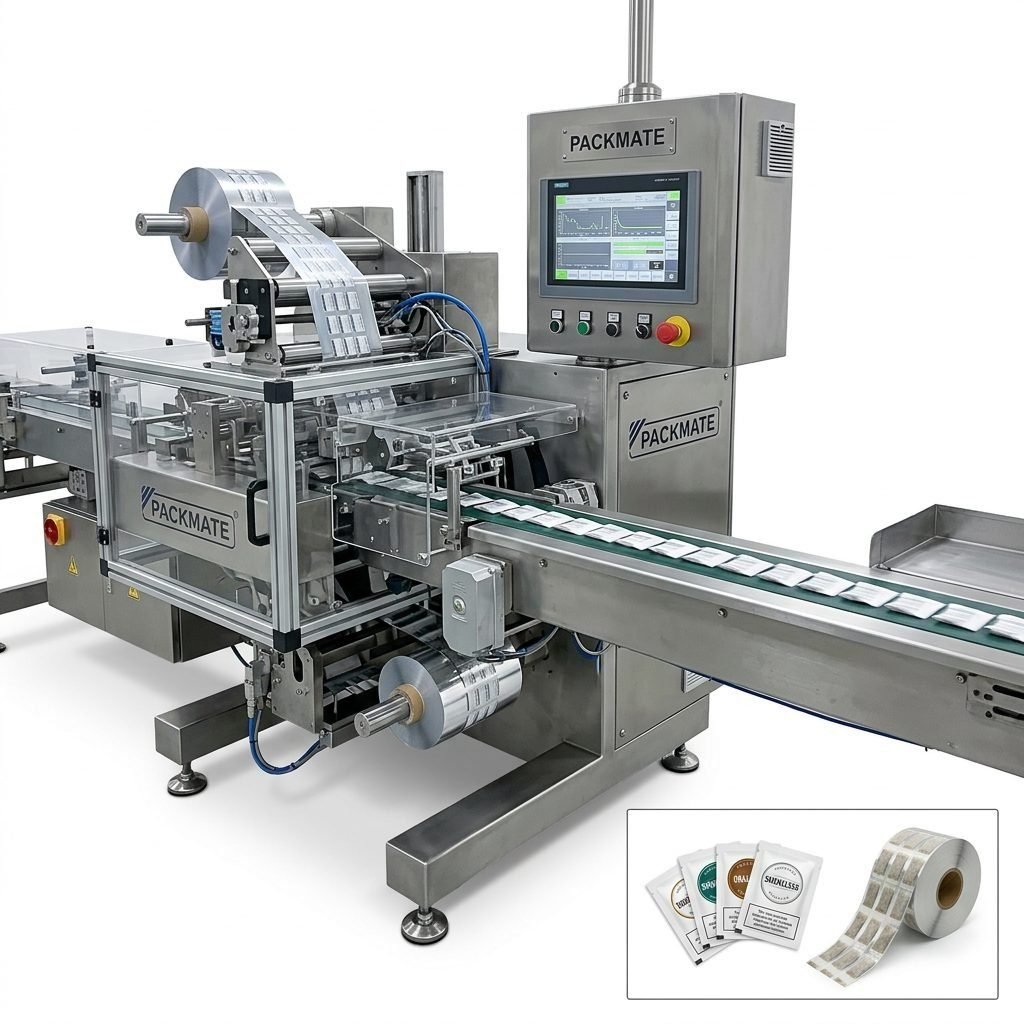
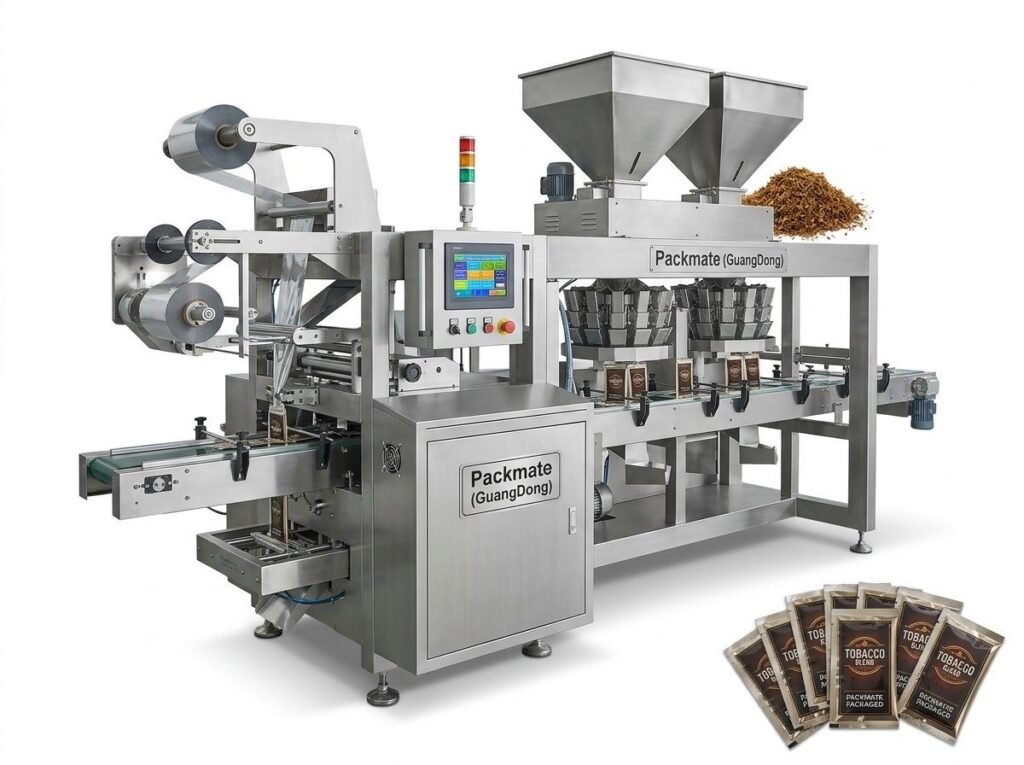
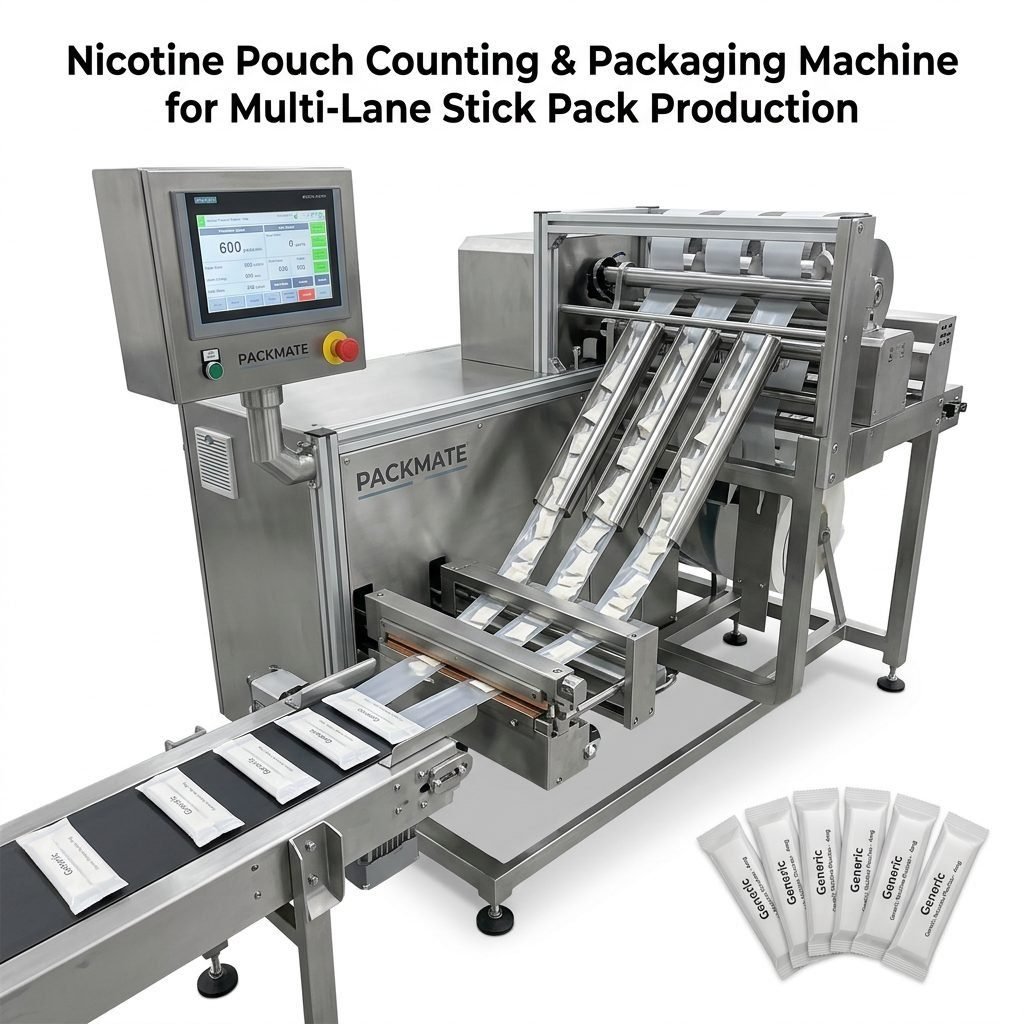
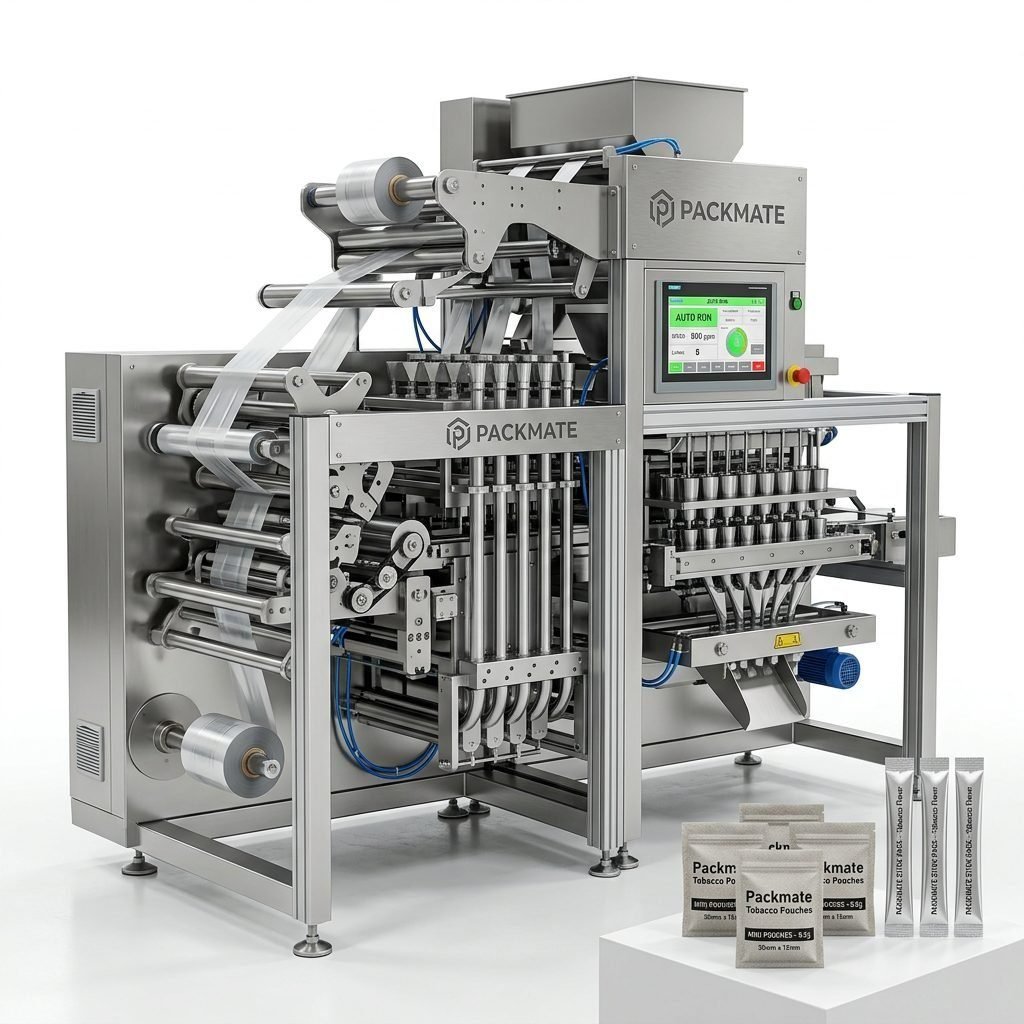
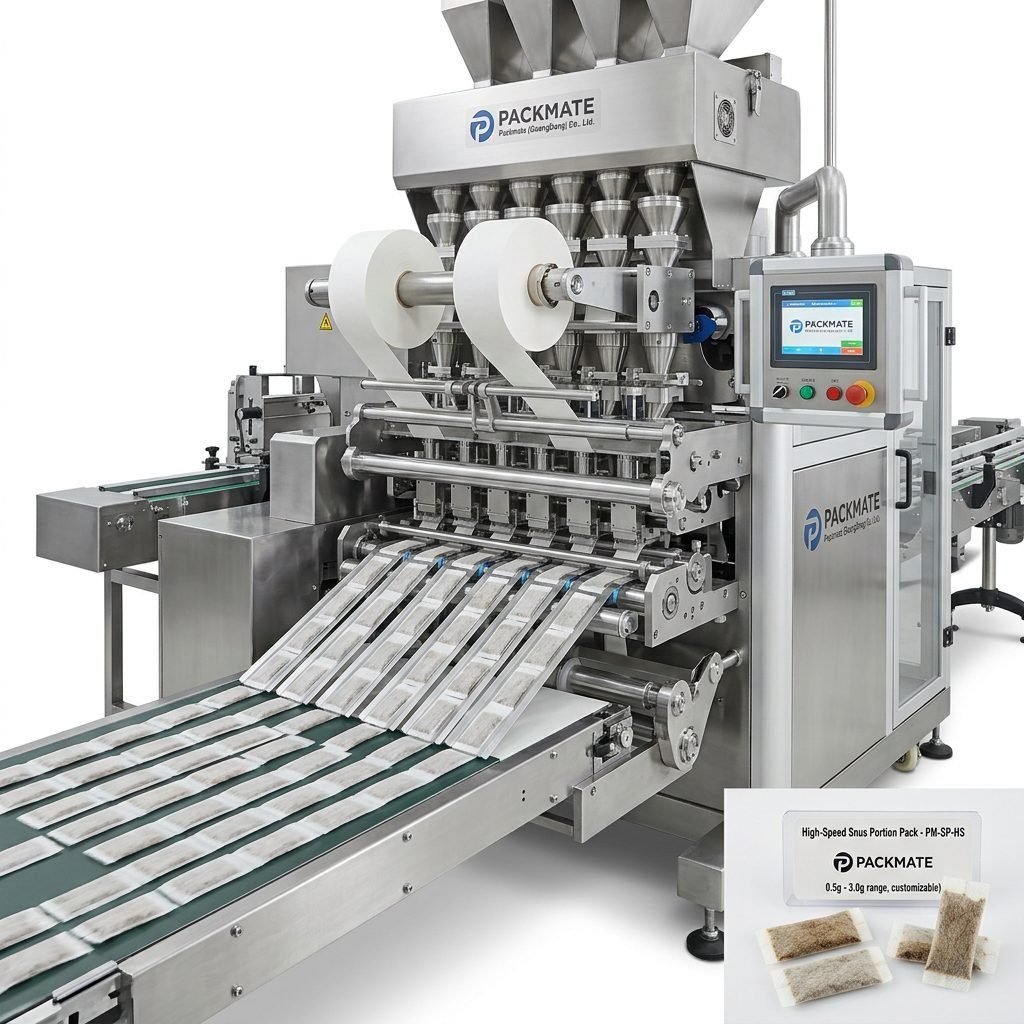
- Snus / nicotine pouches: multi-lane pouch machines optimized for small doses and gentle handling.
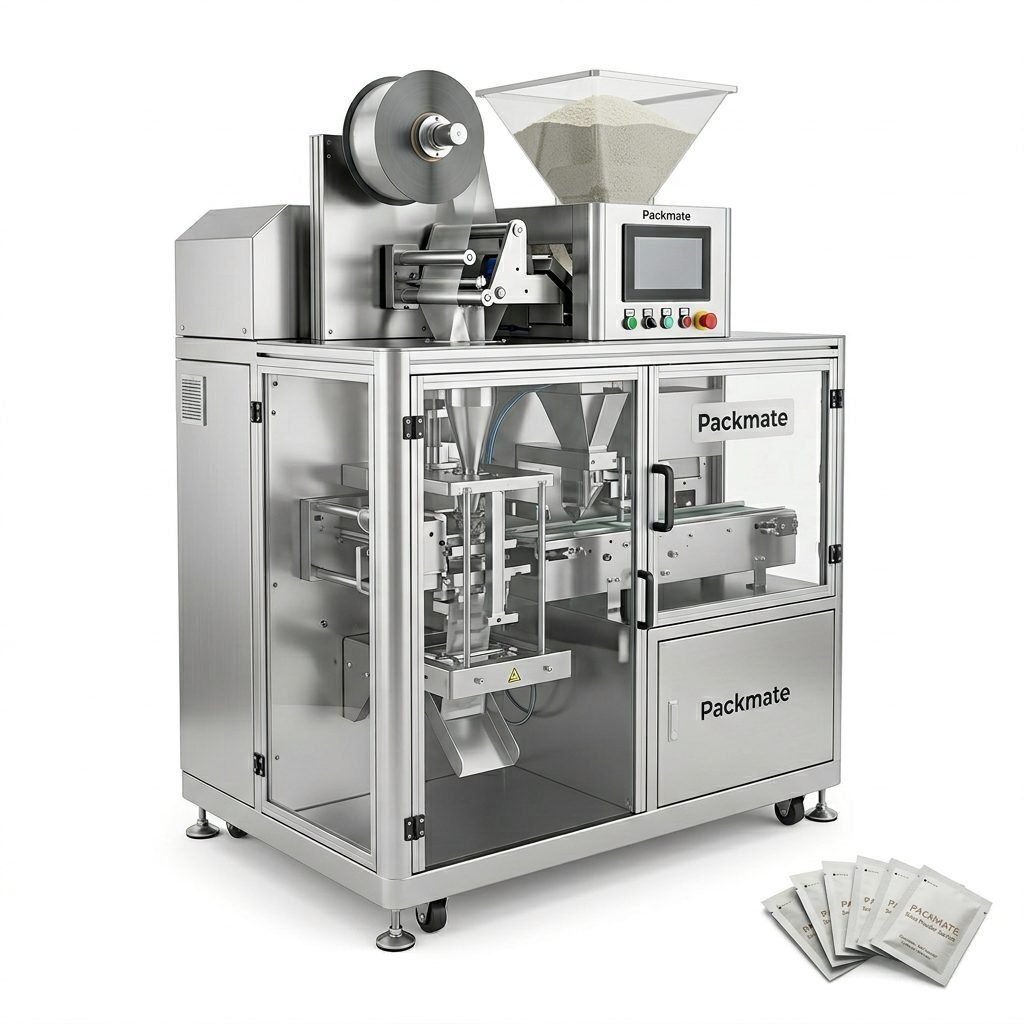
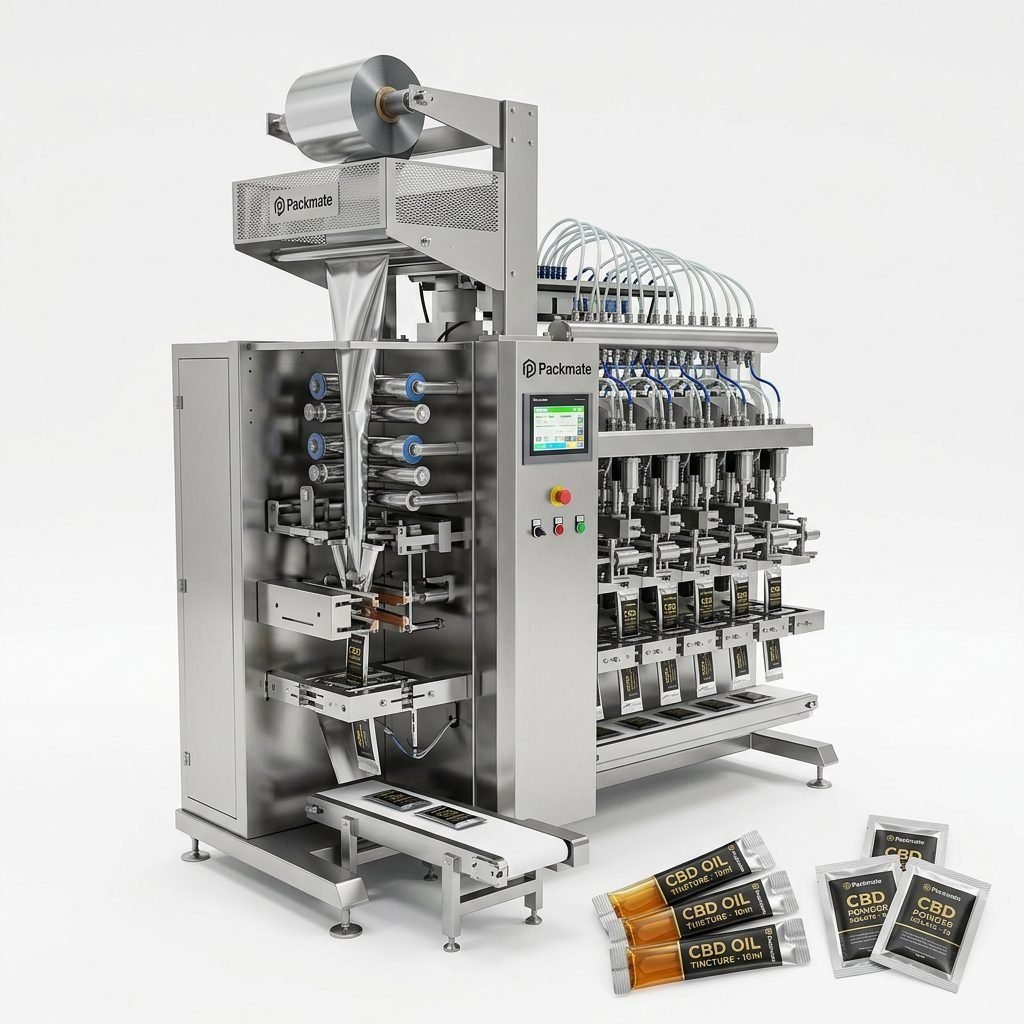
- Sachets & stick packs: fast pouch former-sealer machines for individual single-serve doses.
- Flow-wrap for outer cartons and secondary packaging: to create retail-ready packs and multipacks.
Recommended machine families
Consider evaluating Snus & Nicotine Packaging Machines, Sachet & Stick Pack Machines and multi-lane stick pack systems depending on your speed and format needs.
Production capacity & speed: sizing the right model
Estimate peak daily throughput (units per hour and per shift) and add a buffer for growth. Machines are rated by pouches/minute per lane; multi-lane systems multiply output but increase complexity. Match the machine’s OEE (Overall Equipment Efficiency) and realistic operating speed against your forecasts.
Capacity checklist ✓
- Target daily output and peak shifts
- Required lanes for small-dose pouches
- Scalability options (add lanes or parallel lines)
Accuracy, dosing & product protection
Nicotine pouch filling demands tight dosing tolerances. Look for systems with high-precision dosing (electronic or loss-in-weight feeders) and stable pouch forming to avoid product waste. Consider humidity control and gentle handling options to protect delicate pouches and active ingredients.
Material compatibility and sustainability
Verify the machine handles your selected packaging materials (mono-material films, barrier laminates, recyclable films). Machines that support fast reel changes and film splicing reduce downtime when testing sustainable films. If sustainability is a priority, explicitly request trials with your chosen film samples.
Integration and automation features
Modern packaging lines must integrate with upstream weighers and downstream cartoners or carton sealers. Evaluate PLC/HMI standards, Industry 4.0 readiness, and compatibility with weighing & packaging systems and secondary packaging equipment. Ease of integration shortens commissioning time.
Changeover, cleaning and validation
Fast tool-less changeovers, clear documentation and hygienic design reduce downtime and simplify validation. For nicotine lines, accessible surfaces for cleaning and controlled residue management are critical. Ask suppliers for cleaning procedures, CIP possibilities and design features that reduce contamination risk.
Important: Request a cleaning and changeover time study to include in your OEE calculations.
Service, spare parts and local support in Argentina
After-sales service is often the deciding factor. Confirm supplier guarantees, spare parts lead times, local representatives or authorized service providers in Argentina. Machines from established manufacturers with global support networks reduce downtime risks. Packmate’s manufacturing background and global cases demonstrate the value of factory-level engineering and on-site training—explore their Case portfolio for examples.
Factory quality, certifications and supplier evaluation
Evaluate suppliers on:
- Factory capabilities (CNC, assembly lines, QA systems)
- Certifications such as CE and ISO
- Years of industry experience and product specialization
- Availability of factory acceptance testing (FAT) and site acceptance testing (SAT)
For a packaging partner with deep snus expertise, see About Packmate and their manufacturing credentials.
Factory acceptance testing (FAT)
Insist on FAT before shipment. FAT reduces surprises on arrival, verifies speed and accuracy with your product, and documents acceptance criteria. If possible, include your raw materials and internal operators in FAT.
Total cost of ownership & ROI
Purchase price is only part of the picture. Calculate TCO including:
- Spare parts and wear components
- Planned maintenance labor
- Downtime cost per hour
- Utility consumption (air, electricity)
- Training and commissioning
A higher-quality machine with robust support often yields lower TCO and faster ROI through reduced waste and higher uptime.
Installation, commissioning and training
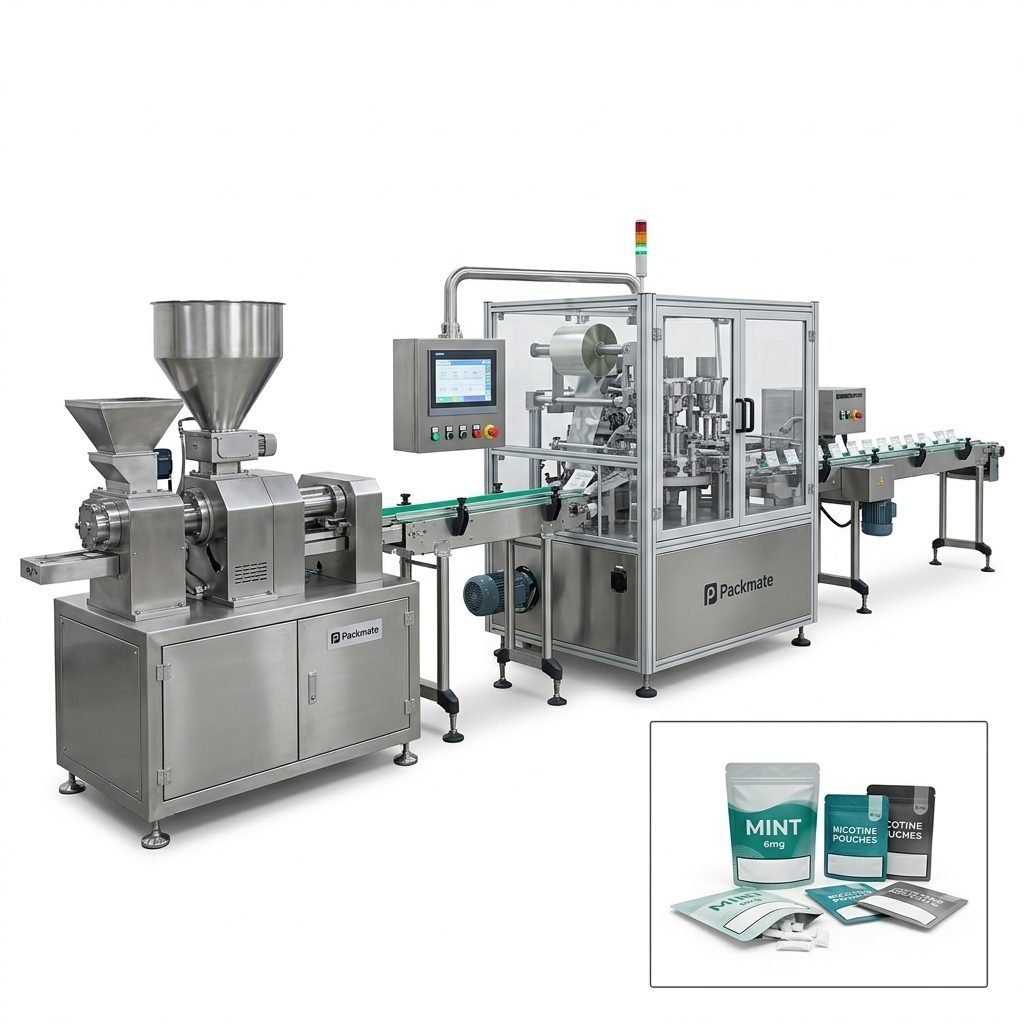
Plan for on-site installation, mechanical alignment, electrical hookup and PLC integration. Comprehensive operator and maintenance training are essential. Ask for training materials, spare parts kits and remote support options. Manufacturers that offer turnkey lines—including filling & packaging lines—can simplify project management.
Procurement tip ⚠️
Include spare parts lists and recommended wear items in your contract to avoid long waits for shipped parts into Argentina.
Customization, modularity and futureproofing
Choose machines with modular options so you can add lanes, integrate new dosing modules, or adapt to different pouch sizes as product lines evolve. Confirm electrical and mechanical design margins for upgrades.
How to evaluate suppliers: a checklist
When comparing suppliers, use this practical checklist:
- Factory tour or virtual tour availability
- References and long-running case studies
- FAT and onsite commissioning commitments
- Spare parts, training and service SLA
- Certifications and compliance documentation
Packmate’s global exhibition schedule and case studies can help validate capabilities—see Our Exhibition and Case pages.
Practical purchasing steps for Argentina
1) Define formats and target throughput. 2) Shortlist vendors with nicotine pouch experience. 3) Request FAT with your product. 4) Negotiate clear spare parts, warranty and training terms. 5) Plan shipping, customs and local installation logistics with contingencies for delays.
Final recommendation:
Choose a specialized snus/nicotine packaging supplier with strong manufacturing capacity, proven multi-lane equipment, and transparent after-sales support. Validate performance with FAT and secure spare parts for local operation in Argentina.
Useful supplier resources
For product details and technical specifications, explore supplier product families such as Snus & Nicotine Packaging Machines, Bag & Pouch Packaging Machines and the Catalog for details on models and options.
FAQs
Q: How long does it take to receive and commission a nicotine pouch machine in Argentina?
A: Typical lead times vary by model and customization—expect 8–20 weeks for standard machines plus shipping and customs. Commissioning may take several days to weeks depending on onsite integration and validation.
Q: What certifications should I require?
A: Require CE and ISO where applicable, plus documentation for electrical safety and material compliance. Ensure supplier provides FAT records and calibration certificates for dosing systems.
Q: How do I manage spare parts and maintenance?
A: Negotiate a spare parts kit, recommended consumables list and lead times in the contract. Consider stocking critical wear parts locally in Argentina to minimize downtime.
Q: Can machines handle sustainable or recyclable films?
A: Many modern systems are compatible with mono-material and recyclable films, but always run a trial with your specific film to validate sealing, wrinkles and tensile behavior at production speeds.
Q: Where can I get more information or request a quote?
A: Contact reputable manufacturers directly for tailored quotes, FAT schedules and references. For example, review Contact Us or the Service page to arrange demos and technical discussions.