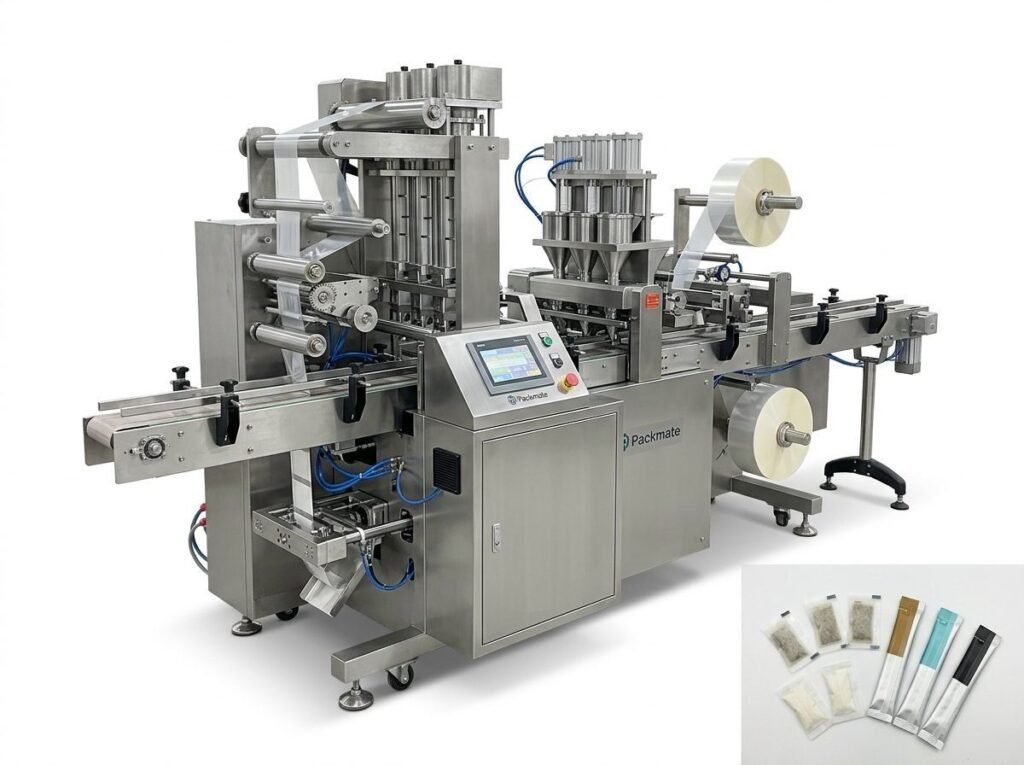
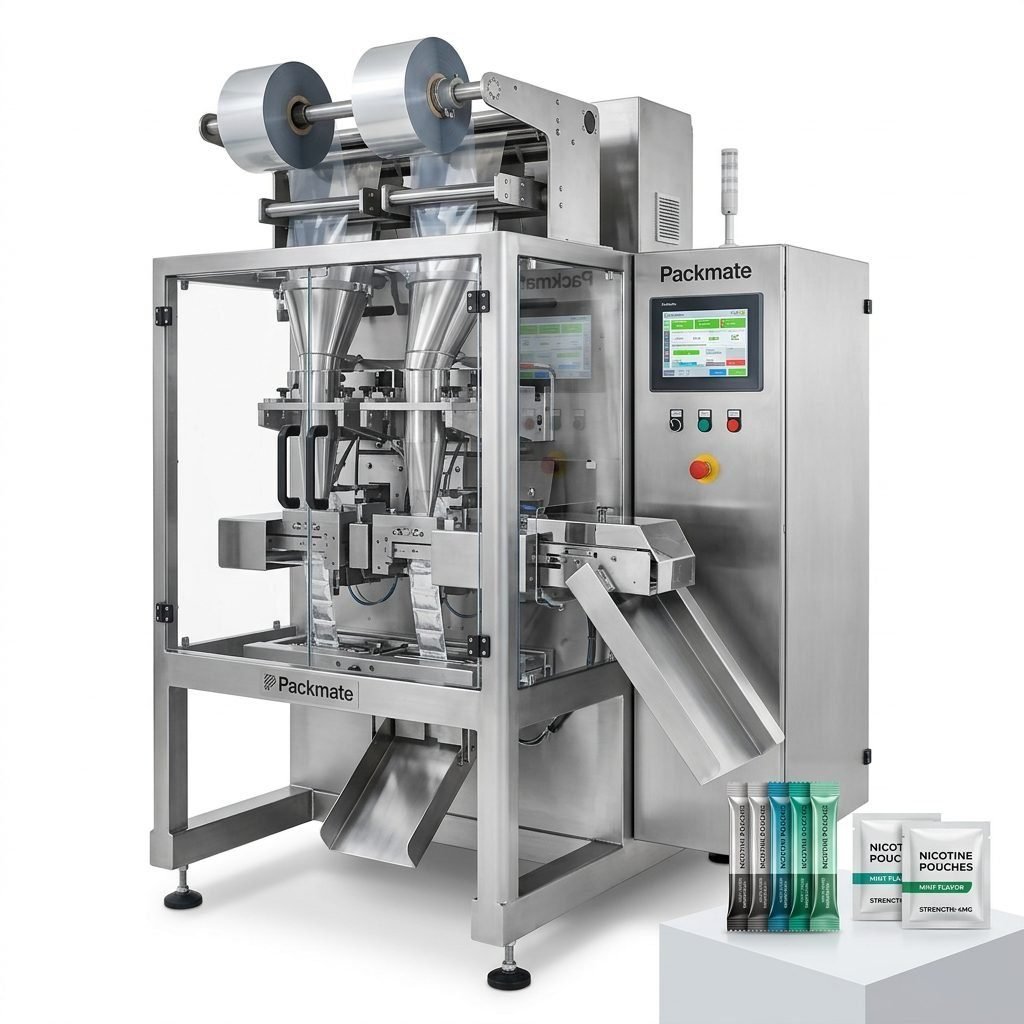
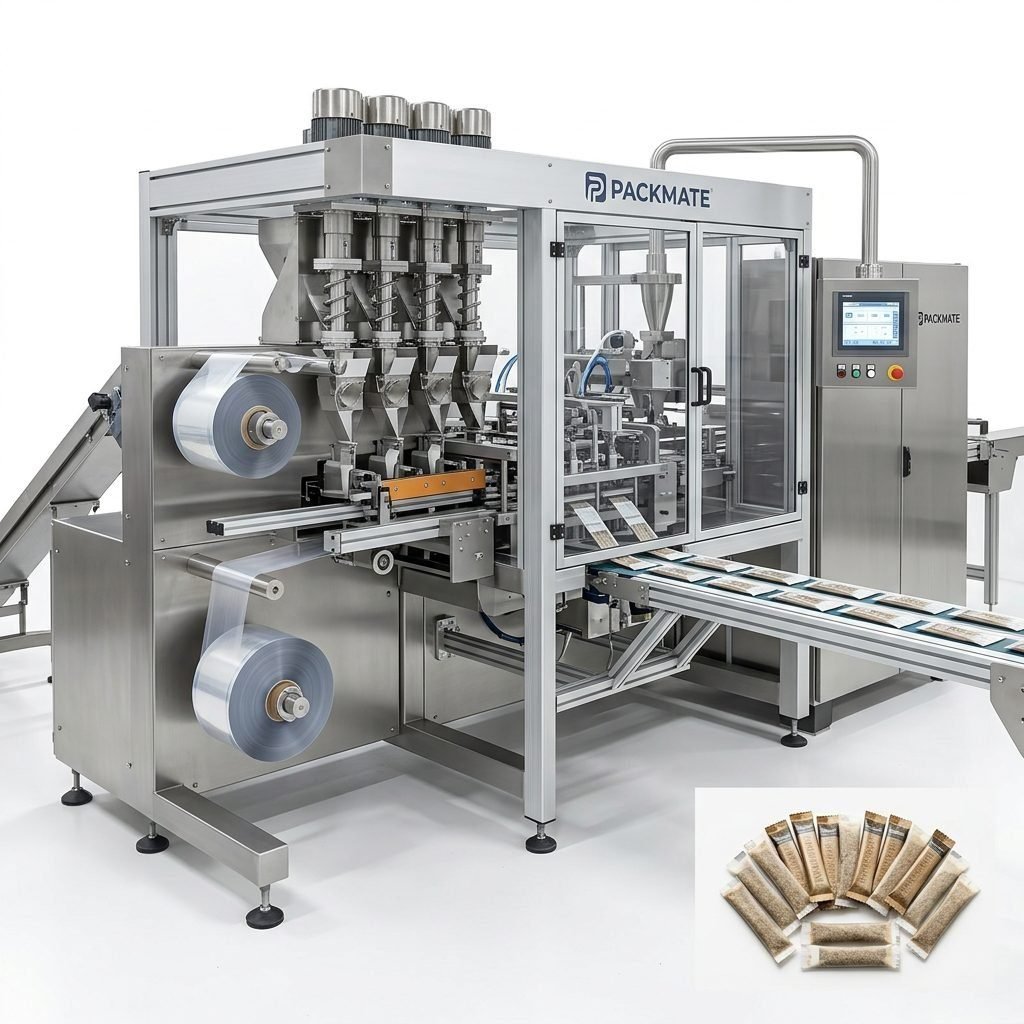
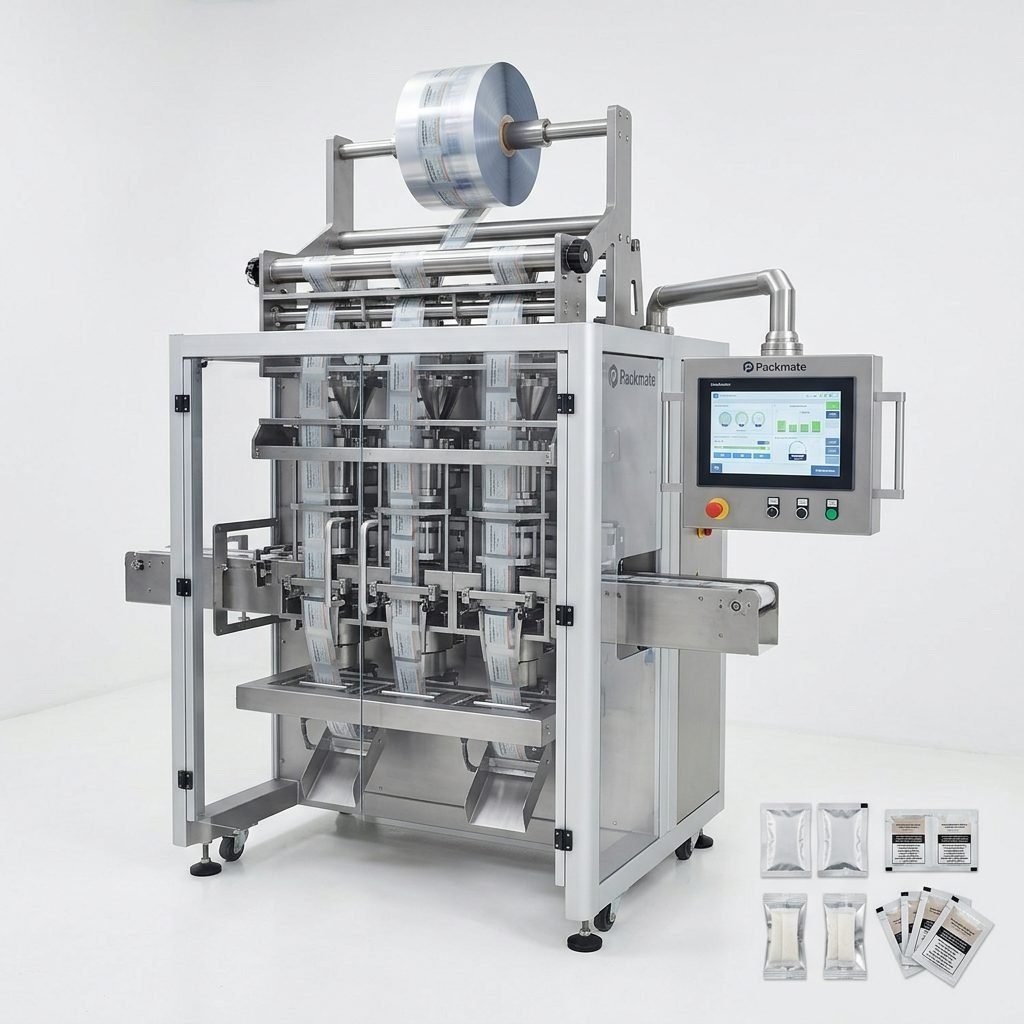
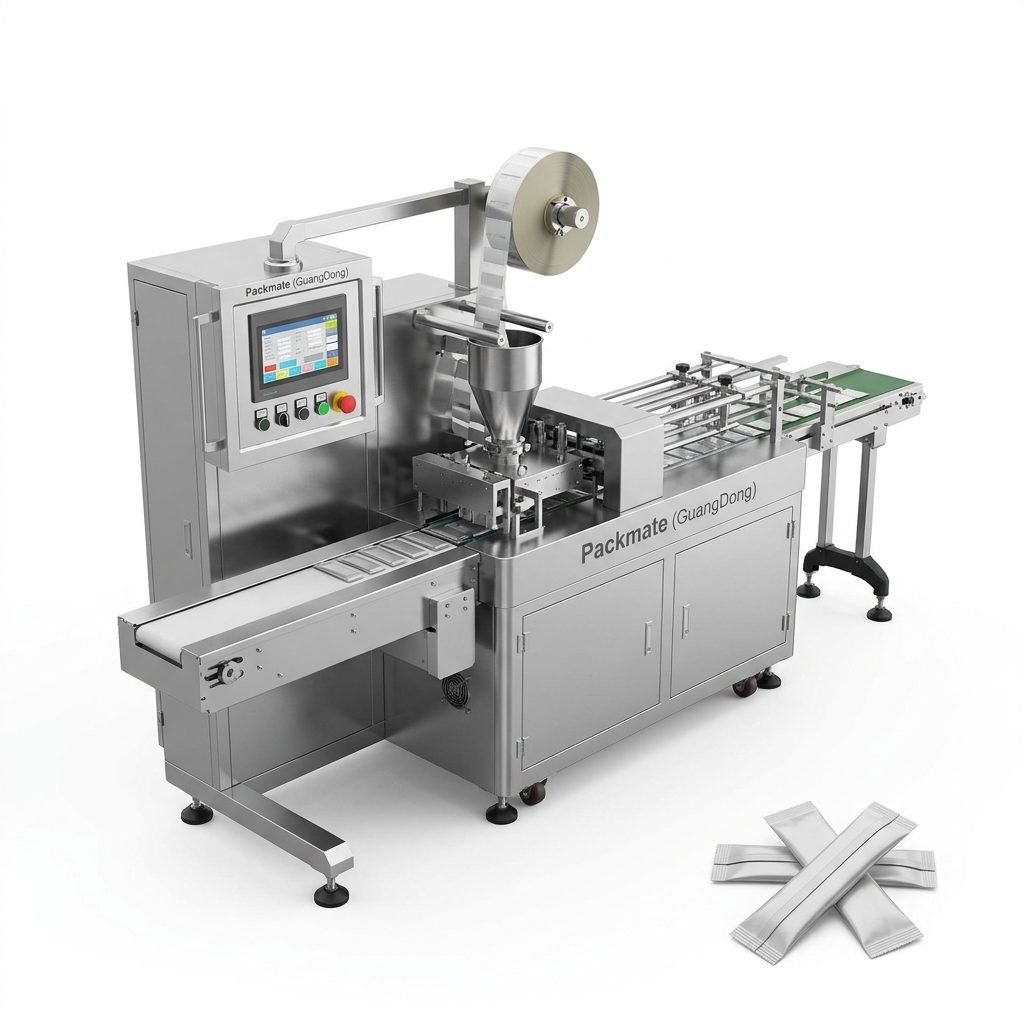
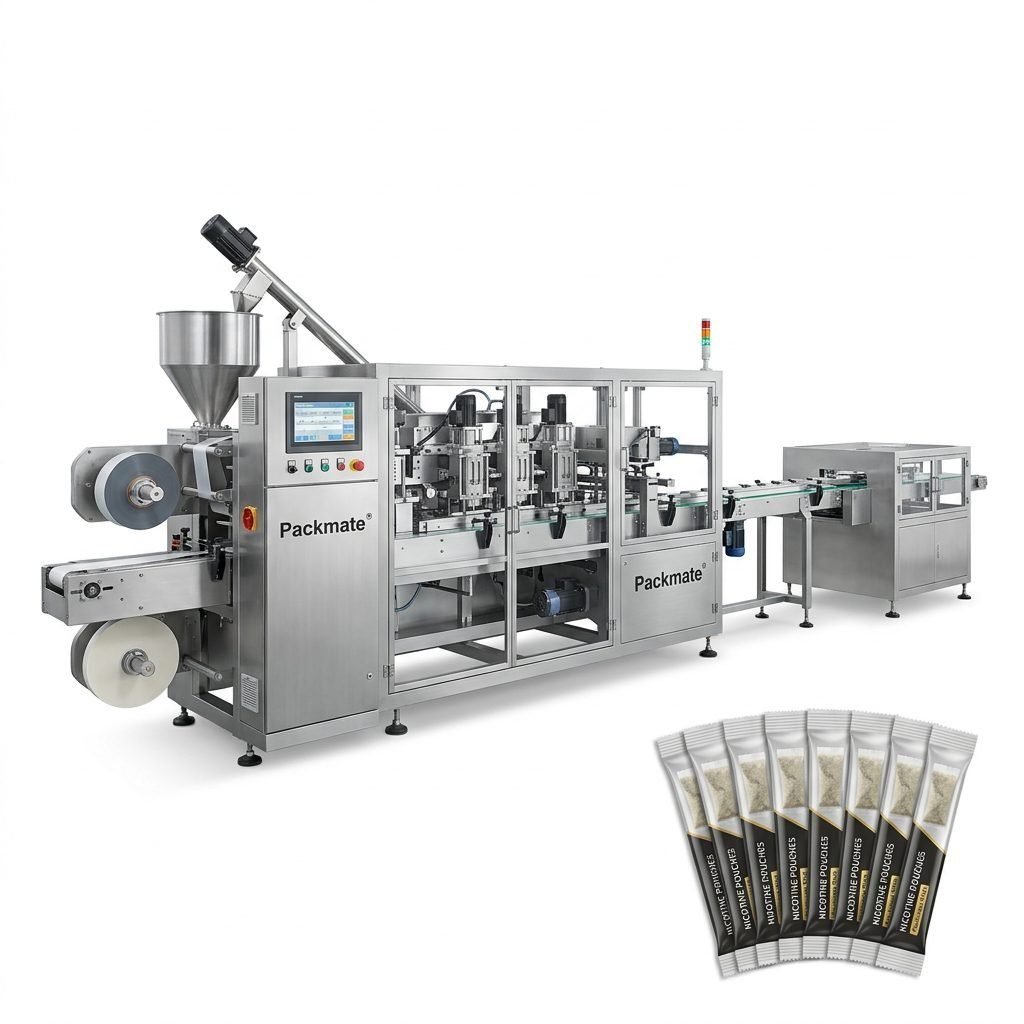
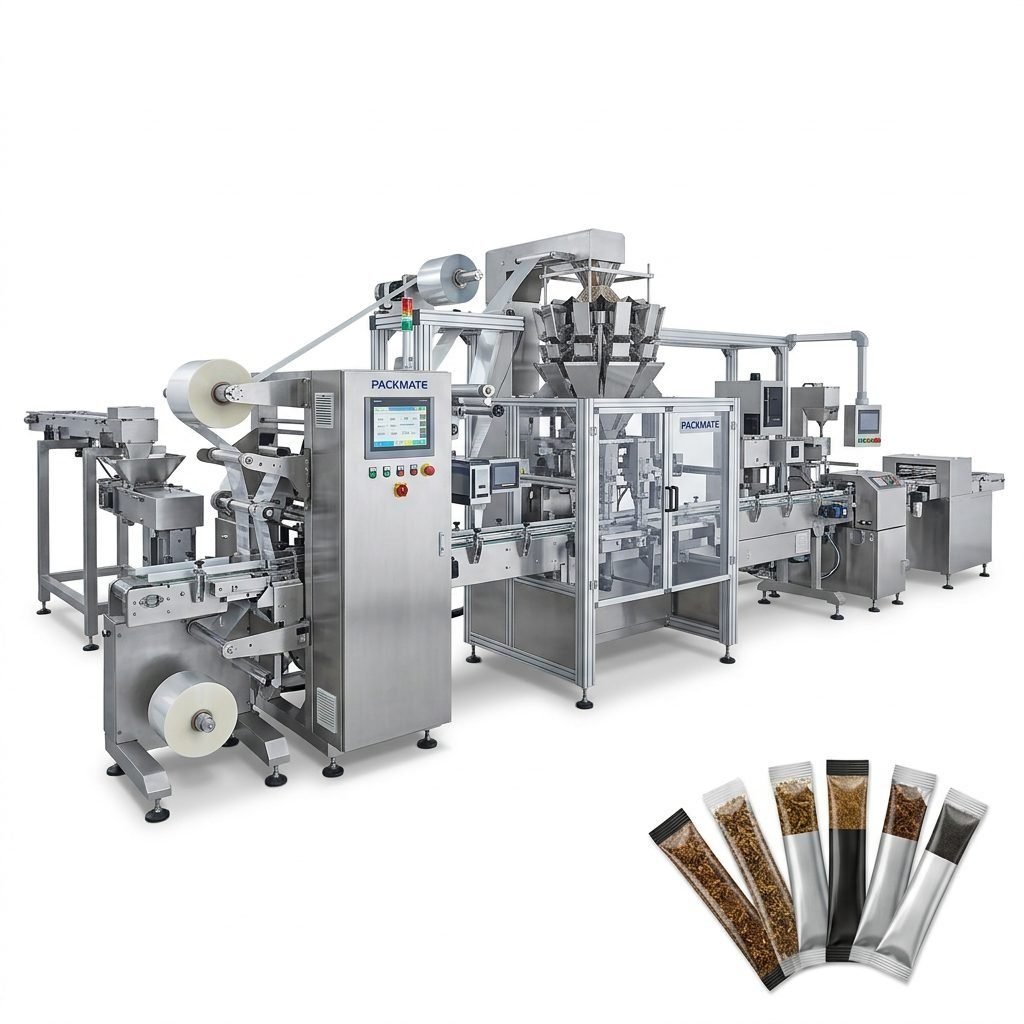
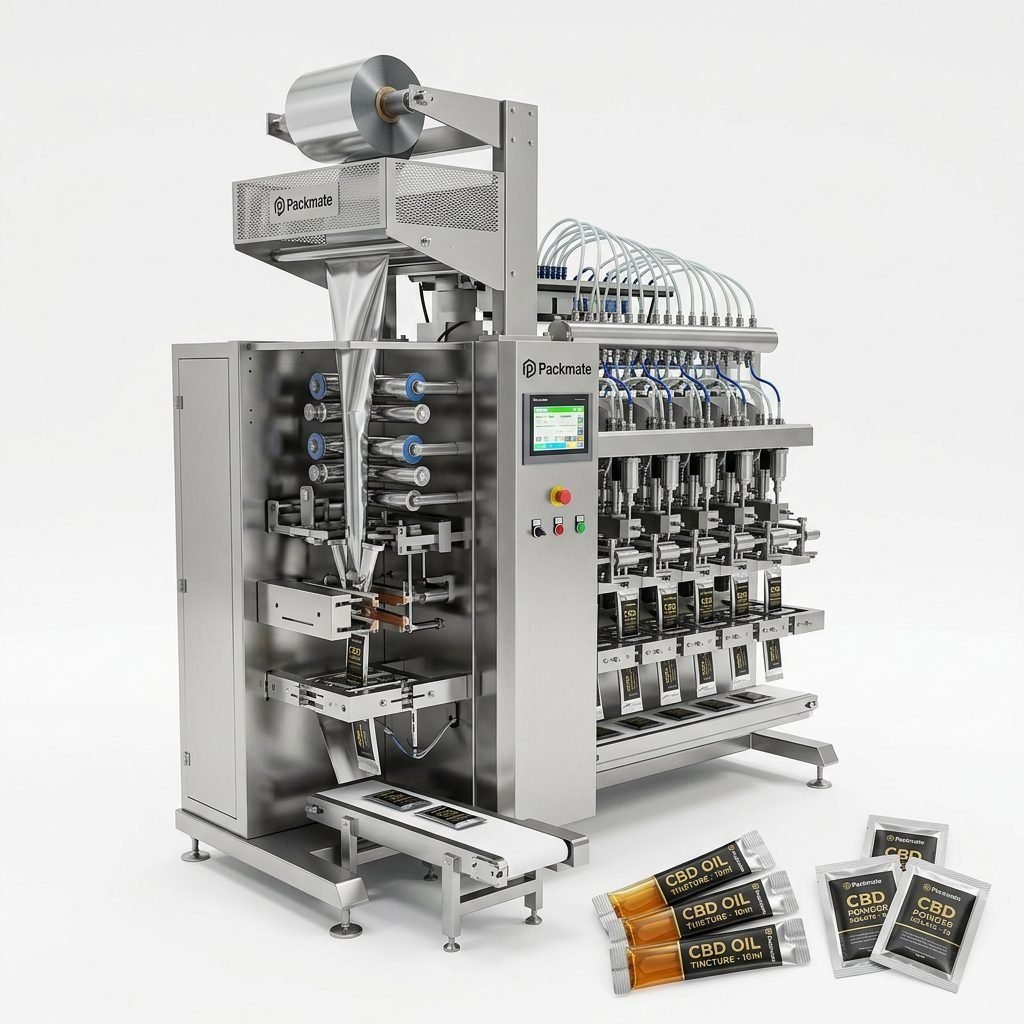
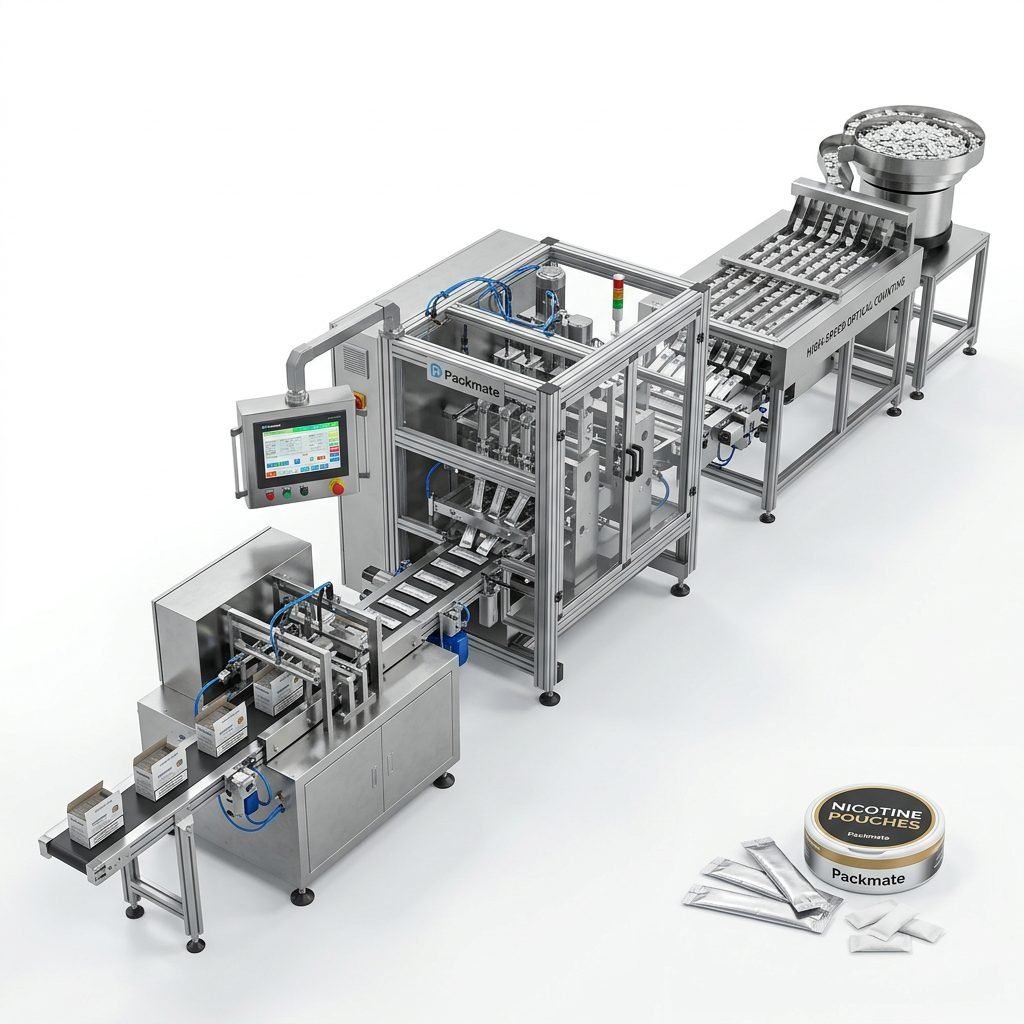
For manufacturers of nicotine pouches and snus products, selecting the right packaging line is a strategic decision that impacts throughput, product quality, regulatory compliance, and long-term operational cost. This article explores high-speed automated solutions for pouch manufacturing, highlighting engineering strengths, machine configurations, and practical buyer guidance to help you evaluate leading suppliers and turnkey options in the market.
Industry Context: Why Automated Nicotine Pouch Packaging Matters
The nicotine pouch market is growing rapidly due to consumer demand for smokeless alternatives and precise dosing. Automated packaging lines deliver consistent dose accuracy, hygienic handling, and high-speed output required by modern manufacturers. Key benefits include reduced labor, fewer hygiene risks, and scalable production that meets global distribution requirements.
Core Capabilities of a High-Performance Pouch Machine
⚙️ Precision Filling — Accurate powder or granular dosing to ensure consistent product weight and dose per pouch.
🚀 High-Speed Multilane Configuration — Multi-lane systems enable higher yields per machine footprint for small-dose pouches.
🧰 Modular Integration — Flexible combinations of fillers, formers, sealing units, and secondary packing allow tailored turnkey lines.
Packmate Snus Machine: Engineering and Factory Strengths
Packmate Snus Machine brings over three decades of R&D and production experience in the packaging equipment industry. With a 20,000㎡ facility, advanced CNC machining centers, and precision assembly lines, the company offers a portfolio of 50+ models covering snus/nicotine pouch formats, stick packs, sachets, and auxiliary systems. This depth of experience ensures machines are designed for durability, repeatable accuracy, and serviceability.
Key Factory Advantages
- 30+ years of industry experience, focused on automation and precision engineering.
- Full in-house manufacturing capabilities for critical components and assemblies.
- Strict quality testing and compliance to CE and ISO standards.
- Global turnkey delivery experience with long-term technical support.
Product Lines and Solution Types
Modern nicotine pouch production requires flexible solutions that can adapt to changing SKUs, pouch sizes, and materials. Typical configurations include single-lane precision pouch machines, multi-lane high-output systems, and integrated filling + packaging lines for fully automated throughput. Below are representative product families and typical use cases.
Snus & Nicotine Packaging Machines
Ideal for snus and nicotine pouches where tight dose control and hygienic operation are essential. These machines handle a wide range of fill materials from powders to fine granules.
Bag & Pouch Packaging Machines
For outer packaging, pillow bags, reclosable pouches, and display packages, integrated baggers ensure correct pack presentation and logistics compatibility.
Sachet & Stick Pack Machines
Stick packs or sachets for promotional or single-dose formats are supported by high-speed former and fill systems.
Technical Highlights: What to Evaluate
When selecting machines and a supplier, technical specs are critical. Prioritize the following attributes to maximize uptime and ROI:
- Filling Accuracy — Typically expressed in grams or milligrams; choose systems with confirmatory weighing or feedback loops for high-value products.
- Speed vs. Quality — Multi-lane machines increase throughput, but ensure seal integrity and pouch appearance are maintained at speed.
- Material Compatibility — Validate that film types (PE, laminates) and pouch geometries are supported.
- Cleanability and GMP Design — Critical for nicotine-containing products to prevent cross-contamination and ease of maintenance.
- Automation & Controls — Modern PLCs, servo drives, and HMI with recipe management speed changeovers and reduce operator error.
Integration Examples and Turnkey Approaches
A turnkey nicotine pouch line might include: raw material hoppers and feeders, loss-in-weight or auger fillers, multi-lane formers and sealers, infrared or ultrasonic sealing options, in-line metal detectors, checkweighers, and robotic case packers. Packmate provides customizable integrations that can include upstream weighing systems and downstream bagging or cartoning equipment.
Explore specific product families for line planning:
Snus & Nicotine Packaging Machines,
Bag & Pouch Packaging Machines,
Sachet & Stick Pack Machines.
Quality Assurance, Certification and Global Service
Machines intended for international markets should meet CE and ISO standards. Beyond certificates, look for a supplier with documented testing protocols, traceability for critical components, and accessible spare parts. Packmate Snus Machine emphasizes quality control from raw material inspection to final machine acceptance tests, backed by global after-sales support.
📜 Certifications — CE & ISO compliance for safety and quality assurance.
🌍 Global Support — Field service, spare parts distribution, and remote troubleshooting enhance uptime.
Real-World Case Studies and Exhibitions
Practical evidence of machine performance often comes from case studies and live demonstrations at trade shows. Packmate has participated in major exhibitions and documented successful implementations across Europe, Asia, and the Americas. Reviewing case examples helps prospective buyers verify throughput, stability, and the supplier’s ability to handle complex integrations.
See customer implementations and exhibition participation:
Case |
Our Exhibition.
Choosing a Supplier: Evaluation Checklist
Selecting a supplier is about more than unit price. Use an evaluation checklist that covers technical capability, factory capacity, customization options, lead time, warranty, and service response. Below is a practical list to guide procurement teams.
- Verify engineering experience and the number of machine models available.
- Inspect factory capabilities (CNC, assembly lines, QA) or request factory audit reports.
- Confirm spare parts availability and stocking policy for critical wear parts.
- Ask for performance data: throughput tests, rejection rates, and OEE estimates.
- Ensure clear documentation for commissioning, training, and maintenance.
📞 Contact & Support — For consultations, line design, and quotations, reach out via:
Contact Us.
Service, Upgrades and Lifecycle Management
Long-term value is created by proactive maintenance, periodic upgrades, and lifecycle planning. Choose suppliers who provide training, predictive maintenance tools, and options for retrofitting older machines with new controls or additional lanes to extend useful life.
Maintenance Best Practices
- Schedule preventive maintenance based on running hours and production cycles.
- Maintain a small inventory of critical spare parts such as belts, sealing jaws, and sensors.
- Use manufacturer-provided service kits and calibration checks to ensure dosing accuracy.
Why Choose a Specialized Snus/Nicotine Pouch Manufacturer?
Specialized manufacturers understand the nuances of nicotine-containing products, including dose control, material compatibility, and regulatory constraints. A supplier focusing on snus and nicotine pouch equipment will offer optimized machine geometries, contamination control, and validated processes that general-purpose packaging vendors may not provide.
For a deeper dive into Packmate’s product catalog and auxiliary systems, explore:
Weighing & Packaging Systems,
Auxiliary Packaging Equipment.
Final Considerations Before Purchase
✔️ Validation & Trials — Request on-site or factory acceptance tests with your materials and recipes.
✔️ Total Cost of Ownership — Evaluate energy use, maintenance, consumables, and expected lifespan—not just capital cost.
Conclusion
Investing in a high-speed automated pouch packaging line is a pivotal step for nicotine pouch manufacturers aiming to scale with quality and compliance. Prioritize suppliers with proven engineering experience, robust factory capabilities, comprehensive turnkey offerings, and responsive after-sales service to ensure a reliable path from raw materials to finished product.
Frequently Asked Questions (FAQs)
Q1: What is the typical lead time for a customized snus pouch line?
Lead times vary based on customization, but a standard multi-lane turnkey line typically ranges from several weeks to a few months. Early engagement with the supplier reduces lead time through shared specifications and component availability planning.
Q2: How do I validate dosing accuracy on a new machine?
Use factory acceptance tests with your product, run batch-weight and in-pouch checks, and deploy in-line weighing or checkweigher feedback for continuous validation. Suppliers should provide data and calibration procedures.
Q3: What after-sales support options should I expect?
Expect commissioning, operator training, spare parts packages, remote diagnostics, and field service. Confirm warranty terms and response times for service visits.
Q4: Can machines handle multiple pouch sizes and materials?
Many modern machines are modular and support quick-change tooling for different pouch sizes and films, but check the supplier’s changeover time claims and request demonstrations with your materials.