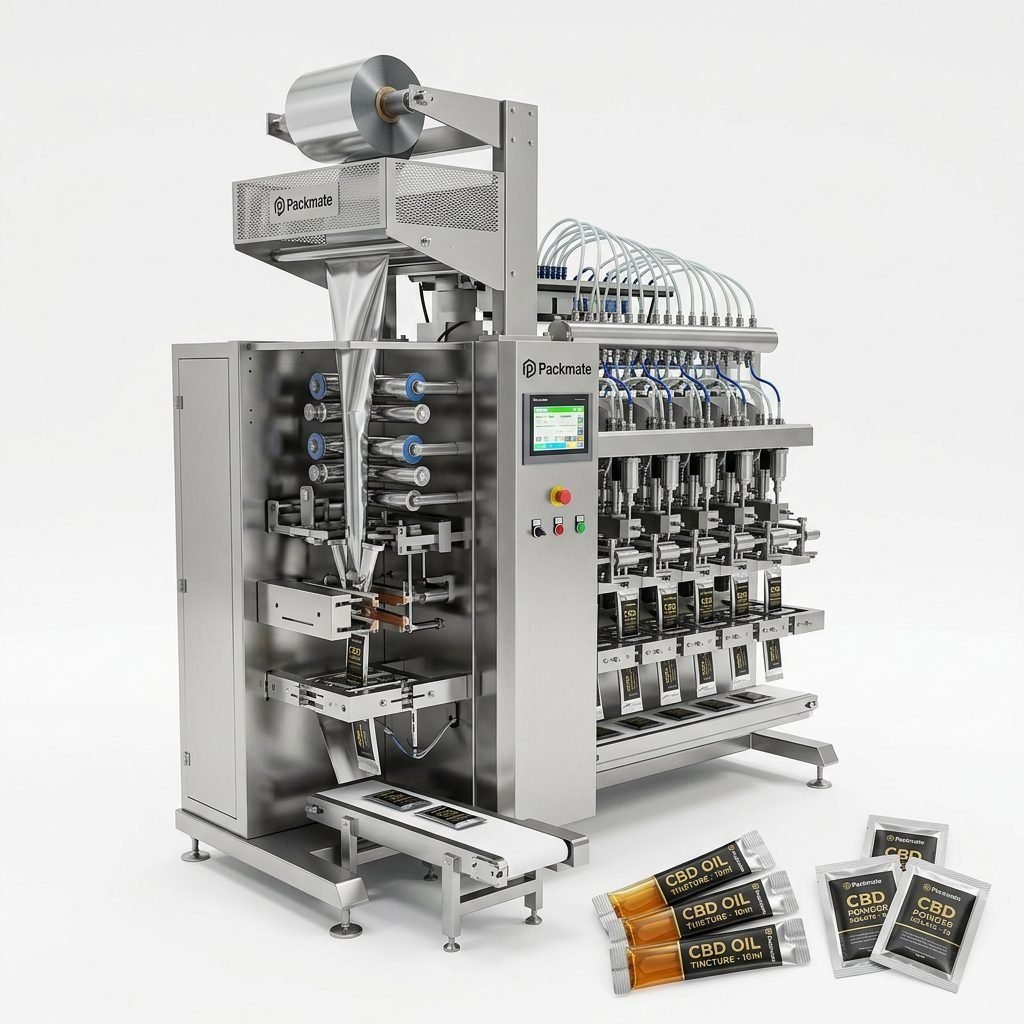
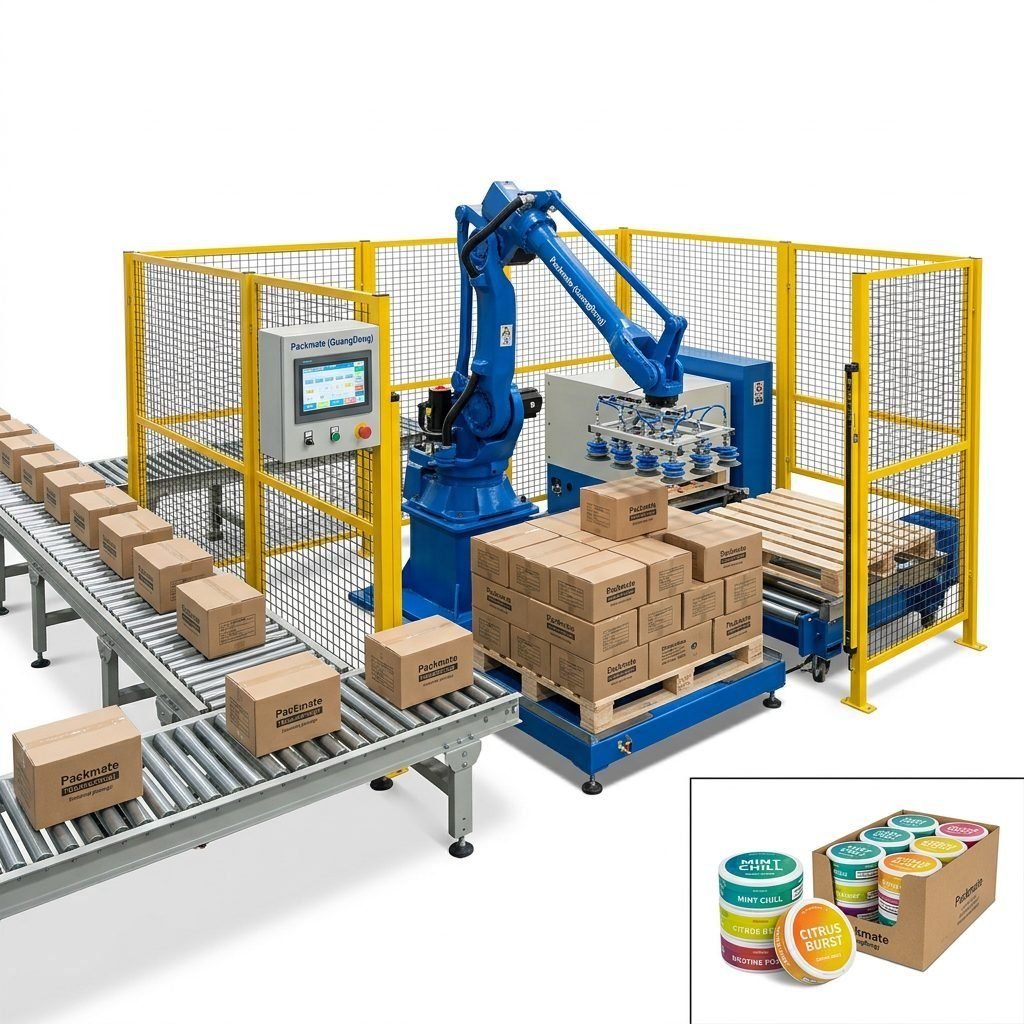
In the highly competitive packaging industry, custom snus machine customization services merge engineering precision with tailored production strategies to deliver consistent, compliant, and efficient packaging lines. For brands producing nicotine pouches, snus, or similar small-dose sachets, choosing a partner who understands end-to-end design, production, and packaging integration is critical to scaling operations and maintaining product quality.
Why Customize a Snus Packaging Machine?
Off-the-shelf packaging equipment can be a good starting point, but it often fails to address specific product geometries, throughput rates, regulatory labeling, and multi-lane synchronization needs. Customization offers:
⚙️ Precise Dose Handling — tailor-made filling heads and dosing solutions reduce waste and ensure uniform pouch weights.
📦 Optimized Format Changeover — quick-change tooling and programmable recipes speed up product transitions.
✅ Regulatory and Market Compliance — customization allows for labeling, batch codes, and serialization features required in different regions.
Design Phase: Engineering for Performance and Reliability
The design phase sets the foundation for a successful custom snus packaging solution. Experienced manufacturers begin with a technical audit of product characteristics, production targets, and packaging specifications. Key design considerations include:
🔧 Mechanical Integrity — robust frame and precision motion systems to handle multi-shift operation.
🔧 Hygienic Design — food-grade surfaces, easy-to-clean paths, and CIP-ready layouts for nicotine pouch environments.
🔧 Control Systems — PLC and HMI configurations with recipe management, remote diagnostics, and data logging.
From Concept to CAD: Collaborative Development
Leading manufacturers present 2D and 3D CAD models, functional prototypes, and simulation results prior to production. This collaborative approach reduces risks and shortens the validation cycle. During this phase, clients can see exactly how a proposed snus packaging line will integrate with upstream and downstream equipment such as filling systems, sealing units, and case packers.
Production Capabilities: Precision Manufacturing and Assembly
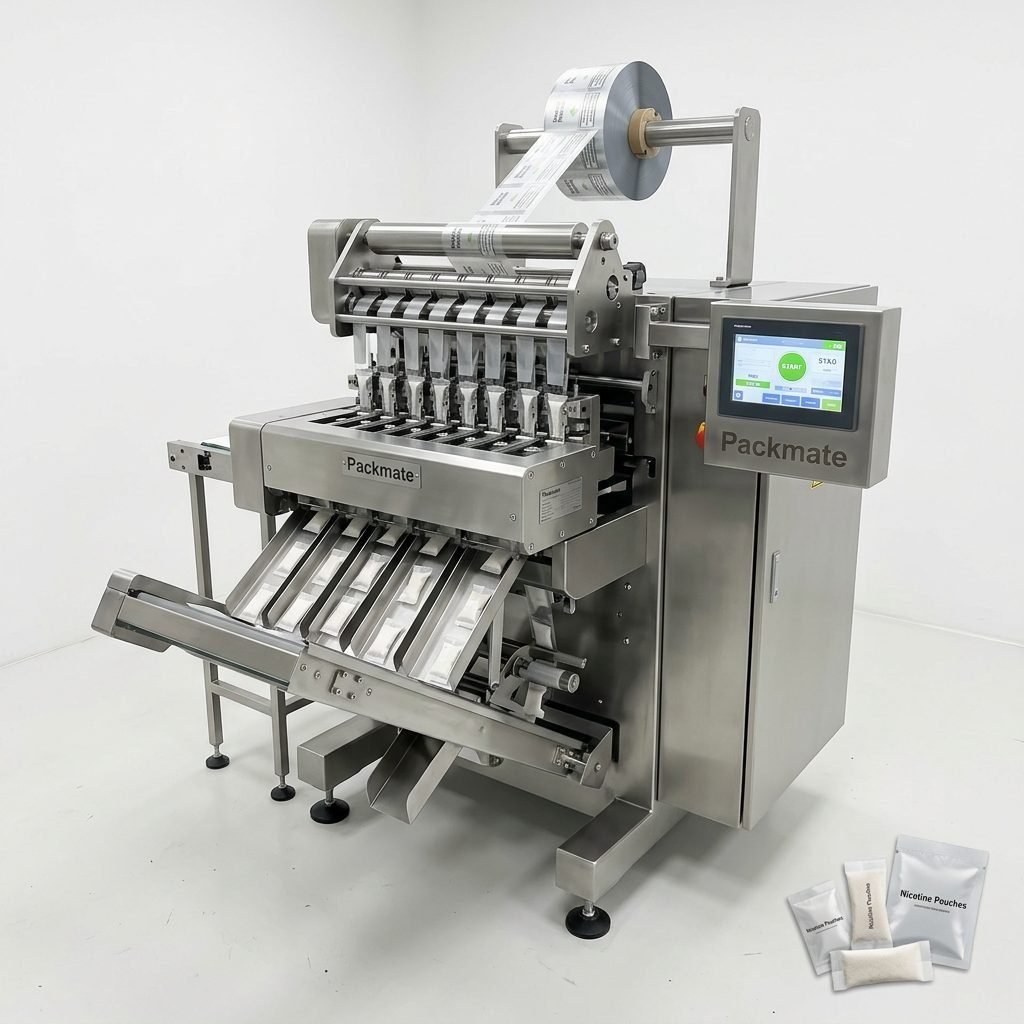
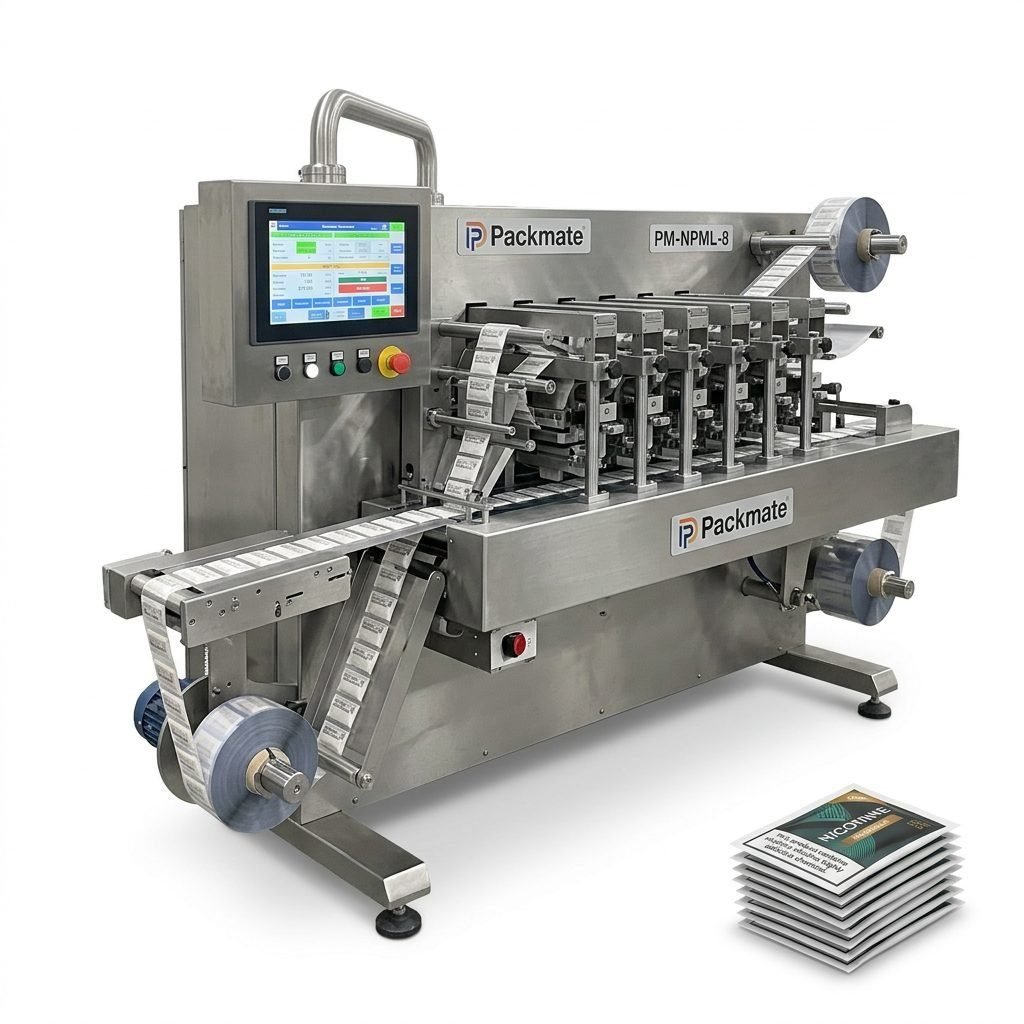
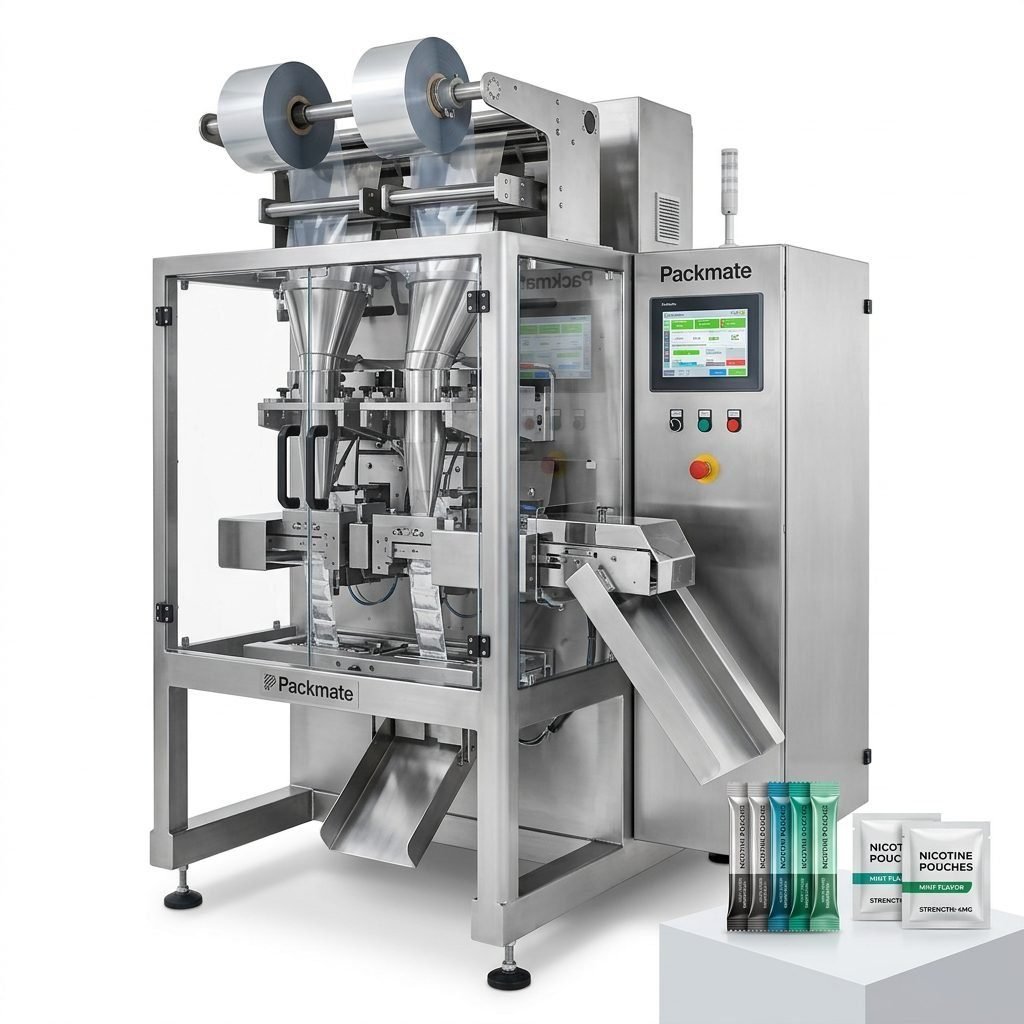
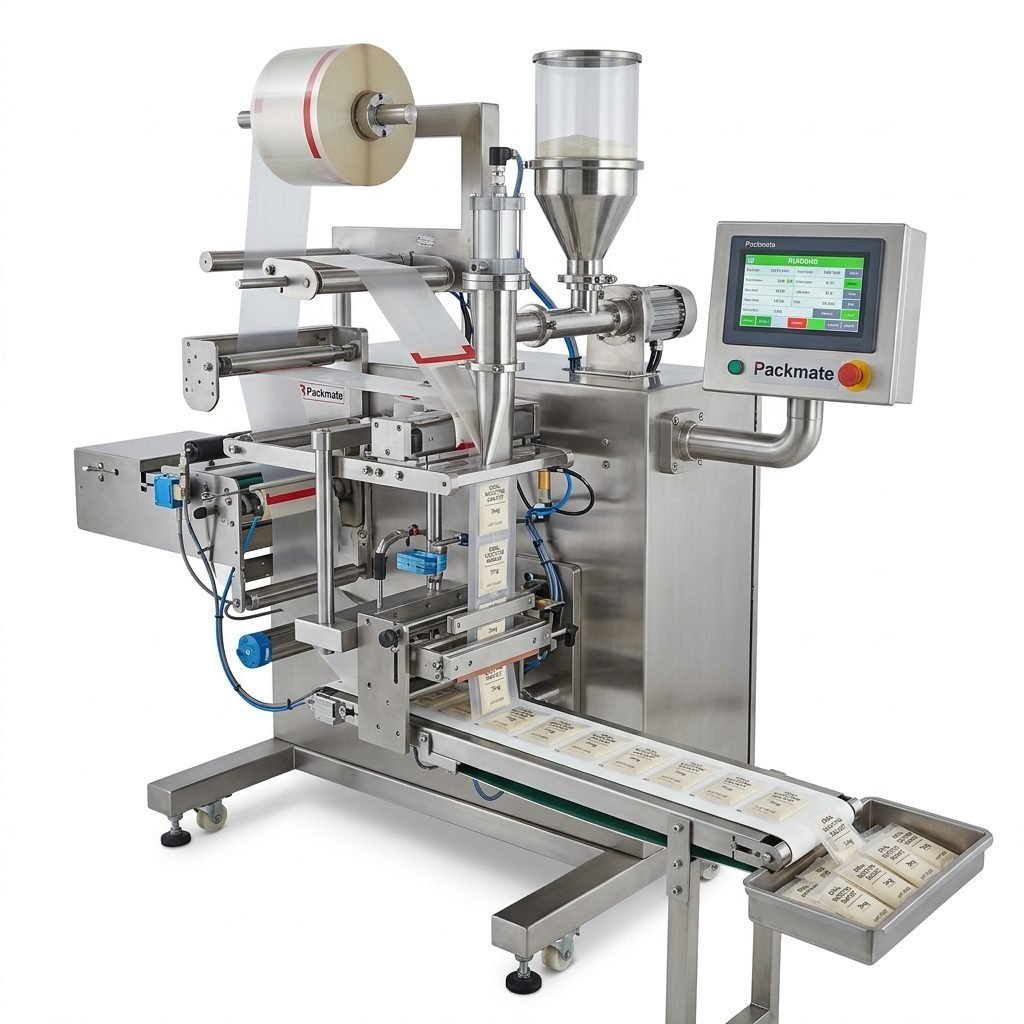
A capable manufacturer must combine machining accuracy, assembly discipline, and rigorous testing. Facilities with advanced CNC centers and precision assembly lines excel at delivering machines that meet tight tolerances and long service intervals. For example, Packmate Snus Machine operates a 20,000㎡ factory with advanced CNC and assembly systems, enabling production of 50+ machine models and bespoke solutions.
Factory Strengths (examples of what to evaluate during supplier selection):
✅ Advanced CNC machining for repeatable component tolerances.
✅ Precision assembly lines with documented quality control procedures.
✅ Comprehensive testing including endurance runs and dust/temperature assessments.
Packaging Solutions: Formats and Flexibility
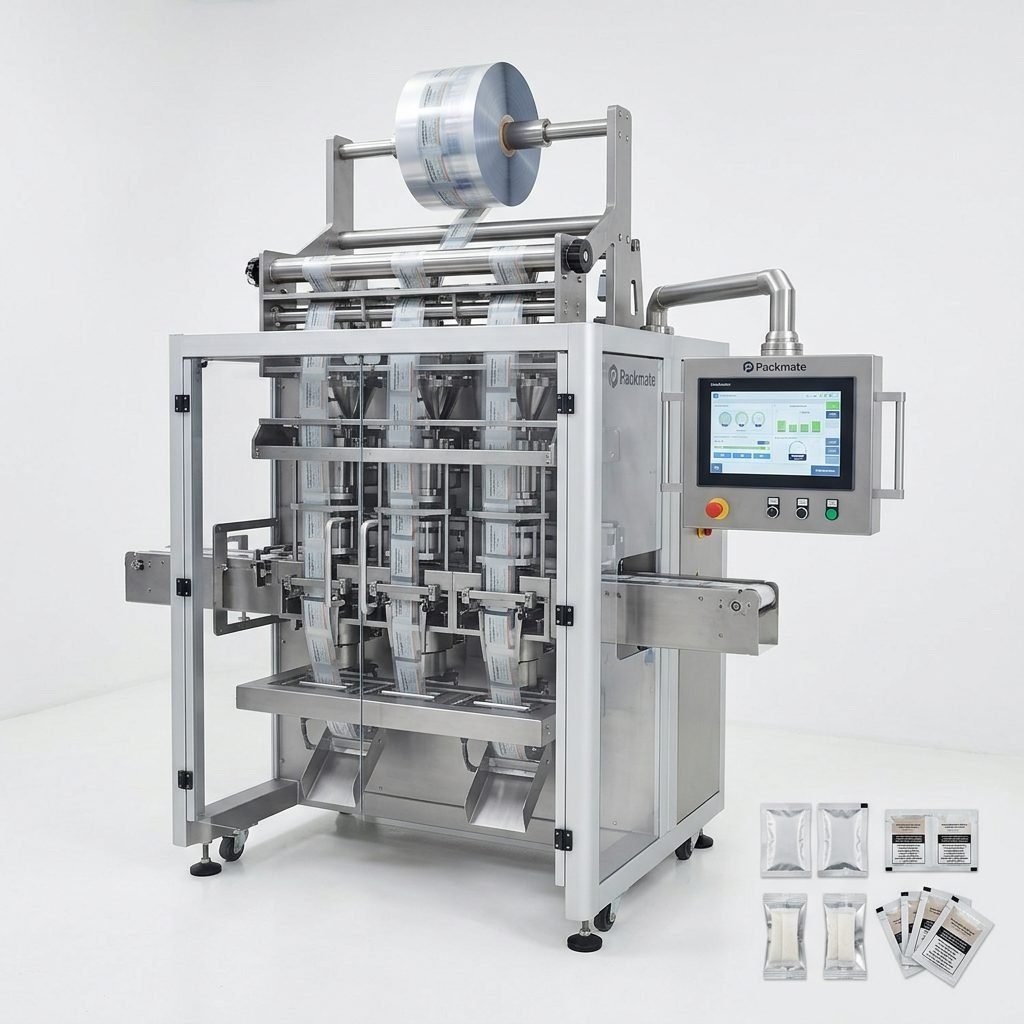
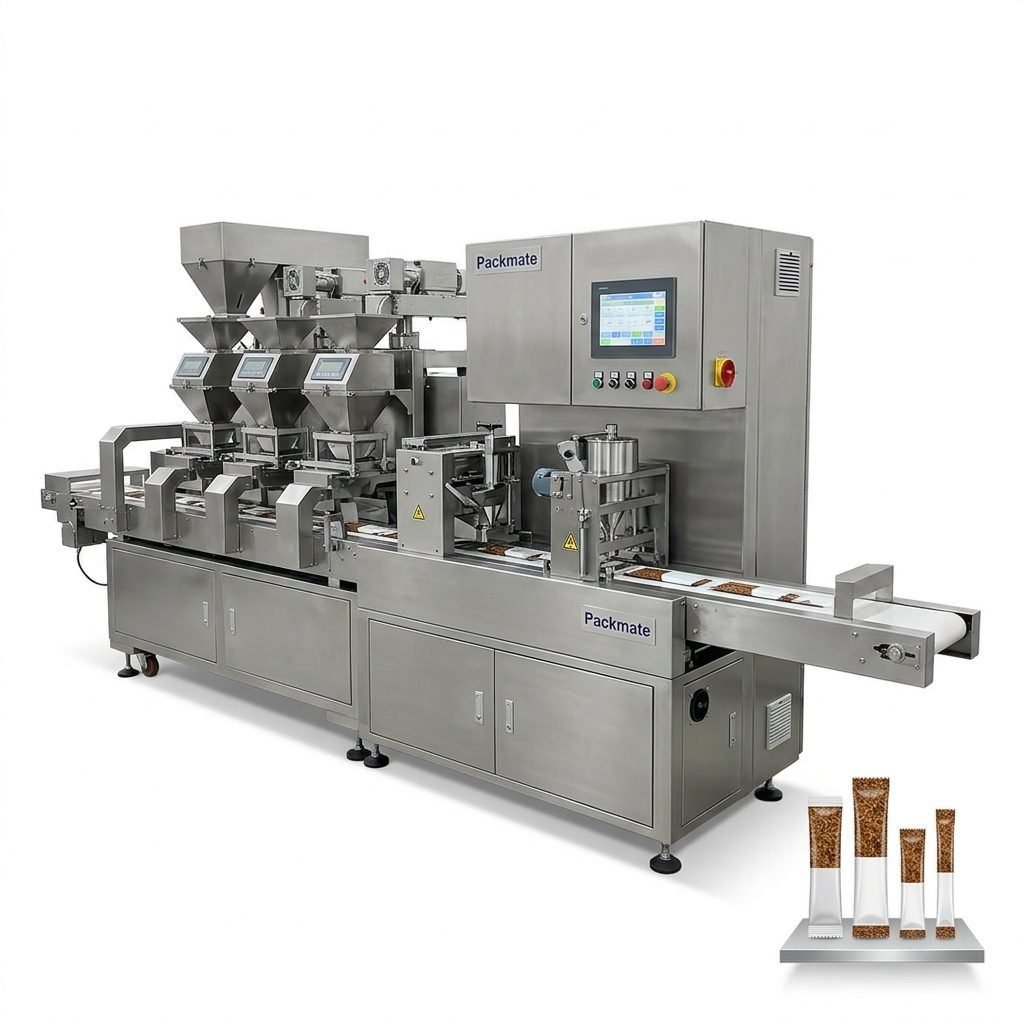
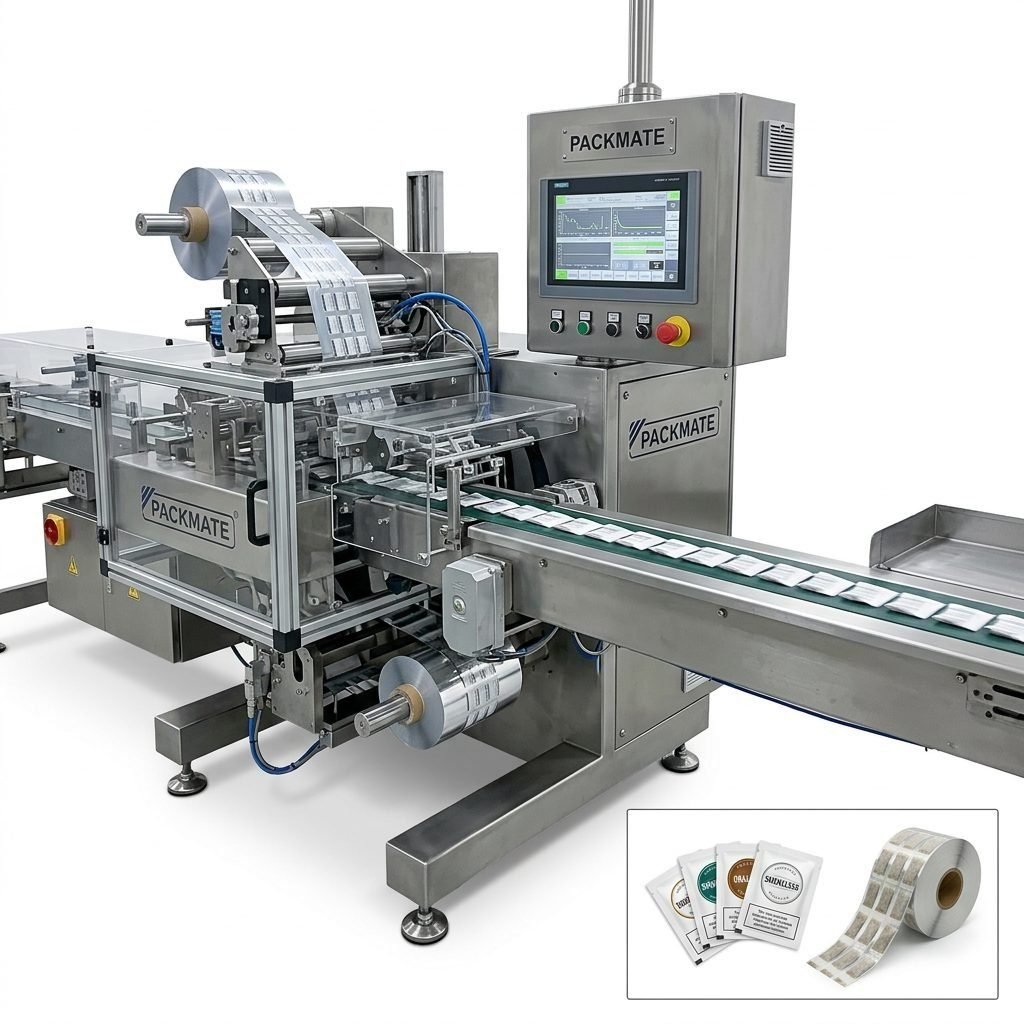
Custom snus packaging solutions support a variety of pouch and pack types: stick packs, sachets, multi-lane pouches, and pre-made pouches. Flexible lines are designed to handle different materials (barrier laminates, paper films, recyclable structures) and apply features like resealable zippers, tear notches, or cold-seal options.
For a detailed look at product ranges and machine types, visit:
Snus & Nicotine Packaging Machines,
Bag & Pouch Packaging Machines,
and
Sachet & Stick Pack Machines.
Multi-Lane Systems and Throughput Optimization
Multi-lane packaging lines multiply throughput while maintaining consistency across lanes. Key engineering tasks include synchronization of feeding, precise film indexing, and lane balancing. Custom control strategies and mechanical indexing minimize film waste and maximize uptime.
Quality Assurance, Certifications, and After-Sales Support
A credible supplier equips machines with safety and quality certifications such as CE and ISO. Beyond certifications, proven QA practices include serial number traceability, factory acceptance tests, and full documentation for maintenance and spare parts.
After-sales service is equally important: remote diagnostics, training, spare parts stocking, and preventative service plans reduce downtime and protect production targets. Explore the manufacturer’s service offerings here:
Service.
Turnkey Lines: Integration with Filling, Weighing, and Secondary Packaging
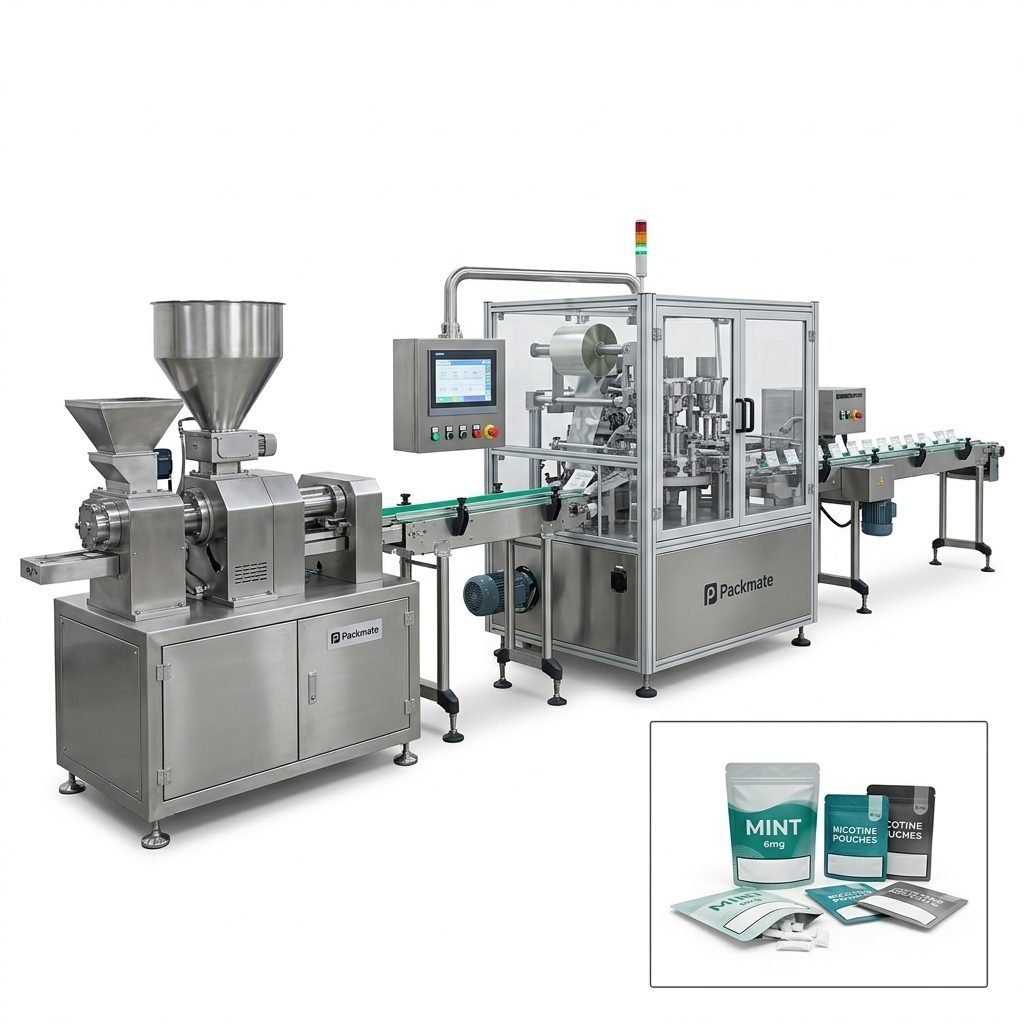
For many customers, the most valuable outcome is a turnkey production line that integrates filling, weighing, packaging, and case-packing. System integrators coordinate setpoints, sample paths, and mechanical interfaces so that upstream fillers and downstream cartonization units work seamlessly. For related solutions, see:
Weighing & Packaging Systems and
Filling & Packaging Lines.
Turnkey Benefits:
📈 Reduced project risk through single-source responsibility.
⏱ Faster ramp-up and validated throughput.
🔒 Consistent quality control across the production chain.
Customization Case Studies and Global Deployment
Case studies illustrate how custom design improves output and reduces operating costs. From Europe to Asia and the Americas, successful deployments show the flexibility of tailored snus machines in meeting diverse market requirements. For real-world examples, clients often review manufacturer case histories before committing:
Case.
Common Customization Requests
Manufacturers commonly customize machines to include:
– Multi-dose filling heads for blends and additives.
– In-line metal detection and weight-check systems.
– Special material handling for abrasive or hygroscopic powders.
– Custom operator interfaces with multi-language support.
Selecting the Right Partner: Key Evaluation Criteria
Choosing a supplier involves technical and commercial assessments. Evaluate potential partners on:
🔍 Engineering Expertise — decades of experience in snus and small-dose packaging.
🏭 Manufacturing Capacity — in-house CNC and assembly for quality control.
🌍 Global Support Network — spare parts availability and field service capability.
🧾 Documentation & Training — O&M manuals, spare lists, and on-site training programs.
Project Delivery and Timeline Expectations
Typical project phases include: requirements gathering, detailed design, prototype validation, production, factory acceptance testing (FAT), shipping, installation, and site acceptance testing (SAT). Project timelines vary based on customization depth, but thorough pre-project planning shortens commissioning and improves first-pass yield.
Sustainability and Material Considerations
Modern customers increasingly request recyclable films, lower-energy sealing technologies, and reduced material waste. Custom machine designs can include film-saving features and compatibility with next-generation sustainable films. Discuss sustainability goals early in the design phase to ensure feasible engineering solutions.
How to Initiate a Customization Project
To start a customization process, prepare product samples, target throughput, expected shifts per day, and any regulatory or packaging constraints. A productive first conversation will include machine layout constraints and utility provisions (air, power, vacuum). For more information about a company’s background and capabilities, visit:
About Packmate.
Quick Checklist Before Requesting a Quote
• Exact product dimensions and weight per pouch.
• Desired production capacity (pouches/minute or MT/month).
• Material specifications (film type, thickness, laminates).
• Required integrations (weighing, metal detect, case packing).
Conclusion
A well-executed custom snus machine project aligns mechanical design, automation, and packaging strategy to deliver a reliable production line that meets regulatory, commercial, and sustainability objectives. Partnering with an experienced manufacturer that offers robust engineering, factory capabilities, and responsive after-sales service helps convert design concepts into high-performing production systems.
Frequently Asked Questions
Q1: How long does a custom snus machine project typically take from concept to delivery?
A1: Project timelines vary by complexity, but a typical end-to-end cycle ranges from 12 to 24 weeks, including design, tooling, assembly, and factory acceptance testing.
Q2: What certifications should I expect for exported packaging machines?
A2: Reputable manufacturers provide CE and ISO certifications, and can assist with additional regional requirements as needed.
Q3: Can custom lines integrate with our existing filling and case-packing equipment?
A3: Yes. Most suppliers design mechanical and control interfaces for seamless integration. Providing detailed specifications of existing equipment accelerates this process.
Q4: Are spare parts and training included after installation?
A4: After-sales packages vary; choose a partner offering stocked critical spares, operator and maintenance training, and remote support to minimize downtime.
Q5: How do I review real deployment examples before committing?
A5: Request case studies, factory tours, or references. Many manufacturers publish project examples online; review their case page to evaluate similar deployments.