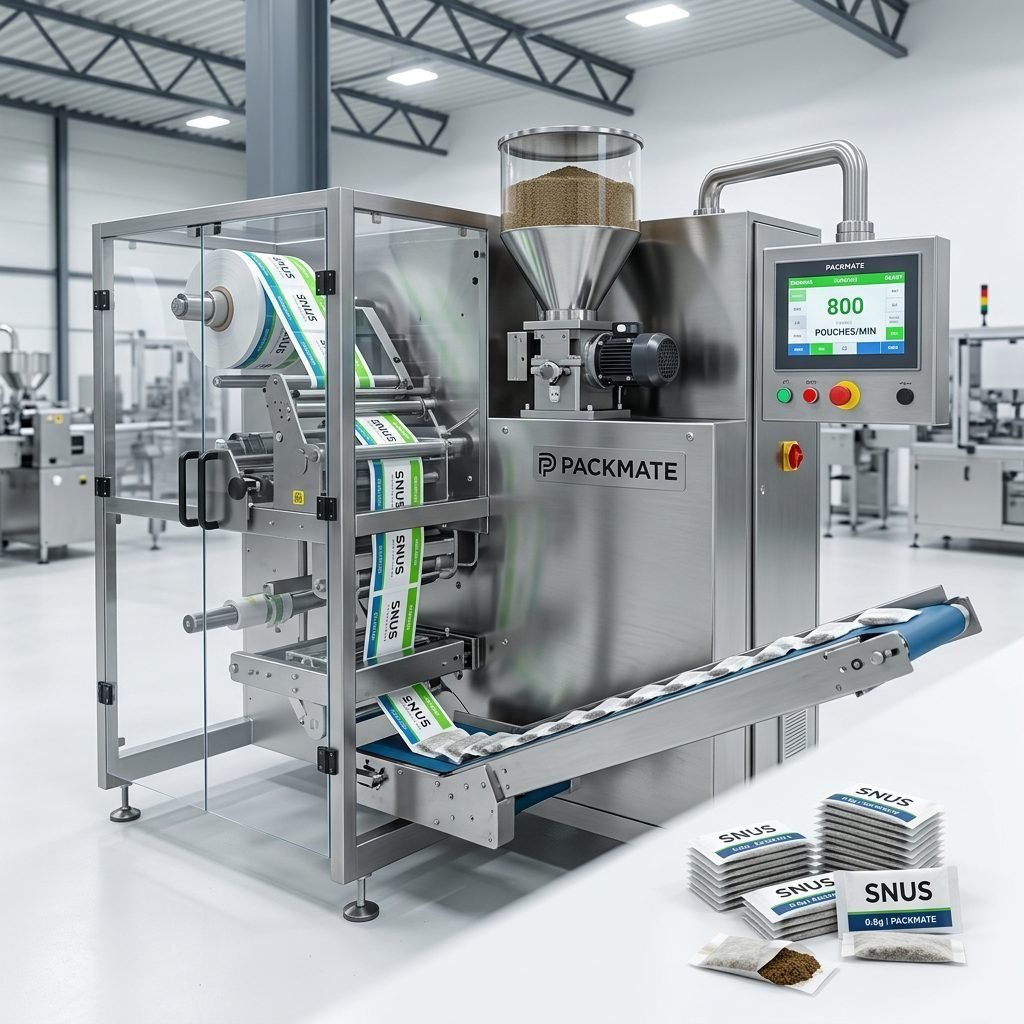
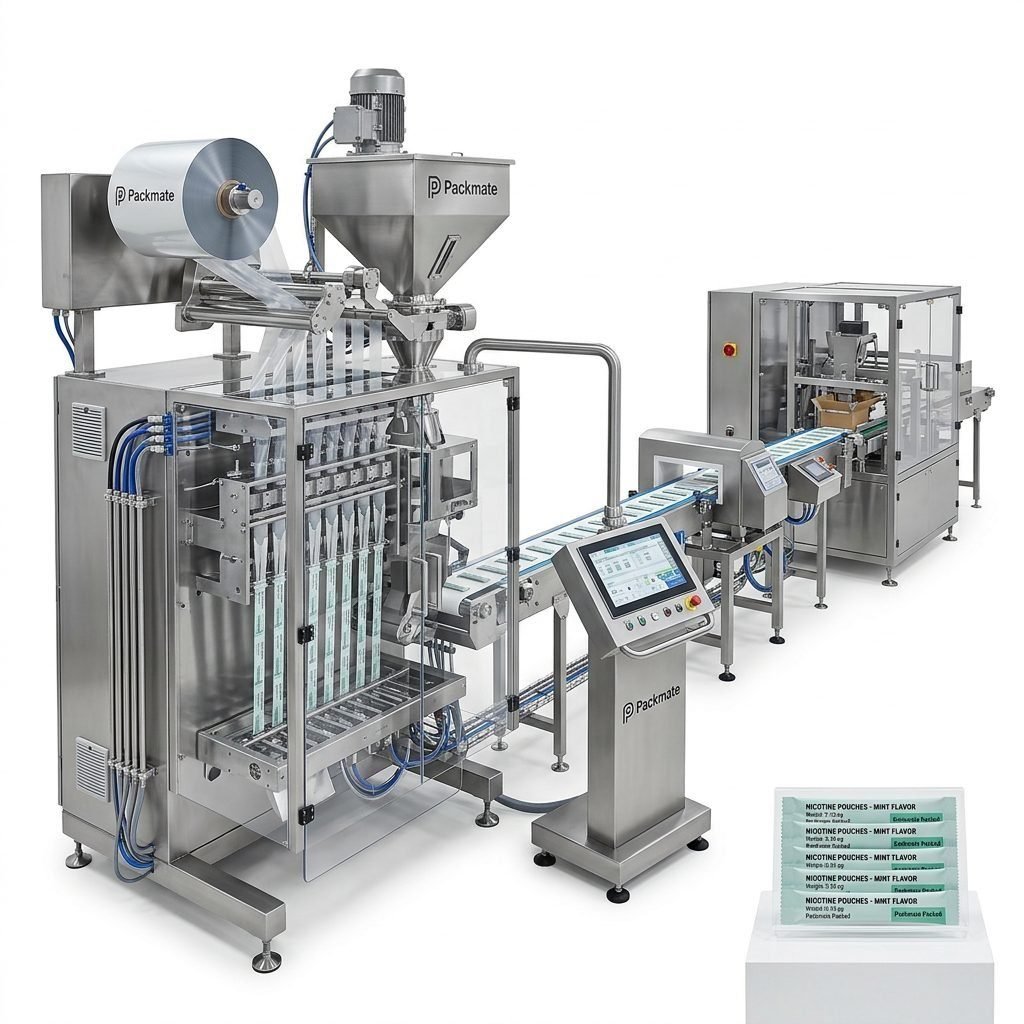
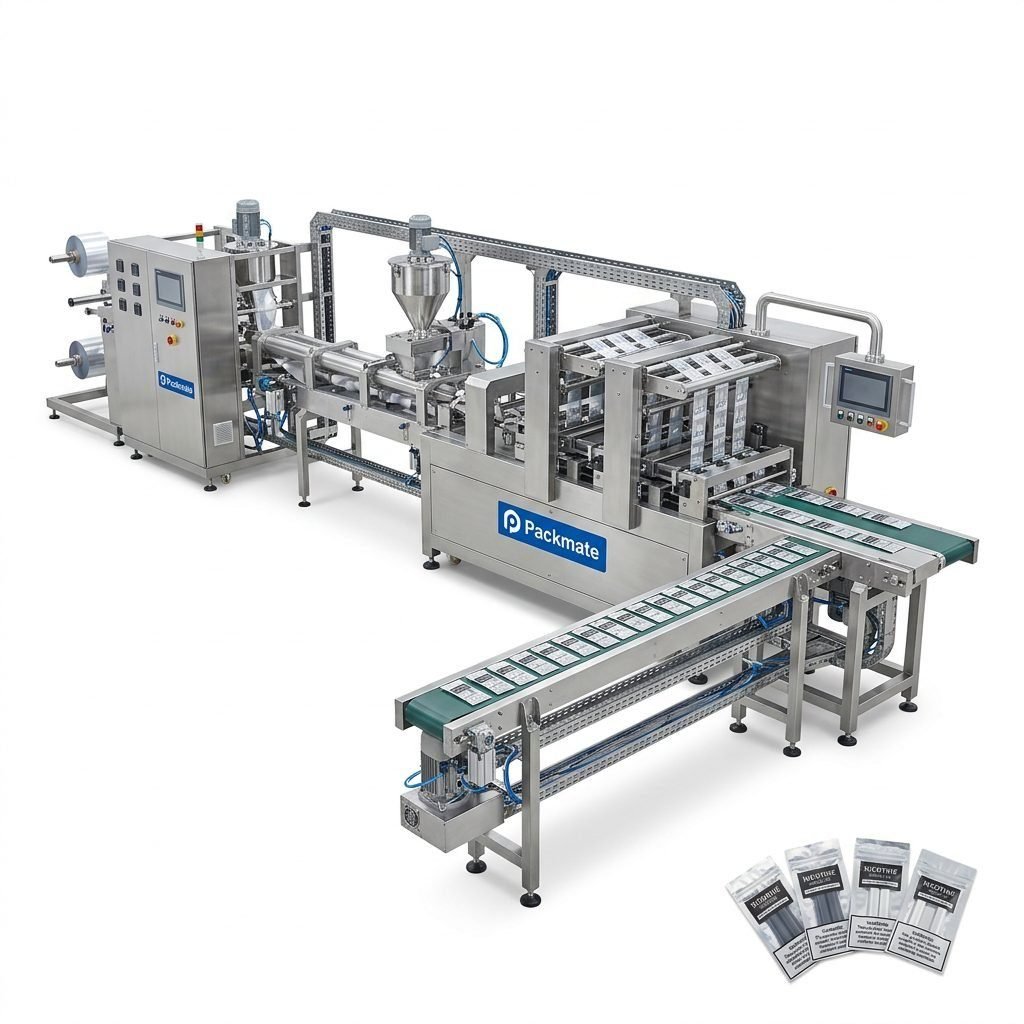
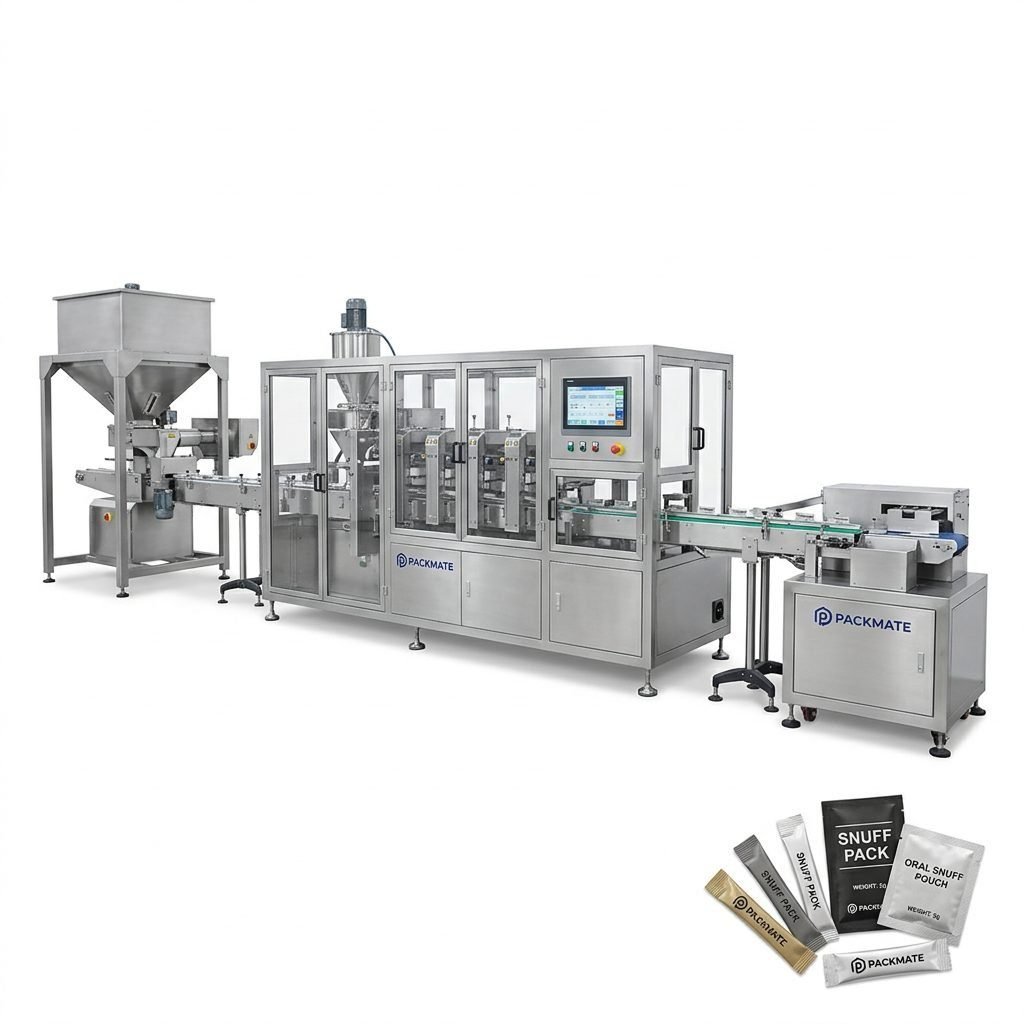
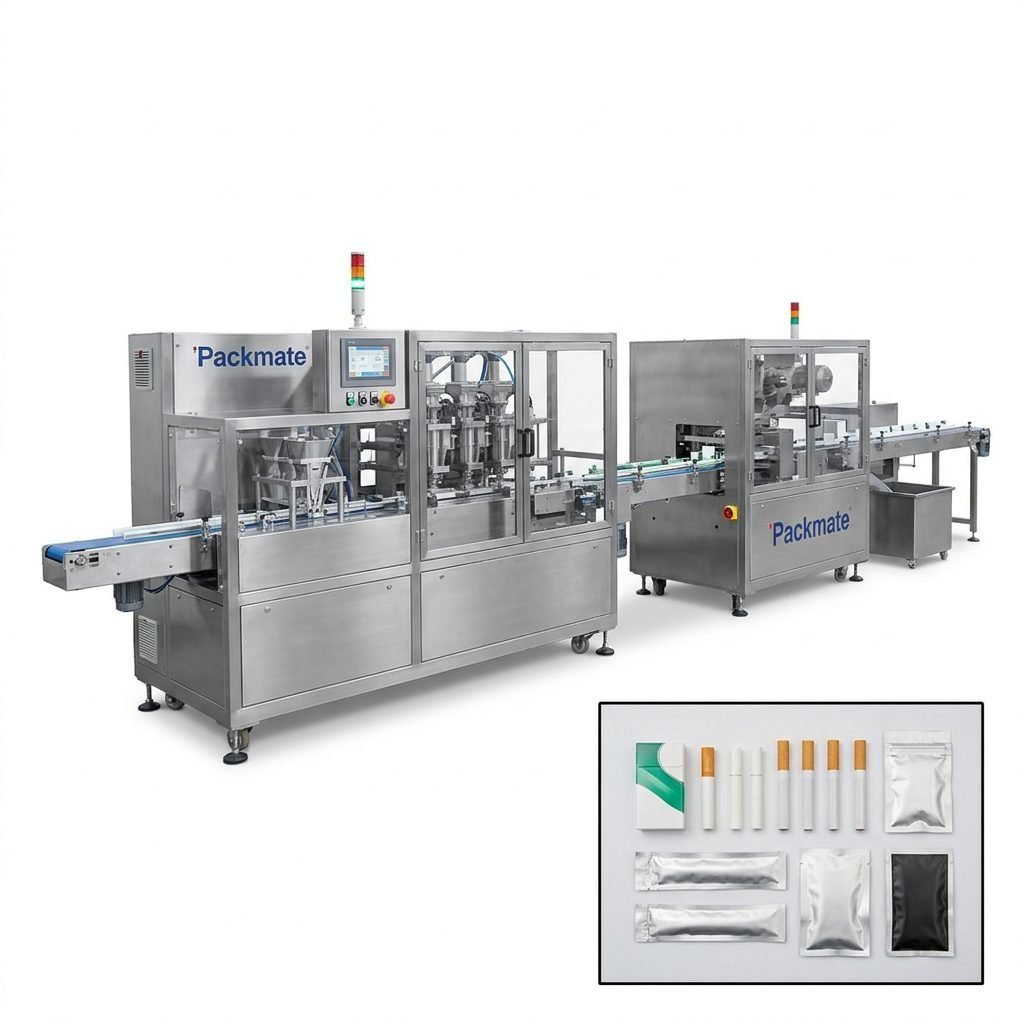
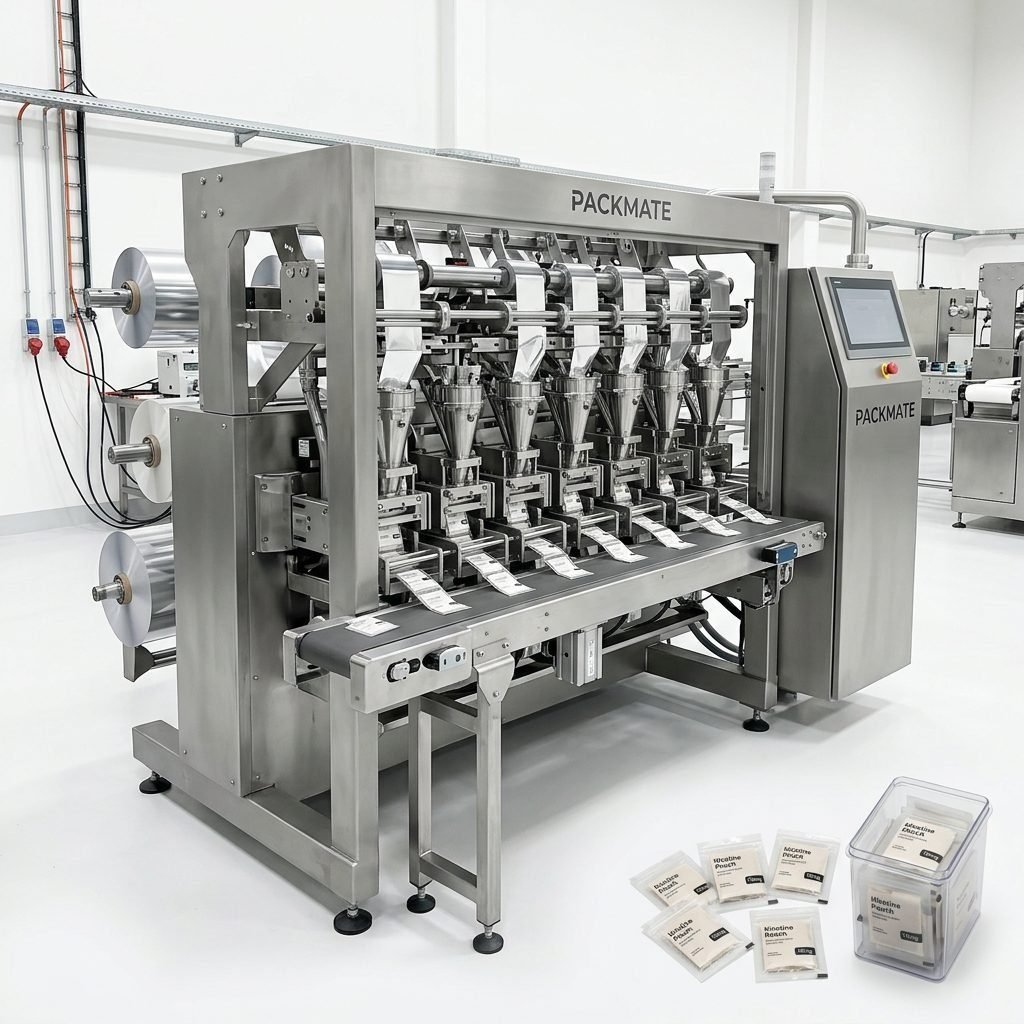
In today’s fast-paced consumer markets, nicotine pouch manufacturers demand packaging solutions that combine speed, consistency, and compliance. Modern pouch production requires machines that are not only high-speed but also flexible enough to handle multiple formats, materials, and dosing requirements. This article explores innovative nicotine pouch machines and automated packaging solutions that help producers scale efficiently while maintaining product integrity and regulatory standards.
Overview: High-Speed Nicotine Pouch Automation
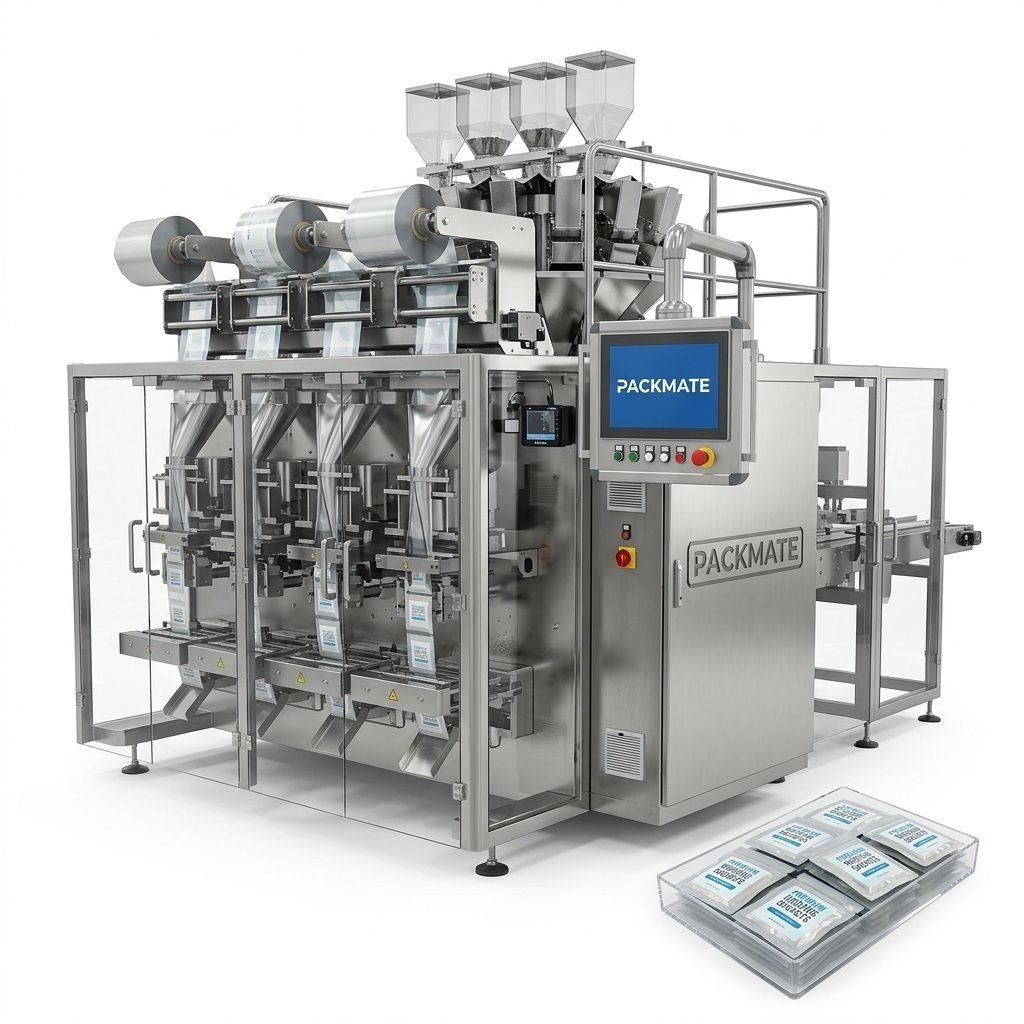
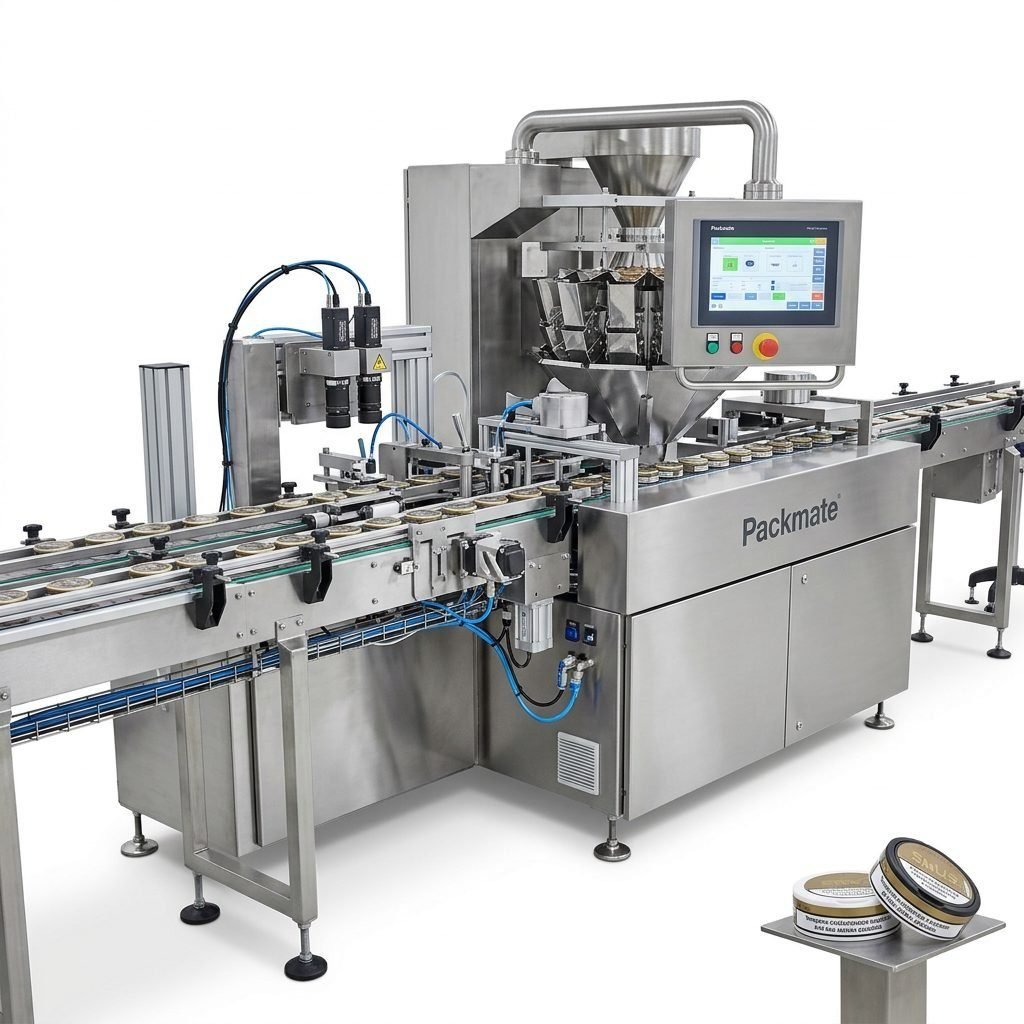
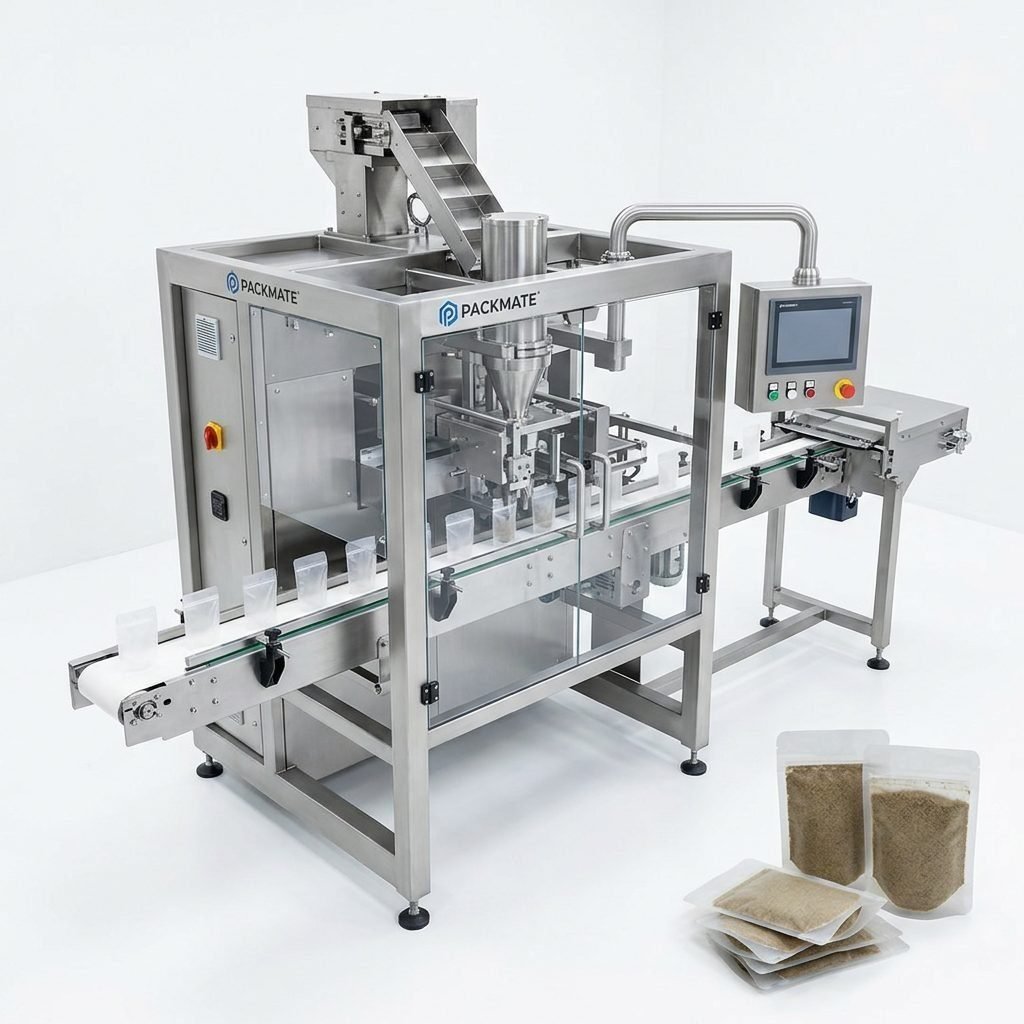
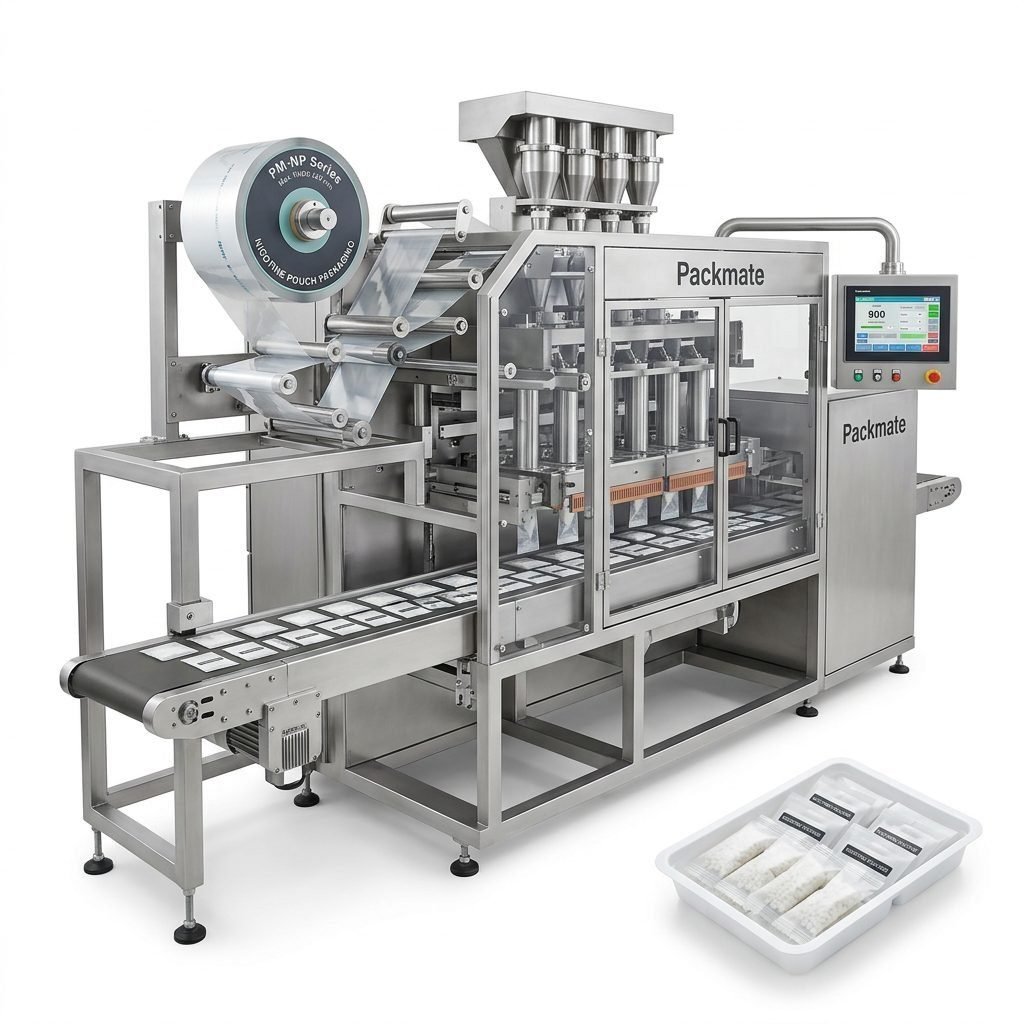
The latest generation of nicotine pouch machines emphasizes multi-lane throughput, precision dosing, and modular integration. Manufacturers can run continuous production for snus, nicotine pouches, and similar small-dose sachets with minimal downtime. Key technological advances include servo-driven indexing, intelligent vision inspection, and synchronized multi-lane feeders — all aimed at maximizing output and minimizing waste.
🔧 Core advantage: Reduced labor, higher yield per shift, and consistent pouch weight control through integrated weighing and filling systems. Explore specific machine families for snus and nicotine at Snus & Nicotine Packaging Machines.
Key Features of Modern Nicotine Pouch Machines
High-performance pouch machines blend mechanical accuracy and intelligent controls. The following features are now standard or highly recommended for modern production:
✓ Multi-lane format capability for exponential throughput gains.
✓ Precision dosing and filling systems matched to powder, granule or liquid formulations.
✓ High-speed sealing and cutting units that ensure consistent pouch shape and seal integrity.
✓ Integrated vision inspection and rejection systems for quality assurance.
✓ Modular automation options for downstream cartoning, case packing, and robotic palletizing.
Production Line Components & Workflow
A complete nicotine pouch production line typically consists of several synchronized modules that can be tailored to product specifications and plant layout:
1. Feeding & Weighing: High-precision multi-head or auger systems ensure accurate dosing for each pouch.
2. Form-Fill-Seal / Pouch Former: Converts film into individual pouches with accurate fill volumes.
3. Sealing & Cutting: Rotary or linear units deliver high-speed, reliable seals with consistent pouch dimensions.
4. Inspection & Rejection: Vision systems and weight checks eliminate out-of-spec items automatically.
5. Secondary Packaging: Automated cartoners and case packers complete the finished goods packaging for distribution — see options in Filling & Packaging Lines.
🚀 Production tip: Pair multi-lane pouch machines with centralized weighing systems to keep lane-to-lane consistency within tight tolerances and boost overall OEE (Overall Equipment Effectiveness).
Customization, Scalability & Turnkey Solutions
Manufacturers need flexibility to respond to SKU proliferation and regulatory variation across markets. Leading suppliers provide modular solutions that allow:
• Custom tooling and format change kits for different pouch types — from round micro pouches to rectangular sachets.
• Scalable lane configurations: start with a two-lane system and expand to 4, 6 or more lanes as demand grows.
• Full turnkey lines including material handling, in-line checkweighers, metal detectors, cartoners, and robotic palletizers.
Companies with deep engineering experience can supply production-ready lines that lower integration time and reduce commissioning risks — learn about Packmate’s solutions at About Packmate.
Engineering & Manufacturing Strength
Reliable machine performance begins with manufacturing excellence. Look for vendors that emphasize:
• Precision CNC machining centers to maintain tight tolerances on critical parts.
• Dedicated assembly lines that allow consistent build quality across multiple machine models.
• Comprehensive quality testing and final acceptance routines before shipment.
For example, a manufacturer with a 20,000㎡ factory and 30+ years of R&D experience will have the institutional know-how to deliver robust solutions across global markets.
Compliance, Certifications & Traceability
Meeting local and international regulations is non-negotiable for nicotine pouch producers. Important considerations include:
⚠️ Material and product traceability to satisfy audits and supply chain transparency.
✓ Machines that comply with CE and ISO standards for safety and quality.
Manufacturers should request documentation and factory acceptance reports; many reputable suppliers publish certificates and compliance information online — see certificates at Certificate.
Smart Controls & Industry 4.0
Industry 4.0 capabilities are a major differentiator. Modern machines often come with:
• Remote monitoring and predictive maintenance dashboards.
• Data logging for batch records and traceability.
These features reduce unplanned downtime and provide managers with actionable KPIs for continuous improvement.
✓ Operational highlight: Integrated vision inspection not only rejects defective pouches but also feeds quality data back to the control system to fine-tune dosing and fill algorithms.
Service, Spare Parts & Global Support
Long-term uptime depends on prompt service and access to genuine spare parts. Choose a supplier with:
• Global technical support and local service partners.
• Clear spare parts catalogs and quick-turn shipping for maintenance-critical components.
For details on after-sales services and field support, vendors often include a dedicated section — view services at Service.
Case Studies & Real-World Performance
Real-world case studies illustrate how high-speed nicotine pouch machines perform under production conditions. Successful implementations typically highlight:
• Throughput improvements of 2-4x after upgrading to multi-lane systems.
• Reduced product giveaway from improved dosing accuracy.
Read example projects to see configuration choices and realized benefits at Case.
Choosing the Right Partner
Selecting a machine supplier is as important as selecting the machine itself. Evaluate partners based on:
• Track record in nicotine pouch and snus packaging solutions.
• Availability of turnkey solutions and multi-disciplinary engineering support.
• Factory capabilities: number of machine models, manufacturing footprint, and R&D depth.
A supplier that balances innovation with field-proven reliability will help accelerate time-to-market while protecting long-term production goals.
Implementation Checklist for New Lines
To ensure a smooth rollout, follow a structured implementation plan:
1. Define target throughput, SKU mix, and acceptance criteria.
2. Validate materials: film, pouch substrates, and secondary packaging compatibility.
3. Run FAT (Factory Acceptance Test) with representative product samples.
4. Train local operators and maintenance teams with hands-on sessions.
5. Establish spare parts kits and first-line troubleshooting guides to minimize initial downtime.
Sustainability & Waste Reduction
Sustainability is increasingly important. Optimized dosing and precision filling reduce overfill and raw material waste. Additionally, automated rejection and consistent sealing reduce rework rates and scrap volumes, contributing to better environmental performance and lower production costs.
Summary
High-speed nicotine pouch machines represent a strategic investment for producers targeting growth and compliance. By focusing on modular, multi-lane designs, integrated quality systems, and robust engineering support, manufacturers can achieve substantial productivity gains while maintaining product quality. Partner with experienced suppliers who provide turnkey solutions, strong manufacturing capabilities, and comprehensive after-sales service.
Frequently Asked Questions
Q1: How quickly can a multi-lane nicotine pouch line be commissioned?
A1: Commissioning time depends on line complexity and site readiness, but typical timelines range from 4 to 12 weeks for delivery and an additional 1-3 weeks for on-site installation and validation.
Q2: What certifications should I verify before purchasing a machine?
A2: Verify CE and ISO certifications for safety and quality, request material traceability documentation, and ensure the supplier provides FAT reports and machine validation records.
Q3: Can machines handle different pouch sizes and materials?
A3: Yes — most modern systems are designed for flexibility with quick-change tooling and programmable parameters. Discuss your SKU range with the vendor to optimize format changeover times.
Q4: What after-sales services are typically available?
A4: Common services include remote diagnostics, preventive maintenance programs, spare parts supply, operator training, and local field service support. Check the supplier’s service offerings and regional presence.
Q5: Where can I see real examples of installed lines?
A5: Review vendor case studies and exhibition demos to evaluate installed performance and configuration options; many manufacturers provide project overviews online at Our Exhibition.