Choosing a reliable snus packaging machine supplier in Sweden requires more than comparing prices — it demands an understanding of local habits, regulatory requirements, production targets, and long-term service needs. This guide walks you through practical steps to identify a trustworthy partner, evaluate machine options, and ensure smooth commissioning and after-sales support for snus and nicotine pouch packaging lines in the Swedish market. 🇸🇪📦
Why Sweden Needs a Specialized Approach
Sweden is unique in Europe when it comes to snus consumption — traditional social habits and strong consumer demand make snus and nicotine pouches a mature category. Local customers expect high-quality, well-labelled products and fast response times. That means your packaging machinery partner must understand: local language labels, Swedish health and packaging regulations, and often smaller production runs with rapid changeovers to adapt to flavor or dose variations.
Key Swedish considerations
⚠️ Regulatory sensitivity: Even though snus is legal and prevalent in Sweden, manufacturers must comply with EU import rules and Swedish labelling standards for nicotine products.
📦 Packaging preferences: Swedish consumers favor compact, discreet packs with clear ingredient and dose information. Machines should support flexible pouch sizes and high print quality.
Understand the Types of Snus Packaging Machines
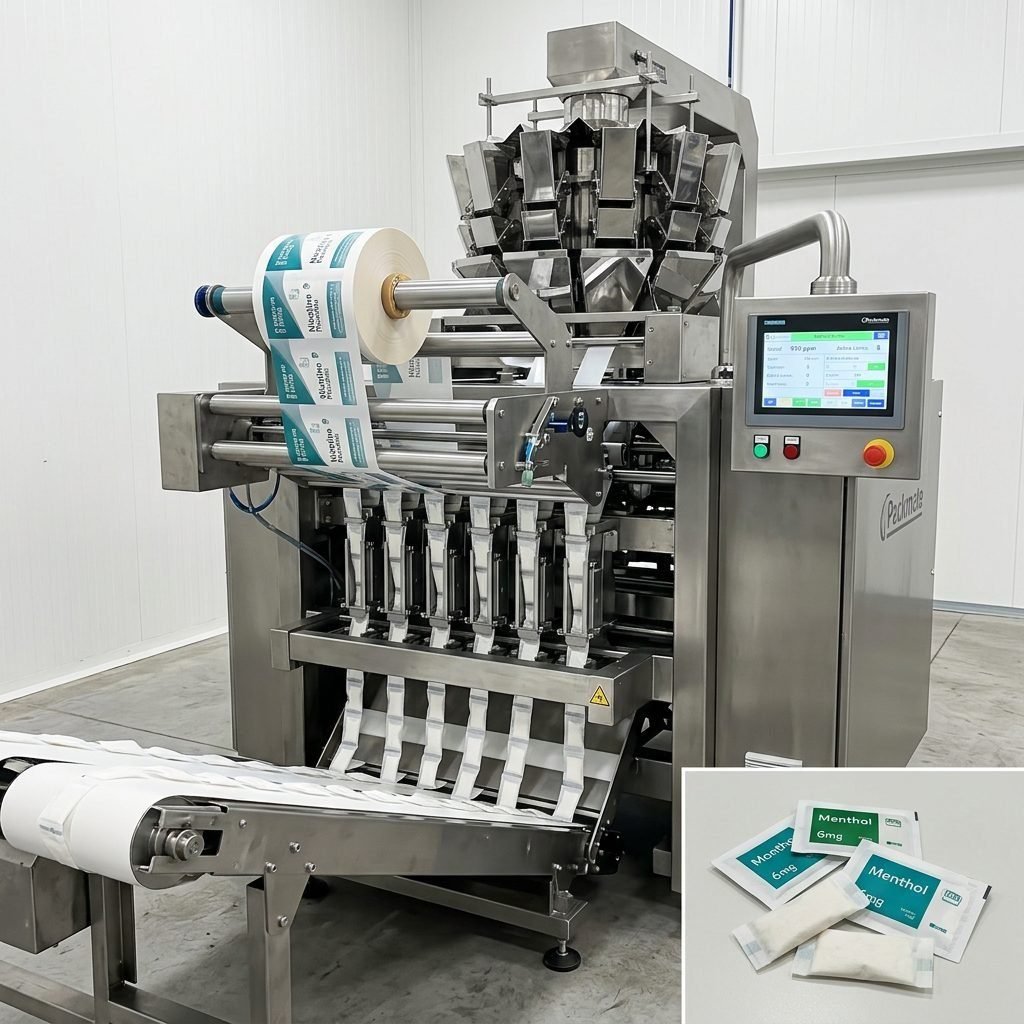
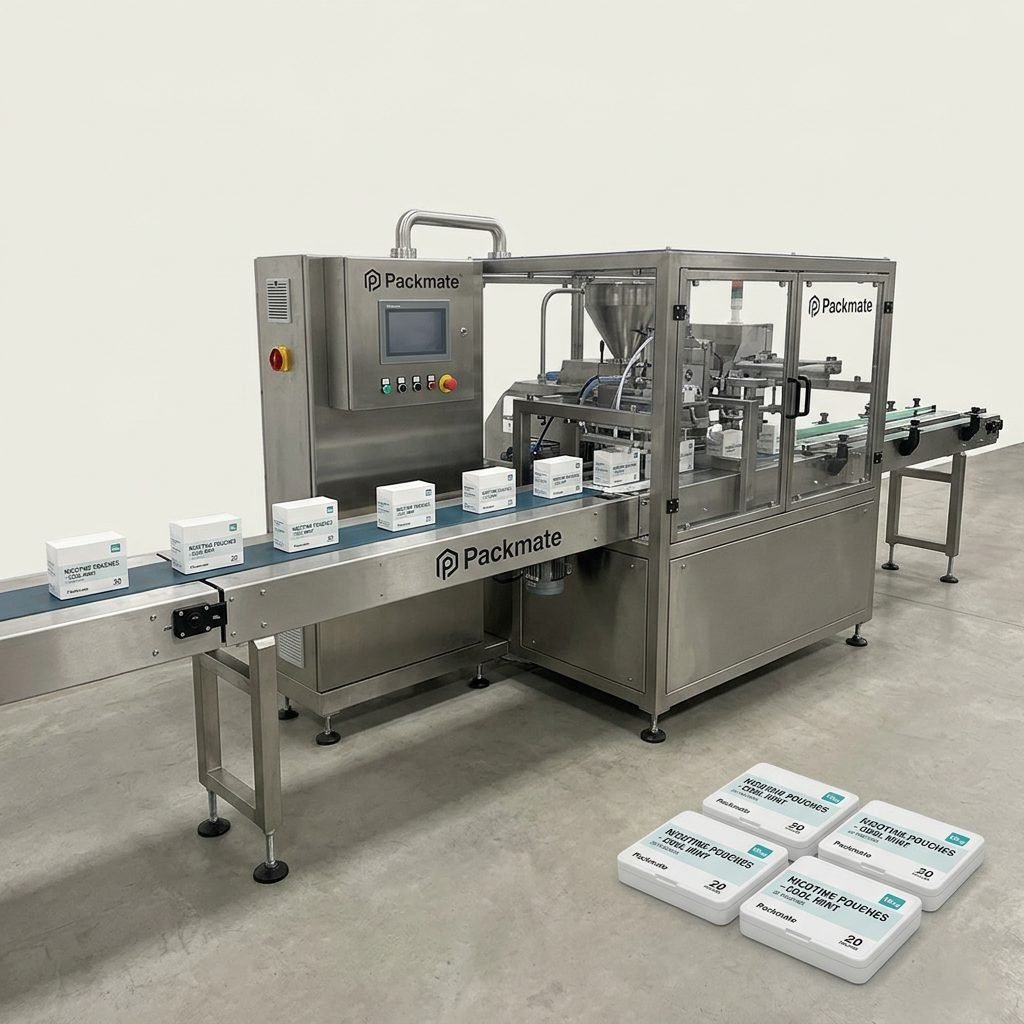
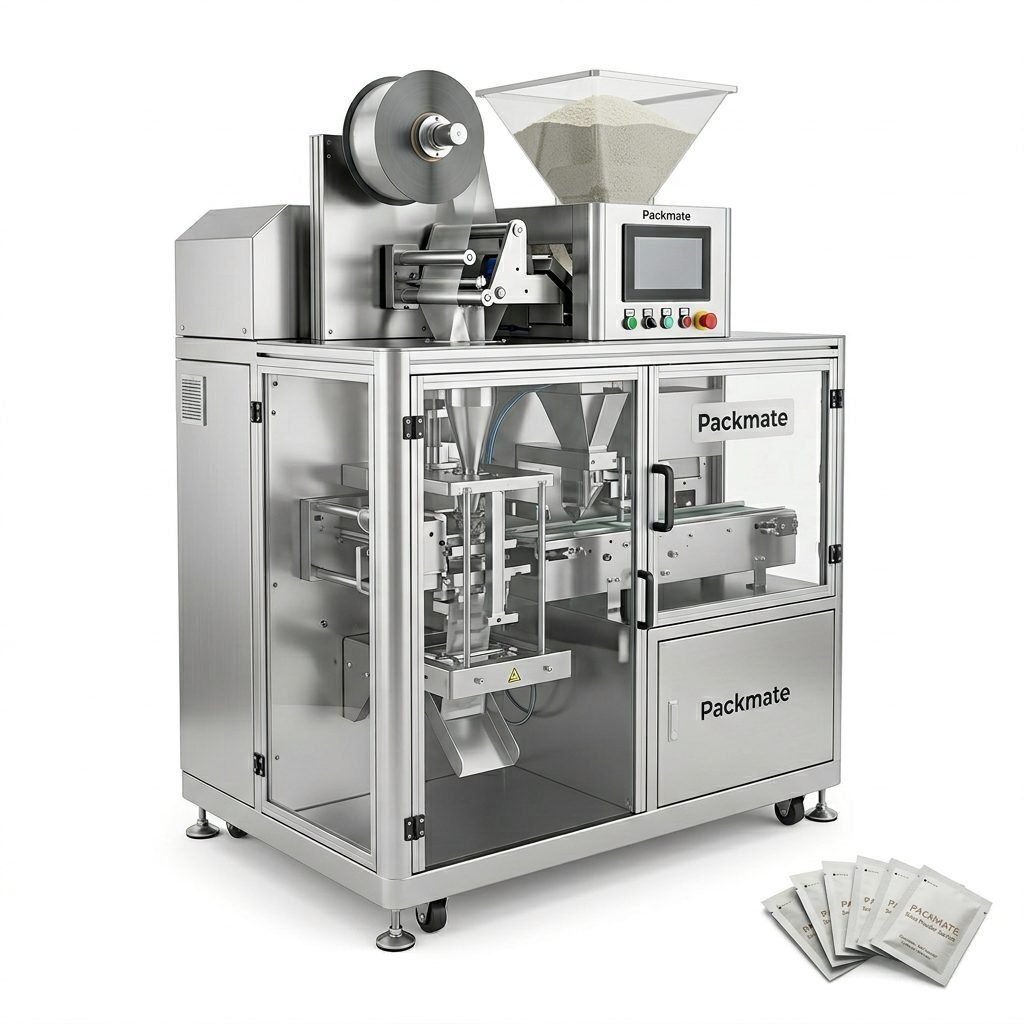
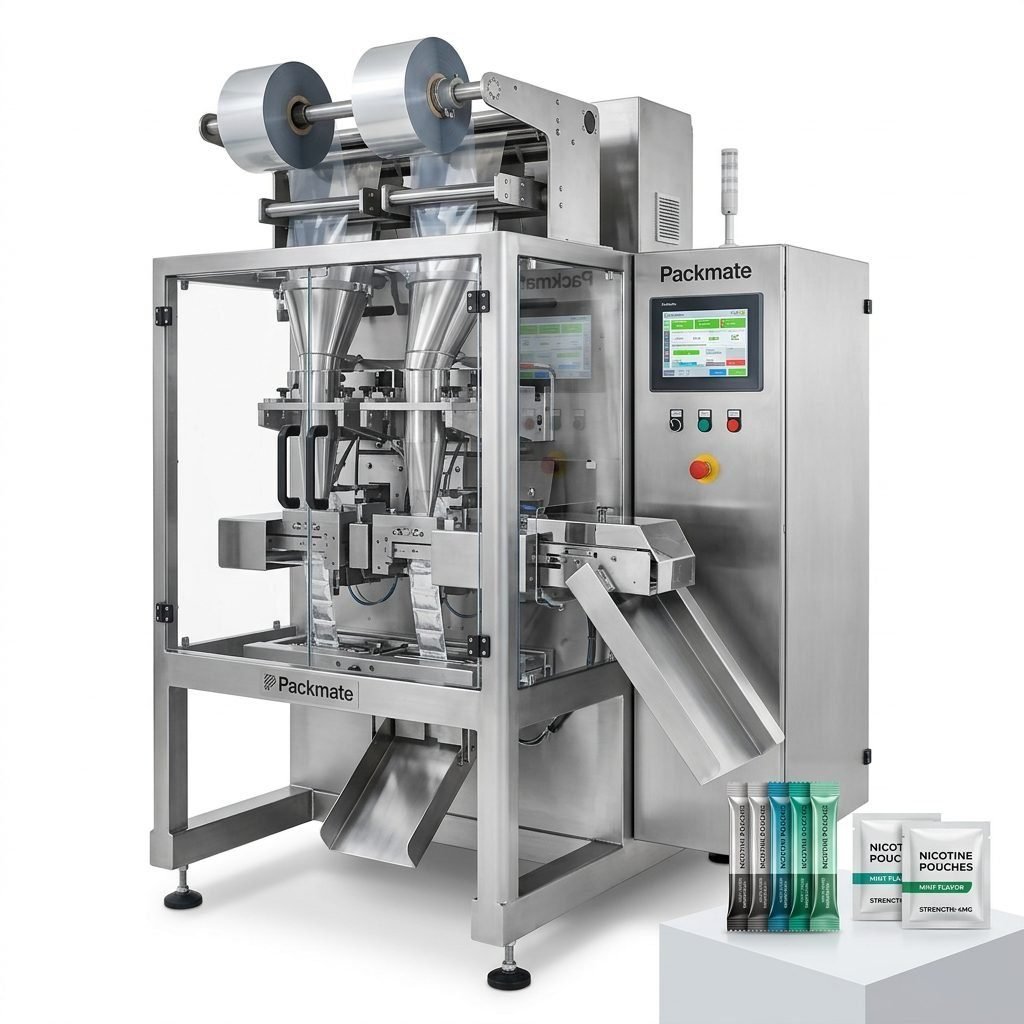
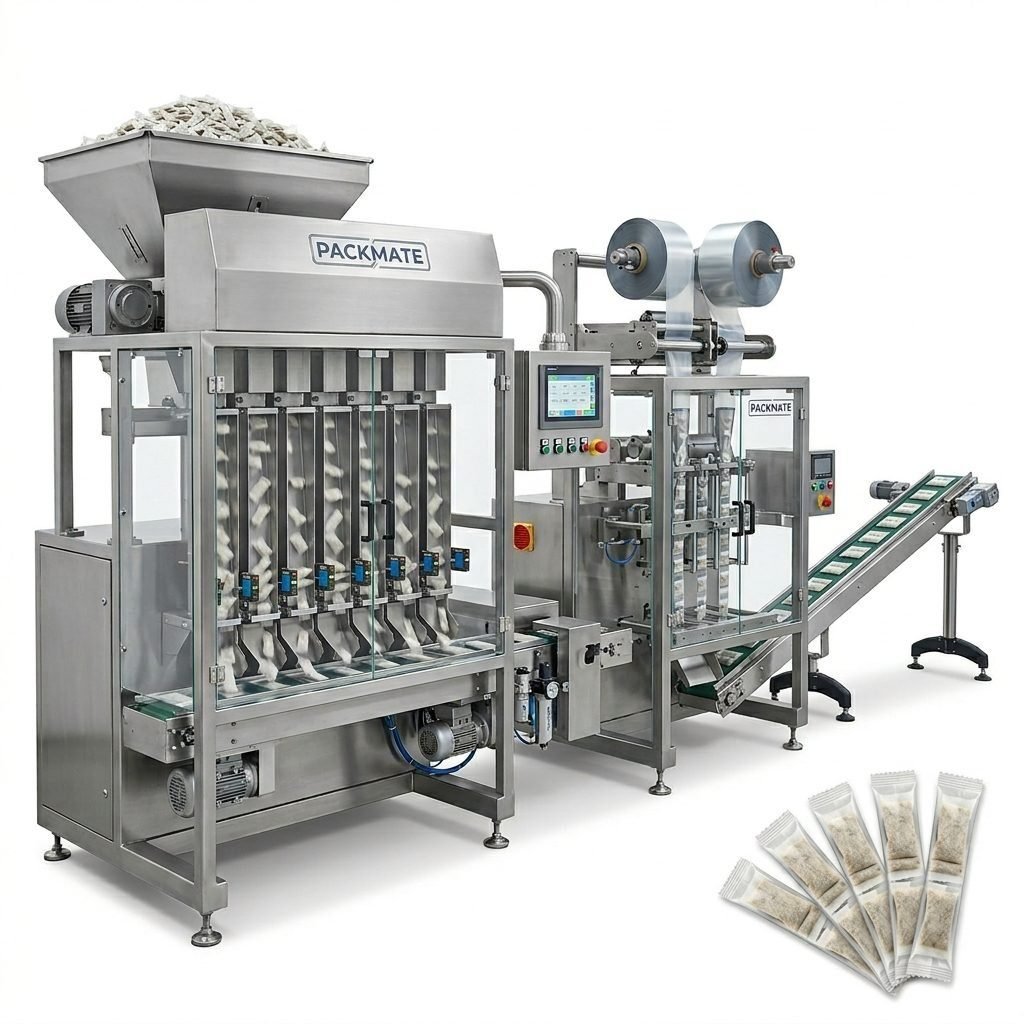
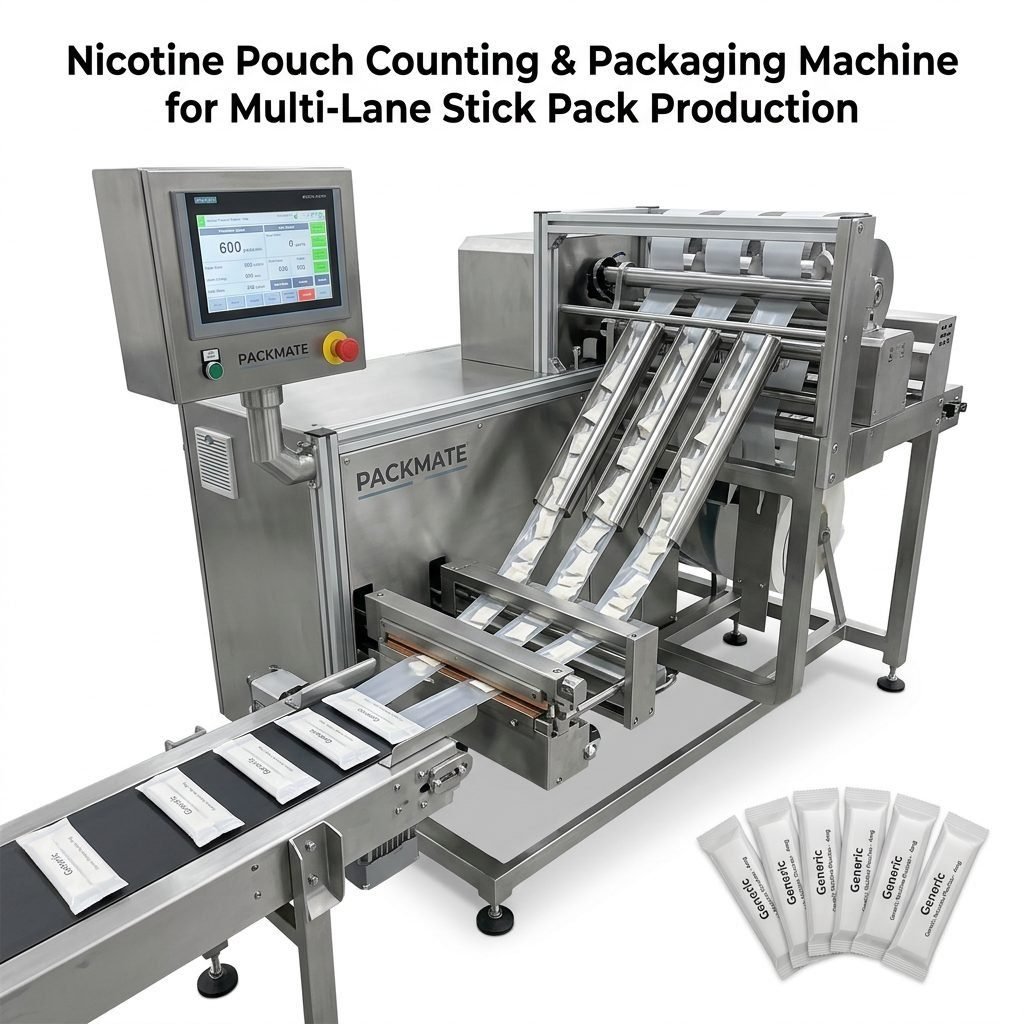
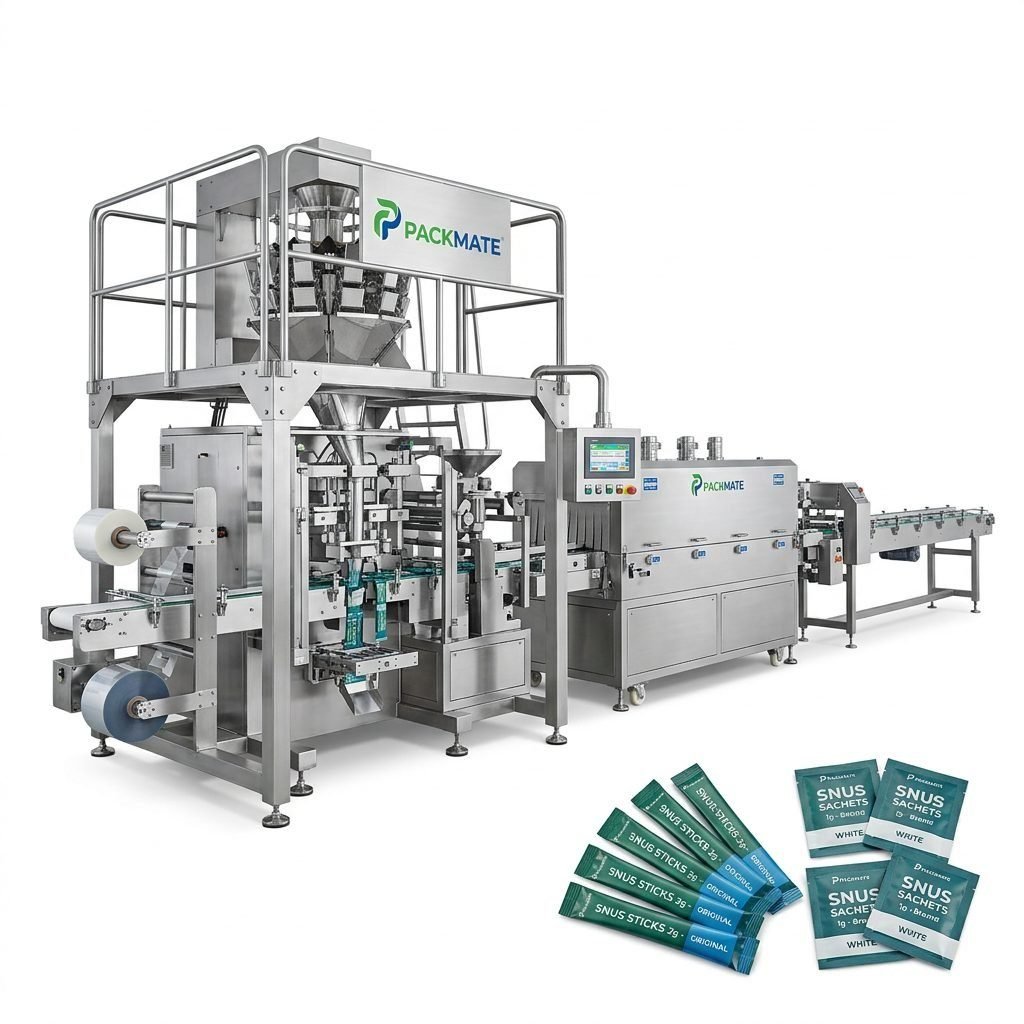
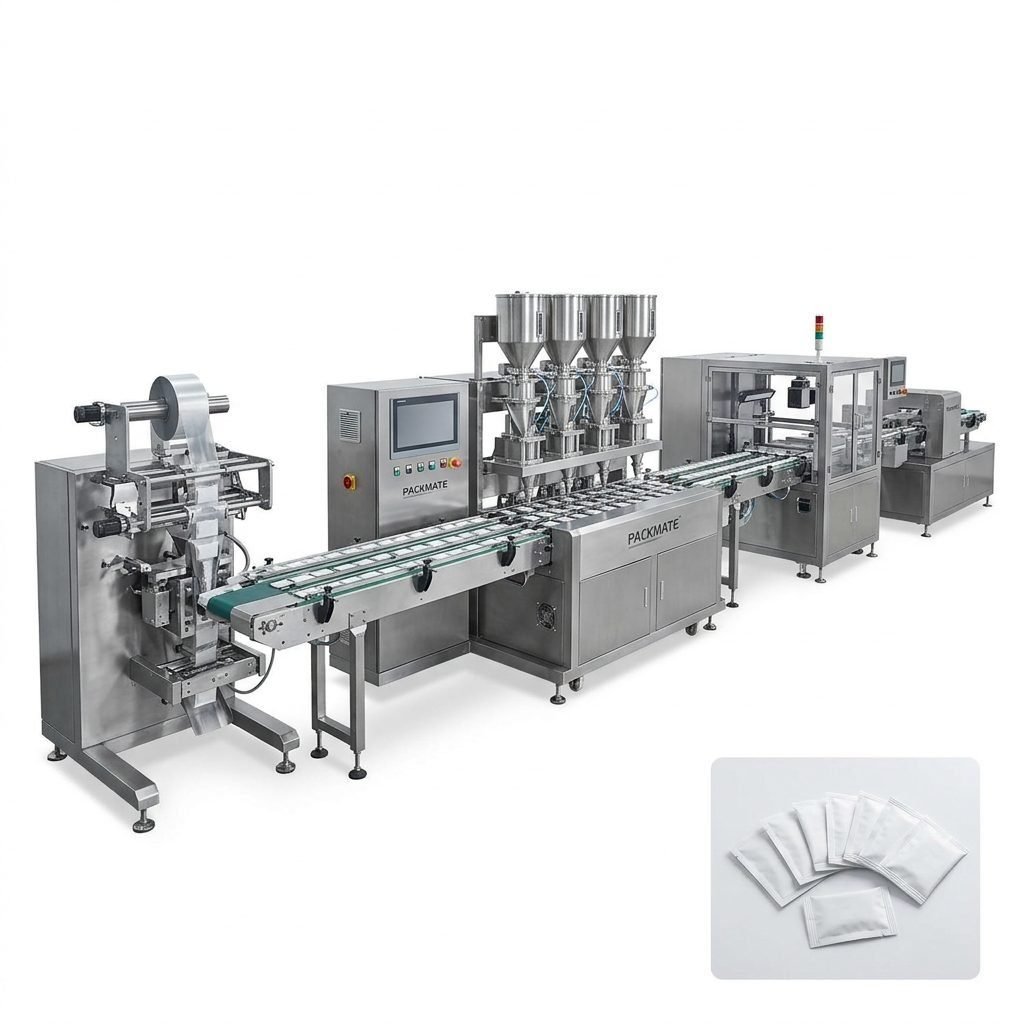
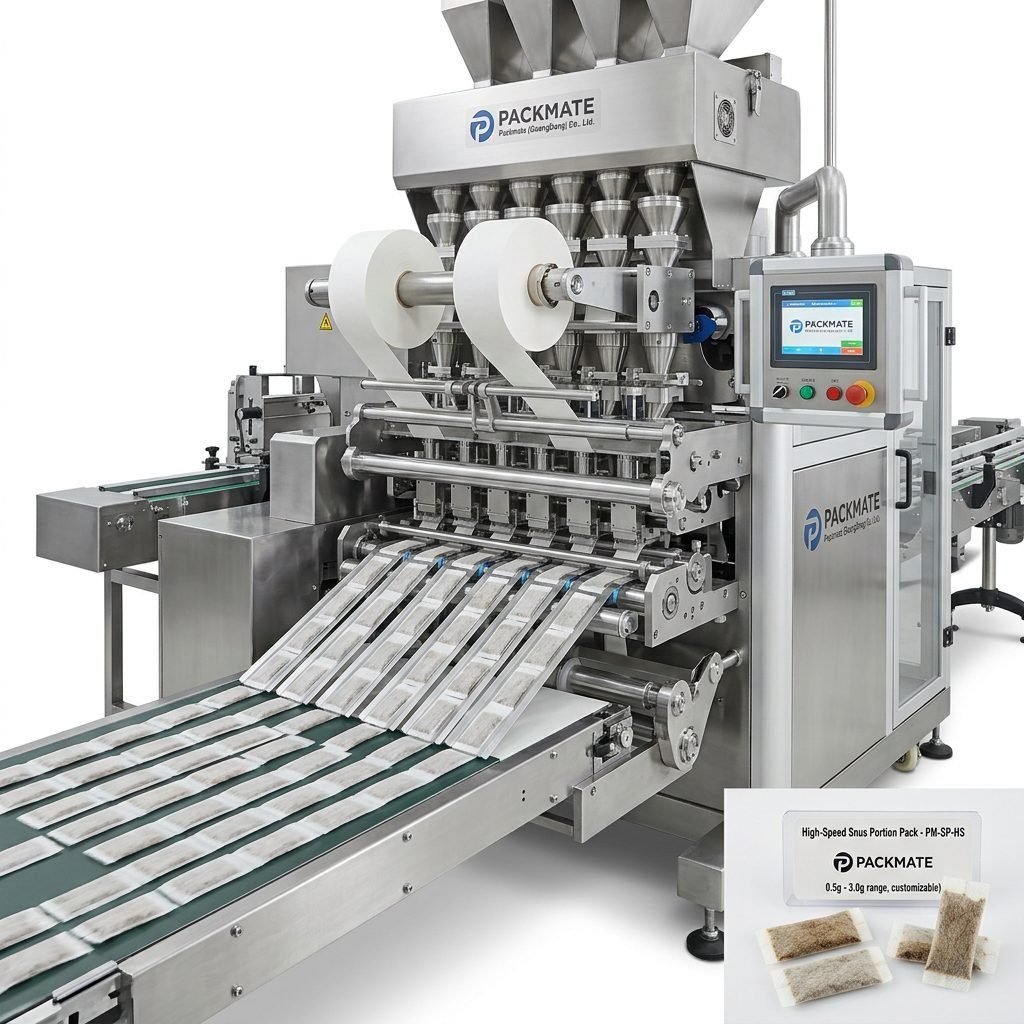
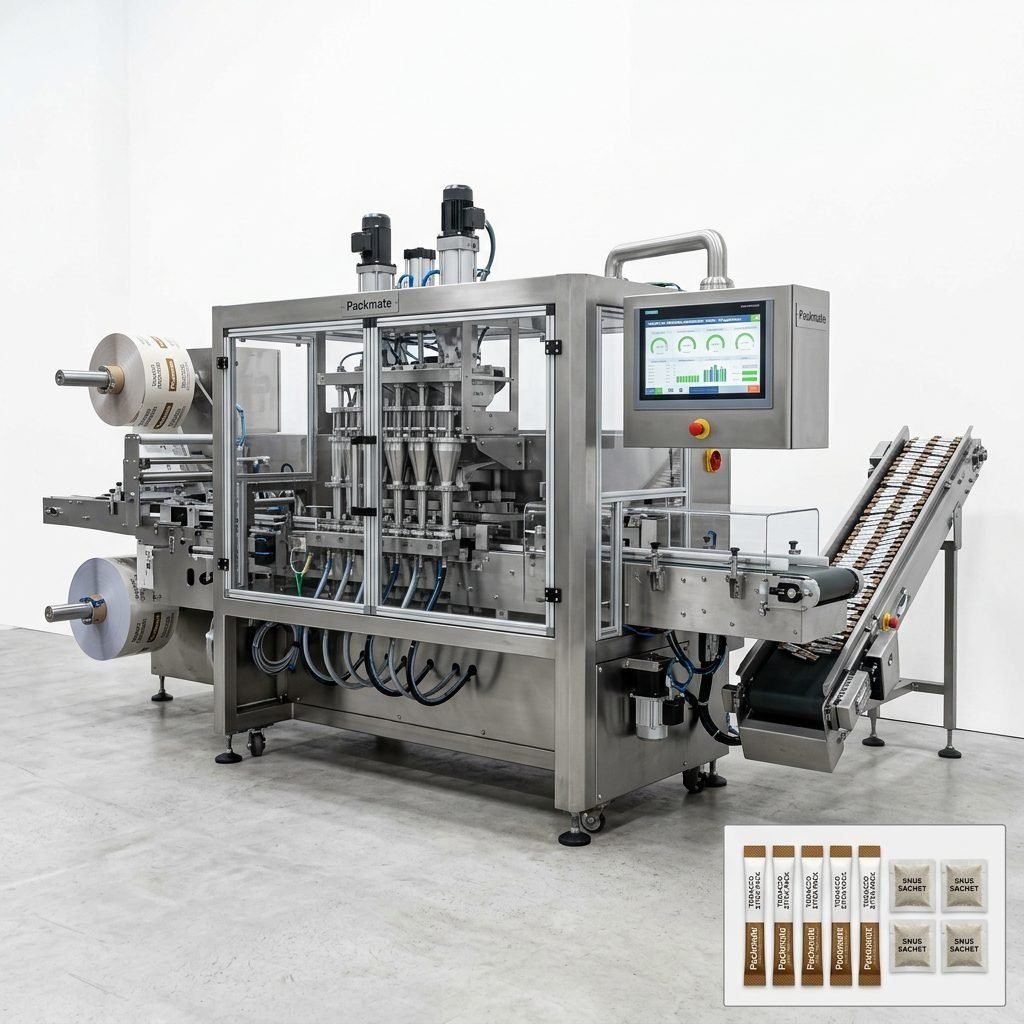
Before contacting suppliers, clarify which machine family suits your product mix. Typical options include stick pack machines, sachet machines, multi-lane systems, and dedicated snus/nicotine-pouch lines. Each has trade-offs in speed, accuracy, and footprint.
📌 Primary machine families:
Stick Pack, Sachet & Stick Pack, Snus / Nicotine Pouch Machines, Filling & Packaging Lines.
Consider exploring product pages such as
Snus & Nicotine Packaging Machines
and
Sachet & Stick Pack Machines
to match your technical needs.
How to Evaluate a Supplier — 8 Practical Criteria
When you shortlist suppliers, assess them across technical capability, manufacturing strength, certifications, service network, and references. Below are eight focused checks to perform.
1. Factory & Production Capacity
Visit or request detailed factory information: floor area, CNC centers, assembly lines, and production throughput. A supplier with a sizable facility (for example, a 20,000㎡ factory with advanced CNC equipment) typically offers better quality control and faster lead times.
2. Industry Experience and Models
Look for companies with decades of experience and a wide model range (50+ models is a strong sign). Experienced suppliers often provide proven multi-lane systems for small-dose pouches and modular designs for future upgrades.
3. Certifications & Compliance
Verify CE and ISO certifications and ask for test reports. Suppliers who ensure equipment meets international standards reduce risk when exporting to Sweden and working with local authorities.
4. Customization & R&D Capability
Snus formats evolve quickly; choose a supplier with strong R&D who can customize tooling, dosing systems, and labeling modules to meet Swedish labelling (including Swedish language and batch traceability).
5. After-sales Service & Spare Parts
Prioritize suppliers that offer spare-part stocks, remote diagnostics, installation, and operator training. Quick response times are important in Sweden, where downtime can interrupt regular distribution cycles.
6. Customer References & Case Studies
Ask for references and review case studies. Real-world examples show how a supplier handles challenges and supports product launches. See practical references at
Case.
7. Total Cost of Ownership (TCO)
Evaluate TCO — not just purchase price. Include energy use, maintenance intervals, spare-part costs, and expected life-cycle for critical components such as dosing augers and sealing jaws.
8. Warranty and Training
Confirm warranty terms and what operator/maintenance training is included. A clear commissioning package reduces start-up risk.
✔️ Pro tip:
For Sweden, request documentation that supports CE marking, machine manuals in English (and Swedish if possible), and clear spare-part lists with part numbers and lead times.
Technical Features to Prioritize
Whether you choose a multi-lane snus pouch line or a compact stick pack system, these technical features will ensure consistent quality and scalability.
Precision Dosing & Weighing
Accurate dosing is critical for nicotine products. Check dosing tolerance (usually in mg or %), and whether the supplier integrates weighing systems for in-line quality control. Link to weighing solutions:
Weighing & Packaging Systems
Multi-lane Capability & Scalability
Multi-lane machines increase throughput while keeping a small footprint. Confirm lane configuration, pitch control, and how easy it is to add lanes or convert to another format.
Changeover Time & Tooling
Swedish factories often run multiple SKUs. Fast, tool-less changeovers reduce downtime. Ask for average changeover times and whether change parts are modular.
Material Compatibility & Hygiene
Machines must handle various pouches, lids, and barrier films. Stainless steel contact parts and hygienic designs reduce contamination risk for consumer trust in Sweden.
Factory Visit & Factory Acceptance Test (FAT)
A factory visit or virtual FAT is essential. Verify assembly quality, electrical wiring standards, software interfaces, and witness sample runs with your product or a close simulation.
Checklist for FAT:
witness full-speed runs, check alarms and safety interlocks, confirm SCADA/HMI language options, and collect test reports for speed, weight accuracy, and seal integrity.
Negotiation & Contract Tips
Negotiations should balance price with clear deliverables: delivery time, warranty, spare parts list, training scope, acceptance criteria, and penalties for missed deadlines. Include escalation paths for technical support.
Key contract elements
• Delivery & Installation schedule
• Warranty period, coverage details, and spare parts commitments
• Acceptance tests criteria and penalties for non-conformance
• Intellectual property and software licensing (HMI/PLC)
Shipping, Installation & Local Compliance in Sweden
Coordinate customs documentation, CE certificates, and ensure all machine manuals and safety labels are provided. Sweden expects clear labeling for consumer products — plan for translation and local batch-tracking requirements.
Consider logistics: machines shipped by sea require proper crating and pre-shipment checks. Work with a supplier that offers installation and on-site commissioning in Sweden or remote commissioning support with local partners.
After-Sales & Long-Term Partnership
A supplier that becomes a long-term partner supports product upgrades, regulatory changes, and spare-part planning. Check whether the supplier has a local service network or fast shipping options to Sweden for critical components.
Learn more about supplier capabilities and services on their company page:
About Packmate
and their
Service
section.
Real-world Example & Quick Reference
Packmate Snus Machine has over 30 years of experience and a 20,000㎡ manufacturing base producing high-precision snus pouch lines, multi-lane systems, and turnkey packaging solutions. Their documented cases and exhibition presence can help validate reliability and performance before purchase.
For direct inquiries and quotations, use the supplier contact channel:
Contact Us.
📌 Quick checklist before signing:
FAT completed, CE & ISO evidence provided, spare-part list agreed, training dates scheduled, and local language documentation confirmed.
Final Selection Tips
Take a balanced view: quality and support often matter more than the lowest price. Prioritize suppliers who demonstrate real-world snus packaging experience, provide transparent TCO information, and show a commitment to after-sales care in Europe. Visiting a live installation or machine demo at an exhibition can be decisive — check upcoming events on the supplier’s exhibition page:
Our Exhibition.
Helpful links and resources
• Product portfolios: Filling & Packaging Lines
• Certificates & compliance: Certificate
Conclusion
Selecting a reliable snus packaging machine supplier for Sweden blends technical assessment with cultural and regulatory awareness. By validating factory capability, certifications, machine features, FAT performance, and after-sales support, you minimize risk and ensure timely, compliant production for the Swedish market.
Common Questions (FAQs)
Q1: What certifications should a snus packaging machine have for Sweden?
A1: Ensure CE compliance, relevant ISO quality standards, and full machine documentation including electrical schematics and test reports.
Q2: How important is local language documentation for Sweden?
A2: Very important — Swedish labeling and clear operator manuals (English + Swedish preferred) streamline approvals and operator training.
Q3: Should I prioritize multi-lane machines for snus production?
A3: If you need high throughput with limited floor space, multi-lane systems are a strong choice. Evaluate based on SKU mix and changeover frequency.
Q4: How do I verify a supplier’s long-term support capability?
A4: Ask for spare-part lead times, local service partner lists, training packages, and real customer references in similar markets.
Q5: Where can I find real machine examples and references?
A5: Review supplier case studies and exhibition demos. For example, see the supplier’s case page and exhibition schedule to witness live demos and customer feedback.