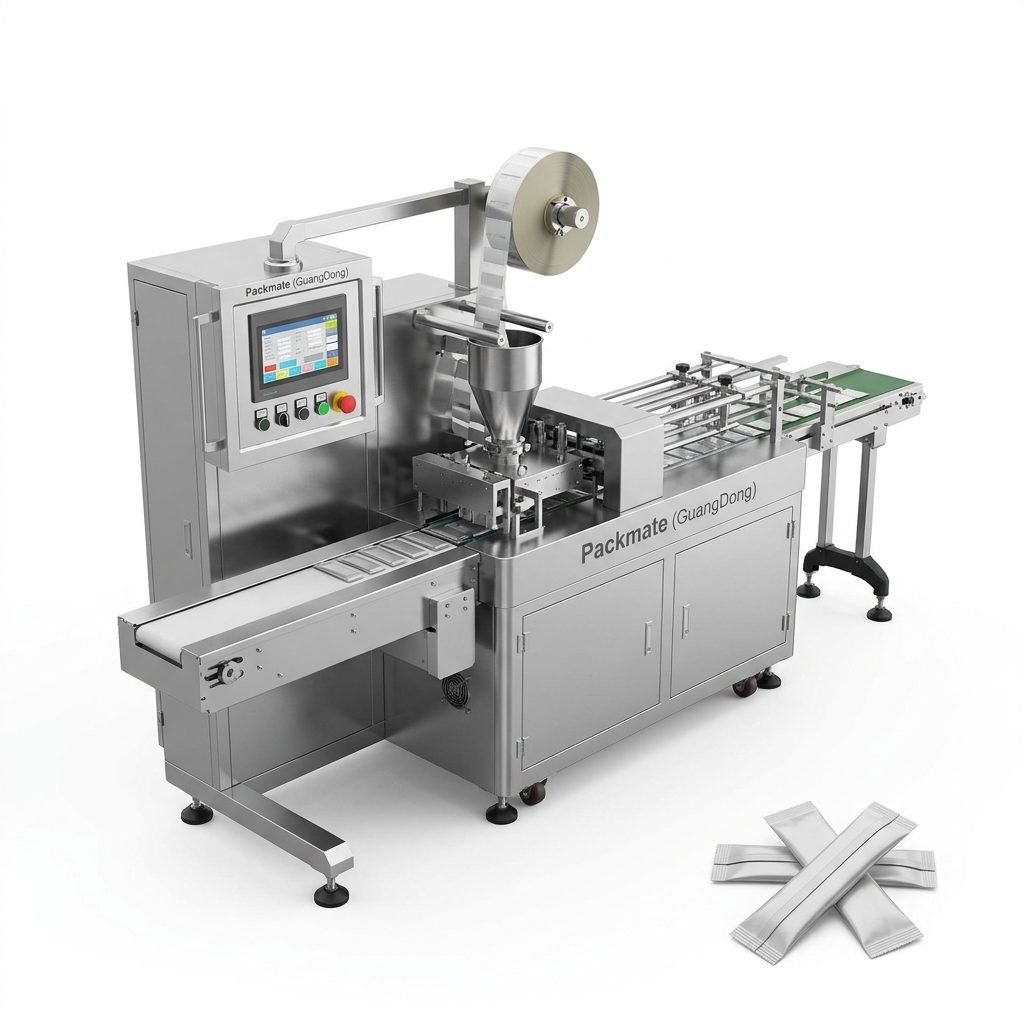
Introduction: Why Choosing the Right Snus Packaging Machine Matters in Vanuatu
Choosing the right snus (nicotine pouch) packaging machine is a strategic decision that affects product quality, production cost, and regulatory compliance. For businesses operating in Vanuatu — a remote island market with specific import and distribution realities — the selection process must balance machine performance, ease of service, and long-term total cost of ownership. This practical buyer’s guide will walk you through everything you need to evaluate, compare, and purchase a snus packaging machine that fits your production goals.
Understand Your Product and Production Requirements
Start by defining the product profile and production targets. Key questions to clarify early:
What type of snus or nicotine pouch are you producing — dry snus, moist snus, powder-filled pouches, or stick/sachet formats? Different machines are optimized for different pouch types and fill materials.
What is your target output (units per minute/hour)? Are you starting small (pilot runs) or planning to scale with multi-lane lines?
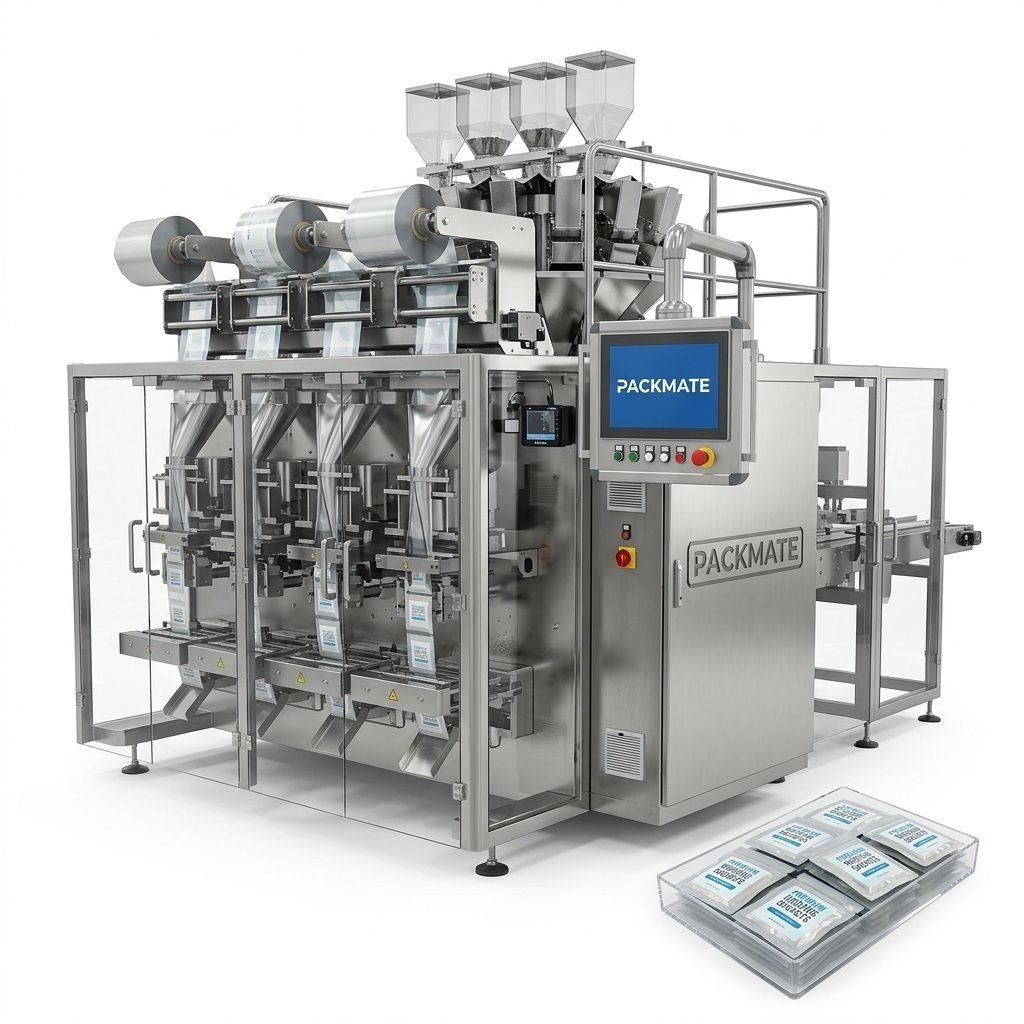
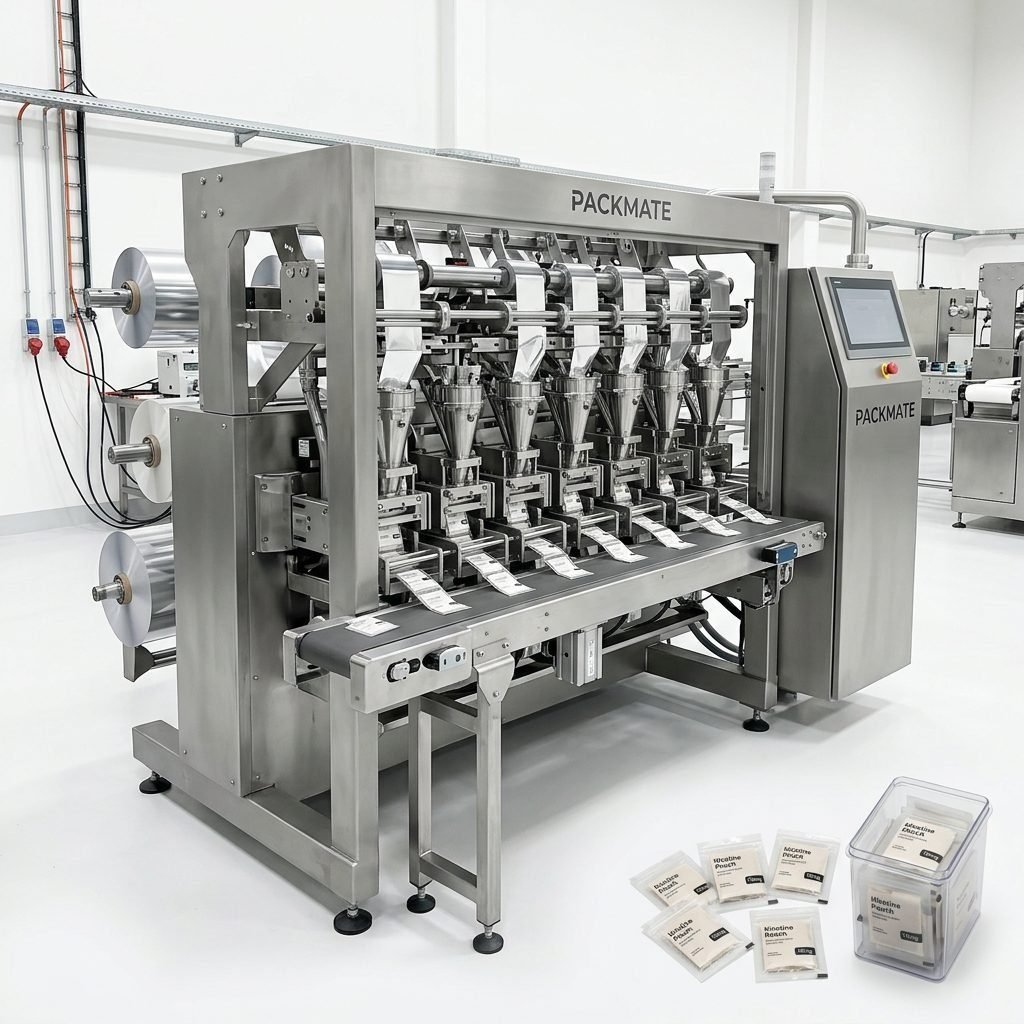
Do you require multi-lane capability? Multi-lane systems dramatically increase throughput and are common in professional snus production lines.
Key Technical Specifications to Compare
When comparing models, focus on these technical areas:
⚙️ Machine speed and throughput — measured in pouches/min or sticks/min. Match speed to demand and consider future growth.
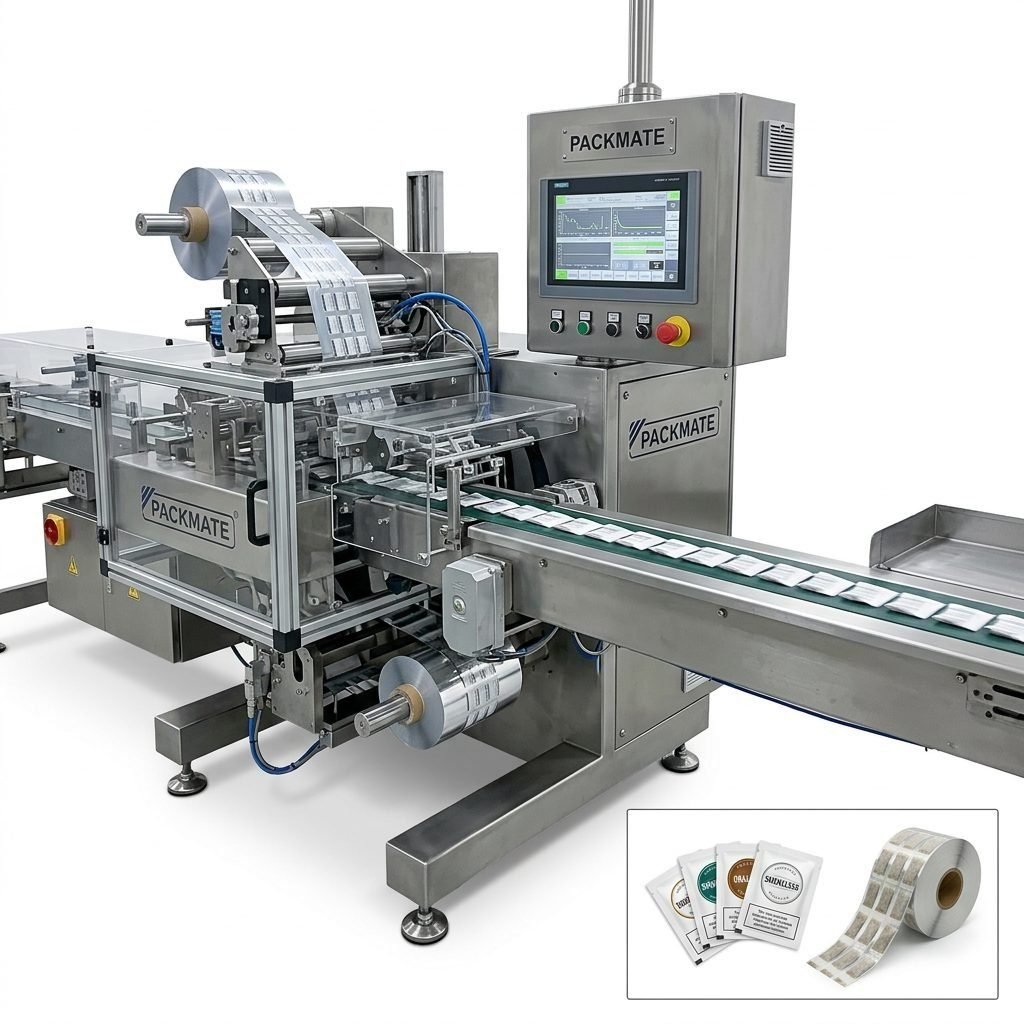
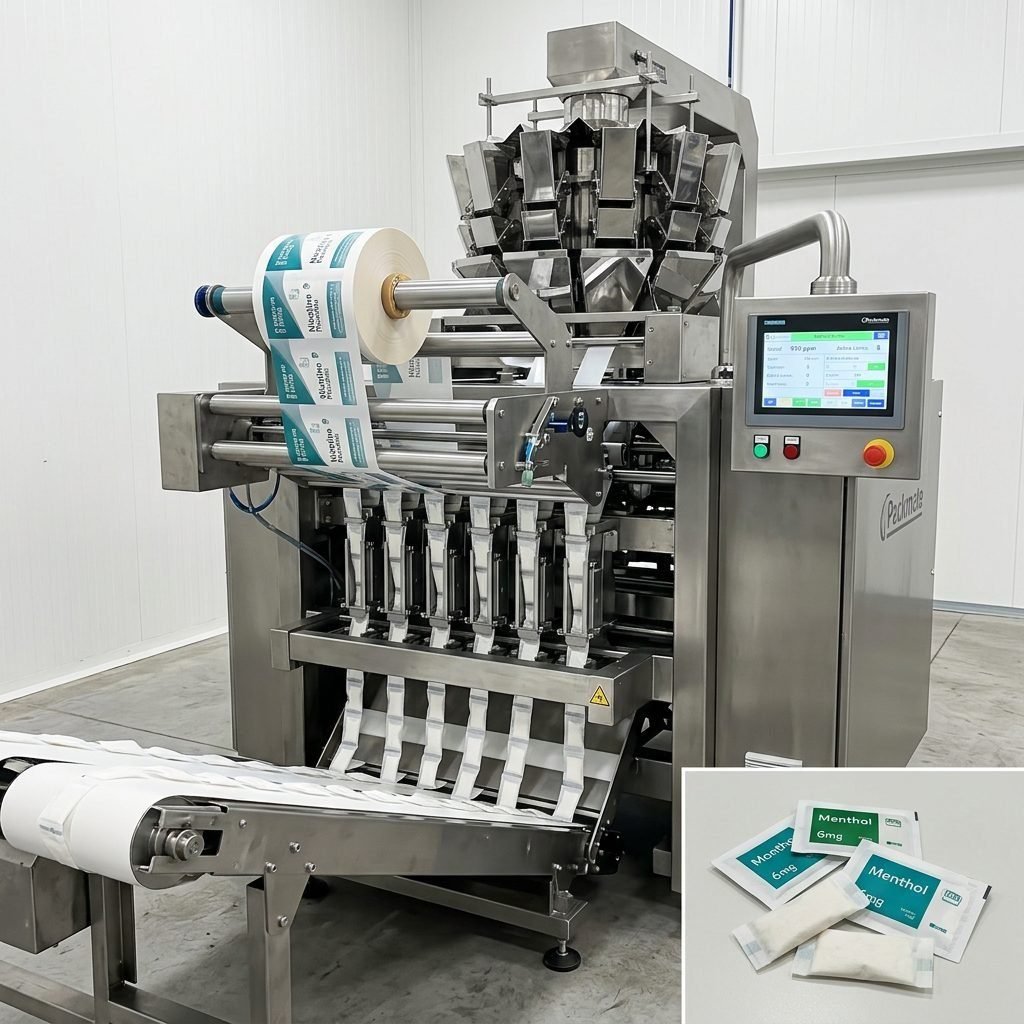
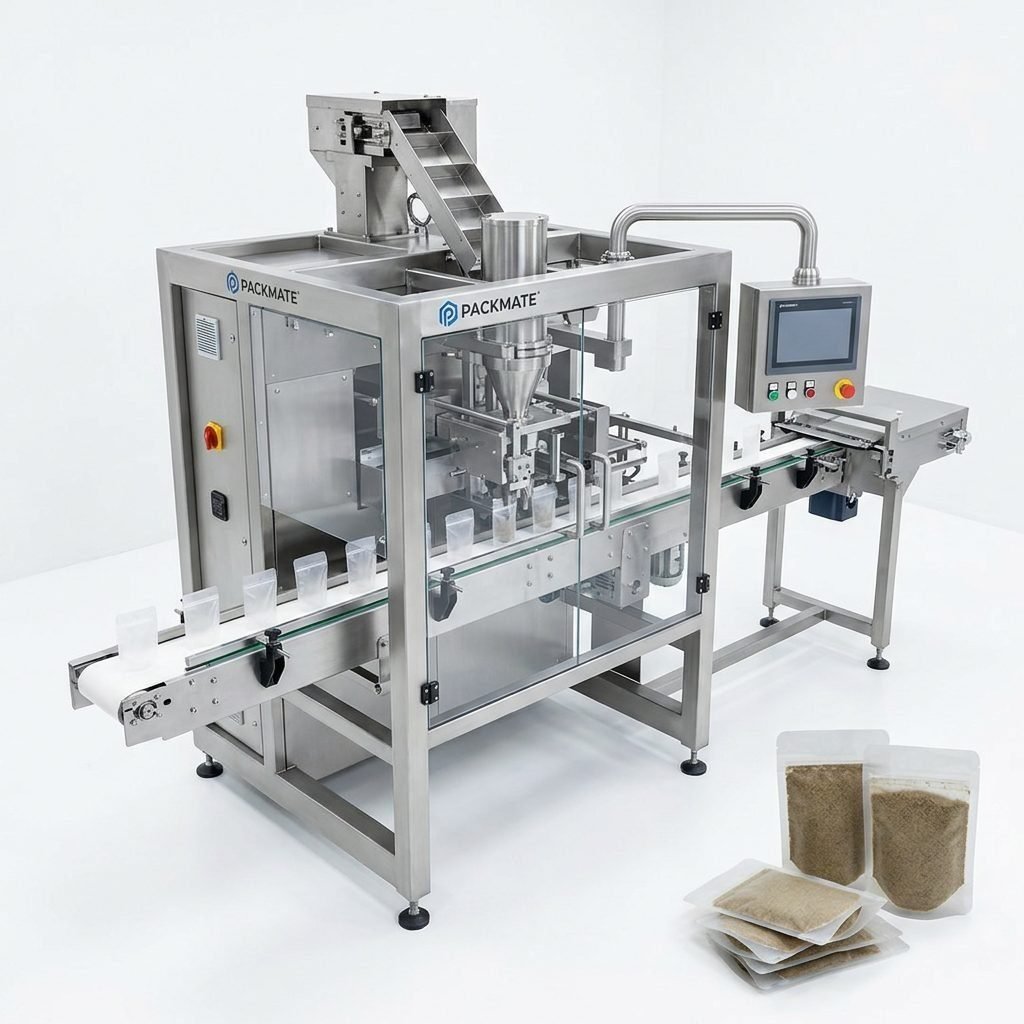
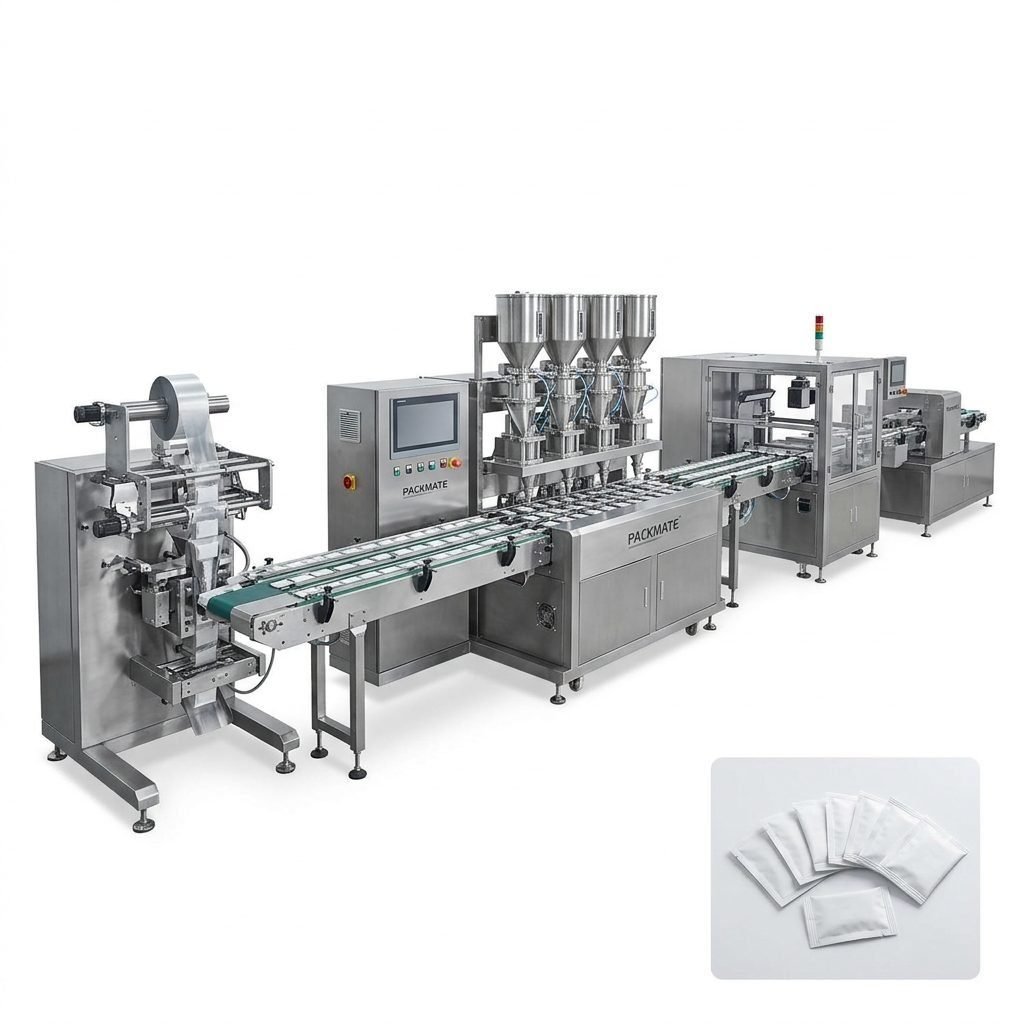
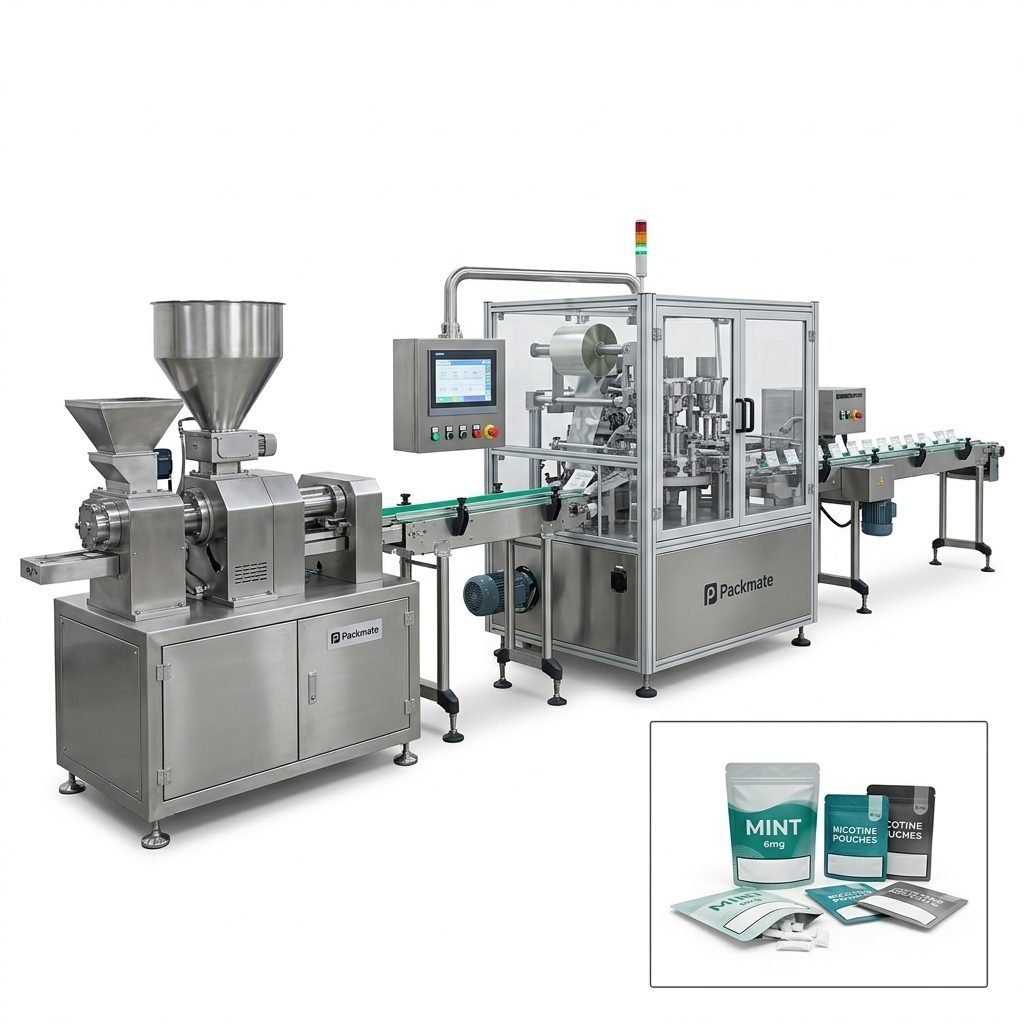
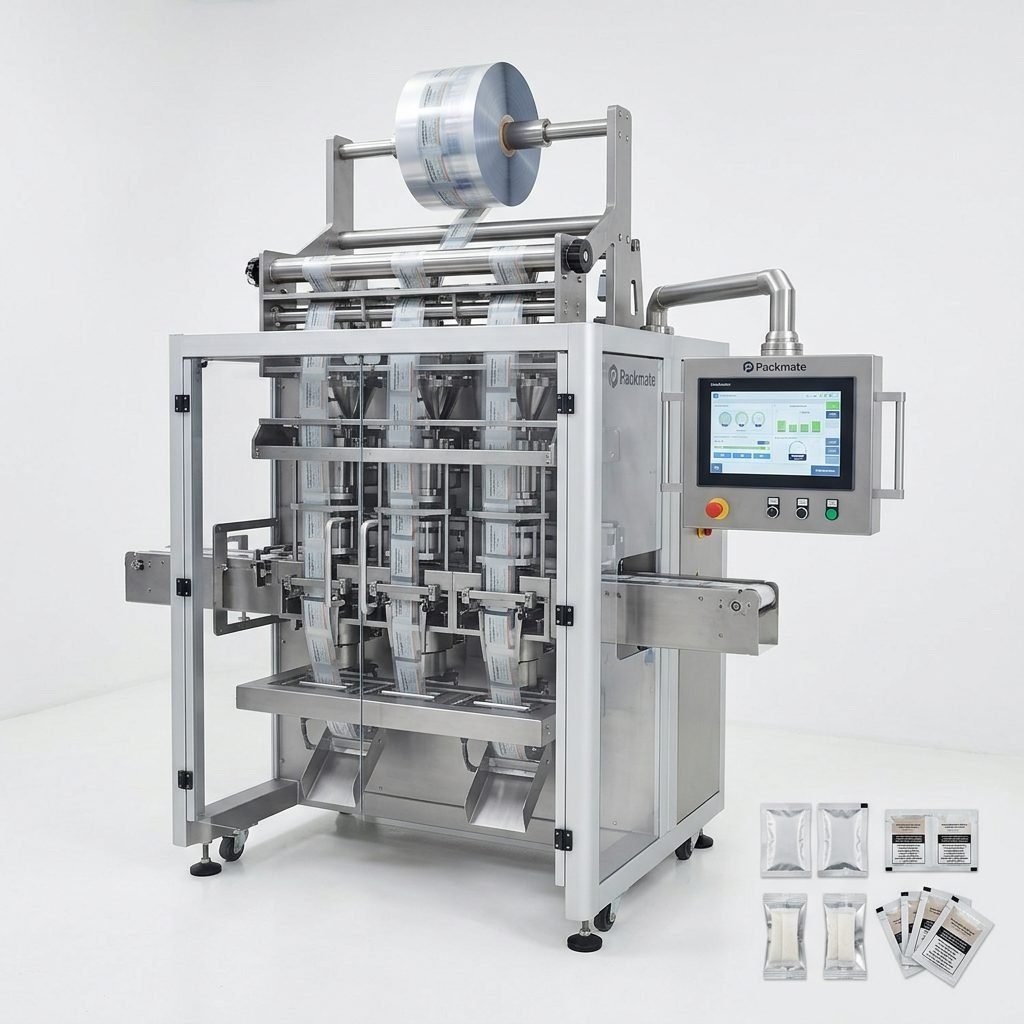
📦 Pouch formats supported — cut-seal sachet, stick pack, multi-lane nicotine pouch formats, pre-made pouch feeding compatibility.
🔧 Filling accuracy and dosing system — check if the machine uses weighing, auger, piston, or vibratory dosing for powders and granules.
🛠️ Changeover time and tool-free adjustments — critical when you run multiple SKUs.
💡 Automation level and Industry 4.0 features — remote diagnostics, recipe storage, HMI touchscreens and servo controls increase uptime and consistency.
Regulatory Compliance and Certifications
Regulatory requirements for nicotine products vary by market. For machines, prioritize vendors who provide internationally recognized certifications like CE and ISO. These certifications demonstrate adherence to safety and manufacturing quality standards that simplify import and local compliance in Vanuatu.
Supplier & After-sales Service Evaluation
A machine is only as good as the supplier behind it. Evaluate vendors on:
✅ Factory capability — look for manufacturers with advanced CNC machining centers and precision assembly lines. Packmate, for example, operates a 20,000㎡ facility with 30+ years of industry experience.
✅ Spare parts and logistics — confirm spare parts availability and lead times to Vanuatu. Long lead times can halt your production.
✅ Field service, installation & training — choose suppliers offering commissioning support, operator training, and remote troubleshooting.
For more about supplier credentials, see company profiles like About Packmate and machine ranges such as Snus & Nicotine Packaging Machines.
Important Considerations for Operating in Vanuatu
Vanuatu’s island location brings unique logistical and environmental factors:
🌴 Power supply and voltage compatibility — ensure machines are compatible with local power or include a transformer/UPS recommendation.
🌧️ Humidity and corrosion protection — coastal salt air can accelerate corrosion. Select stainless steel contact parts and protective finishes.
🚢 Import logistics and customs — consider packaging, crating, and CIF/DDP options. Ask suppliers for documentation assistance.
📄 Local licensing and product registration — nicotine product rules are evolving; plan lead time for approvals.
Quick checklist (portable): ⚙️ capacity match • ⚖️ dosing accuracy • 🔩 spare parts availability • 🚚 shipping & customs • 🛡️ certifications
Financial Analysis: Price vs Total Cost of Ownership
Upfront machine price is only part of the equation. Assess:
– Operating costs: energy consumption, consumables, labor.
– Maintenance and spare parts: downtime cost can exceed machine depreciation.
– Upgrade path: modular systems allow incremental investment as you scale.
Consider requesting an ROI model from potential suppliers that includes realistic uptime, scrap rates, and workforce assumptions.
Operational Readiness and Plant Layout
Before purchase, prepare your plant layout and utilities:
📐 Footprint and accessibility — ensure enough space for machine access and maintenance.
💨 Ventilation and dust control — powder handling may require extraction systems.
🔌 Utility connections — confirm compressed air quality, power supply, and drainage (if applicable).
Testing, FAT & SAT — Insist on Demonstrations
Perform Factory Acceptance Tests (FAT) and Site Acceptance Tests (SAT). FAT demonstrations should use your actual product or a representative formulation. Request video documentation and performance data. If possible, visit supplier exhibitions or the factory — Packmate exhibits globally and provides case references for real-world performance.
Vendor Red Flags ⚠️: Unwillingness to show FAT results, vague spare parts lead times, no local references, or missing international certificates.
How to Compare Specific Machine Types
– Stick pack machines: ideal for stick-shaped sachets and single-dose formats. Good for low-to-medium moisture products.
– Sachet & cut-seal machines: versatile for both powders and moist products; consider seal quality and film compatibility.
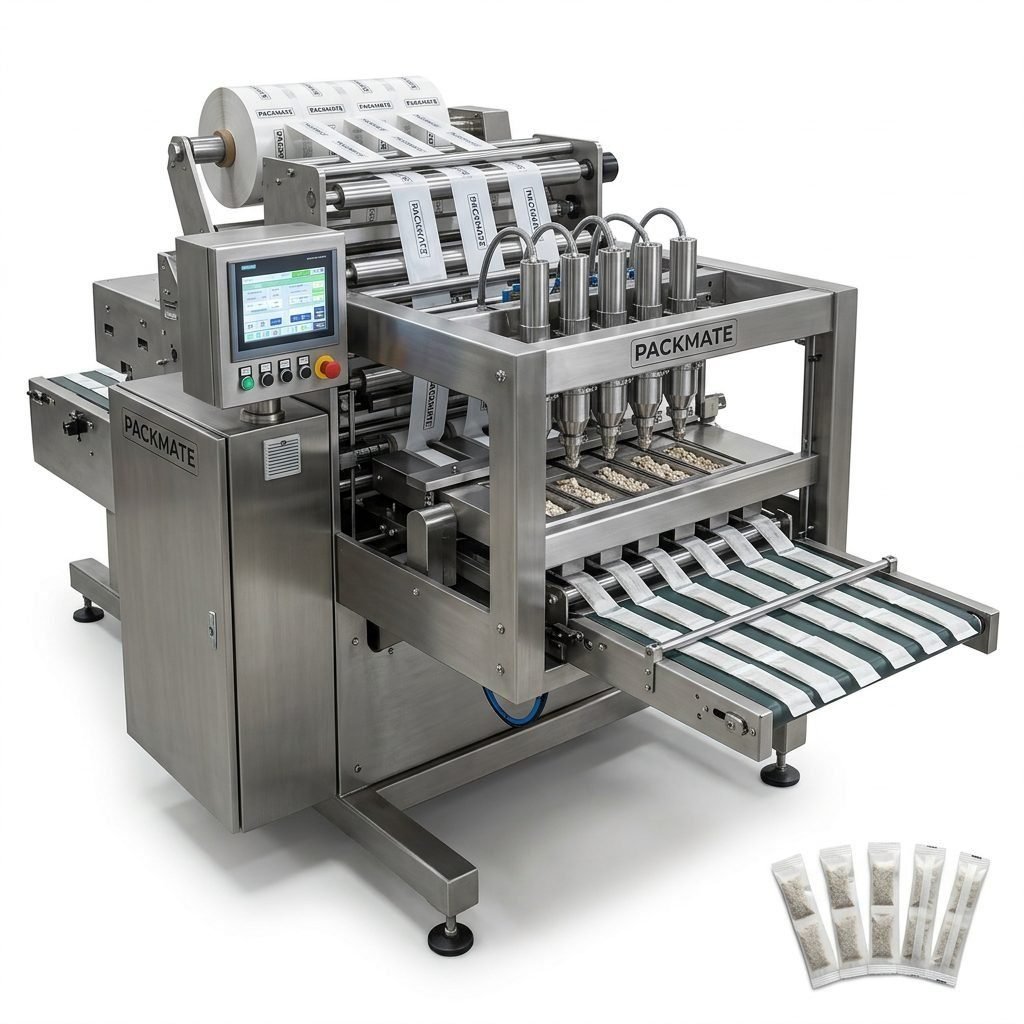
– Multi-lane nicotine pouch machines: best for high-volume production with small doses; check lane uniformity and fill synchronization.
Explore broader product ranges and auxiliary equipment such as weighing systems at links like Weighing & Packaging Systems and Auxiliary Packaging Equipment.
Negotiation & Contract Tips
– Get quotes with breakdowns: machine, spare parts kit, training, shipping, installation, and warranty.
– Define acceptance criteria in writing (performance, uptime, scrap rate).
– Include penalty or remediation clauses for extended commissioning delays.
– Ask for local representation or reliable remote support for Vanuatu operations.
Installation, Training and Long-Term Support
Service offerings to prioritize:
🔧 On-site commissioning — reduces startup risks and accelerates production.
📚 Operator and maintenance training — must be practical and include troubleshooting.
📦 Spare parts kits — secure an initial spares package to cover wear parts and fast-moving items.
Real-World Example: Choosing a Packmate Line
A mid-size snus producer in the Pacific chose a multi-lane Packmate nicotine pouch line to meet rising demand. Reasons included Packmate’s 30+ years of engineering experience, global turnkey solutions, and documented factory capabilities. The supplier provided FAT videos, a spare-parts kit, and 12 months commissioning support — minimizing downtime risks through rapid remote diagnostics.
Links for further reading and supplier resources: product categories and company information are available at Packmate’s site — Sachet & Stick Pack Machines, Case, and Contact Us.
Final Buying Steps — A Practical Checklist
1. Define product specs and annual volume projections.
2. Shortlist suppliers with certifications and demonstrated snus machine experience.
3. Request FAT with your product; verify speed, accuracy, and film compatibility.
4. Confirm spare parts lead times for Vanuatu and negotiate initial spares package.
5. Agree acceptance criteria, warranty, commissioning support, and training in the contract.
6. Plan plant layout, utilities, and import logistics in parallel with procurement.
Key takeaway: prioritize proven machine performance, reliable after-sales support, and readiness for Vanuatu’s logistical and environmental conditions. A considered investment today reduces downtime and cost per pouch tomorrow.
Common Questions (FAQ)
Q1: How soon can a snus packaging machine be delivered to Vanuatu?
A1: Delivery depends on the supplier’s production backlog, freight method, and customs. Typical lead times range from 8–20 weeks plus shipping; expedited options and air freight increase cost. Confirm with your supplier and include shipping terms in the contract.
Q2: What maintenance is required to keep a snus machine running reliably in a humid island climate?
A2: Regular cleaning, rust prevention (stainless parts & anti-corrosion coatings), scheduled bearing and belt inspections, and a stocked spare parts kit are essential. Implement a preventative maintenance schedule and train local technicians.
Q3: Do I need a local agent to support the machine or can remote support suffice?
A3: Remote support is valuable for diagnostics, but having a local technician or service partner greatly reduces response times for critical repairs. Negotiate a support plan that includes remote troubleshooting plus periodic on-site visits.
Q4: What certifications should I request from a packaging machine supplier?
A4: Request CE for safety, ISO for quality management, and any industry-specific compliance documents. These certifications ease import and demonstrate manufacturing standards.
Q5: Where can I view real-world examples and machine specs?
A5: Visit manufacturer case studies and product pages such as the Packmate product sections and case library for references and detailed specifications.