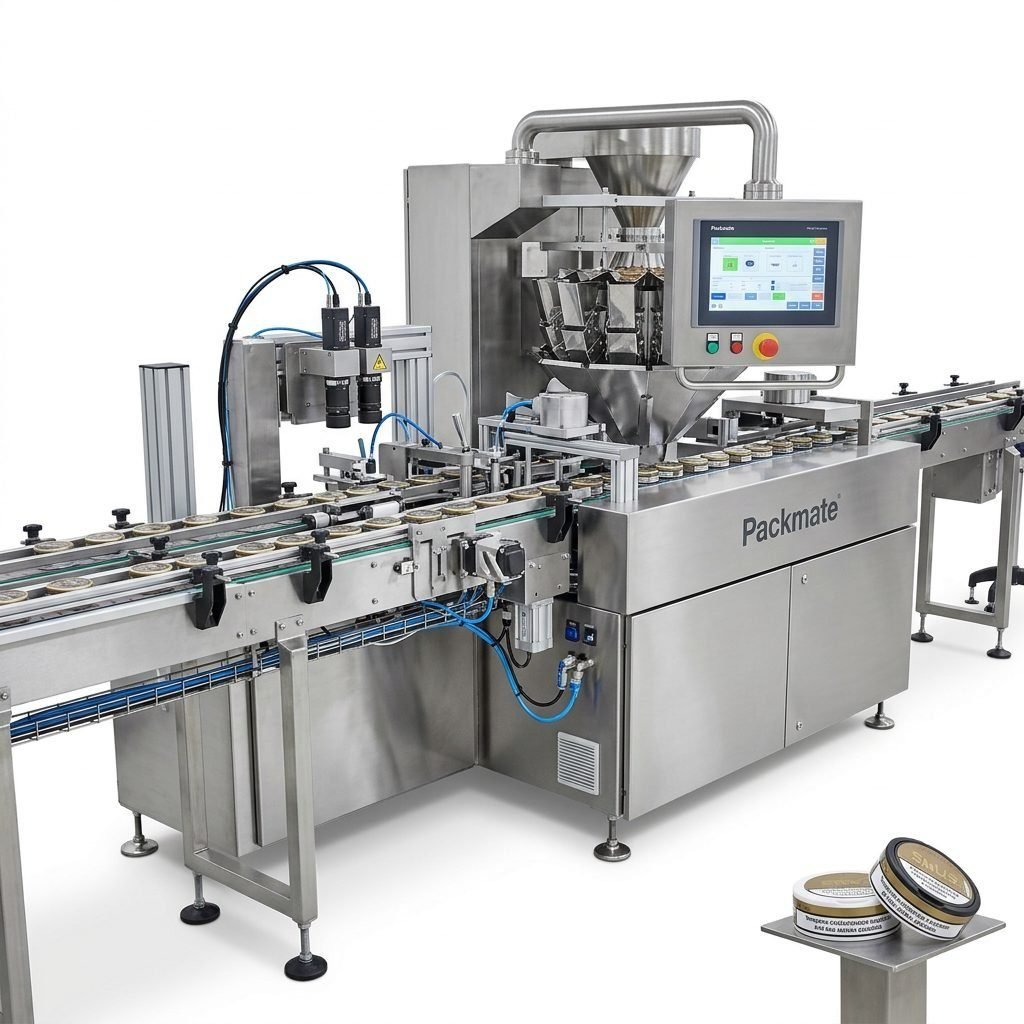
Choosing the right nicotine packaging machine in Georgia requires a practical mix of technical knowledge, cost awareness, and sensitivity to local market habits. This guide walks you through everything from machine types and production capacity to after-sales service and regulatory considerations — helping you make a smart investment that fits Georgian business culture and consumer preferences.
Understand the Georgian Market and Local Habits 🇬🇪
Georgia’s retail landscape blends urban consumer demand in Tbilisi and Batumi with rural markets where price sensitivity and simplicity matter. Local consumers often prefer compact retail formats and clear, trustworthy packaging. Exporters in Georgia must also consider neighboring markets in the Caucasus, Eastern Europe, and the Eurasian region — so flexibility in packaging size and multilingual labeling can be a major advantage.
🔍 Quick tip: Machines that support variable pouch sizes and easy label changes allow rapid adaptation for local festivals, seasonal promotions, and different retailer formats common in Georgia.
Regulatory & Cultural Considerations
Georgian authorities require clear ingredient labeling and safety information. Additionally, cultural norms value simple, professional presentation — avoid overly complex retail packs unless targeting premium urban consumers. Ensuring compliance with CE and ISO standards is essential for export opportunities; machines with recognized certifications also ease local regulatory approval.
Types of Nicotine Packaging Machines and Which Suits Your Business
Different packaging formats demand different machine types. Your product form (loose pouch, powder, granule, liquid or stick) and desired output will determine the best fit.
Snus / Nicotine Pouch Machines
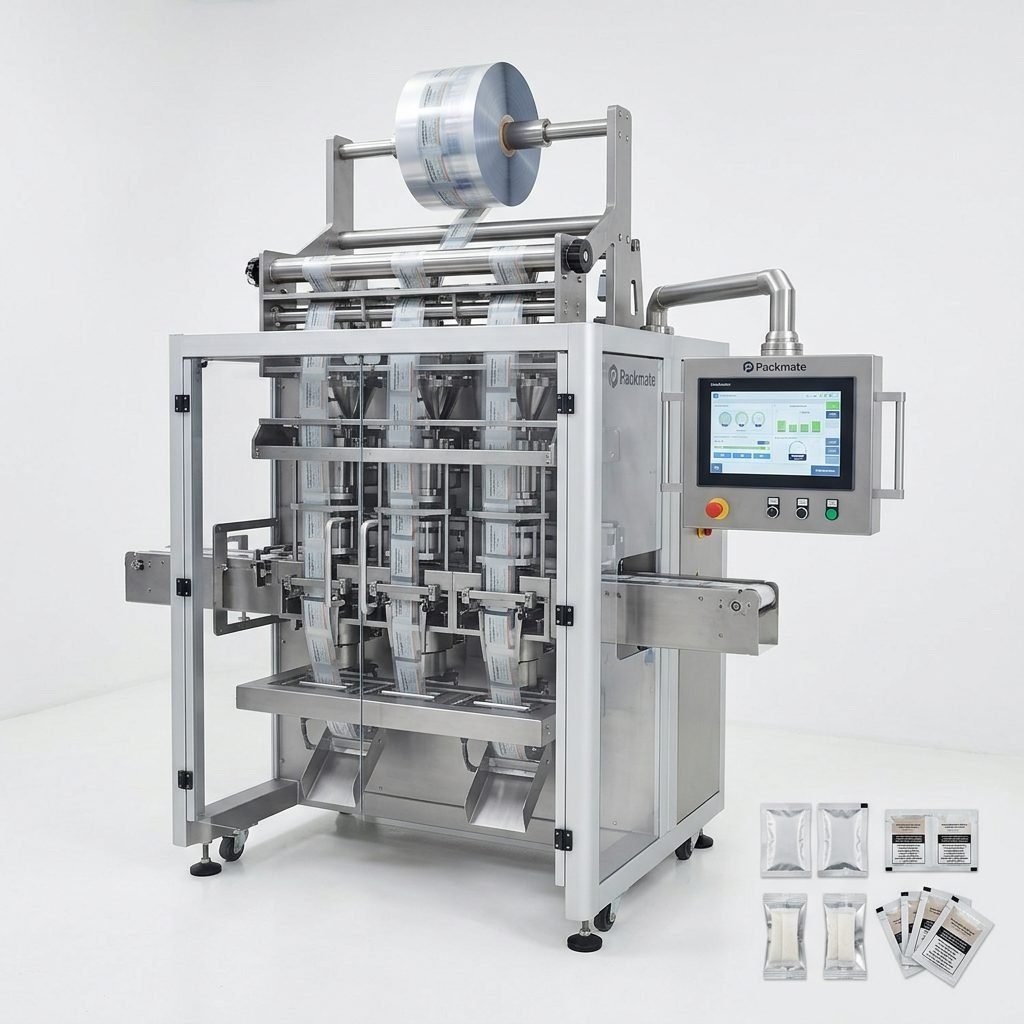
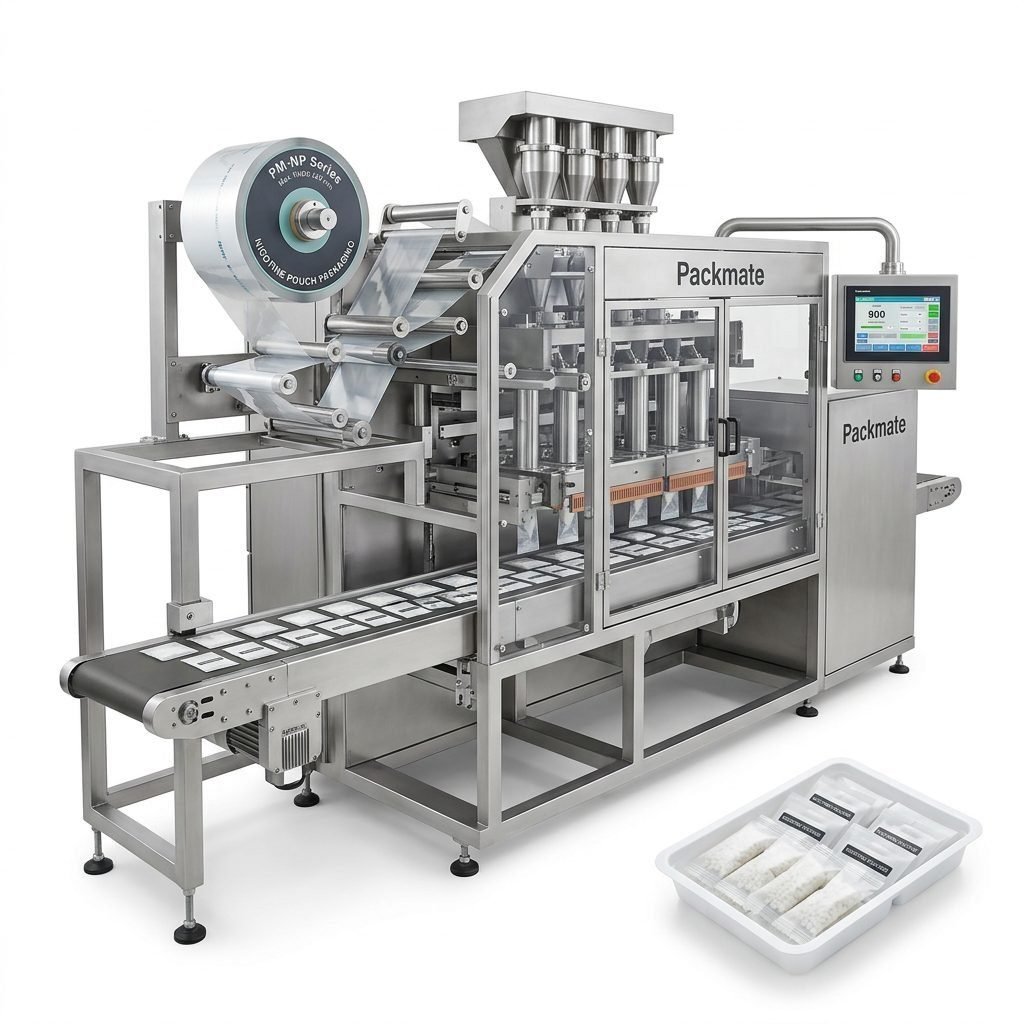
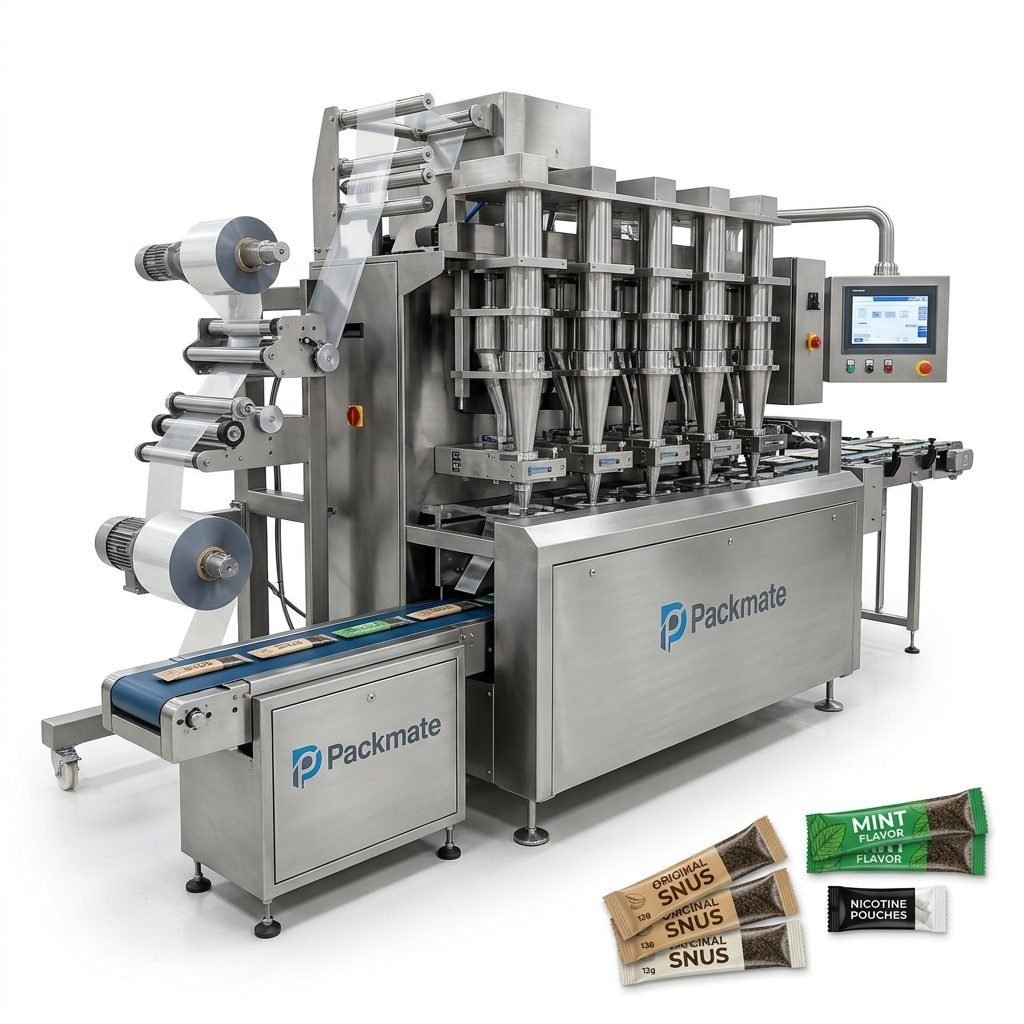
These machines are specifically designed for nicotine pouches and snus. They usually offer precise filling, pouch sealing, and multi-lane options for higher throughput. If you plan to produce nicotine pouches in different dosages and sizes, choose a machine with adjustable dosing and easy format changeovers. Explore tailored solutions on the manufacturer’s product pages: Snus & Nicotine Packaging Machines.
Stick Pack & Sachet Machines
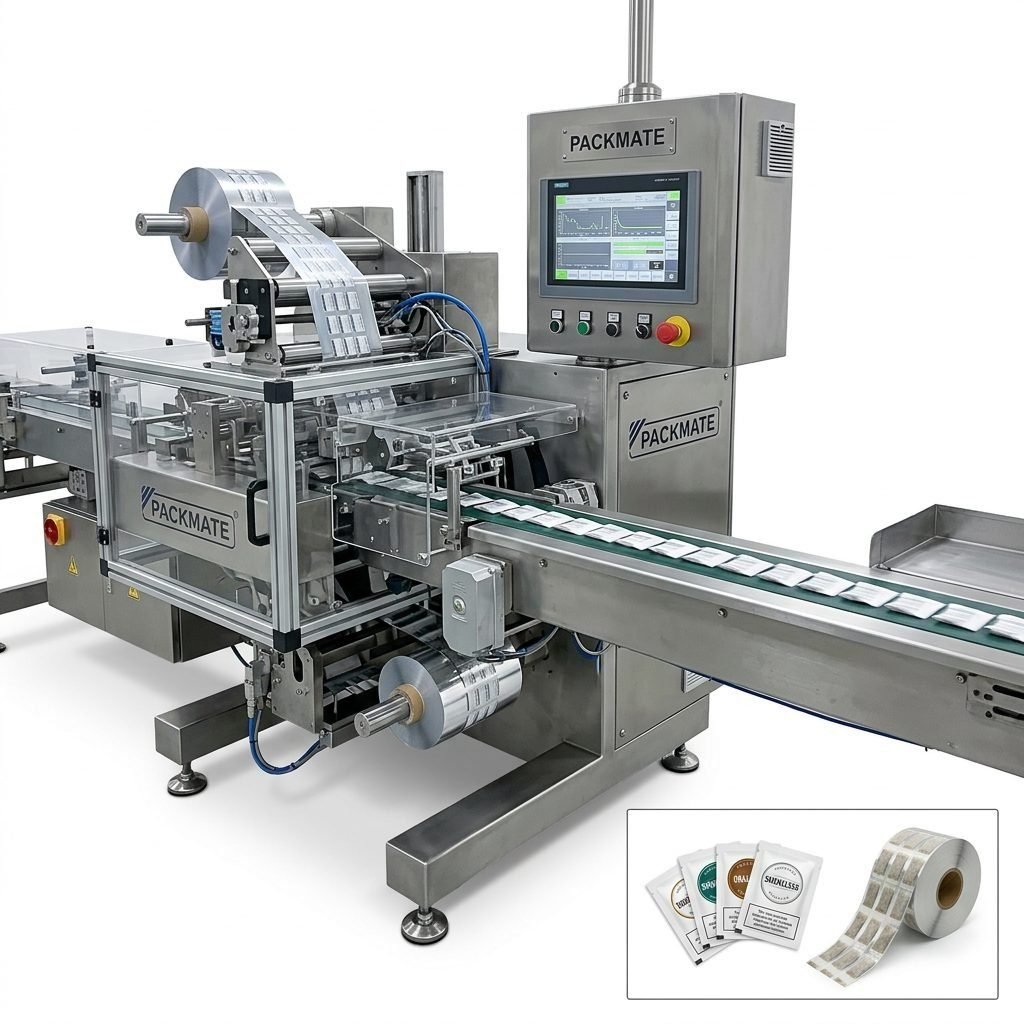
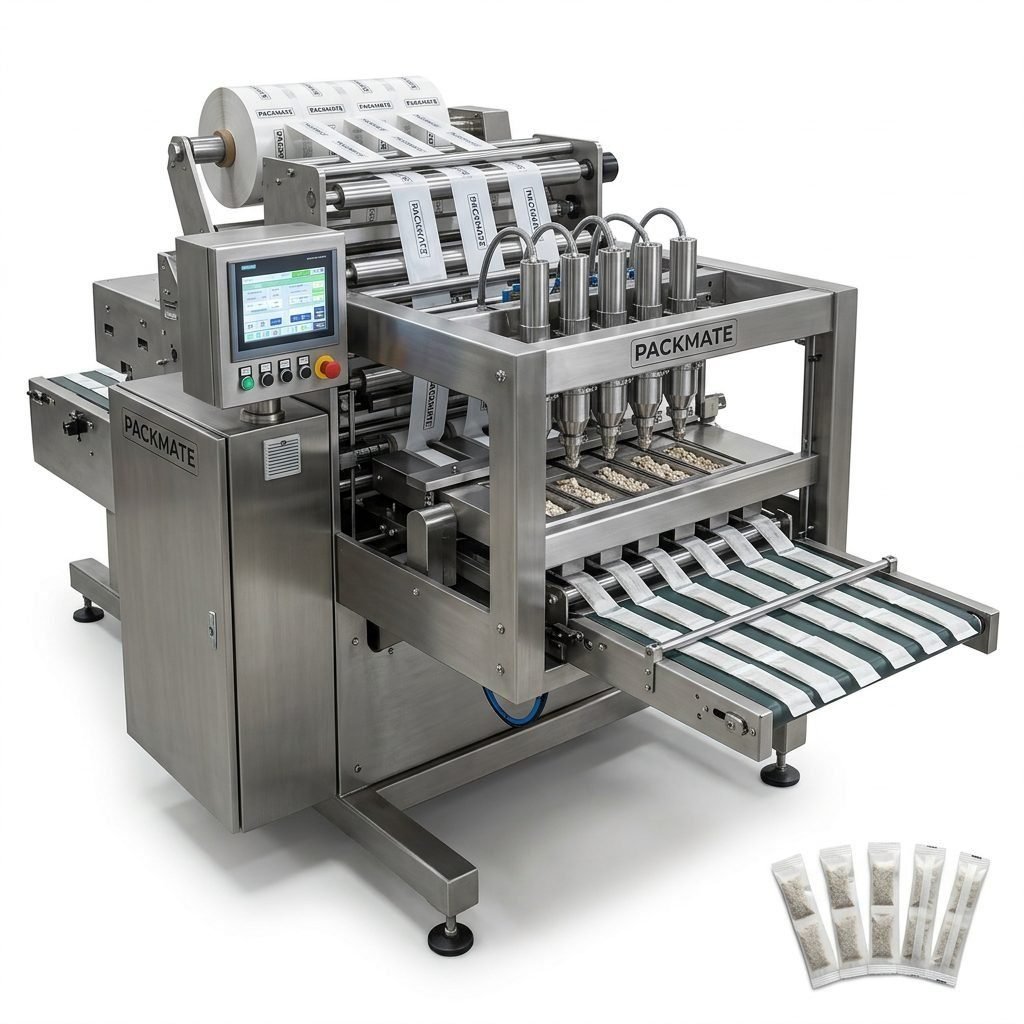
For single-dose formats and marketing samples, stick packs and sachets are common. These machines are typically faster per lane and suitable for promotional packs or trial sizes. See options here: Sachet & Stick Pack Machines.
Multi-lane & High-Speed Lines
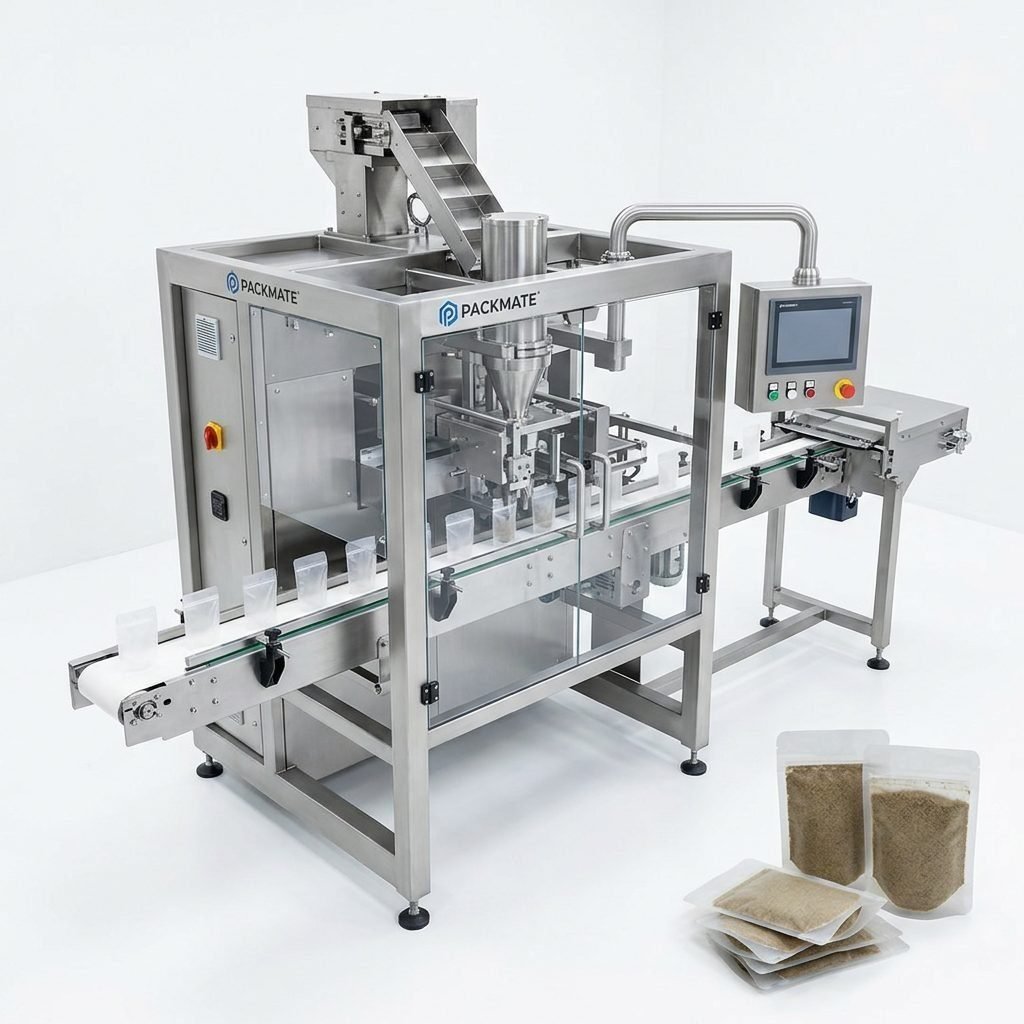
If your plan is large-scale production for export, multi-lane systems significantly boost output and lower per-unit cost. These lines require careful floor planning and robust support systems like weighing feeders and in-line quality inspection.
✅ Key decision: Choose single-lane machines for pilot production or niche SKUs, and multi-lane systems when scaling up for distribution across Georgia and export markets.
Technical Specifications to Evaluate
Technical capabilities determine reliability and profitability. Focus on a few critical parameters when comparing machines.
Speed & Throughput
Output measured in pouches/minute or packs/minute must align with your production targets. Remember that nominal speed rarely equals sustained speed — consider product characteristics, operator skill, and packaging material.
Accuracy & Filling Technology
Look for machines with precise dosing systems (vibratory, auger, or multi-head weighers) to minimize waste and ensure consistent nicotine dosing. Accuracy is especially important for regulatory compliance and consumer trust.
Materials & Hygiene
Stainless steel contact parts, easy-to-clean frames, and hygienic design reduce contamination risk and simplify maintenance. For Georgia’s humid coastal areas, corrosion-resistant finishes extend machine life.
Automation & Controls
PLC control systems with HMI touchscreens reduce training time and improve repeatability. Remote diagnostics and recipe storage are valuable for multi-SKU operations.
Integration: Building a Turnkey Production Line
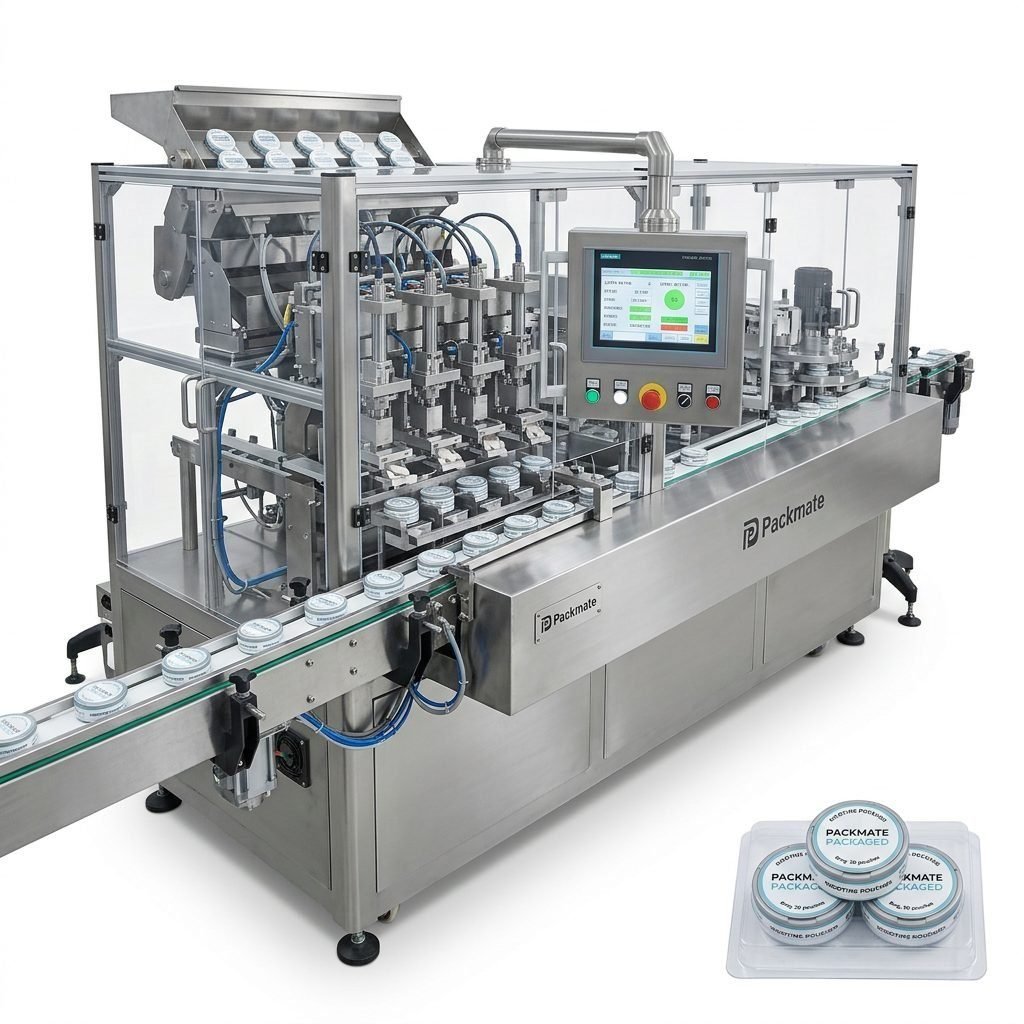
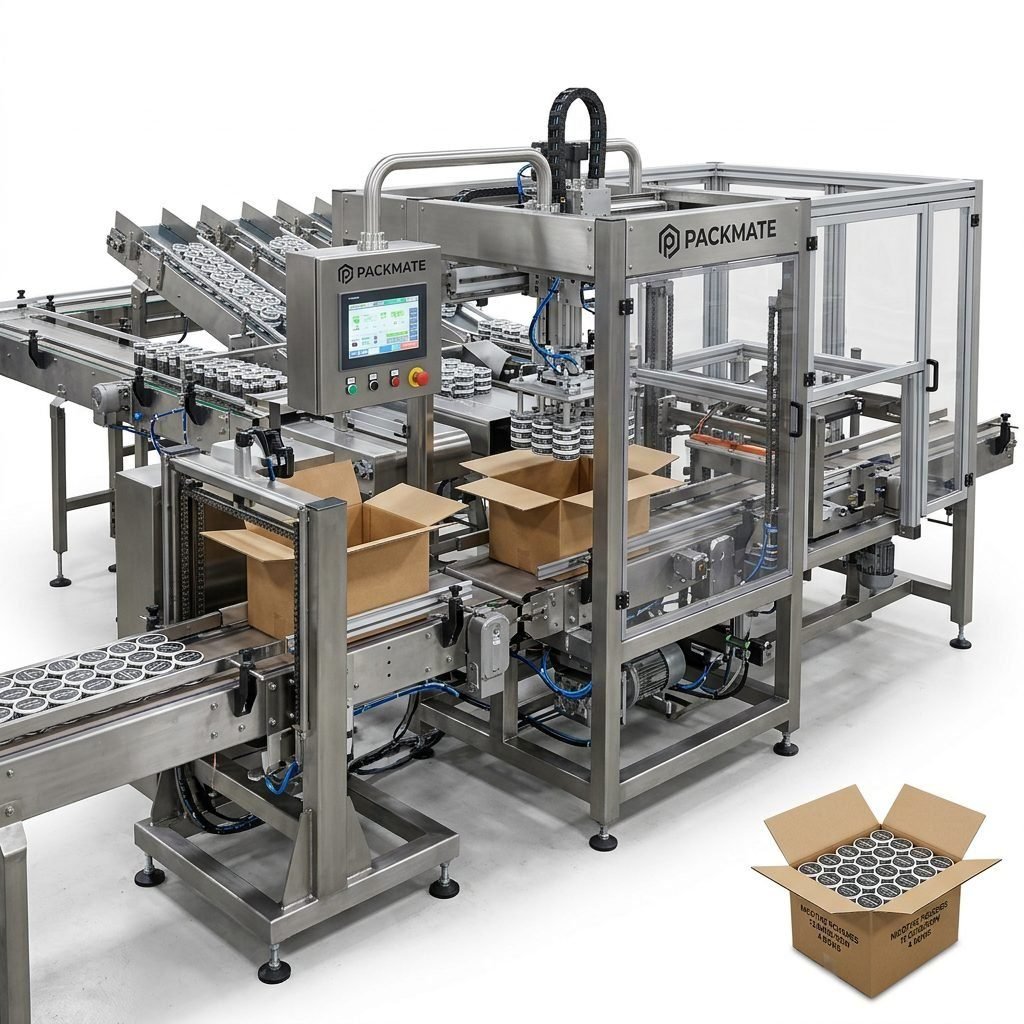
A complete production line includes upstream feeders/weighers, the primary packaging machine, and downstream systems like secondary packaging, boxing, and palletizing. Choosing a single supplier experienced in turnkey solutions saves integration headaches and shortens commissioning time. Check full-line solutions and component options: Filling & Packaging Lines and Weighing & Packaging Systems.
📦 Integration reminder: Ensure that conveyors, checking scales, metal detectors, and labeling modules match line speeds and machine control logic to avoid bottlenecks.
After-Sales Support, Warranty and Spare Parts
In Georgia, proximity and fast response matter. Prioritize suppliers that offer:
🔧 On-site installation and commissioning
🔧 Remote troubleshooting and software updates
🔧 Readily available spare parts and maintenance kits
Suppliers with local partners or service centers in nearby regions can significantly reduce downtime. For reliable global support and proven track records, review company history and case studies such as those found here: Case and learn about the manufacturer: About Packmate.
Certifications & Compliance
Machines certified to CE and ISO standards simplify international trade and local acceptance. Documentation should include electrical schematics, operator manuals, validation and FAT/SAT records.
Cost Considerations and Return on Investment (ROI)
Price is only one part of the equation. Total cost of ownership includes installation, training, spare parts, utilities, and expected uptime. Factor in:
📈 Production speed vs. market demand
📈 Scrap and waste reduction through accurate dosing
📈 Energy consumption and maintenance intervals
⚖️ ROI tip: A slightly higher upfront investment in precision equipment often pays off through reduced waste and less downtime, especially when entering regulated export markets.
Installation, Training and Local Workforce Considerations
Georgian technical teams are skilled and adaptive, but consider supplier-led training during commissioning. Machines with intuitive HMIs and documented maintenance procedures enable faster ramp-up and reduce reliance on external engineers.
Maintenance Best Practices
Routine maintenance keeps a line productive. Establish preventive maintenance schedules, keep a stocked spare parts kit (belts, seals, sensors), and log machine performance. Remote monitoring features are a major benefit if your facility is outside major Georgian cities.
Why Choose an Experienced Manufacturer?
An experienced manufacturer brings refined engineering, robust testing, and turnkey solutions that are essential for reliable production. Packmate Snus Machine, for instance, offers over 30 years of experience, a wide range of machine models, and a large manufacturing facility — elements that reduce risk and speed deployment. Learn more about services and support here: Service and reach out via Contact Us.
🔔 Purchasing checklist:
speed, hygiene, automation, spare parts, warranty, certification, and local support.
Practical Steps to Buying the Right Machine in Georgia
1. Define product SKUs and target volumes.
2. Request technical datasheets and FAT videos from shortlisted suppliers.
3. Compare TCO and projected ROI scenarios.
4. Validate on-site support and spare parts availability for Georgia and neighboring regions.
5. Negotiate commissioning, training, and service terms.
Final Recommendations
Invest in machines that provide flexibility, precision, and reliable support. For manufacturers aiming to grow in Georgia and reach export markets, selecting a turnkey-capable supplier with proven multi-lane and snus-specific solutions will accelerate market entry and secure long-term profitability.
Common Questions
Q1: How long does installation and commissioning usually take?
A1: Typical installation takes from a few days for single machines to several weeks for full multi-lane lines depending on site preparation and integration complexity.
Q2: Are CE and ISO certifications necessary for selling in Georgia?
A2: While local rules vary, CE and ISO certifications are strongly recommended for export and build trust with distributors and retailers.
Q3: What spare parts should I keep in stock?
A3: Keep belts, sensors, sealing elements, spare nozzles, and common electrical components on hand to minimize downtime.
Q4: Can a single supplier provide the full line (filling, weighing, packaging)?
A4: Yes — experienced suppliers offer turnkey production lines including weighing & packaging systems and auxiliary equipment to ensure compatibility and faster commissioning. See product categories: Auxiliary Packaging Equipment.
Q5: How do I evaluate ROI for a nicotine packaging line?
A5: Calculate expected throughput, material and labor costs, machine uptime, and projected waste reduction. Include support costs and spare parts to estimate realistic payback time.