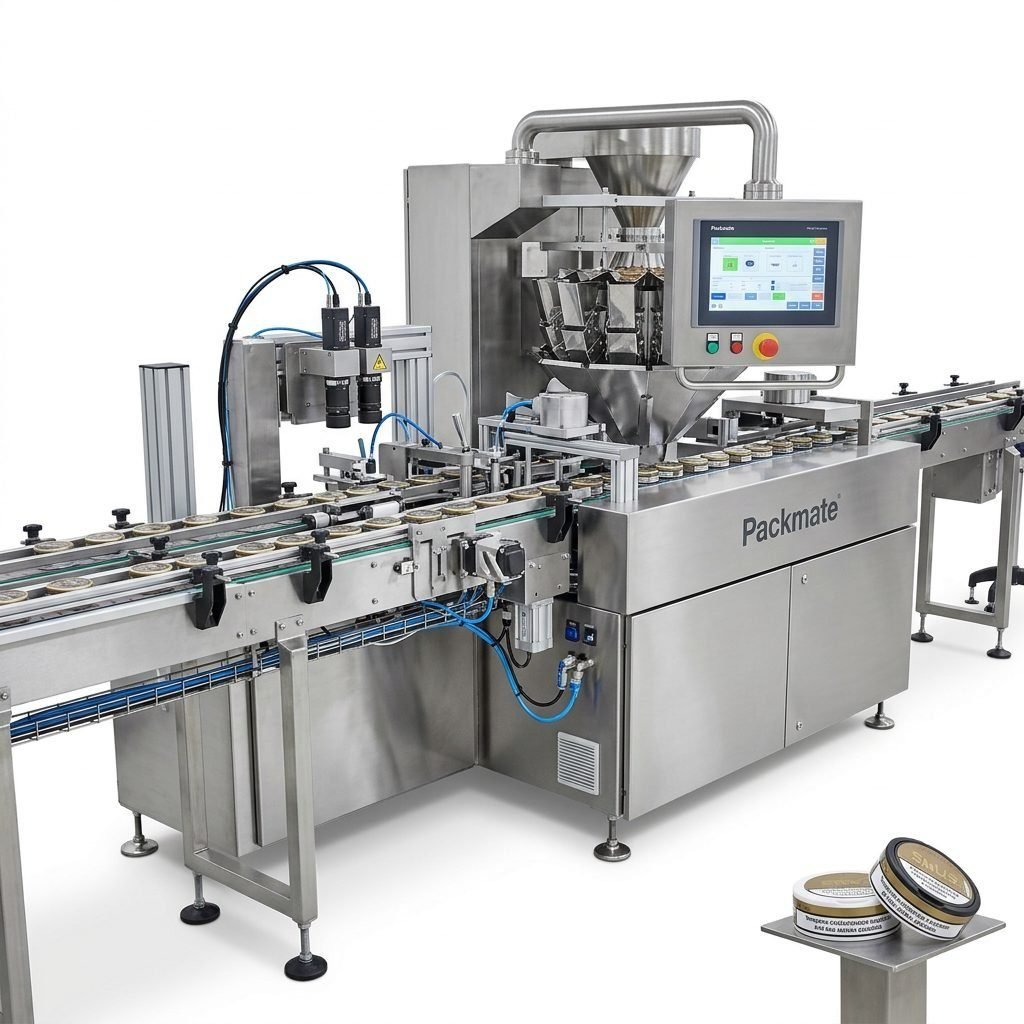
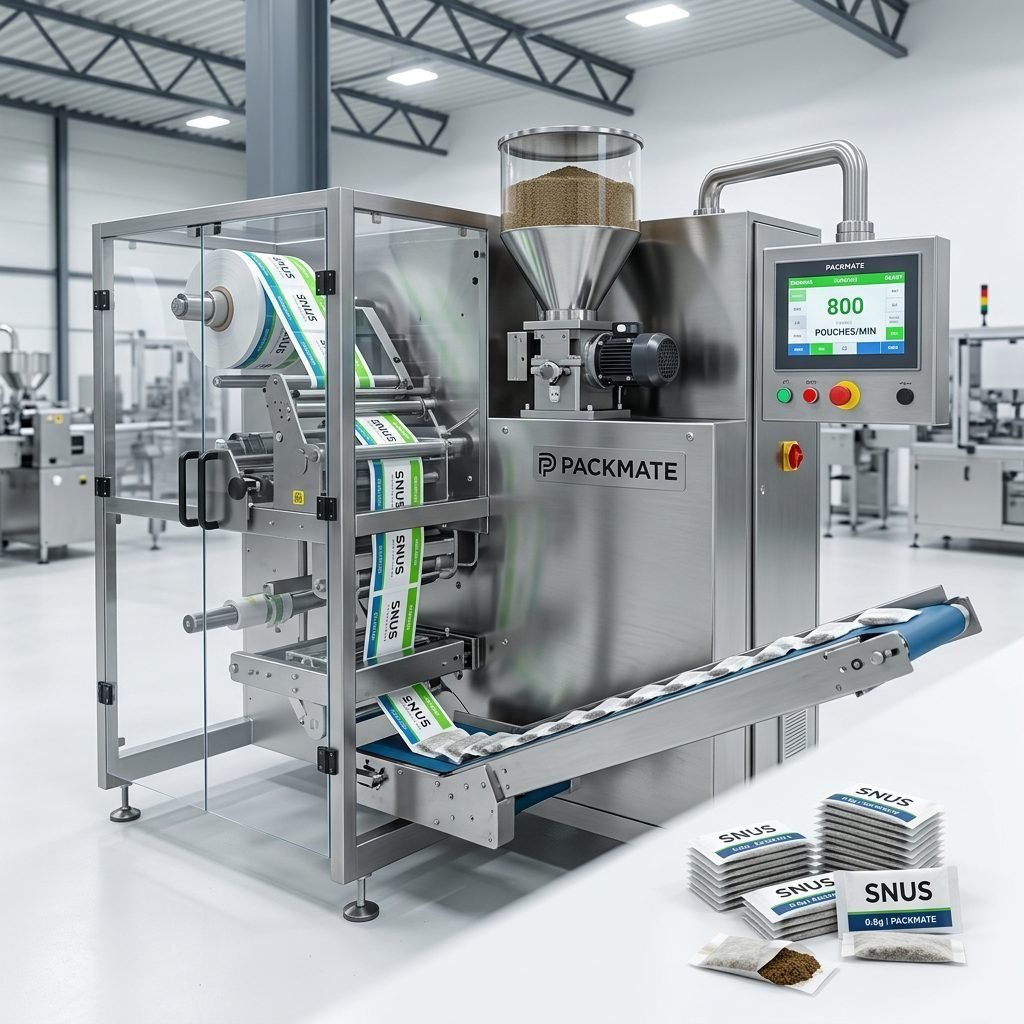
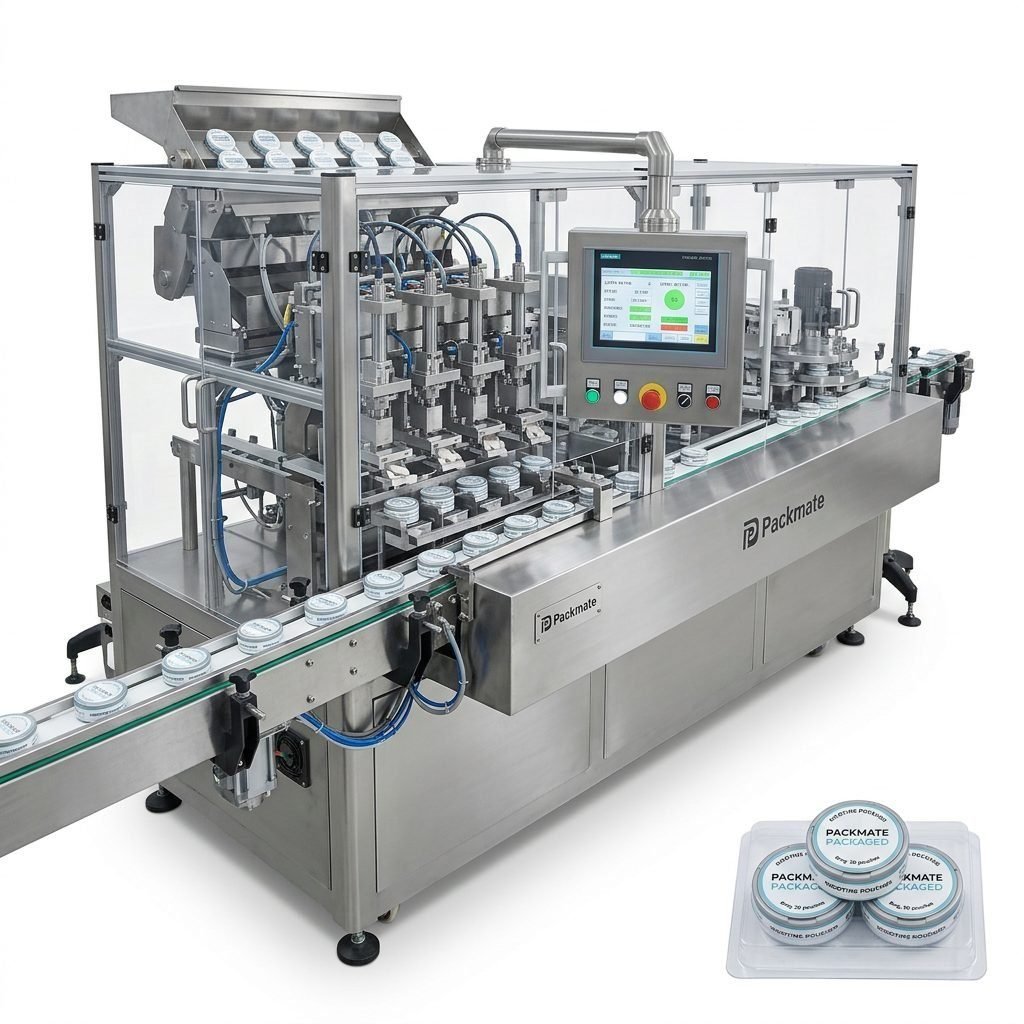
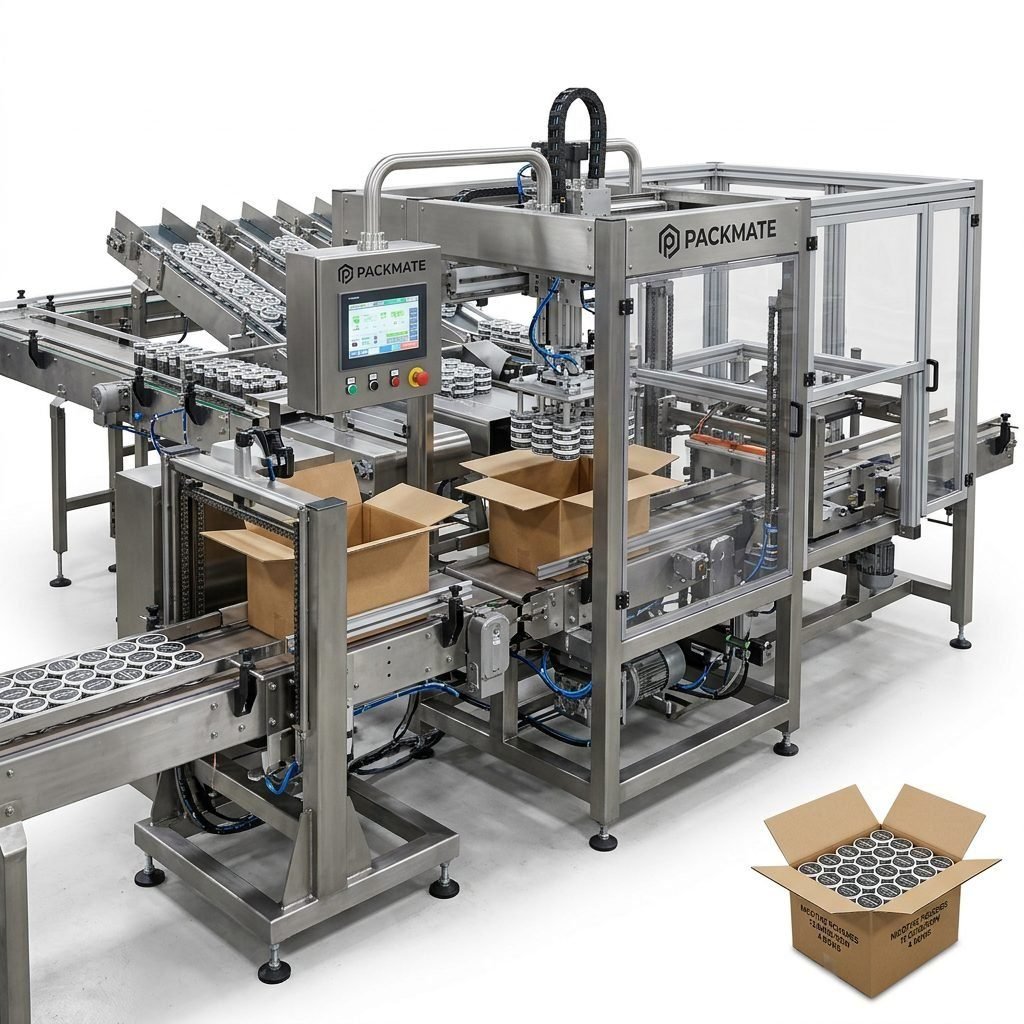
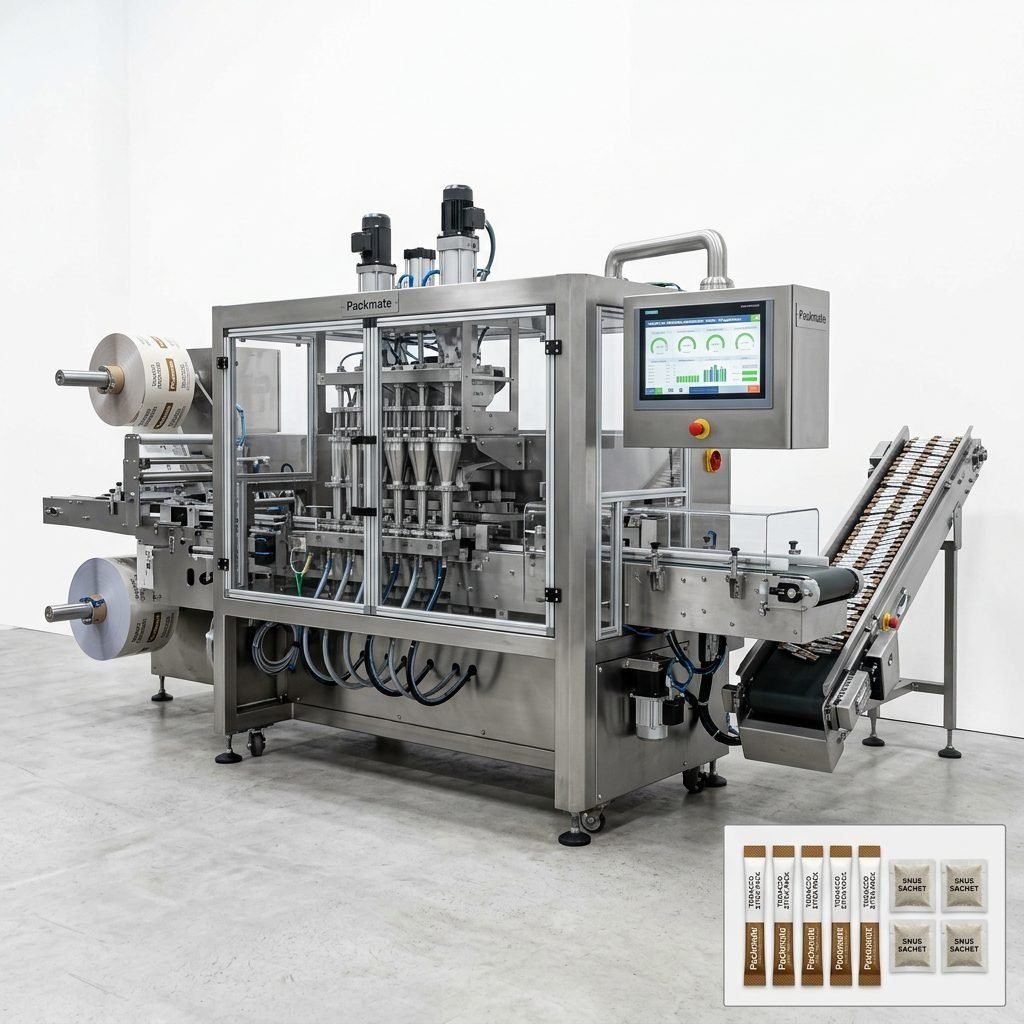
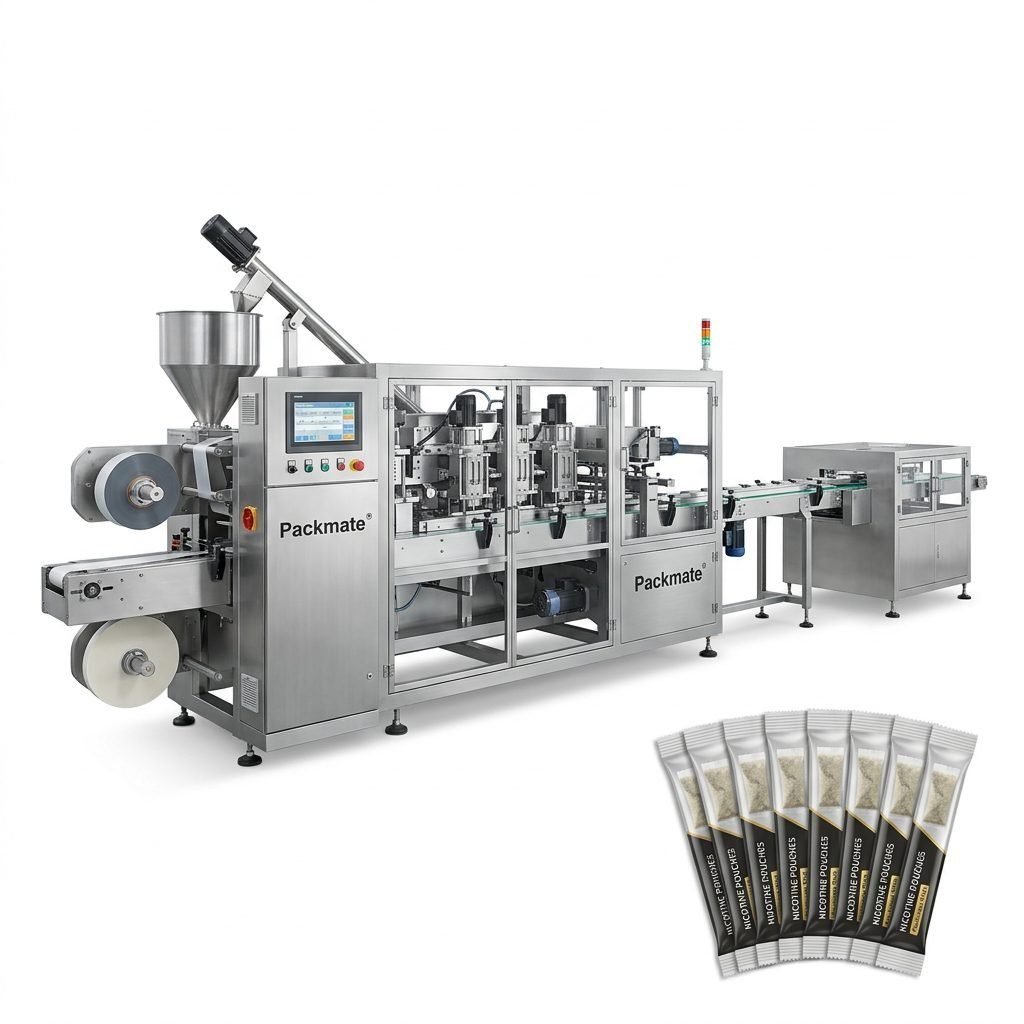
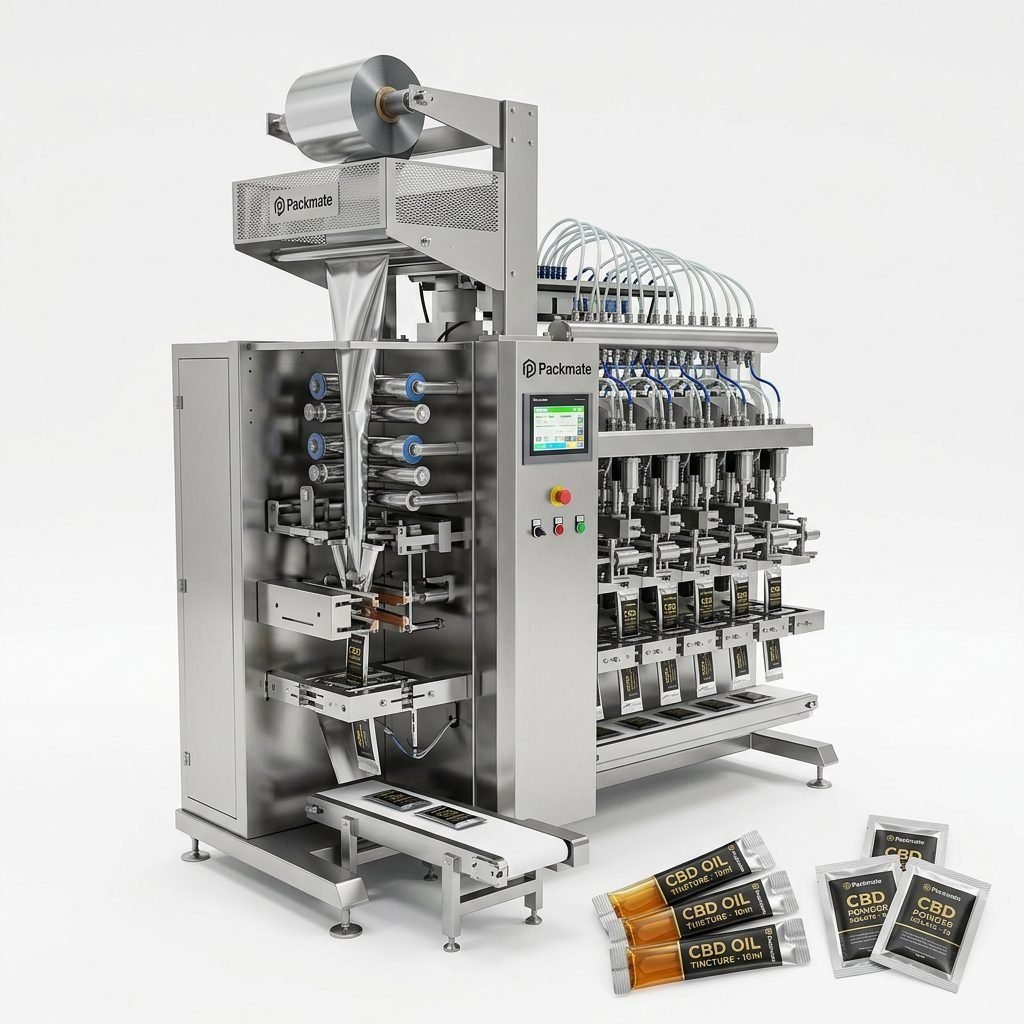
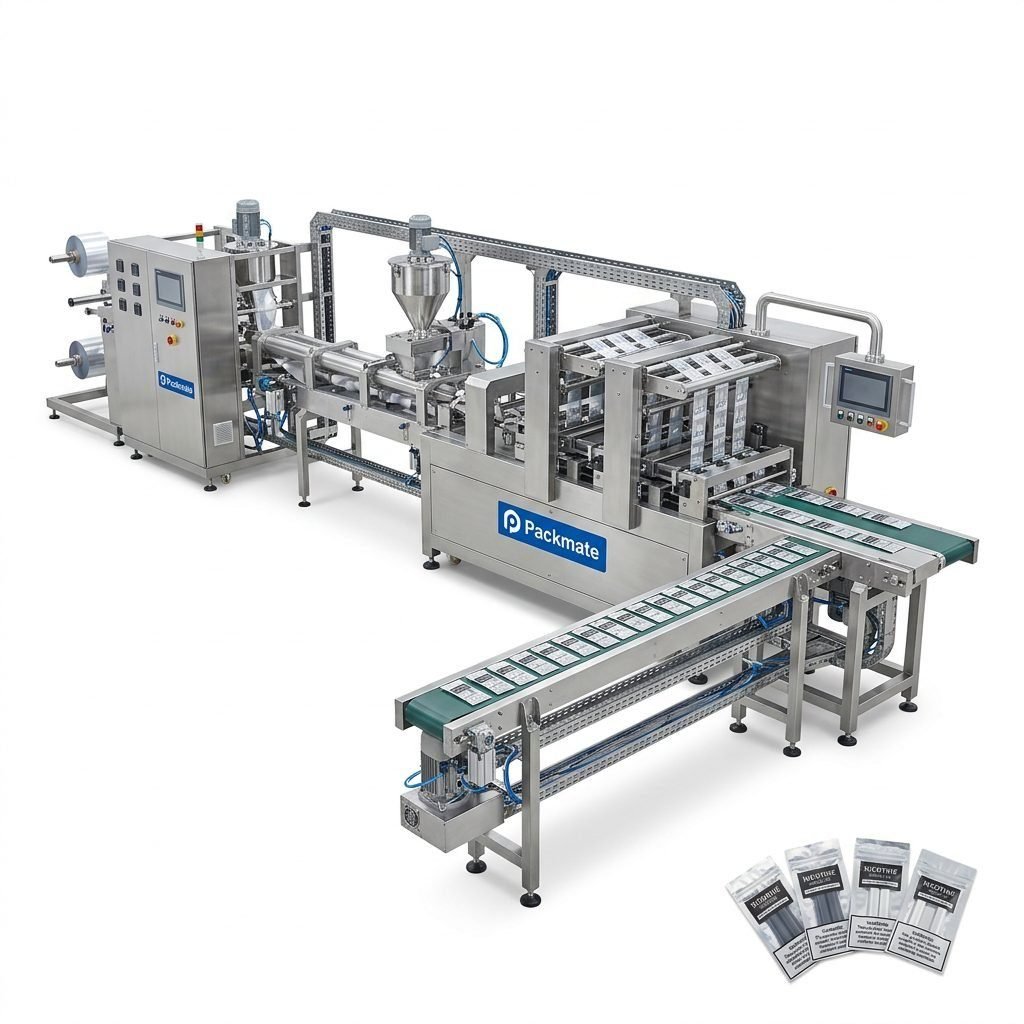
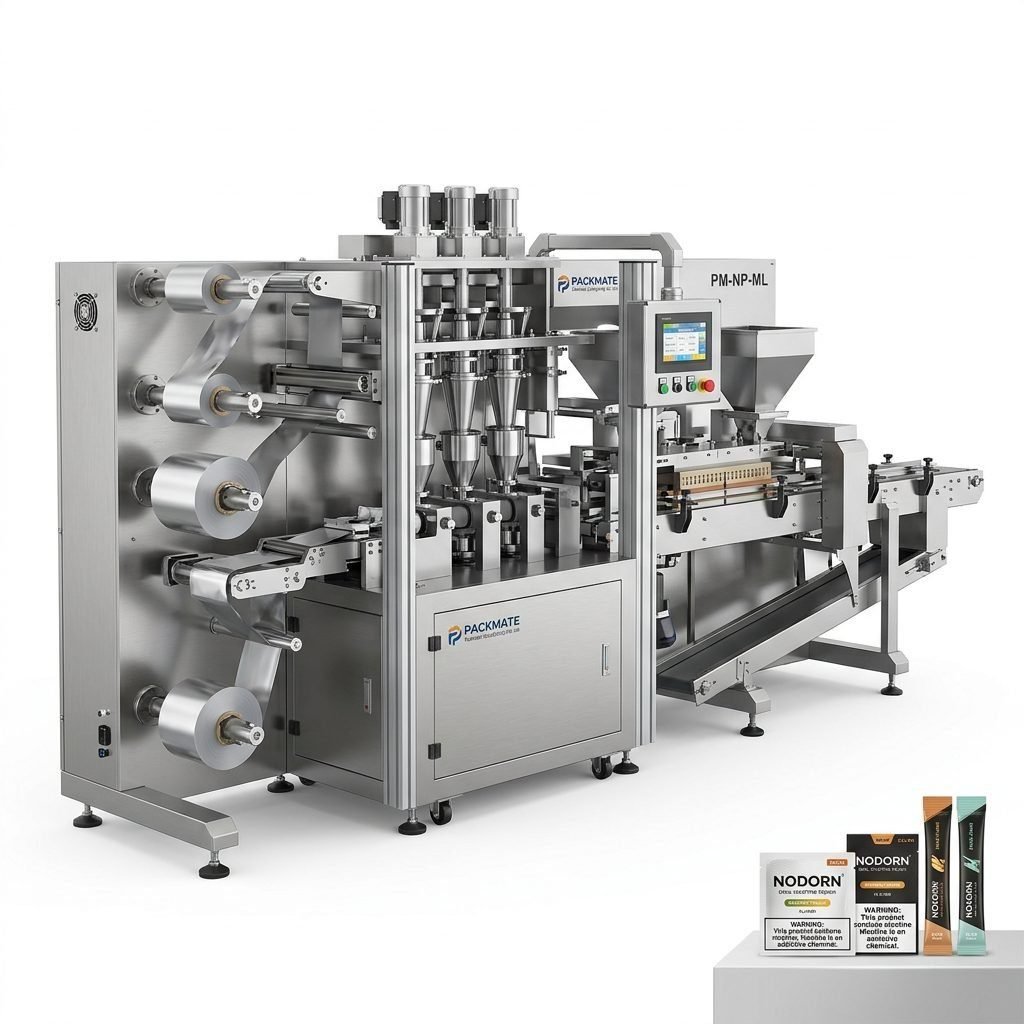
Choosing the right nicotine packaging machine for Somalia requires balancing local market needs, regulatory compliance, production capacity, and long-term serviceability. This comprehensive buyer’s guide walks you through the critical factors to consider when sourcing snus and nicotine pouch packaging equipment, helping you make an informed investment that supports reliable, efficient production and future growth.
Why choosing the right machine matters in Somalia
Somalia’s market for nicotine pouches and similar products is evolving. Selecting the correct packaging line influences product quality, shelf life, regulatory compatibility, and production costs. A well-chosen machine reduces downtime, minimizes material waste, and ensures consistent packaging — all critical for building brand trust and scaling operations.
Understand local regulations and compliance
Regulatory requirements vary by country and can affect labeling, packaging materials, and machinery safety standards. Prioritize machines compliant with international certificates such as CE and ISO, which help ensure safe operation and easier cross-border shipments. If you need guidance on certifications and compliance, review vendor documentation and request evidence of compliance before purchase.
Match capacity to demand
Determine your target daily output and choose a machine that meets that throughput with headroom for growth. Machines range from single-lane units ideal for startups to high-speed multi-lane systems for mass production. Over-specifying is costly, while under-specifying limits growth — aim for a balanced margin above your forecasted peak demand.
Types of nicotine packaging machines — what to consider
There are several common machine types used for snus and nicotine pouches. Each supports different pouch shapes, sizes, and production speeds. Understanding the differences helps align the machine with product strategy.
Snus / nicotine pouch packing machines
These specialized machines are engineered for small-dose pouches, precise dosing, and gentle pouch handling. If you manufacture nicotine pouches, prioritize machines designed for pouch integrity, minimum dust generation, and accurate filling.
Sachet & stick pack machines
Sachet and stick pack systems suit single-serve formats and can be adapted for nicotine-related products depending on local rules. They offer fast changeovers and compact footprints, ideal for diversified product lines or trial markets.
Multi-lane systems
For high-volume production, multi-lane machines dramatically increase output without proportionally increasing floor space. These are best for established brands with predictable demand and require strong service and parts support for uptime.
🔧
Tip:
If you plan to expand product SKUs, invest in a modular machine that supports quick format changes and scalable lanes.
Key features to look for in a nicotine packaging line
When evaluating vendors, inspect the machine’s engineering details and performance guarantees. Look for features that reduce risk and improve lifetime value.
✓
Precision dosing and accurate weight control — consistent pouch fill is critical for product compliance and customer satisfaction.
✓
Hygienic design and easy cleaning — smooth surfaces, minimal dead zones, and quick-change components speed sanitation and reduce contamination risk.
✓
User-friendly HMI and diagnostics — a clear interface and remote diagnostics save time during setup and troubleshooting.
✓
Build quality and parts availability — machines built with robust components and available spare parts reduce long-term downtime.
📦
Must-have feature:
Remote support and a clear spare-parts package for deliveries to Somalia (lead times can be long).
Evaluating vendors — what questions to ask
Choosing the right supplier is as important as choosing the machine. Ask specific, verifiable questions to validate claims and ensure a reliable partnership.
⚠️
Installation & commissioning: Does the vendor provide local commissioning, training, and start-up support? If not, are remote commissioning options available?
⚠️
After-sales service: What is the response time for spare parts and technical service? Confirm service coverage or authorized partners near Somalia or in neighboring countries.
⚠️
References & case studies: Ask for references or case studies from similar projects. Review the vendor’s track record for long-term partnerships.
ℹ️
Pro tip:
Request a factory acceptance test (FAT) report or a video demonstration that shows continuous run performance and product quality metrics.
Operational considerations for Somalia
Operating conditions and logistics in Somalia can affect machine uptime and total cost of ownership. Plan for these realities when finalizing your purchase.
🔋
Power supply and voltage tolerances: Confirm the machine’s electrical requirements and whether voltage stabilizers or transformers are needed.
🚚
Shipping & customs: Choose vendors experienced with shipping industrial equipment to East Africa. Clear documentation and CNF/CIF options reduce customs delays.
🛠️
Local maintenance capability: Train local technicians and keep a minimum spare parts inventory for critical components like sensors, belts, and motors.
Budgeting: purchase price vs total cost of ownership
Evaluate machines on total cost of ownership, not just the upfront price. Consider energy consumption, spare parts, expected MTBF (mean time between failures), consumables, and downtime costs. Cheaper machines can be expensive over time if they compromise on parts quality or service availability.
📌
Checklist before signing an order:
FAT acceptance criteria, spare parts list, warranty terms, training schedule, and local support plan.
Recommended machine categories and where to find them
Trusted vendors provide a range of machines from entry-level fillers to high-speed multi-lane packaging lines. For a reliable starting point, review specialized product pages and case studies to align your needs with proven solutions.
Explore product categories such as Snus & Nicotine Packaging Machines, Sachet & Stick Pack Machines, and multi-lane Weighing & Packaging Systems to compare specifications and configurations.
For company background, certifications, and turnkey capabilities, refer to the vendor’s About Packmate page and relevant Case studies to see real-world implementations.
Making the final decision
Narrow your shortlist to vendors who demonstrate strong engineering, reliable after-sales service, and transparent documentation. Request machine references, FAT videos, and a clear warranty and spare parts policy. If possible, visit a factory or attend an exhibition where the machines run live — seeing performance in person is invaluable.
When you are ready to inquire, use the vendor’s Contact Us page to request detailed quotes, lead times, and support packages.
✅
Final buying rule:
Prioritize long-term reliability and service access over the lowest purchase price.
FAQs — Common questions from buyers in Somalia
Q1: What machine speed should I choose for a small-to-medium operation?
A1: Start by forecasting your monthly output and allow 20–30% capacity margin. For small-to-medium operations, single-lane or low-speed multi-lane machines are often appropriate; escalate to multi-lane systems as demand stabilizes.
Q2: How do I handle spare parts and long lead times to Somalia?
A2: Maintain a basic spare parts kit (sensors, belts, seals, motors) and negotiate defined lead times with your supplier. Consider stocking critical parts locally and arranging expedited shipping options with your vendor.
Q3: Are there turnkey suppliers that can deliver and commission a full line?
A3: Yes. Many experienced manufacturers offer turnkey lines including filling, sealing, packing, and auxiliary systems. Check case studies and request a detailed project plan with milestones.
Q4: How important is FAT before shipping?
A4: FAT (Factory Acceptance Test) is critical. It verifies machine performance, reduces installation surprises, and documents acceptance criteria. Insist on recorded FAT results and agreed corrective actions if required.
Q5: Where can I learn more about machine models and real case studies?
A5: Review manufacturer product pages and case study sections to compare models and real-world deployments. For example, explore specialized product offerings and project examples to evaluate suitability and supplier expertise.