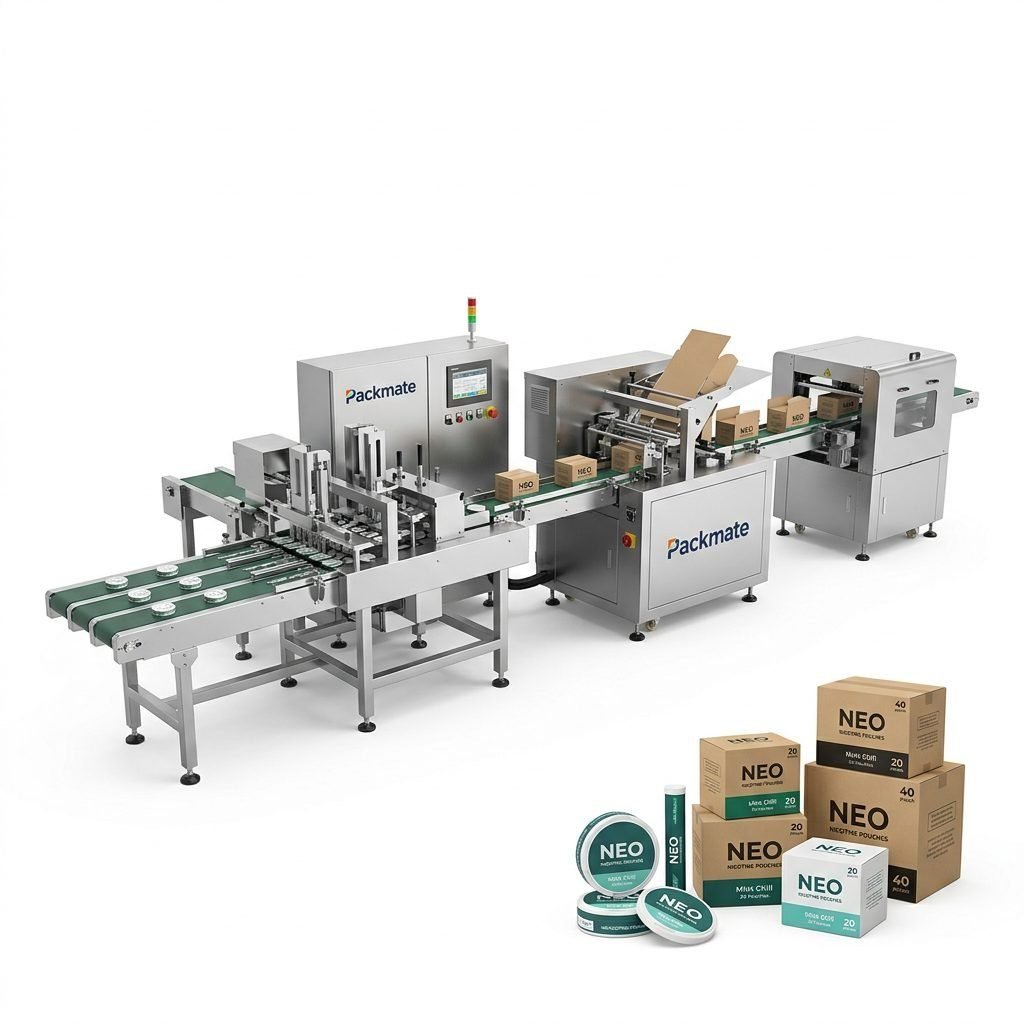
Choosing the right snus packaging machine manufacturer for production in Denmark is a strategic decision that impacts product quality, regulatory compliance, and long-term operational costs. This guide walks you through the essential considerations — from machine types and technical capabilities to service, certifications and integration — so you can confidently select a partner that fits your production needs and growth plans.
Understand Your Production Requirements
Start by documenting your core production parameters: expected daily output, product formats (snus pouches, nicotine pouches, sachets, stick packs), required lanes, target packaging materials, and any secondary operations such as dosing, sealing, or cartoning. A clear brief helps manufacturers propose the correct machine class — single-lane for pilot lines or high-speed multi-lane systems for commercial scale.
Key items to define early:
⚙️ Production volume (units per hour / per shift)
📦 Package formats (pouch type, stick, sachet)
🔧 Integration needs (weighing, filling, labelling)
Match Machine Types to Your Product Mix
Different packaging technologies address different product behaviors and regulatory needs. Familiarize yourself with the commonly used lines:
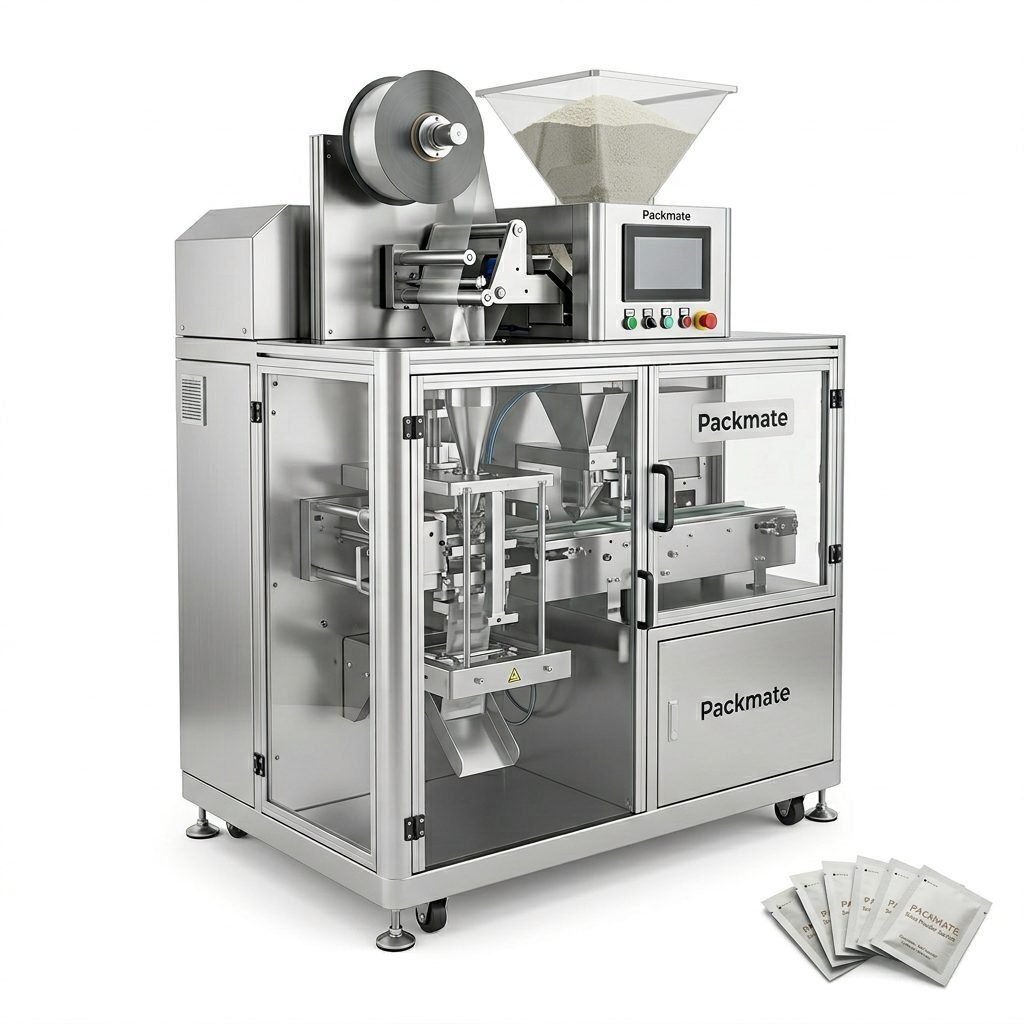
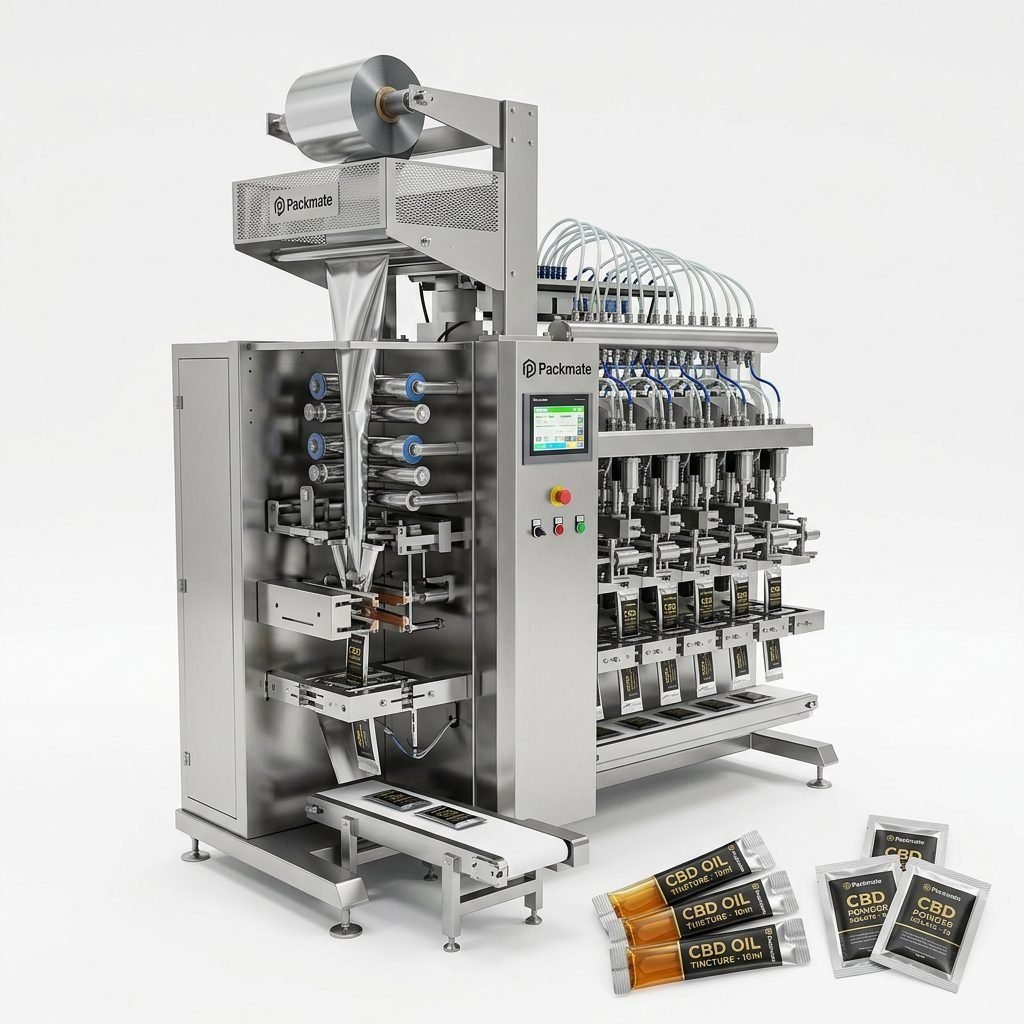
• Stick pack & sachet machines — ideal for single-serve sachets and stick formats; compact and flexible for small-dose products. Useful link: Sachet & Stick Pack Machines
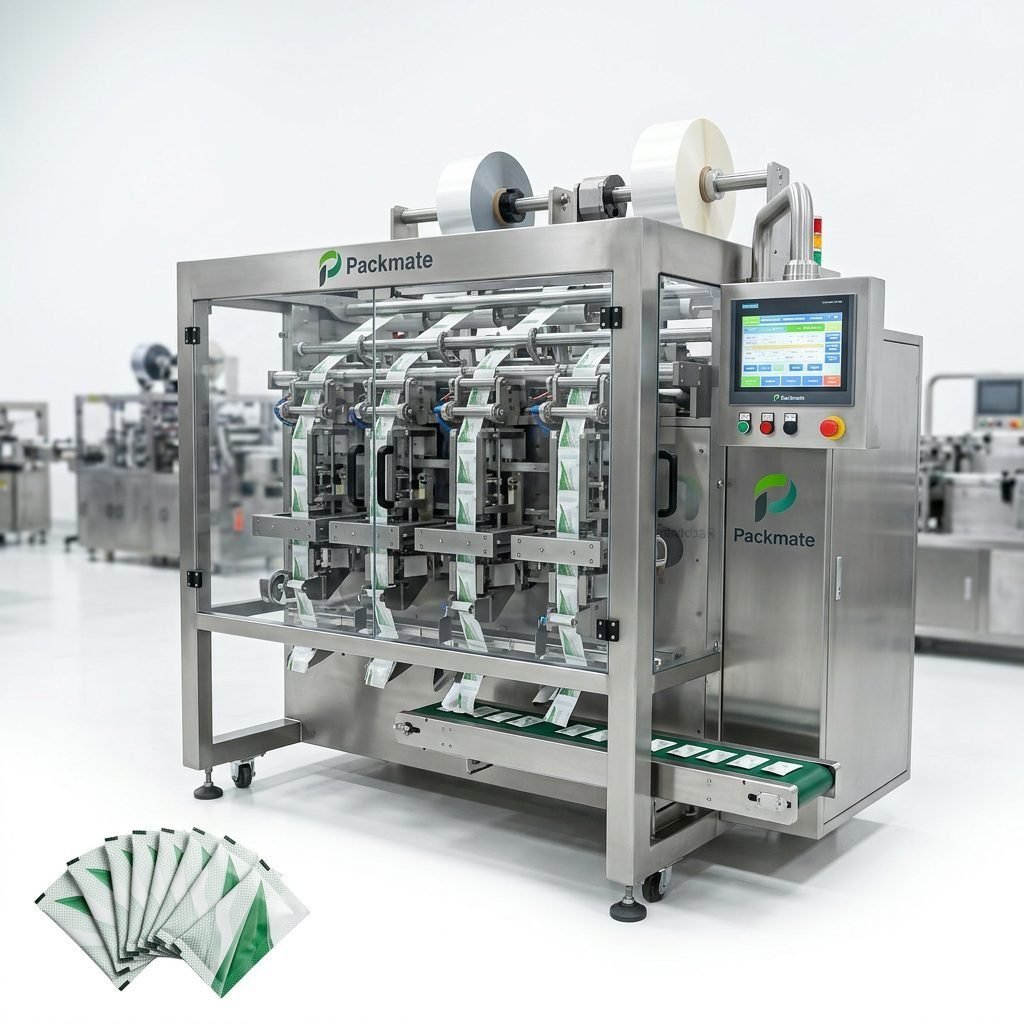
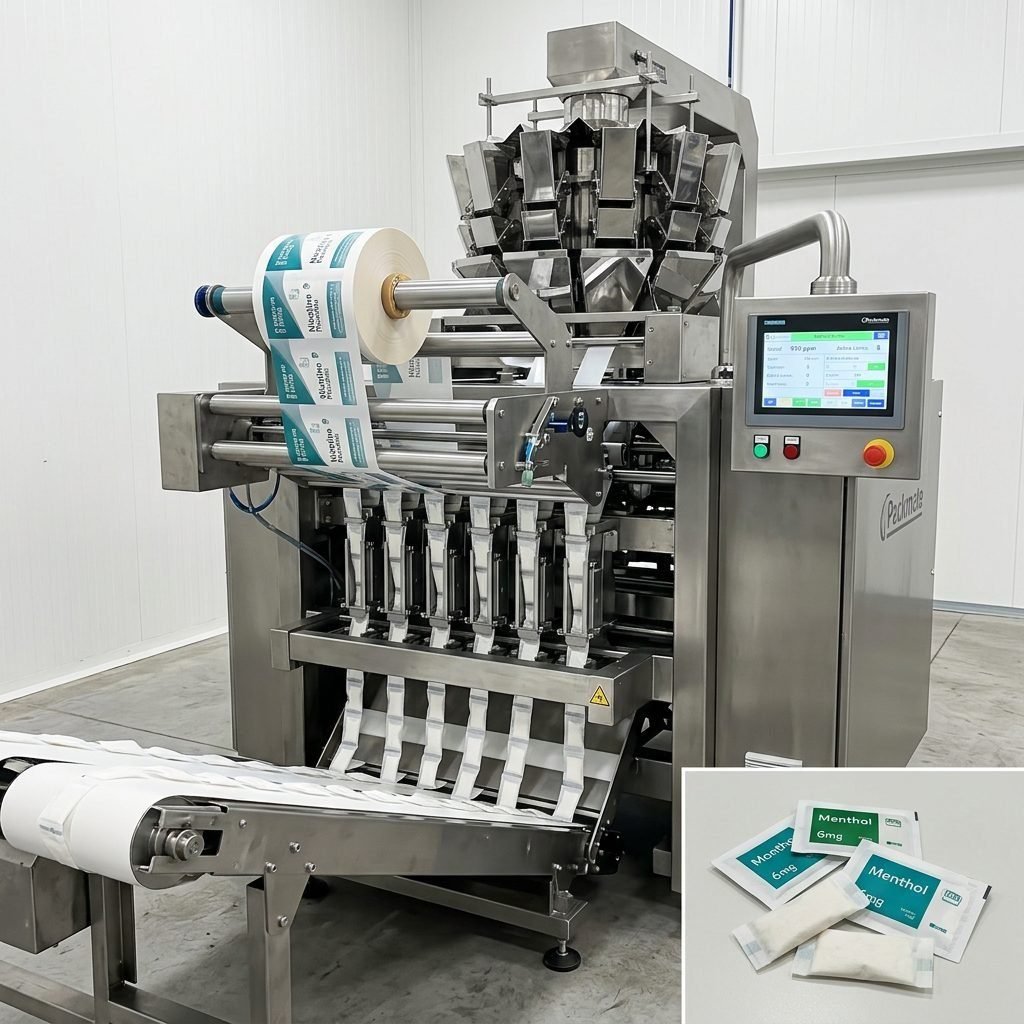
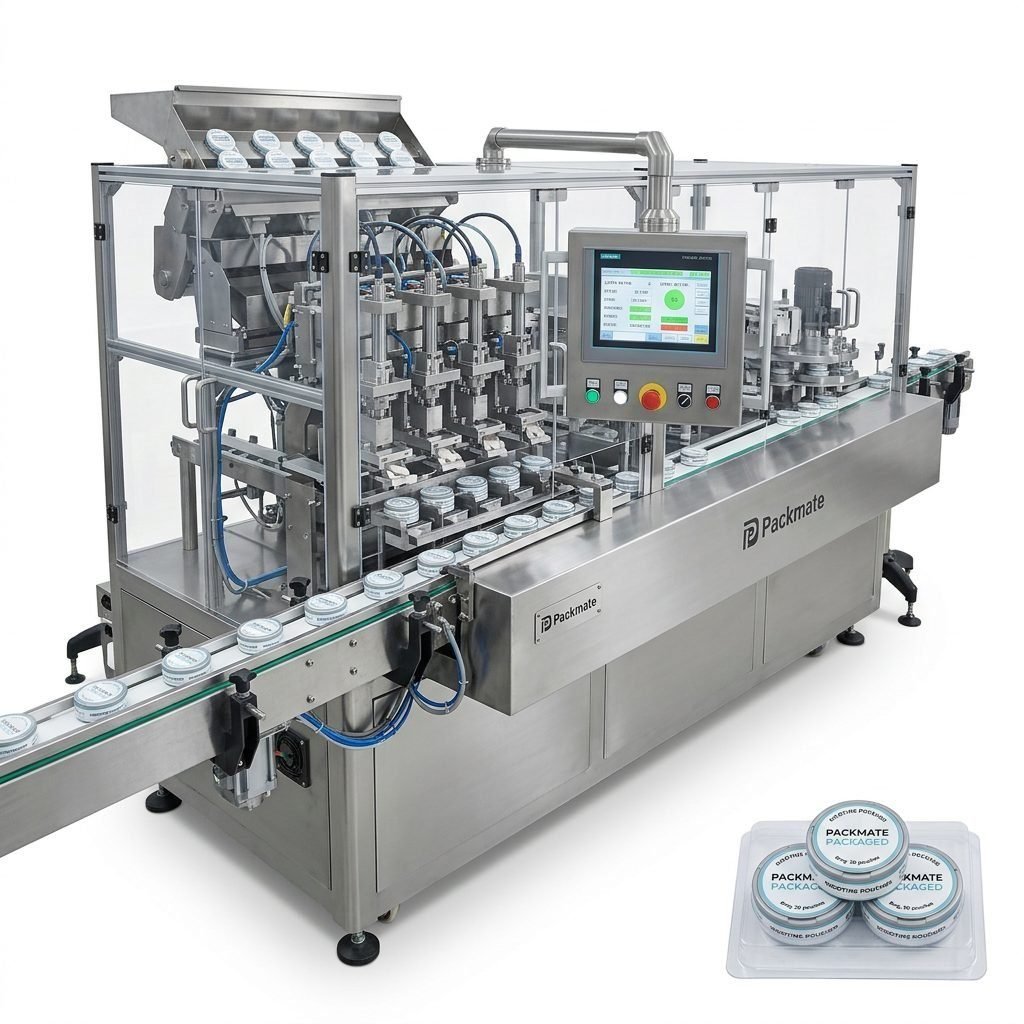
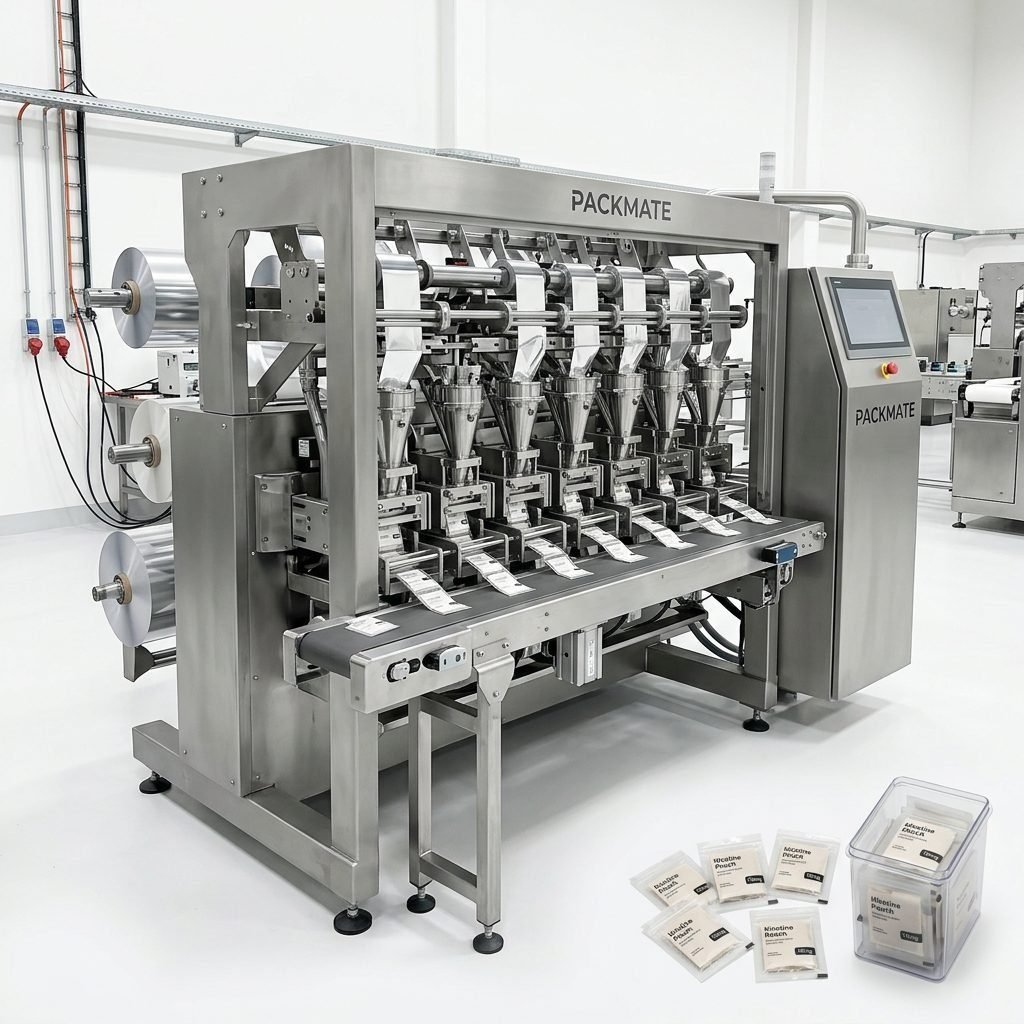
• Multi-lane snus / nicotine pouch machines — deliver high throughput for small-dose pouches across multiple lanes; essential for industrial-scale nicotine pouch production. Explore: Snus & Nicotine Packaging Machines
• Bag & pouch lines — for retail-ready packs that require downstream operations like zipper insertion or reclosable features: Bag & Pouch Packaging Machines
Quick tip: If you plan to scale from pilot to mass production, prioritize modular systems or turnkey lines that allow adding lanes or modules without replacing the entire line.
Evaluate Manufacturer Capabilities and Factory Strength
A reputable manufacturer should demonstrate manufacturing scale, engineering depth and quality control. Look for facts such as factory area, years of experience, and the breadth of models available. For example, an experienced supplier with a 20,000㎡ facility and 30+ years of R&D shows capacity to handle complex turnkey projects.
Ask for evidence:
✔️ Production photos or virtual factory tour
✔️ List of models and customization examples (50+ models is a good indicator of variety)
✔️ Case studies and references — check their Case page
Certifications, Compliance & Quality Assurance
European buyers must ensure equipment meets CE and relevant ISO standards. Request copies of certificates, FAT (Factory Acceptance Test) reports, and calibration records. A supplier that prioritizes compliance minimizes downstream validation work and supports regulatory audits in Denmark and the EU.
Service, Spare Parts & After-Sales Support
Long-term performance depends on reliable service. Assess response times, spare parts inventory strategies, and training offerings. Prefer partners who provide:
• On-site commissioning and operator training
• Remote diagnostics and software support
• Local or regional spare parts depots for faster delivery
Emphasis: fast spare parts supply and trained local technicians can reduce downtime significantly — factor this into total cost calculations.
Technical Support, Customization & Turnkey Solutions
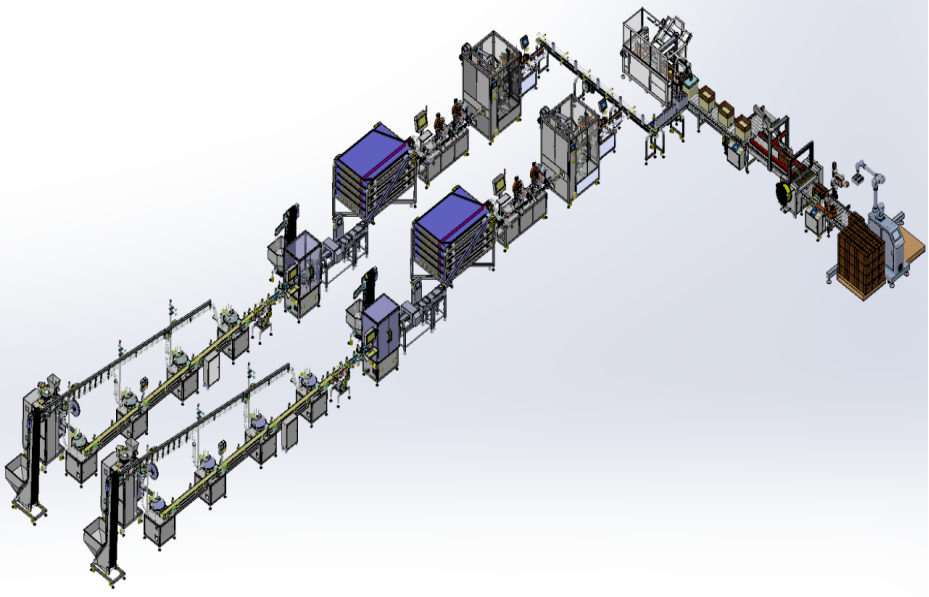
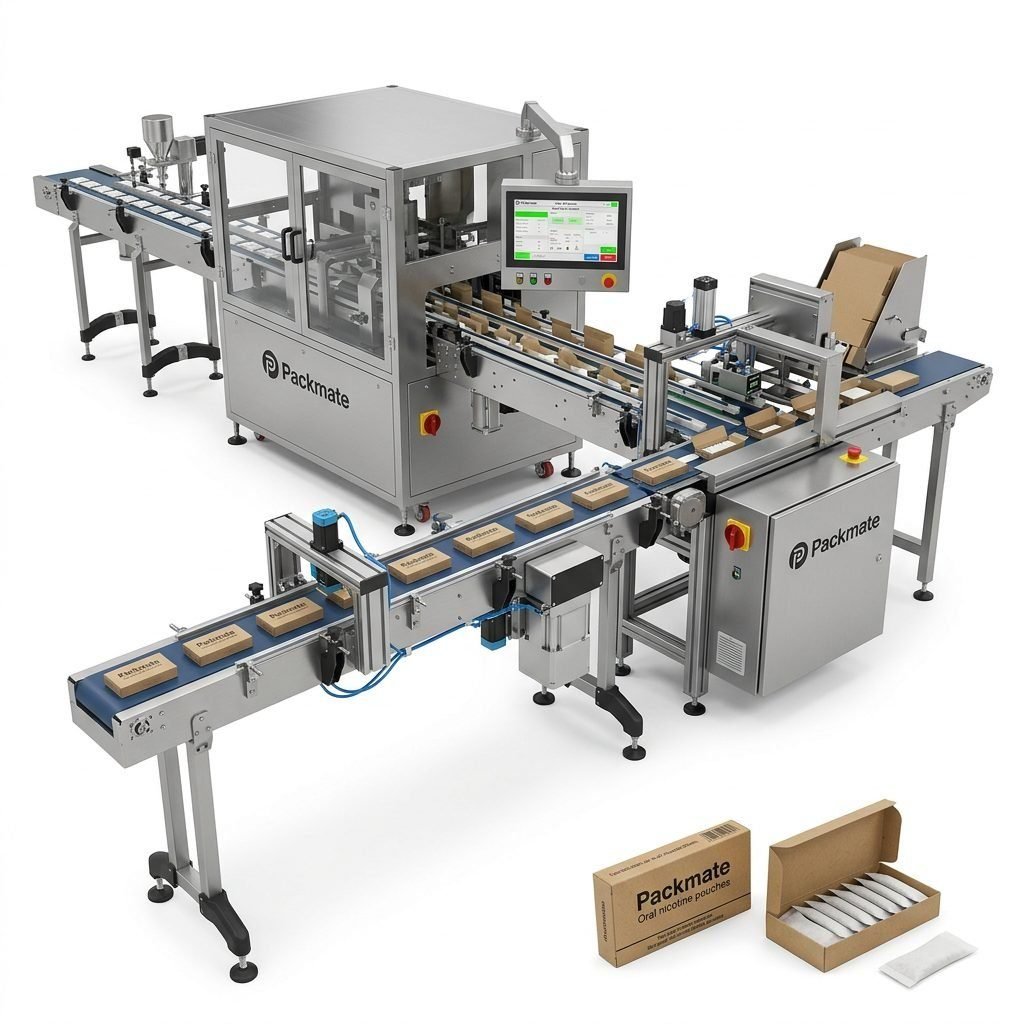
If your product requires special dosing, unusual pouch sizes, or a tailored downstream process, choose a manufacturer experienced with customization and full-line integration. Turnkey suppliers manage everything from weighing & filling systems to auxiliary equipment and final packing. See examples of integrated systems: Filling & Packaging Lines and Weighing & Packaging Systems.
Factory Acceptance and FAT Procedures
Agree on formal FAT steps to validate machine performance before shipment. FAT should include production trials with your materials, cycle-rate verification, and safety checks. Document acceptance criteria — speed, accuracy, waste rate, and machine uptime — in the contract.
Logistics, Lead Times & Delivery Considerations
Manufacturers with larger facilities and experienced supply chains typically offer predictable lead times. Confirm delivery timelines, packaging for export, customs documentation support, and installation services in Denmark. If your timeline is tight, prioritize suppliers with production slots and local partners for commissioning.
Total Cost of Ownership (TCO) — Beyond the Quoted Price
A lower purchase price may hide higher costs over the machine life. Estimate TCO by considering:
• Maintenance intervals and part replacement costs
• Energy consumption and utilities
• Expected uptime / productivity and risk of breakdowns
• Training and spare parts logistics
Remember: a slightly higher initial investment in a robust multi-lane snus machine often yields lower unit costs and less downtime for high-volume nicotine pouch operations.
References, Demonstrations & Exhibitions
Ask for customer references and, if possible, visit a live demonstration. Meeting suppliers at trade fairs is an excellent way to see machines in action and discuss bespoke solutions. Check the manufacturer’s exhibition schedule to plan a visit: Our Exhibition.
Contract Terms, Warranty & Aftercare
Negotiate clear warranty terms, routine service plans, and penalties for missed delivery or performance metrics. Ensure that spare parts lists, software licenses, and training hours are itemized. A transparent service contract protects your production continuity.
Onboarding a New Machine — Practical Checklist
Before final acceptance, verify the following:
1. FAT results match agreed KPIs
2. Operator training completed and documentation provided
3. Spare parts kit delivered and verified
4. Installation, commissioning and OQ (Operational Qualification) schedule set
Choosing a Long-Term Partner
The best manufacturer is not only technically capable but committed to continuous improvement, fast service, and transparent communication. Look for a partner who offers full lifecycle support — from design and commissioning to spare parts and upgrades. You can learn more about manufacturer backgrounds and mission statements here: About Packmate.
Decision framework (summary): Fit-to-requirements → Proven production capability → Regulatory compliance → After-sales & spare parts → TCO & references.
Final Steps Before Purchase
– Request a detailed proposal and validated performance figures.
– Confirm delivery and installation timelines.
– Clarify payment milestones and export documentation.
– Plan for commissioning and a knowledge-transfer period with the supplier’s engineers.
If you need tailored turnkey solutions that combine snus packaging machines, weighing and filling lines, and auxiliary equipment, explore the full product suites and service offerings available to international customers: Auxiliary Packaging Equipment and Weighing & Packaging Systems.
Extra Consideration: Sustainability & Energy Efficiency
As energy costs and sustainability expectations rise, consider machines designed for energy efficiency and minimal waste. Ask potential suppliers about recyclable packaging options, energy consumption metrics, and waste reduction features.
Conclusion
Selecting the best snus packaging machine manufacturer for Denmark means aligning technical capability, compliance, service and long-term cost considerations with your business goals. Prioritize suppliers with proven multi-lane snus solutions, robust factory capabilities, and strong after-sales support to secure reliable production and future-proof your operations.
Frequently Asked Questions
Q1: How long does it typically take to receive and install a custom snus packaging line?
A: Lead times vary with customization, but expect 12–24 weeks from contract to shipment, plus 1–4 weeks for on-site installation and commissioning depending on complexity.
Q2: What certifications should I require for equipment used in Denmark/EU?
A: Require CE marking and relevant ISO certifications. Also request documentation for electrical safety, machine guarding, and any hygienic design standards applicable to tobacco or nicotine product packing.
Q3: Can the supplier provide FAT with my actual materials?
A: The best practice is to perform FAT using your materials and packaging films. Confirm this upfront and include acceptance criteria in the purchase contract.
Q4: How are spare parts handled for machines ordered from overseas manufacturers?
A: Top suppliers offer spare parts kits with the machine, maintain regional depots or fast-shipping options, and provide part numbers and recommended stock levels for critical wear items.
Q5: Where can I find real-world examples of installed lines?
A: Ask the manufacturer for case studies and client references, and review their case page for past projects: Case.
If you are ready to shortlist manufacturers or request a proposal, contact the supplier’s sales or technical team directly for tailored recommendations and pricing: Contact Us.