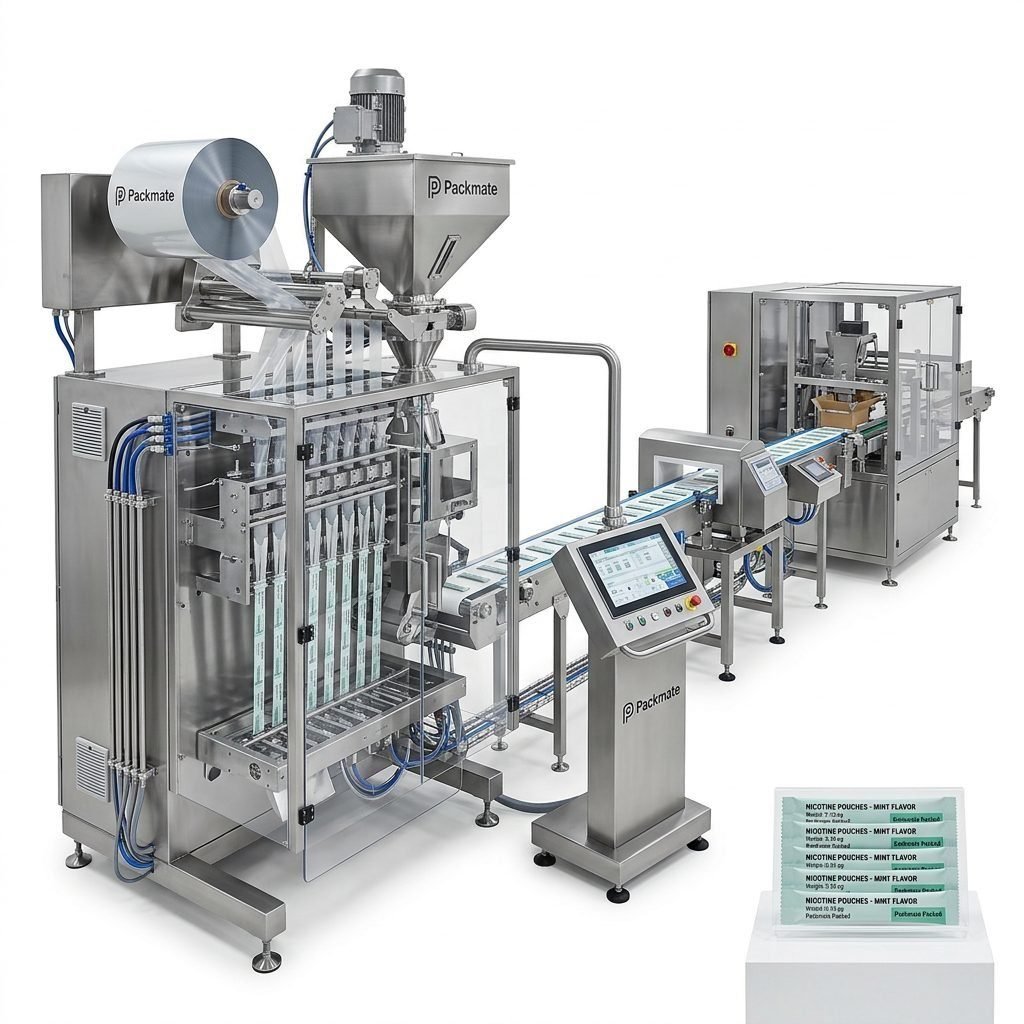
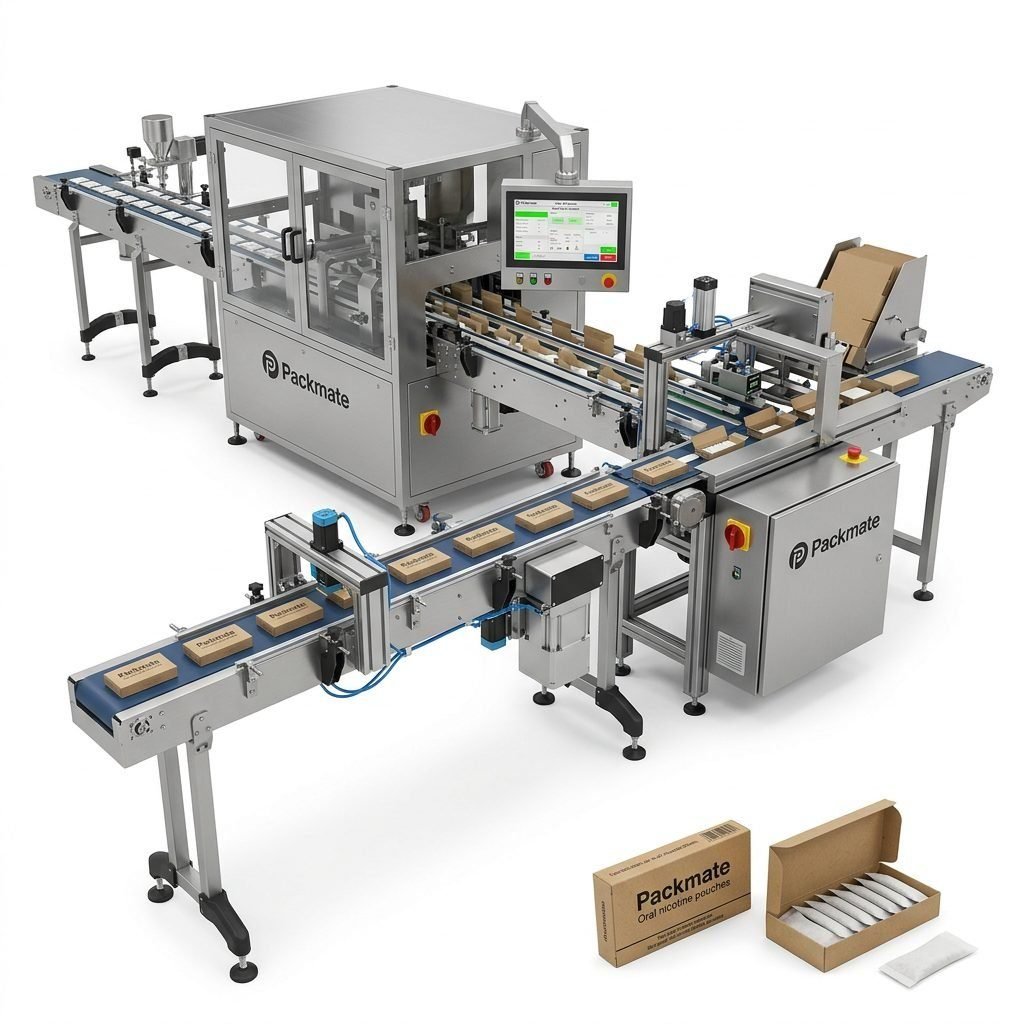
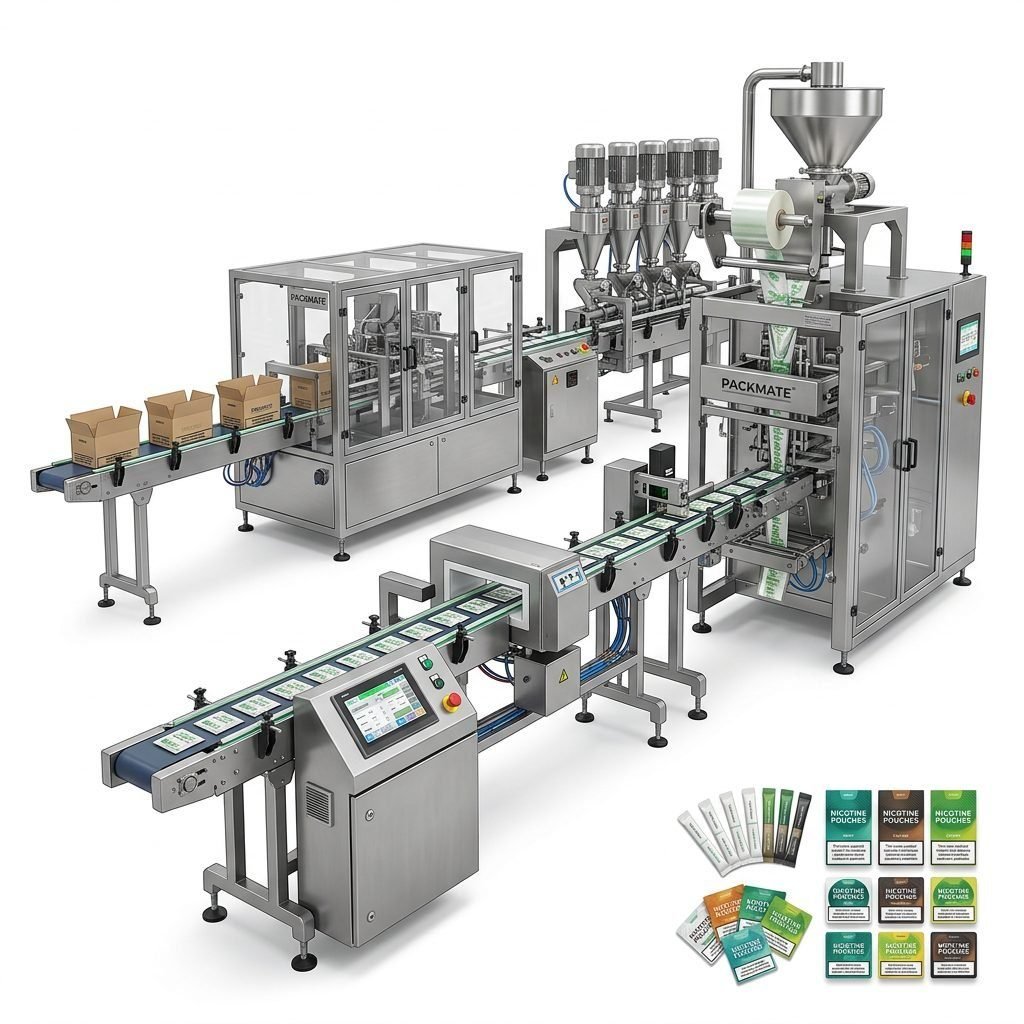
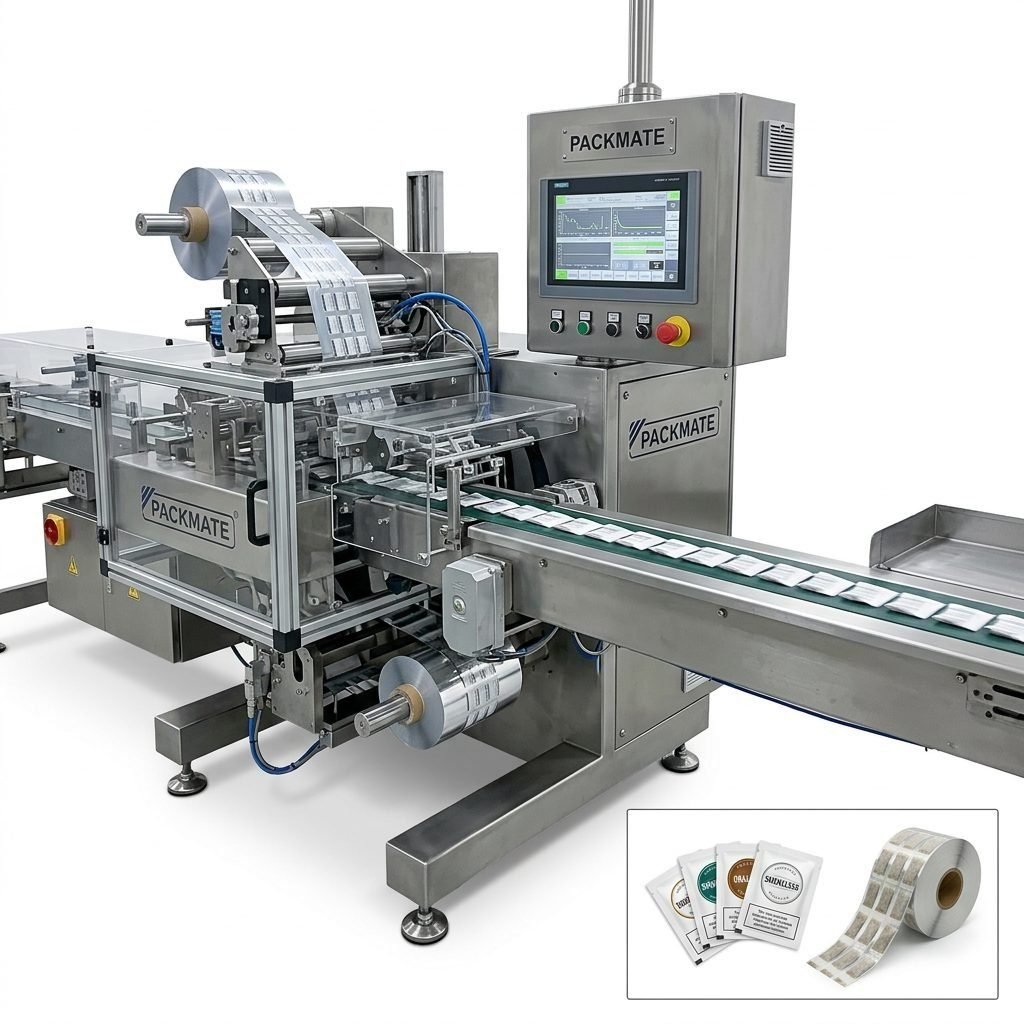
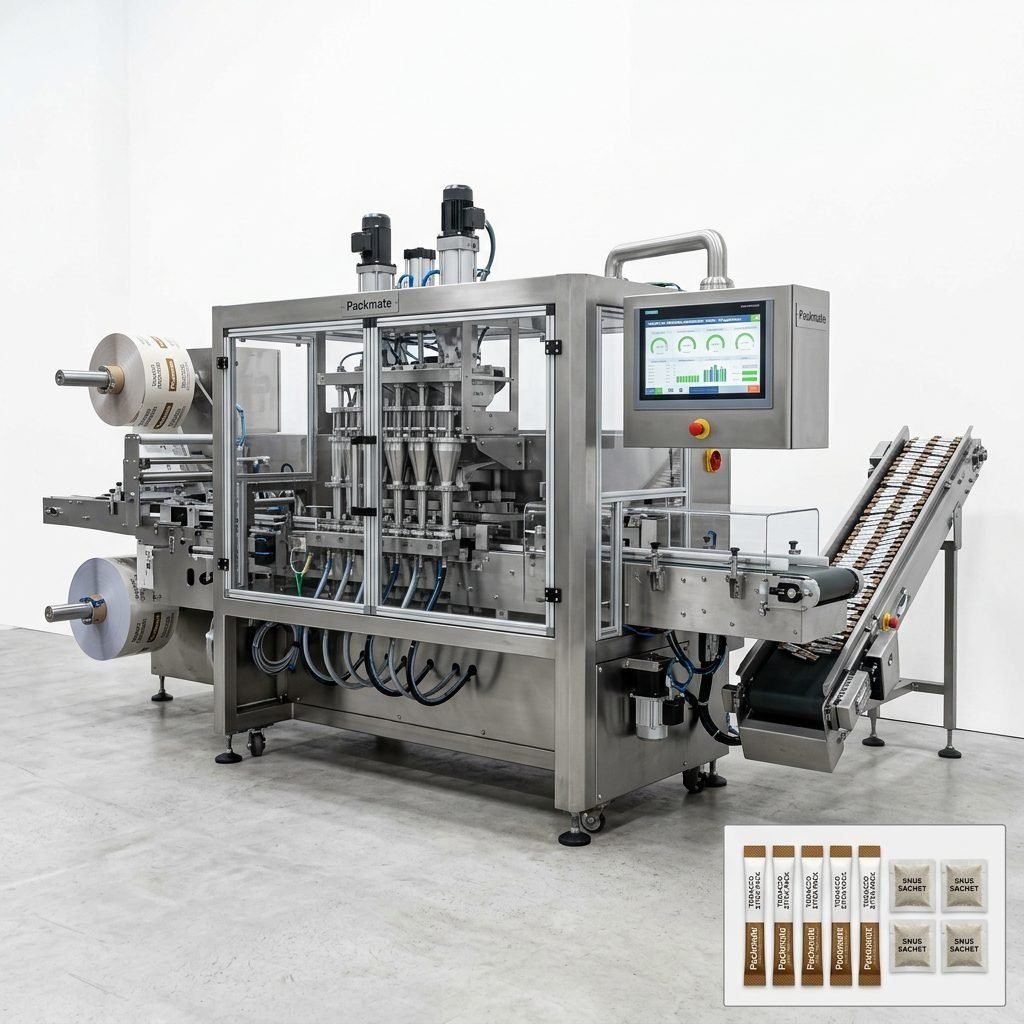
In modern snus and nicotine pouch production, fully automated systems with automatic feeding have redefined efficiency, hygiene, and consistency. This article explores the best snus machines equipped with automatic feeding, explains how these systems integrate into a complete production line, and offers practical guidance for manufacturers seeking high-throughput, reliable packaging solutions.
🔶 What Is an Automatic Feeding Snus Machine?
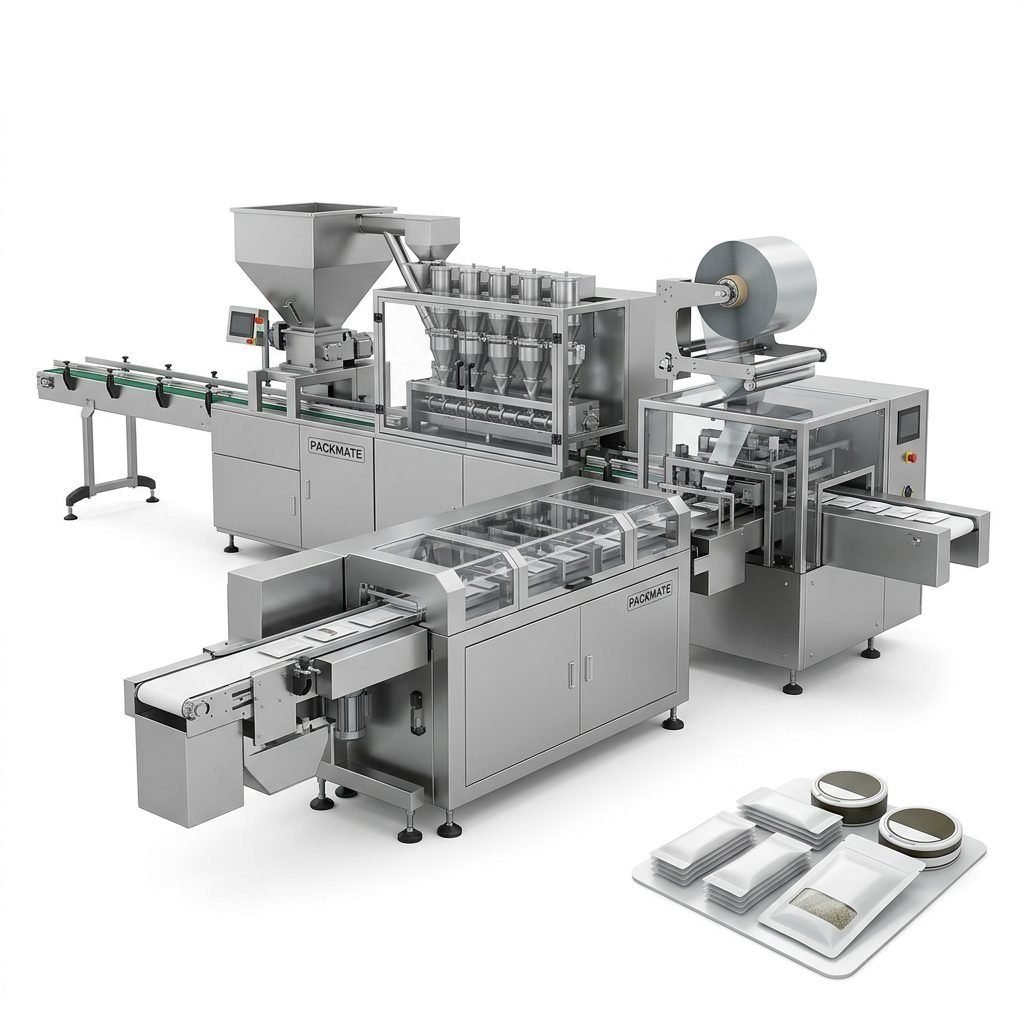
An automatic feeding snus machine handles product delivery from the bulk hopper to the pouch or portion forming section without manual intervention. Instead of manual scooping or intermittent dosing, these machines use precision feeders, vibratory bowls, volumetric or weigh-based feeders, and synchronized conveyors to maintain a continuous, stable flow. The result is higher uptime, uniform portioning, and a significant reduction in labor demands.
⚙️ Core Components
Key components of a modern automatic feeding snus machine include:
– Feed hopper with level sensors and dust control.
– Precision feeder (vibratory, screw, or belt) tuned for powdery or granular nicotine blends.
– Multi-head or single-head weighers when high accuracy is required.
– Automatic portioning and metering devices feeding into forming jaws or sachet heads.
– Integrated PLC/HMI systems for recipe control, fault detection, and traceability.
Why automatic feeding matters: consistent dosing improves product quality and reduces waste. For regulated nicotine products, accurate portions are essential to maintain compliance and brand reputation.
🔹 Types of Automatic Feeding Systems for Snus
Selecting the right feeding type depends on product form (powder, granules, paste), required speed, and tolerance for variance. Common feeding technologies include:
– Vibratory bowl feeders: excellent for small solids and portions; gentle and easy to sterilize.
– Screw feeders: ideal for fine powders and controlled volumetric feed; compact footprint.
– Belt or reciprocating feeders: useful for delicate pouch materials or pre-formed portions.
– Multi-head weighers: top choice when strict gram accuracy is mandatory, often combined with automatic feeders to deliver product to hoppers of the weighers.
Integration with Packaging Heads
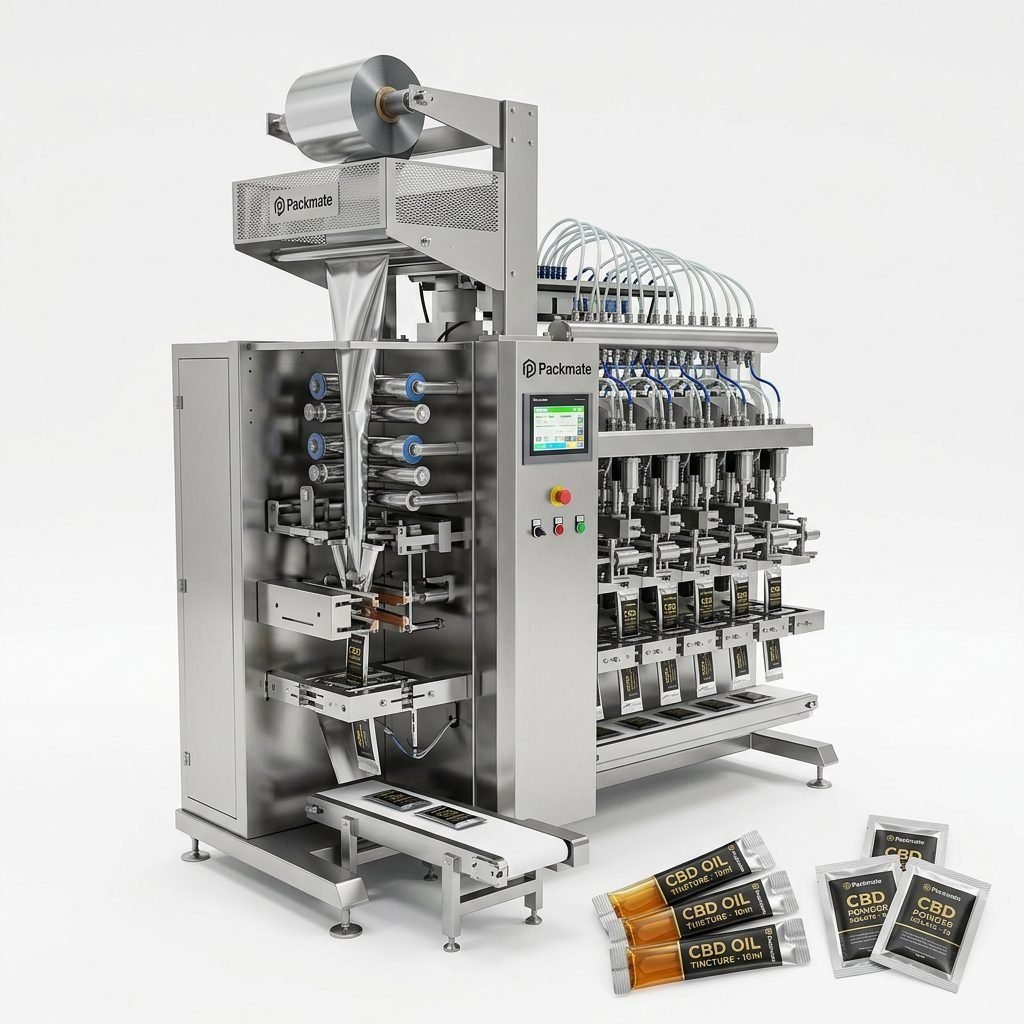
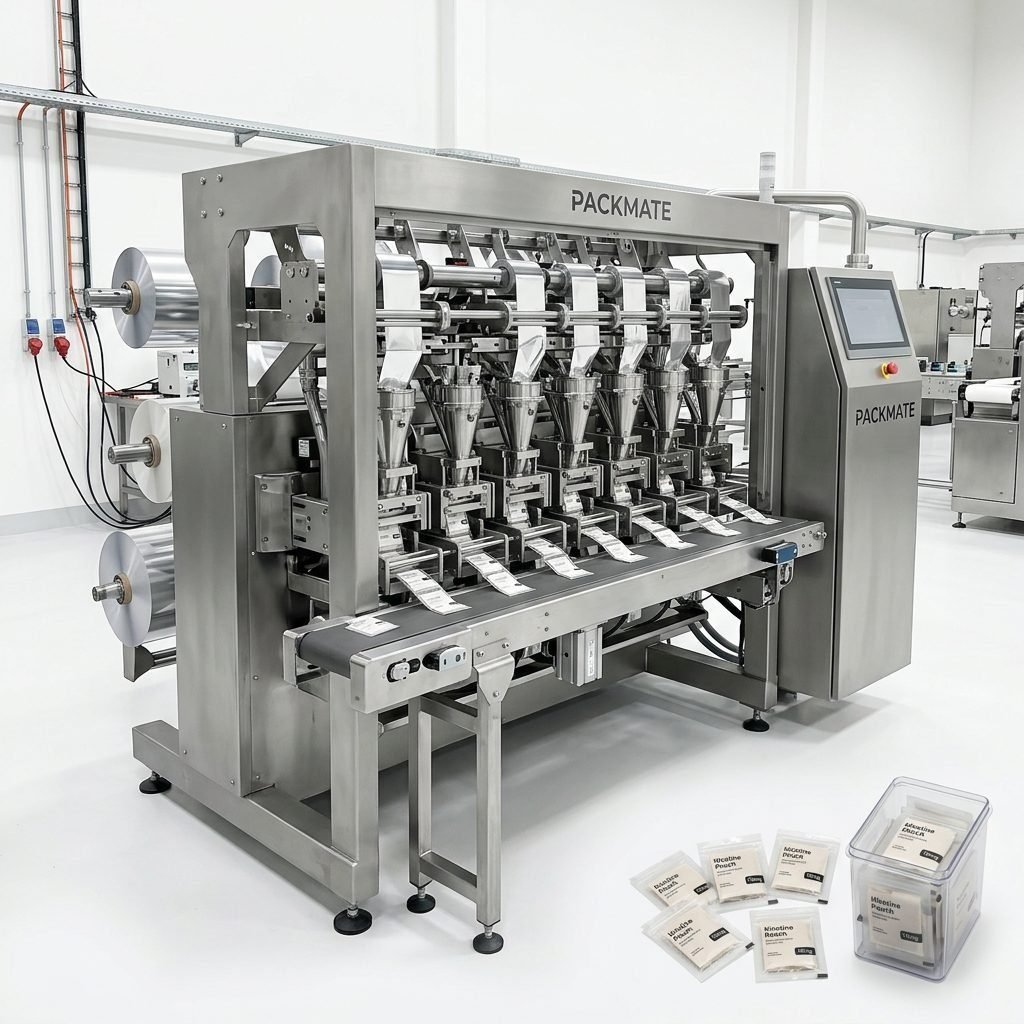
Automatic feeding must be synchronized with the pouch forming, sealing, and cutting mechanisms. Advanced systems use servo-driven cams and PLC triggers to time feeding pulses so each pouch receives the correct portion before sealing. Synchronization is essential for high-speed stick pack, sachet, and multi-lane snus lines.
🔸 Production Advantages of Fully Automated Snus Lines
Manufacturers switching to fully automated feeding and packaging systems often see tangible benefits across operations:
Efficiency & Speed: Fully automated lines can run continuously with high throughput, reducing cycle times and increasing daily output.
Accuracy & Consistency: Precision feeders and weighers minimize product giveaway and ensure portion uniformity.
Hygiene & Compliance: Enclosed feeders, easy-clean components, and CIP-compatible sections help meet food and pharmaceutical sanitation standards.
Labor Savings: Reduced manual handling lowers labor costs and decreases the chance of human error.
🛠️ Typical Specifications to Compare
When evaluating a candidate snus machine with automatic feeding, consider these technical parameters:
– Throughput (portions per minute) – single lane vs. multi-lane capacity.
– Portion accuracy (± grams) – whether the machine uses weighers or volumetric dosing.
– Product compatibility – powders, granules, moist mixes, or pre-formed pouches.
– Material contact surfaces – stainless steel 304/316, easy to disassemble and clean.
– Control systems – PLC brand, HMI interface languages, recipe management.
– Compliance approvals – CE, ISO, GMP compatibility as required by markets.
– Footprint and utilities – floor space, power, air and vacuum requirements.
📦 Turnkey Solutions and Line Integration
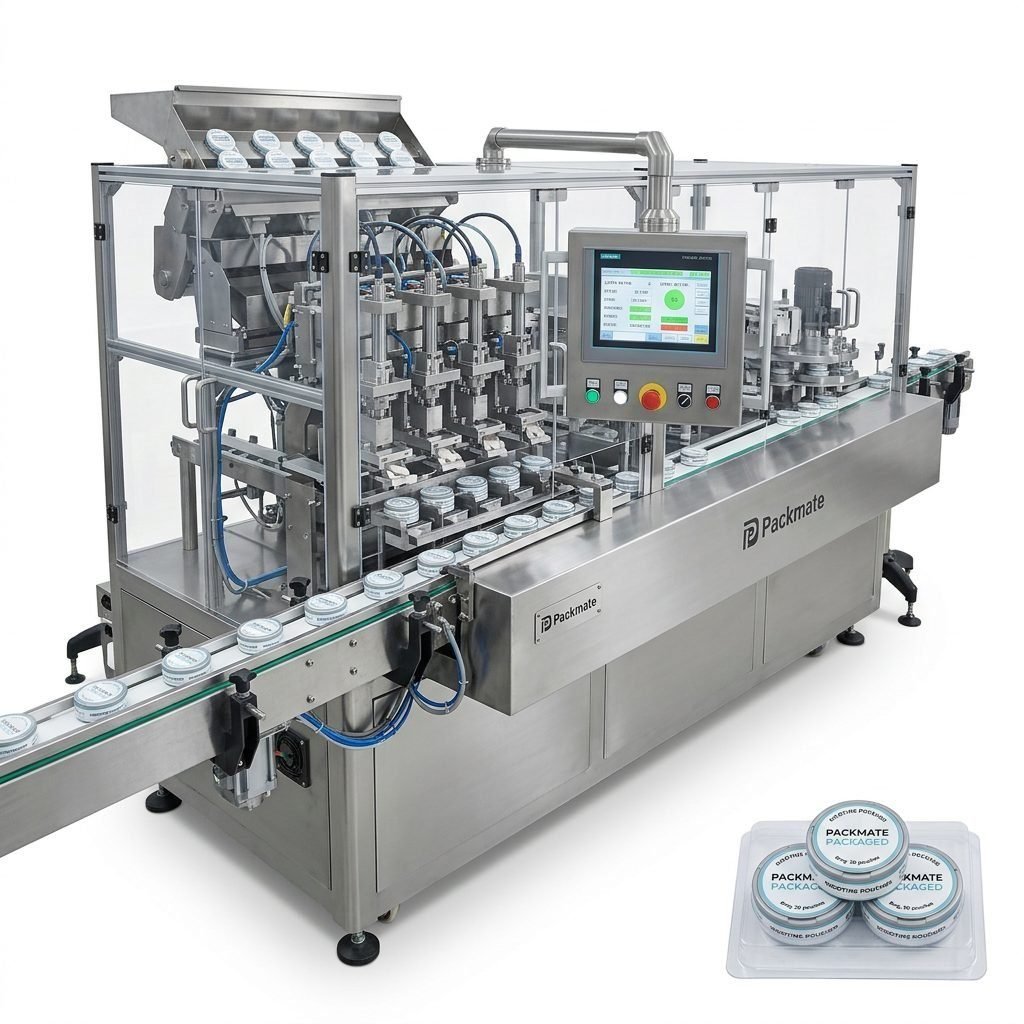
A true turnkey solution combines feeding, dosing, pouch forming, sealing, case packing, and auxiliary equipment (e.g., nitrogen flushing, checkweighers, metal detectors). Packmate’s integrated lines are designed so feeders, weighers, and pouch machines operate as one coordinated system, minimizing human oversight while simplifying validation and traceability.
Explore product families and system modules to match your needs: Snus & Nicotine Packaging Machines, Sachet & Stick Pack Machines, and Weighing & Packaging Systems.
Modular vs. Custom Lines
– Modular approaches allow faster deployment and predictable costs by combining standardized modules.
– Fully custom lines are necessary when product formulation, multi-lane complexity, or local regulations demand non-standard arrangements. Manufacturers with decades of engineering experience can design and deliver custom turnkey systems to meet exact requirements.
🔍 Selecting the Best Machine: A Practical Guide
Choosing the optimal machine requires balancing throughput goals, product characteristics, and operational realities. Use this checklist when evaluating suppliers and equipment:
• Throughput targets and scalability — can the machine scale up with additional lanes?
• Portion control technology — weighers vs. volumetric dosing and their accuracy credentials.
• Cleanability — quick-release parts, smooth welds, and sanitary design.
• Spare parts & service — availability of local support and spare parts inventory.
• Compliance documentation — CE, ISO, and validation support for regulated markets.
• Case studies and references — success stories from similar product types and markets.
🔧 Installation, Validation and After-Sales
A high-quality vendor will provide more than hardware: professional installation, on-site commissioning, operator training, and maintenance agreements. Packmate’s production engineering includes FAT/SAT (Factory Acceptance Test / Site Acceptance Test) procedures to ensure the line meets performance promises before handover.
Important after-sales aspects:
– Remote diagnostics and software updates.
– Preventive maintenance schedules and recommended spare parts kits.
– Training packages for operators and maintenance teams.
– Documentation for SOPs, electrical schematics, and component drawings.
🌍 Global Use Cases & Market Considerations
Snus and nicotine pouch demand varies by geography and local habits. In some European markets, portioned snus is widely accepted and subject to strict product labeling and quality oversight. In markets across Asia and the Americas, product formats and packaging preferences can differ dramatically — from single-dose sachets to multi-portion tins. When evaluating machines, consider the regulatory and consumer expectations of your target markets.
Manufacturers expanding internationally should confirm machine compliance with target-region standards and plan for local training or service partners. For further information about company background and certifications, see About Packmate and Certificate.
📈 Real-World Performance Metrics
When assessing machine performance, monitor these KPIs over the first 90 days:
– Actual throughput vs. rated capacity.
– Portion accuracy distribution and Cpk values.
– Downtime frequency and mean time to repair (MTTR).
– Changeover time between SKUs.
– Product giveaway rates and net yield.
Optimizing for Continuous Improvement
Data from HMIs and PLCs can be used to refine feeder settings, adjust dwell times, and optimize line speed. A collaborative approach with your machine supplier often yields process improvements that reduce variability and increase yield.
🏭 Packmate Case & Services
Packmate’s 20,000㎡ manufacturing facility, with 30+ years of engineering experience and 50+ machine models, supports a wide range of snus and nicotine packaging applications. For examples of completed installations and customer success stories, review the Packmate case studies: Case.
If you need a tailored solution, the company offers full packaging lines including auxiliary equipment. Learn more about other system modules at Filling & Packaging Lines and Auxiliary Packaging Equipment.
Tip: Request FAT reports, video demonstrations, and sample packs before placing a final order. Live demos at global exhibitions are an excellent way to validate machine capabilities — visit the supplier’s exhibition schedule for upcoming events.
✅ Summary & Final Recommendations
Automated feeding is a cornerstone of modern snus production. For manufacturers aiming to scale, improve consistency, and comply with strict hygiene standards, investing in automatic feeding snus machines and integrated packaging lines is a strategic move. Prioritize suppliers with proven multi-lane solutions, global service networks, and established records in nicotine pouch packaging.
Next Steps
1) Define your target throughput and portion accuracy.
2) Request modular vs. custom proposals and FAT testing data.
3) Confirm after-sales support, spare parts, and training packages.
4) Review case studies and visit live demonstrations where possible.
Frequently Asked Questions
Q1: What product forms can automatic feeding systems handle?
A1: Modern systems handle powders, granules, blends, and some pastes with the right feeder configuration and material-contact design.
Q2: How accurate are weigh-based automatic feeders?
A2: Multi-head weighers combined with precise feeders can achieve tight tolerances, typically within a few tenths of a gram depending on portion size and product characteristics.
Q3: How quickly can a turnkey line be commissioned?
A3: Lead times vary by customization level. Modular lines can be commissioned faster, while fully customized multi-lane lines require longer design, FAT, and installation periods.
Q4: Does the supplier provide on-site training and validation support?
A4: Reputable manufacturers include commissioning, operator training, and validation assistance as part of their service packages — always verify this in your contract.
Q5: Where can I find more detailed product information and support?
A5: For full product catalogs, service information, and technical documents, visit the manufacturer’s official resources and contact pages.
For more details and to explore machine models and services, visit Packmate’s product pages and resources.