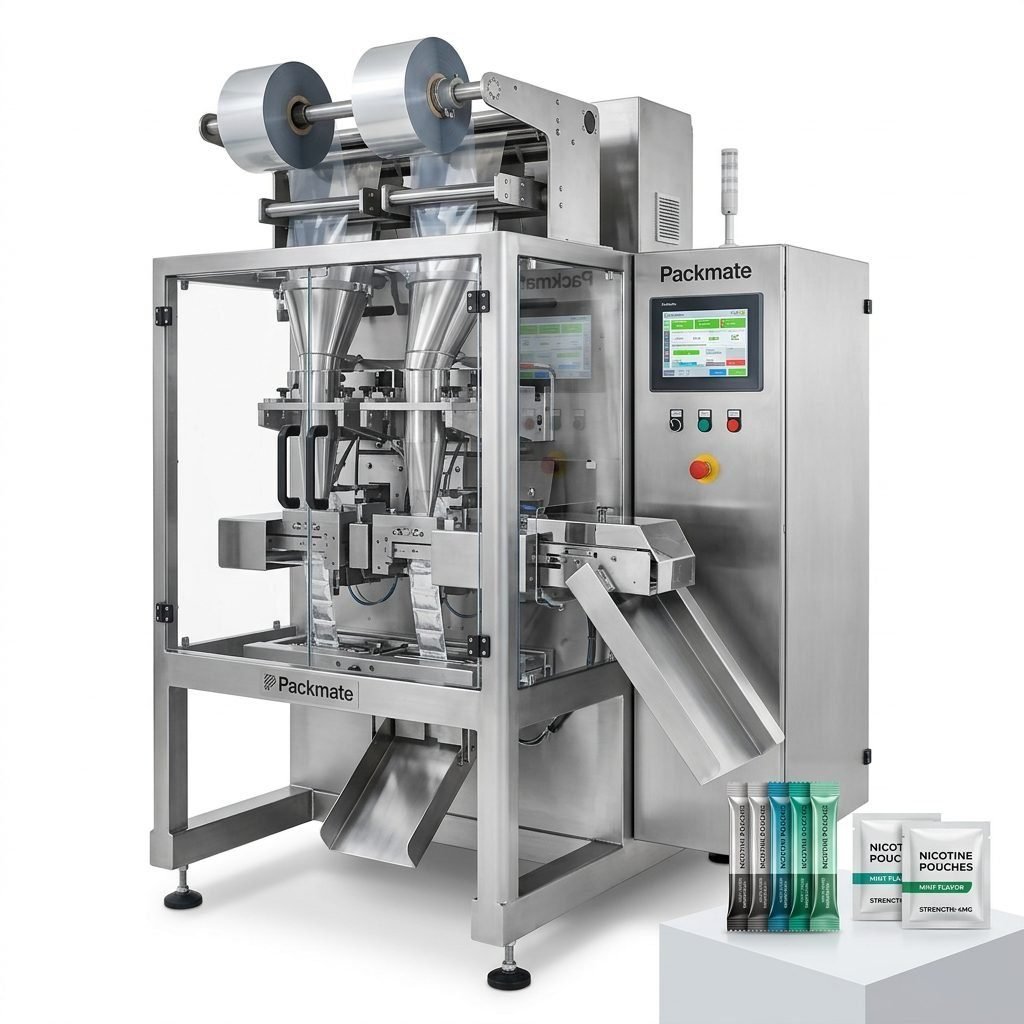
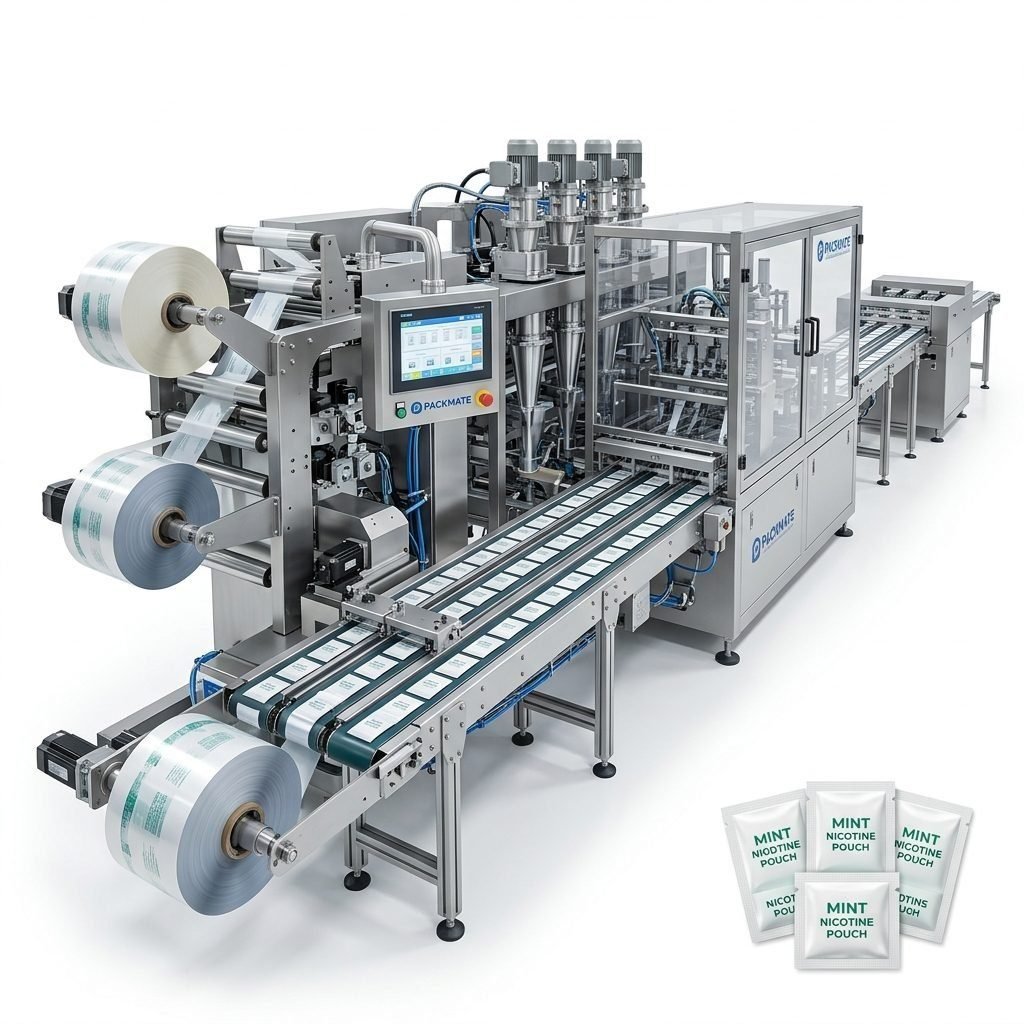
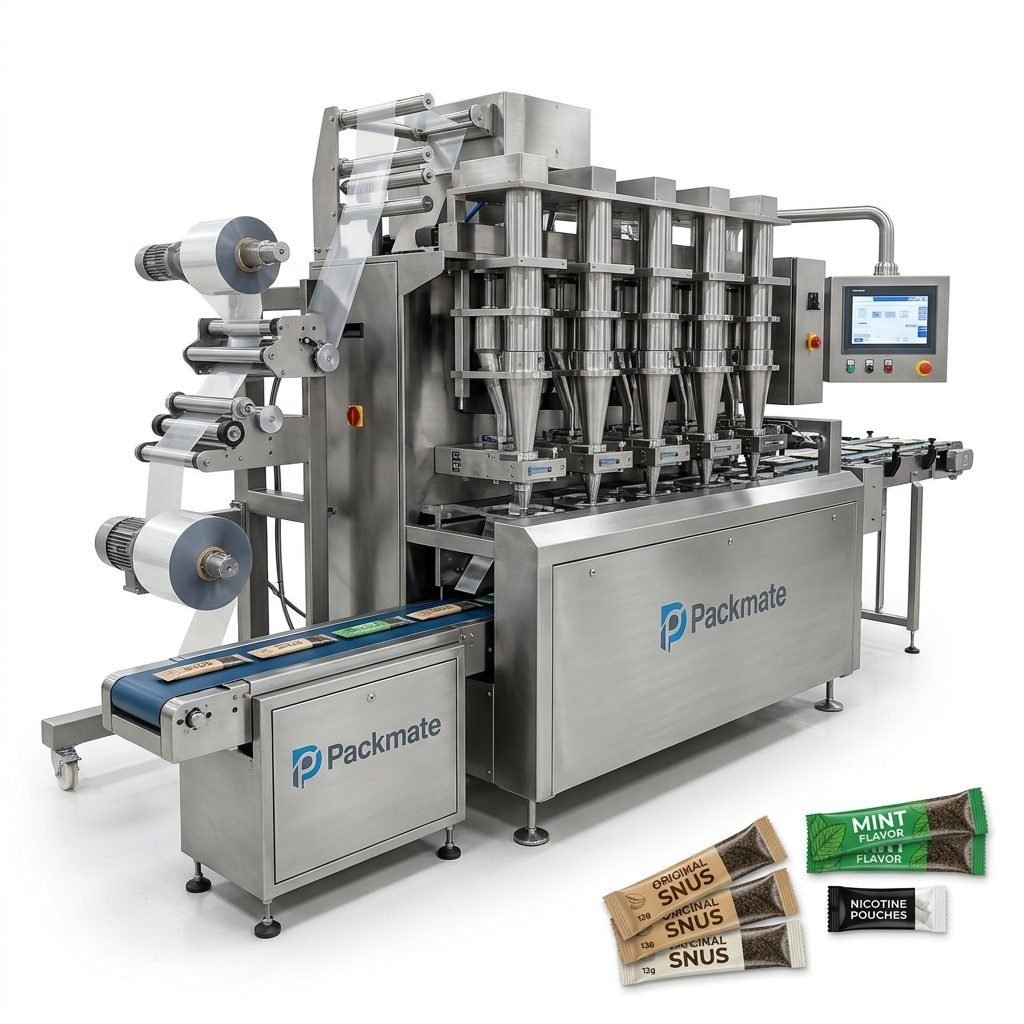
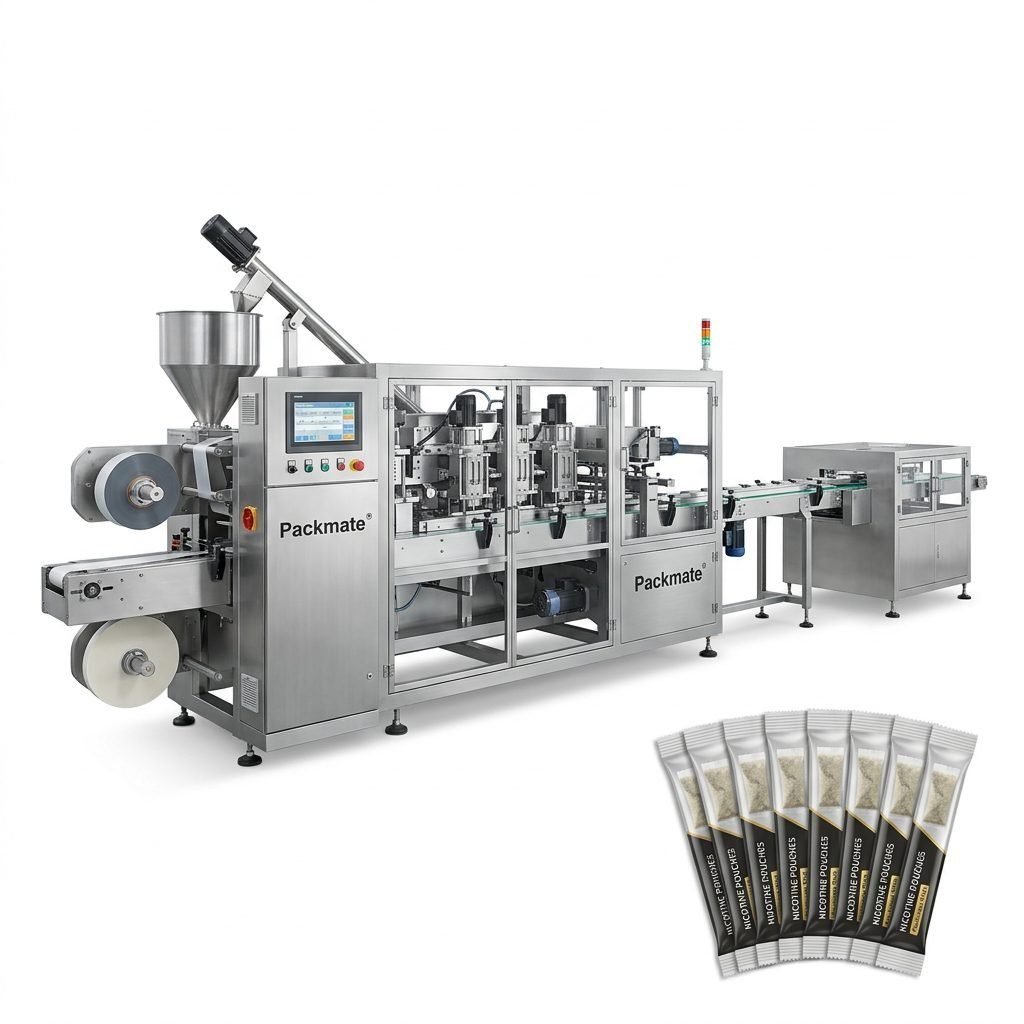
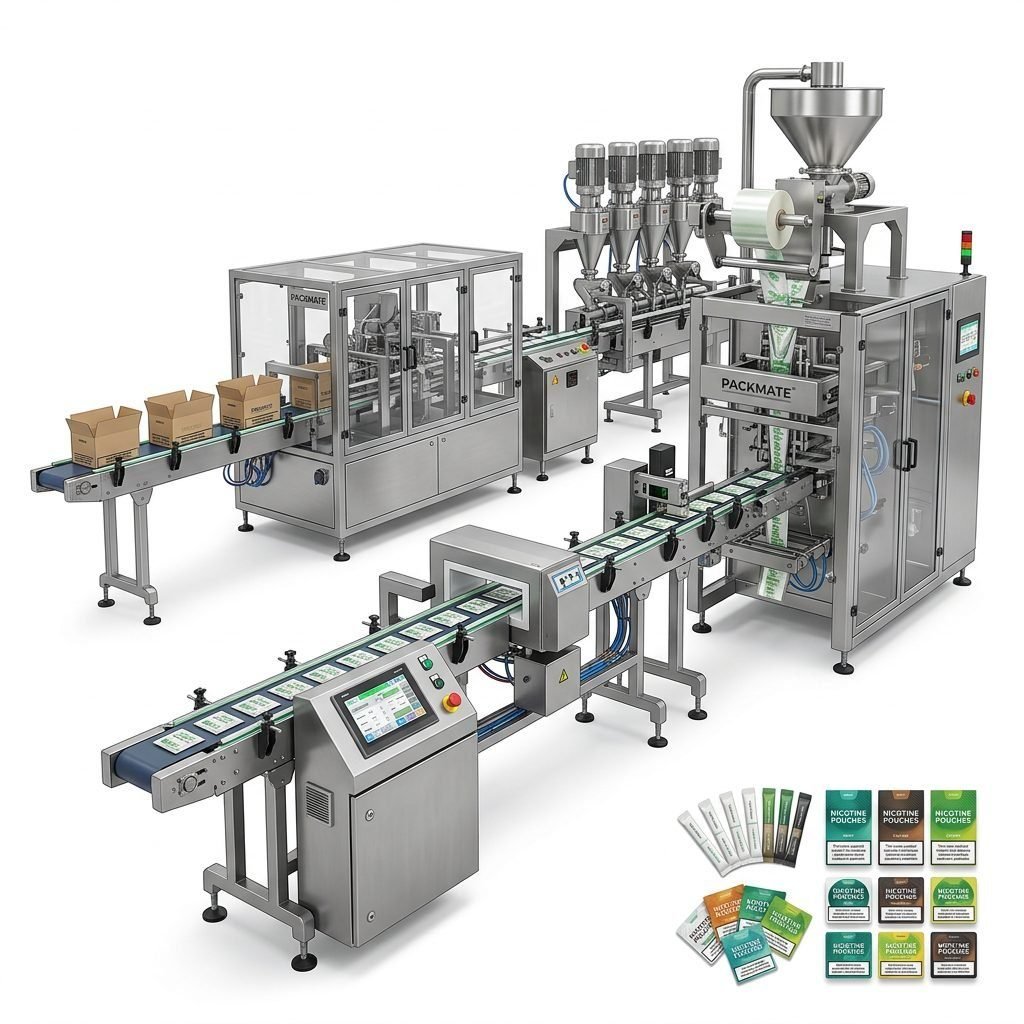
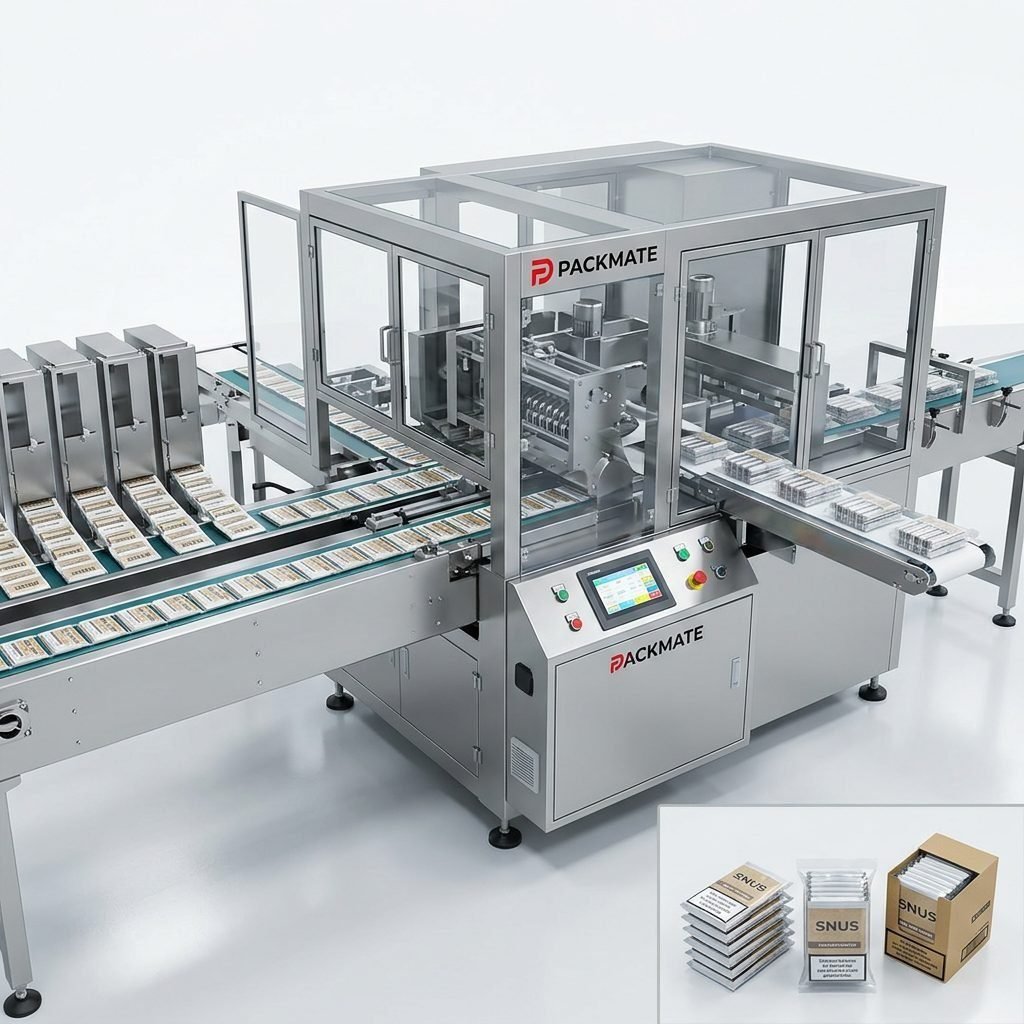
In the rapidly evolving snus and nicotine pouch market, manufacturers must balance small-dose product precision with high throughput to remain competitive. High output snus machines deliver both: the speed required for large-volume runs and the accuracy needed for consistent pouch weight, seal integrity, and pack presentation. This article explores how modern high-performance machines increase production capacity and efficiency, highlights key technologies and factory strengths behind reliable equipment, and offers a practical guide for selecting and deploying the right packing solution for your operation.
Understanding High Output Snus Machines
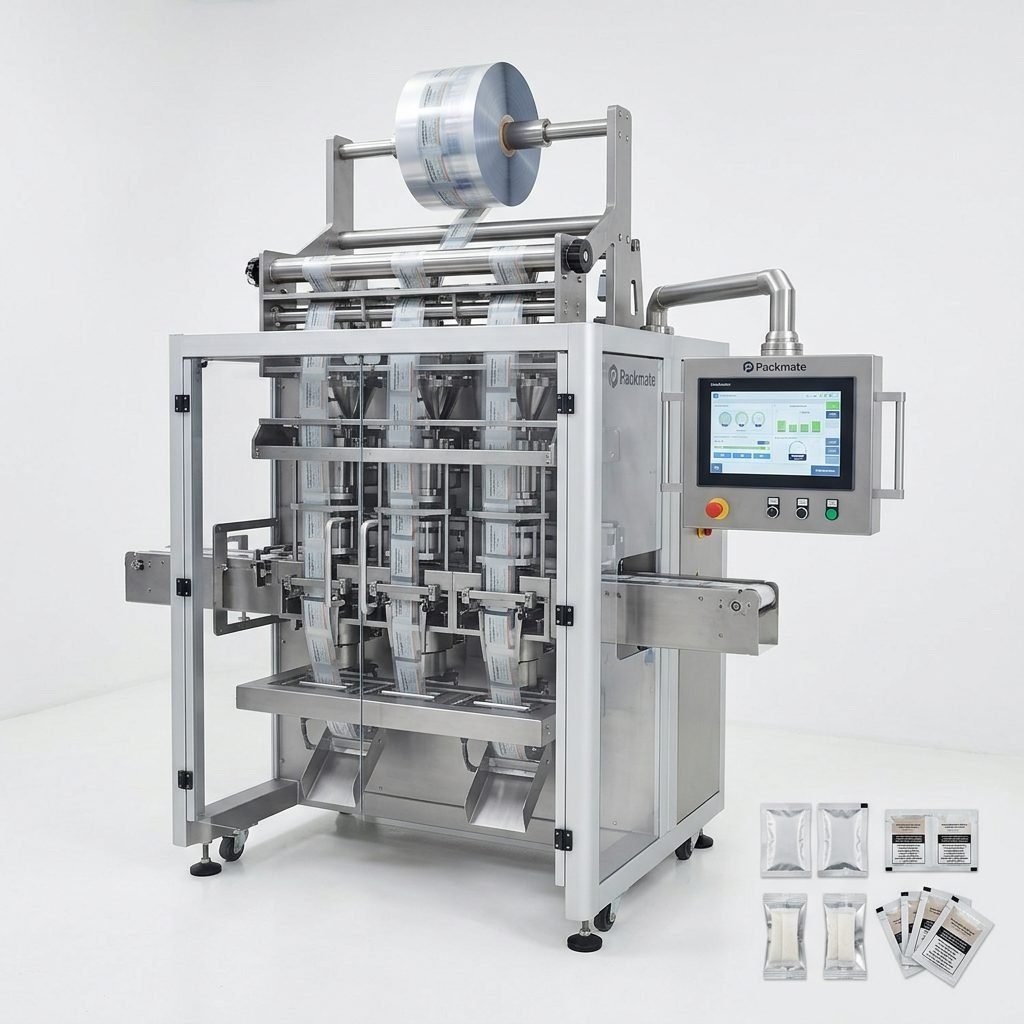
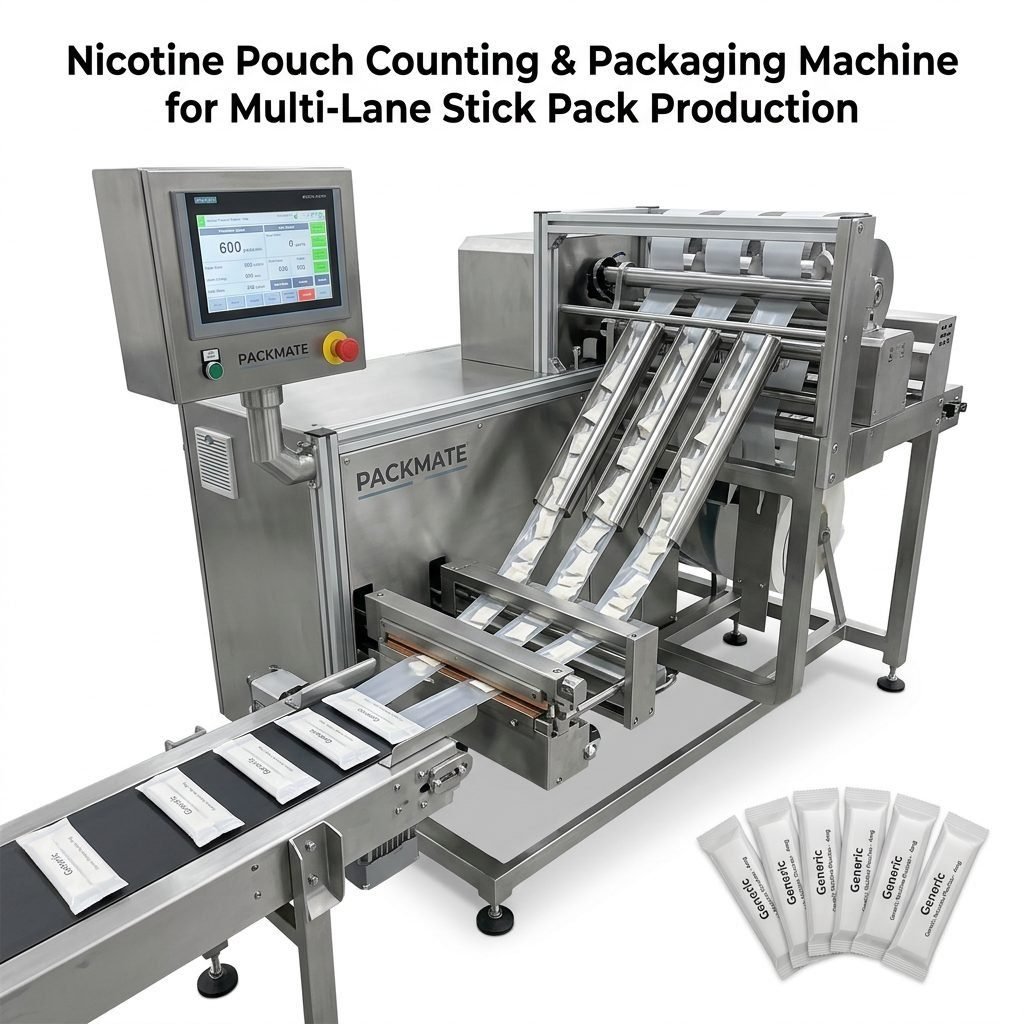
High output snus machines are engineered to handle dense production schedules while maintaining tight tolerances for pouch weight and sealing quality. Typical high-output systems feature multi-lane forming, precision dosing, continuous motion sealing heads, and modular configurations that support a range of pouch formats from single-dose snus sachets to multi-lane stick packs. These systems are designed not only to increase gross hourly output but also to reduce downtime, scrap rates, and operator burden.
Core benefits at a glance
🔧 Increased throughput — Multi-lane systems multiply single-lane speed to hit industry-leading pouch counts per minute.
⚡ Enhanced consistency — Tight control over dosing and sealing lowers variation and customer complaints.
✅ Lower total cost of ownership — Efficient designs cut energy use and material waste while simplifying maintenance.
Key Components and Technologies
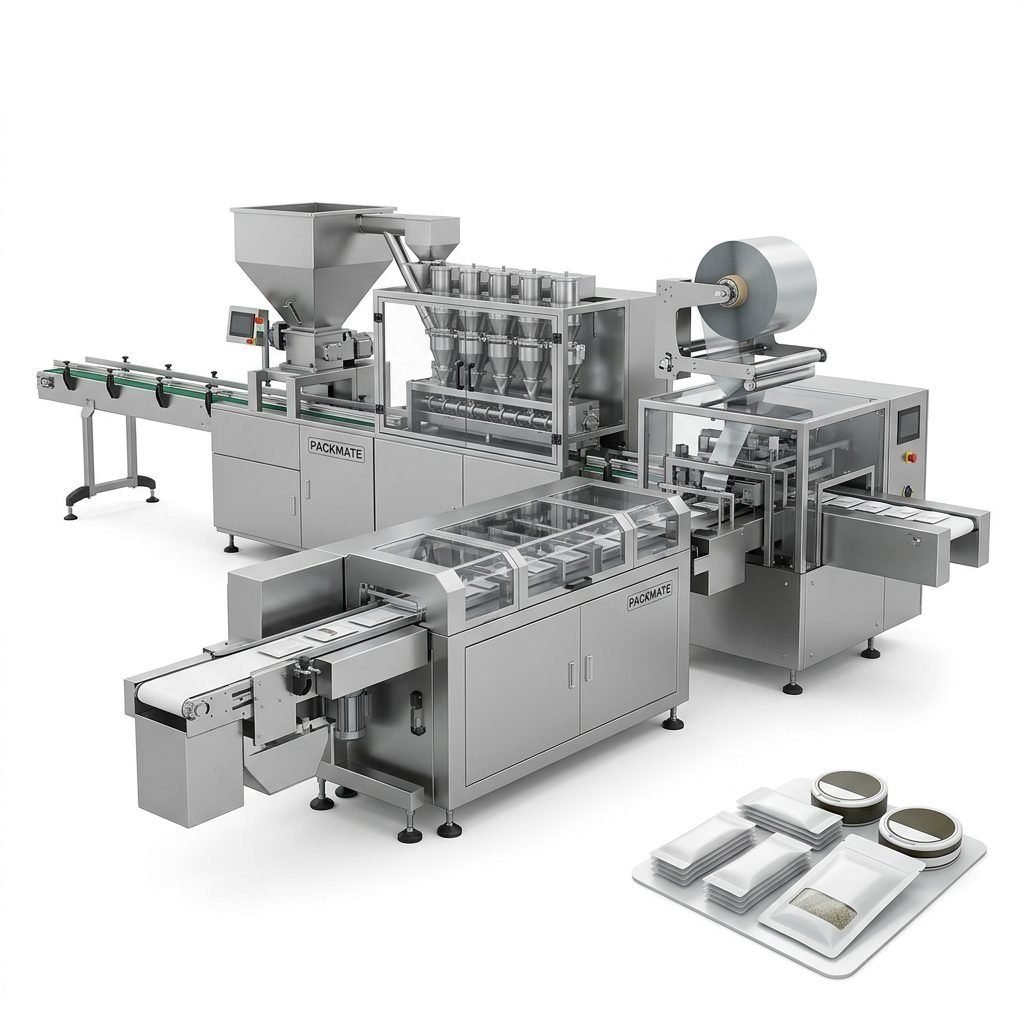
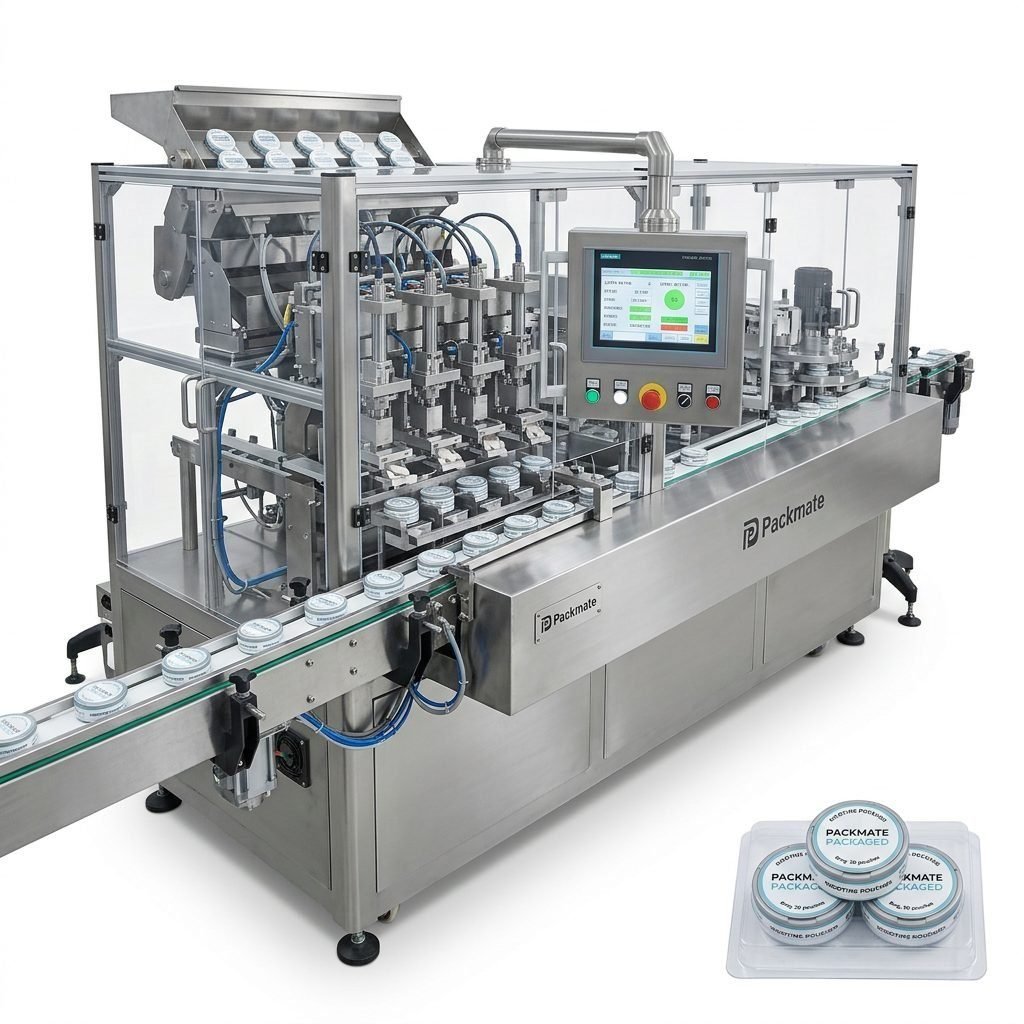
Any high-output snus line combines mechanical precision with advanced control systems. Key subsystems include the pouch forming module, dosing and weighing, sealing and cutting units, conveyance and accumulation, and human-machine interface (HMI) with PLC controls. Each subsystem must be optimized to prevent bottlenecks: a high-speed multi-lane former must be balanced by equally capable dosing and sealing units to ensure smooth operation without line stoppages.
Precision dosing & weighing
Accurate dosing is the foundation of quality for nicotine pouches. Advanced systems use vibrating feeders, auger fillers, or loss-in-weight feeders combined with multi-head weighers for granules and powders. For integrated weighing solutions and optimized accuracy, explore related systems such as Weighing & Packaging Systems. These integrations reduce overfill and minimise product giveaway, directly improving margins.
Multi-lane forming and motion control
Multi-lane machines raise output by running several parallel pouch channels on a single machine footprint. Synchronised servo drives and real-time motion controllers keep lanes perfectly aligned through the forming, filling, and sealing stations. Continuous motion technology—where fillers and sealers operate without intermittent stops—can achieve the highest speeds while reducing stress on materials and components.
How High Output Machines Boost Capacity & Efficiency
Capacity gains happen through two complementary paths: increased speed per lane and increasing the number of lanes. Efficiency comes from better uptime, fewer rejects, reduced changeover times, and lower labor requirements. The combination means more sellable product per shift and a more predictable production schedule.
ROI drivers: reduced cycle times, minimized product giveaway from precise dosing, fewer manual interventions, and consolidated footprint with multi-lane layouts that save plant floor space.
Reduced downtime and faster changeovers
Modern snus machines incorporate quick-change tooling, recipe-driven HMI, and tool-less access points so operators can switch formats in minutes rather than hours. Predictive maintenance features (wear sensors, fault logging) further reduce unexpected stoppages. When uptime increases even modestly, overall output improves substantially over weeks and months.
Design & Build Quality: Factory Strength Behind the Machine
A high-output machine’s long-term value depends on manufacturing quality and engineering support. Packmate Snus Machine brings decades of experience and robust factory capabilities—advanced CNC machining, precision assembly lines, and stringent quality testing—that ensure each unit meets international standards such as CE and ISO. Learn more about the company background and credentials at About Packmate.
Material selection and component sourcing
Durability starts with materials: corrosion-resistant frames, high-quality servo motors, precision bearings, and food-contact stainless components. Machines that use standardized modular parts simplify maintenance and spare-parts logistics, which is essential for global customers operating continuous shifts.
Service, Installation, and Global Support
Buying a high-output machine is only part of the journey—professional installation, operator training, and ongoing support are equally important for sustained ROI. Packmate provides turnkey installation, commissioning, and operator training services worldwide; detailed service offerings can be found under Service. Rapid spare parts supply and remote support help international customers maintain high uptime.
Case studies and real-world performance
Real production cases show that well-configured multi-lane systems can increase output by several times compared to legacy single-lane lines. For detailed examples of installations and performance outcomes, see the project portfolio at Case.
Pro tip: when evaluating suppliers, ask for uptime statistics, spare-parts lists, spare-part lead times, and references from customers running similar SKUs and output targets.
Choosing the Right Machine: Questions to Ask
Selecting a packing line requires both technical and commercial considerations. Some essential questions include: What is the target throughput (pouches/minute and kg/day)? What formats and film materials must be supported? How many SKUs require frequent changeovers? What level of automation is desired for upstream and downstream integration? Packaging flexibility and the ability to evolve with product lines are equally important.
Turnkey integration and customization
Many customers prefer turnkey solutions that combine filling, weighing, pouch forming, sealing, and secondary packaging into a single automated line. Packmate offers bespoke configurations across product categories. For complete line options, review Filling & Packaging Lines and the broader catalog at Catalog.
Installation Checklist and Ramp-up Strategy
A smooth start requires planning: site utilities (power, compressed air), floor loading and layout, material staging, operator training schedules, and quality control checkpoints. Establish clear acceptance testing protocols with the supplier, including throughput verification, seal tests, and weight consistency checks before final sign-off.
Checklist items: utilities confirmation, spare parts kit, operator manual in local language, service contact details, and scheduled follow-up training.
Future-proofing Your Packaging Line
Investing in modular, upgradeable equipment allows manufacturers to adapt to changing regulations, new formats, or shifts in demand. Look for machines with open-control architectures, standardized I/O for upstream/downstream devices, and spare capacity in PLC/servo systems to add lanes or stations later. Participation in industry exhibitions can provide visibility into emerging trends; view upcoming appearances at Our Exhibition.
Sustainability and material efficiency
Minimizing film waste and optimizing heat-seal profiles not only save costs but also support corporate sustainability goals. Consider machines that offer precise seal energy control and automated scrap handling to reduce environmental impact.
How to Contact and Evaluate Suppliers
Choosing a global supplier requires clear communication about lead times, factory acceptance tests (FAT), warranty terms, and after-sales support. For direct enquiries or to request a quote and machine specifications, use the official contact channel at Contact Us.
Quick action: request a FAT video or on-site demo to verify throughput and quality metrics under your product conditions.
Summary and Next Steps
High output snus machines are a strategic investment for manufacturers targeting scale, consistency, and lower per-unit costs. By focusing on multi-lane capabilities, precision dosing, robust build quality, and comprehensive supplier support, companies can significantly improve their production economics and market responsiveness. Evaluate suppliers on technical merits, factory capability, and post-sale support—then plan installation and ramp-up to capture the benefits quickly.
Relevant product references
For product-specific details, see the manufacturer’s range of Snus & Nicotine Packaging Machines and Bag & Pouch Packaging Machines. For sachet and stick pack format options, visit Sachet & Stick Pack Machines.
Common Questions (FAQs)
Q1: How quickly can a high-output multi-lane snus machine pay for itself?
A1: Payback depends on throughput gains, product margin, and current production costs. Typical scenarios show payback periods ranging from 12 to 36 months when replacing older lines or adding substantially higher capacity; precise modelling requires your product specs and operating schedule.
Q2: What maintenance is required to keep high-speed lines running reliably?
A2: Routine checks include lubrication, belt and drive inspections, verification of seal temperatures, and spare-part replacements based on runtime hours. Factory-provided maintenance schedules and remote diagnostics shorten unplanned downtime.
Q3: Can these machines handle different pouch materials and sizes?
A3: Yes—most high-output systems are designed for a range of film materials and pouch sizes via modular tooling and recipe-controlled settings. Validate compatibility during FAT with your actual film and pouch specifications.
Q4: Do suppliers provide turnkey solutions that include filling and secondary packaging?
A4: Many suppliers, including Packmate, offer turnkey lines that integrate filling, weighing, forming, sealing, and downstream packing. Check detailed line configurations in the Filling & Packaging Lines section.
Q5: How do I arrange an on-site demo or factory visit?
A5: Contact the supplier’s sales or service team via the Contact Us page to schedule a FAT, video demo, or plant visit. Bring sample materials and desired output targets to ensure an accurate assessment.