Choosing the right nicotine packaging machine supplier in Venezuela is more than a technical purchase — it’s a business decision that affects product quality, regulatory compliance, production continuity, and long-term costs. This guide walks Venezuelan manufacturers, importers, and entrepreneurs through practical tips and a step-by-step buying checklist so you can select a supplier who understands local market realities and delivers reliable, high-performance snus and nicotine pouch packaging solutions.
Understand the Local Market and Cultural Context
Venezuela’s consumer patterns and business environment shape how nicotine products are produced and packaged. Expect strong price sensitivity among many buyers, a preference for clear Spanish labeling, and packaging sizes that fit convenience-driven consumption. Climate is critical: high humidity and heat in many regions demand packaging materials and machine designs that minimize moisture ingress and corrosion. When evaluating suppliers, ask how their machines perform under tropical conditions and whether they offer corrosion-resistant materials and sealed electrical components.
Tip: Ensure packaging machines and materials support Spanish-language labels and local unit preferences (grams, counts), and verify that the supplier can help with label templates to comply with Venezuelan regulations.
Know the Types of Machines and Which Fit Your Operation
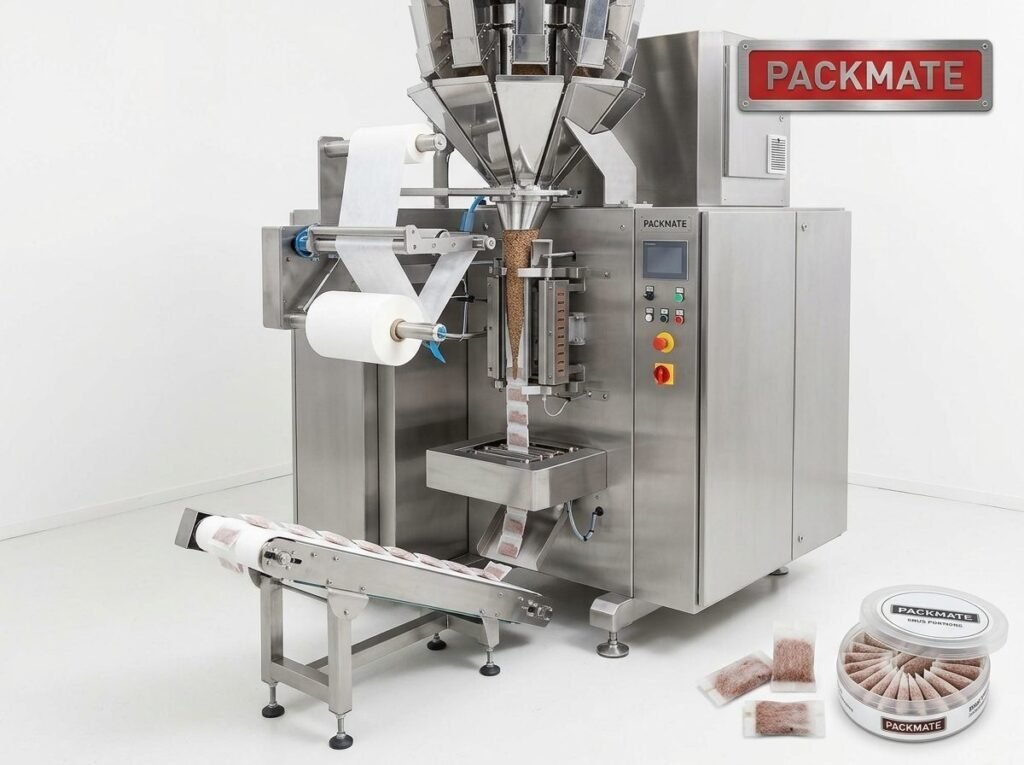
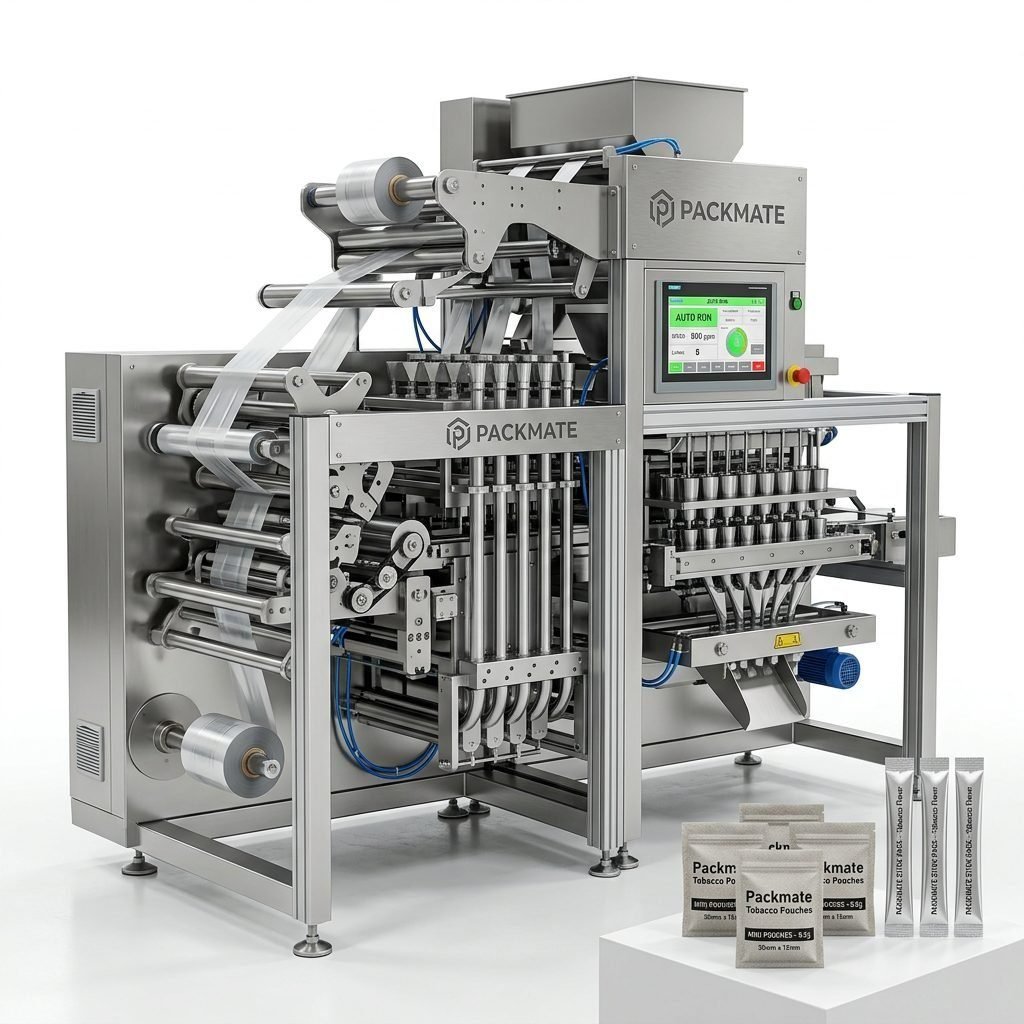
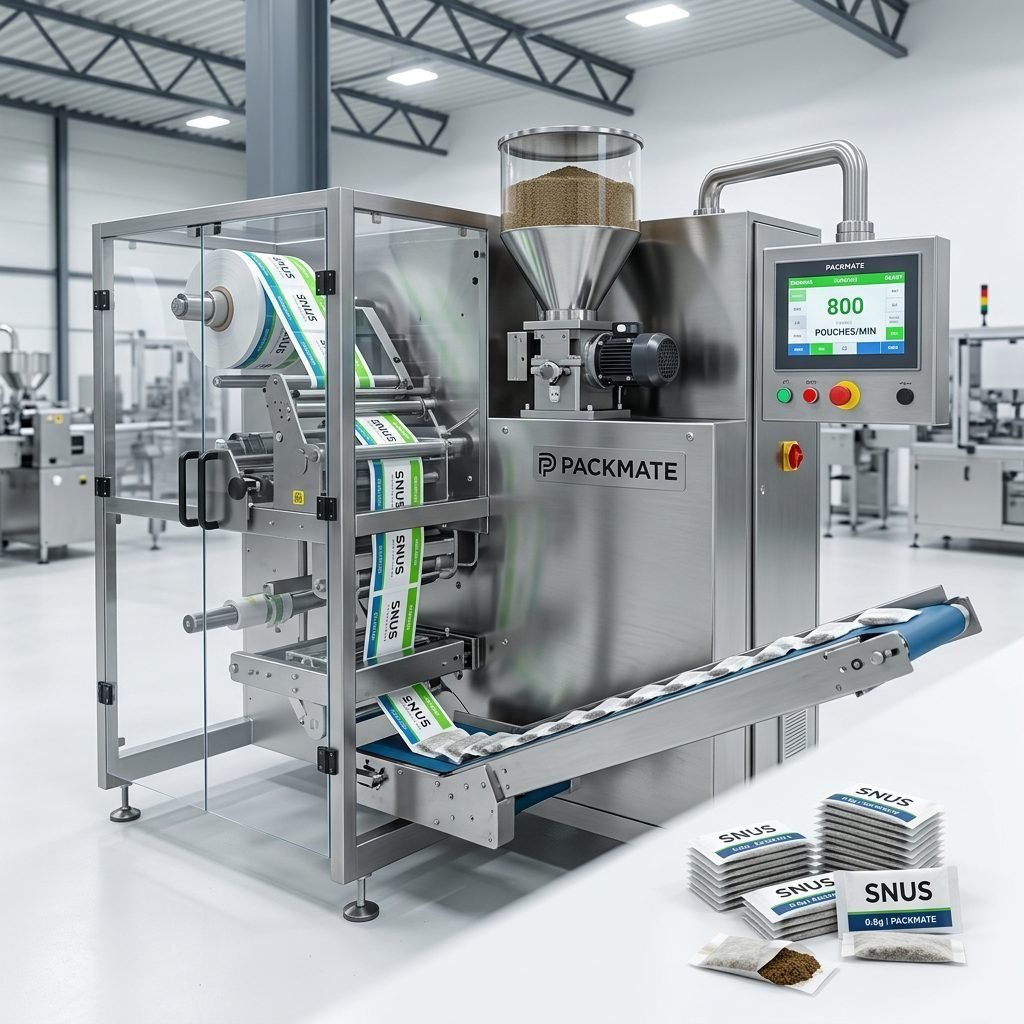
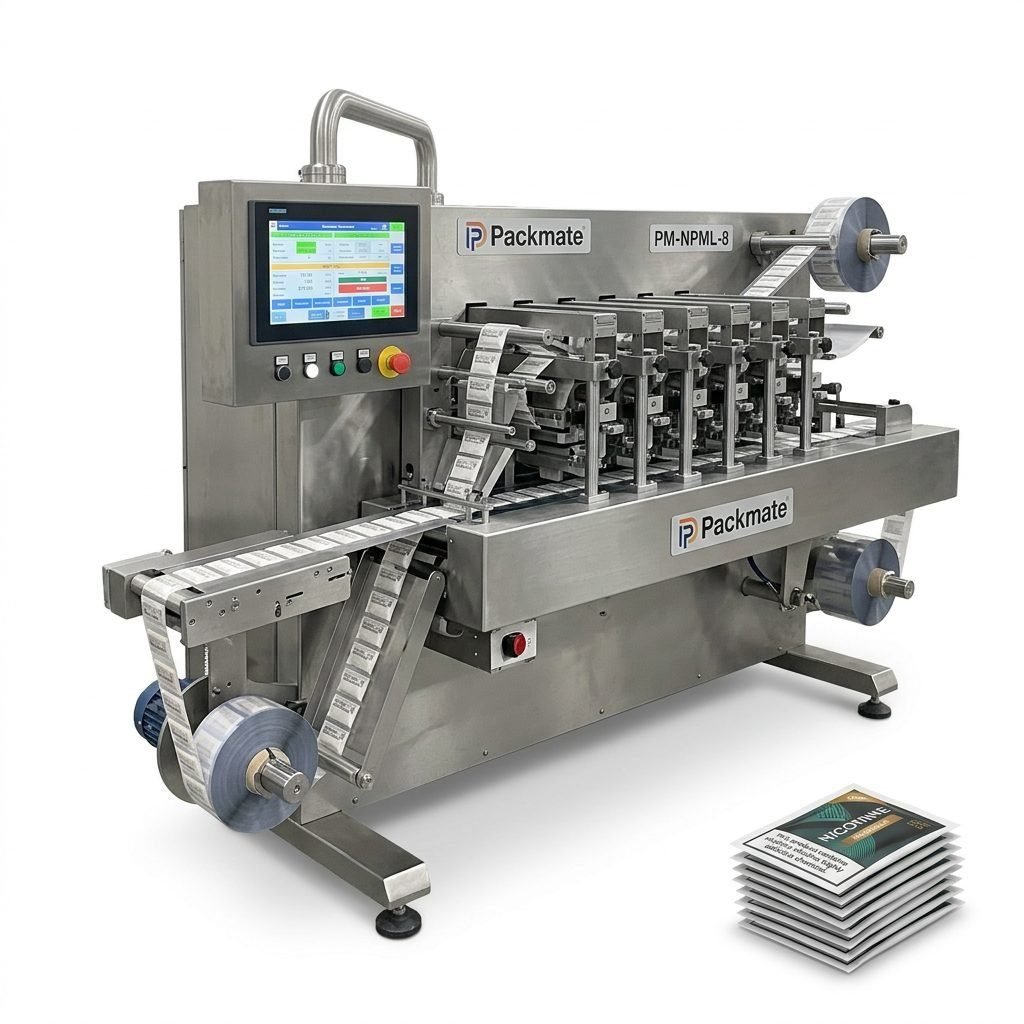
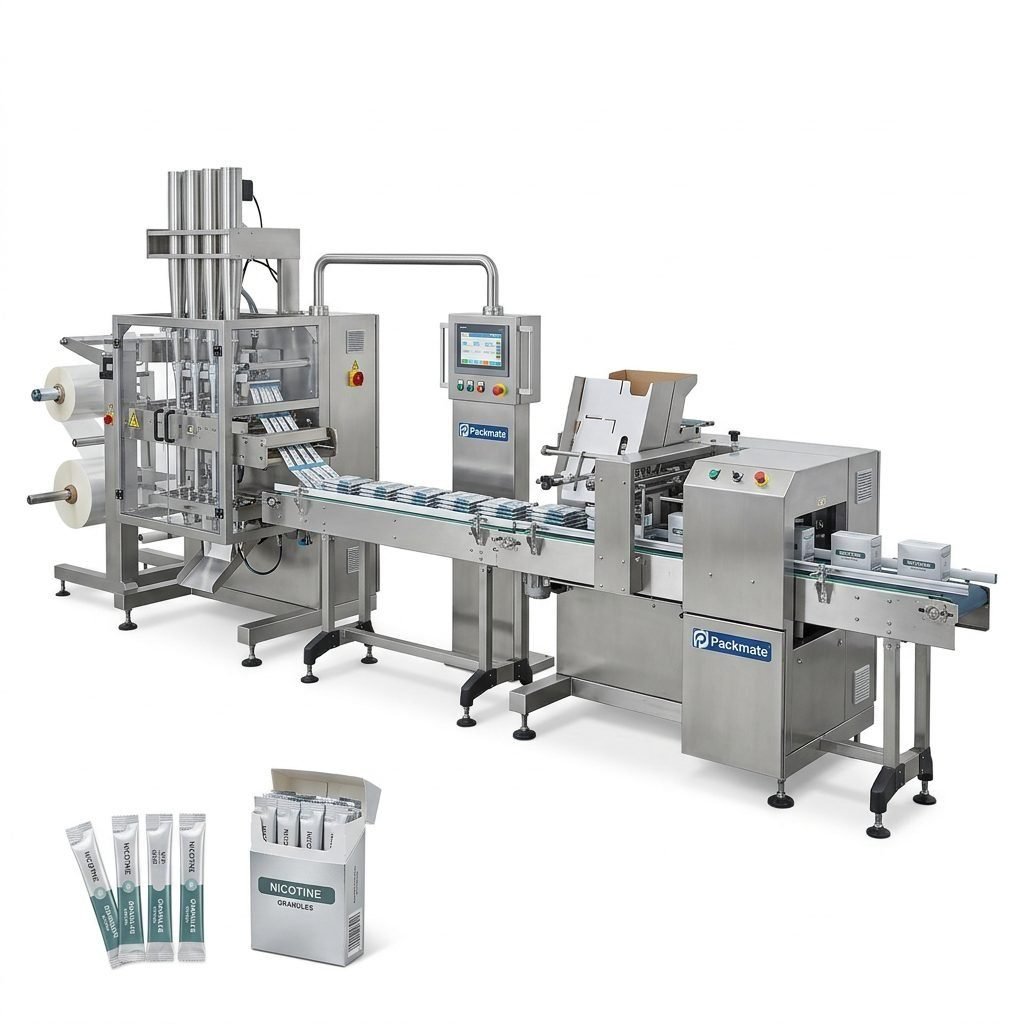
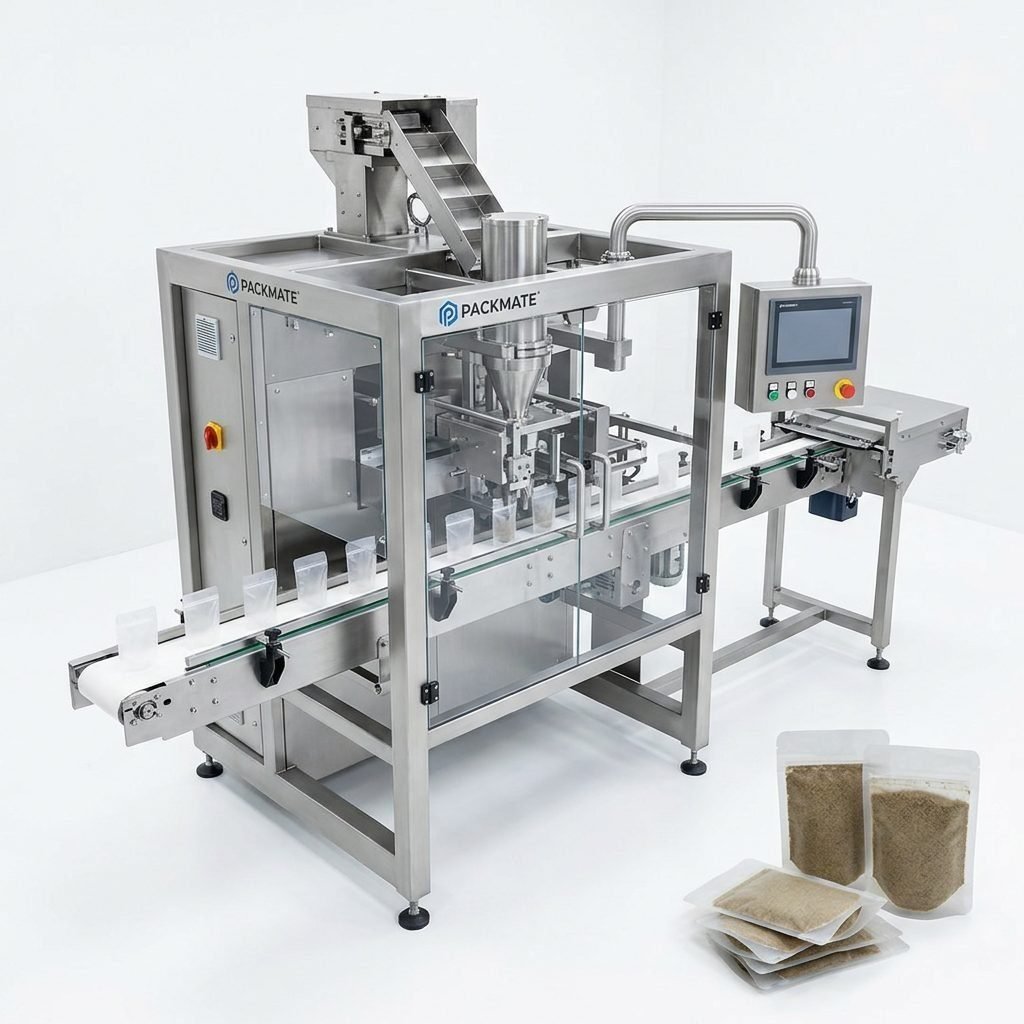
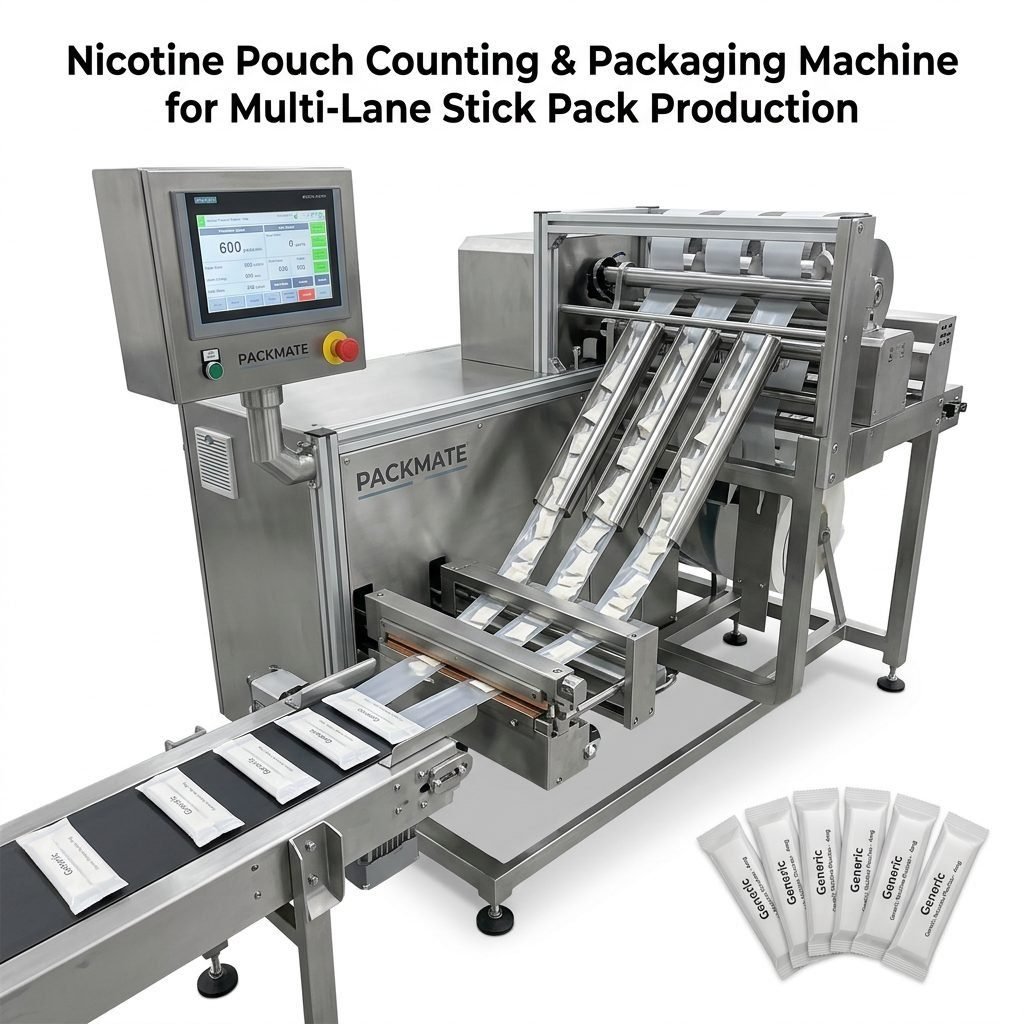
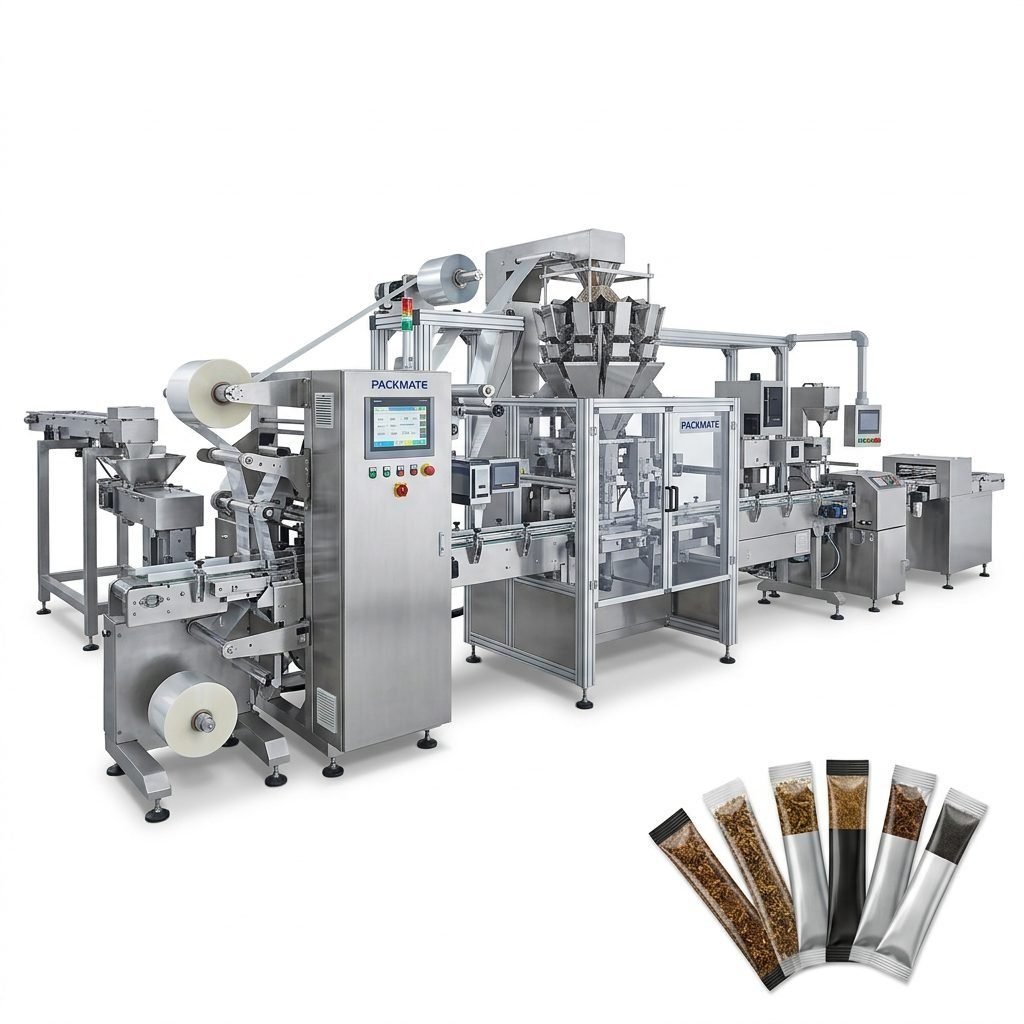
Selecting the right machine family is the first technical decision. Common types used in nicotine pouch and snus production include sachet/multi-lane pouch machines, stick pack systems, and fully automated filling & packaging lines. Each has trade-offs:
• Multi-lane snus pouch machines — high throughput for small-dose pouches; ideal for scaling production with consistent dosing across lanes.
• Stick pack & sachet machines — flexible for single-dose formats, promotional packs, or varied lengths.
• Integrated filling and packaging lines — best for turnkey operations including weighing, dosing, sealing and secondary packaging.
If you want to review professional machine models and features, see a supplier product listing for Snus & Nicotine Packaging Machines.
Visit product models
Technical Specifications to Prioritize
When comparing suppliers, request detailed specifications and baseline performance data. Key items:
🔧 Production speed (pouches/sticks per minute and per lane) — ensure it matches your target output.
🔧 Dosing accuracy and repeatability — ask for tolerance % and test reports.
🔧 Materials of contact parts — stainless steel grades and anti-corrosion treatment for humid climates.
🔧 Electrical requirements — confirm compatibility with Venezuela’s typical electrical supply (often 120V/60Hz in many areas) or availability of transformer options.
🔧 PLC and HMI systems — local language interface or ability to switch to Spanish is a significant operational advantage.
Checklist: Require machine datasheets, a video or remote demo, and test runs using your actual product formulation before purchase.
Supplier Credibility and Experience
Supplier track record matters. A manufacturer with decades of experience in snus and nicotine packaging can better optimize machines for dosing accuracy, packaging integrity, and uptime. Ask for:
✔️ Company history and development timeline.
✔️ Factory capabilities — machining centers, assembly lines, testing facilities.
✔️ Certifications — CE, ISO, and any industry-specific compliance documentation.
✔️ Customer references and case studies, ideally with examples in Latin America or similar climates.
Packmate’s company profile and case references are useful for evaluating global experience and turnkey capabilities: About Packmate and Case studies.
Factory Visit and Virtual Audits
If possible, inspect the manufacturer’s facility or request a guided virtual tour. Look for visible quality control areas, CNC machining centers, and final testing bays. A reputable supplier will also welcome factory visits or provide live demonstrations, especially for customized solutions.
Regulatory, Labeling & Compliance in Venezuela
Nicotine products are highly regulated. Venezuelan rules can change quickly, so partner with suppliers who understand labeling requirements, ingredient declaration rules, and packaging standards. Important considerations include:
⚠️ Ensure packaging machines can print batch codes, expiry dates, and Spanish-language warnings.
⚠️ Confirm the supplier can support child-resistant or tamper-evident solutions if local regulation mandates.
⚠️ Always consult a local legal or regulatory advisor to verify import and sale conditions for nicotine products.
After-Sales Service, Training and Spare Parts
The best machine is only as good as the support behind it. Reliable after-sales service is critical in Venezuela where logistical delays can be common. Evaluate:
– Response time for technical support and availability of remote troubleshooting (video calls, PLC remote access).
– On-site installation and commissioning packages — does the supplier send technicians to Venezuela or train local engineers?
– Spare parts availability and lead times — request a recommended spare parts list and local stocking options.
– Training programs for operators and maintenance staff, ideally in Spanish.
Service Tip: Choose suppliers who offer structured training, spare parts kits, and clearly defined service SLAs (service-level agreements).
Logistics, Shipping and Local Installation Considerations
Shipping heavy machinery to Venezuela requires careful planning. Verify CIF/FOB terms, customs clearance support, import duties, and local freight arrangements. Consider:
📦 Crating and protection for tropical humidity and salt air.
📦 Modular machine design for easier sea freight and local assembly.
📦 Availability of local agents or partners for expedited customs paperwork and last-mile logistics.
📦 Pre-shipment testing reports and FAT (Factory Acceptance Test) documentation.
Total Cost of Ownership (TCO) vs. Initial Price
Beyond the sticker price, calculate operating costs: energy consumption, spare parts, consumables, downtime costs, and maintenance. A cheaper machine may cost more in lost production or frequent repairs. Ask suppliers for energy specs, expected MTBF (mean time between failures), and maintenance intervals.
Financing and Payment Terms
Many suppliers provide flexible payment options, leasing, or staged payments tied to project milestones. For Venezuelan buyers, consider options that mitigate currency risk and align with import banking restrictions. Always request clear contract terms about warranties and penalties for missed delivery dates.
Negotiation and Contract Clauses to Secure
When finalizing an agreement, make sure the contract includes:
– Detailed scope of supply and excluded items.
– Acceptance criteria and FAT procedures.
– Warranty period and coverage details.
– Spare parts list and guaranteed availability.
– Training, installation, and commissioning responsibilities.
– Penalties or remedies for late delivery or underperformance.
Real-World Example: What to Expect from a Proven Supplier
A proven supplier like Packmate offers decades of engineering experience, standardized models for snus and nicotine pouch lines, and factory-level quality controls. Their product portfolio includes multi-lane snus machines, sachet and stick pack machines, and full filling & packaging lines. If you want to review related machine families, check these resources for deeper product insights:
– Bag & Pouch Packaging Machines
– Sachet & Stick Pack Machines
– Weighing & Packaging Systems
Practical Step: Request references in similar climates or with similar product types — this reduces implementation surprises and aligns expectations.
Implementation Roadmap for Venezuelan Buyers
A smooth rollout typically follows these phases:
1) Requirements gathering: define formats, throughput targets, environmental constraints.
2) Supplier selection: technical scoring, factory audits, reference checks.
3) Contract & FAT: specify acceptance tests, deliverables, and timelines.
4) Shipping & customs: coordinate logistics and local agent support.
5) Installation & commissioning: on-site setup and training.
6) Ramp-up and optimization: initial production runs and process tuning.
Local Partnerships and Support
Consider partnering with a local engineering firm or distributor who understands Venezuelan import procedures and can provide faster on-site service. Suppliers with an established global network often have local partners or can recommend trusted agents. For quick contact or service questions, use the supplier’s contact channels: Contact Packmate.
Final Decision Matrix — How to Score Suppliers
Create a weighted scorecard that covers: technical fit (30%), reliability & references (20%), after-sales & spare parts (20%), cost (15%), and delivery/logistics (15%). Score each supplier objectively, document clarifying questions, and negotiate terms that lock in service commitments.
Remember: The lowest upfront cost rarely wins in specialized packaging — prioritize uptime, accuracy, and after-sales support.
Useful Resources & Next Steps
Review supplier catalogs and technical pages to shortlist models, request sample runs with your product, and obtain full quotations including installation and spare parts kits. For more product categories and complementary systems, see Filling & Packaging Lines and Auxiliary Packaging Equipment which may be relevant to expand operations: Filling & Packaging Lines and Auxiliary Packaging Equipment.
Conclusion
Selecting the best nicotine packaging machine supplier for Venezuela requires combining technical due diligence with local market understanding. Focus on machine performance under tropical conditions, credible factory experience, robust after-sales support, and clear contract terms. By following the steps above — from requirements definition to supplier scoring and FAT — you can minimize risks and secure a solution that supports reliable production and regulatory compliance.
Frequently Asked Questions
Q: How important are CE and ISO certifications when importing packaging machines into Venezuela?
A: Certifications like CE and ISO indicate adherence to international manufacturing and safety standards; they help with regulatory acceptance and reduce risk. Always complement certifications with supplier references and FAT results.
Q: Can suppliers provide Spanish-language HMI and manuals?
A: Reputable suppliers usually offer localized HMIs and documentation. Request Spanish interface options and operator manuals as part of the contract to speed up training and reduce operator errors.
Q: What should I expect for lead times and shipping to Venezuela?
A: Lead times vary by model and customization level; typical manufacturing lead times can range from 8–20 weeks. Add shipping and customs time — plan for extended timelines, especially for specialized or customized machines.
Q: Are on-site technicians necessary for commissioning?
A: For complex lines, on-site supplier technicians during commissioning are highly recommended. They ensure correct setup, calibration, and initial training; remote support is useful but not always a full substitute.
Q: How do I ensure good spare parts availability?
A: Negotiate a spare parts kit in the contract, ask for lead time guarantees, and consider stocking critical parts locally or with a local distributor to reduce downtime risk.