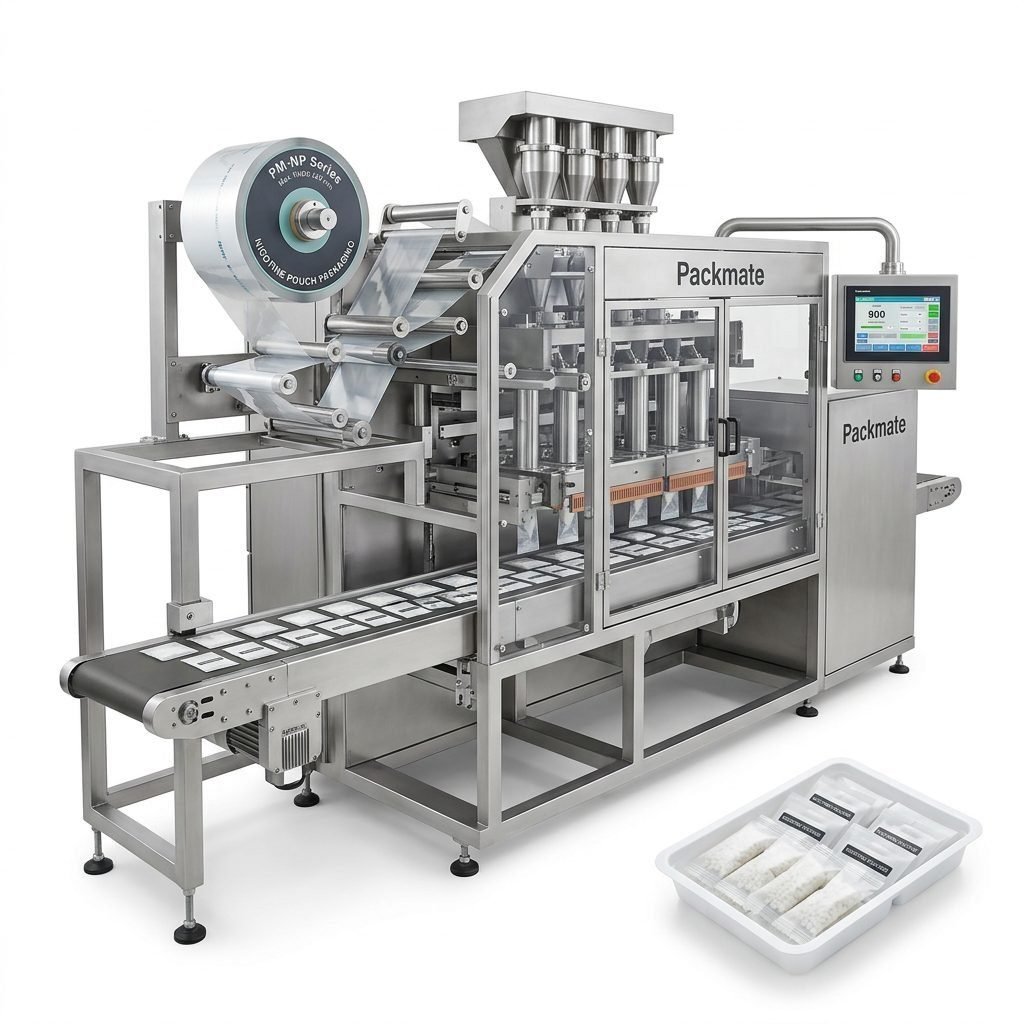
Choosing the right snus packaging machine supplier in Brunei is a strategic decision that affects product quality, regulatory compliance, operational uptime, and long-term costs. Whether you are launching a local nicotine pouch brand or expanding production for export, selecting a supplier with the right balance of technology, service and cultural sensitivity will determine how quickly your business scales and how reliably you serve your customers.
Understanding Brunei’s market and cultural context
Brunei is a small but affluent market with strict regulatory and cultural norms. As a predominantly Muslim country, business practices emphasize respect, reliability and adherence to local laws. For companies supplying snus or nicotine pouch equipment, this means taking extra care with product labeling, import approvals, and any local restrictions on nicotine products. Many businesses in Brunei value long-term partnerships and predictable service over one-off bargains — suppliers who understand that cultural context will have a clear advantage.
Key local factors to consider
- Regulatory compliance: confirm import rules and required certifications for tobacco/nicotine-related equipment.
- Business etiquette: prioritize clear communication, punctuality and local partnership development.
- Small-market logistics: plan for smaller, reliable spare-parts inventories and quick remote support options.
- Distribution routes: consider Brunei’s proximity to Malaysia and Singapore for spare parts and service hubs.
Technical capabilities: what your supplier must offer
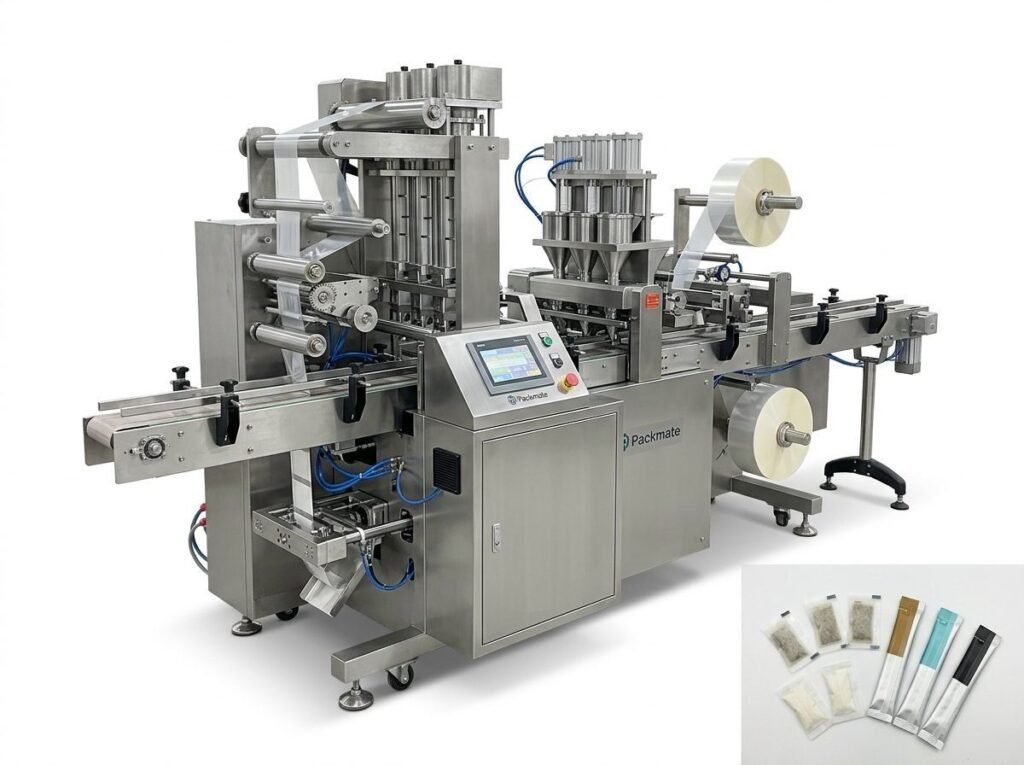
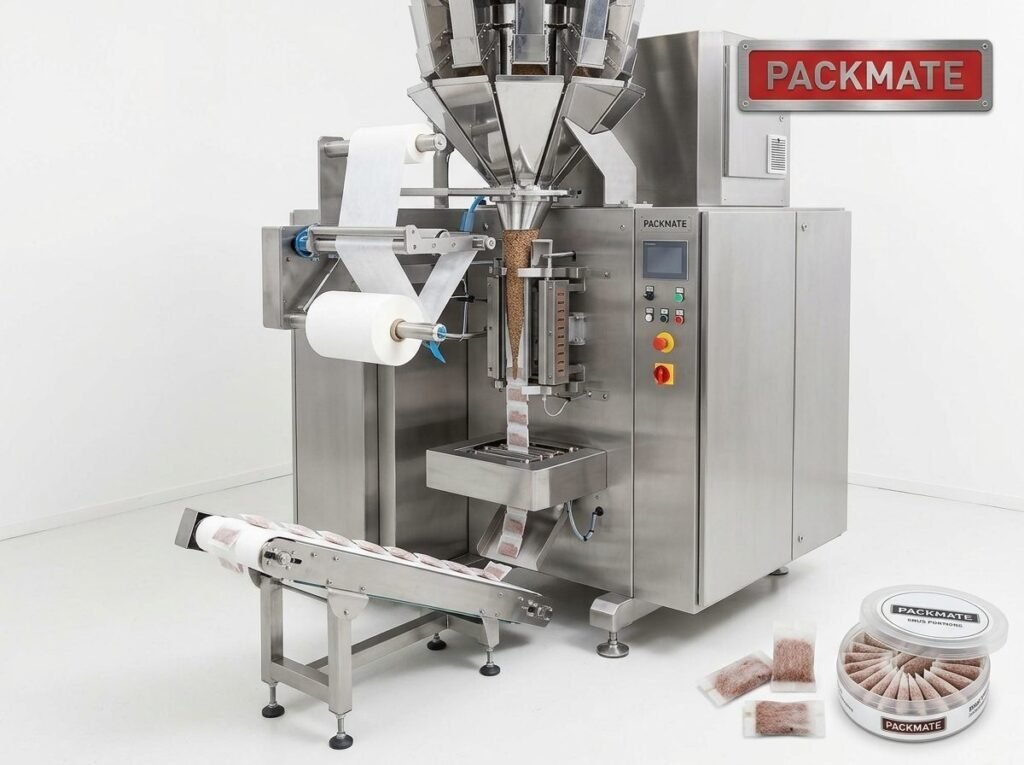
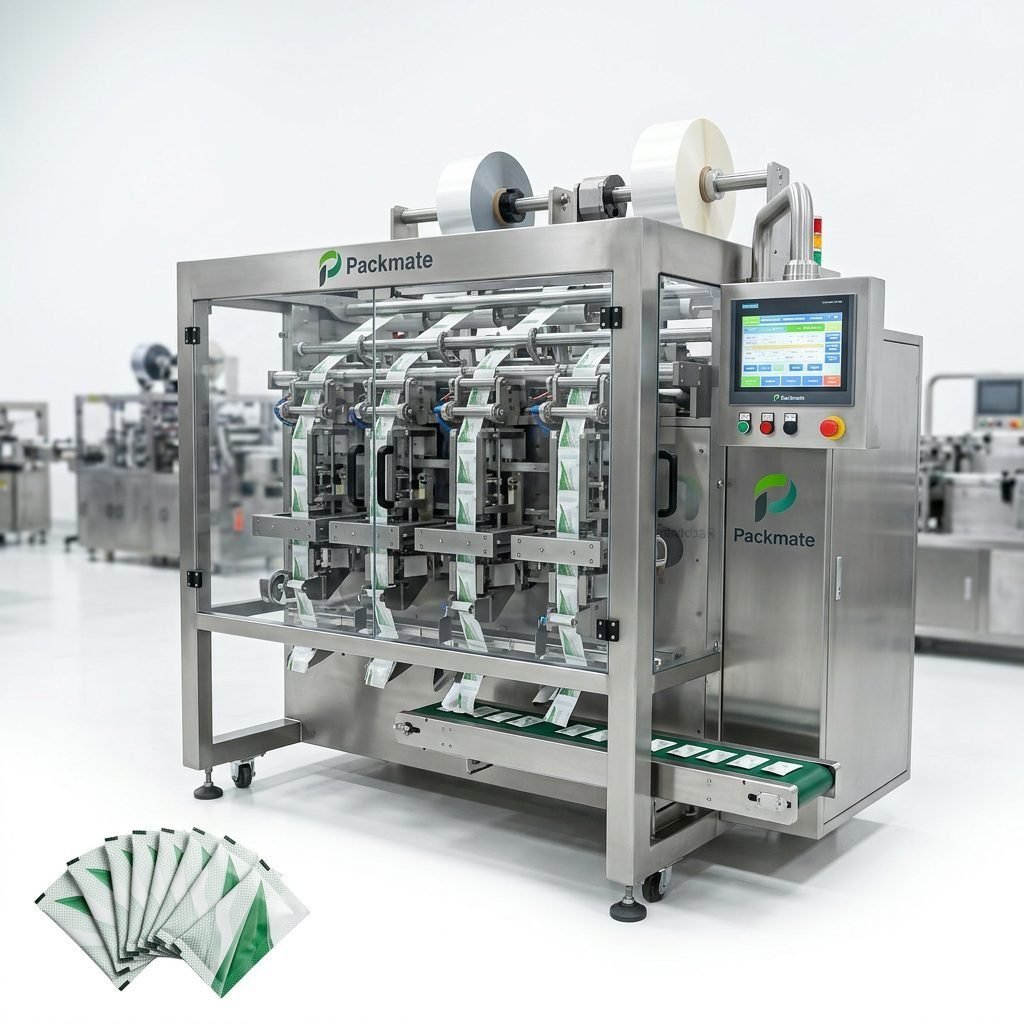
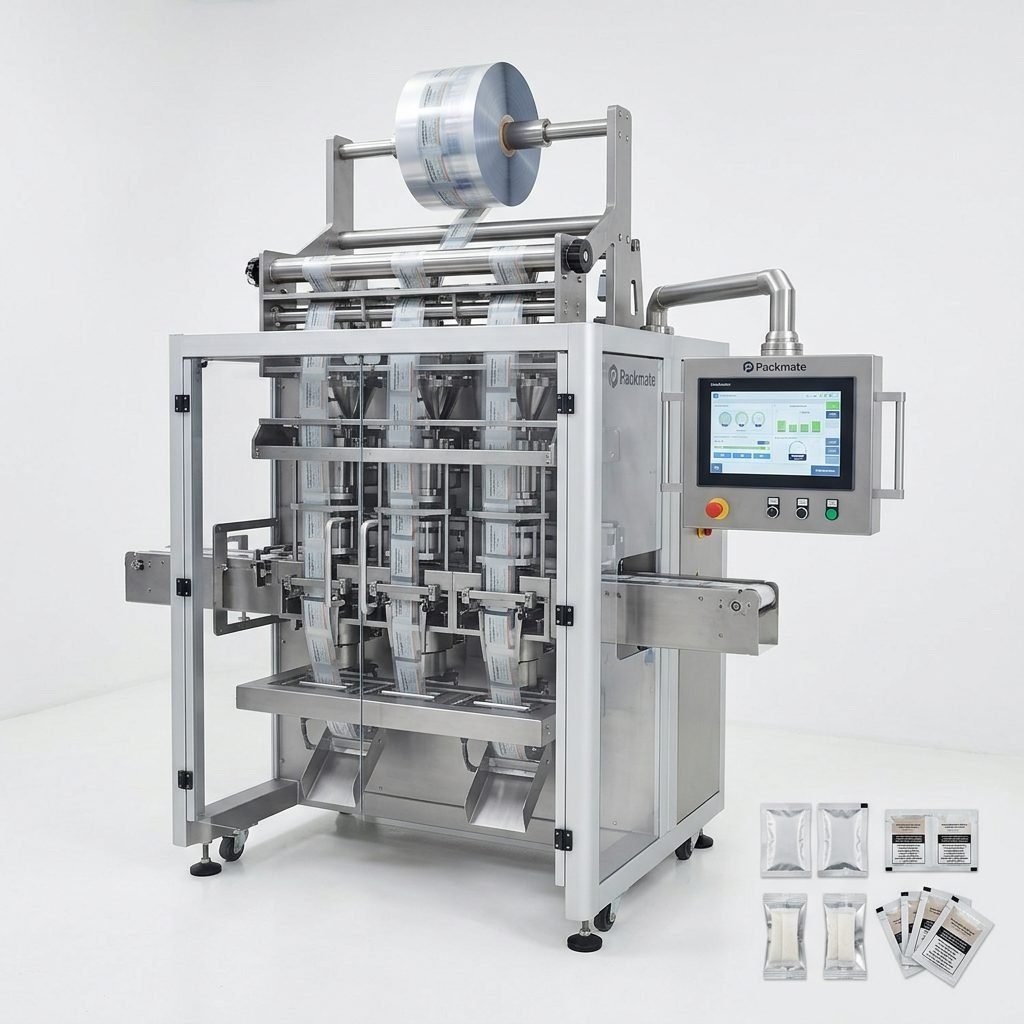
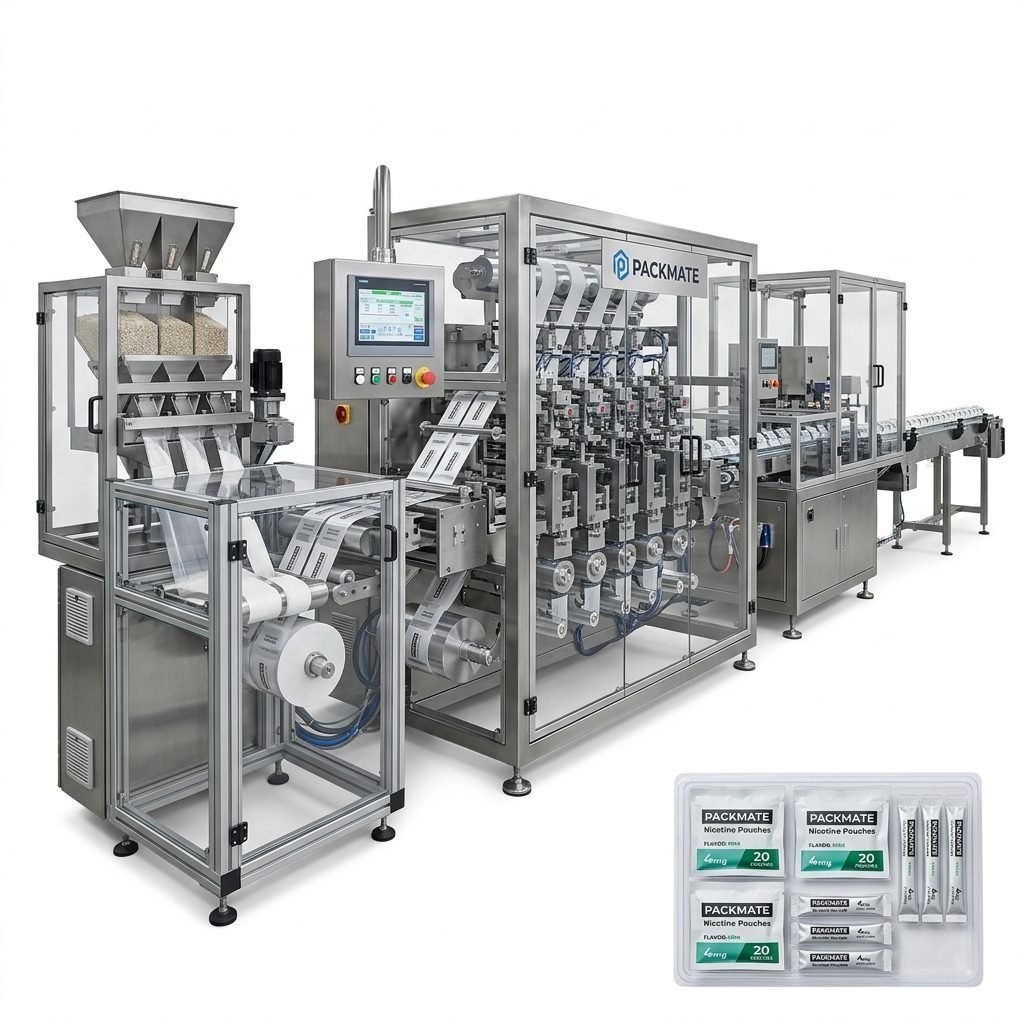
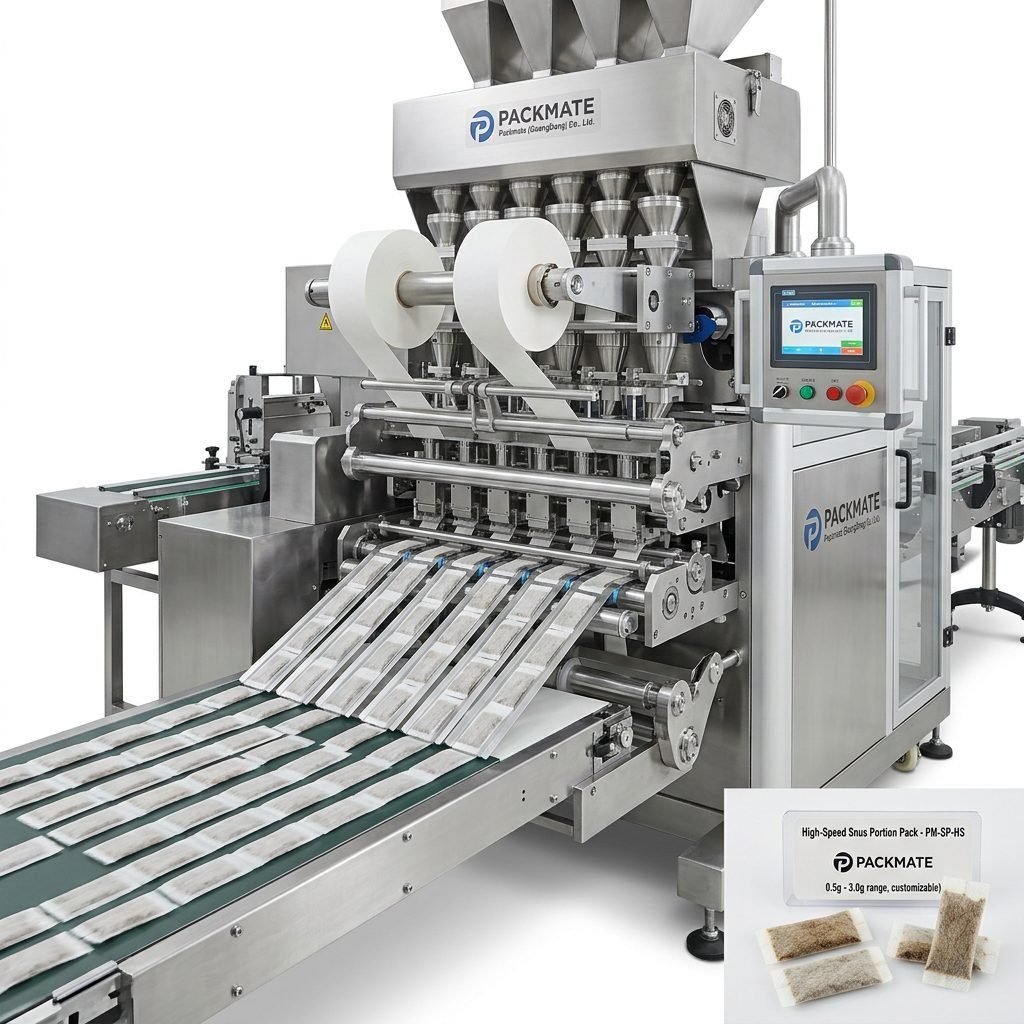
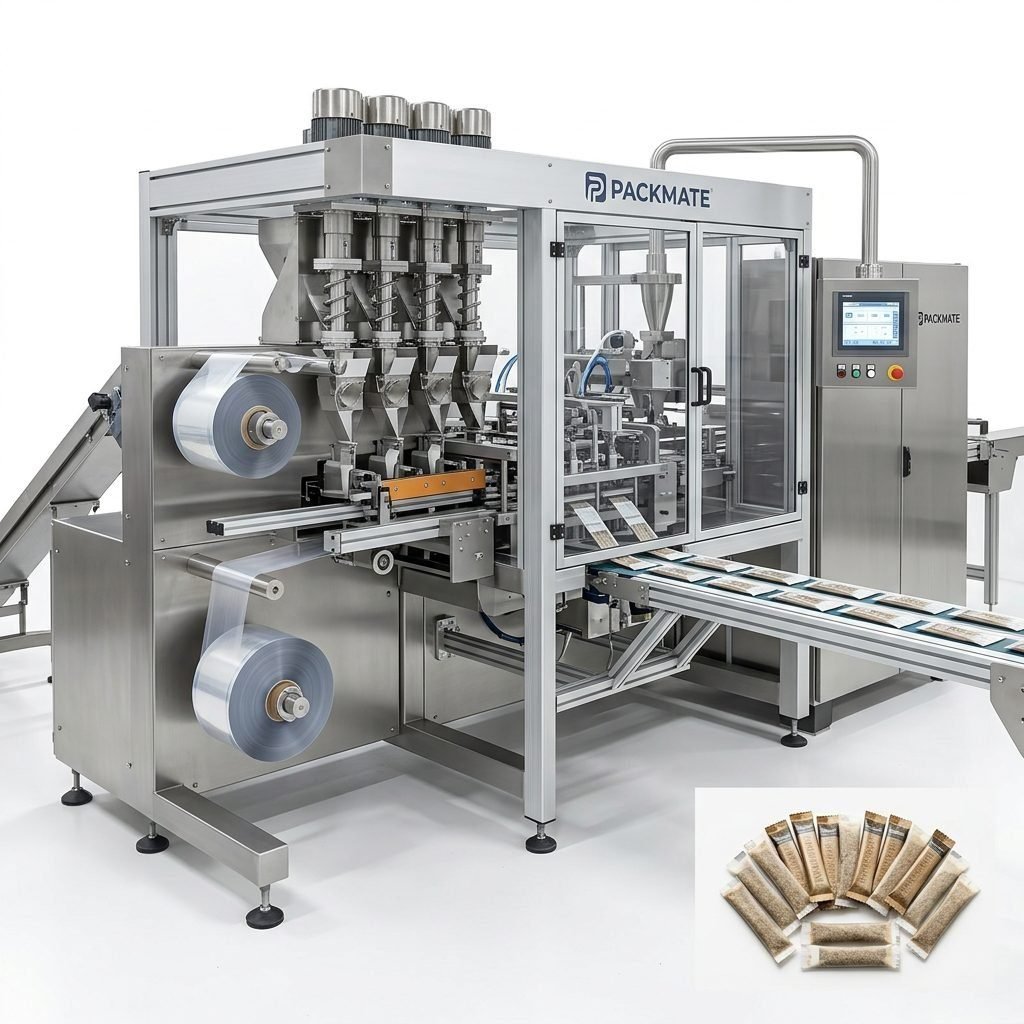
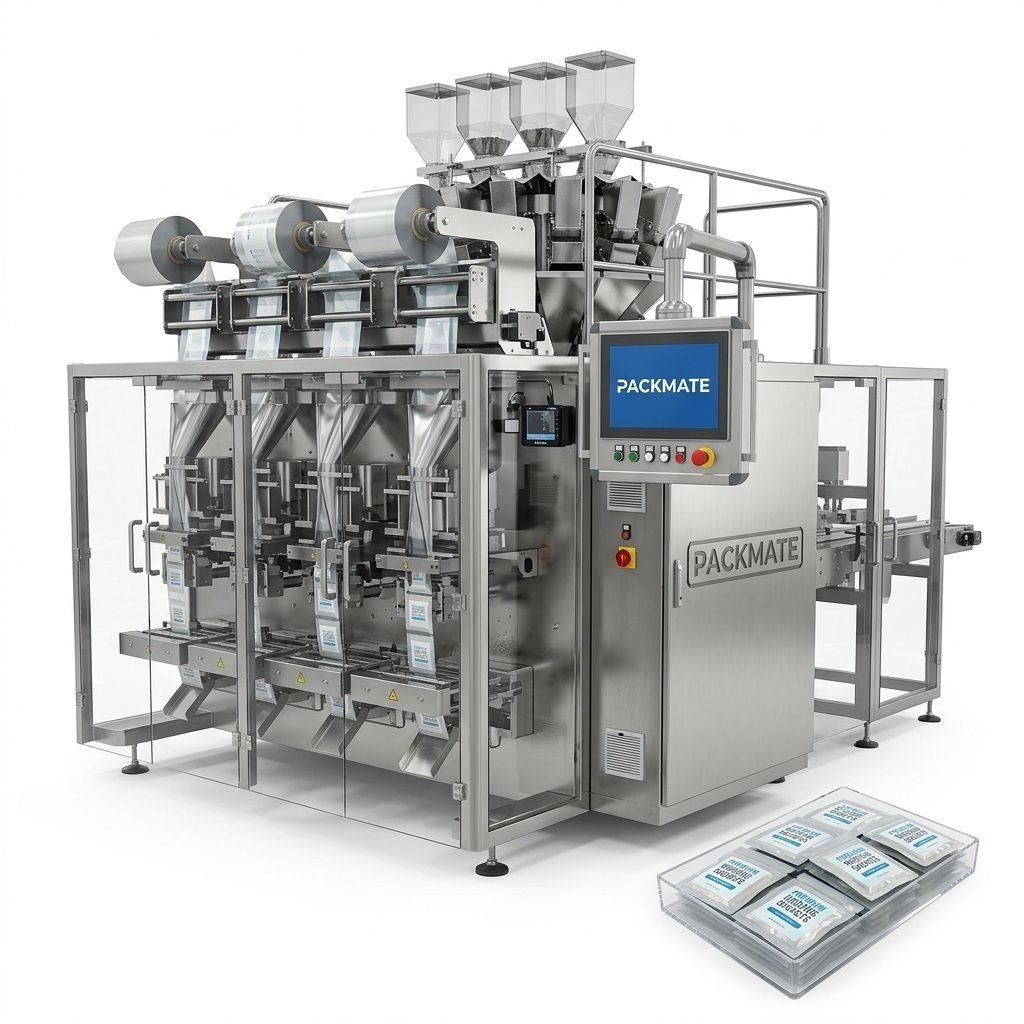
A top-tier supplier should provide machines that match your product format (snus cans, nicotine pouches, sachets, stick packs, multi-lane pouches) and throughput goals. Focus on technical reliability, modular designs for quick changeover, and ease of cleaning. Look for suppliers that publish equipment specifications clearly and can demonstrate real-world production cases.
- Stable multi-lane options for small-dose pouch production
- Accurate filling and weighing systems for consistent dosing
- Quick format changeover and easy maintenance access
- Compliant electrical and safety certifications (CE, ISO)
Assessing manufacturer strength and credibility
When your supply chain depends on precise mechanical systems, the manufacturer’s background and factory capability matter. Verify factory scale, machining centers and assembly lines. A supplier with decades of engineering history and a large manufacturing footprint indicates better capacity for customization, spare parts supply and quality control.
For example, a supplier that highlights a 20,000㎡ facility, advanced CNC machining and over 30 years of experience signals strong manufacturing depth. These are not mere marketing points — they mean shorter lead times for bespoke modifications, consistent build quality and stronger after-sales support.
Questions to ask during supplier evaluation
- How many similar snus or nicotine pouch lines have you delivered globally?
- Can you provide customer references or case studies with comparable products?
- What on-site and remote training do you offer for installation and line operation?
- How is spare parts support handled for customers in Southeast Asia?
Service, spare parts and remote support — the real differentiators
In Brunei, geographical distance from major manufacturing hubs can make fast service response challenging. Prioritize suppliers with established global support networks or regional partners who can deliver spare parts promptly. Remote diagnostic capabilities, video-assisted troubleshooting, and clear preventative maintenance schedules can significantly reduce downtime.
- Guaranteed spare parts availability and typical shipping times
- Remote support SLA and local partner options
- Training packages for operators and maintenance staff
Certifications and compliance — what Brunei buyers should verify
Ensure the equipment complies with international standards (such as CE and ISO) and can be adapted to local regulatory labeling and safety requirements. In markets with strict controls over nicotine products, documentation that supports customs clearance and safe operation is essential. Request machine test reports, material certificates and quality control documentation before purchase.
Selecting the right machine type for your product mix
Your product portfolio determines the machine family you need. A flexible supplier will offer multiple solutions including stick pack, sachet, multi-lane pouch machines, and complete filling systems. For diverse product lines, modular machines that can be reconfigured between sachets and multi-lane pouches reduce capital expenditure and speed up new product trials.
Explore product pages such as Snus & Nicotine Packaging Machines, Sachet & Stick Pack Machines, and Weighing & Packaging Systems to compare typical configurations and throughput ranges.
Customization and turnkey solutions: when to choose them
If your product requires non-standard pouch sizes, specific printing, or integrated downstream packing (cartoning, case packing), a turnkey supplier can deliver a unified line that reduces integration risk. Turnkey projects are particularly valuable when entering export markets — a single accountable supplier simplifies warranty, validation and acceptance testing.
Advantages of a turnkey approach
- Single point of accountability for the entire production line
- Pre-tested integrations reduce startup time
- Consistent documentation for regulatory submissions
Cost considerations beyond the purchase price
Total cost of ownership includes installation, operator training, spare parts, consumables, energy use, and expected maintenance. Ask suppliers to provide an itemized lifecycle cost estimate and realistic MTBF (mean time between failures) data. A lower upfront price can become costly if spare parts are slow to ship or if the supplier provides limited technical training.
- Spare parts lead time and typical cost
- Training fees and travel expenses
- Warranty coverage and excluded items
- Conversion costs for new product formats
Pilot runs, FAT & SAT — insist on factory acceptance testing
Factory Acceptance Tests (FAT) and Site Acceptance Tests (SAT) are critical. Insist on documented FAT performance with samples that match your formulation and packaging film. For Brunei buyers, remote witnessing or video FAT is an acceptable practice when travel is constrained, but make sure the supplier allows third-party inspection and provides traceable test records.
How to evaluate supplier communication and long-term fit
Good technical capability is necessary but not sufficient. Evaluate the vendor’s responsiveness, clarity in quotations, willingness to provide local references and readiness to discuss long-term service arrangements. Suppliers with clear project timelines, transparent costs and proactive after-sales teams are the partners that will help your business grow confidently in Brunei’s market.
Local partnerships and logistics
Because Brunei’s market is compact, building a local service channel can be very effective. Ask potential suppliers if they have authorized dealers, spare parts depots, or certified technicians in Malaysia or Singapore who can quickly reach Brunei. A nearby logistics hub reduces downtime and simplifies customs clearance.
For more information about manufacturer credentials, explore the supplier’s About Packmate and Certificate pages to verify their production capabilities and certifications.
Negotiation tips and contract essentials
When you reach contract discussions, clarify delivery INCOTERMS, warranty scope, spare parts pricing, training schedules and penalty clauses for missed milestones. Define acceptance criteria clearly and require an agreed FAT protocol. For Brunei-based projects, add clauses for customs documentation and any required import permits related to nicotine equipment.
Final checklist before signing
- Factory tour or virtual tour completed and verified
- FAT protocol agreed and sample tests scheduled
- Spare parts list and lead times provided
- Service level agreement and training included in contract
- Regulatory documentation for Brunei import prepared
Why Packmate-style suppliers stand out
Suppliers with decades of experience, large manufacturing capacity, and a full range of snus and nicotine packaging equipment can accelerate your market entry. A manufacturer that offers multi-lane snus machines, sachet and stick pack lines, weighing and packaging systems and full turnkey lines can be a single-source partner — reducing integration risk and simplifying warranty and service flows.
If you want to review real-life machine options and cases, check the supplier’s product pages such as Snus & Nicotine Packaging Machines, Filling & Packaging Lines, and the Case studies to see delivered project examples and performance data.
Next steps for Brunei buyers
Start with a concise RFP that specifies your product formats, target throughput, expected shifts per day, and regulatory constraints. Schedule a factory visit or a live video demonstration. Request a complete quotation with lifecycle cost estimates and FAT protocol. Finally, verify logistics and service plans for Brunei to ensure robust after-sales support.
Contact and further resources
Use the supplier’s contact and service pages to arrange demos or request spec sheets: Contact Us, Service, and review exhibitions and certifications via Our Exhibition and Certificate.
Frequently Asked Questions
Q1: What certifications should a snus packaging machine have for Brunei import?
A1: Prioritize CE and ISO certifications, complete material traceability documents, and test reports. Additionally, prepare product-specific documentation for customs and any local health authority reviews related to nicotine handling.
Q2: How important is on-site training for Brunei operations?
A2: On-site training is highly valuable, especially for first-time setups. If travel is limited, ensure the supplier provides comprehensive remote training sessions, operator manuals in English, and periodic remote audits to maintain uptime.
Q3: What spare parts should I stock locally for a snus line?
A3: Keep critical mechanical spares (seals, belts, bearings), electrical modules (inverter, PLC spares), and consumables (nozzles, sealing jaws). Tailor the list based on supplier recommendations and expected monthly output.
Q4: Can suppliers perform remote FAT / commissioning for Brunei customers?
A4: Yes — many reputable suppliers offer video-witnessed FAT and remote commissioning. Ensure clear test protocols and acceptance criteria are agreed in advance.
Q5: How do I ensure cultural and regulatory fit when importing nicotine-related machinery to Brunei?
A5: Work with suppliers who understand Southeast Asian regulatory environments and provide tailored documentation. Partner with local customs brokers and legal advisors to confirm import permits and labeling compliance.