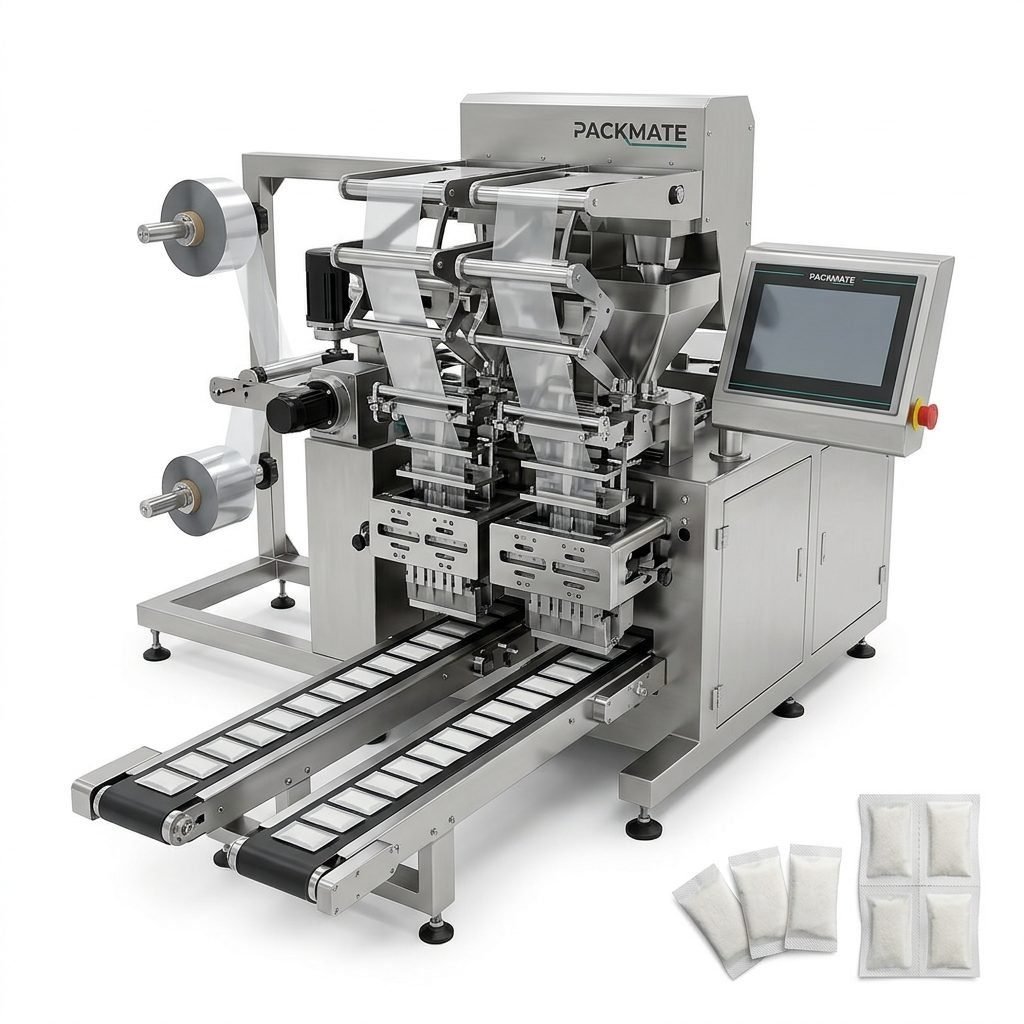
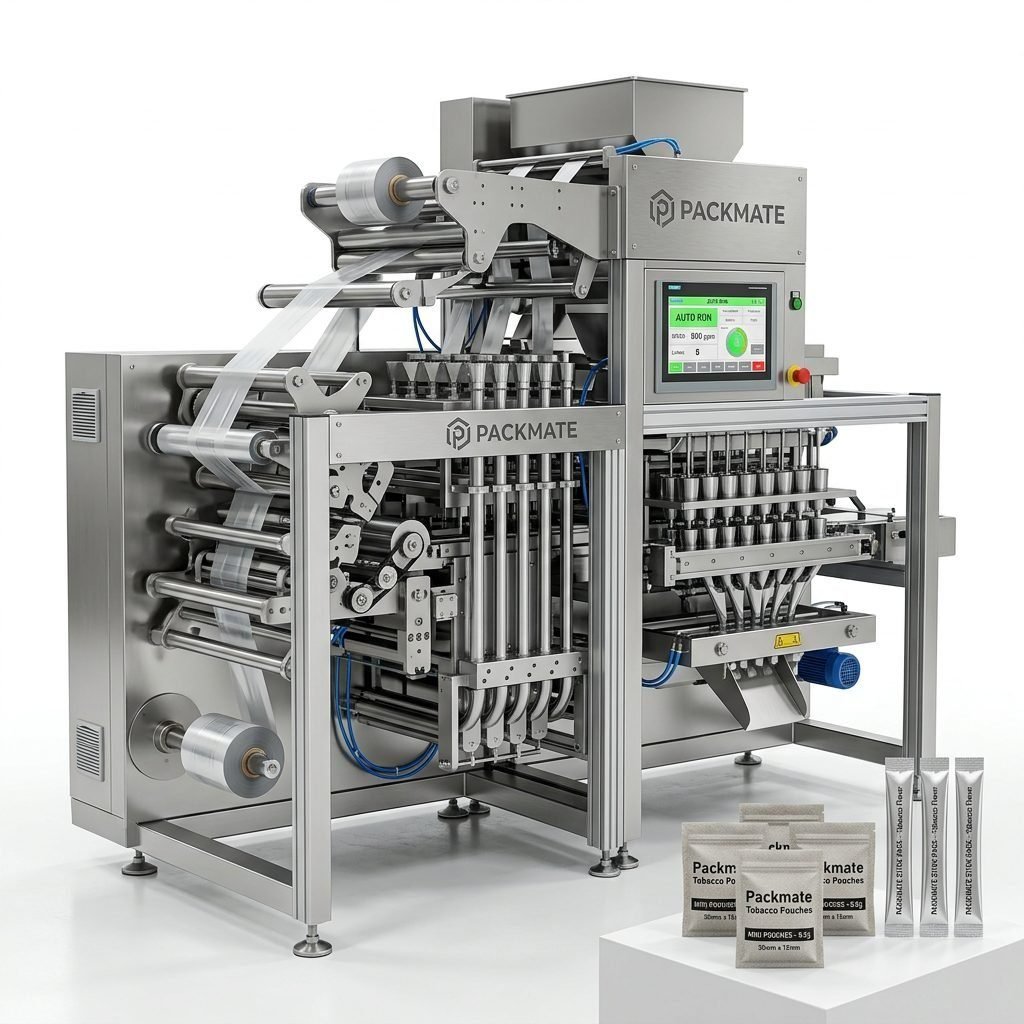
Choosing the right nicotine packaging machine for the Cuban market requires a clear understanding of local regulations, production goals, and the technical capabilities of available equipment. This guide walks Cuban manufacturers and importers through the selection process, from machine types and technical specs to compliance, ROI, and after-sales support so you can make a confident purchase decision.
Why the Right Machine Matters for Nicotine & Snus Production in Cuba
A properly chosen packaging machine protects product quality, ensures consistent dosing, reduces waste, and simplifies regulatory compliance. For nicotine pouches and snus, where precise dosing and airtight packaging are critical, the right equipment affects consumer safety, brand reputation, and long-term profitability. Selecting equipment that matches your intended product format and output targets also prevents costly retrofits and downtime.
Cuban Market Considerations
When sourcing machinery for Cuba, consider import duties, customs clearance, local utility standards (voltage and frequency), available floor space, workforce skill level, and any labeling or health warnings required by Cuban authorities. If you plan to export from Cuba, ensure your line meets target-market regulations as well.
Tip: Prioritize machines with international certifications (CE, ISO) and clear documentation for customs. Packmate’s long history and factory certifications make documentation and compliance easier when importing complex equipment.
Main Types of Nicotine Packaging Machines
Different production goals demand different equipment. Typical options include:
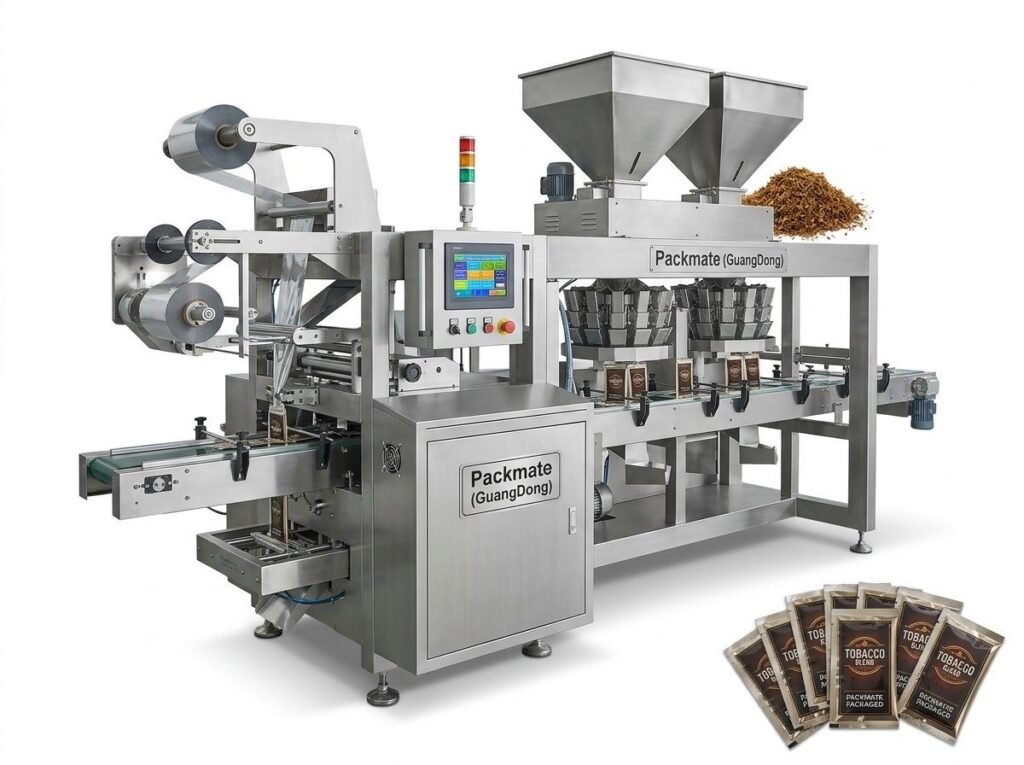
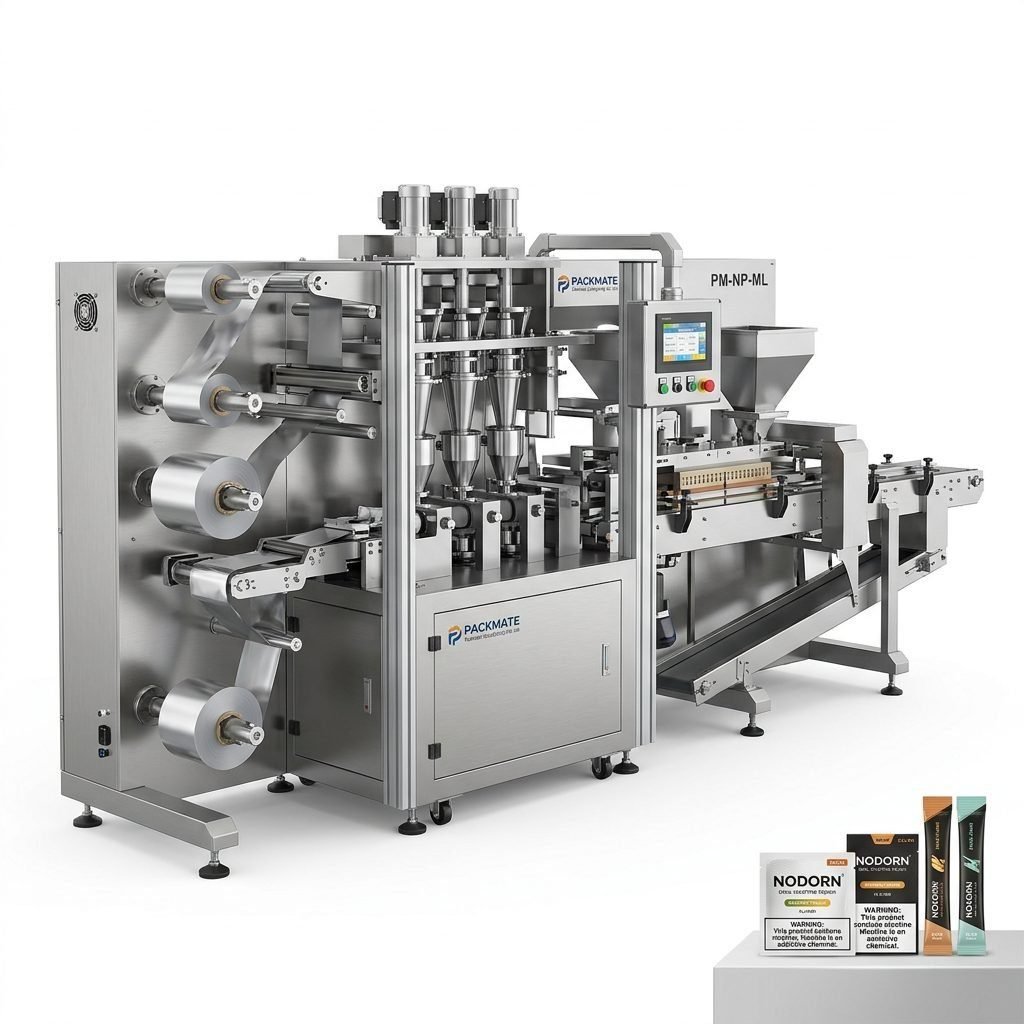
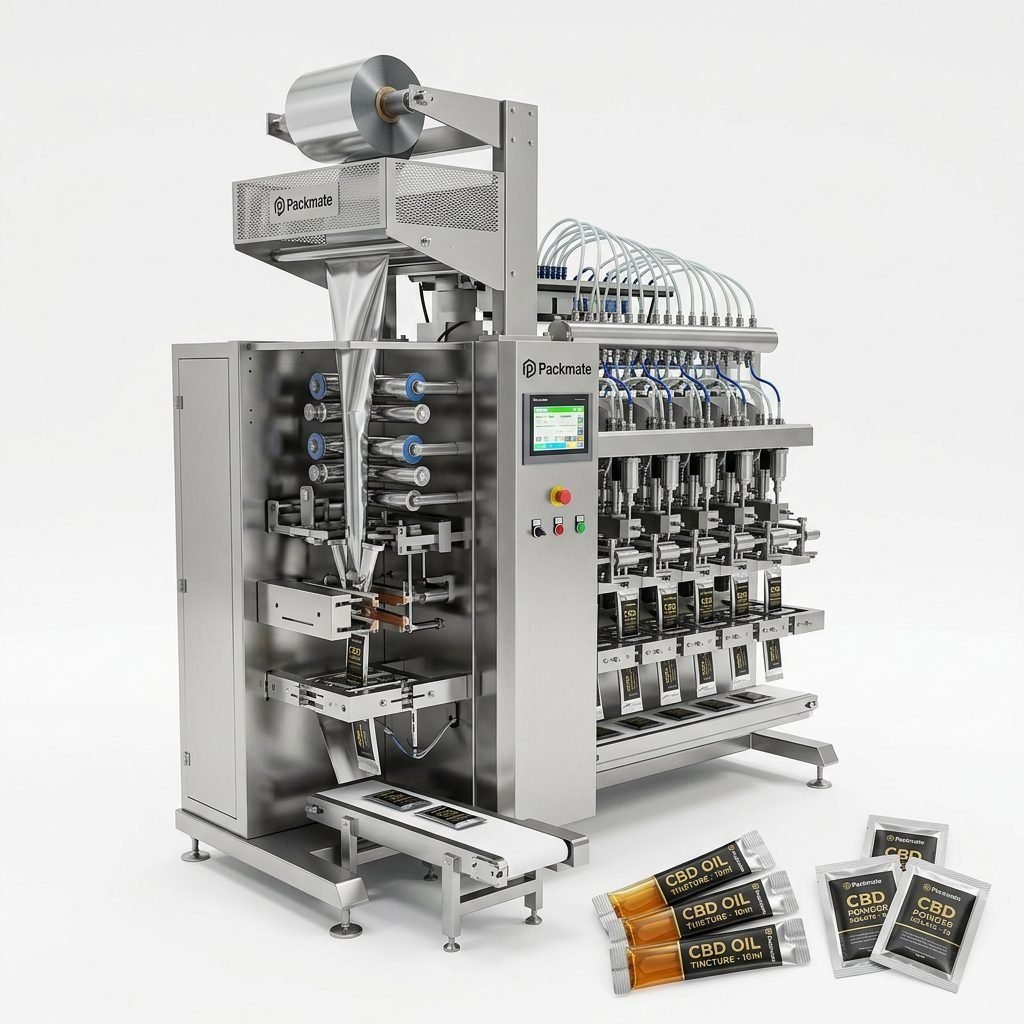
🔧 Stick pack machines — ideal for single-dose stick formats and fast, narrow-format runs.
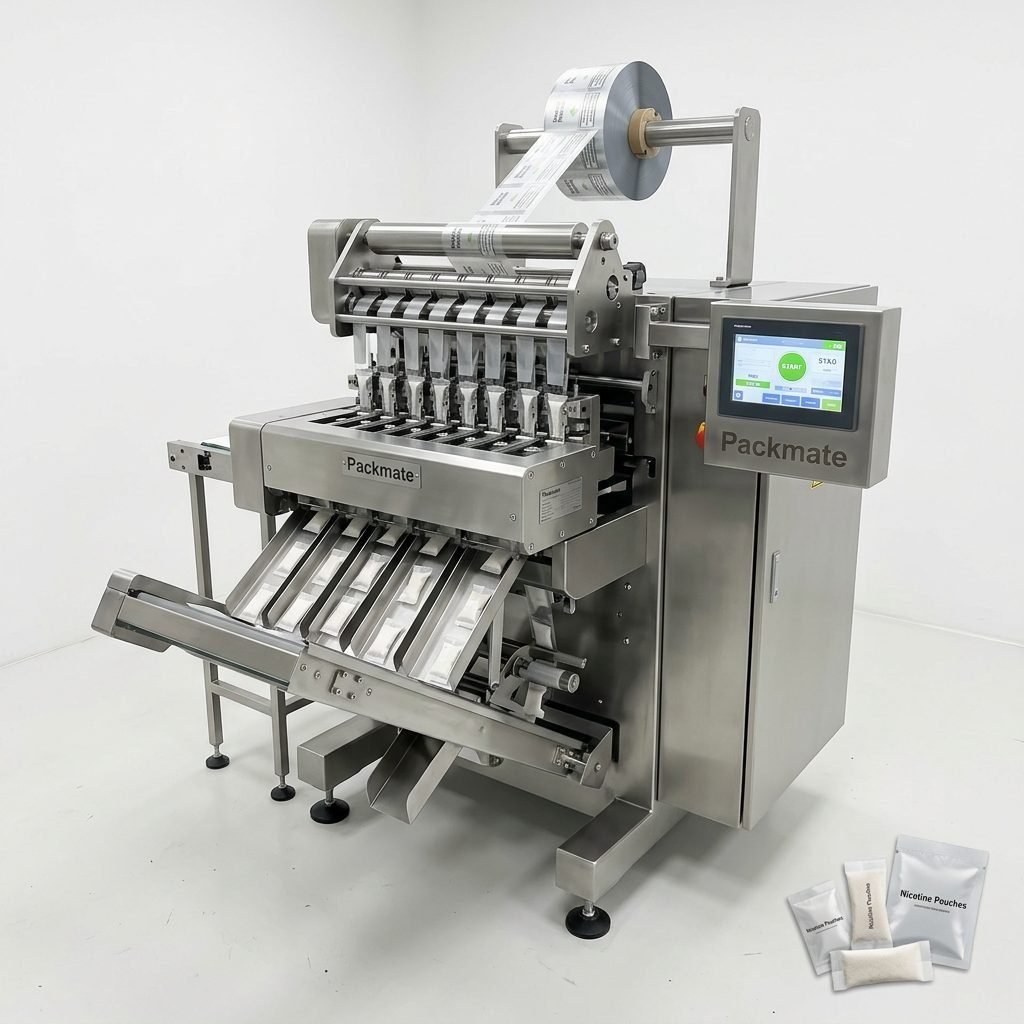
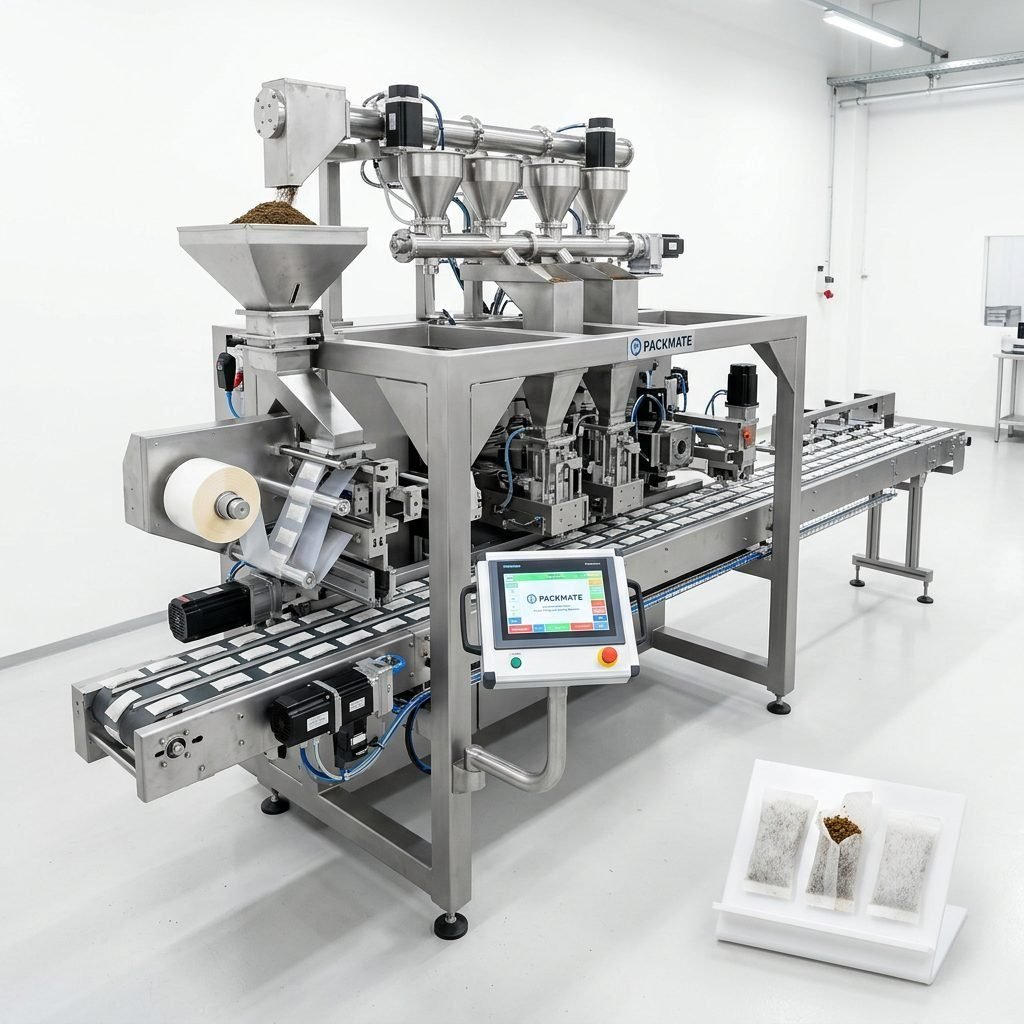
📦 Sachet and multi-lane systems — flexible for various pouch sizes, useful for flavored nicotine pouches and snus.
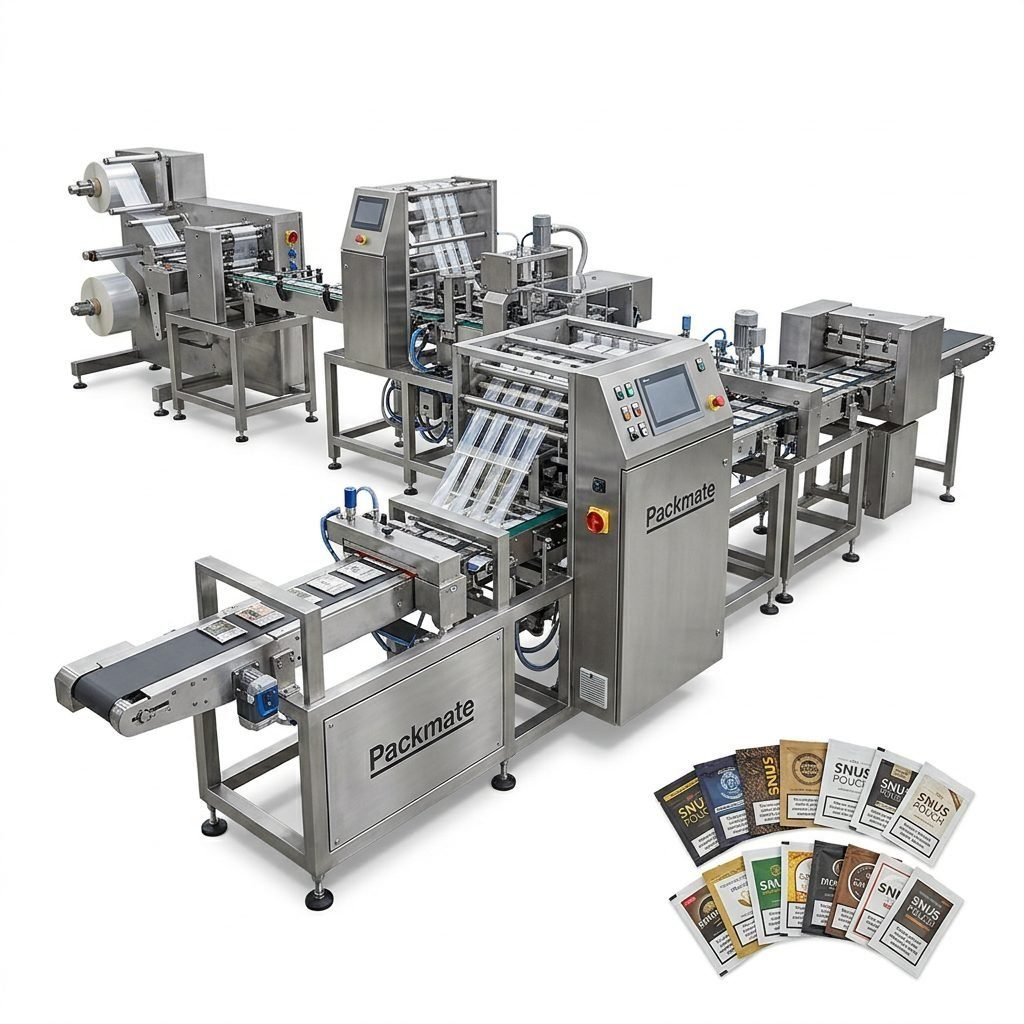
⚙️ Multi-lane snus pouch machines — high throughput and compact for small-dose pouches across many lanes.
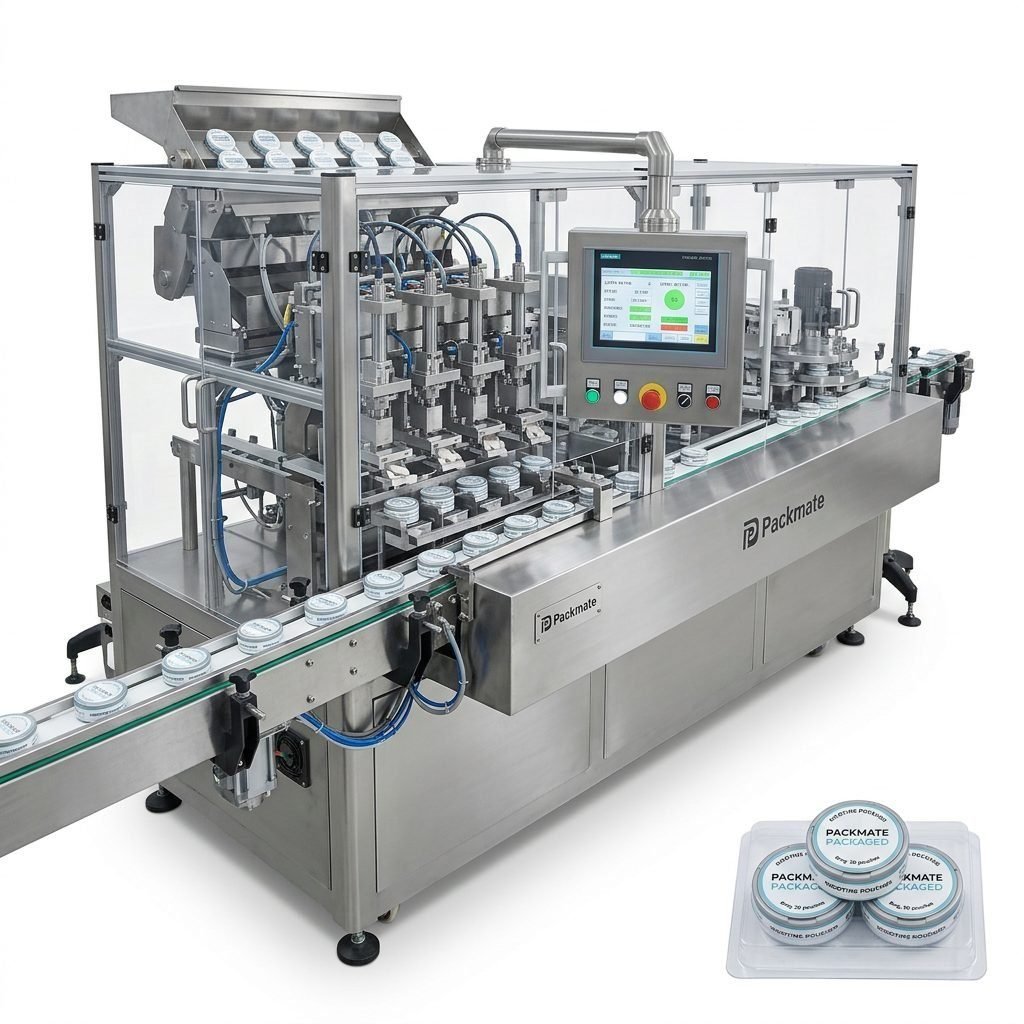
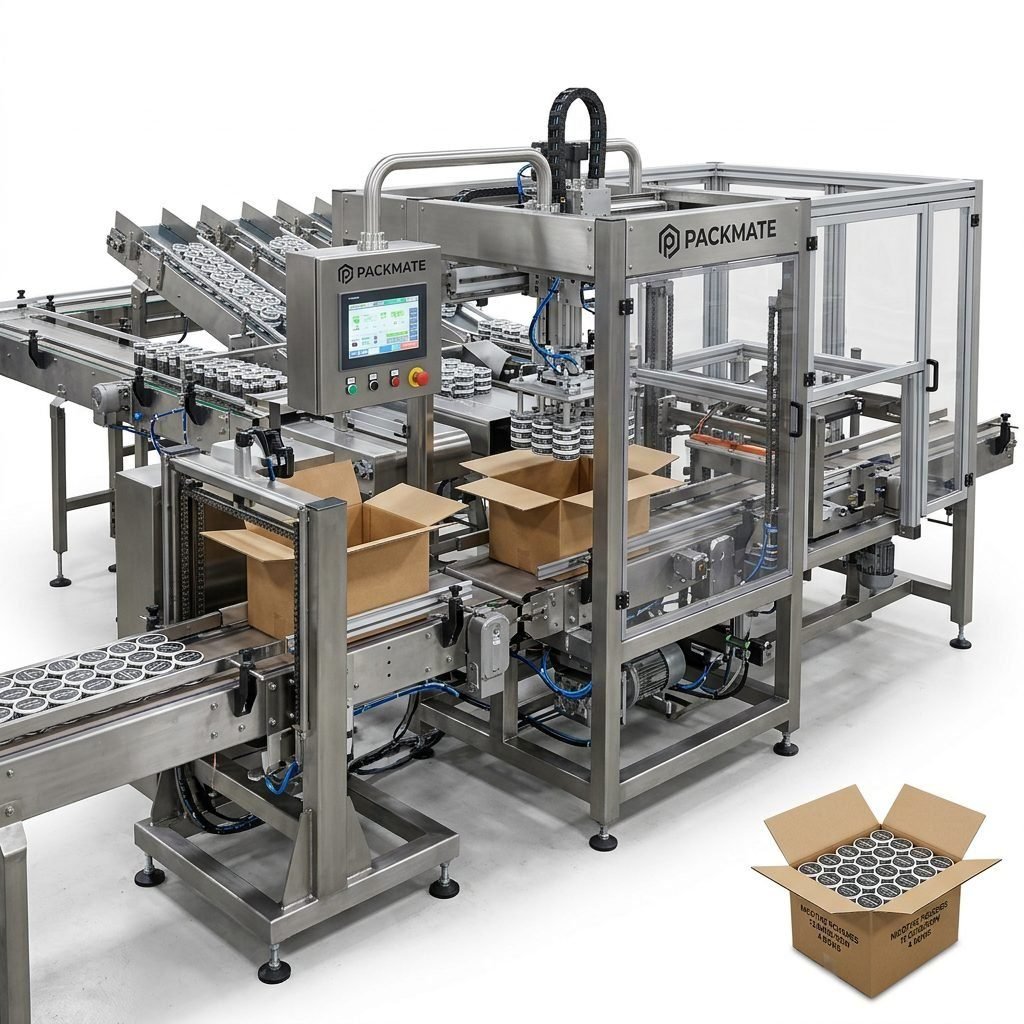
🔗 Full filling & packaging lines — integrate weighing, dosing, cartoning, and case packing for turnkey production.
For specialized nicotine pouch and snus formats view examples of equipment at
Snus & Nicotine Packaging Machines and compare format options with
Sachet & Stick Pack Machines.
Key Technical Specifications to Evaluate
Choosing the correct machine means comparing technical specs against your production needs. The following areas deserve careful attention:
• Output capacity — measured in pouches per minute. Align machine speed with daily production targets and seasonality.
• Lane count and scalability — multi-lane machines deliver high throughput in a compact footprint. Choose lane counts that match current demand but allow easy upgrades if needed.
• Dosing accuracy — critical for nicotine products. Check weighing and dosing tolerances and particle handling capabilities.
• Format flexibility — ability to change pouch sizes, materials, and sealing types with minimal downtime.
Materials & Compatibility
Verify compatibility with your chosen packaging materials (laminates, foil, paper, biodegradable films). Machines should support common web widths and have robust sealing systems for moisture-sensitive nicotine products.
Hygiene, Maintenance & Spare Parts
Stainless steel contact parts, sanitary design for easy cleaning, and an available spare-parts inventory are essential. Ask suppliers about typical Mean Time Between Failures (MTBF) and local availability of critical components.
Automation, Turnkey Options & Integration
Full lines that integrate weighing, dosing, pouch forming, sealing, and secondary packaging reduce handling and increase consistency. If you prefer a single-source solution, look for manufacturers that deliver integrated lines, on-site commissioning, and training — for example, review turnkey options under
Filling & Packaging Lines.
Red flag: Machines sold without clear integration documentation or PLC control schematics often cause extended commissioning delays.
Compliance, Certification & Documentation
Ensure machines come with CE and ISO documentation where applicable. Supplier warranties, material declarations, and certificates for electrical components help speed customs clearance and demonstrate compliance to auditors.
Local Regulations & Labeling
Confirm whether Cuban law imposes specific packaging labeling, ingredient disclosure, or health warning requirements for nicotine products. Machines should support variable printing or label applicators for batch codes, production dates, and compliance marks.
Cost, ROI & Total Cost of Ownership
Look beyond purchase price. Estimate installation, training, spare parts, utility consumption, maintenance, downtime risk, and expected production yield. Machines from established manufacturers with robust support typically yield faster ROI and lower lifetime costs.
After-sales Support & Local Service
Reliable after-sales service is crucial for continuous production. Ask about warranty terms, spare parts lead times, remote diagnostics, and availability of on-site engineers. Suppliers with global experience often provide structured commissioning and operator training.
To review a manufacturer with a long track record in snus and nicotine equipment, visit
About Packmate and explore their case histories here:
Case.
Step-by-step Buyer’s Checklist for Cuba
Follow this checklist to reduce risk and secure the best value:
1. Define product formats, daily output targets, and future expansion plans. 🔍
2. Shortlist machines by format compatibility (pouch type, film materials, lane count). ✅
3. Request technical datasheets and electrical/mechanical drawings for facility planning. 📐
4. Ask for real-world performance reports, MTBF, and reference customers in similar markets. 📞
5. Confirm warranty, spare parts pricing, and local service options (or remote support). 🔧
6. Verify export documentation and certifications to facilitate customs clearance in Cuba.
7. Evaluate total cost of ownership and run a simple ROI model to compare vendors.
Common Mistakes to Avoid
• Buying by price alone — cheapest options often lack documentation, support, or long-term reliability.
• Neglecting future growth — underpowered lines force premature upgrades or additional capital expense.
• Overlooking integration needs — secondary packaging, coding, and conveyor systems should be planned up front.
Why Consider an Experienced Supplier
Suppliers with decades of engineering experience bring predictable performance and structured support. A manufacturer that offers a range of models, CNC-machined components, and factory-tested lines will reduce commissioning time and operational headaches. If you want to explore specific machine categories beyond snus lines, see their range of
Bag & Pouch Packaging Machines and
Auxiliary Packaging Equipment.
Practical On-site Considerations
Plan for installation space, ventilation, electrical and compressed air services, and proper waste handling. Confirm lead times for shipping and customs in Cuba, and consider ordering spare kits for critical wear parts that might take time to replace.
Final Buying Tips
Negotiate clear acceptance tests, factory acceptance testing (FAT) documentation, and final performance guarantees. Ensure training and a commissioning timeline are in the purchase contract, and get a detailed list of spare parts that should accompany initial delivery.
Next step: Contact trusted suppliers and request a quotation with FAT video evidence and references. For direct contact, check the supplier’s contact page:
Contact Us.
Summary: Key Decision Drivers
In short, prioritize machines that match your product format, offer certified documentation, provide strong dosing accuracy, and include dependable after-sales service. Invest in modular or multi-lane solutions if you expect growth, and always validate supplier claims with references and FAT evidence.
Frequently Asked Questions
Q1: What machine type is best for small-batch flavored nicotine pouches?
A1: Sachet and multi-lane snus pouch machines provide format flexibility and moderate throughput, making them ideal for product variety and small-batch runs.
Q2: How important are certifications like CE and ISO when importing to Cuba?
A2: Certifications streamline customs and ensure safety and quality expectations. They also help meet buyer or export-market requirements when selling beyond Cuba.
Q3: What after-sales services should I require from a supplier?
A3: Insist on documented warranty terms, spare parts lead times, commissioning assistance, operator training, and remote diagnostic support to minimize downtime risk.
Q4: Can I scale a single-lane machine into a multi-lane line later?
A4: Some modular systems allow lane expansion, but not all machines are designed for easy lane additions. Confirm upgrade paths with the manufacturer before purchase.
Q5: Where can I see real examples of nicotine packaging lines?
A5: Visit manufacturer case studies and product galleries to view completed lines and performance data — for example, explore Packmate’s product and case pages for snus equipment and turnkey lines.