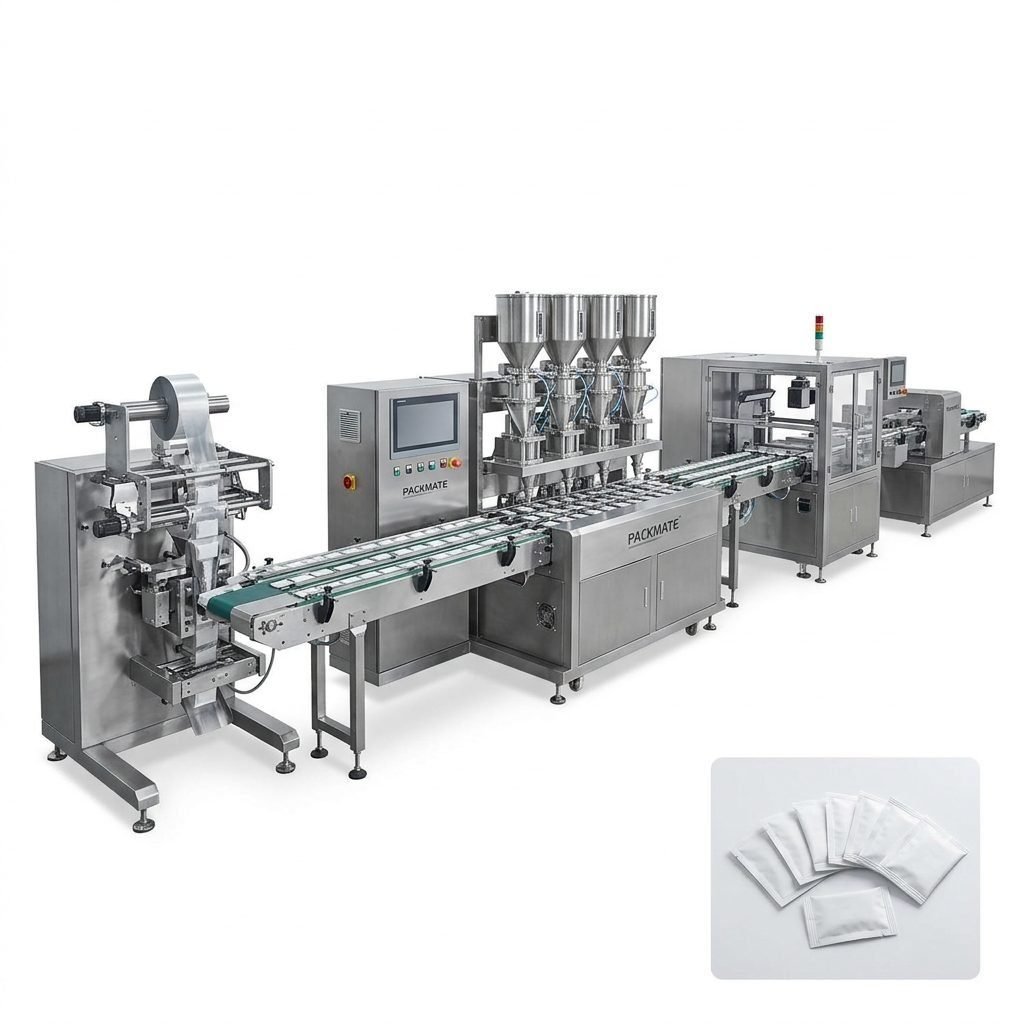
In Senegal, where small-batch tobacco and alternative nicotine products are seeing growing demand in urban centers like Dakar and in coastal trading hubs, choosing the right snus packaging machine is a strategic decision that affects product quality, regulatory compliance, cost control, and brand reputation. This guide walks you through practical factors — from machine types and capacity to local customs, power and climate considerations, and after-sales support — so you can confidently select the best machine for your business in Senegal.
Understand the Local Market and Regulations
Senegal’s consumer market has its own consumption patterns and regulatory landscape. While snus and nicotine pouch regulations are evolving globally, local authorities may require clear labeling, restricted advertising, and product composition disclosure. Work with local legal counsel and regulatory consultants to confirm whether nicotine pouches are permitted for sale and what packaging claims are allowed.
Tip: Major cities such as Dakar often lead consumer trends. Launching with small, compliant batches for market testing can reduce regulatory risk and help refine labeling and format before scaling up.
Cultural & Consumption Habits to Consider
In Senegal, communal habits and informal retail networks remain strong. Consider packaging formats that are easy for small retailers and kiosks to handle: compact sachets or stick packs that are simple to open and sell individually tend to perform better with street vending and small shops. Visual clarity of ingredients and usage instructions in French (and local languages where appropriate) will help consumer trust and uptake.
Match Machine Type to Product Format and Throughput
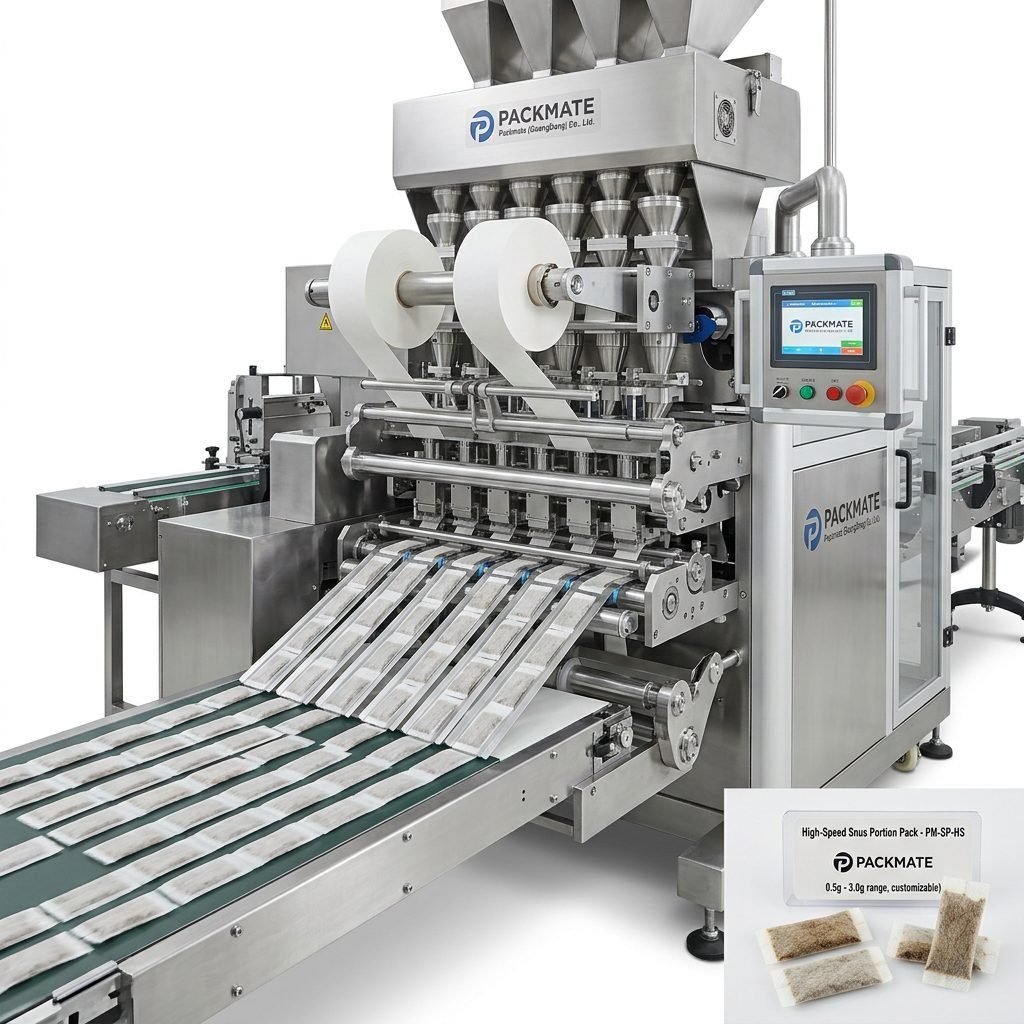
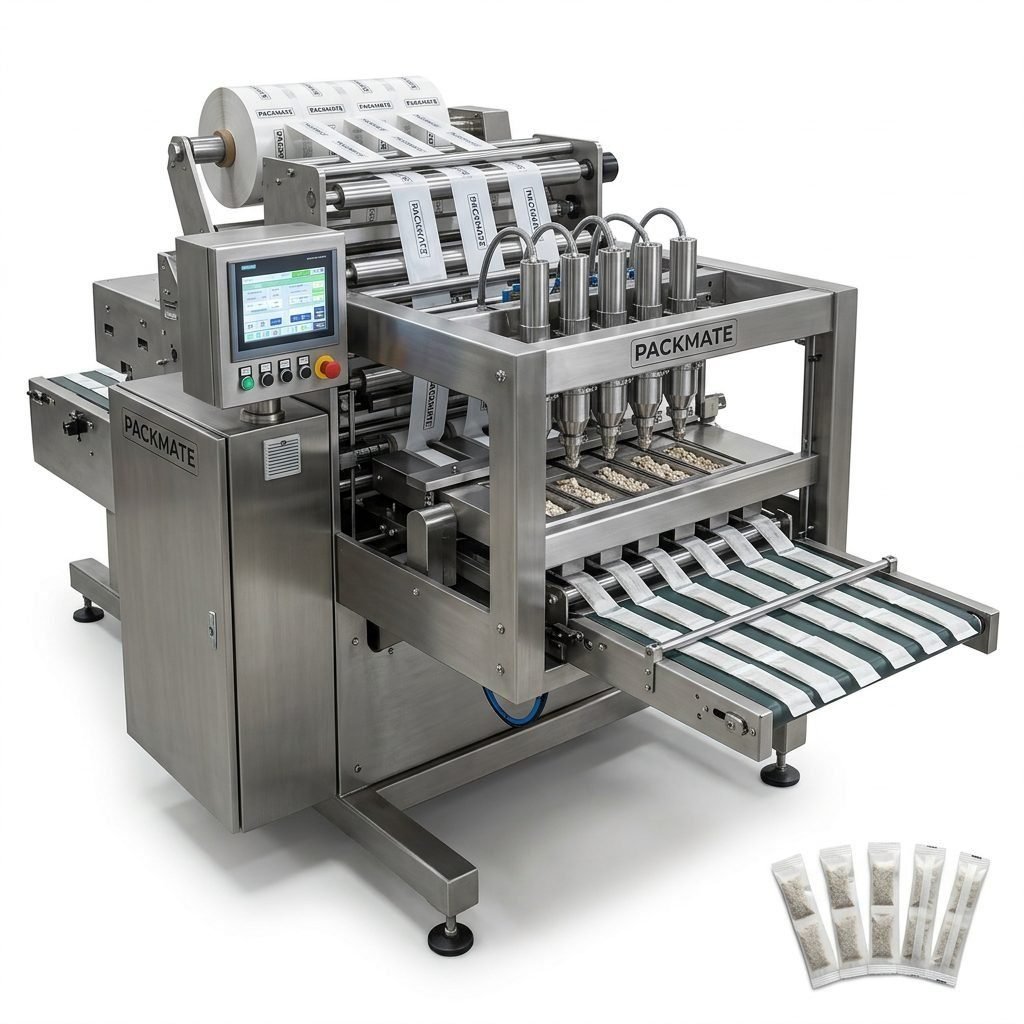
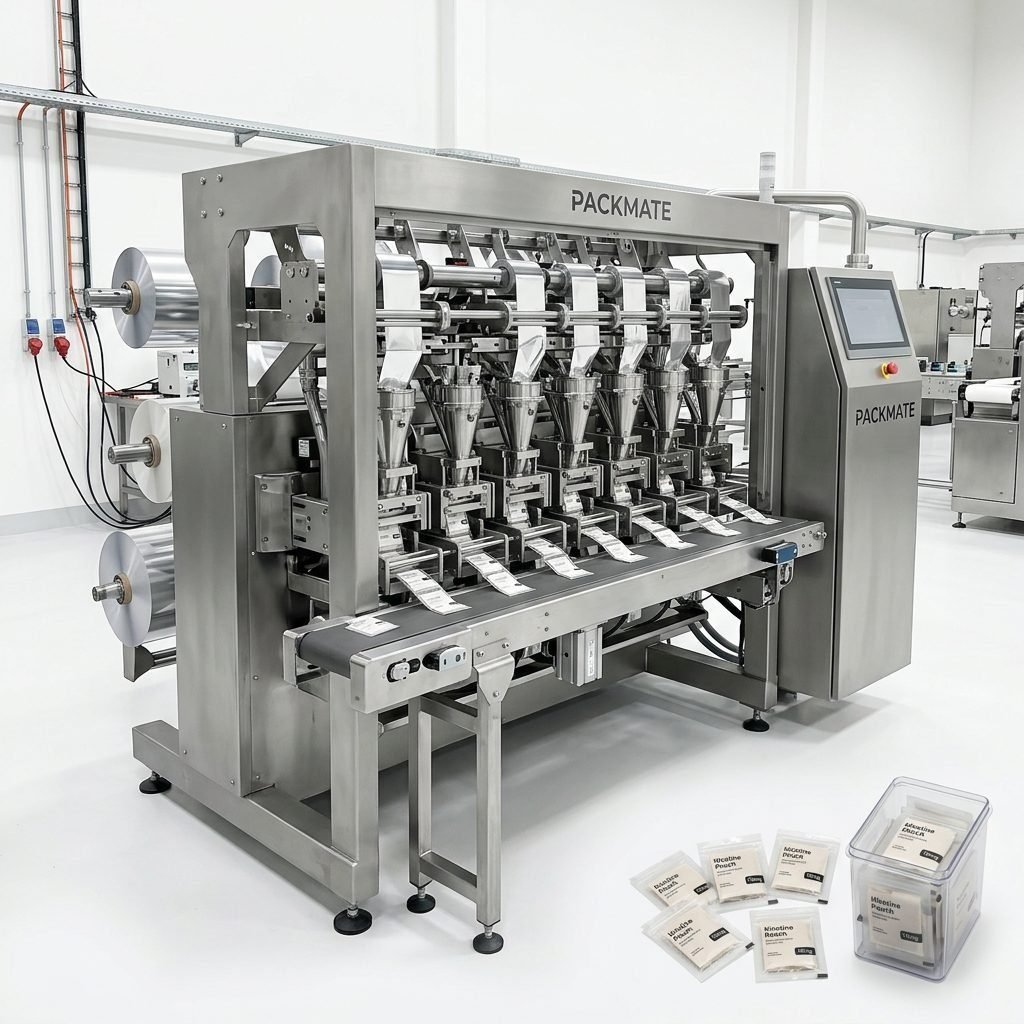
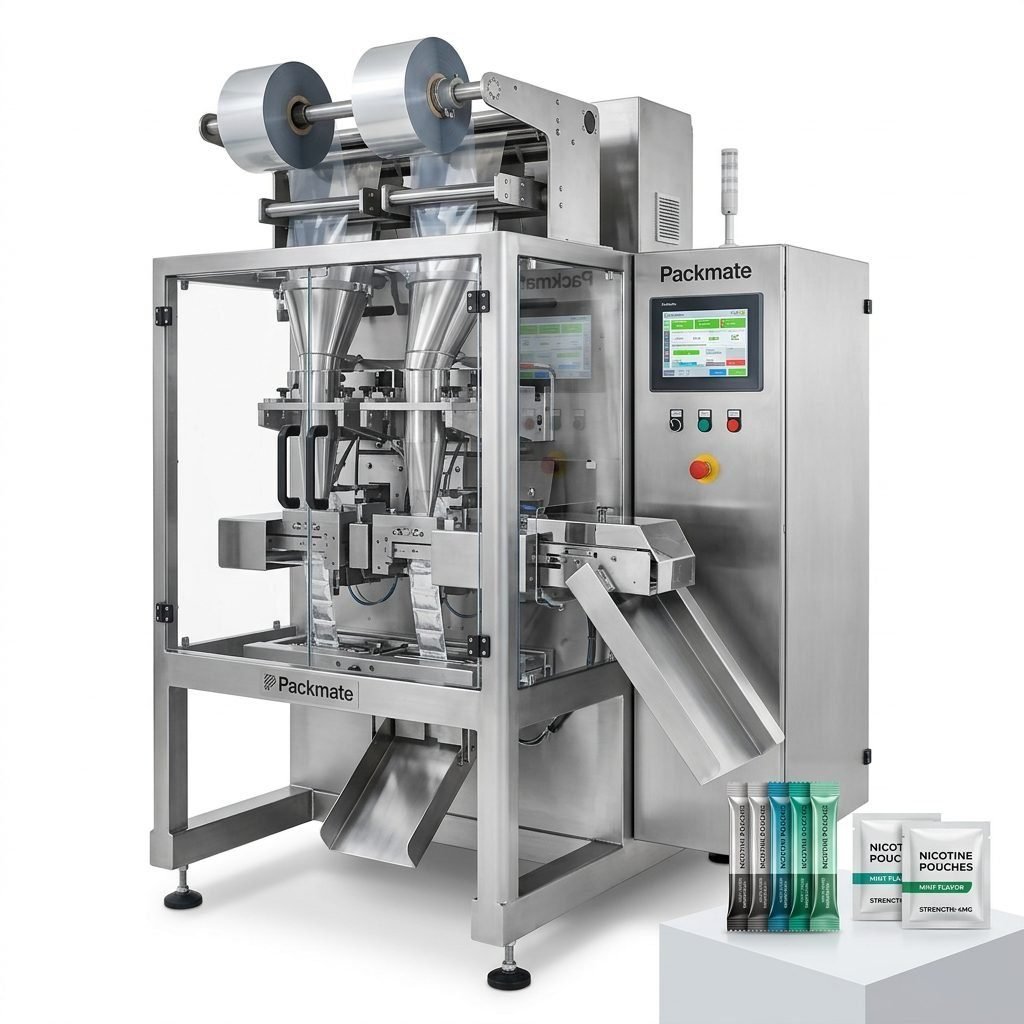
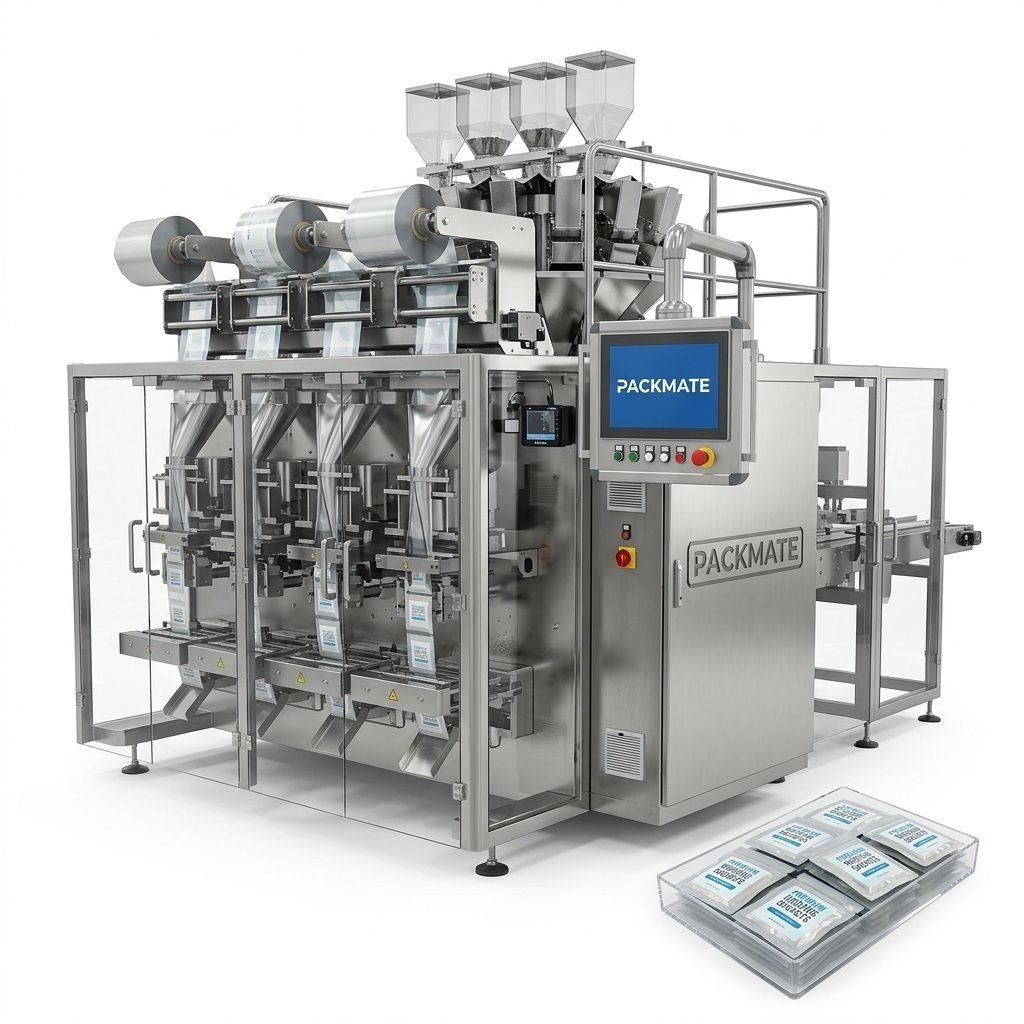
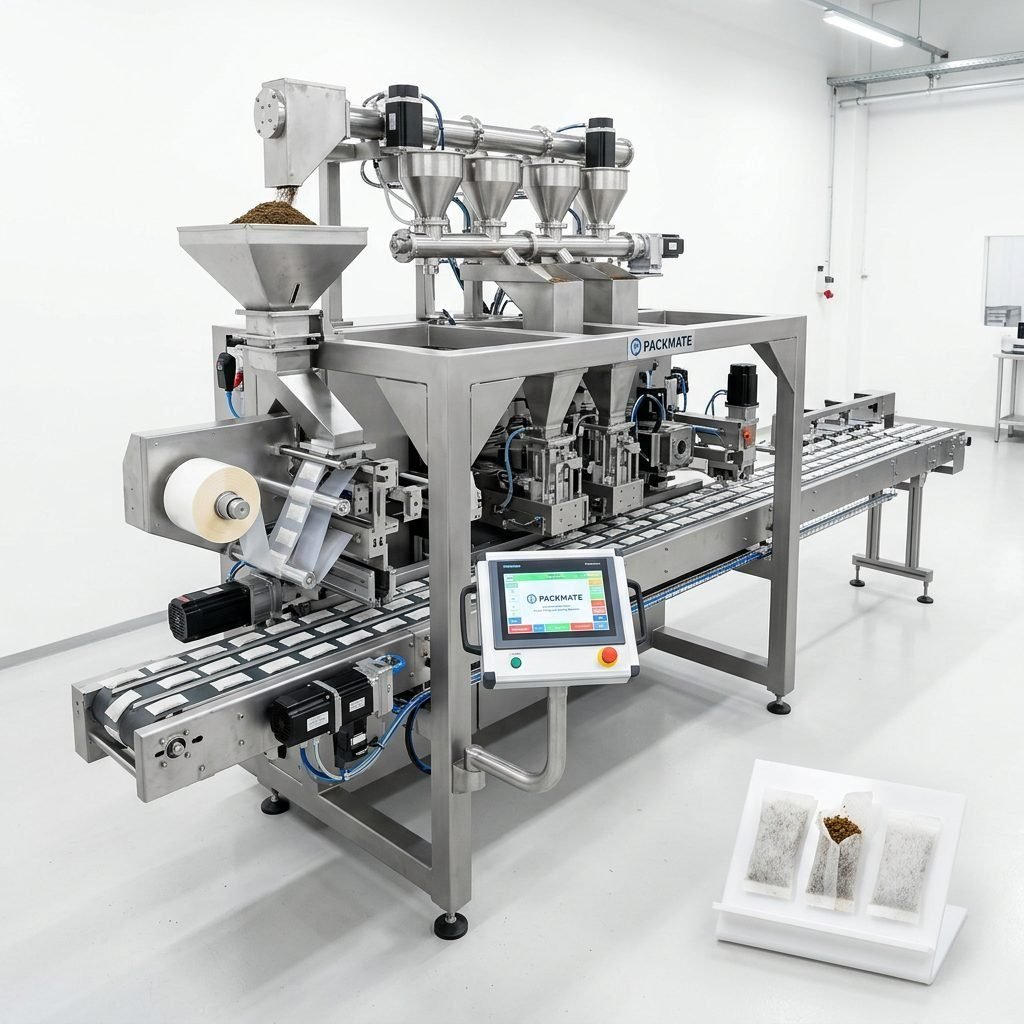
The primary machine choices for snus and nicotine pouches include stick pack machines, sachet packaging machines, and multi-lane pouch systems. Each has trade-offs in speed, cost, and flexibility.
🔧 Stick pack machines are ideal for single-portion stick formats and are usually cost-effective for moderate output. They work well for powder and finely milled snus blends.
✅ Sachet and pouch machines offer more premium presentation and are flexible for portion sizes and re-sealable options. They suit higher-margin, branded product lines.
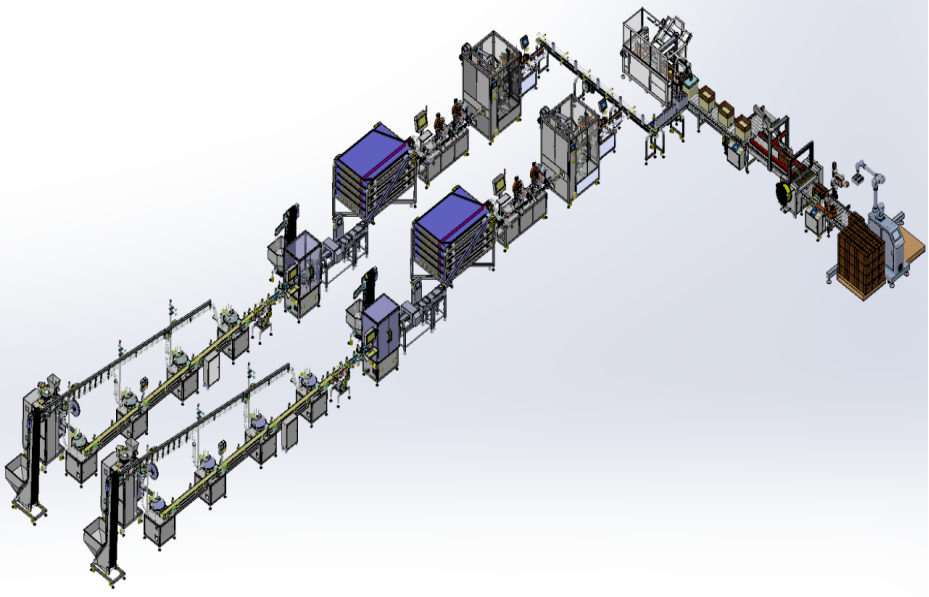
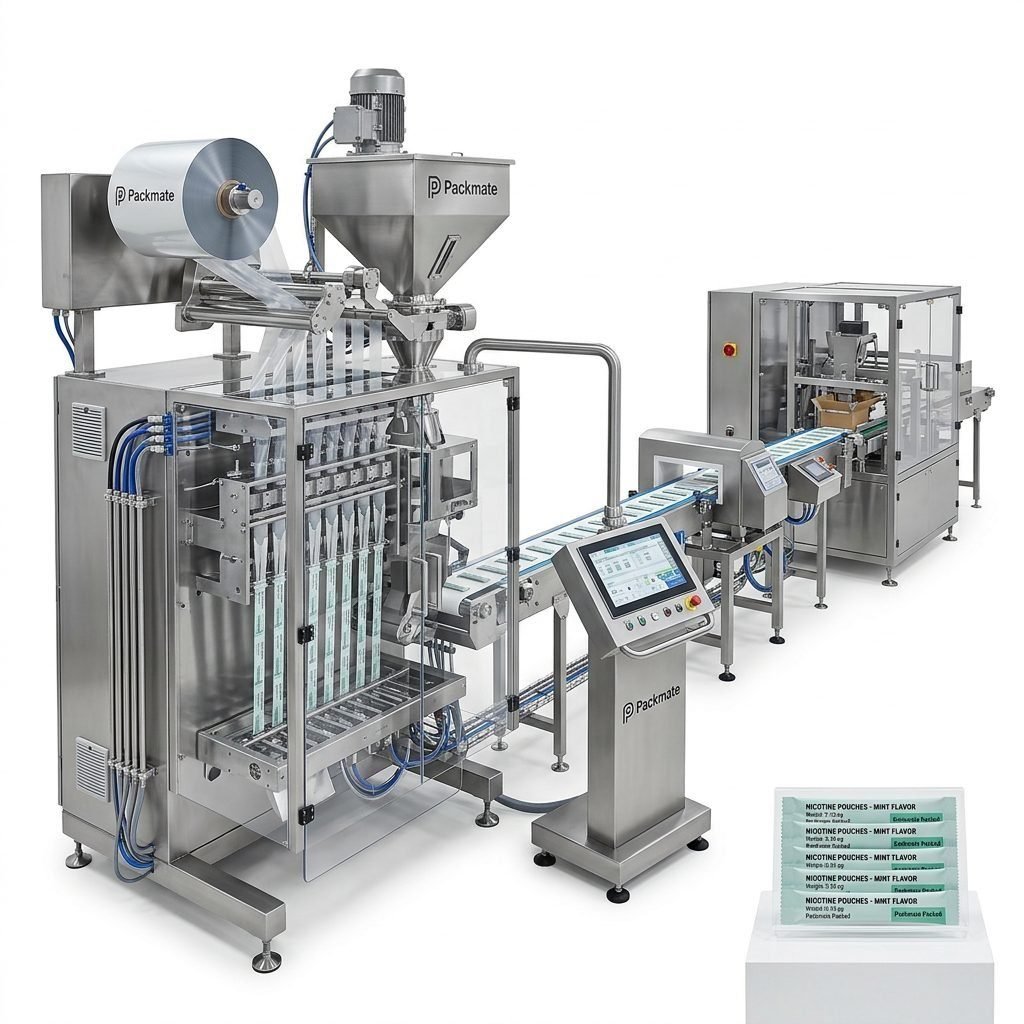
🌍 Multi-lane systems are best for large-scale production and export-oriented businesses. They maximize throughput but require greater floor space and higher initial investment.
Throughput vs. Flexibility
Estimate realistic daily and monthly production volumes. If you plan to sell locally through many small retailers, moderate throughput machines with flexible run-change capabilities are often better. If you intend to export or serve larger modern channels, prioritize higher-speed, multi-lane solutions.
Technical Features to Prioritize
When evaluating equipment, examine the technical specs that directly affect quality and uptime.
- Consistency in pouch weight and sealing integrity
- Accurate multi-head or single-head dosing systems for low-dose nicotine pouches
- Hygienic designs using food-grade materials and easy-to-clean surfaces
- PLC controls with touchscreen HMI for quick recipe changes
- Spare parts availability and modular components for fast repairs
Moisture & Humidity Controls
Senegal’s coastal humidity can affect pouch performance and nicotine stability. Look for machines with environmental controls or implement conditioned packaging rooms and dehumidification near the filling and sealing areas.
Power, Maintenance & Local Support
Practical considerations in Senegal include occasional power fluctuations, access to qualified technicians, and reliable supply chains for spare parts. Choose equipment with robust electrical tolerance or invest in voltage stabilizers and UPS systems.
⚠️ After-sales service is critical. Prefer manufacturers who provide installation, training, and a steady spare parts pipeline. Consider suppliers who can dispatch technicians to West Africa or provide remote support.
Training & Local Workforce
Investing in operator and maintenance training reduces downtime. Make sure the supplier includes hands-on commissioning and training manuals in French if your operators prefer it. Packmate and similar manufacturers often provide multilingual documentation and on-site training.
Quality Standards, Certifications & Compliance
Choose machines certified to international standards (CE, ISO) to facilitate export and ensure safety compliance. Certification indicates consistent manufacturing quality and easier acceptance by multinational customers.
For more technical product options, review manufacturer product lines such as Snus & Nicotine Packaging Machines and Sachet & Stick Pack Machines.
Total Cost of Ownership (TCO): Beyond Purchase Price
Evaluate TCO including spare parts, servicing, consumables (films, pouches), utilities, operator training, and downtime costs. Lower-cost machines can become expensive if spare parts are hard to source or if frequent repairs are required.
📦 Supply chain planning for films and pouches is essential. Local sourcing reduces lead times, while imported film may offer better barrier properties for nicotine stability.
Supplier Selection: What to Ask
Vet suppliers on these points:
- Experience with nicotine pouch/snusspecific lines and examples of similar installations
- Availability of spare parts and average lead time for shipments to West Africa
- On-site commissioning, operator training, and remote support options
- References or case studies — request installations in climates similar to Senegal
- Compliance documentation (CE, ISO) and electrical compatibility for local power grids
Learn more about manufacturer credentials and case studies at vendor pages such as About Packmate and Case.
Logistics: Installation, Customs & Local Transport
Consider import duties, port handling in Dakar, and inland transport. Machines often arrive in crates that require special handling equipment at the port. Coordinate with local customs brokers well ahead of shipment and confirm packaging declarations to avoid delays.
🔎 Pro tip: Include an installation and commissioning clause in your purchase contract so the supplier handles on-site setup and initial validation. This avoids misalignment during first production runs.
Financing Options & ROI Considerations
Evaluate leasing, supplier financing, or local bank loans to spread capital investment. Model your production ramp-up realistically — lower-speed flexible machines may reach break-even faster for local distribution, while high-speed lines favor long-term export plans.
Why Choose an Experienced Manufacturer
Seasoned manufacturers with decades of packaging experience bring stable engineering, proven designs, and established global support networks. A vendor like Packmate, which specializes in snus packing machines and turnkey lines, can deliver tailored solutions and ongoing support, reducing your operational risk.
Explore product groups such as Bag & Pouch Packaging Machines and Weighing & Packaging Systems to match upstream filling with your pouch machine.
Checklist Before Purchase
🔲 Confirm local regulations and labeling requirements
🔲 Verify power compatibility and plan for surge protection
🔲 Inspect sample production reports and product quality from supplier
🔲 Secure spare parts availability and support agreements
🔲 Plan a phased rollout to test consumer acceptance in Senegalese markets
Final Recommendations for Senegalese Buyers
Start with a clear business plan: define target channels (local kiosks, supermarkets, export), projected volumes, and regulatory steps. For many entrepreneurs in Senegal, beginning with a flexible sachet or stick pack machine provides the best balance of cost, quality, and market adaptability. If your strategy is export-focused or industrial-scale output, evaluate multi-lane systems and complete production lines.
For more detailed product specifications, service options, and to request quotes, you can reach vendors via their service and contact pages: Service and Contact Us.
Quick Decision Matrix
🔹 Low volume/local sales: Single-lane stick or sachet machines — low investment, high flexibility.
🔹 Medium volume/brand building: Sachet/pouch machines with re-seal or premium finishes.
🔹 High volume/export: Multi-lane automated lines with integrated feeding and weighing.
Next Steps
Create an RFP with your expected formats, throughput, budget range, and service expectations. Invite multiple vendors to propose solutions and ask for remote demonstrations or videos of machines running similar products. Always verify references and request proposals that include installation, spare parts lists, and training schedules.
📣 Remember: Choosing the right machine is as much about the supplier relationship and service network as it is about the hardware specifications.
Frequently Asked Questions
Q: Which machine type best suits a small Senegalese startup?
A: For startups, a flexible stick pack or single-lane sachet machine is often ideal because of lower capital cost, simple operation, and adaptability to test flavors and formats.
Q: How important is after-sales service?
A: Extremely important. Local technical support, spare parts availability, and supplier-led commissioning significantly reduce downtime and ensure consistent product quality.
Q: Are there climate considerations for machines in Senegal?
A: Yes. High humidity and salt air in coastal regions can impact seals and product stability. Use dehumidified production spaces and machines with corrosion-resistant components where possible.
Q: Can I start small and scale later?
A: Absolutely. Many manufacturers provide modular upgrades or higher-capacity models that allow scaling with demand growth.
Q: Where can I see examples of production lines?
A: Review manufacturer case studies and exhibitions to see machines in operation. Useful starting points include product and exhibition pages such as Our Exhibition and the catalog listings.