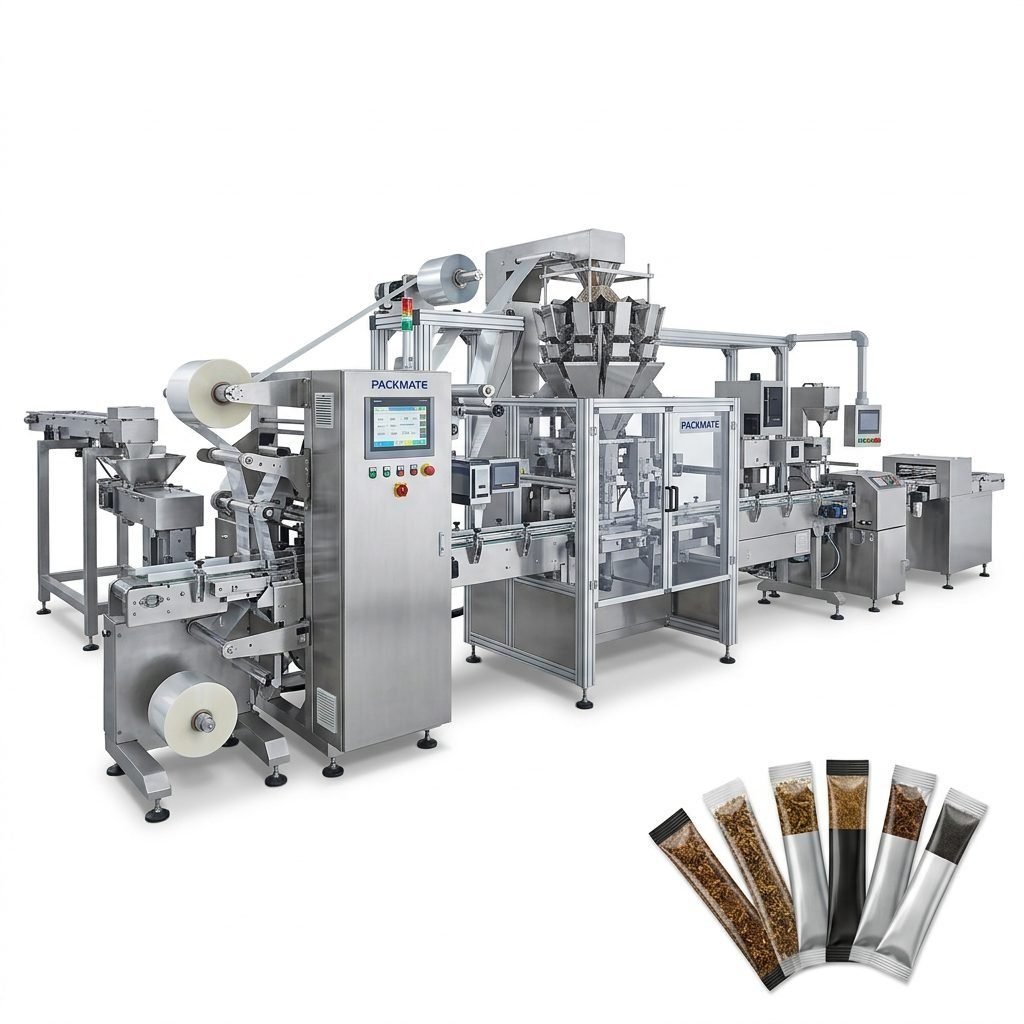
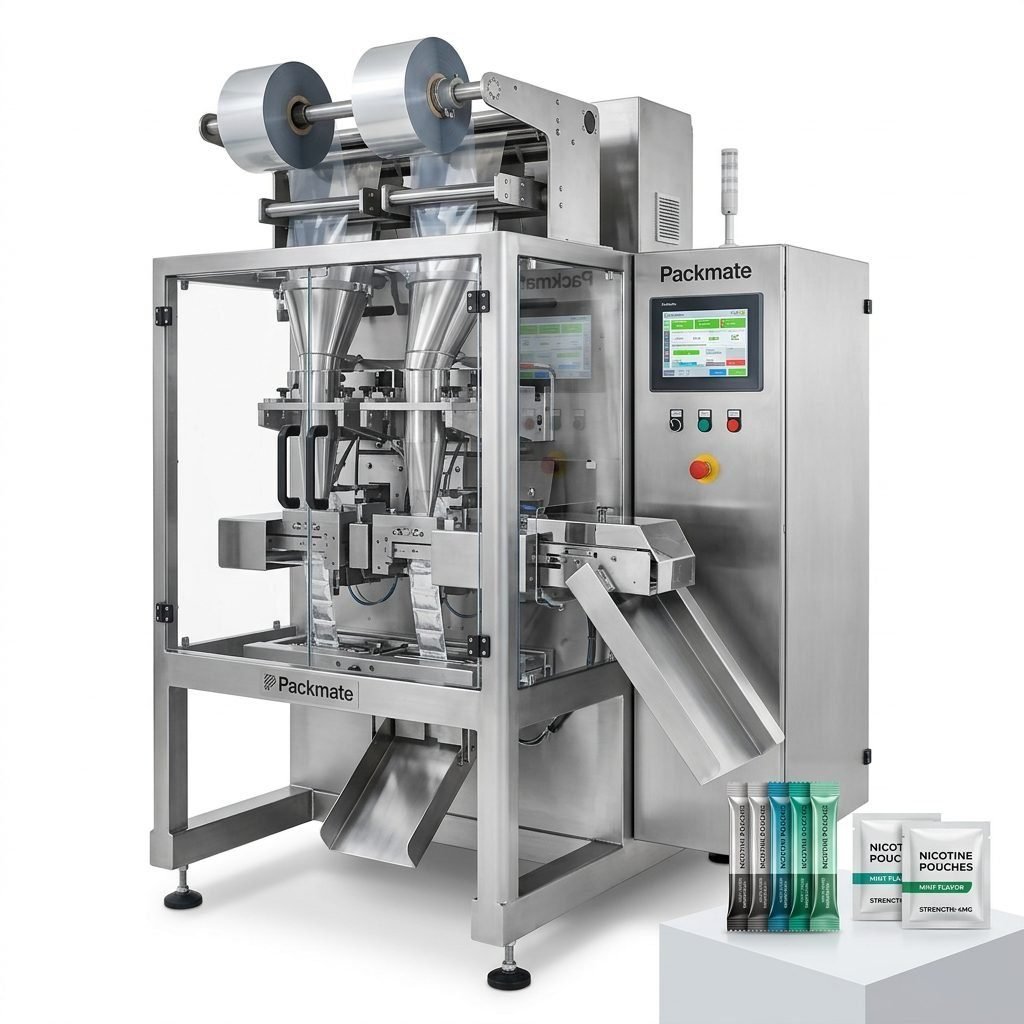
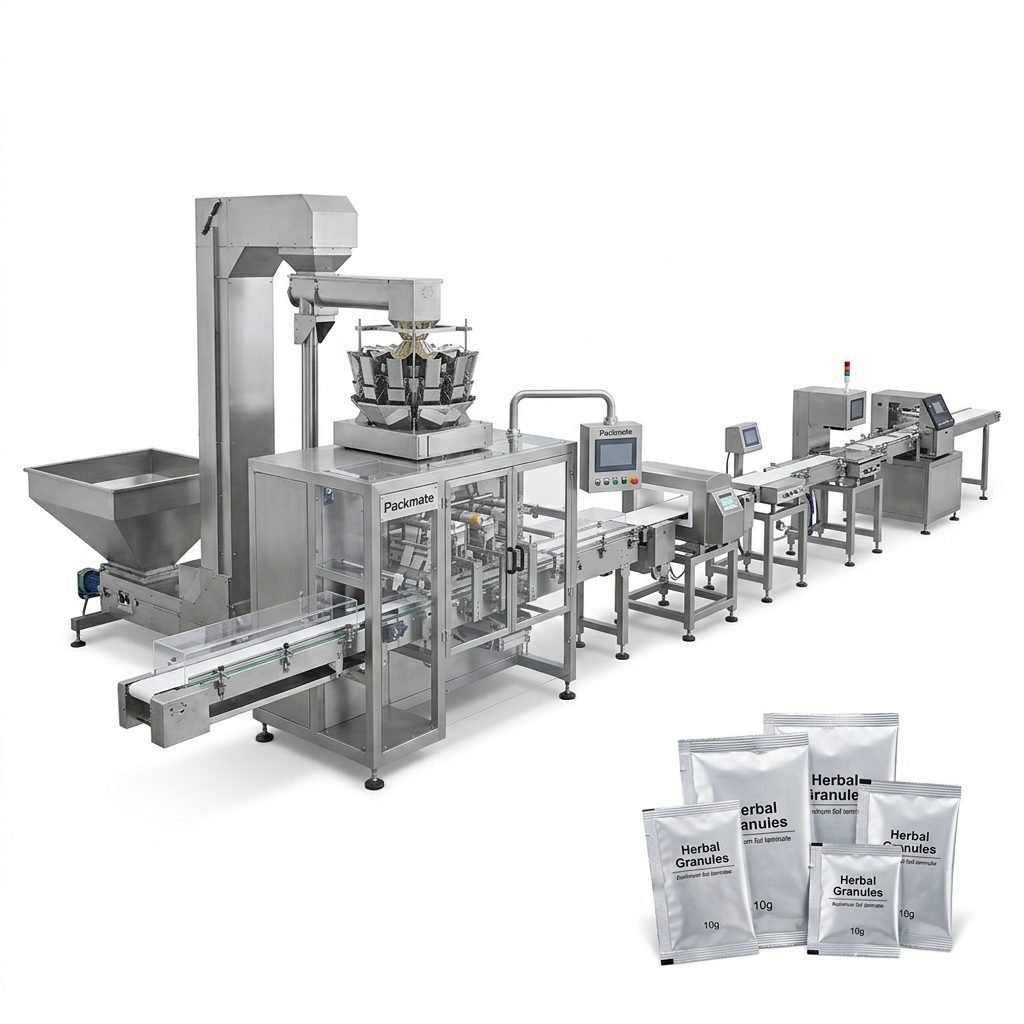
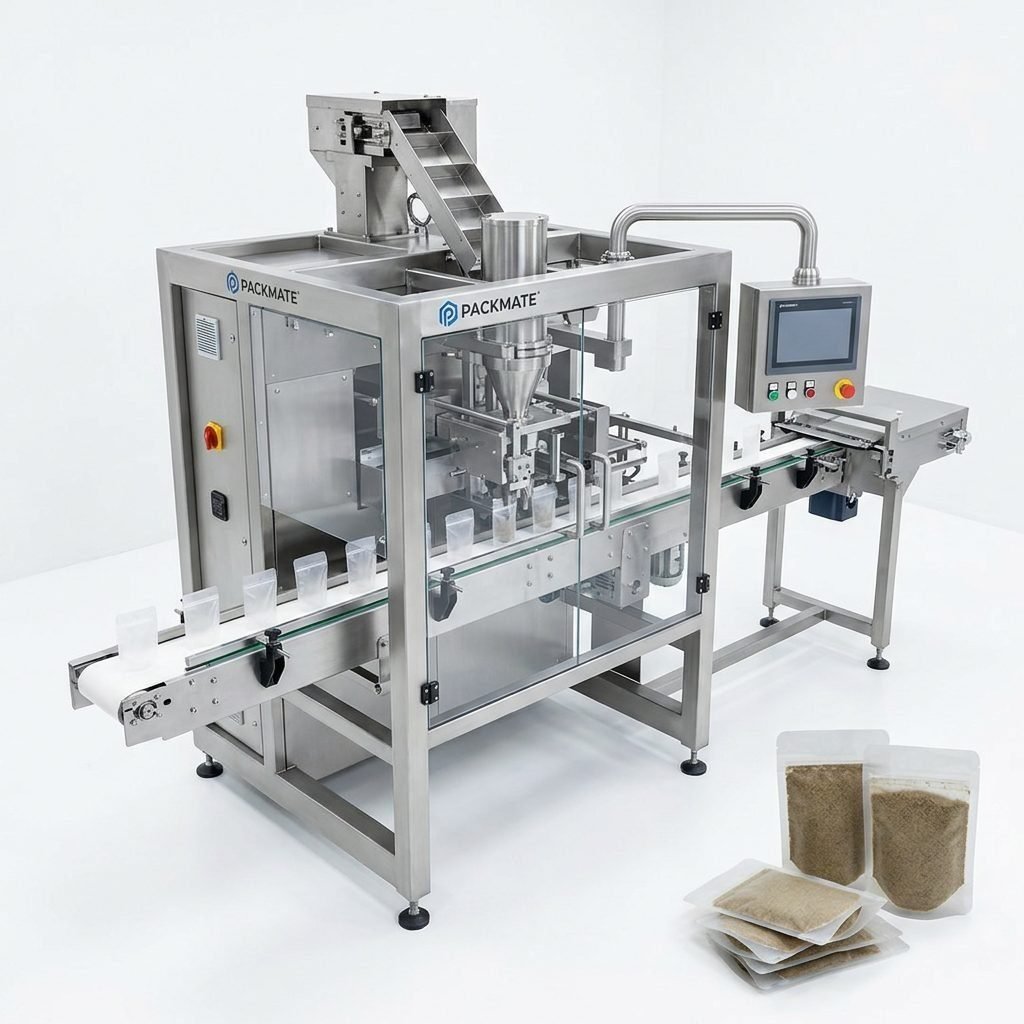
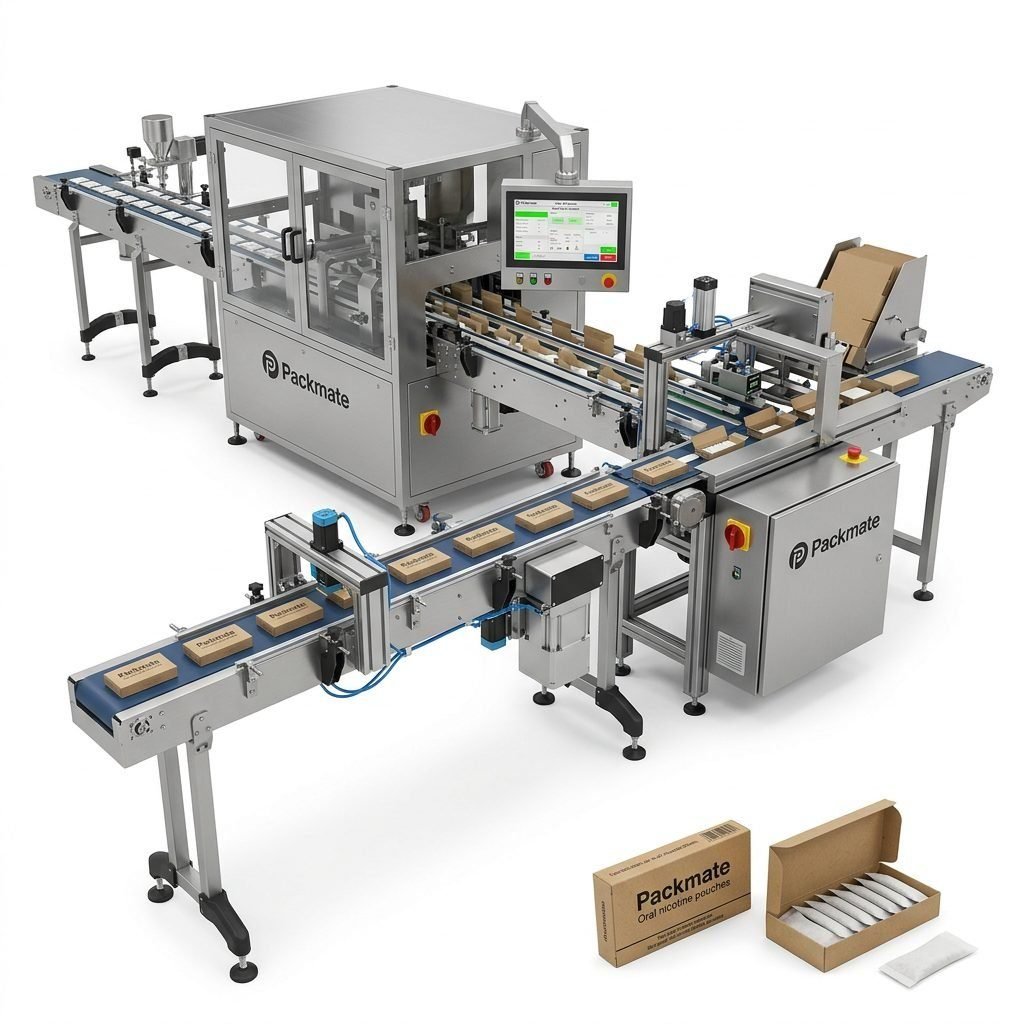
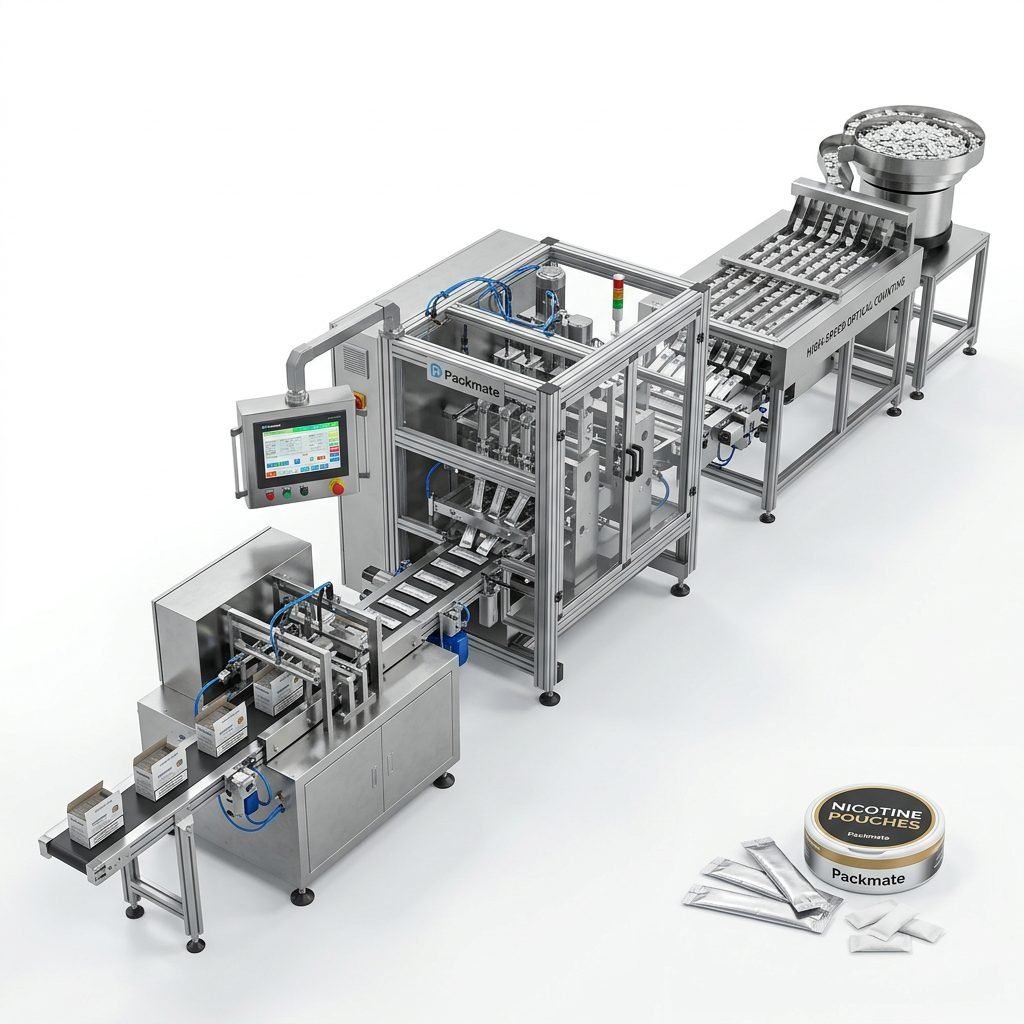
In Samoa’s close-knit markets and island supply chains, choosing the right snus packaging machinery supplier is more than a purchase — it’s a partnership that affects product quality, regulatory compliance, and long-term business continuity. This guide walks you through practical selection criteria, buying tips, and Samoa-specific considerations so your nicotine pouch or snus brand can thrive in Pacific island conditions.
Why the Supplier Choice Matters
Selecting a supplier determines machine uptime, the consistency of each pouch, and how quickly you recover from technical issues. For island businesses, supplier reliability impacts import schedules and inventory planning. A reputable supplier not only delivers equipment but also provides documentation, spare parts, and training — essentials for small production environments in Samoa where technical resources can be limited.
Key performance factors to prioritize
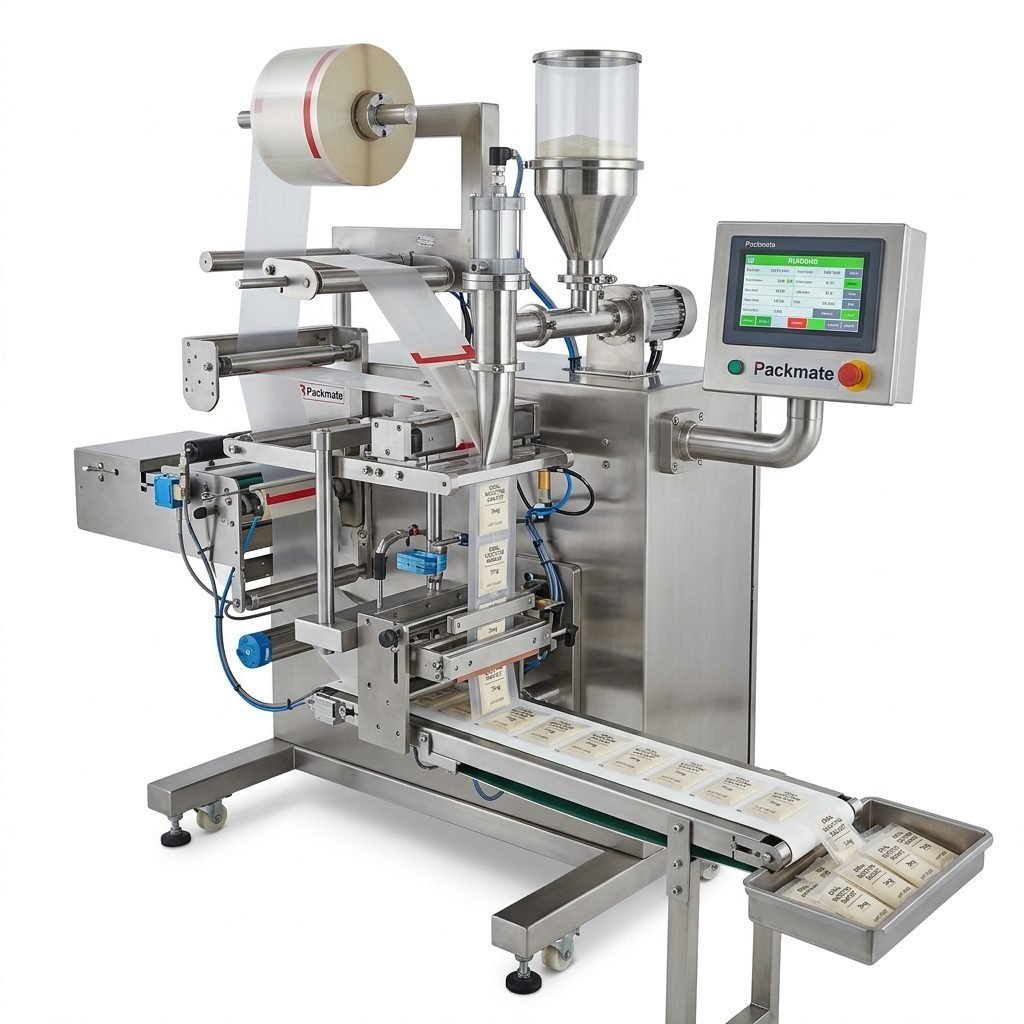
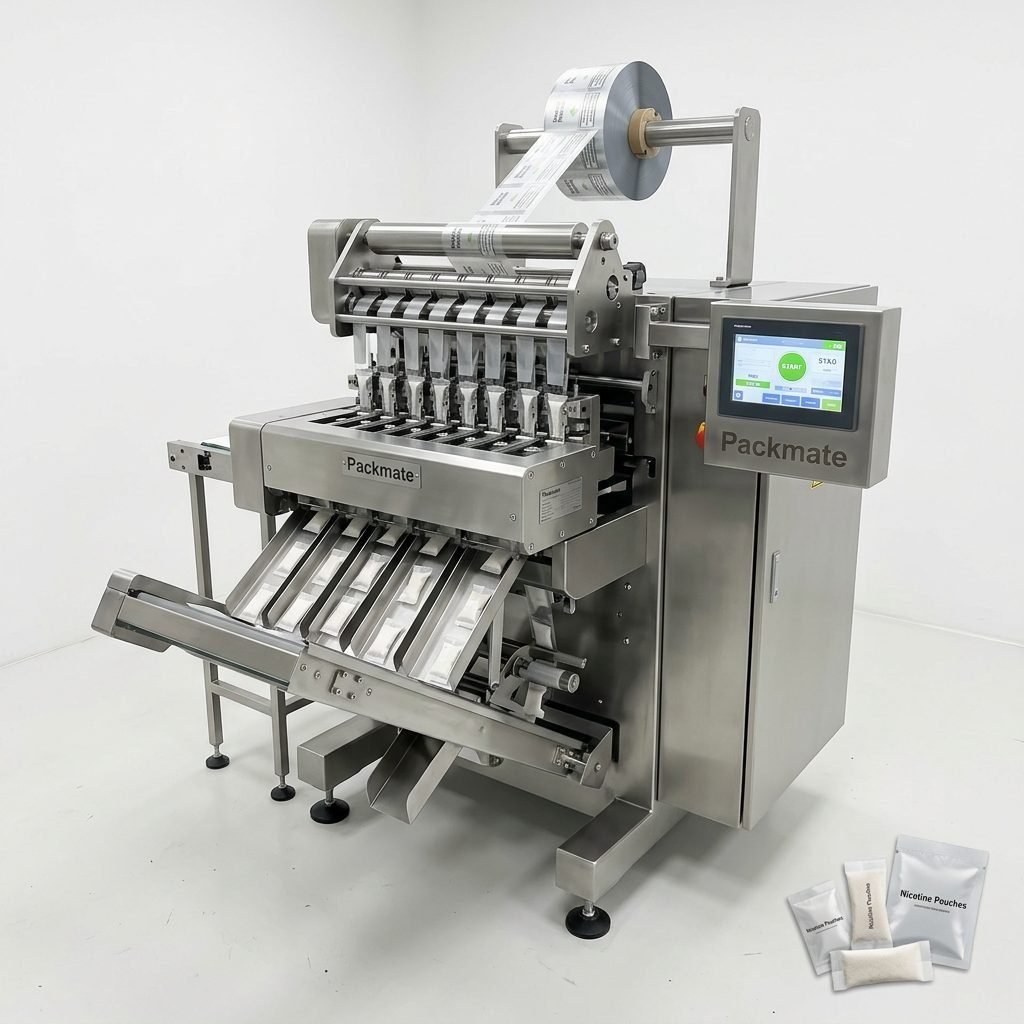
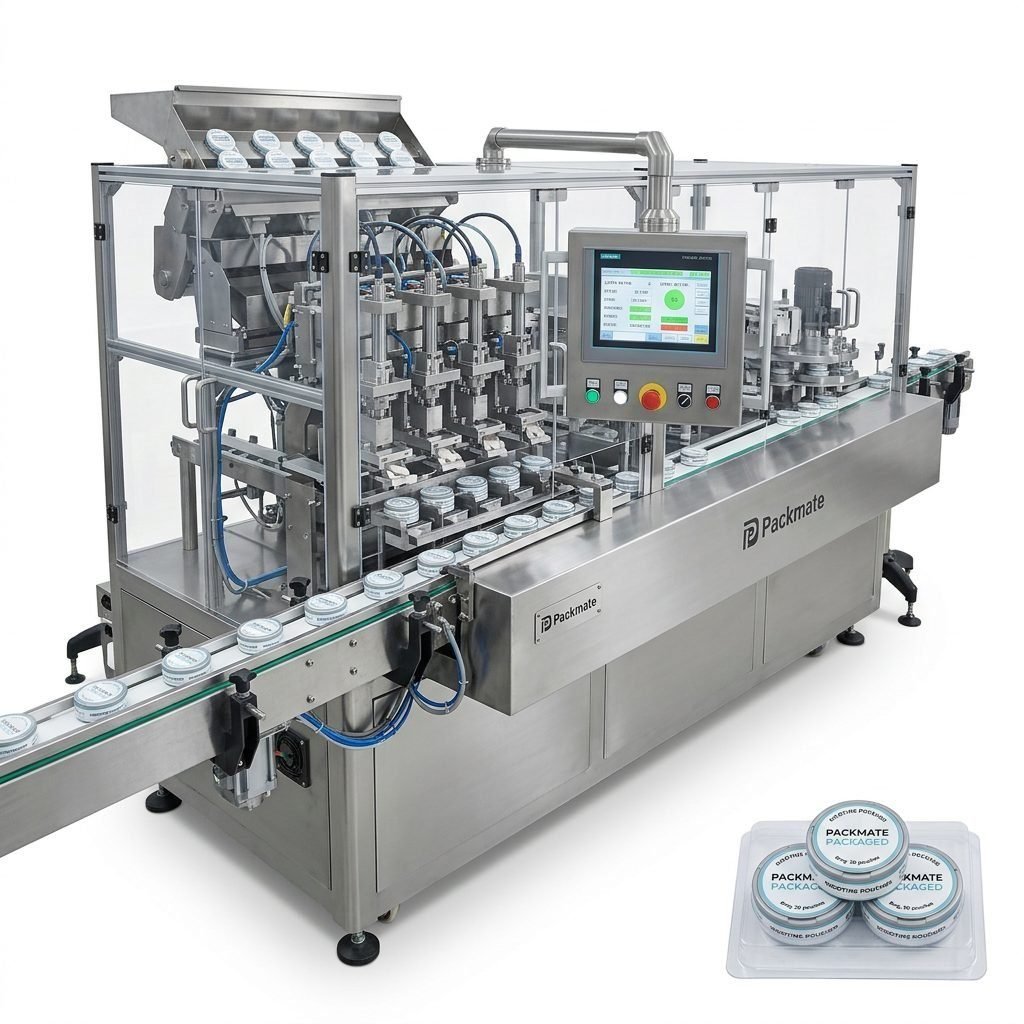
Look for machines that offer consistent fill accuracy, stable sealing (important in humid climates), and scalable throughput. Multi-lane systems or modular lines can help small producers expand without replacing the whole line. For proven options, review dedicated product categories such as
Snus & Nicotine Packaging Machines and
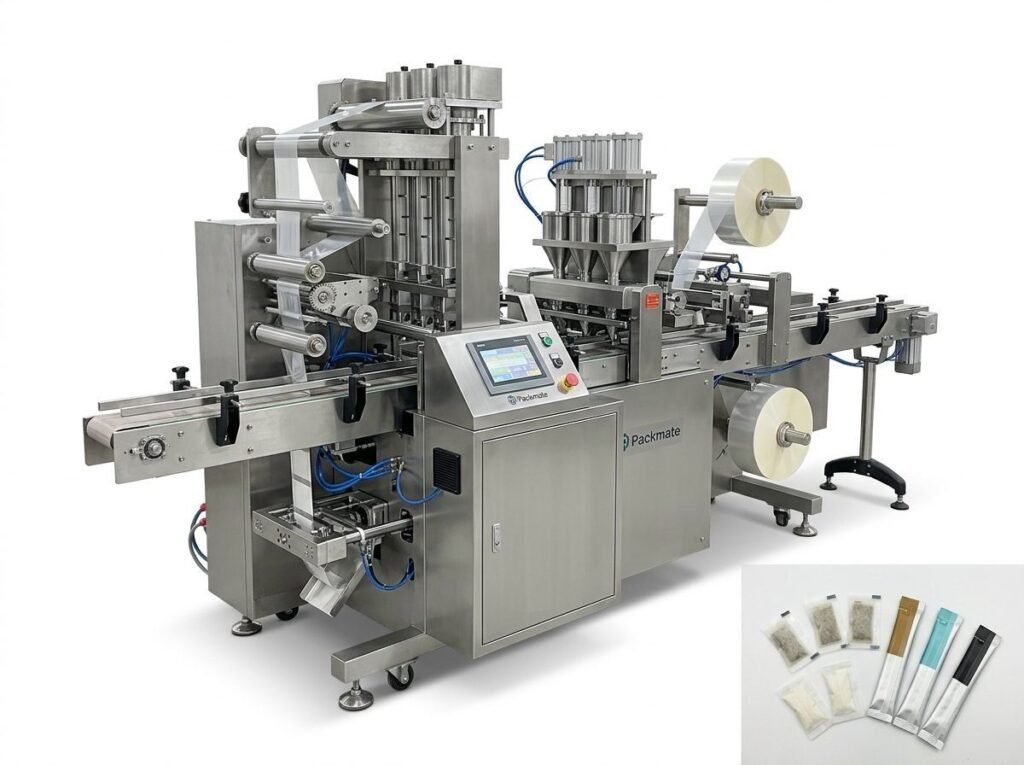
Bag & Pouch Packaging Machines.
🔍 Quick tip: Ask for machine performance data (OEE, fill accuracy, rejection rates) and sample pouches made on the exact line model you will buy.
Top Criteria When Evaluating Suppliers
1. Compliance, certifications and documentation
Ensure the supplier’s equipment meets international standards (CE, ISO) and that they provide full technical documentation, electrical drawings, and validation data. In Samoa, customs and health authorities may request compliance evidence during import clearance — having certificates ready speeds approvals and reduces delays.
2. After-sales service & spare parts availability
For island operations, fast access to spare parts and responsive remote technical support are critical. Confirm lead times for consumables and critical components. Reputable suppliers will offer spare-part kits and remote troubleshooting tools (video calls, annotated photos, remote PLC access).
⚠️ Important: Verify whether the supplier stocks spare parts in nearby warehouses or offers air-shipping options to Samoa to avoid long downtime.
3. Customization and flexibility
Your packaging design, materials, and pouch sizes should guide the choice of machinery. Seek suppliers that can adapt forming tools, dosing systems, and sealing parameters to your requirements. A supplier experienced with nicotine pouches and snus will understand small-dose accuracy and delicate seal profiles.
4. Total cost of ownership (TCO)
Evaluate TCO, including energy consumption, maintenance intervals, tooling costs, and expected lifespan. Lower upfront prices can be offset by higher running costs. Request a comparative breakdown to understand long-term expenses.
5. Proven track record and references
Ask for case studies and references from customers in similar markets or climates. Suppliers who export to remote regions or islands are more likely to understand shipping, customs, and installation challenges. See real-world examples in supplier portfolios such as their Case pages.
Buying Tips: From Quotes to Installation
Follow a structured buying process to reduce risk and ensure alignment with your production goals.
Request detailed quotations
Ask for itemized quotes covering machine costs, tooling, electrical packages, commissioning, training, warranty, and spare parts kits. Clarify incoterms (FOB, CIF, DDP) — for Samoa, DDP (delivered duty paid) can reduce customs surprises but may be more expensive.
Factory acceptance testing (FAT) & samples
Perform FAT or request a trial run with your exact materials. A supplier should produce sample pouches and provide video of long-run tests. Samples help validate seal integrity, pouch presentation, and packaging speed.
✅ Buyer action: Require FAT videos and at least one set of produced sample pouches for approval before shipment.
Installation, training and commissioning
Confirm whether on-site installation and operator training are included. For Samoa, remote training sessions supported by clear manuals and spare-part lists can help bridge time-zone gaps. Ask for a commissioning plan with timeline and KPIs to accept the line formally.
Warranty, service contracts and upgrades
Negotiate warranty terms and consider extended service contracts that include preventive maintenance visits or bundled spare parts. Also check the supplier’s roadmap for machine upgrades and whether retrofits are available to increase speed or add new formats.
Samoa-Specific Considerations
Samoa has unique operational factors you should incorporate into procurement and planning:
Shipping & import logistics
Sea freight schedules to Apia can be infrequent. Work with suppliers experienced in shipping to Pacific islands, and plan for additional lead time. Clarify packaging for long sea voyages — corrosion-resistant packing and desiccants help protect machines from humidity and salt air.
Climate and production environment
Samoa’s humid tropical climate increases the risk of corrosion and affects hygroscopic materials. Choose seals and materials that tolerate humidity, and plan for climate control in the packing area when possible. Machines with stainless-steel contact parts and sealed electrical enclosures are preferable.
Local market and cultural sensitivity
Samoa is conservative and community-oriented. Packaging designs should be respectful of local culture and labeling must comply with Samoa’s health and advertising norms. Discuss label language (English and Samoan) and pack sizes that match local buying habits — smaller packs may sell better in island markets.
Supplier Vetting Checklist
📋 Documentation — CE/ISO certificates, FAT reports, electrical schematics
🔧 Support — Spare parts lead times, remote support availability
🧩 Flexibility — Custom tooling, multi-format capability
📦 Shipping — Experience with Pacific routes, packaging for humidity
💬 References — Similar installations and customer feedback
Why consider Packmate / Experienced Manufacturers
Manufacturers with decades of experience in snus and nicotine pouch equipment bring validated designs, robust multi-lane systems for small-dose pouches, and global after-sales structures. Explore supplier profiles and offerings such as their About Packmate page to learn about manufacturing capacity, certifications, and turnkey solutions.
If you want examples of full packaging lines, check product categories like Sachet & Stick Pack Machines and Weighing & Packaging Systems. These resources help you match production capacity to your target markets.
Negotiation & Contract Tips
Clarify acceptance criteria, warranty exclusions, shipping responsibilities, and training scope in the contract. Include clear KPIs for machine performance and an agreed acceptance test. For island shipments, include a clause for assistance with customs paperwork to prevent unexpected detentions.
Payment and financing
Consider staged payments tied to milestones (FAT, shipment, commissioning). Some suppliers offer financing or leasing. Discuss retention on final payment until successful commissioning to ensure full delivery of promised services.
Practical Next Steps for Samoan Buyers
Start with a shortlist of 2–4 reputable suppliers, request detailed quotes and FAT videos, and confirm spare parts availability. If possible, arrange remote machine walkthroughs and ask for customer references in similar climates. When you are ready to proceed, request a clear shipping and installation plan tailored to Samoa.
📞 Contact help: Use supplier contact pages to request tailored quotations and support plans — for example, visit the supplier’s Contact Us page.
Final checklist before placing the order
– Confirm FAT results and obtain sample pouches.
– Verify certificates and export documentation requirements for Samoa.
– Agree on spare parts kits and shipping method.
– Schedule training and commissioning dates that factor in sea freight timelines.
– Establish warranty and escalation procedures.
Common Questions (FAQs)
Q1: How important is FAT when buying snus packaging machines?
A: FAT is essential — it verifies machine performance with your materials and reduces the risk of on-site surprises.
Q2: What should Samoan buyers watch for in shipping arrangements?
A: Plan for longer sea transit times, ensure anti-corrosion packing, and confirm customs documentation to avoid delays in Apia.
Q3: Are multi-lane systems a good option for small island markets?
A: Yes — multi-lane machines increase throughput while keeping footprint small and allow flexibility for product variations.
Q4: How do I ensure fast service if the supplier is overseas?
A: Secure spare-part kits, remote support agreements, and choose suppliers with regional stock or rapid air-shipping options.