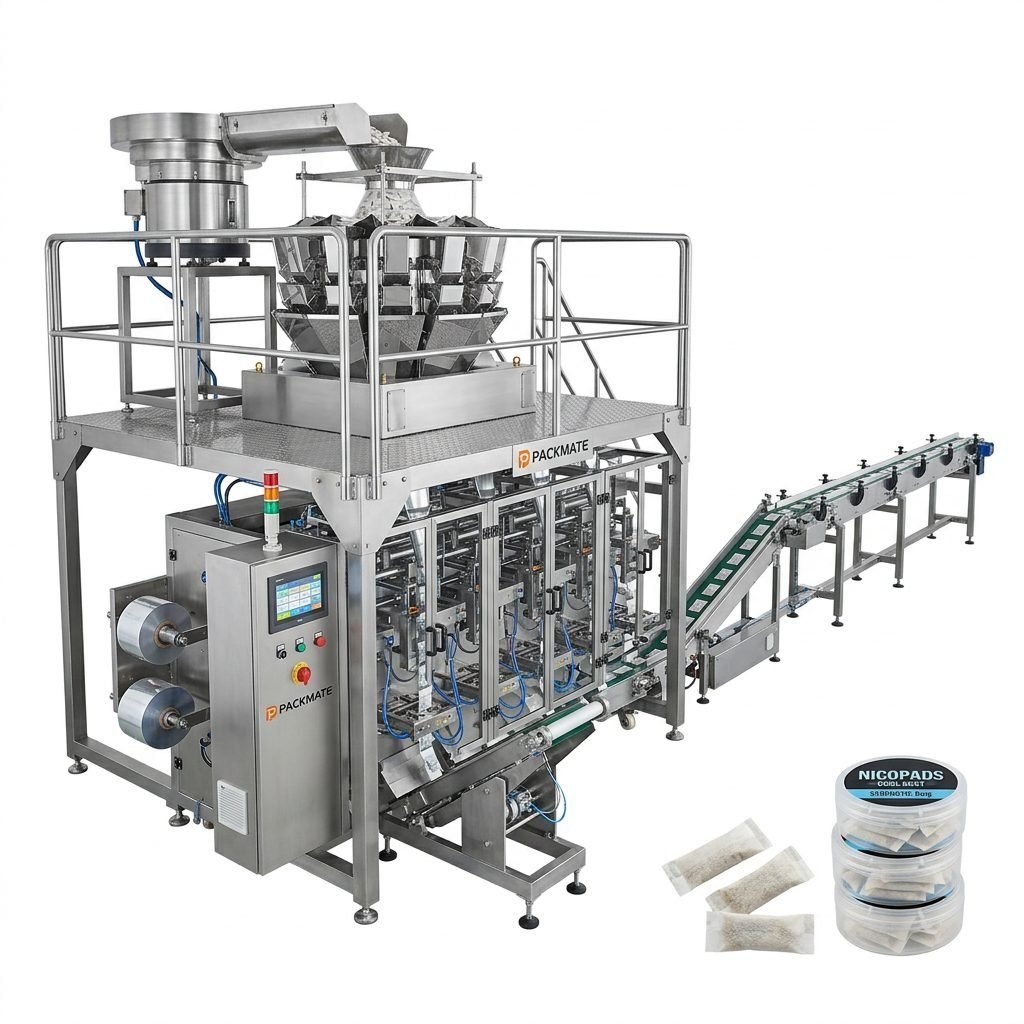
Choosing the right nicotine packaging machinery for a production line in Peru requires balancing regulatory compliance, local market preferences, production capacity, and long-term serviceability. This guide walks you through practical steps to select machines that match Peruvian operating conditions, workforce practices, and market expectations — helping you achieve reliable output for nicotine pouches, snus, and related products.
Understand the Peruvian market and local requirements
Peru has distinct consumer habits and regulatory frameworks. While traditional tobacco products are common, nicotine pouches and snus are gaining attention in urban centers. Manufacturers must prepare packaging that respects local labeling regulations (Spanish language, ingredient lists, and health notices) and account for climate factors such as high humidity in coastal areas and temperature variability in the Andes. These environmental factors affect packaging materials and sealing methods.
Key local considerations
✔️ Spanish labeling — All labels and instructions should be in Spanish for regulatory and market acceptance.
✔️ Moisture control — Consider desiccant integration and high-barrier films due to coastal humidity.
✔️ Power & infrastructure — Verify local power (often 220V/60Hz in Peru), compressed air quality, and factory floor conditions prior to machine selection.
Match machine type to product format and capacity
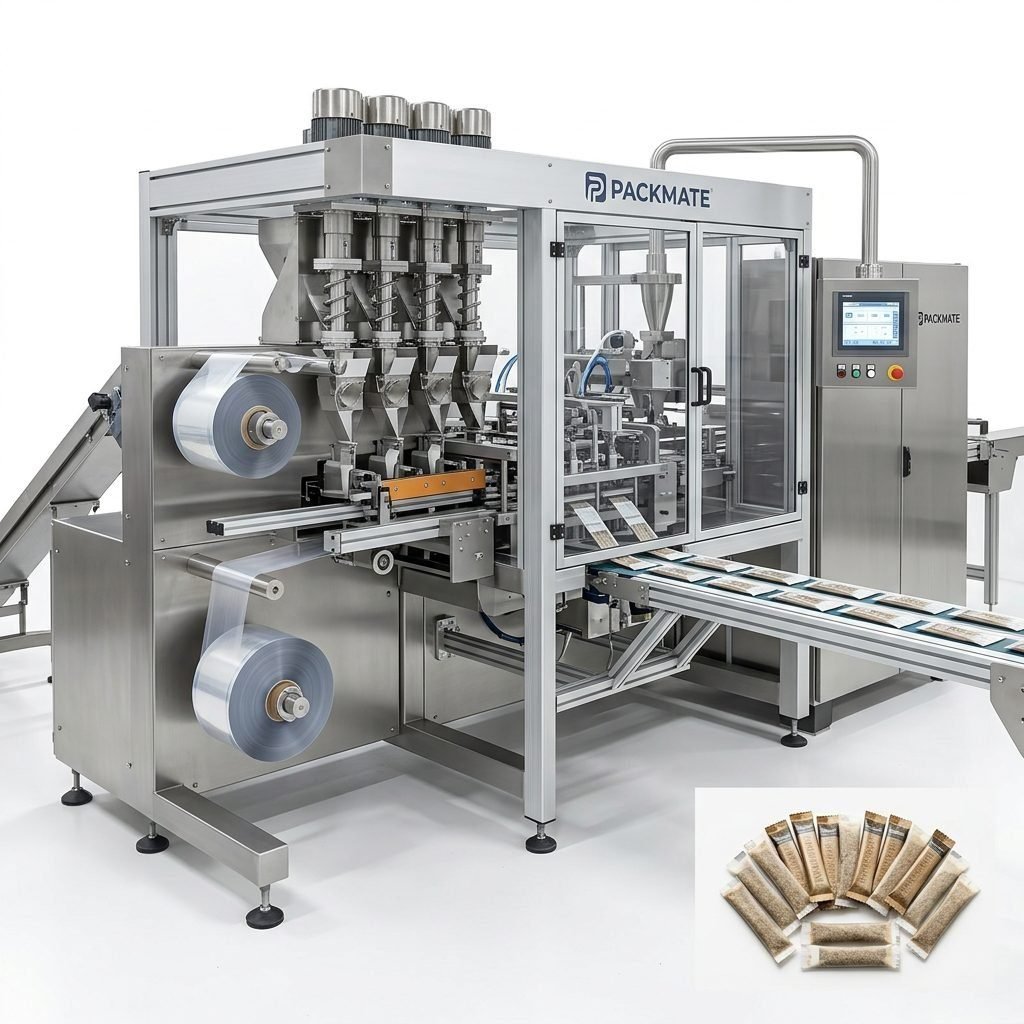
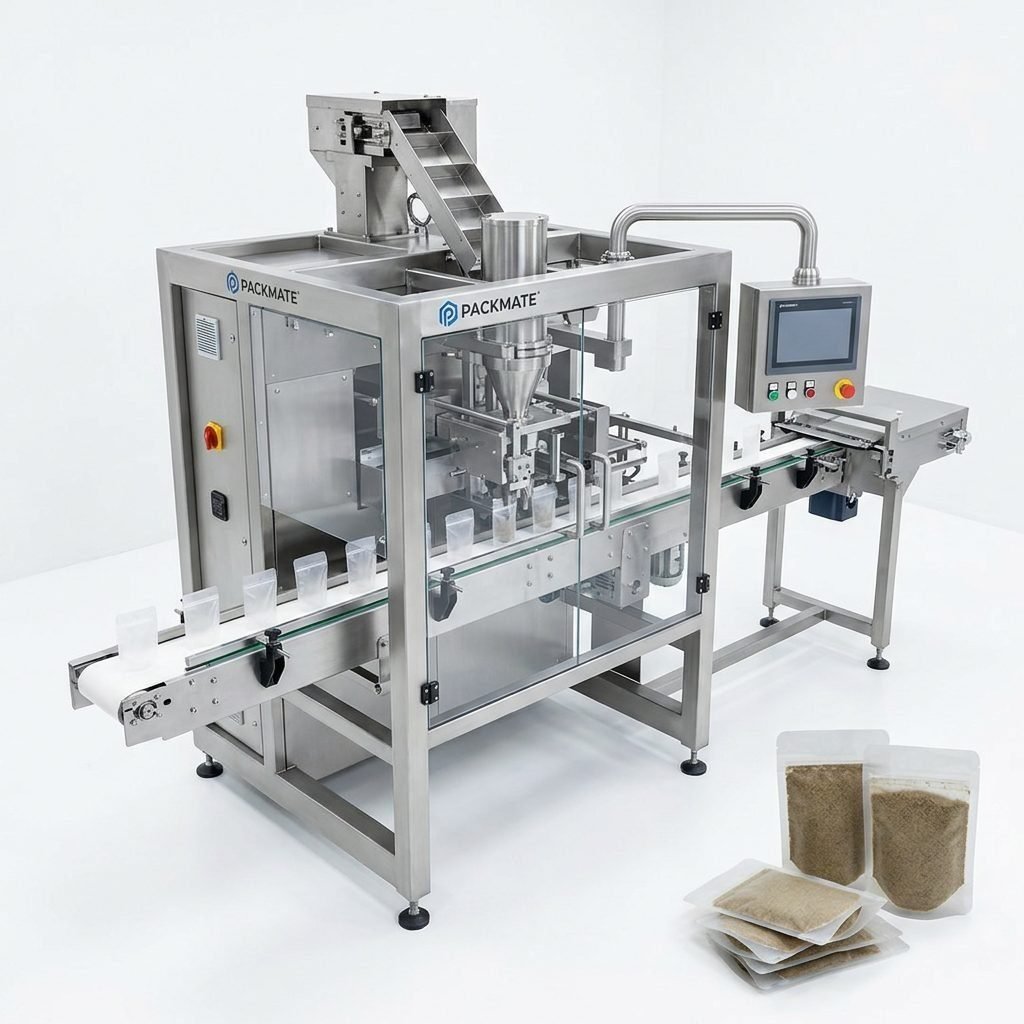
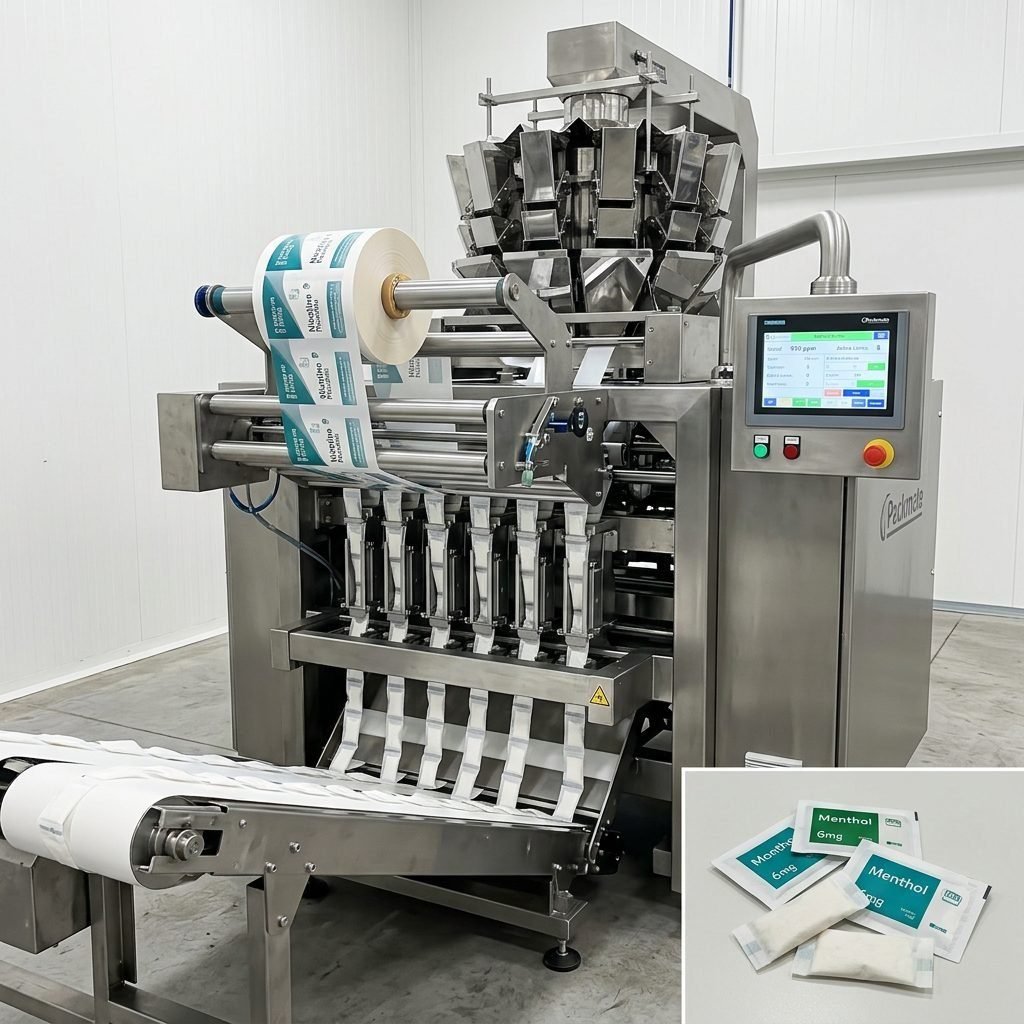
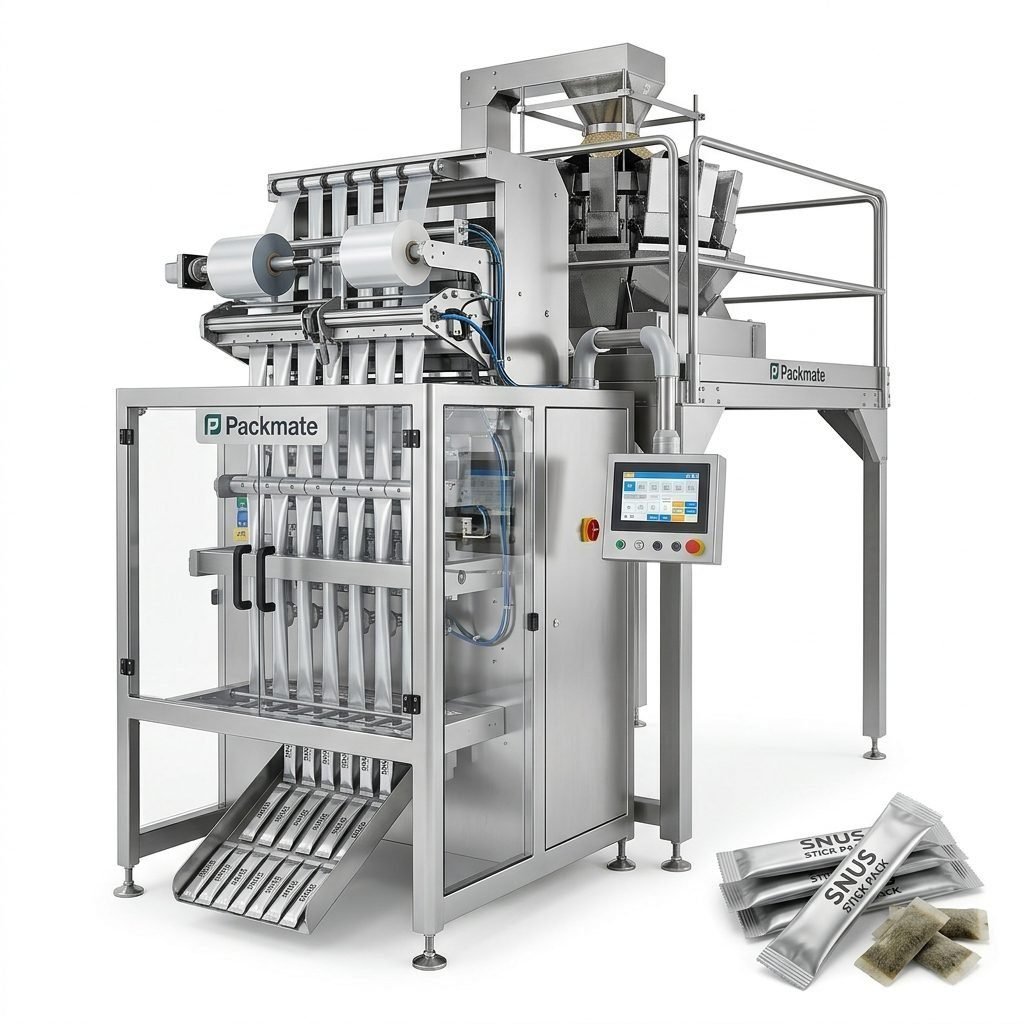
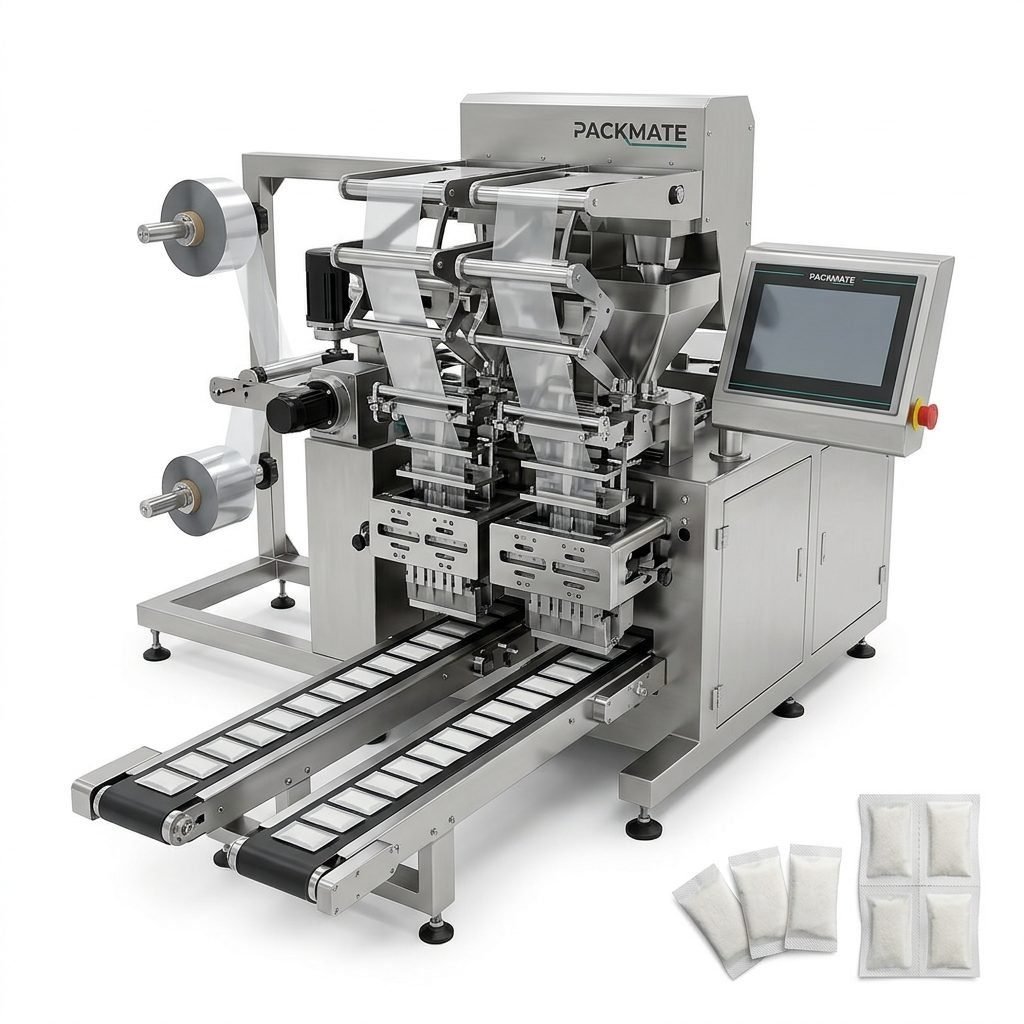
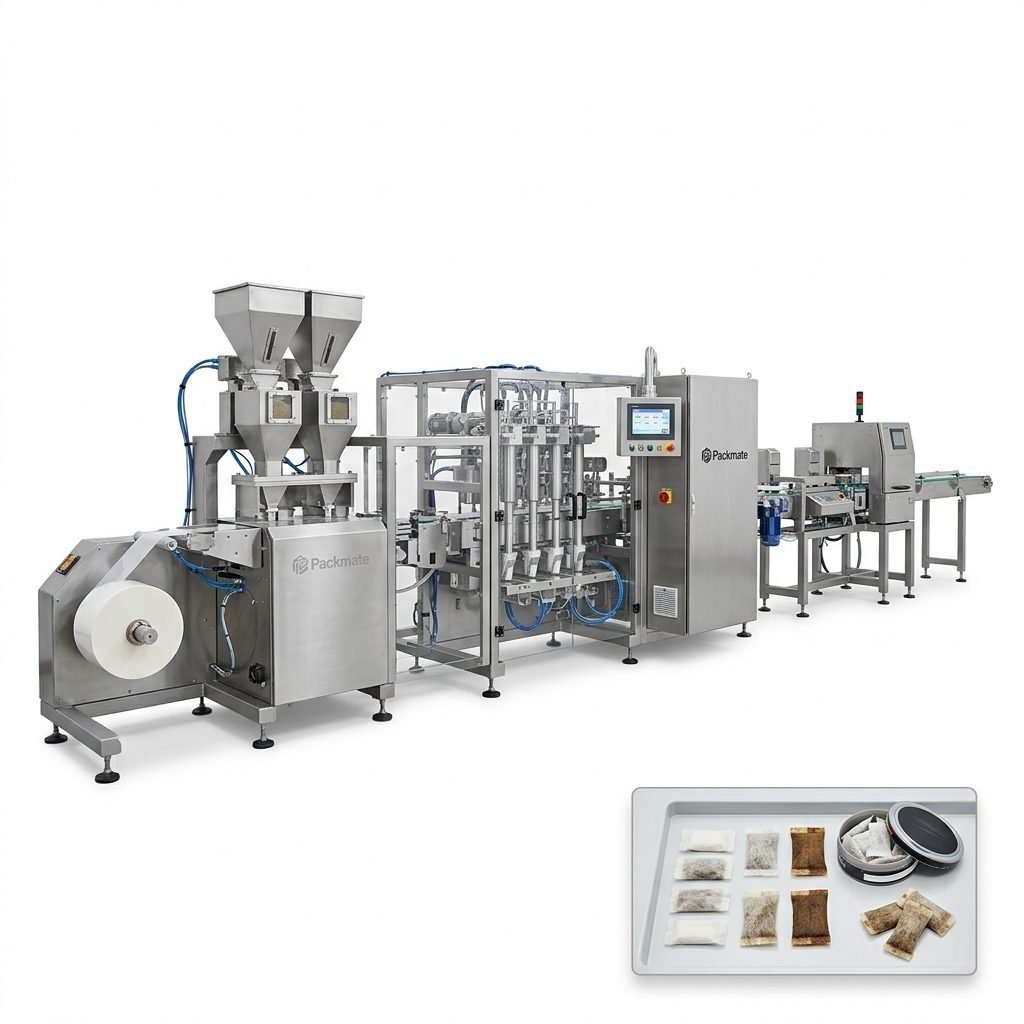
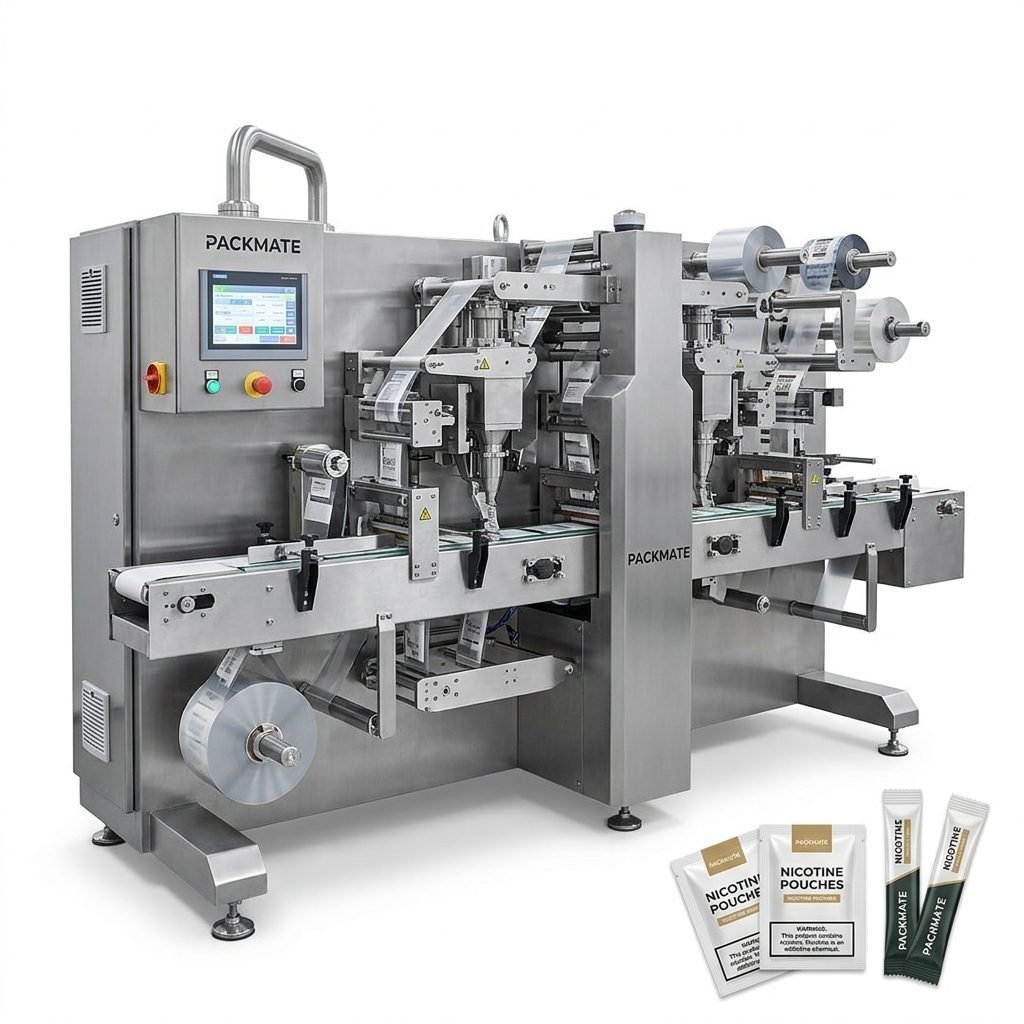
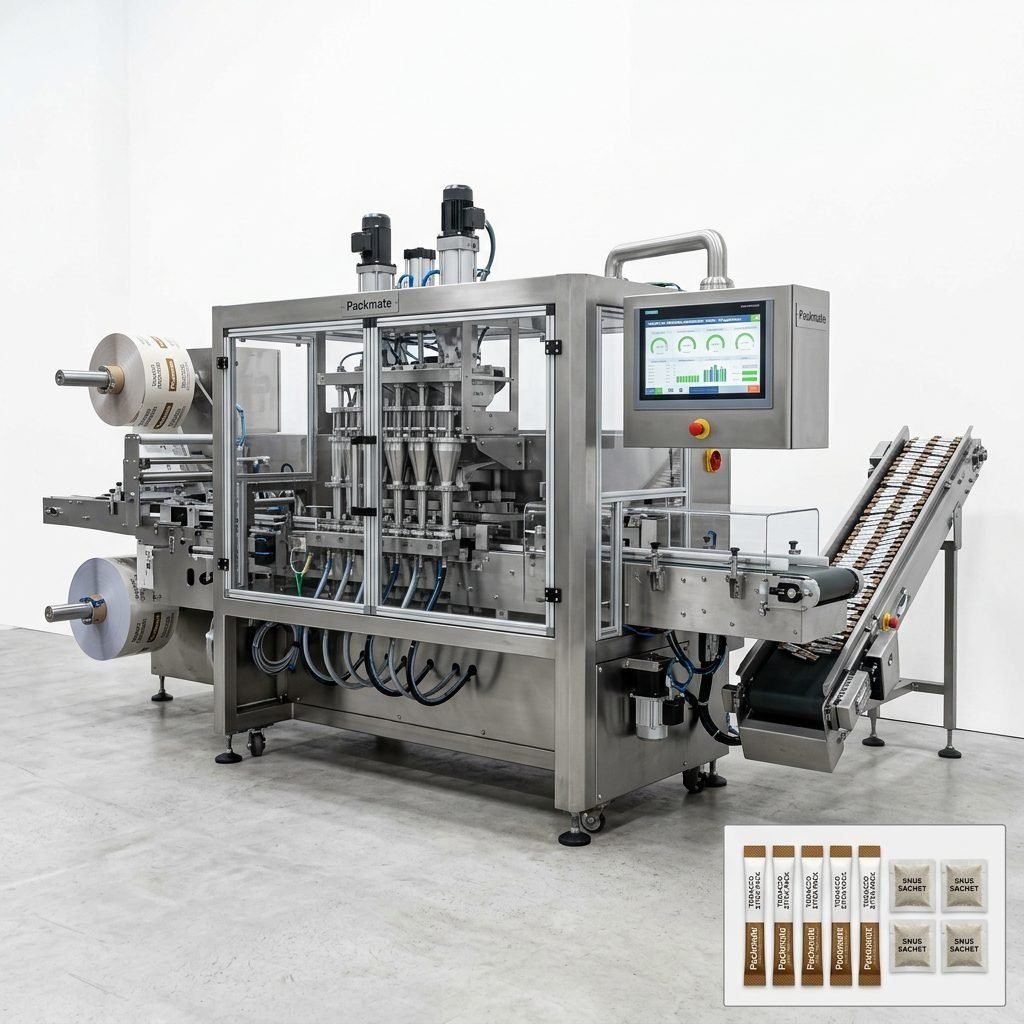
Your product format — single-dose pouches, stick packs, sachets, or multi-lane snus pouches — determines the machine family you need. If you plan to produce a variety of formats over time, prioritize modular systems that allow line reconfiguration. Explore specialized lines such as snus and nicotine packaging machines for high-precision pouch forming, and pouch/bag machines for flexible bag formats.
For detailed machine types and specs, manufacturers offering a wide range of options such as Snus & Nicotine Packaging Machines and Bag & Pouch Packaging Machines are useful starting points.
Prioritize precision dosing and multi-lane efficiency
Nicotine and snus products require precise dosing for consistent product weight and compliance. Look for systems with gravimetric or volumetric dosing accuracy, and multi-lane capabilities if you need higher throughput while maintaining small-dose accuracy. High-speed lines often pair multi-lane forming with synchronized weighing systems for efficiency.
Must-have technical features
⚙️ Servo-driven controls for repeatable motion and faster changeovers.
🔍 High-precision dosing (gravimetric or multi-head weighers) for tight weight tolerances.
🔁 Modular conveyors and infeed to integrate upstream or downstream equipment easily.
Material compatibility and packaging film selection
Packaging films and barrier properties are vital in Peru’s diverse climates. High-barrier laminates, aluminum foil laminates, or metallized films help protect nicotine products from moisture and oxygen. Verify machine sealing temperature ranges and jaw formats to ensure consistent seals on chosen films. For stick packs or sachets, check heat-seal parameters and finishing quality.
Quality, safety certifications, and regulatory compliance
Choose equipment from manufacturers that provide internationally recognized certifications (CE, ISO) and documentation to facilitate customs clearance and local approvals. Machines compliant with hygiene standards and equipped with sanitary finishes will simplify packaging for nicotine products and reduce contamination risks.
After-sales service, spare parts, and local support
In Peru, prompt service and spare parts availability are crucial. Consider suppliers that offer remote troubleshooting, on-site commissioning, operator training, and a reliable parts supply chain. Companies that showcase a global presence and exhibition history often maintain spare-part logistics for international clients.
Learn more about a manufacturer’s global reach and credentials on their About Packmate page and check case studies to verify performance in similar markets: Case.
Factory capabilities and customization options
Assess the supplier’s manufacturing capacity, CNC capabilities, and the variety of models available. If you need turnkey solutions that include filling, weighing, and secondary packaging, look for suppliers with multi-disciplinary experience. Packmate-like manufacturers advertise extensive factory areas, precision assembly lines, and over 50 machine models to support customization.
Site planning and integration in Peruvian plants
Prepare a detailed plant layout: consider product flow, clean zones, maintenance access, electrical feeds, compressed air and vacuum requirements. When installing in Peru, factor in local workforce skills — many Peruvian operators appreciate clear visual interfaces, Spanish-language HMI options, and thorough hands-on training.
📦 Turnkey readiness — Confirm if the supplier can provide filling, weighing, sealing, and secondary packaging as a single line.
🧰 Spare parts kit — Request a starter kit for critical wear parts and recommended spare inventories.
Total cost of ownership and financing
Evaluate not only the purchase price but also installation, commissioning, training, spare parts, and energy consumption. Some suppliers provide financing or leasing options, and attending industry exhibitions can offer promotional pricing and easier comparisons. If you need vendor contact or quotations, consider reaching out via a manufacturer’s contact page for local arrangements: Contact Us.
Practical selection checklist
1. Define product formats and expected daily output.
2. Verify material compatibility and sealing requirements.
3. Confirm dosing accuracy and multi-lane needs.
4. Check certifications (CE, ISO) and hygiene design.
5. Review after-sales service, spare parts lead times, and training options.
6. Request references and live demonstrations at exhibitions or video demos — see Our Exhibition.
Why choose an experienced manufacturer?
Long-standing manufacturers bring robust engineering, proven multi-lane systems, and global service networks. A supplier with decades of experience and a wide product range can help you scale from pilot production to full-scale lines, offering turnkey options such as Weighing & Packaging Systems and Filling & Packaging Lines.
Operational tips for Peruvian production teams
Train operators in preventive maintenance and cleaning routines adapted to local climate conditions. Provide Spanish operation manuals and HMI language settings where possible. In coastal regions prioritize moisture monitoring and routine checks of seals; in high-altitude inland sites, ensure compressors and pneumatics are tuned for pressure variations.
Next steps: evaluation and procurement
Prepare an RFP outlining product specs, expected outputs, available utilities, and service expectations. Request site-specific references and on-site commissioning plans. Consider visiting an exhibition or the supplier’s factory for live demos and to verify build quality — many vendors list exhibitions and catalogs online for review.
Helpful resources
For model comparisons and technical catalogs, check a supplier’s product sections such as Sachet & Stick Pack Machines and Auxiliary Packaging Equipment.
Summary
• Match machine type to your pouch format and throughput.
• Prioritize dosing accuracy, multi-lane capability, and material compatibility.
• Ensure certifications, spare parts access, and local-language support for Peruvian operations.
• Evaluate total cost of ownership and verify vendor references and factory capabilities before purchase.
Frequently Asked Questions
Q1: What machine type is best for nicotine pouches in small batches?
For small-batch production, choose modular, single-lane pouch or stick-pack machines with quick changeovers and precise dosing. These systems reduce waste and allow flexible runs while maintaining product consistency.
Q2: How do climate conditions in Peru affect packaging choices?
Coastal humidity and inland temperature swings can degrade product quality; use high-barrier films and consider desiccant systems. Machines must provide consistent seals across different film types to ensure shelf life.
Q3: What certifications should I request from machine suppliers?
Ask for CE and ISO documentation, sanitary design certifications if applicable, electrical schematics compatible with Peruvian standards, and test reports for dosing accuracy.
Q4: How important is local language support in Peru?
Very important — Spanish manuals, operator training, and HMI language options reduce downtime and accelerate operator adoption. Confirm training plans during procurement.
Q5: Where can I see live demonstrations or request catalogs?
Visit manufacturer exhibition pages and catalogs for demos and detailed specs. Many suppliers provide online catalogs and exhibition schedules — check their catalog and exhibition pages before planning visits.