Choosing the right snus packaging machinery manufacturer for your factory in Côte d’Ivoire is more than a technical decision — it is a strategic investment that affects product quality, production efficiency, regulatory compliance, and your long-term business relationships. This guide walks you through the practical steps, local considerations, and supplier evaluation criteria you need to select the best partner for snus and nicotine pouch packaging lines in the Ivorian market.
Understand Your Factory’s Requirements
Before reaching out to manufacturers, map out your production targets and product formats. Ask yourself:
✓ What is your expected daily throughput (pouches per minute / per hour)?
✓ Which pouch types will you produce (single-dose snus pouch, stick packs, sachets)?
✓ Do you need multi-lane systems for small-dose pouches or a single-lane high-speed line?
✓ What are your space, power, and utility constraints at the factory location?
Accurately defining these requirements will help you narrow down manufacturers that specialize in the right categories, such as snus pouch lines, sachet & stick pack machines, or multi-lane nicotine pouch systems.
Match Machine Types to Product Types
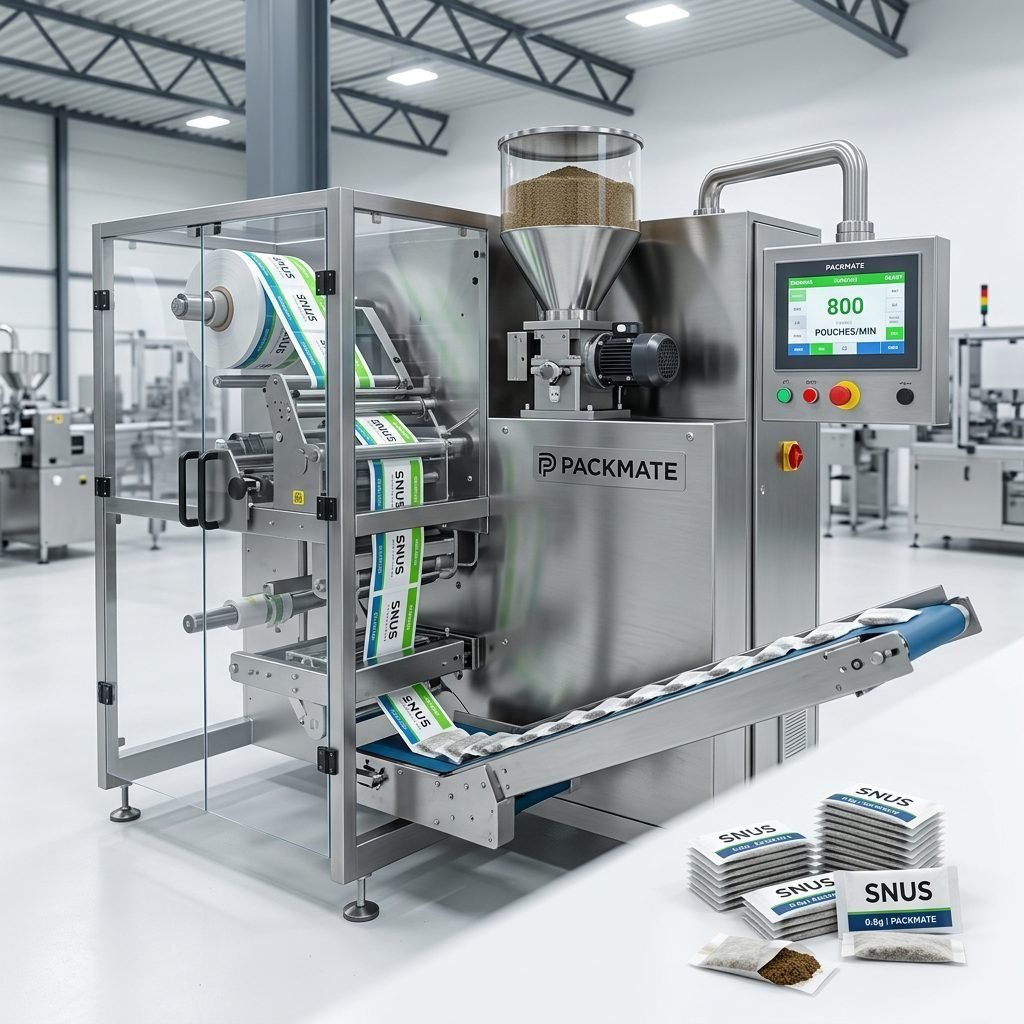
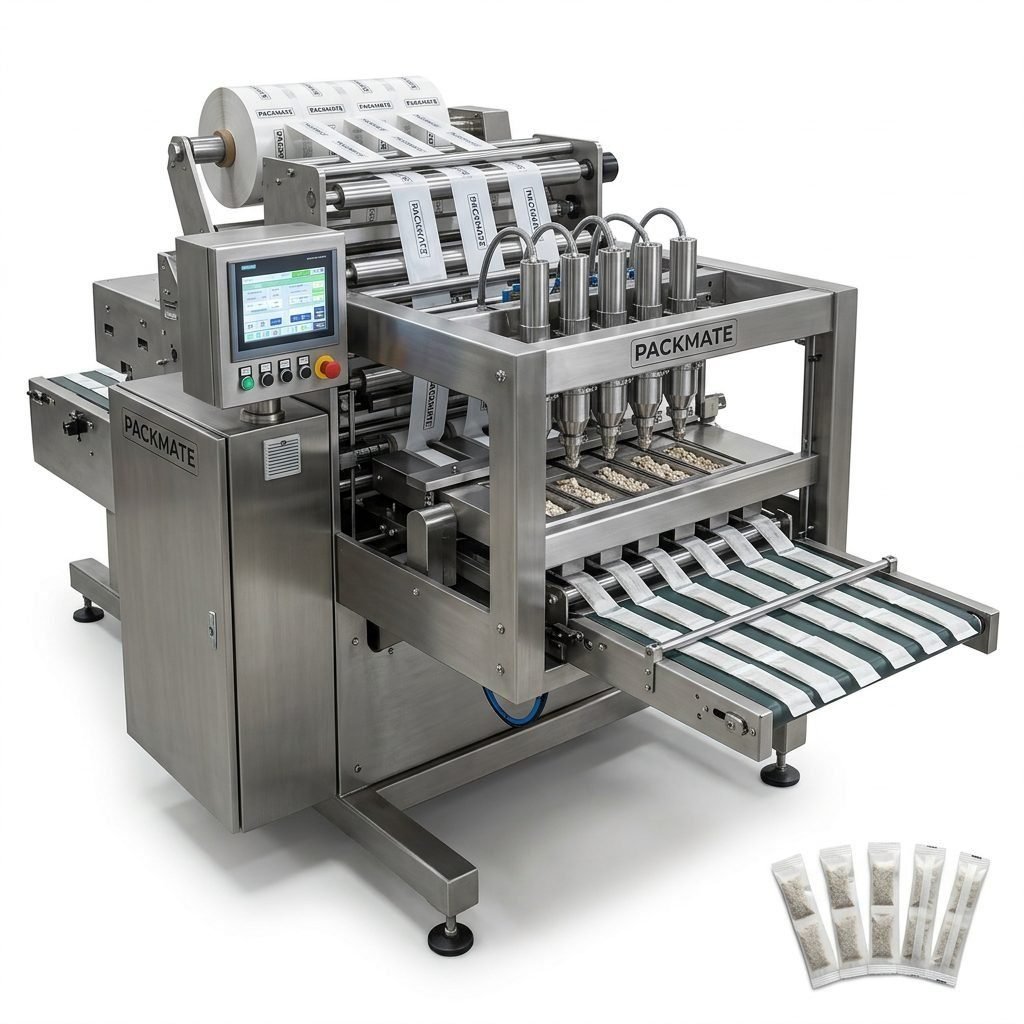
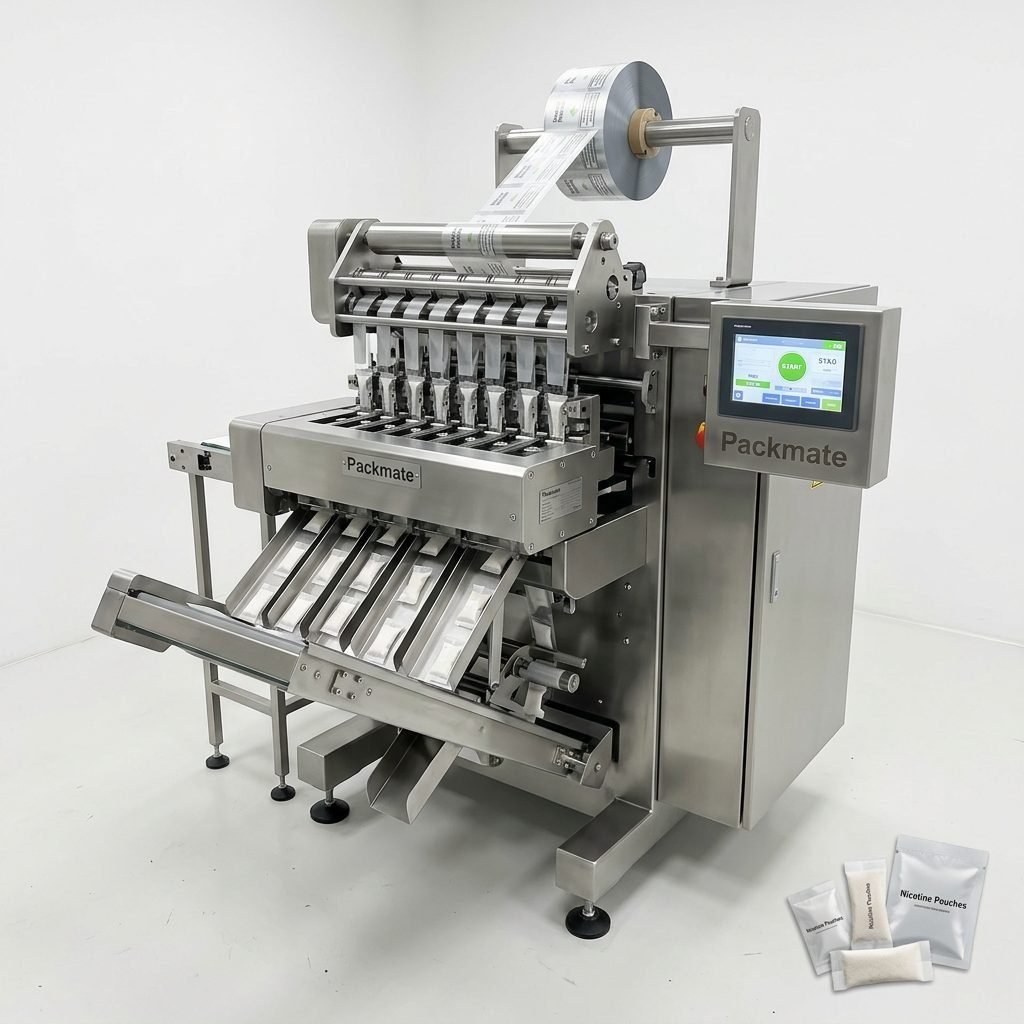
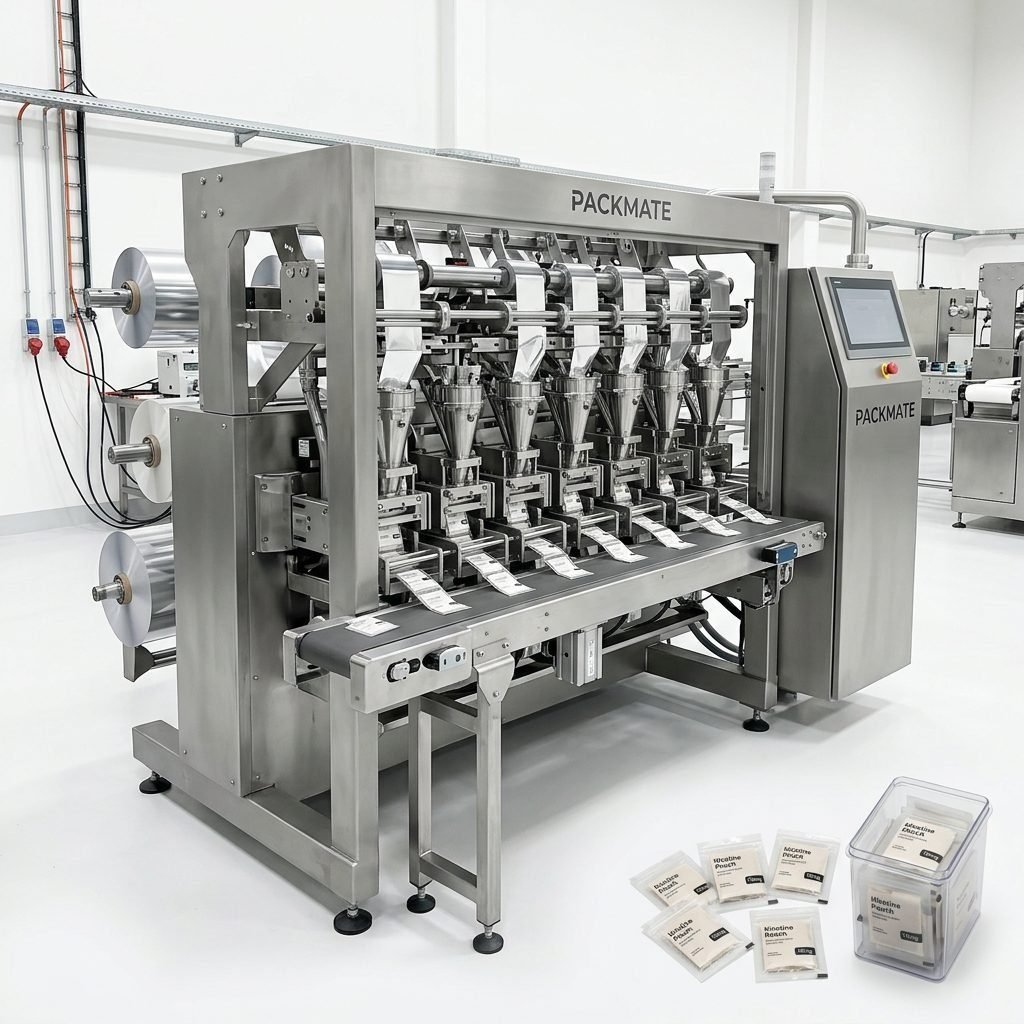
Not all packaging machines are created equal. For nicotine pouches and snus, consider:
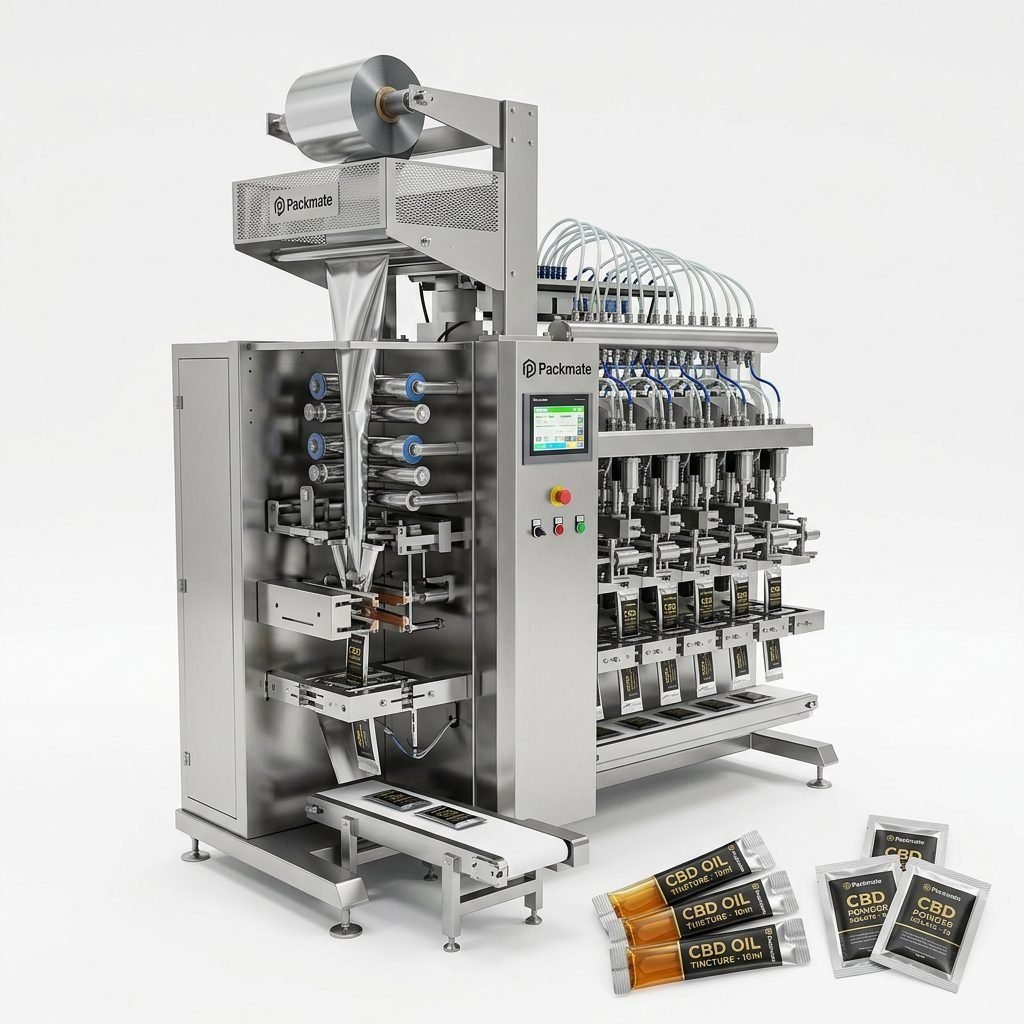
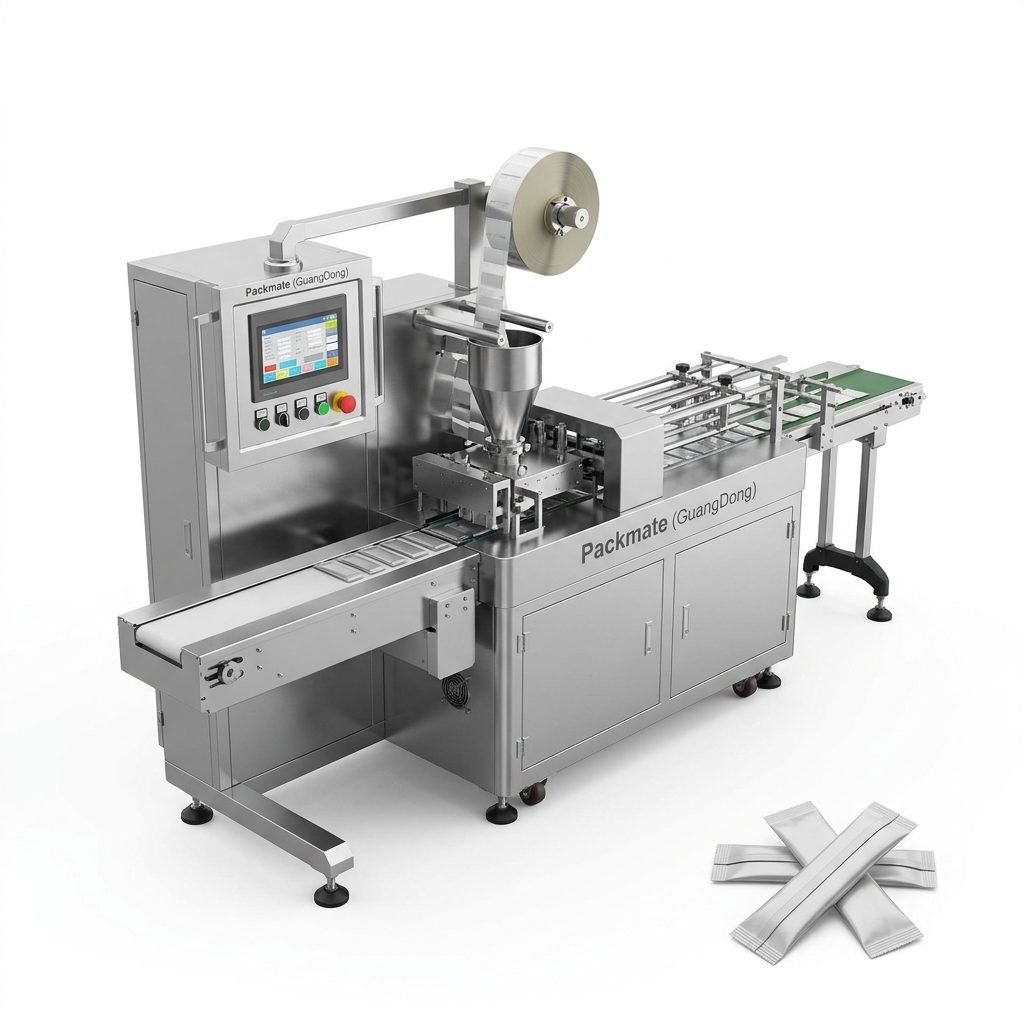
– Stick pack machines for elongated single-serve formats;
– Sachet machines for flat, heat-sealed pouches;
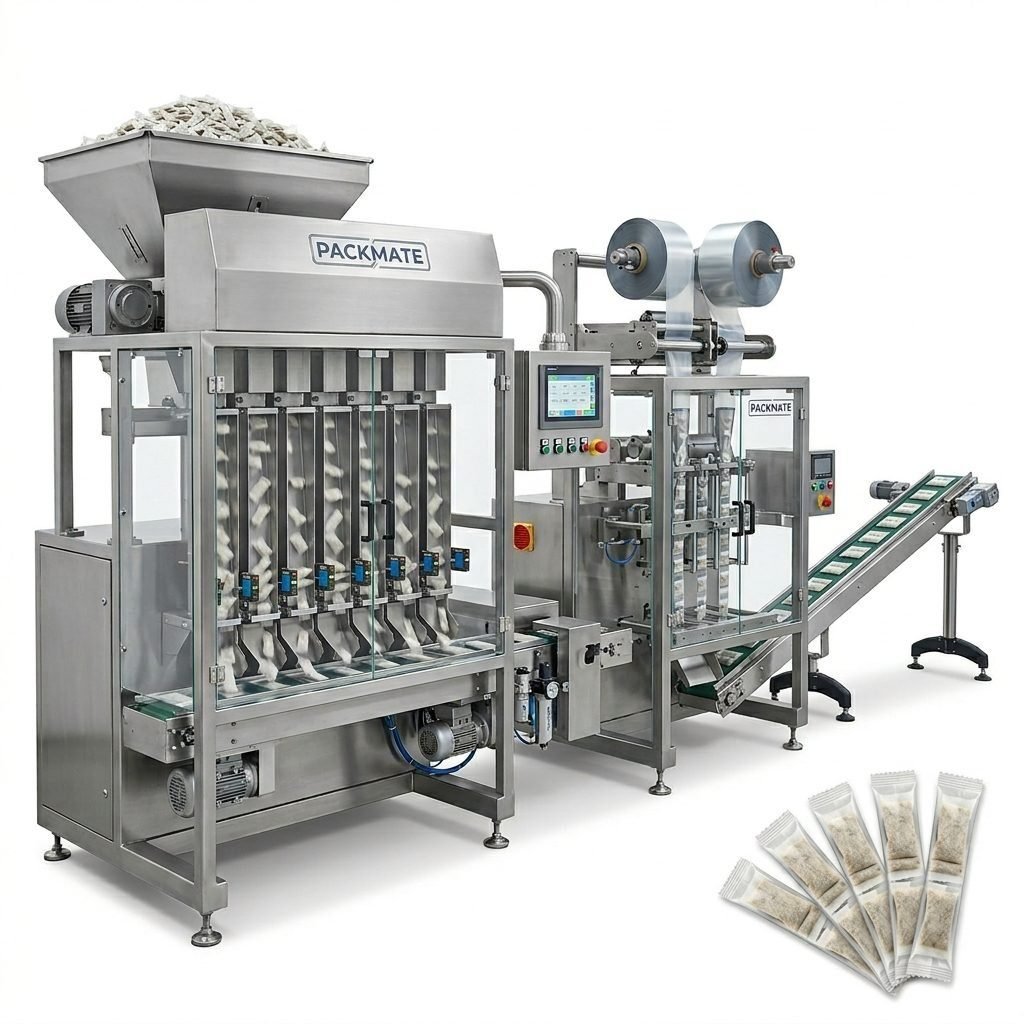
– Multi-lane machines when you need to multiply output while keeping unit size small.
Tip: If you want to explore specific machine families, review product categories like Snus & Nicotine Packaging Machines and Sachet & Stick Pack Machines.
Evaluate Technical Capabilities and Factory Strength
A strong manufacturer should combine design expertise with robust manufacturing facilities. Key indicators include:
⚙️ Advanced CNC machining centers and precision assembly lines — these reduce tolerances and improve reliability.
⚙️ A wide model portfolio (50+ machine models implies flexibility to customize).
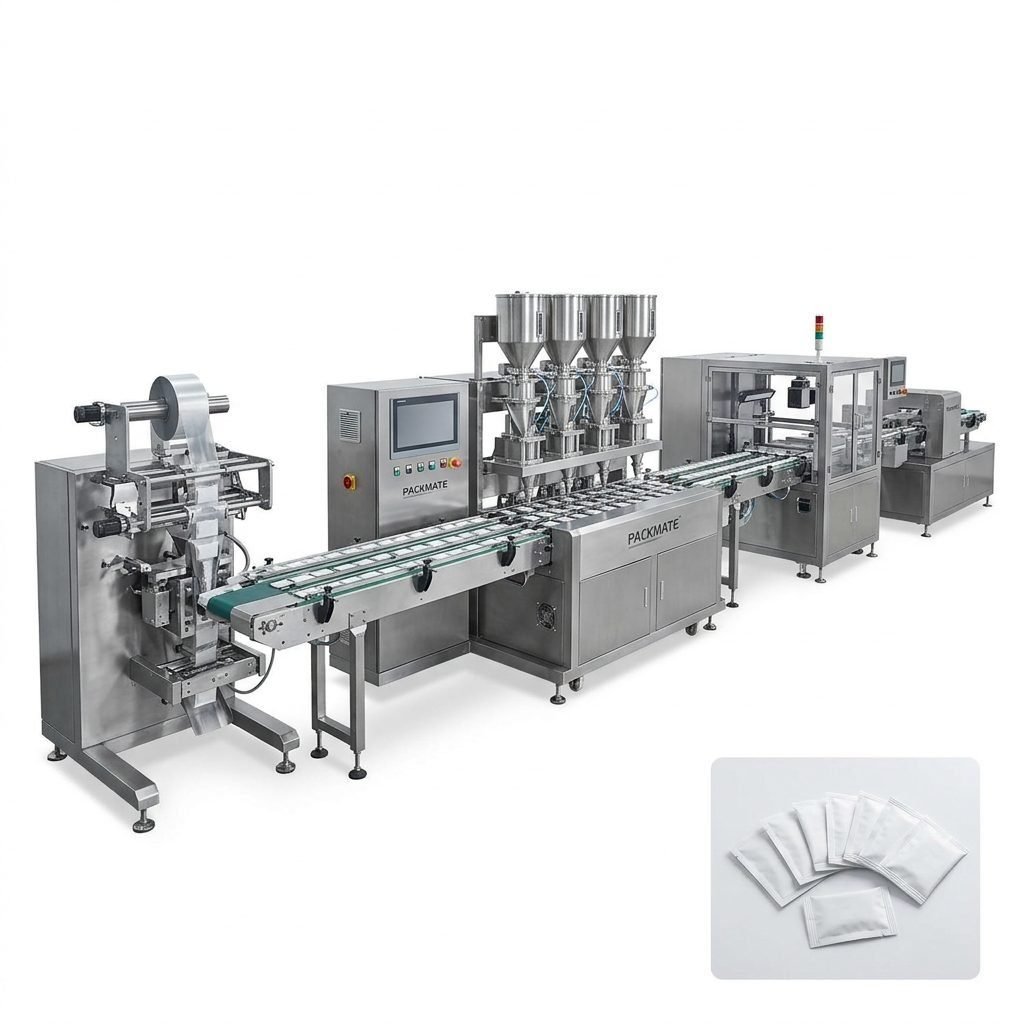
⚙️ Proven turnkey solutions for snus and related product lines, including filling, weighing, and auxiliary equipment.
Suppliers that offer integrated production lines (filling, weighing, sealing, and secondary packaging) simplify commissioning and improve overall line balance.
Factory & Quality Controls
Look for documented quality systems such as CE and ISO certifications, a visible quality-testing workflow, and references to long-term field performance. Manufacturers with a 20,000㎡+ facility and decades of engineering experience are typically better positioned to deliver durable machines and parts.
Inspect After-Sales Service, Spare Parts & Training
After-sales support is often the difference between minimal downtime and repeated production losses. Verify:
📦 Availability of spare parts and the supplier’s policy on spare kits;
📦 Remote diagnostics and on-site service options;
📦 Training programs for local operators and maintenance teams.
Important: For factories in Côte d’Ivoire, prompt technical support is critical due to logistics lead times from overseas suppliers. Confirm delivery times for spare parts and whether local technicians can be trained to handle first-line maintenance.
Consider Local Conditions in Côte d’Ivoire
Understanding Ivorian business culture, infrastructure, and regulatory environment will help you select a supplier and prepare your factory for long-term operation.
– Language & communication: French is the main business language. Clear, French-language documentation and training can smooth commissioning and operator learning.
– Infrastructure: Abidjan is the major logistics hub. Arrange port clearance and inland transport, and verify that the supplier works with freight forwarders experienced with Côte d’Ivoire.
– Climate: Coastal humidity and heat can accelerate corrosion and affect sensitive controls. Ensure machines have protective coatings, appropriate electrical ratings, and that your factory plans for climate control where necessary.
– Workforce & training: Ivorian operators are diligent and value hands-on training. Plan for extended on-site training sessions and consider hiring bilingual trainers.
– Regulatory & social norms: Be mindful of local labor laws, religious holidays, and community expectations. Building strong personal relationships and showing respect in negotiations aligns with Ivorian business etiquette.
Legal and Market Considerations
Snus and nicotine pouch regulations vary by country. It is essential to:
⚠️ Consult local regulatory authorities in Côte d’Ivoire about nicotine product packaging and labeling requirements.
⚠️ Ensure your packaging lines can print required language, health warnings, and batch codes as per local law.
Assess Customization & Future-Proofing
Your chosen supplier should offer flexible designs so you can adapt to new SKUs, pack sizes, or increased volumes without a full line replacement. Ask about:
– Modular machine design for quick format changeovers;
– Expandability to add lanes or auxiliary equipment;
– Software upgrades and PLC control compatibility;
– Options for automation, such as inline weighing, vision inspection, and end-of-line cartoning.
Suggested Resource: Review turnkey lines and modular systems when evaluating vendors — for example, explore Filling & Packaging Lines and Weighing & Packaging Systems.
Validate Supplier Reputation and Case Studies
Ask for references and site visits when possible. A reputable manufacturer should provide:
📌 Case studies showing lines installed in climates similar to Côte d’Ivoire;
📌 Customer testimonials, long-term maintenance records, and exhibition presence;
📌 Clear warranty and service-level agreements.
You can often review past project details and exhibition activities on the manufacturer’s pages to verify their global capabilities and experience.
Where to Look for Trusted Suppliers
Reputable global suppliers of snus machines will often display product categories, certifications, and project cases. Check manufacturer pages like About Packmate and Case to confirm experience and past projects.
Compare Total Cost of Ownership, Not Just Purchase Price
Initial purchase price can be misleading. Evaluate total cost of ownership (TCO), including:
– Installation and commissioning expenses;
– Training and documentation in the local language;
– Spare parts inventory and shipping times to Côte d’Ivoire;
– Energy consumption and maintenance intervals;
– Expected machine lifetime and resale or upgrade paths.
Buyer Checklist: Request an itemized TCO estimate and a spare-parts recommendation list. Confirm warranty terms and the availability of remote support.
Logistics, Installation & Commissioning in Côte d’Ivoire
Plan logistics early — machines often ship in multiple crates and require special handling. For Côte d’Ivoire:
– Coordinate with freight forwarders familiar with Abidjan port to avoid delays.
– Confirm customs documentation and import duties.
– Schedule on-site commissioning and operator training during installation.
– Ensure local utilities (voltage, air supply, compressed air quality) meet machine requirements.
Negotiating Contracts & Warranties
When drafting purchase agreements, ensure clarity on:
– Delivery terms (INCOTERMS), installation scope, and lead times;
– Acceptance tests, performance guarantees, and penalties for non-compliance;
– Warranty coverage details and response times for service calls;
– Intellectual property and the right to receive machine drawings and PLC backups.
Final Selection Steps
1) Shortlist suppliers who meet technical, quality, and service criteria.
2) Request factory acceptance tests (FAT) — ideally with video or live stream if travel is constrained.
3) Validate references and review documentation carefully.
4) Negotiate pricing, TCO, and contract terms that protect your investment.
5) Plan for a phased ramp-up to stabilize production and operator proficiency.
Helpful Links: For additional product exploration, check categories such as Bag & Pouch Packaging Machines and Auxiliary Packaging Equipment.
Conclusion
Selecting the best snus packaging machinery manufacturer for your Côte d’Ivoire factory requires a balanced focus on machine suitability, supplier capability, local conditions, and long-term support. Prioritize suppliers with proven snus and nicotine pouch solutions, strong factory controls, clear service policies, and experience handling exports to West Africa. A thoughtful selection — backed by FATs, training, and a clear TCO analysis — will minimize downtime and help you establish a reliable production footprint in the Ivorian market.
Contact & Next Steps
When you are ready to request proposals or book a factory demonstration, reach out directly to the manufacturer through their official contact channels for tailored recommendations and quotes: Contact Us.
Frequently Asked Questions
Q1: How do I verify that a supplier’s machines will perform in humid West African climates?
A1: Request environmental performance data, ask for corrosion protection options, inspect materials and coatings, and check references with installations in similar climates.
Q2: What certifications should I expect from a reputable snus machine manufacturer?
A2: Look for CE, ISO, and documented quality controls. Certification demonstrates adherence to international safety and manufacturing standards.
Q3: Can the supplier train local Ivorian operators in French?
A3: Many global suppliers provide multilingual documentation and on-site training. Confirm language options and plan for extended training sessions for best results.
Q4: How long should I expect to wait for replacement parts to arrive in Côte d’Ivoire?
A4: Lead times vary by supplier and logistics. Factor in airfreight options for critical spares and ensure the supplier can provide a recommended spare parts list for local stocking.
Q5: Where can I see real-world examples of snus packaging lines and read customer cases?
A5: Review manufacturer case studies and exhibition reports to see installations and performance reviews: Case.