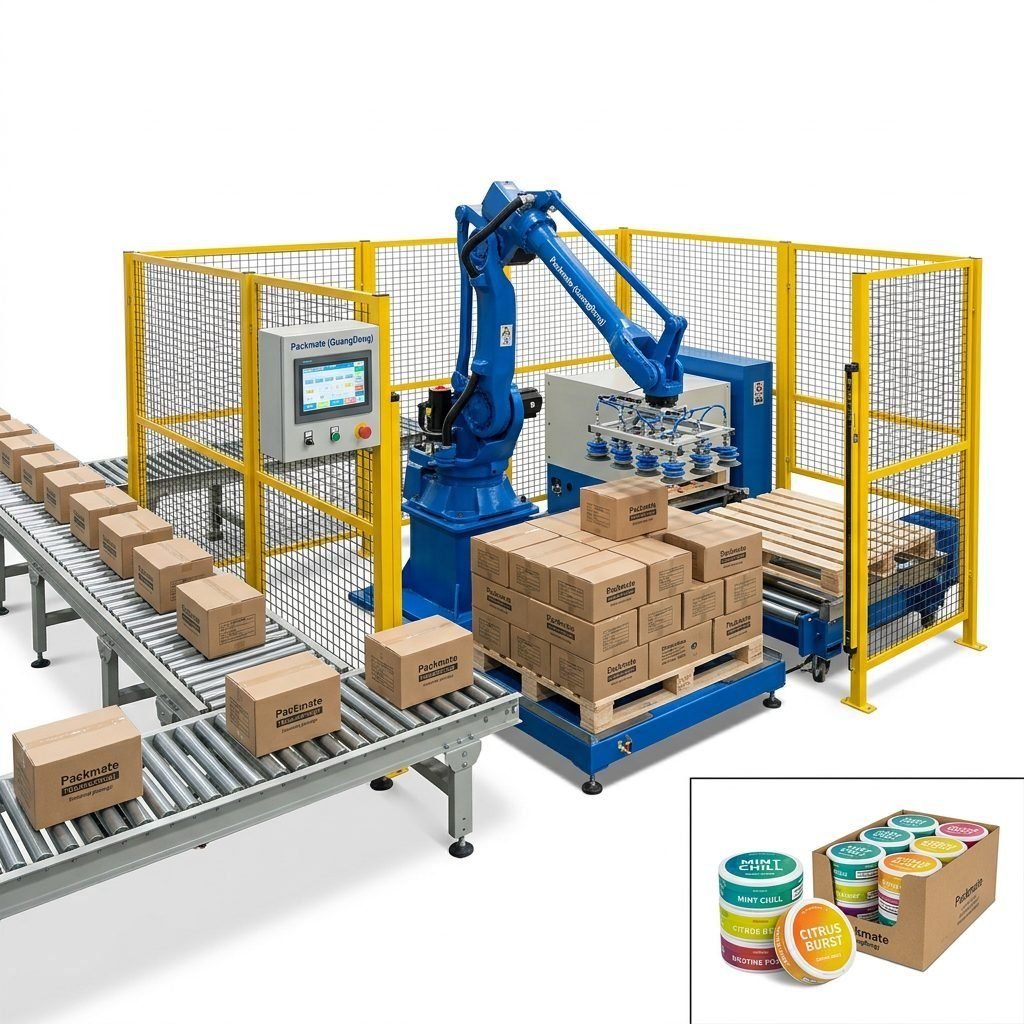
Choosing the right nicotine packaging machinery for an Israeli production line demands more than just technical specs. You need to consider local regulations, market preferences, production scale, and after-sales support. This guide walks you through practical criteria, machine types, and Israel-specific considerations so you can select equipment that delivers efficiency, compliance, and long-term value.
Understand the Nicotine Pouch Market in Israel
Israel’s nicotine and snus market is shaped by strict public health policies, evolving consumer demand, and a strong retail focus on compact, well-labeled products. Many Israeli consumers prefer discreet portion sizes and premium packaging that communicates clear ingredient and health information in Hebrew and English. When selecting machinery, prioritize flexibility for small-batch runs and the ability to handle multi-format labeling to meet retail and regulatory expectations.
Key local considerations
- Hebrew labeling and RTL print requirements — ensure your printing and coding equipment supports mirrored layouts.
- Regulatory compliance — local authorities often require clear product composition and warnings; machines must support accurate date/lot printing and high-resolution labeling.
- Compact factory footprint — Israeli manufacturers often work in smaller facilities, so space-efficient machines (vertical layouts, multi-lane high-speed systems) are advantageous.
- Humidity and climate — Mediterranean humidity can affect pouch stability; consider machines with integrated drying/conditioning or a controlled packaging environment.
Tip:
For Israeli markets, invest in machinery that easily switches between languages, supports small-lot production, and includes humidity control options to protect product quality.
Which Machine Types Fit Different Production Goals?
Nicotine pouches, snus, and oral tobacco alternatives are packaged with several common machine styles. Understanding each type helps match machine capability to your production needs and business model.
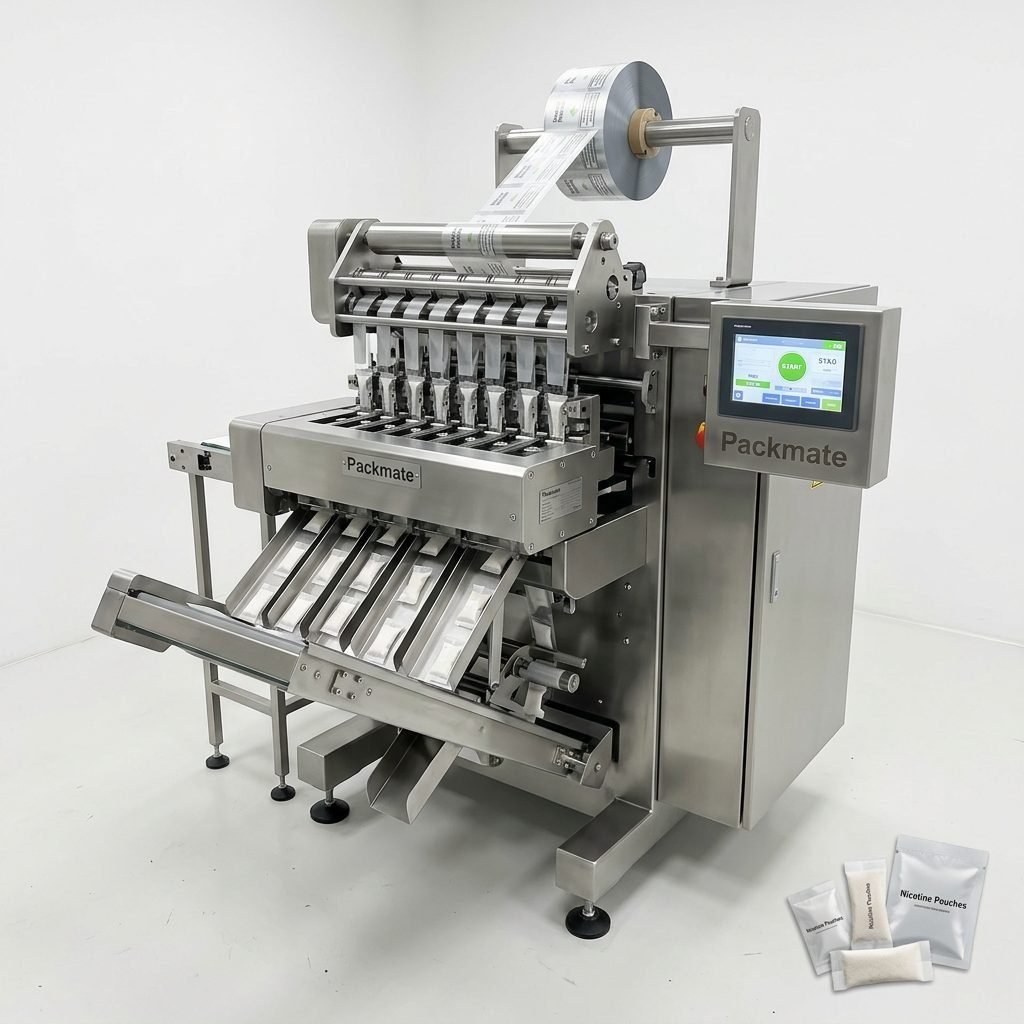
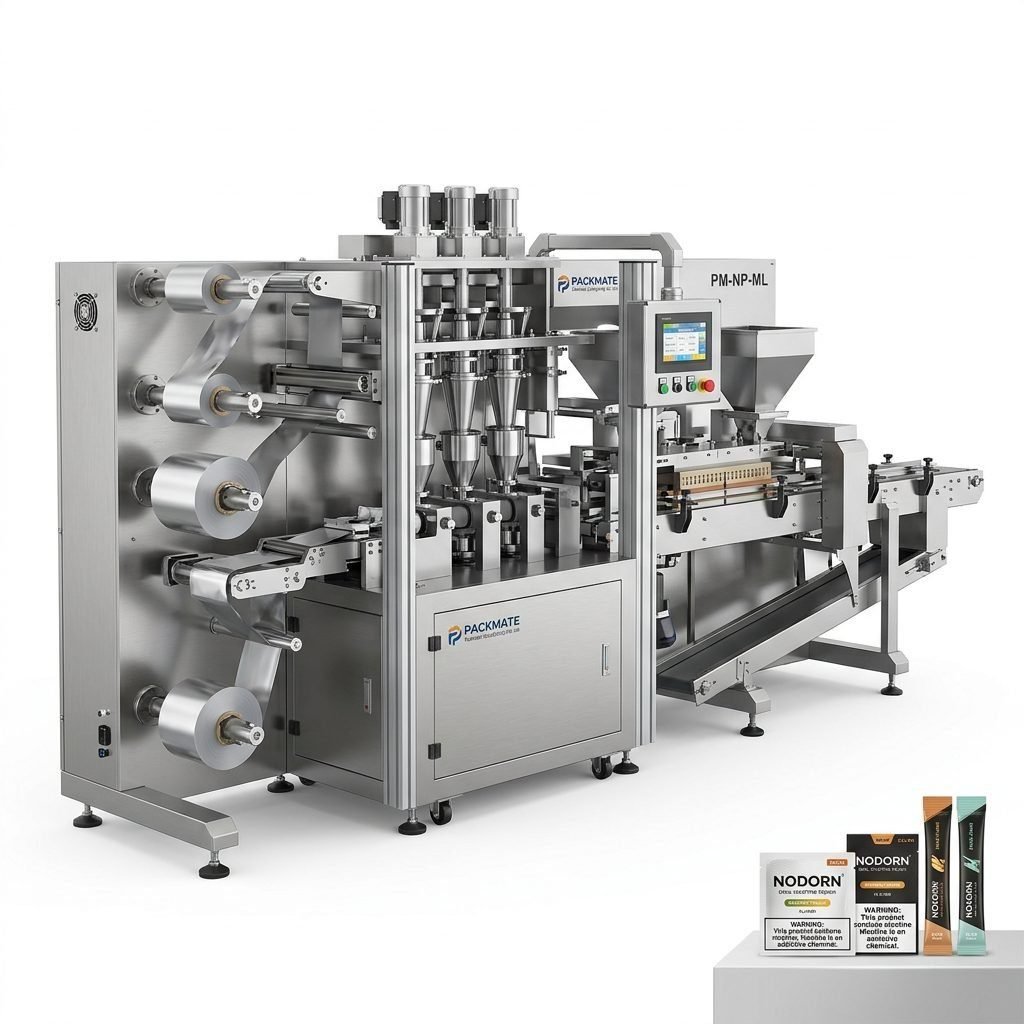
Sachet & Stick Pack Machines
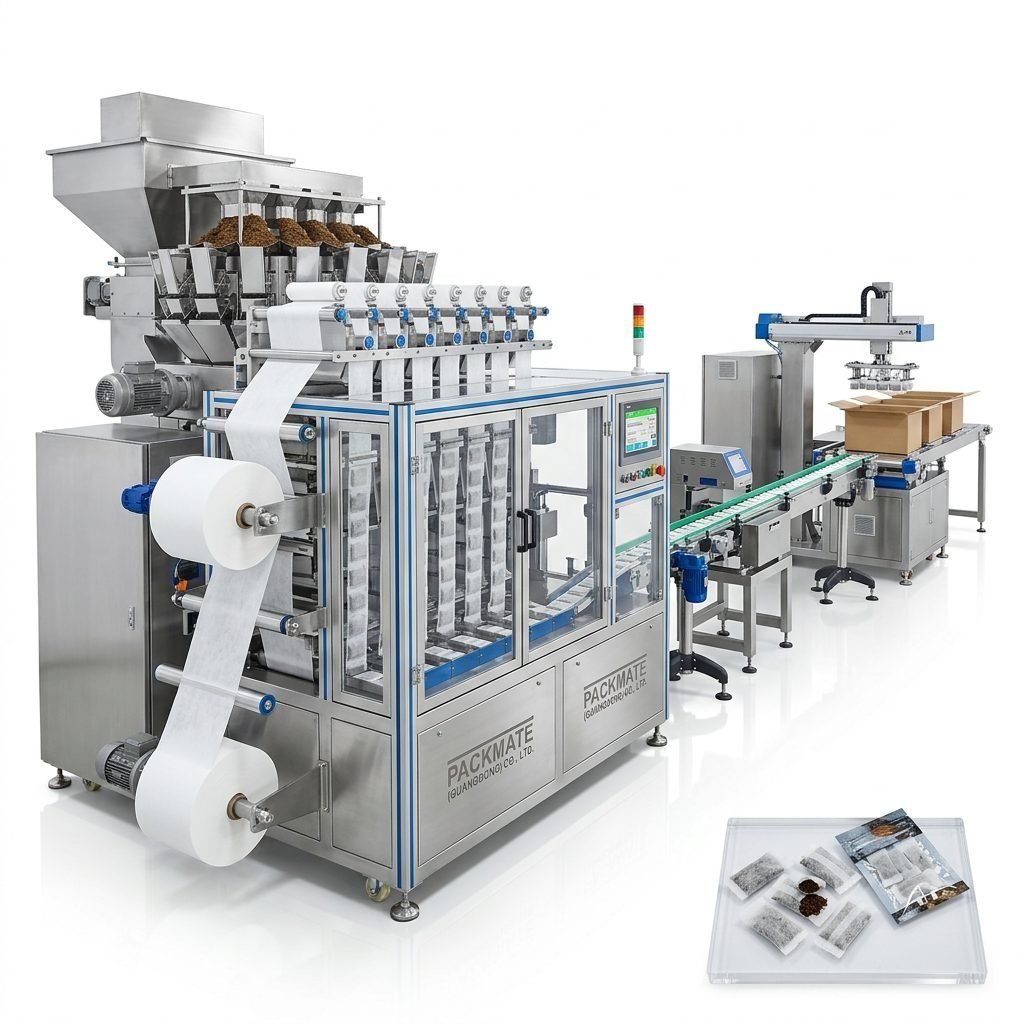
Sachet/stick pack systems are ideal for single-portion formats and are excellent for brands that want individual retail-ready portions. They usually feature flexible dosing, fast changeovers, and compact footprints. Explore proven lines for consistent sealing quality and accurate weight control.
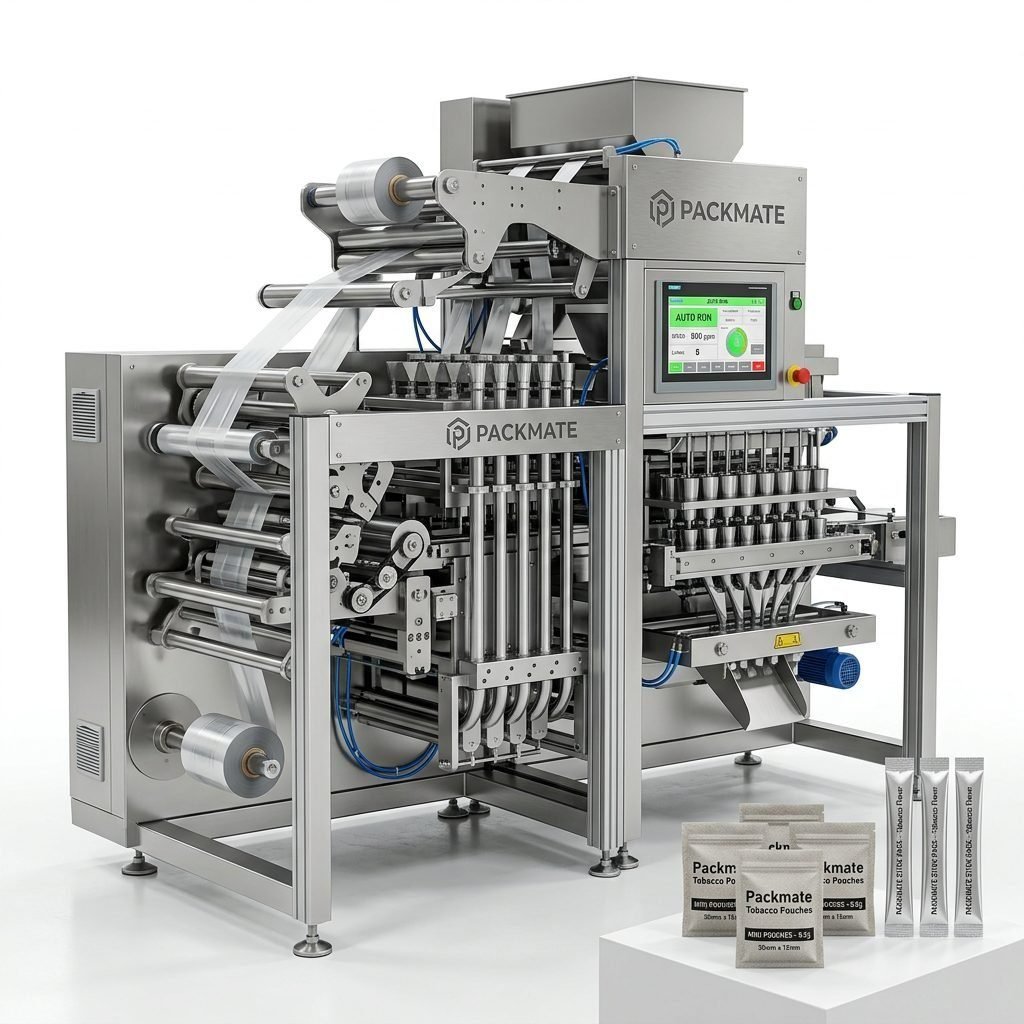
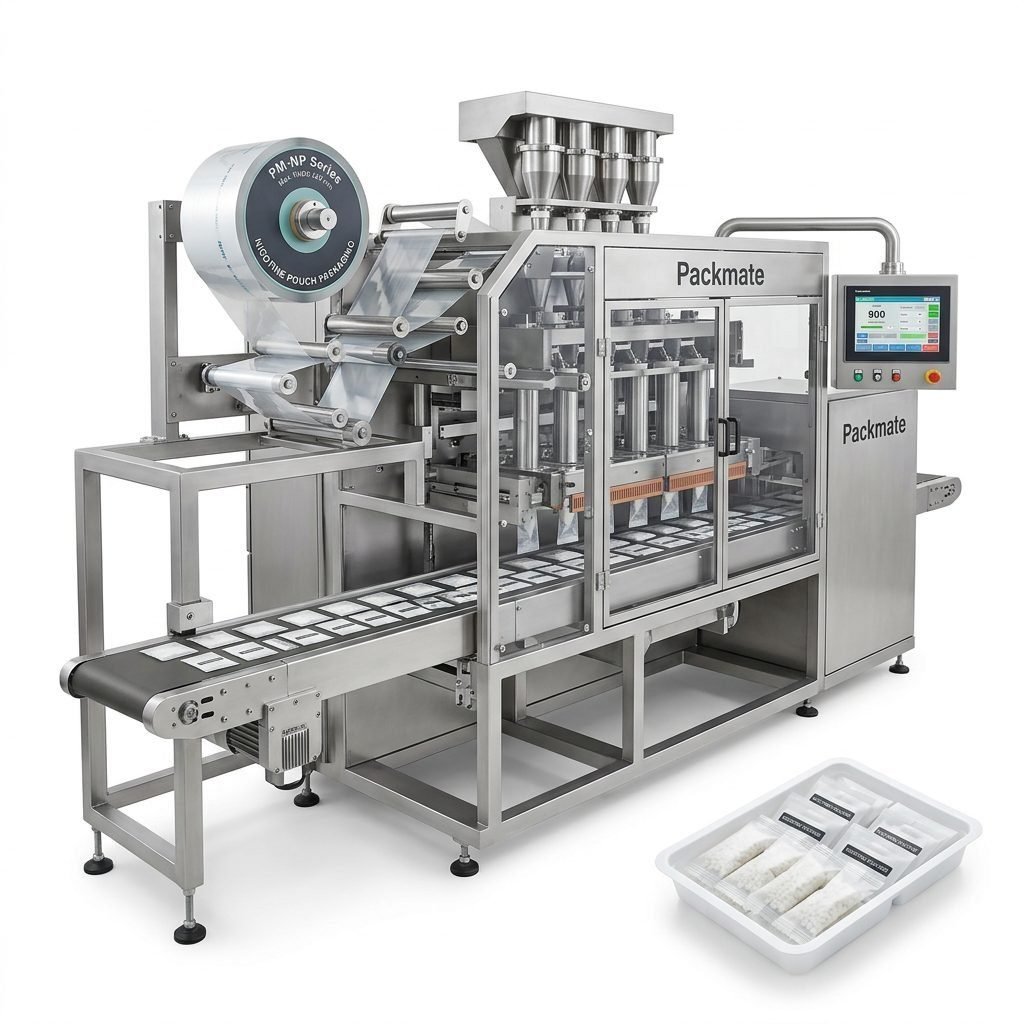
Snus & Nicotine Pouch Packing Machines
Dedicated snus and nicotine pouch machines are engineered to handle wet or dry micro-pouches, offering delicate handling, sealing precision, and integrated quality inspection systems. If your focus is premium pouch products for the Israeli market, choose machines with gentle transfer systems and adjustable pouch thickness settings.
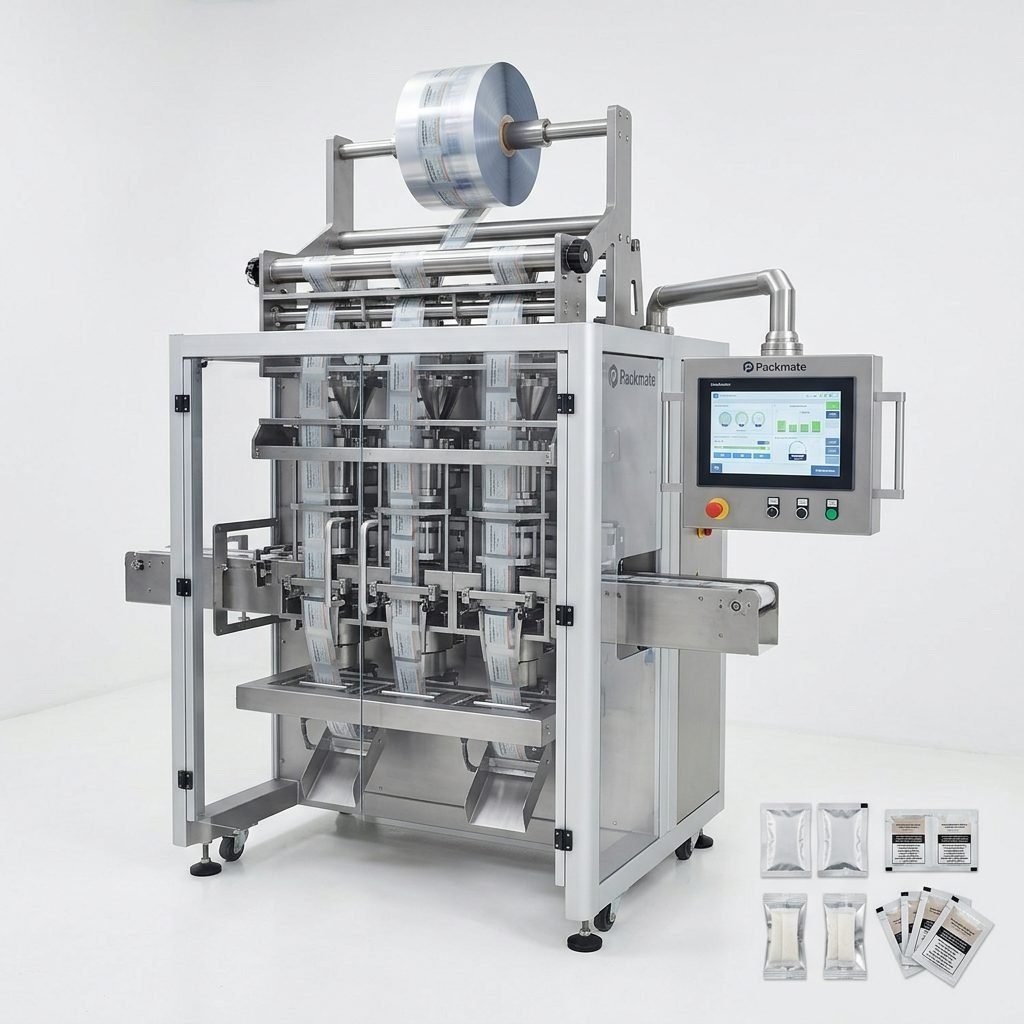
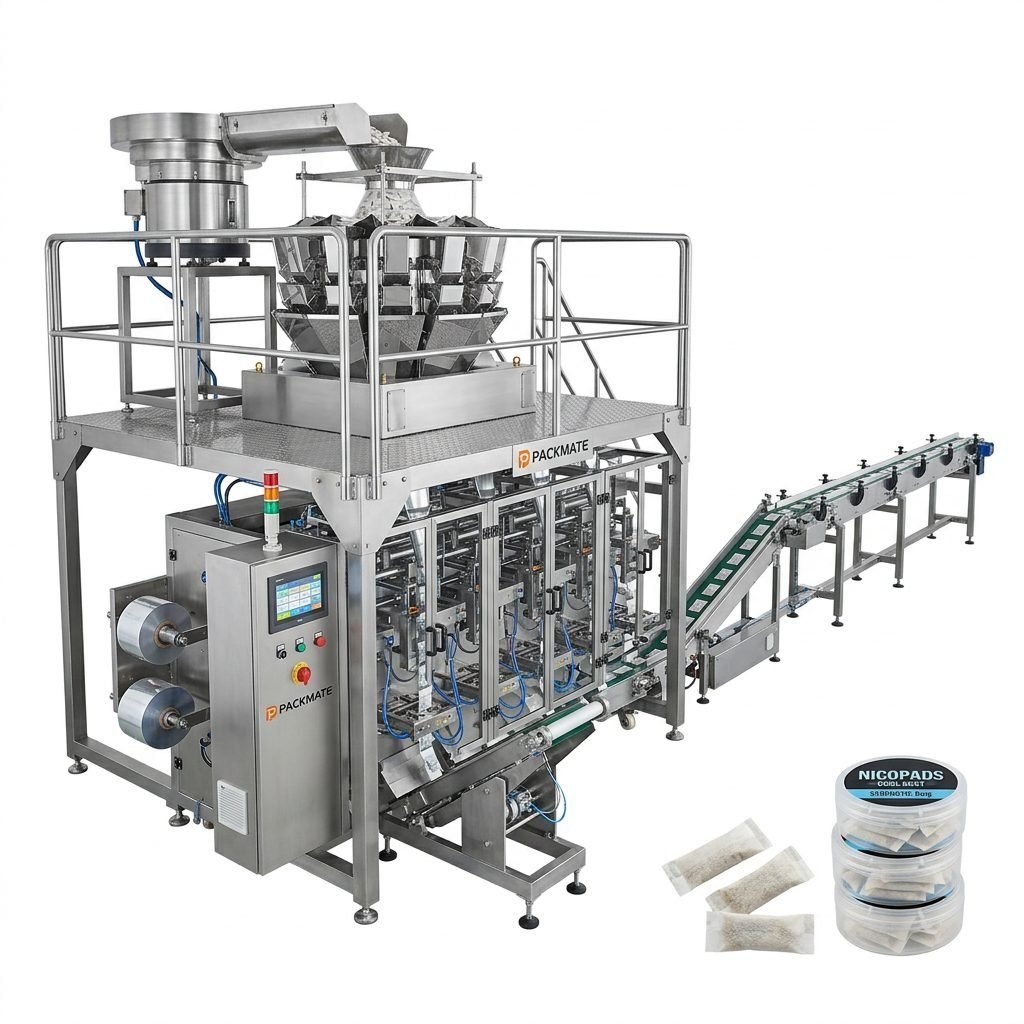
Multi-lane Systems for Scale
Multi-lane machines multiply output without requiring a larger footprint — important in Israeli facilities where space is limited. They suit manufacturers planning exports to nearby markets (EU, Eastern Europe) and domestic distributors who demand high-volume supply.
Performance markers to compare:
speed (pouches/min), dosing accuracy, sealing integrity, changeover time, waste rate, and footprint. For Israel, prioritize machines that balance high yield with small-lot agility.
Technical Specs That Matter
When evaluating offers, analyze technical details beyond the headline speeds. These specifications determine daily reliability and total cost of ownership.
- Dosing accuracy: Crucial for nicotine products to maintain compliance and consistent user experience.
- Sealing and film compatibility: Machines should handle barrier films, foil, and printed webs used for nicotine packaging.
- Cleanability and materials: Choose stainless steel contact parts and designs that ease GMP compliance and regular sanitization.
- PLC and HMI: Intuitive interfaces with multi-language support (include Hebrew) speed up operator training and reduce errors.
- Inspection & traceability: Vision systems, metal detectors, and inkjet/laser coding for batch traceability.
Regulatory and Compliance Requirements in Israel
Israel’s regulatory environment emphasizes consumer safety and transparent labeling. Packaging machinery must support traceability, accurate dosing, and compliant print/warning features. Collaborate with legal advisors familiar with Israeli health ministry rules and customs clearance for importing machines.
Practical compliance checklist
- Support for batch/lot coding and expiry date printing in Hebrew and English.
- Documentation for CE/ISO certifications to ease local approval processes.
- Validated cleaning and calibration procedures to maintain consistent nicotine dosing.
- Service and spare parts availability — critical for rapid repairs to avoid production downtime.
Documentation:
Ask suppliers for CE, ISO and relevant inspection certificates. Packmate provides complete certification documents which help streamline approvals.
Site & Operational Considerations in Israel
Site-specific factors heavily influence machinery selection. Israel’s diverse industrial areas — from the coastal plain to inland tech parks — mean variations in utilities, space, and labor skills. Plan installations to minimize disruption and maximize uptime.
Utilities and layout
Verify electrical standards, compressed air quality, and HVAC capabilities. Many Israeli sites require compact machines with efficient energy use. Also account for Israeli workweek patterns (Sunday–Thursday operations in many factories) when organizing installation and training.
Local workforce and training
Select machines with simple maintenance routines and offer on-site training in Hebrew or English. Remote support, spare parts stocking, and fast technical response are essential — especially for startups or smaller operators.
Supplier Evaluation: What to Ask Before You Buy
A trusted supplier makes the difference between a machine that just runs and a machine that drives your growth. When vetting suppliers ask targeted questions.
- Experience: How many years and how many models built for nicotine/snuspouch packaging?
- Factory tour and references: Can you see production lines or customer case studies?
- After-sales service: What’s the average response time and availability of spare parts?
- Customization: Can they adapt sealing, pouch size, or multi-lane configurations for your product variations?
- Compliance support: Do they provide validation, testing, and documentation for regulatory submission in Israel?
Ask for case studies:
Suppliers such as Packmate have international cases and exhibition presence — review case histories and machine demos to validate performance.
Return on Investment and Total Cost of Ownership
Focus on TCO rather than just initial price. Consider throughput, yield, energy consumption, maintenance intervals, and downtime. For Israeli producers eyeing export, factor in logistics, customs, and the cost benefits of higher automation enabling reduced labor costs.
- Estimate payback period based on expected daily output and margin per pouch.
- Include installation, training, spare parts kits, and extended warranty in cost calculations.
- Plan for modular expansion — choose machines that can be upgraded to additional lanes or inline inspection modules.
Why Choose an Established Manufacturer?
Experienced manufacturers deliver reliable machines, documented quality systems, and mature after-sales networks. A company with decades of engineering background brings optimized designs and faster troubleshooting — critical for regulated nicotine products.
Example:
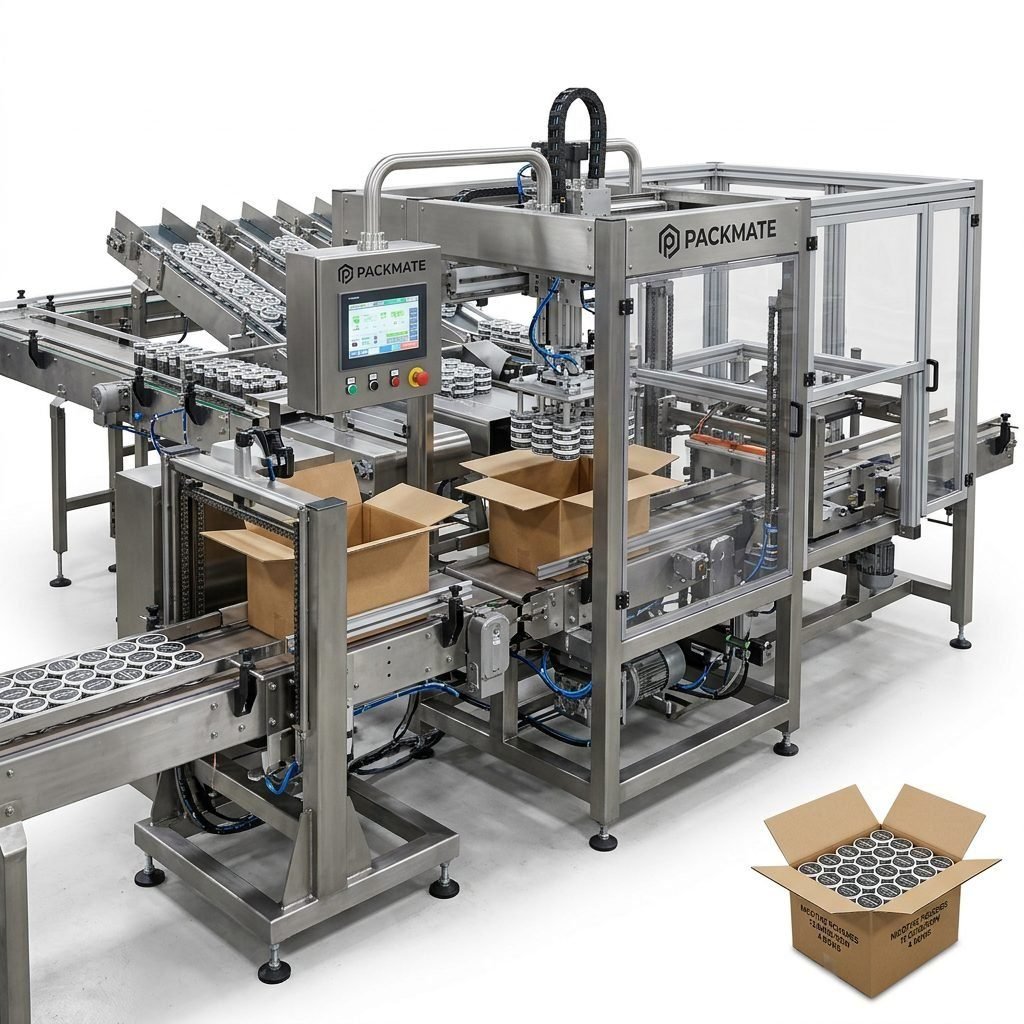
Packmate Snus Machine offers specialized snus & nicotine packaging equipment and turnkey solutions with 30+ years of experience, multiple product lines, and factory capabilities suitable for international customers.
Where to See Machines and Validate Performance
Attend industry exhibitions, request factory visits, or ask for video demos and sample outputs under real conditions. For Israeli buyers, attending regional trade events or coordinating a factory demo with the supplier ensures you verify sealing integrity, dosing accuracy, and changeover ease.
- Request machine demonstrations and sample pouches produced with your film and formulation.
- Check references and case studies from customers in similar regulatory environments.
- Verify that the supplier can support installation, commissioning, and operator training in your preferred language.
Useful Links and Resources
Explore product lines and documentation from experienced suppliers to compare machine features and request quotes:
- Snus & Nicotine Packaging Machines
- Sachet & Stick Pack Machines
- About Packmate
- Our Exhibition
- Contact the supplier
Final Recommendations for Israeli Producers
In Israel’s competitive and regulated marketplace, choose machines that combine compact design, flexible small-batch capability, and reliable dosing/sealing performance. Prioritize suppliers who provide clear documentation, fast service, and configurable systems that support Hebrew labeling and environmental controls. Investing in quality packaging machinery protects product integrity and speeds time-to-market while reducing waste and operational risk.
Key takeaway:
Balance flexibility with automation. For many Israeli brands, a modular multi-lane system with clear traceability and local-language HMI provides the best long-term value.
常见问题 (FAQs)
Q1: What machine speed do I need for a small Israeli operation?
A1: For small-batch producers, machines that can run 50–200 pouches per minute per lane with quick changeovers are common. Multi-lane options increase throughput without a larger footprint.
Q2: Do I need special print solutions for Hebrew labeling?
A2: Yes. Ensure the coding/printing system supports RTL layout and Hebrew fonts, and can print variable data like batch codes and expiration dates clearly on your chosen material.
Q3: How important is moisture control for nicotine pouches in Israel?
A3: Very important. Mediterranean humidity can impact pouch integrity and shelf life. Use machines with controlled transfer systems and consider inline drying or environmental control for packaging areas.
Q4: What certifications should I request from a machine supplier?
A4: Request CE and ISO certificates, detailed parts lists, electrical diagrams, and documentation of any QA testing. These help with local approvals and ensure quality manufacturing practices.
Q5: How can I verify supplier reliability before purchase?
A5: Ask for factory references, case studies, sample pouches produced with your recipe, and a demo at an exhibition or online. Suppliers with exhibition presence and customer cases tend to be more dependable.