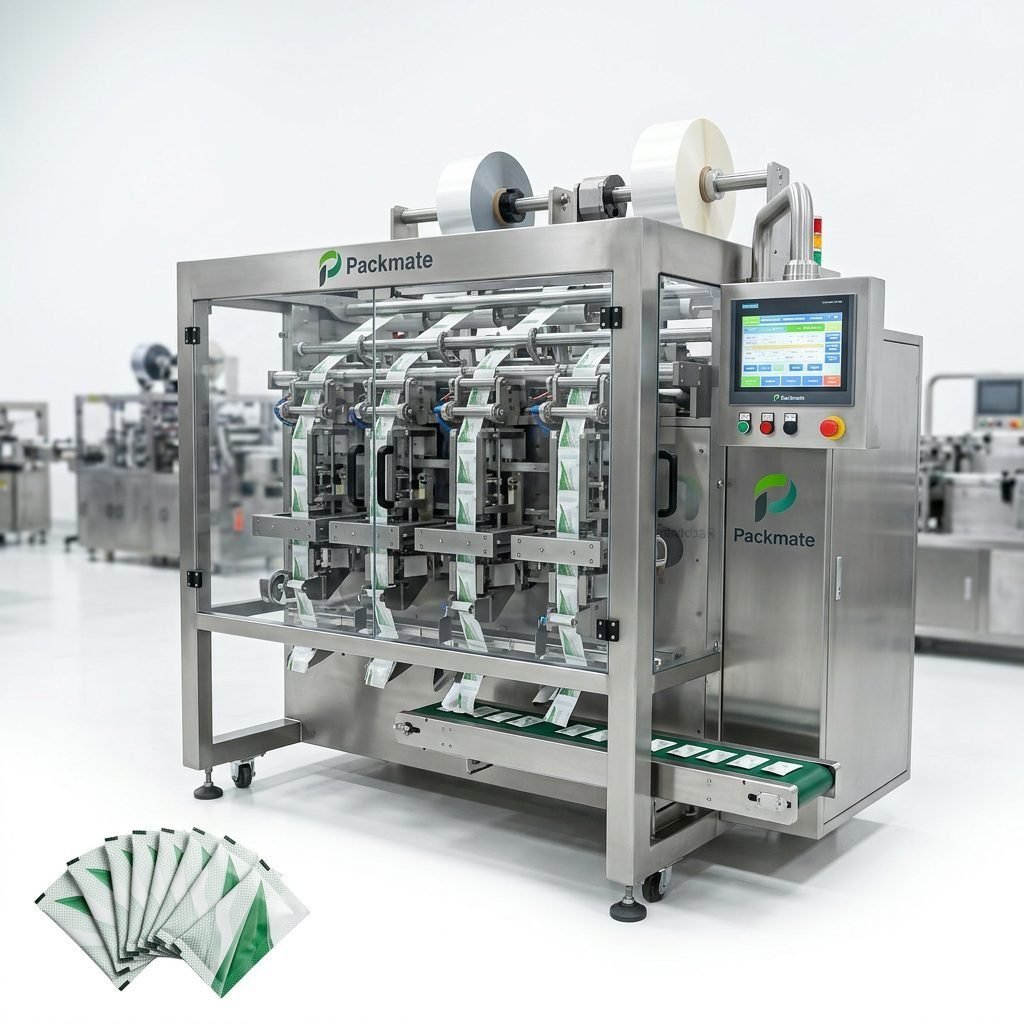
Zimbabwe’s nicotine pouch and snus market is maturing quickly. As local entrepreneurs, tobacco processors, and new entrants consider automated packaging, choosing the right supplier is critical to meet regulatory requirements, ensure consistent product quality, and scale efficiently. This guide helps production managers, procurement teams, and factory owners in Zimbabwe evaluate suppliers, compare technical capabilities, and select the best nicotine packaging machine supplier for their operation.
🔍 Understand the Zimbabwean market and local customs
Zimbabwe has a long cultural history of tobacco cultivation and use. While traditional chewing tobacco and local snuff remain common, nicotine pouches and modern snus formats are gaining traction among urban consumers. Regulatory enforcement can vary by region—import rules, labeling, and product composition must be addressed before machinery purchase. Local preferences often favor compact portion sizes and discreet, resealable packaging. Suppliers who understand these habits and can adapt formats (stick pack, sachet, multi-lane pouches) will better support market entry and consumer acceptance.
⚖️ Define your production needs first
Before contacting suppliers, clarify:
✓ Product formats: nicotine pouches, snus pouches, stick packs, sachets, multi-lane pouches.
✓ Target output (pieces/min or pouches/hour): small-batch test runs vs continuous high-speed production.
✓ Filling types: powder, granule, paste, or liquid nicotine formulations.
✓ Packaging materials: laminated pouches, foil, resealable zippers, outer cartons.
📌 Practical tip
If you plan to serve rural and informal retail channels in Zimbabwe, prioritize machines that can produce robust, low-cost pouch formats as well as premium resealable tins for urban markets. Multi-format flexibility reduces risk as market preferences evolve.
✅ Key supplier selection criteria
Use this checklist to evaluate potential suppliers—technical capability, compliance, after-sales service, and local support are essential.
1. Certifications & compliance
Verify CE and ISO certifications, and ask for documentation proving machines meet international safety and electrical standards. Suppliers that publish certificates and test reports demonstrate higher transparency. (See supplier certificates for reference).
Certificate
2. Technical capability and customization
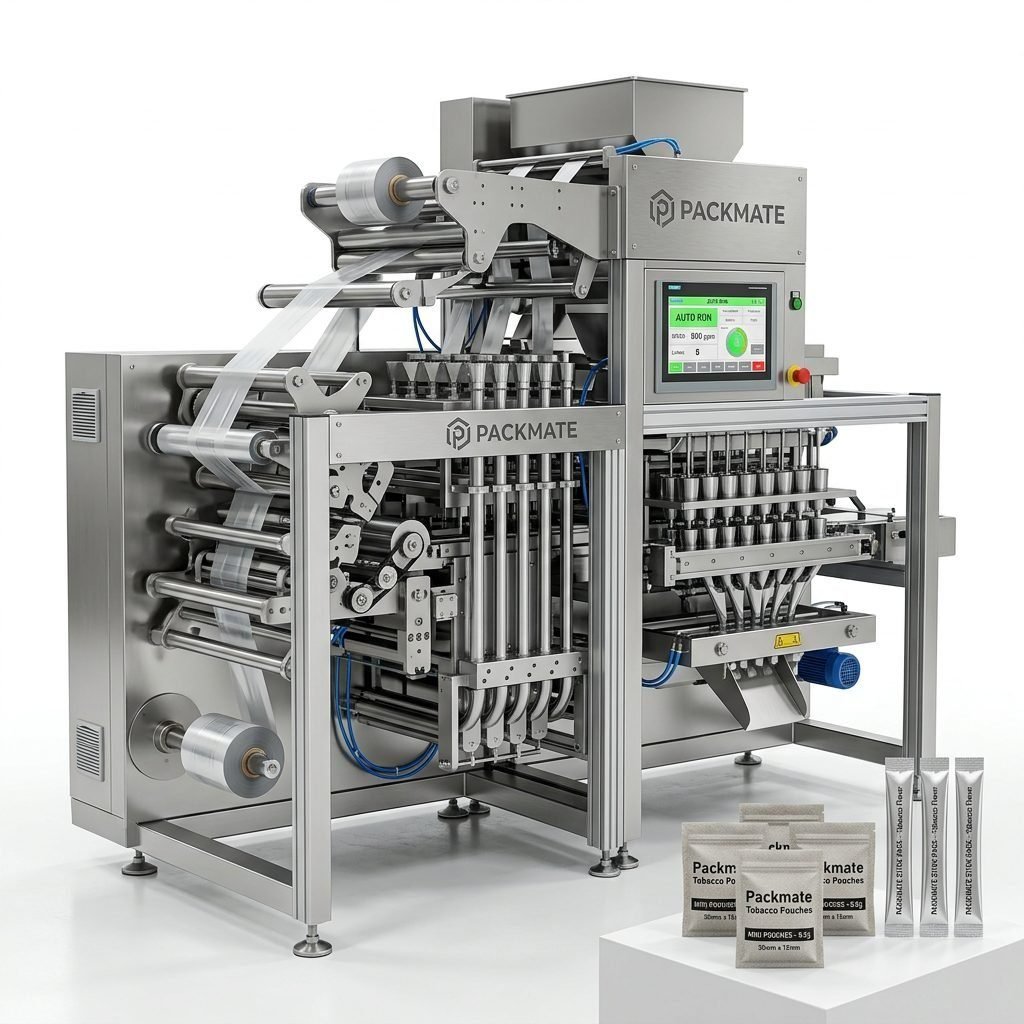
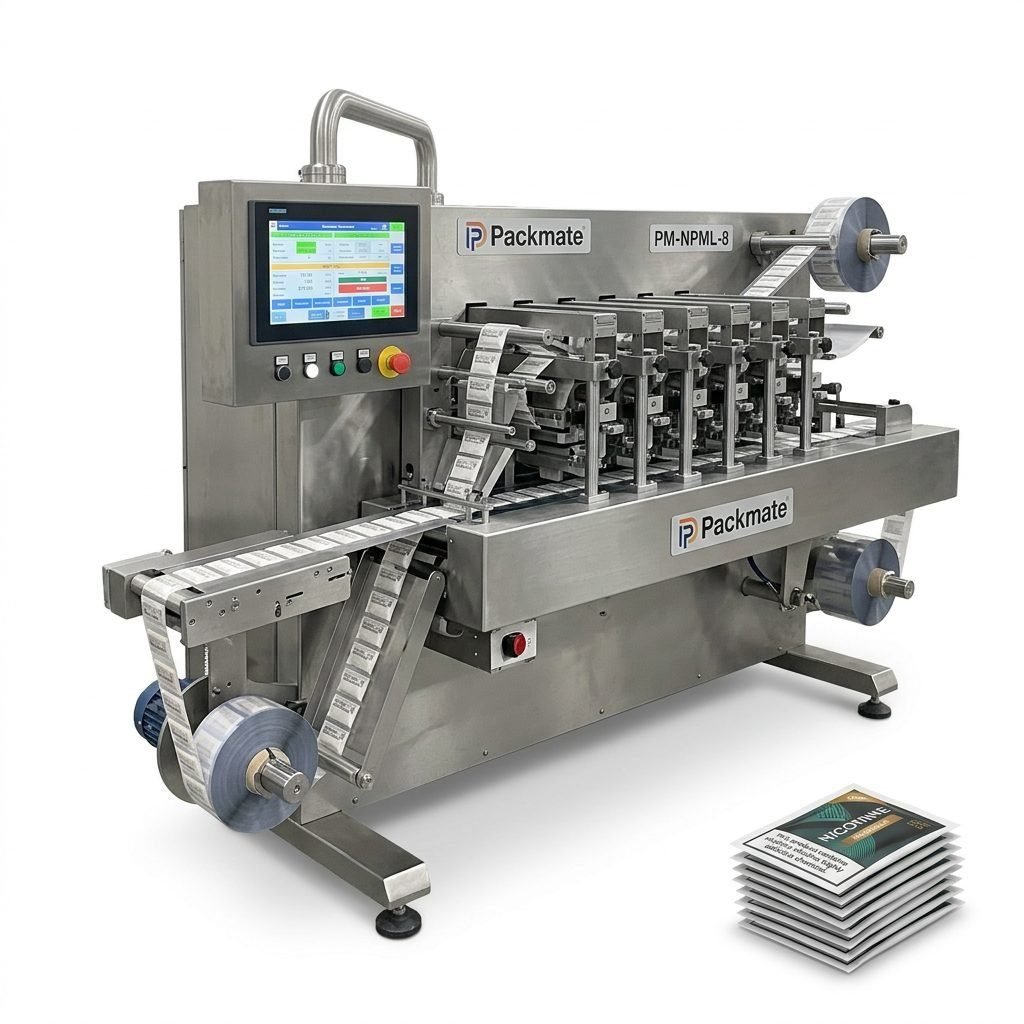
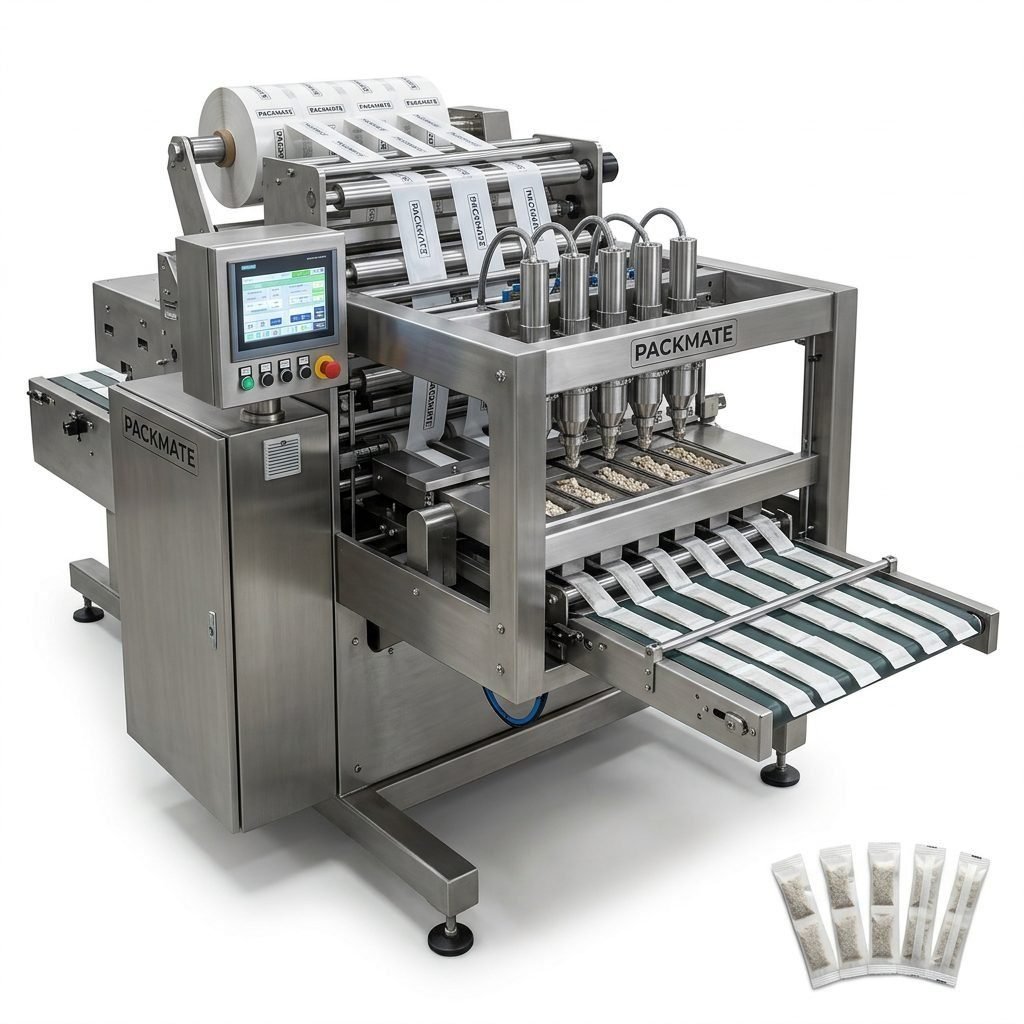
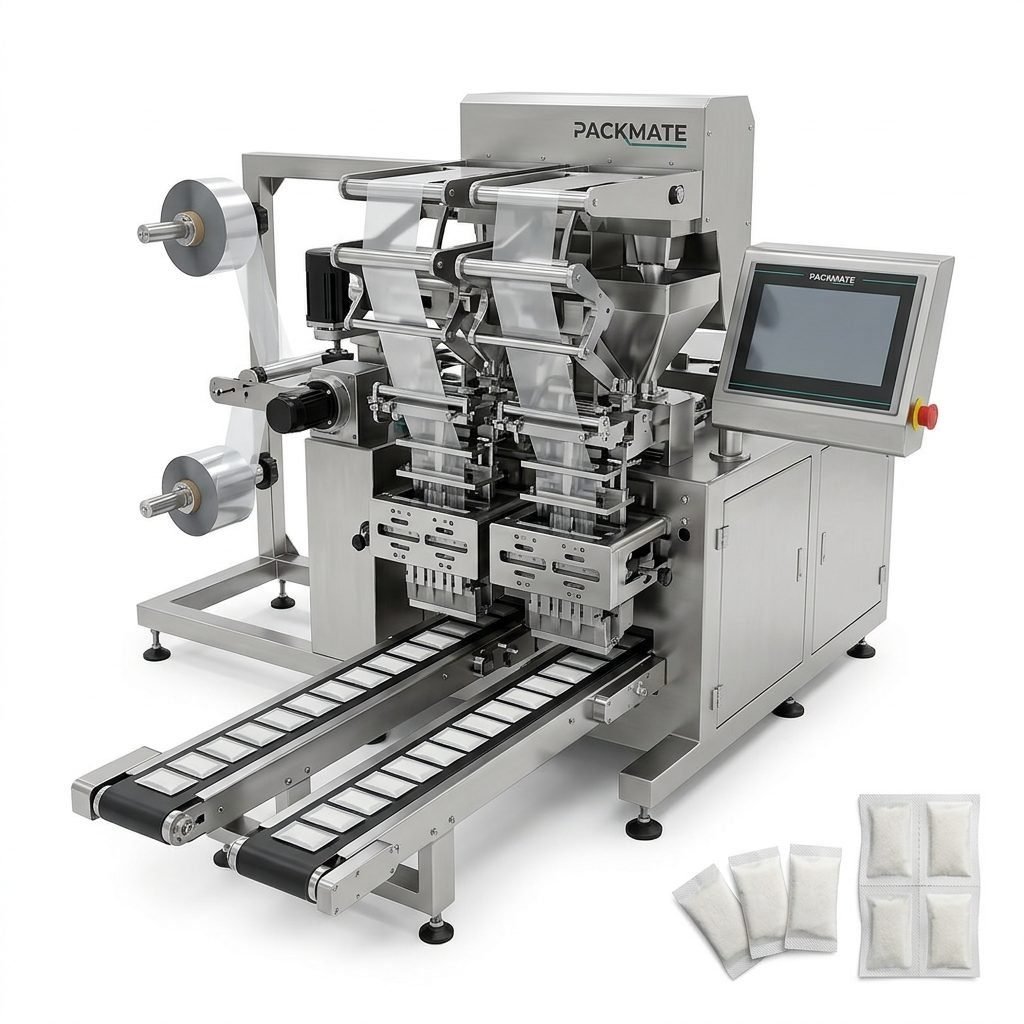
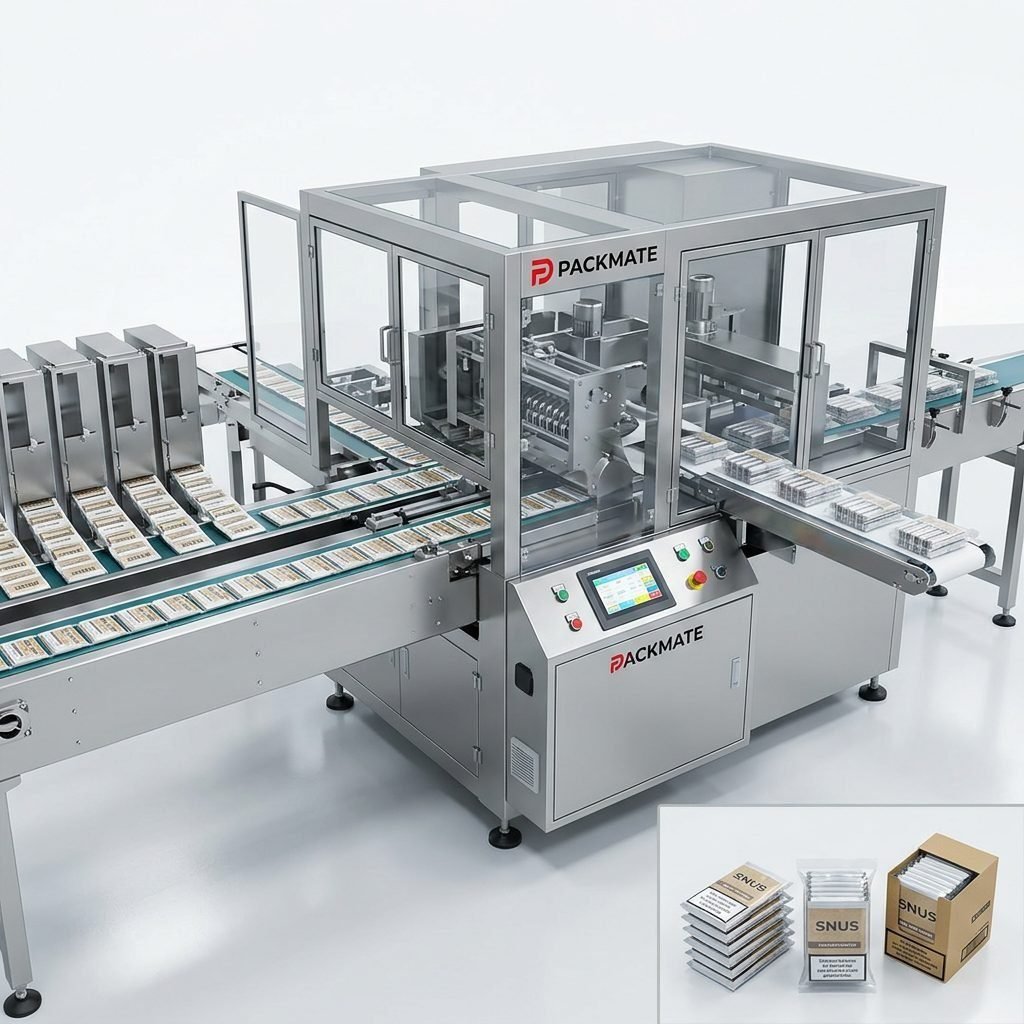
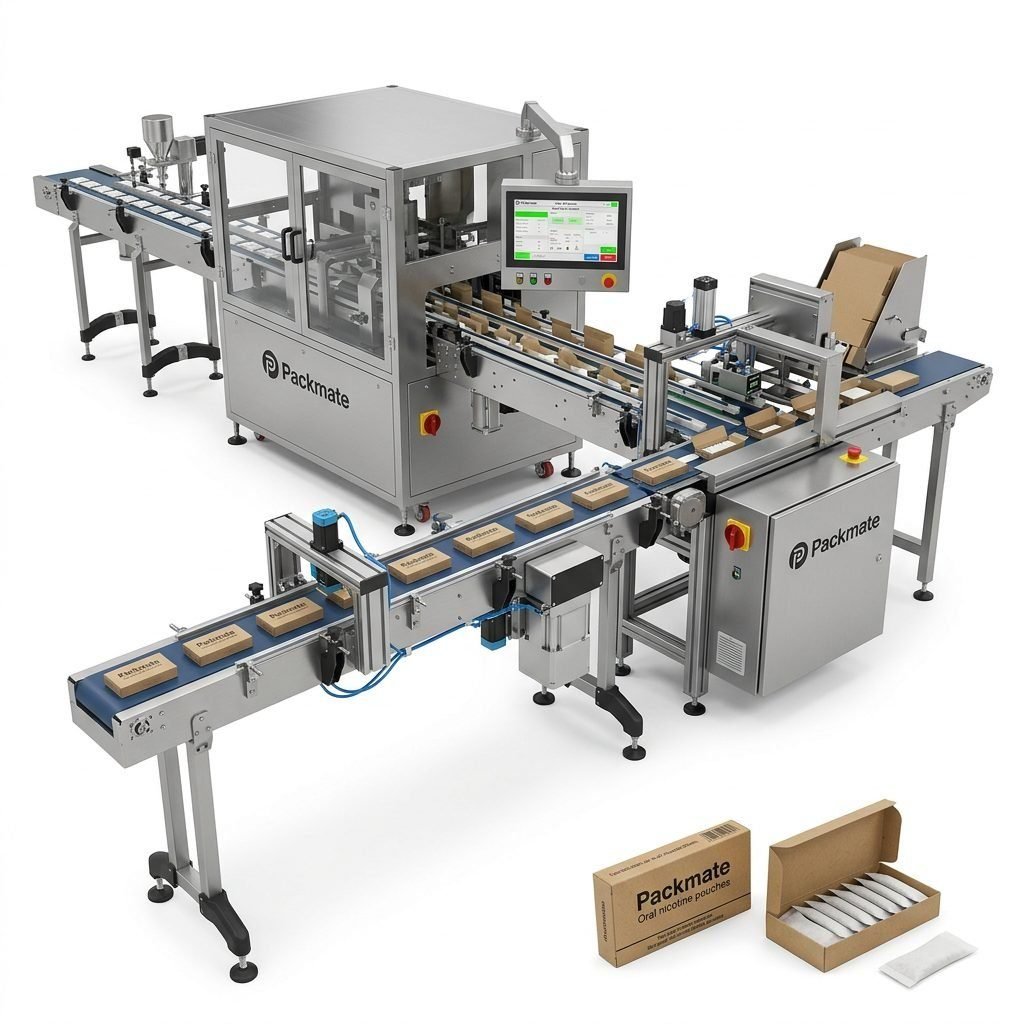
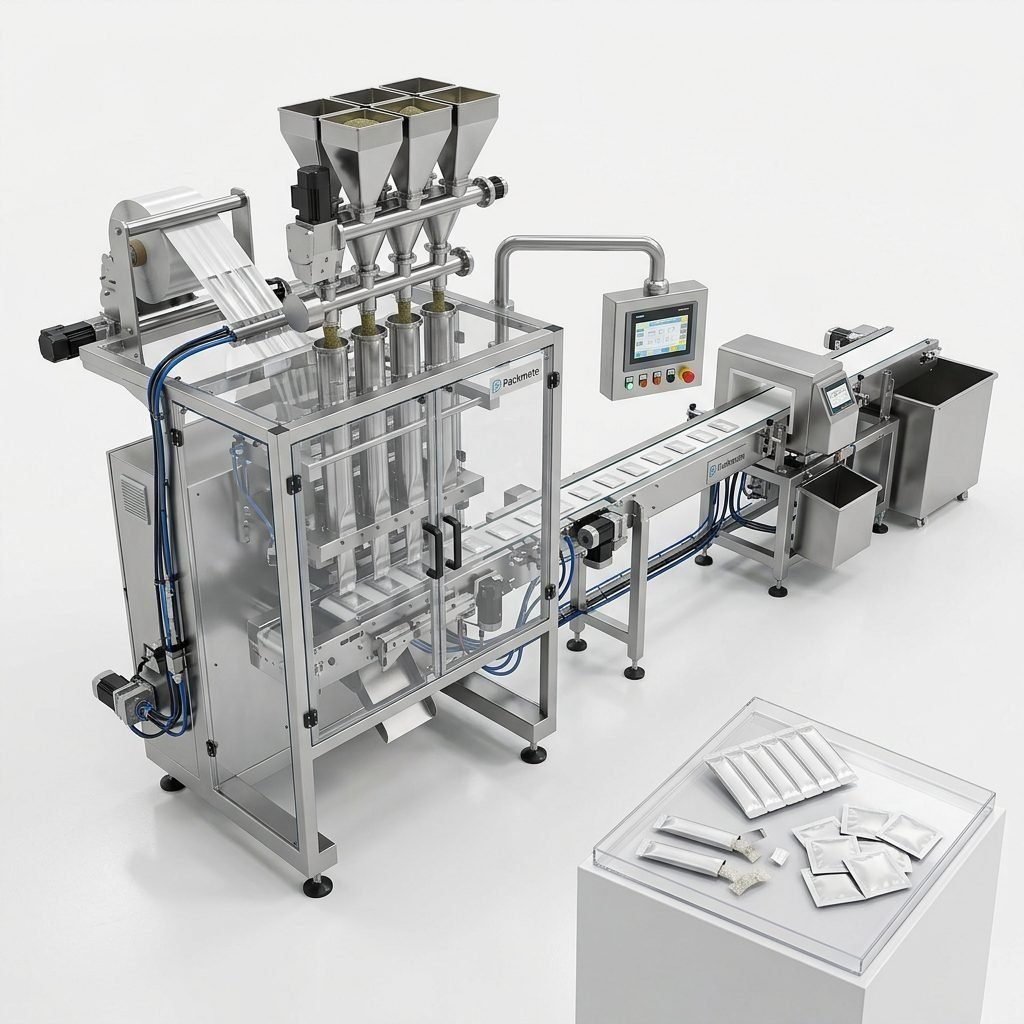
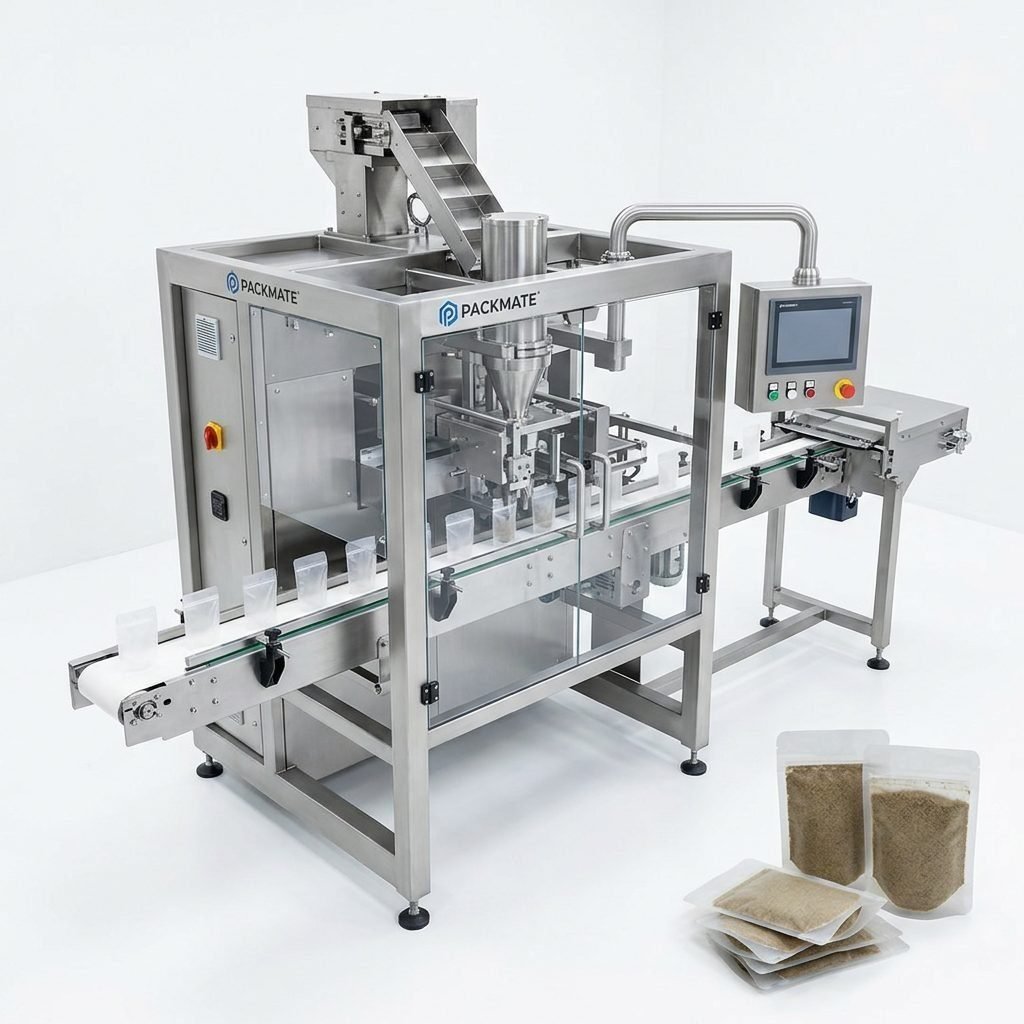
Check whether the supplier offers multi-lane systems for small-dose pouches and whether they can adapt dosing systems for nicotine powder or paste. Suppliers with experience in snus and nicotine pouch lines—offering stick pack, sachet, and pouch machines—are preferable.
Snus & Nicotine Packaging Machines
3. Factory strength and manufacturing standards
Evaluate factory size, CNC capabilities, precision assembly lines, and quality testing procedures. A larger, well-equipped factory (for example a 20,000㎡ facility with precise machining) usually provides better consistency and spare-part availability.
About Packmate
4. After-sales service, spare parts & training
Local support matters in Zimbabwe where lead times for imported parts can be long. Confirm spare part shipment times, remote diagnostics, and on-site training packages. Suppliers offering comprehensive commissioning and local training reduce downtime and ramp-up risk.
5. Proven case studies and exhibition presence
Suppliers who demonstrate global deployments—Europe, Asia, Americas—and show case studies have a track record you can review. Watching live demos at major exhibitions or requesting video FAT (Factory Acceptance Test) is recommended.
Case
Our Exhibition
🛠 Factory visit and inspection checklist
🔧 Inspect machining centers and assembly lines for signs of precision manufacturing.
📋 Request to see quality control procedures, test reports, and sample machine run videos.
📦 Check spare parts inventory management and shipping procedures for overseas customers.
👥 Meet the engineering team—confirm language communication and after-sales contact points.
🧪 FAT, SAT, training and warranty expectations
A reliable supplier will offer a detailed FAT (Factory Acceptance Test) and a clear SAT (Site Acceptance Test) procedure, including acceptance criteria for speed, weight accuracy, and sealing integrity. Ensure the contract includes training for operators and maintenance staff, a spare parts list for the first year, and warranty terms for mechanical and electrical components.
🚚 Logistics, importation, and local support in Zimbabwe
Factor in customs clearance, import duties, and transportation from major ports. A supplier experienced in exporting to African countries typically assists with documentation and shipping. Consider hiring a local agent for customs clearance and final delivery to reduce delays. Also evaluate whether the supplier can pre-configure the machine to minimize on-site adjustments.
💰 Total cost of ownership (TCO) — not just purchase price
Compare TCO: initial machine cost, installation, staff training, spare parts inventory, energy consumption, and expected uptime. High-efficiency machines with better accuracy often reduce product giveaway and material waste—delivering savings over time.
🏭 Why consider Packmate (example supplier profile)
Packmate Snus Machine is a specialized manufacturer focused on snus and nicotine pouch packaging with over 30 years of engineering experience. The company operates a large 20,000㎡ facility with advanced CNC machining, strict quality testing, and more than 50 machine models including multi-lane snus packing lines and stick/sachet systems. Their offerings are suitable for nicotine pouches, tea, powder, granules, and liquid products, and comply with CE and ISO standards.
Sachet & Stick Pack Machines
Choosing a supplier like Packmate can be advantageous if you need multi-format expertise, turnkey solutions, and a supplier that participates in global exhibitions. For direct service and inquiries, consult their service and contact pages for details on commissioning and spare parts.
Service
Contact Us
📈 Sizing machines for Zimbabwe businesses — examples
– Small start-ups: single-lane or low-speed multi-lane machines that produce between 300–1,200 pouches per minute depending on format. Lower capital, easier maintenance, suitable for test markets and small retailers.
– Medium producers: 2–6 lane systems capable of 1,200–6,000 pouches/min aggregate. Good for regional distribution and export to neighboring countries.
– Large manufacturers: fully automated lines with integrated weighing, cartoning, and palletizing for tens of thousands of pouches per hour—best for established brands targeting multiple retail channels.
⚠️ Common mistakes and red flags
🔴 Buying on price alone without checking service network or spare-part lead times.
🔴 Ignoring local regulatory labeling or materials standards that affect sealing and barrier requirements.
🔴 Accepting vague warranty terms or no documented FAT procedure.
🔴 Not confirming training availability or language competency for local technicians.
🗂 Step-by-step procurement checklist
1. Define production capacity, product formats, and materials.
2. Shortlist suppliers with nicotine/snuspouch experience and request machine datasheets.
3. Verify certifications and request references or case studies.
4. Conduct or request a video FAT and review acceptance criteria.
5. Get detailed spare parts list, consumables forecast, and training plan.
6. Assess shipping, customs documentation, and local installation scope.
7. Negotiate warranty, service response times, and local technical support options.
8. Plan pilot production runs to optimize recipes, dosing, and sealing parameters.
9. Prepare a contingency parts kit for the first six months of production.
10. Schedule follow-up audits and continuous improvement reviews with the supplier.
🔎 Final considerations for Zimbabwe buyers
Engage suppliers who demonstrate awareness of African logistics, provide transparent documentation, and can offer staged implementation to manage capital and operational risk. Prioritise communication (time zones, language), spare-part stock plans, and on-site training to ensure production stability. Visiting suppliers at exhibitions or scheduling live demos adds confidence when investing in high-value equipment.
📌 Helpful supplier resources
Browse product categories to evaluate machine families before requesting quotes:
– Snus & Nicotine Packaging Machines:
Product Page
– Bag & Pouch Packaging and auxiliary equipment for complete lines:
Bag & Pouch Machines
– For multi-stage filling and packaging lines:
Filling & Packaging Lines
Conclusion
Selecting the right nicotine packaging machine supplier in Zimbabwe requires balancing price, technical fit, compliance, and after-sales support. Prioritize suppliers with proven snus and nicotine pouch expertise, clear certification, robust factory capabilities, and a willingness to provide FAT/SAT, training, and spare parts planning. Using the checklist in this guide will help reduce risk and ensure reliable production.
Frequently Asked Questions
Q1: What certifications should I insist on when buying a nicotine pouch packing machine?
A: Ask for CE and ISO certification documentation, electrical safety reports, and material compatibility test results—these indicate compliance with international safety and quality standards.
Q2: How long does it take to install and commission a typical snus packaging line in Zimbabwe?
A: Basic single machines can be commissioned in a few days with remote support, while full turnkey lines (weighing, filling, multi-lane packaging, cartoning) often require several weeks including FAT, shipping, customs clearance, on-site installation, and training.
Q3: Can suppliers adapt machines for local packaging preferences and materials?
A: Yes—reputable suppliers offer customization for pouch size, barrier films, zipper types, and multi-lane formats. Confirm customization lead times and any additional tooling costs.
Q4: What spare parts should I keep in stock for the first year?
A: Keep critical items such as sealing jaws, knives, belts, sensors, and common wear components. Ask your supplier for a recommended spare parts kit based on expected throughput.
Q5: Where can I see machine demos or get more detailed product information?
A: Request supplier demo videos, attend relevant trade shows, or visit product pages and case studies online for detailed specifications and examples.
Catalog
FAQs