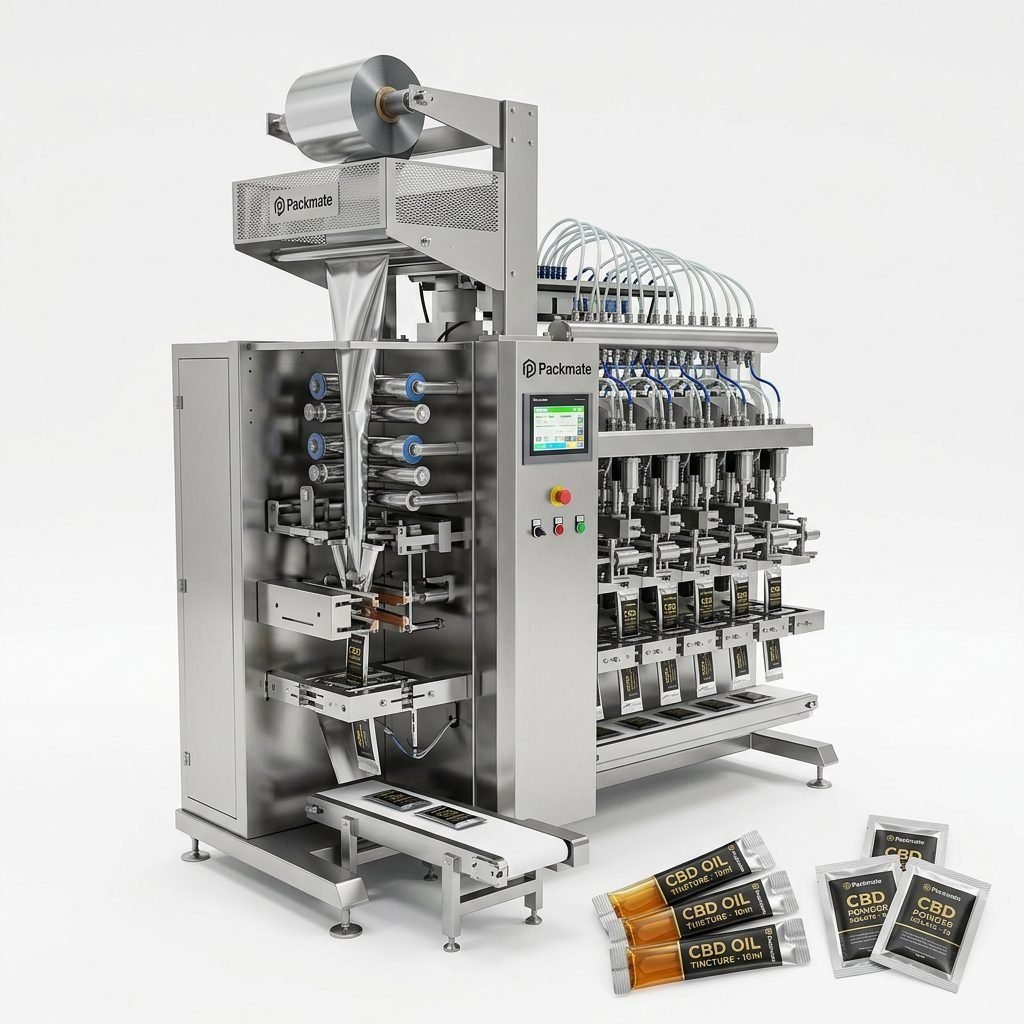
Entering the snus and nicotine pouch market in Burundi requires careful planning — and selecting the right packaging machinery manufacturer is one of the most important strategic decisions you will make. This guide walks you through how to choose the best snus packaging machine partner for your Burundi business, covering local market considerations, technical evaluation criteria, logistics and compliance tips, and why an experienced manufacturer like Packmate can be the right choice.
Understanding Burundi: market realities and cultural considerations
Burundi is an East African nation with a population that values community, small retail networks, and practical purchasing habits. While the formal tobacco and nicotine pouch market is still evolving, there are important local nuances to consider when planning production and packaging:
- Retail structure: most distribution often goes through small kiosks, pharmacies and informal markets where compact, clearly labelled pouches sell better than bulky packs.
- Consumer preferences: affordability, single-portion sachets, and clear safety/composition information are priorities for consumers and retailers alike.
- Socio-cultural sensitivity: many communities are conservative; discreet, sanitary, and professionally presented packaging helps acceptance — especially for products positioned as modern alternatives to smoking.
- Logistics & customs: Burundi is landlocked with primary import routes through Tanzania (Dar es Salaam) or Rwanda. Choose machines and suppliers familiar with regional shipping practices to avoid delays.
Why the right packaging machine matters for Burundi
Selecting an appropriate snus packaging line affects product cost, quality, regulatory compliance and your ability to win shelf space in Burundi. Investing in the wrong equipment can lead to frequent downtime, high waste rates, or packaging formats that don’t match local buying patterns. Focus on machines that deliver consistent fill accuracy, compact output formats, and easy maintenance.
🔍 Quick highlight: For Burundi, prioritize multi-lane small-dose snus pouch lines or sachet/stick pack systems that produce low-to-medium volume runs with high accuracy and minimal operator skill requirements.
Key evaluation criteria when choosing a snus packaging machinery manufacturer
1. Proven industry experience and product range
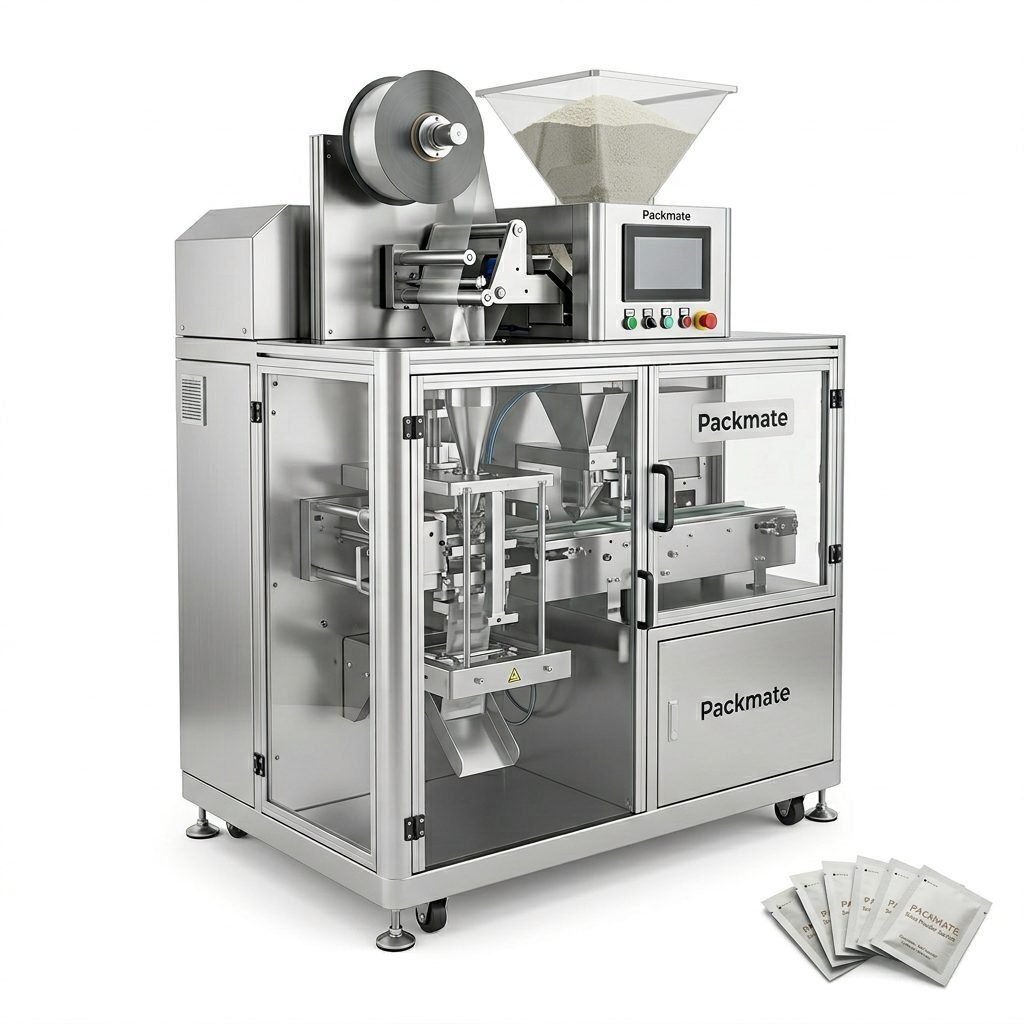
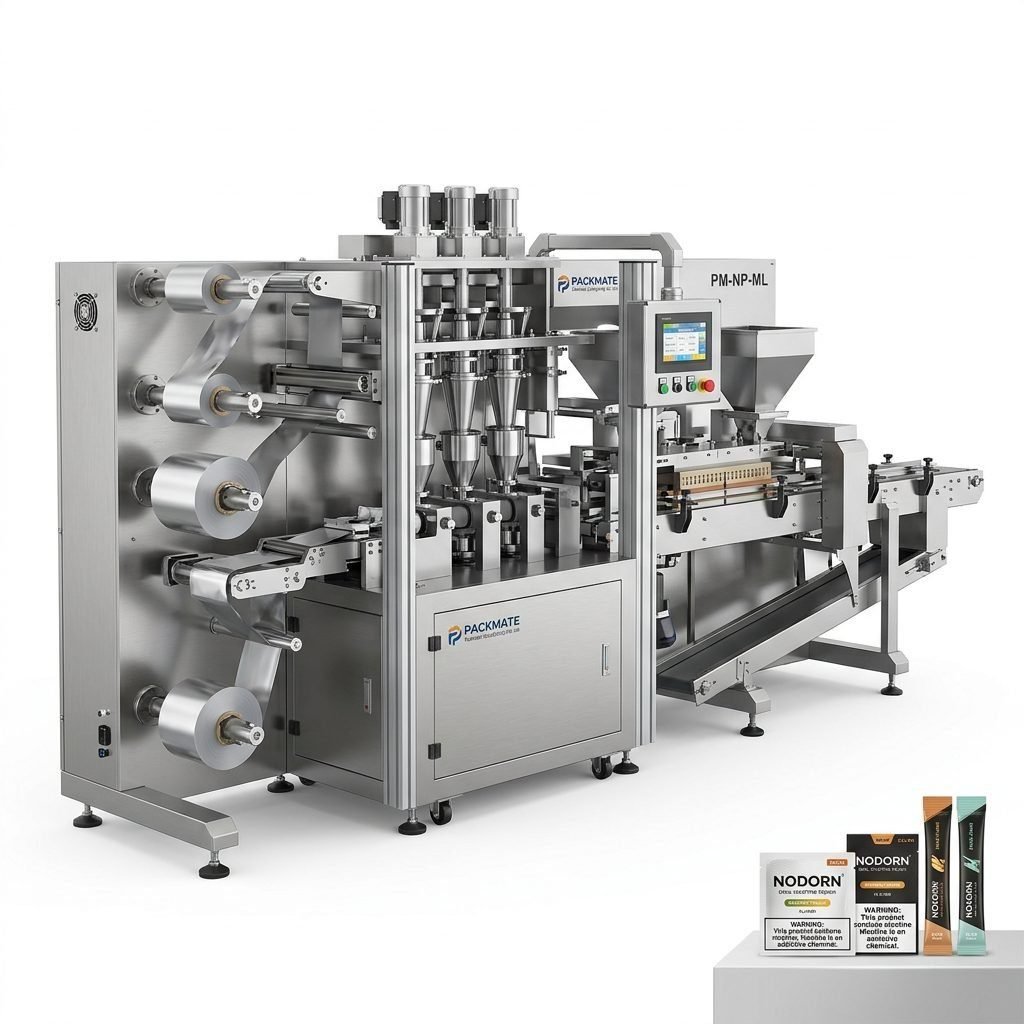
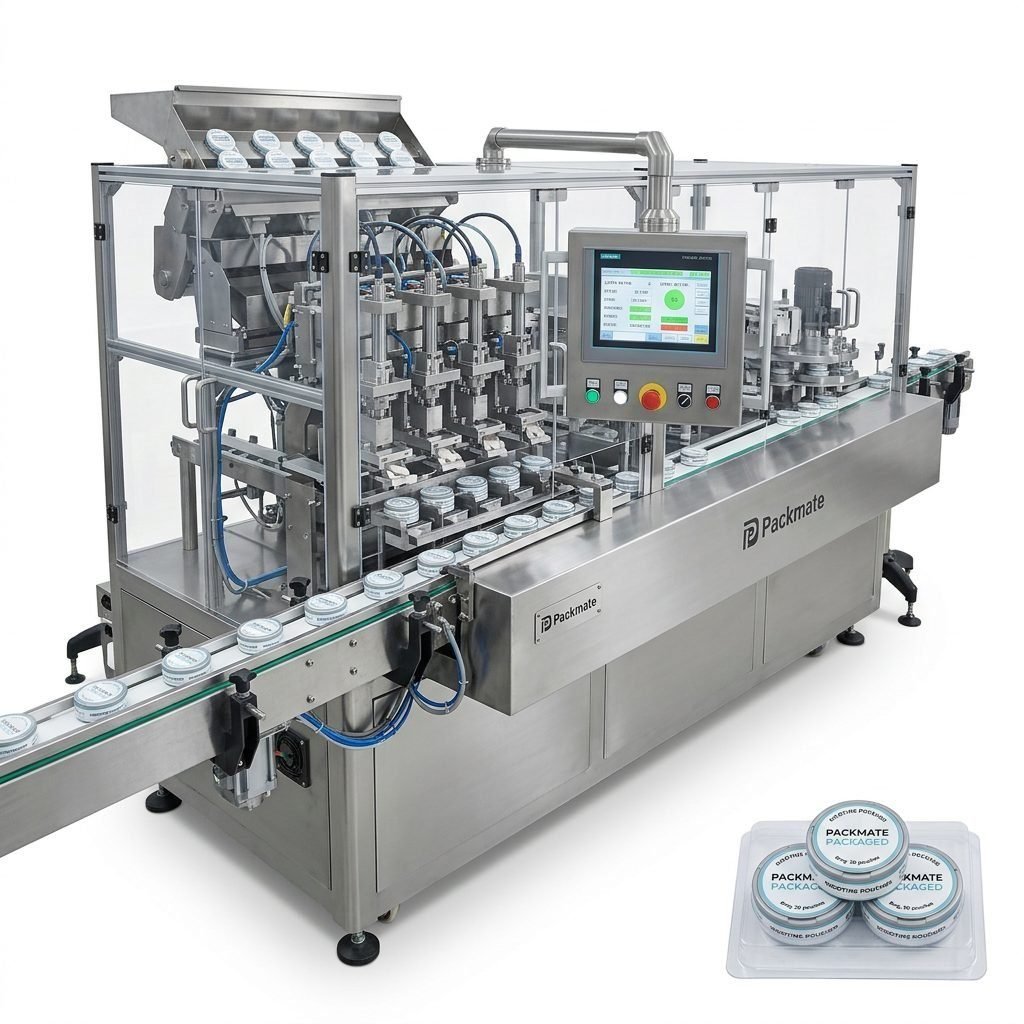
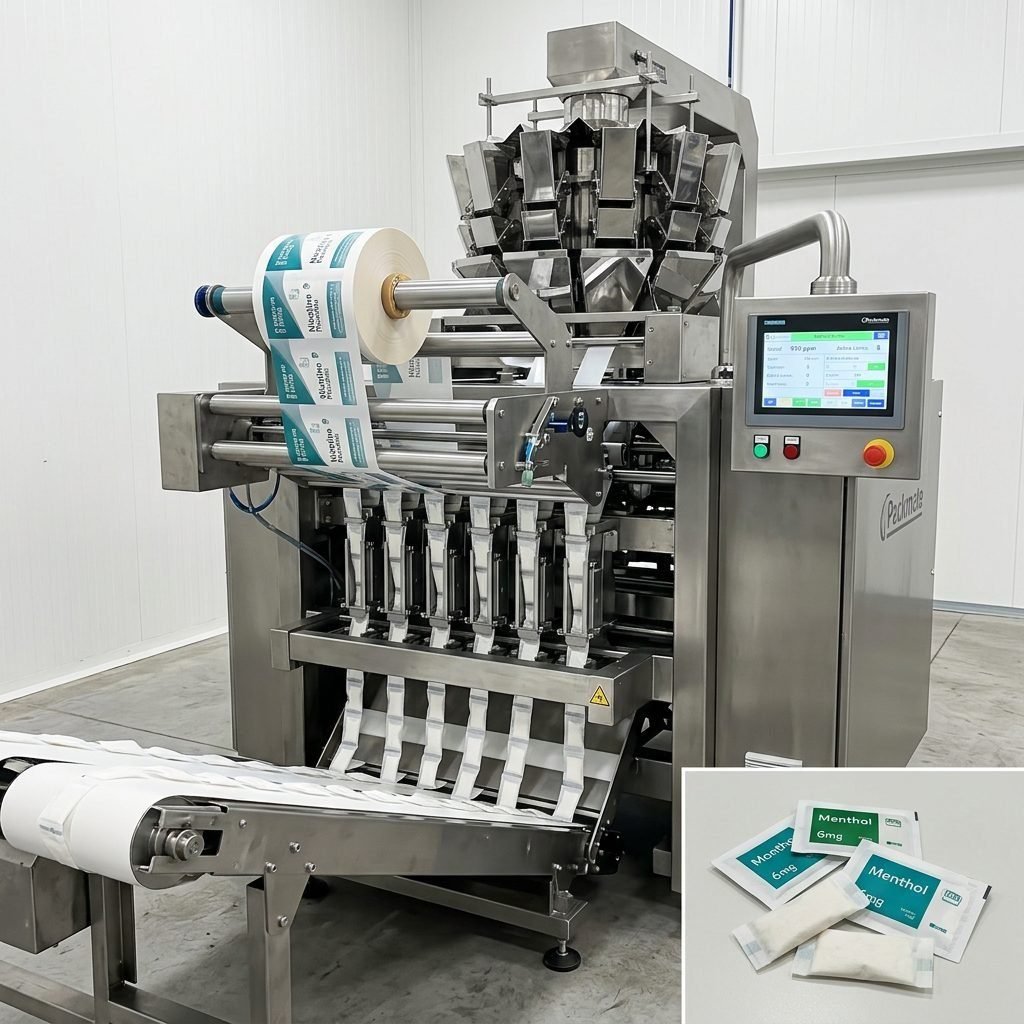
Look for manufacturers with a track record in snus and nicotine pouch packaging, including multi-lane systems and stick/sachet formats. A supplier with 20+ years of experience or more typically understands the unique filling challenges of low-dose nicotine pouches. For example, Packmate brings over 30 years of engineering experience and 50+ machine models across snus, sachet, and stick pack portfolios, which demonstrates a mature product range capable of meeting diverse production needs. See product examples: Snus & Nicotine Packaging Machines.
2. Customization and flexibility
Your packaging formats, pouch sizes and labeling requirements may change as you scale. A good manufacturer offers modular, customizable machines and can reconfigure lanes, dosing systems, or cutting profiles without major downtime. Ask about quick-change tooling, lane expansion options, and PLC program adaptability.
3. Factory and manufacturing strength
Check the manufacturer’s facility scale and machining capabilities. A well-equipped plant with CNC centers, precise assembly lines, and strict QC reduces production variability and shortens lead times. Packmate’s 20,000㎡ factory with advanced CNC machining centers and precision assembly lines is an example of the scale needed to supply reliable turnkey lines.
4. Certifications & compliance
CE, ISO and other international certifications show that the equipment meets global safety and quality standards. Machines used for consumable products should also support GMP-like cleaning and maintenance. Confirm available documentation and factory inspection options. View certifications: Certificate.
5. After-sales service & spare parts
In Burundi, fast access to technical support and spare parts is critical to avoid costly downtime. Select suppliers that provide commissioning, operator training, remote support, and a clear spare parts supply plan. Check the manufacturer’s service pages and warranty commitments. Example resource: Service.
6. Local market & regulatory knowledge
A partner who understands African import regulations and local labelling requirements will save you time. Discuss typical shipping routes to Burundi (Dar es Salaam port via Tanzania or Rwandan transit), expected customs clearance times, and necessary paperwork. Ask about experience delivering to neighboring markets (Rwanda, DRC, Tanzania) as this often indicates robust logistics capability.
7. Total cost of ownership (TCO) vs. price
Don’t choose only by purchase price. Evaluate energy consumption, yield (waste rate), maintenance frequency, and spare part pricing. A slightly higher initial cost may deliver far lower operating costs and better uptime over years.
✅ Important check: request a trial run or video of the exact model processing your specific pouch weight and format. Confirm measurement data for fill accuracy and speed under working conditions.
Machine types to consider for Burundi operations
Matching machine type to your business model is essential:
- Multi-lane snus pouch lines — best for medium volumes, high lane-count machines allow scalable output without increasing machine footprint.
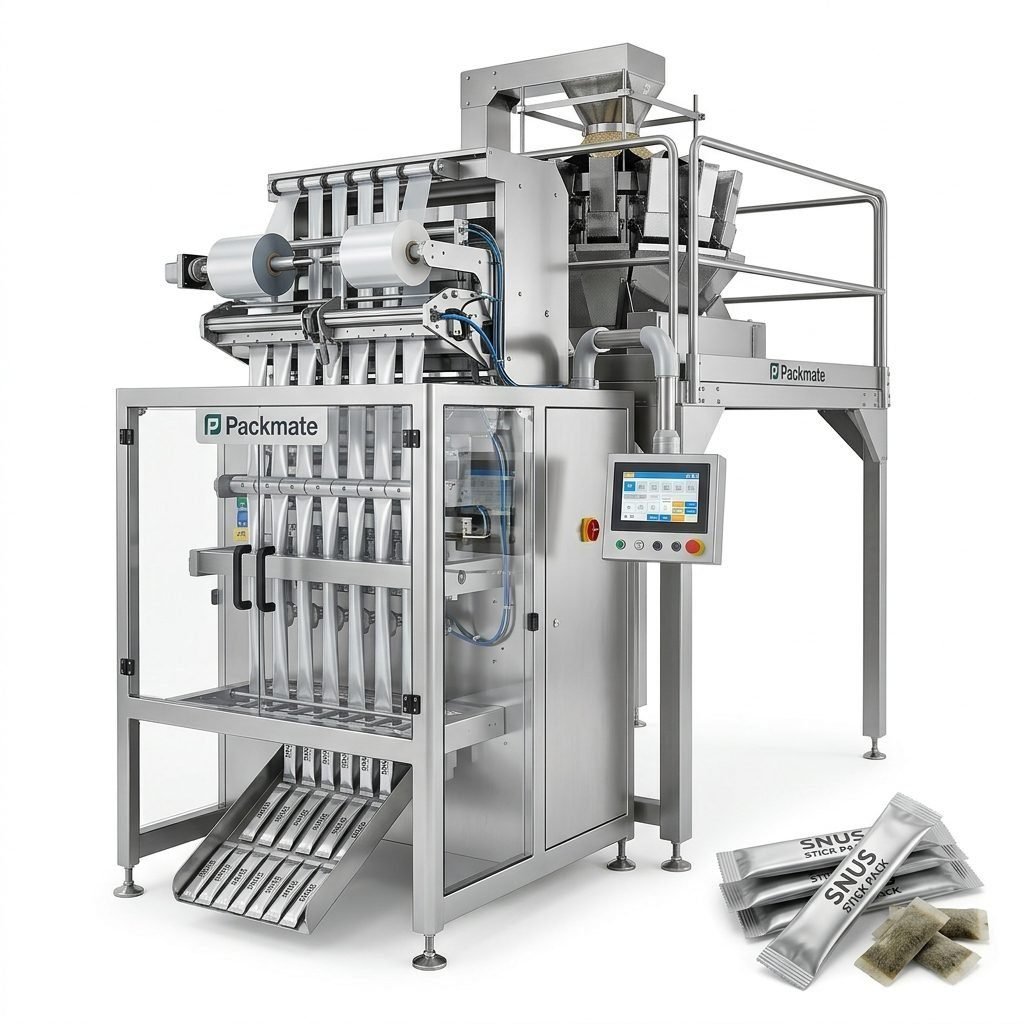
- Sachet & stick pack machines — ideal for single-dose portion products and easy retail sell-through; see relevant models: Sachet & Stick Pack Machines.
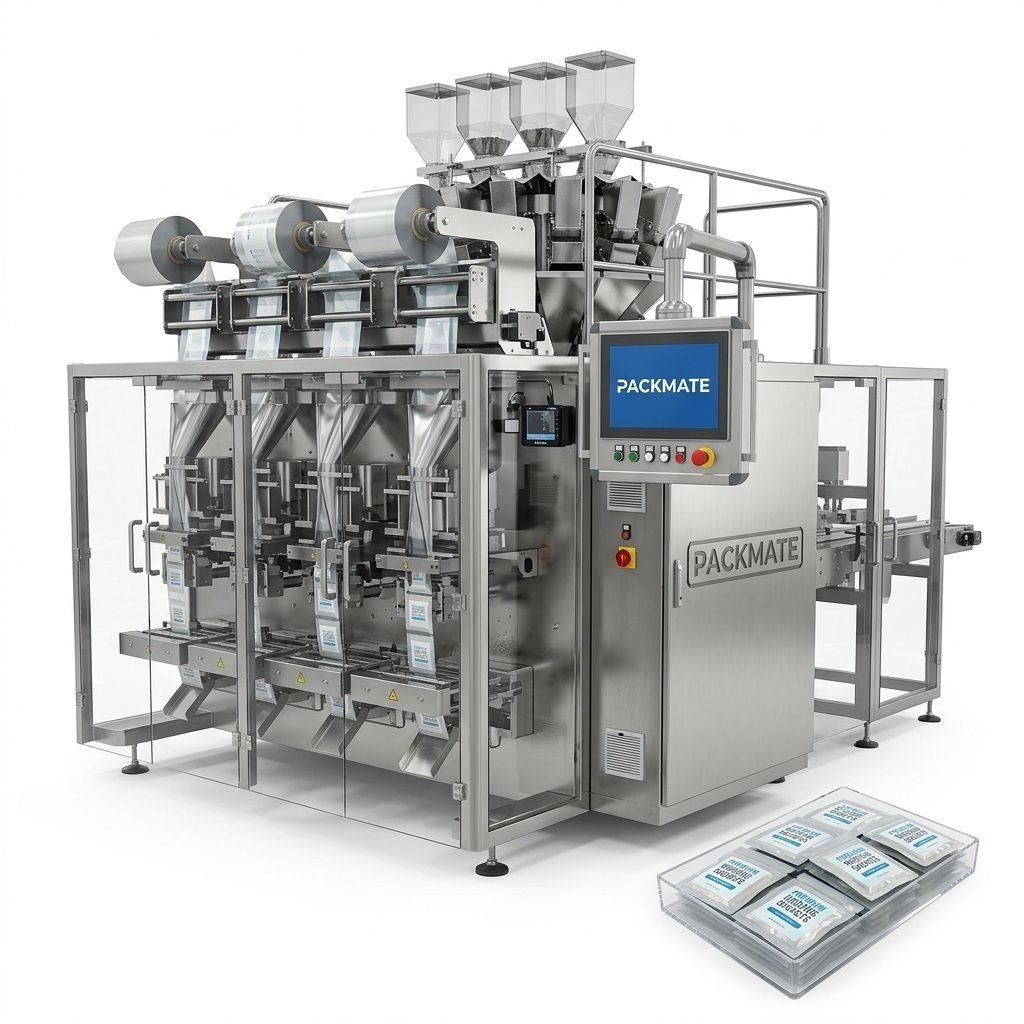
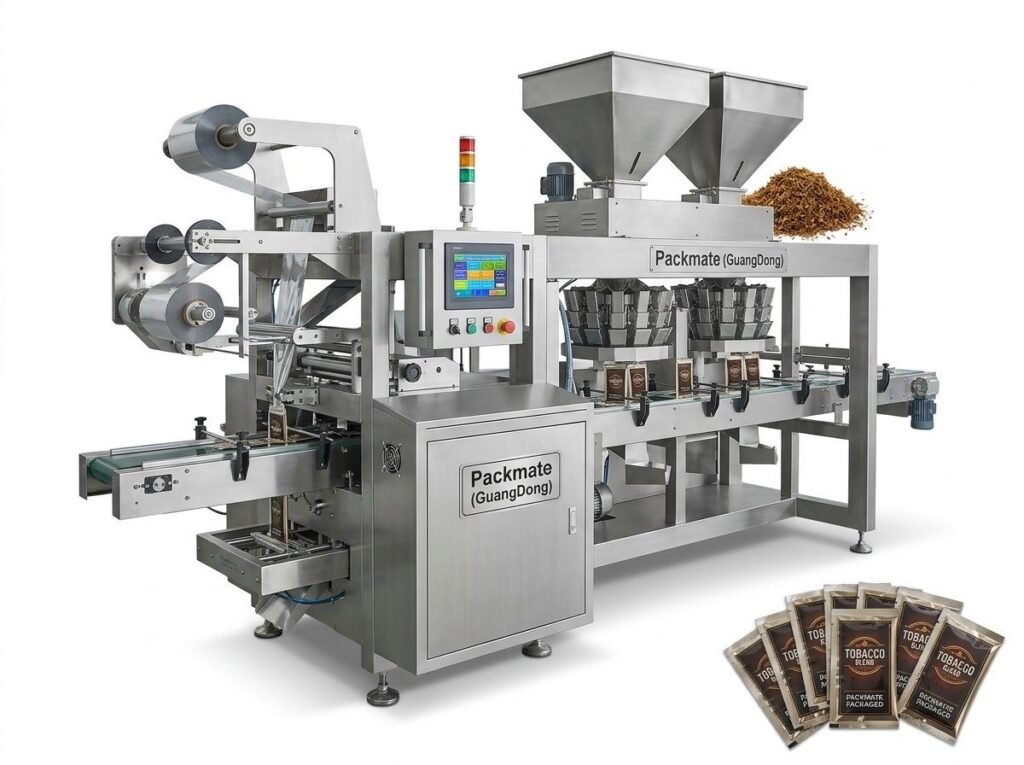
- Bag & pouch machines — suitable if you plan secondary packaging or multi-pouch retail bags (Bag & Pouch Packaging Machines).
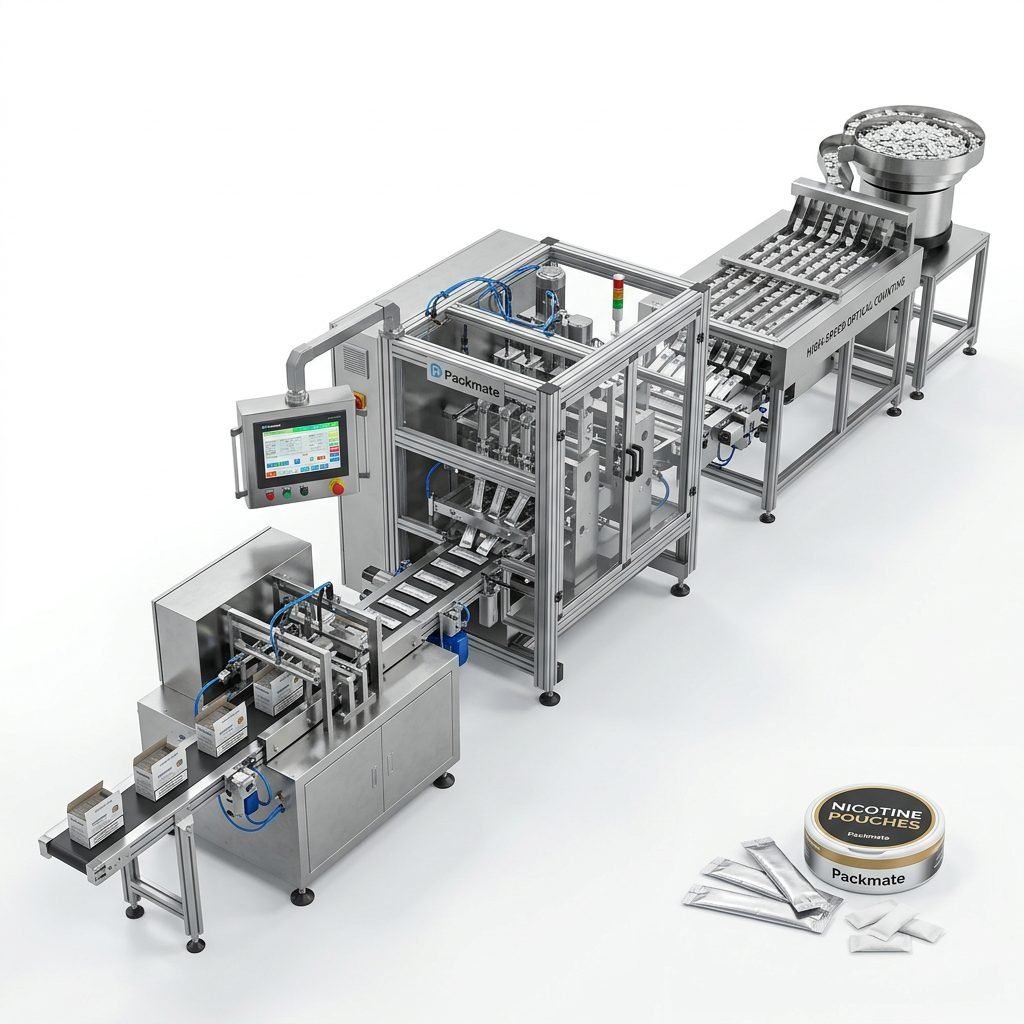
- Weighing & integrated filling lines — necessary for precise dosing when working with powders or herbal blends (Weighing & Packaging Systems).
Selecting lane counts and speed
Choose lane count based on target daily output and the type of pouches. Multi-lane machines (4, 8, 12 lanes etc.) give flexibility; however, each additional lane requires precise synchronization to maintain consistent fill weights. Discuss changeover times and lane isolation features with suppliers.
Logistics, installation and local support — practical tips for Burundi
Operational readiness depends on planning for shipping, installation and local workforce training:
- Shipping route: confirm containerized shipping schedules to Dar es Salaam or Mombasa and inland trucking options. Ensure the manufacturer assists with customs documentation and HS codes for machinery and spare parts.
- Site preparation: machines often require stable foundations, adequate power supply and compressed air systems. Ask for site drawings and utility requirements well before shipment.
- Training: insist on comprehensive on-site operator and maintenance training, plus remote support options. Some manufacturers include commissioning & testing at your site.
- Spare parts kit: request a starter kit (critical wear parts, sensors, belts) and an agreed lead time for replenishment.
Why Packmate could be your reliable partner
If you want a supplier with deep experience in snus and nicotine pouch systems, consider these strengths:
- 30+ years of engineering background — evolving from early R&D to current turnkey production lines.
- Large factory and production capacity — 20,000㎡ with advanced CNC and assembly systems to ensure consistent quality.
- Comprehensive product range — from snus machines to filling, weighing and auxiliary equipment: Filling & Packaging Lines and Auxiliary Packaging Equipment.
- Global exhibition presence and case history for international customers — review client cases: Case, and learn more About Packmate.
⚙️ Pro tip: request a factory acceptance test (FAT) and a video-recorded run of your chosen model handling your exact pouch size and formulation prior to shipment.
Step-by-step purchase checklist
Use this checklist to compare suppliers and select the right equipment for your Burundi operation:
- Define target pouch formats, daily output, lane count and product composition.
- Request technical datasheets, electrical/utility requirements, and list of included accessories.
- Ask for references and case studies from similar markets or product types.
- Verify certifications (CE/ISO) and request FAT/ SAT (site acceptance test) plans.
- Clarify warranty, spare parts lead times, local support capabilities and training scope.
- Plan logistics — confirm shipping routes to Burundi, customs handling, and on-site installation timelines.
Negotiation tips
Negotiate on delivery commitments, training packages, spare parts kits, and a defined penalty or corrective clause for missed performance guarantees. Consider factoring in future expansion options (adding lanes or automation modules).
Installation, commissioning and workforce training in Burundi
A smooth commissioning phase is essential for long-term success. Key elements include:
- On-site commissioning by manufacturer engineers or certified partners.
- Hands-on operator training covering changeovers, cleaning, basic troubleshooting, and safety.
- Maintenance training for local technicians and documentation in English (and local language if possible).
- Remote support and spare part supply agreements to minimize downtime when parts are needed quickly.
Sustainability and local community considerations
Burundian consumers and regulators increasingly value responsible business practices. Choose machines that minimize waste, support recyclable materials, and allow clear labelling for ingredients and safety. Local employment through training programs can also foster community goodwill and improve local acceptance.
📌 Note: clearly labelled, professional packaging combined with community-focused marketing is more likely to succeed in Burundi than aggressive mass-market tactics.
Final steps: making the decision
To finalize your choice, perform a side-by-side comparison of shortlisted manufacturers using the following weighted criteria: technical fit (30%), reliability & certifications (20%), service & spare parts (20%), TCO (20%), and local logistics & references (10%). Request a written proposal that includes lead time, shipping plan to Burundi, training details, warranty terms, and spare parts list. If possible, visit the factory or request a virtual walkthrough and machine demo.
Want to see examples and get in touch?
Explore product categories and request quotes or technical consultations directly via manufacturer resources such as Snus & Nicotine Packaging Machines, or contact sales and support: Contact Us. Reviewing past Case studies and exhibition demos can also help validate machine performance before purchase.
Frequently Asked Questions
Q1: What machine type is best for a small snus startup in Burundi?
A1: For startups, a compact multi-lane snus pouch machine or a small-capacity sachet/stick pack system is ideal — it balances cost with the ability to produce small, retail-friendly pouches with precise dosing.
Q2: How can I reduce lead time for shipping machines to Burundi?
A2: Work with a manufacturer experienced in East African logistics, choose common shipping routes (Dar es Salaam or Mombasa), prepare customs paperwork in advance, and order a spare parts kit to avoid delays from minor breakdowns.
Q3: What certifications should I insist on?
A3: CE and ISO are essential. Also ask for manufacturing QC reports, material traceability, and compliance documentation that fit your local regulatory requirements.
Q4: How important is after-sales support?
A4: Extremely important. Reliable remote support, spare parts availability and on-site commissioning ensure your line runs consistently — crucial in markets where downtime directly impacts revenues.
Q5: Can Packmate assist with turnkey solutions?
A5: Yes. Packmate offers turnkey snus and nicotine pouch solutions, including ancillary equipment, weighing systems and customized production lines. Review their offerings for integrated setups: Filling & Packaging Lines.