Entering or expanding in the nicotine pouch and snus market means choosing the right packaging partner. Selecting a reliable manufacturer in Turkey can bring strategic advantages—geographic proximity to both European and Middle Eastern markets, competitive production costs, and experienced engineering teams. This guide helps you choose the best nicotine packaging machine manufacturer in Turkey for your business by focusing on technical, commercial, and cultural considerations.
Why choose a Turkish manufacturer for nicotine packaging?
Turkey is uniquely positioned between Europe and Asia, which reduces freight times and logistics complexity for businesses targeting EU, CIS, and Middle Eastern markets. Turkish manufacturers often offer a balanced mix of engineering talent and price competitiveness. Additionally, local production can simplify compliance with regional technical standards and after-sales support schedules.
Cultural and market fit
When dealing with nicotine pouch products in Turkey and neighboring countries, it’s important to be aware of cultural nuances. Many consumers in Turkey prefer discreet formats and strong, familiar flavors (mint, citrus, or herbal notes that resonate with local tastes). Also, consider religious and social norms: packaging that emphasizes quality, safety, and transparency will gain trust among conservative buyers.
Tip: If you plan to enter regional markets, ask your Turkish partner about multilingual packaging capabilities (Turkish, Arabic, Russian, and EU languages) and regulatory labeling support.
Key factors to evaluate when choosing a packaging machine manufacturer
1. Product compatibility and machine types
Different nicotine formats require different packaging technologies. Confirm that the manufacturer has proven models for your product type:
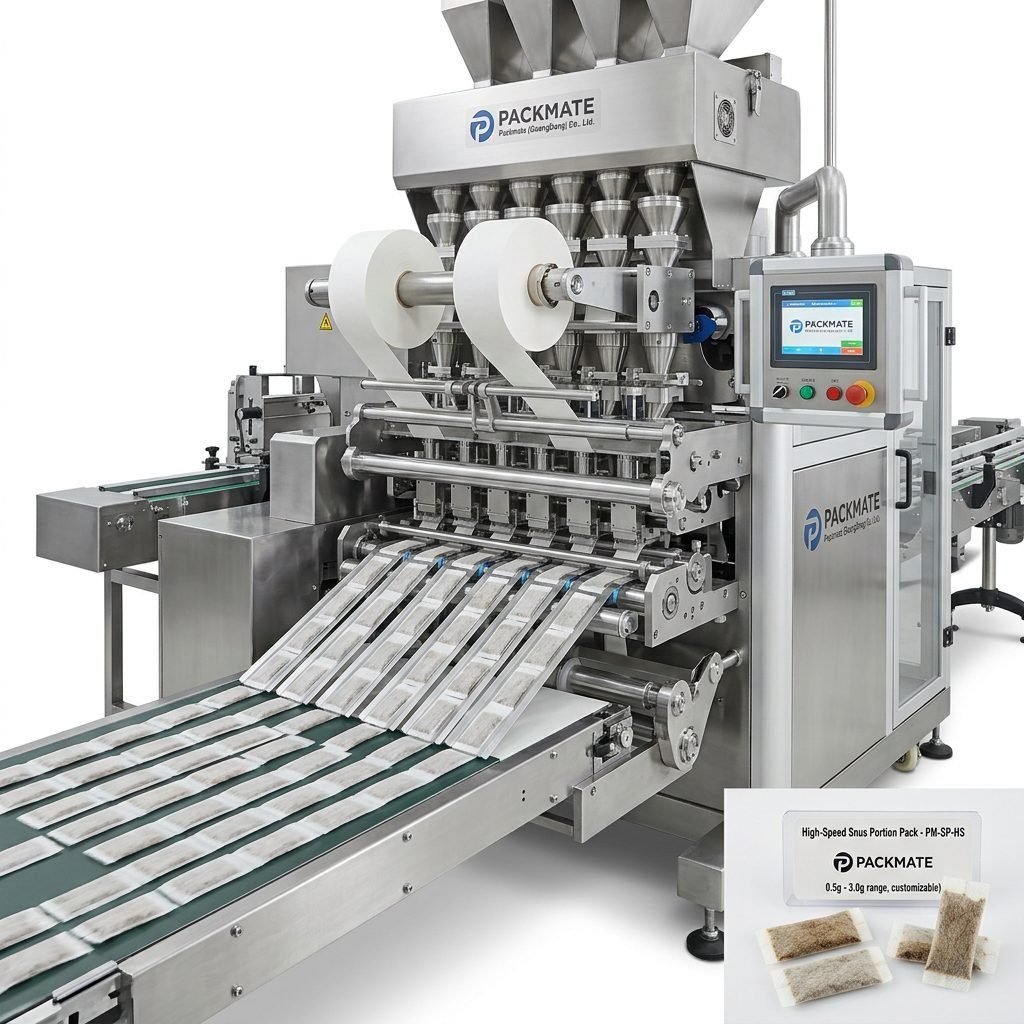
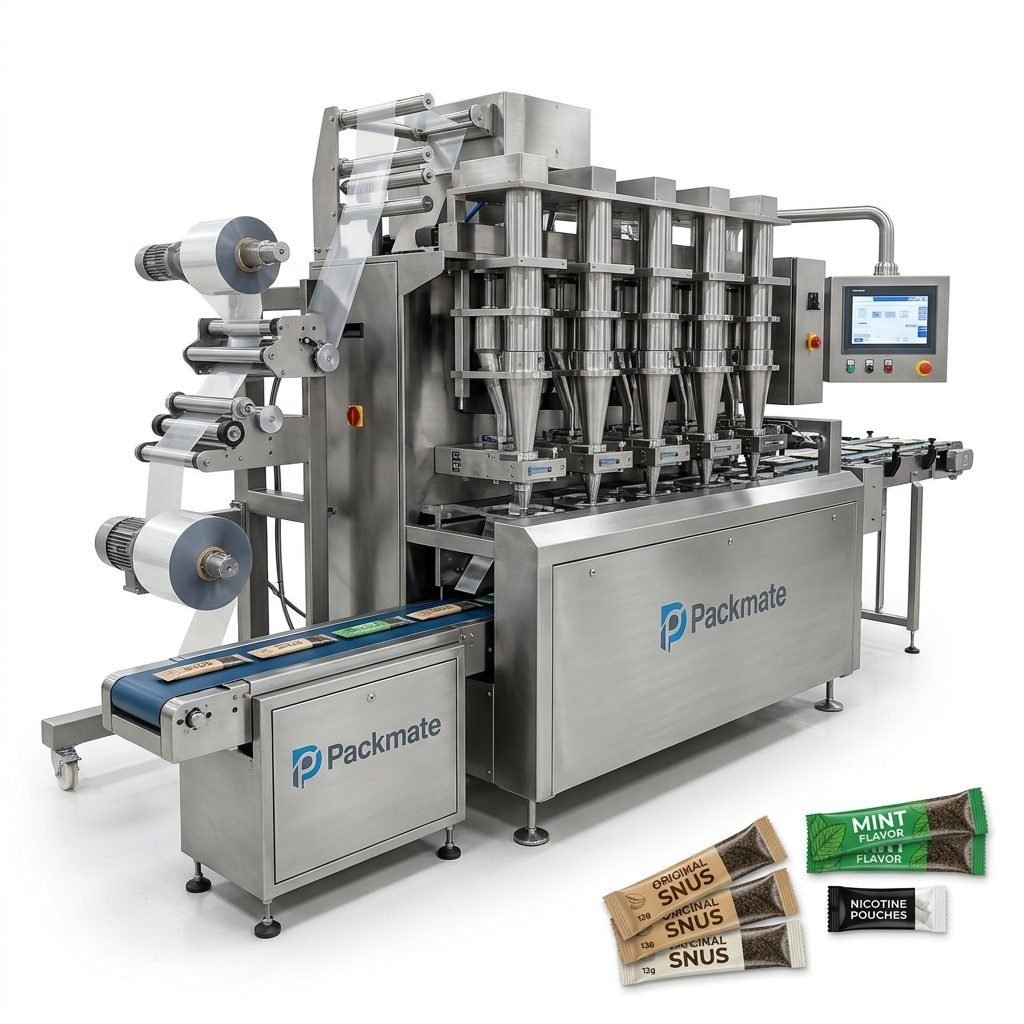
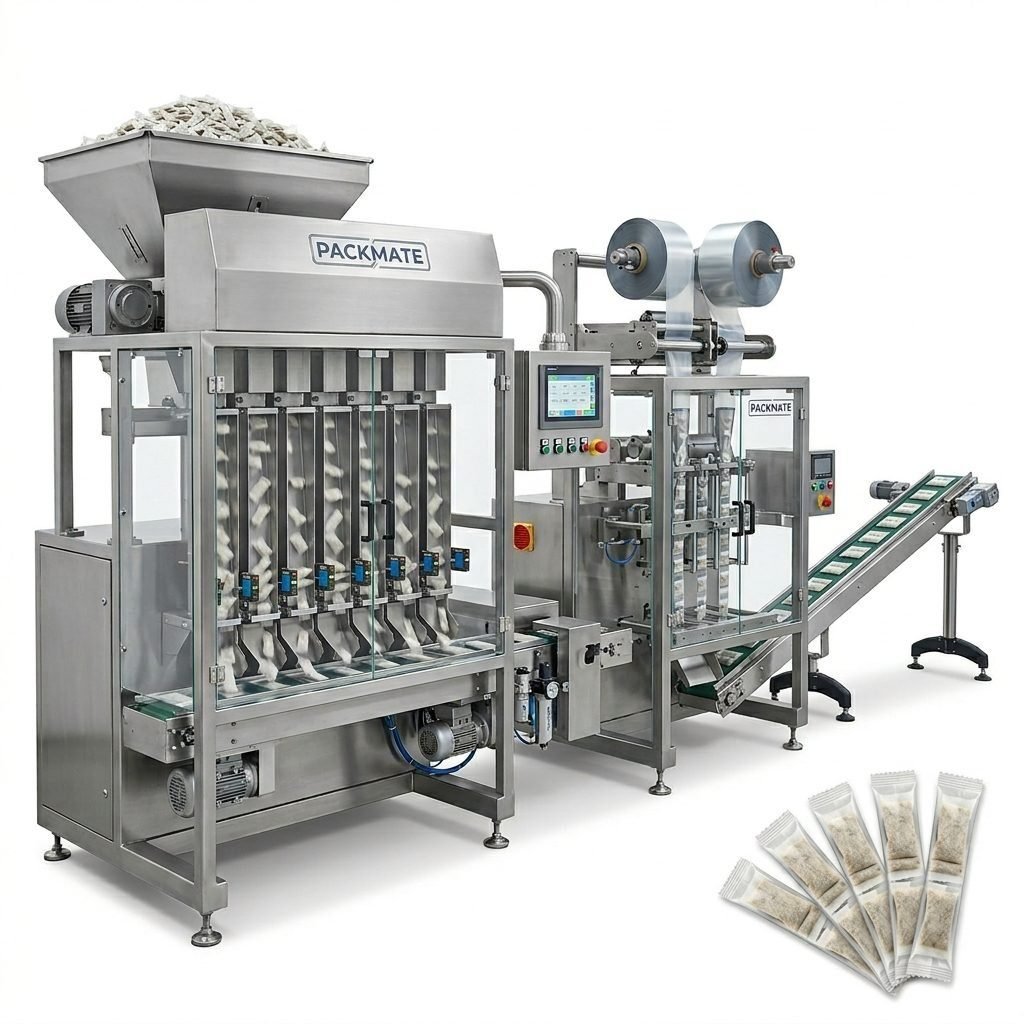
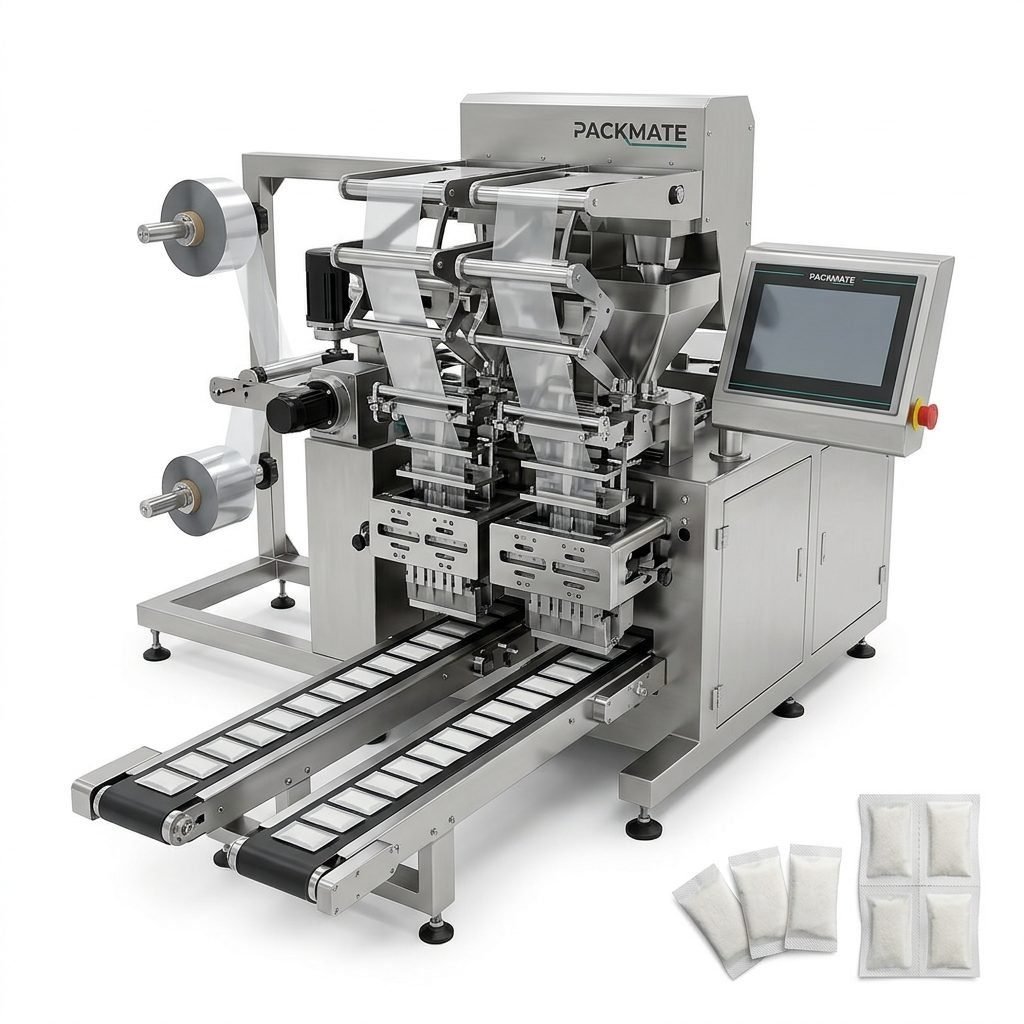
– Stick pack and sachet machines for single-dose pouches.
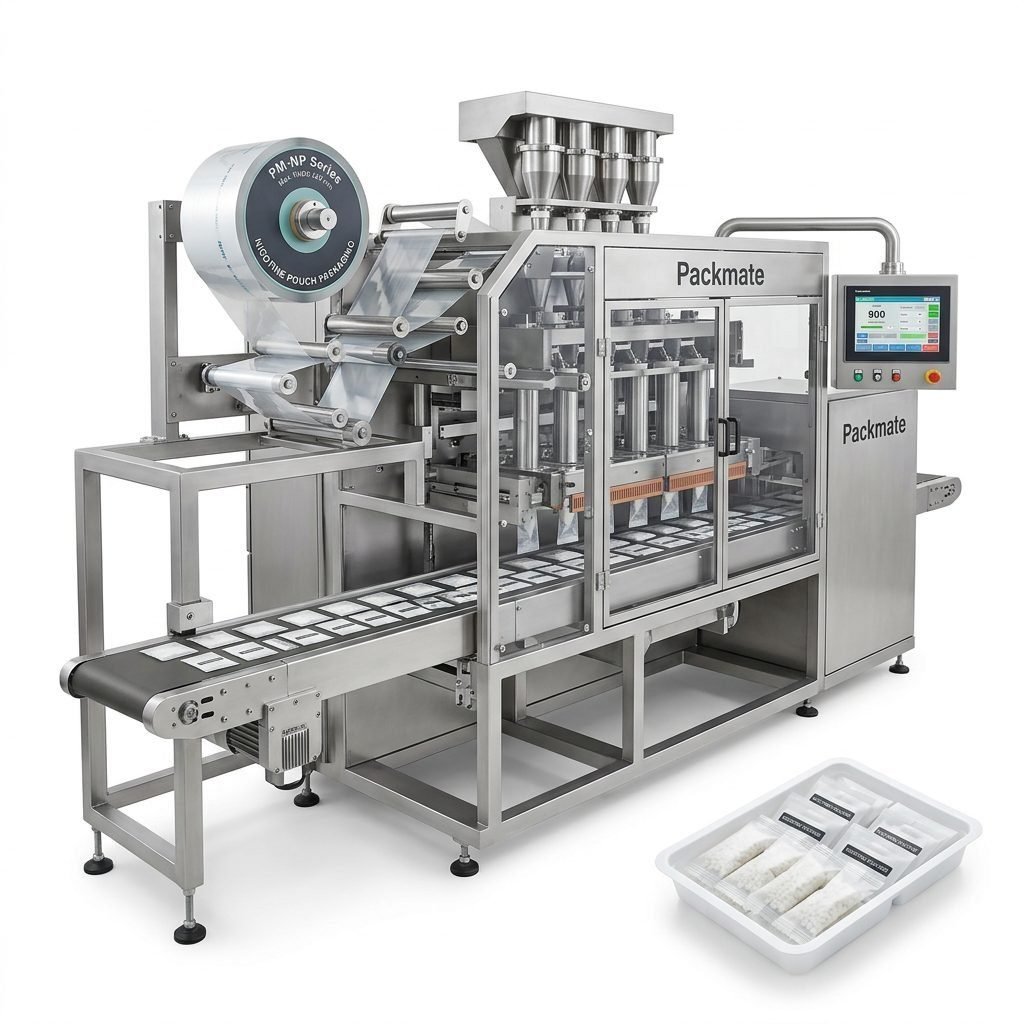
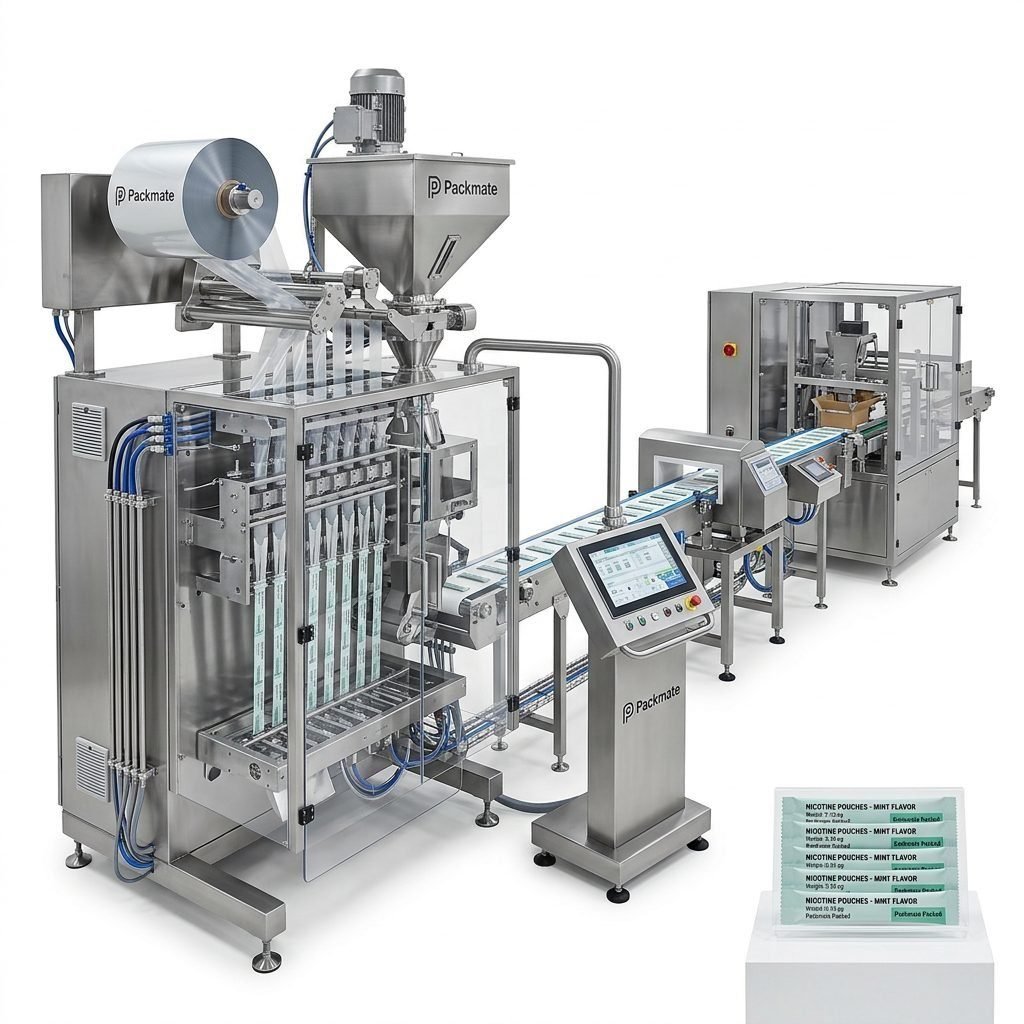
– Multi-lane systems for high-output nicotine pouch production (small-dose, high-speed lines).
– Auxiliary equipment for dosing powders, granules, and liquids if you’re producing blended formats.
Explore specific machine categories such as Snus & Nicotine Packaging Machines and Sachet & Stick Pack Machines for technical options and examples.
2. Experience and engineering capability
A manufacturer with decades of experience typically delivers better reliability and fewer surprises. Look for:
– Track record in nicotine pouch lines and small-dose multi-lane systems.
– Ability to customize dosing systems and sealing profiles to protect product stability.
– Access to advanced machining and precision assembly—these reduce downtime and extend machine life.
Evidence to request: manufacturing facility photos, CNC capabilities, and examples of delivered lines (ask for references and case studies).
3. Quality management and certifications
Certifications like CE and ISO indicate that the manufacturer adheres to international safety and quality standards. Verify:
– CE compliance for machines destined for EU markets.
– ISO quality management systems for consistent production and testing protocols.
Manufacturers often showcase certificates; you can view certification examples on company pages such as Certificate.
Technical checklist: what to inspect before purchase
Use this checklist during factory visits or remote inspections to compare offers objectively.
Mechanical design & reliability
– Robust frame and corrosion-resistant materials.
– Precision components (servo drives, gearboxes) from established brands.
– Ease of access for cleaning and maintenance.
Electrical controls & software
– PLC and HMI systems with language options.
– Recipe storage for rapid changeovers between SKUs.
– Diagnostics and remote support capability.
Performance & validation
– Speed: measured pouches per minute at your target pouch weight and format.
– Yield: sealing integrity and pouch appearance.
– Validation reports and test runs using your actual product formulation.
Quick inspection tip: request a video of a full production run using product similar to yours. Check filling accuracy and sealing quality closely.
Commercial considerations and total cost of ownership
The initial quote is rarely the full picture. Consider:
– Spare parts availability and lead times.
– Local service capability and on-site technicians.
– Energy consumption and tooling replacement costs.
– Warranty terms and extended support packages.
After-sales service and training
A strong after-sales program can reduce downtime. Ask whether the manufacturer provides:
– Commissioning and start-up support in Turkey or nearby regions.
– Operator and maintenance training (onsite or virtual).
– Spare parts kits and preventive maintenance schedules.
Factory tour: what to observe in person
Visiting the production site gives invaluable insights. During the tour, observe:
– Assembly lines and cleanliness standards.
– Test benches and quality control stations.
– Finished equipment staged for shipping—are machines protected and documented?
If travel is not possible, request a live video walkthrough and a virtual Q&A with the engineering team.
Logistics and regulatory navigation in Turkey
Working with a Turkish manufacturer means you benefit from regional port access and trade routes, but you should still confirm:
– Export documentation and customs handling expertise.
– Export packing standards to protect precision components during transit.
– Regulatory support for product labeling and local approvals if you plan to pack for Turkey or regional markets.
Note on regulations: nicotine products can face strict rules in some markets. Make sure your supplier understands export restrictions and can provide compliance documentation.
Custom solutions: tailoring machines to your brand
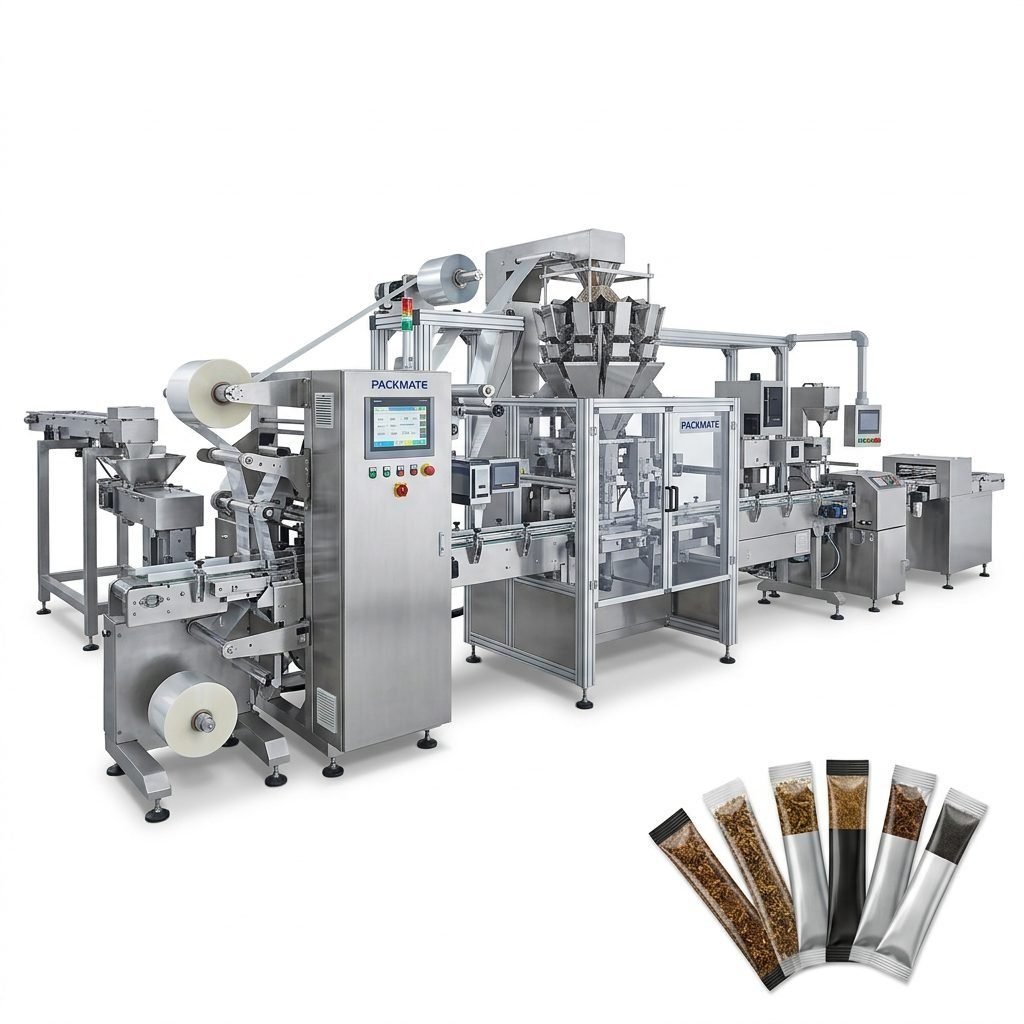
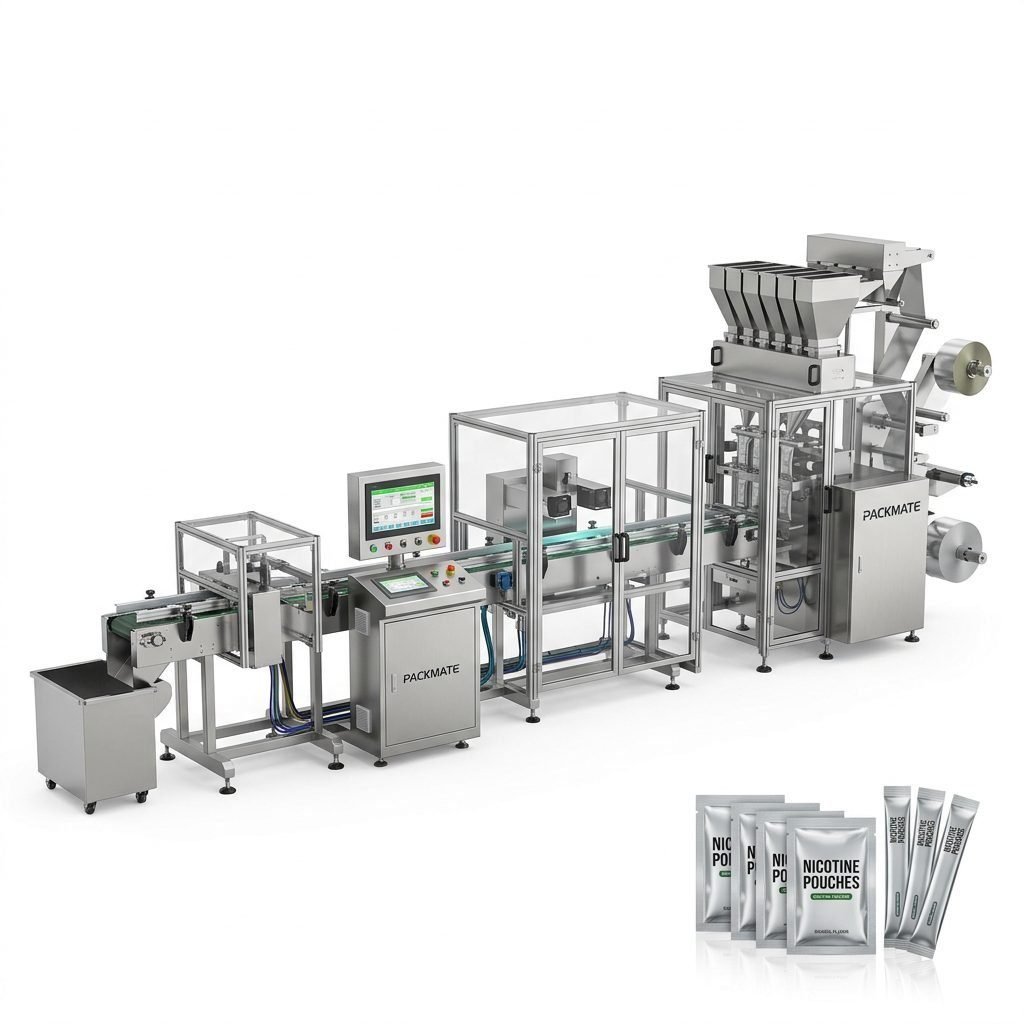
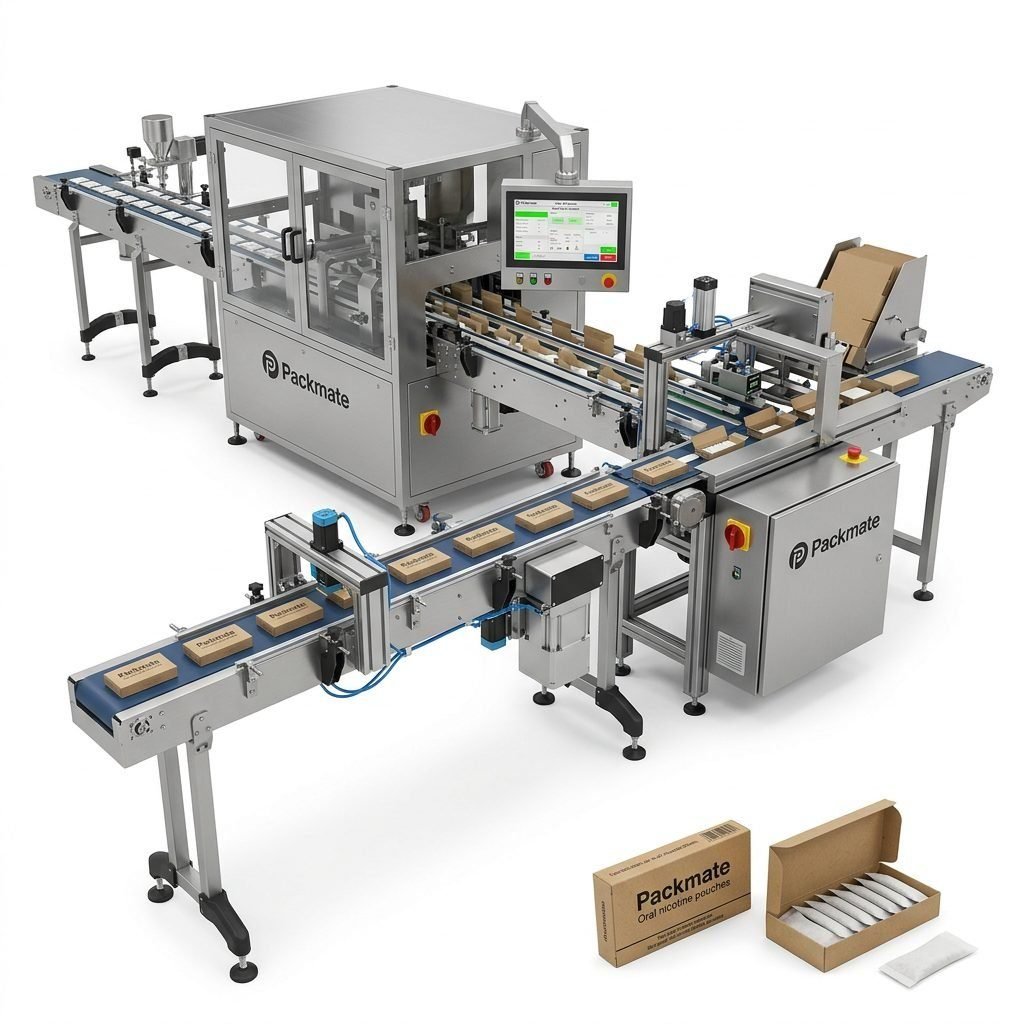
Leading manufacturers offer turnkey solutions including filling, dosing, sealing, and secondary packaging. When seeking customization, clarify:
– Multi-lane layout and throughput targets.
– Dosing accuracy for micro-dose nicotine pouches.
– Packaging materials compatibility (foil, barrier films, compostable films) and sealing temperatures.
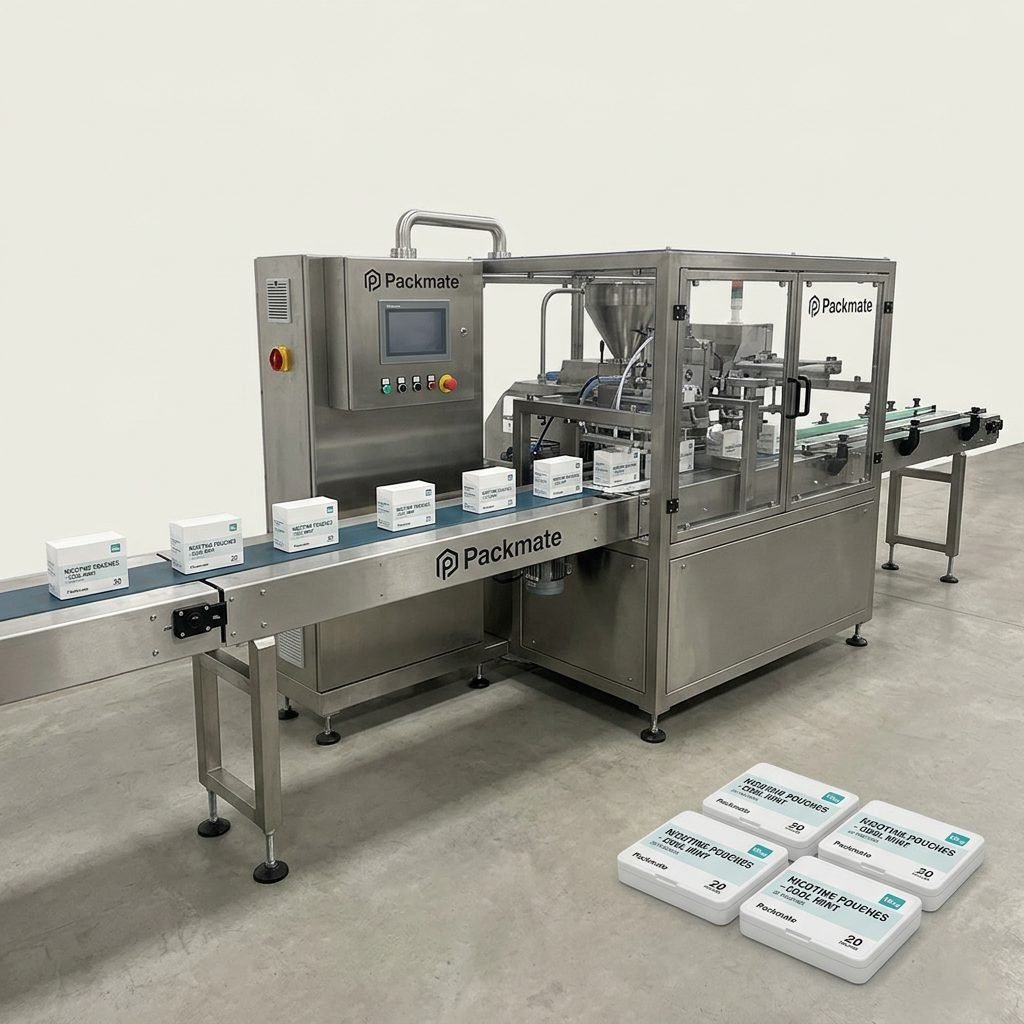
– Integration with upstream weighing and downstream cartoning/packaging lines; see examples of complete lines at Filling & Packaging Lines.
Evaluating quotes and supplier transparency
When comparing suppliers, request a detailed proposal that includes:
– Machine model and full specifications.
– Packing materials and consumables list.
– Delivery timeline, installation schedule, and payment terms.
– Warranty coverage and expected MTBF (mean time between failures).
Red flags to avoid
– Vague performance claims with no test data.
– No clear after-sales or spare parts plan.
– Unwillingness to show factory capabilities or references.
Why Packmate Snus Machine is worth considering
Packmate Snus Machine brings over 30 years of engineering experience and a strong focus on snus and nicotine packaging. Their 20,000㎡ factory, advanced CNC centers, and 50+ machine models support turnkey solutions from dosing to multi-lane packaging. You can learn more about their background and capabilities on the About Packmate page and explore specific equipment categories like Snus & Nicotine Packaging Machines.
Case reference: Packmate supplies multi-lane lines and has global cooperation cases—review examples at Case.
Steps to request quotes and validate suppliers
Follow these steps to streamline supplier validation:
1) Prepare a detailed technical brief with product specs (pouch size, weight, material, target speed).
2) Ask for machine performance metrics and videos of similar product runs.
3) Request a factory visit or live virtual tour.
4) Compare proposals by total cost of ownership, not only upfront price.
5) Confirm after-sales coverage and spare parts lead time.
To get in touch with a proven supplier, use the manufacturer’s contact page such as Contact Us for quotes, technical clarifications, and shipping options.
Conclusion
Choosing the best nicotine packaging machine manufacturer in Turkey requires balancing technical competence, regulatory knowledge, and commercial support. Prioritize manufacturers with a documented history in snus and nicotine pouch equipment, transparent testing data, strong after-sales service, and the ability to customize lines for your product and regional market. A methodical evaluation—factory inspection, performance validation, and clear contract terms—will reduce risk and accelerate your time to market.
Frequently Asked Questions
Q1: How can I verify a Turkish manufacturer’s machine performance?
Request machine videos of production with similar products, ask for production certificates, check customer references, and if possible, arrange a live demonstration or factory test run.
Q2: What is the typical lead time for custom snus packaging lines?
Lead time depends on complexity—standard models may ship faster, while fully customized multi-lane turnkey lines often require several months for design, fabrication, and factory acceptance testing.
Q3: Are there local after-sales services available in Turkey?
Many reputable manufacturers either maintain regional partners or provide rapid remote support and on-site commissioning. Confirm spare parts availability and local service options during negotiations.
Q4: What documents should accompany the machine shipment?
Typical documentation includes a commercial invoice, packing list, CE/ISO certificates (if applicable), user manual, electrical diagram, and test reports. Ask the supplier to prepare export-ready documentation for customs clearance.
Q5: How do I ensure the packaging meets local market regulations?
Work with your supplier to verify labeling, ingredient disclosure, and safety requirements for your target market. Some manufacturers offer support with regulatory documentation and label translations—check their service offerings or FAQ page such as FAQs.