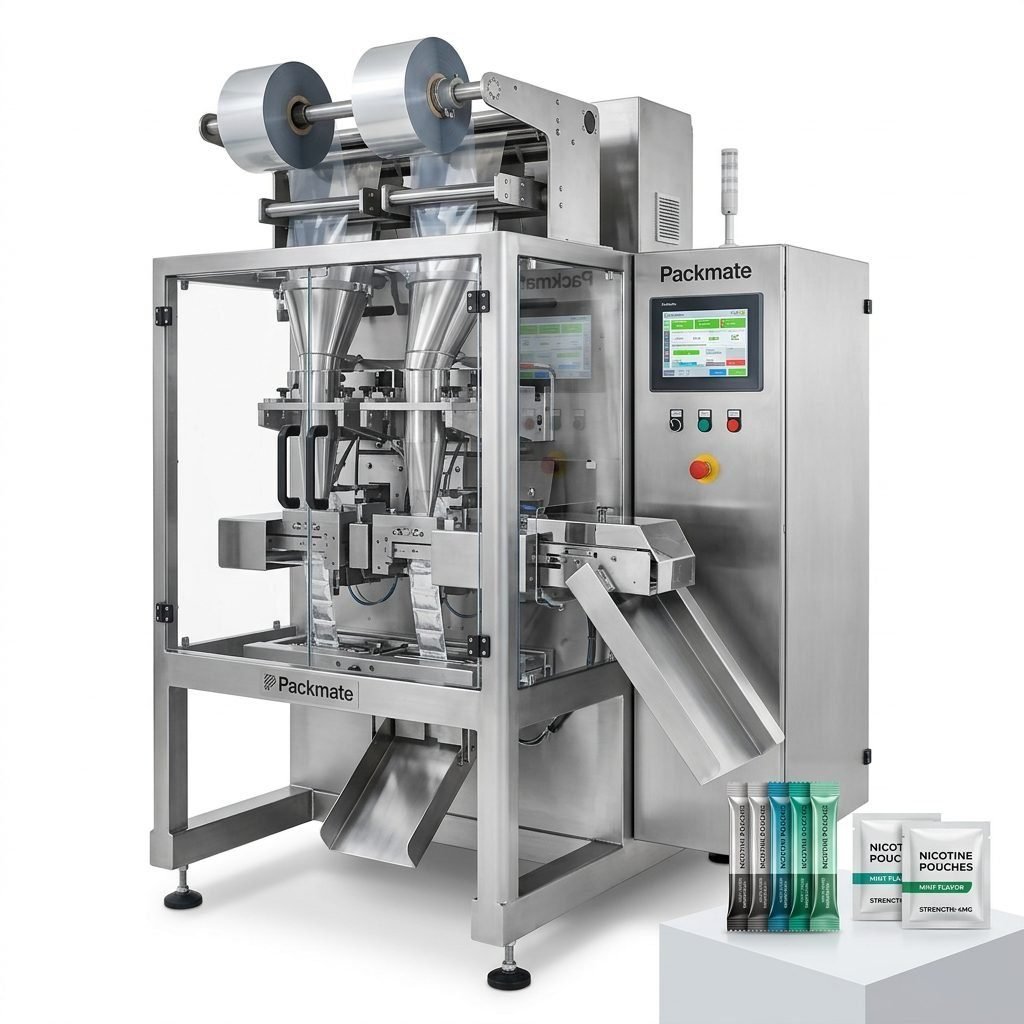
Choosing the right nicotine packaging machine in New Zealand is about more than speed and price — it’s about matching local market preferences, compliance, reliability, and the long-term total cost of ownership. This guide walks New Zealand buyers through practical steps, technical features, supplier evaluation, and local considerations so you can confidently select the best snus/nicotine pouch packaging solution for your business.
Why the right choice matters in New Zealand 🇳🇿
New Zealand’s consumer market values sustainability, discreet design and high-quality finishing. At the same time, importers and manufacturers must meet stringent safety and labeling expectations. A machine that performs well overseas may still need modifications to suit Kiwi product sizes, packaging materials and local compliance expectations. Choosing a machine suited to New Zealand conditions reduces downtime, lowers waste and improves shelf appeal — essential for small and medium producers competing in a growing nicotine pouch market.
Regulatory & cultural notes to remember
Understand local regulations and community expectations early. Packaging must meet New Zealand labeling laws and public health initiatives. Respect for Māori culture means avoiding insensitive branding and being mindful when using symbols and language. Many New Zealand retailers and consumers also prefer recyclable or compostable packaging, so factor material compatibility into your machine choice.
Key technical features to evaluate
1. Machine type and format selection 🔧
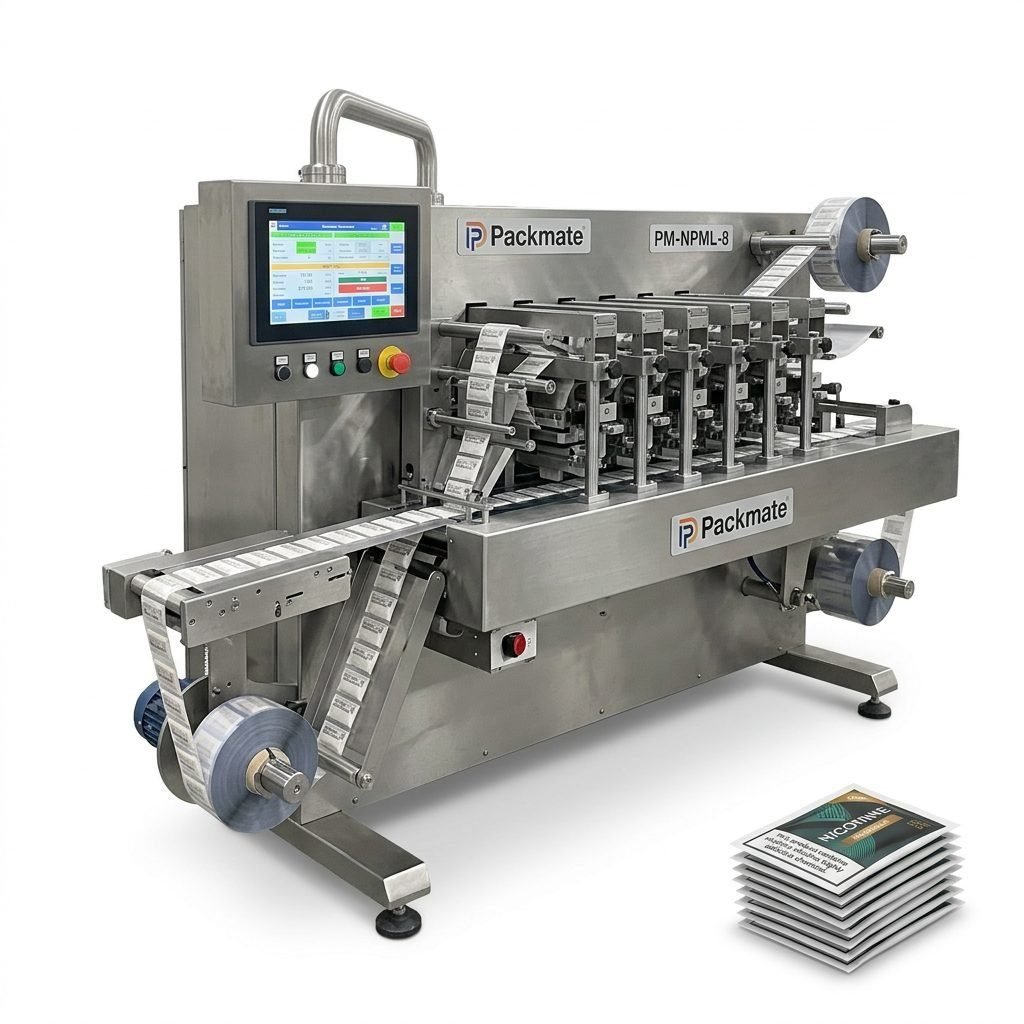
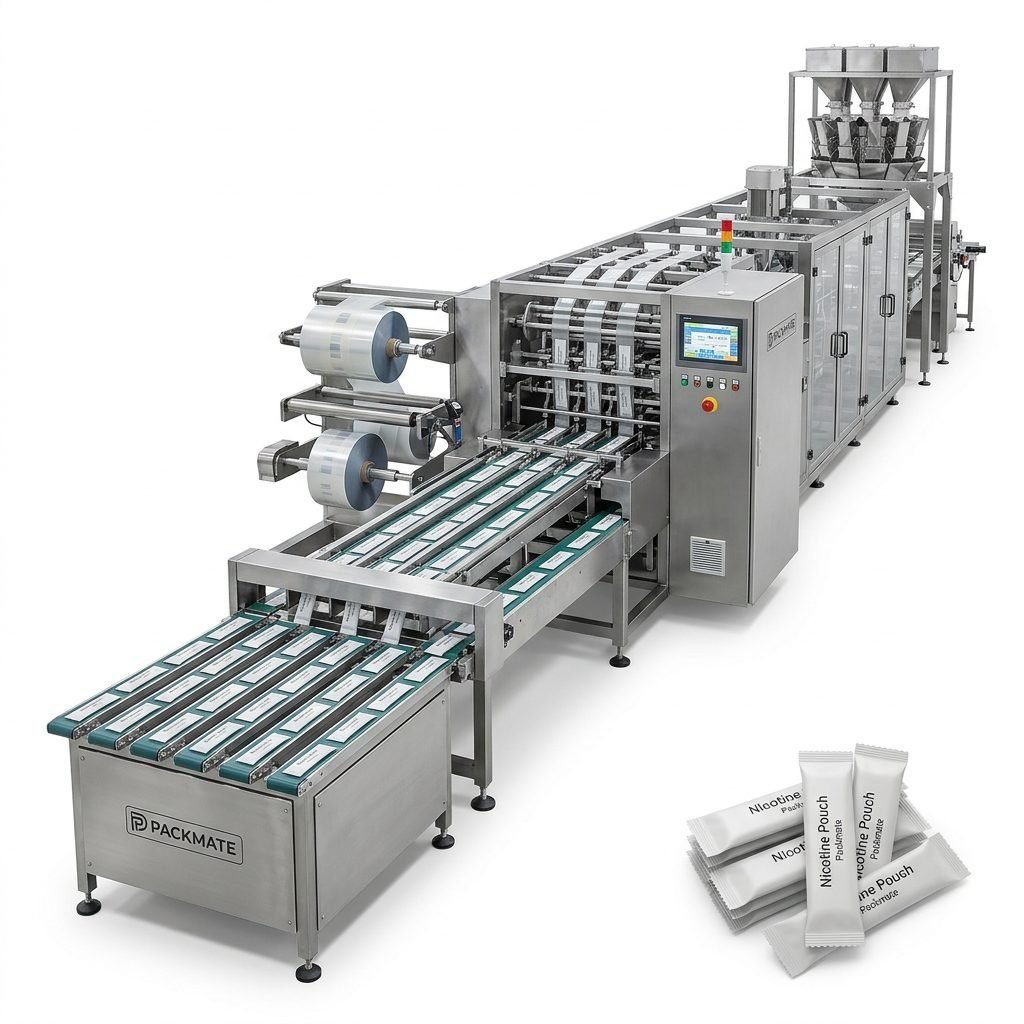
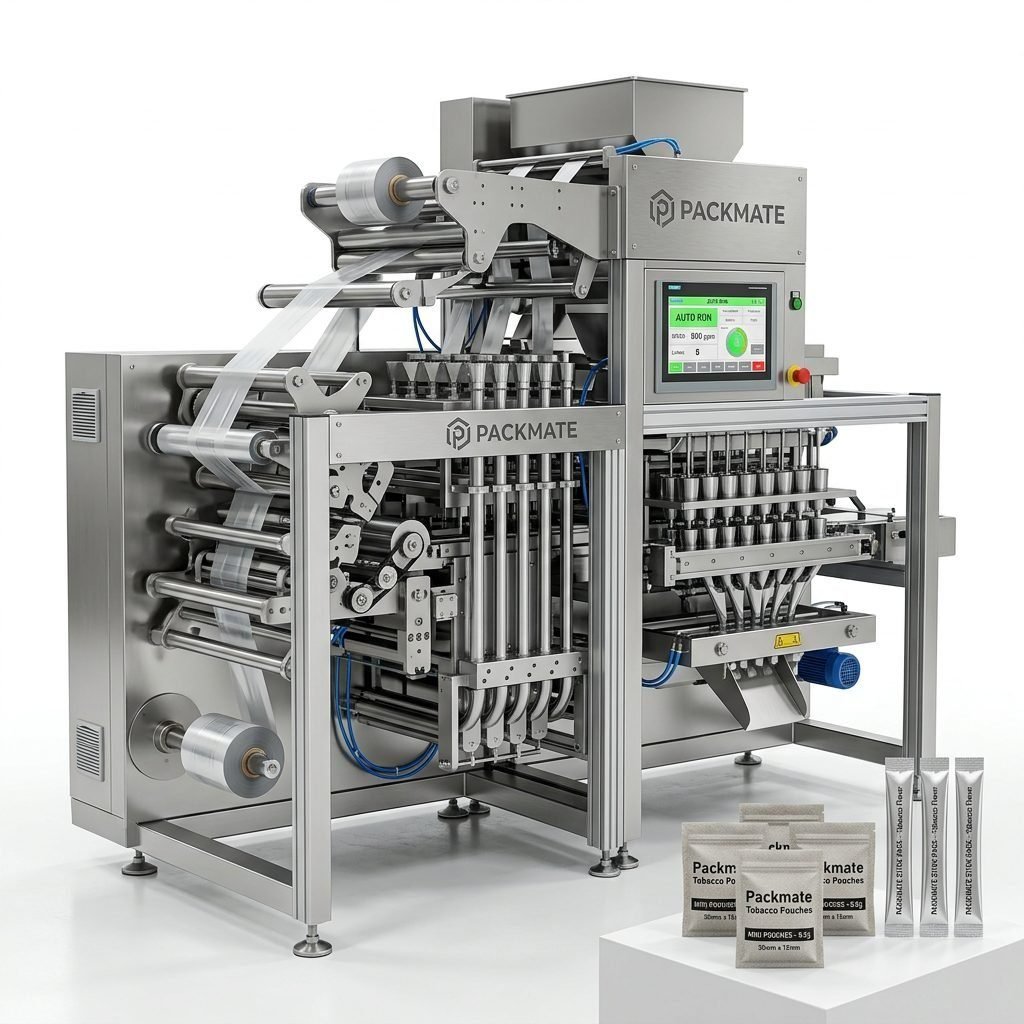
There are multiple packaging formats used for nicotine products: single-dose pouches (snus), sachets, stick packs and multi-lane formats for higher throughput. Choose a machine that supports the pouch style and presentation your brand requires. For exploration of machine categories, review relevant equipment pages such as Snus & Nicotine Packaging Machines and Sachet & Stick Pack Machines.
2. Throughput, lanes and scalability ⚙️
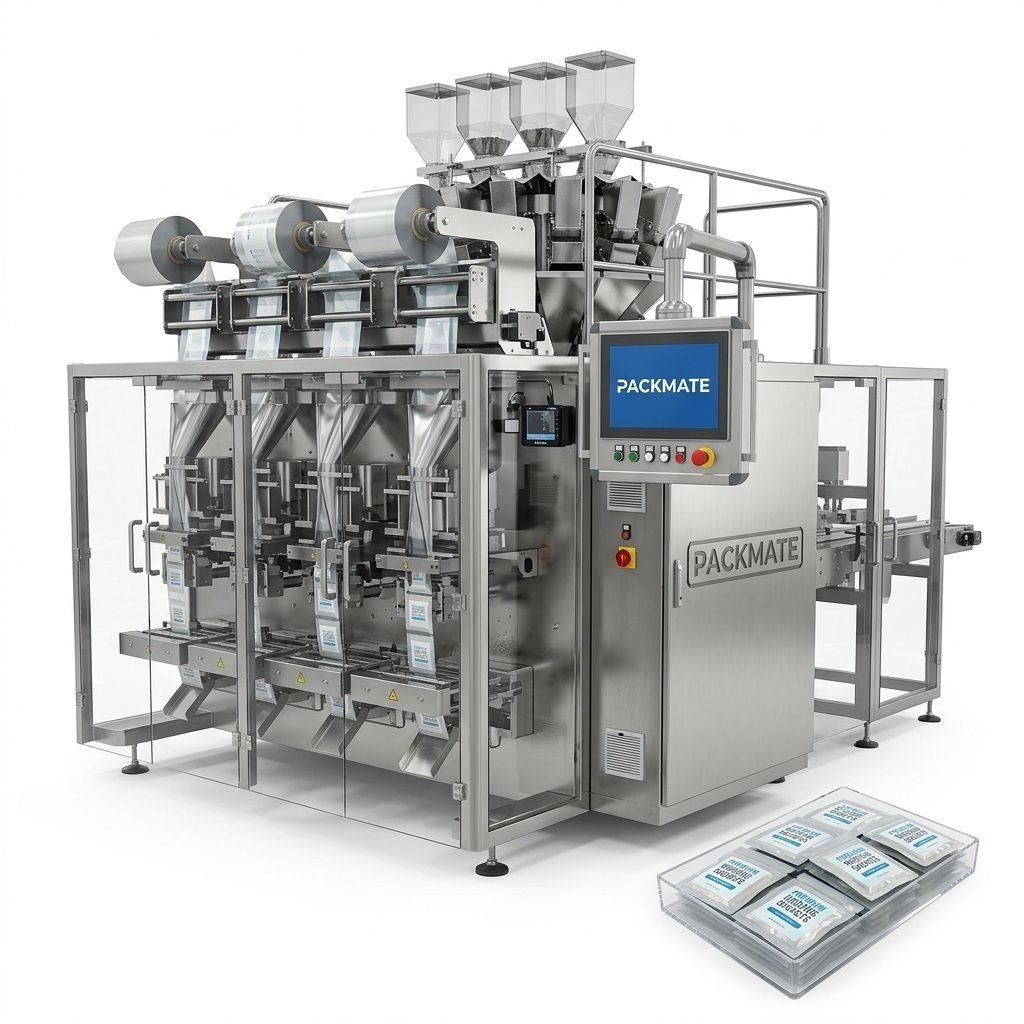
Calculate your required output in pouches per minute and plan for growth. Multi-lane systems provide high throughput in limited floor space and are ideal for companies expecting volume increases. Ensure the machine offers modular upgrades so you can add lanes or automation later without replacing the entire line.
If you plan seasonal SKU changes or limited runs, prioritize machines with fast changeover and recipe memory to reduce downtime.
3. Filling accuracy and weighing systems ⚖️
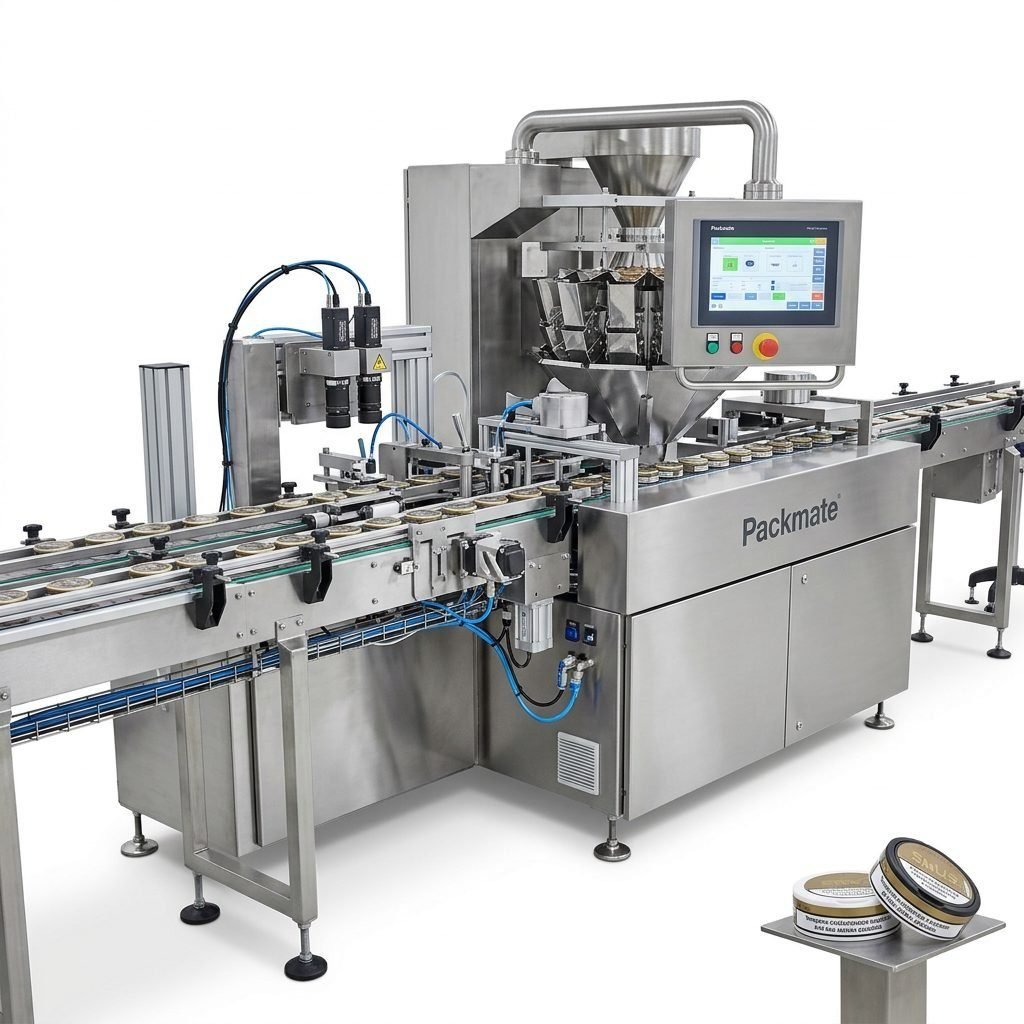
Nicotine pouch dosing tolerance is tight. Machines integrated with precise weighing systems or gravimetric dosing will reduce product giveaway and maintain consistent pouch weight. Consider lines that can integrate with dedicated weighing & packaging systems for highest accuracy.
4. Material compatibility and sustainable options 🌱
Check compatibility with films, laminates and paper-based materials. If you target New Zealand consumers who prioritize eco-friendly packaging, ensure the machine can handle recycled or compostable films and seal them reliably. Some machines require different sealing bars or temperature profiles for biodegradable films — confirm these options during evaluation.
5. Machine reliability, spare parts and maintenance 🛠️
Downtime in a small market can be costly. Prioritize vendors with proven service networks, accessible spare parts and remote troubleshooting options. Ask for mean time between failures (MTBF) data and typical maintenance tasks. Suppliers that provide training and local service agreements are valuable in New Zealand’s dispersed market.
Types of packaging machines and when to choose them
Snus & nicotine pouch specific machines
Dedicated snus packaging machines are optimized for small-dose pouches, consistent sealing, and high-speed multi-lane production. They often include dosing hoppers, vibration feeders and special cutting/closing tools to preserve pouch integrity. See typical configurations at Snus & Nicotine Packaging Machines.
Sachet and stick pack lines
Sachet and stick pack machines handle a broad range of products and are useful for single-dose presentations. They are flexible and often more accessible for small plants that run multiple SKUs. For combined solutions, see Sachet & Stick Pack Machines.
Filling systems and full production lines
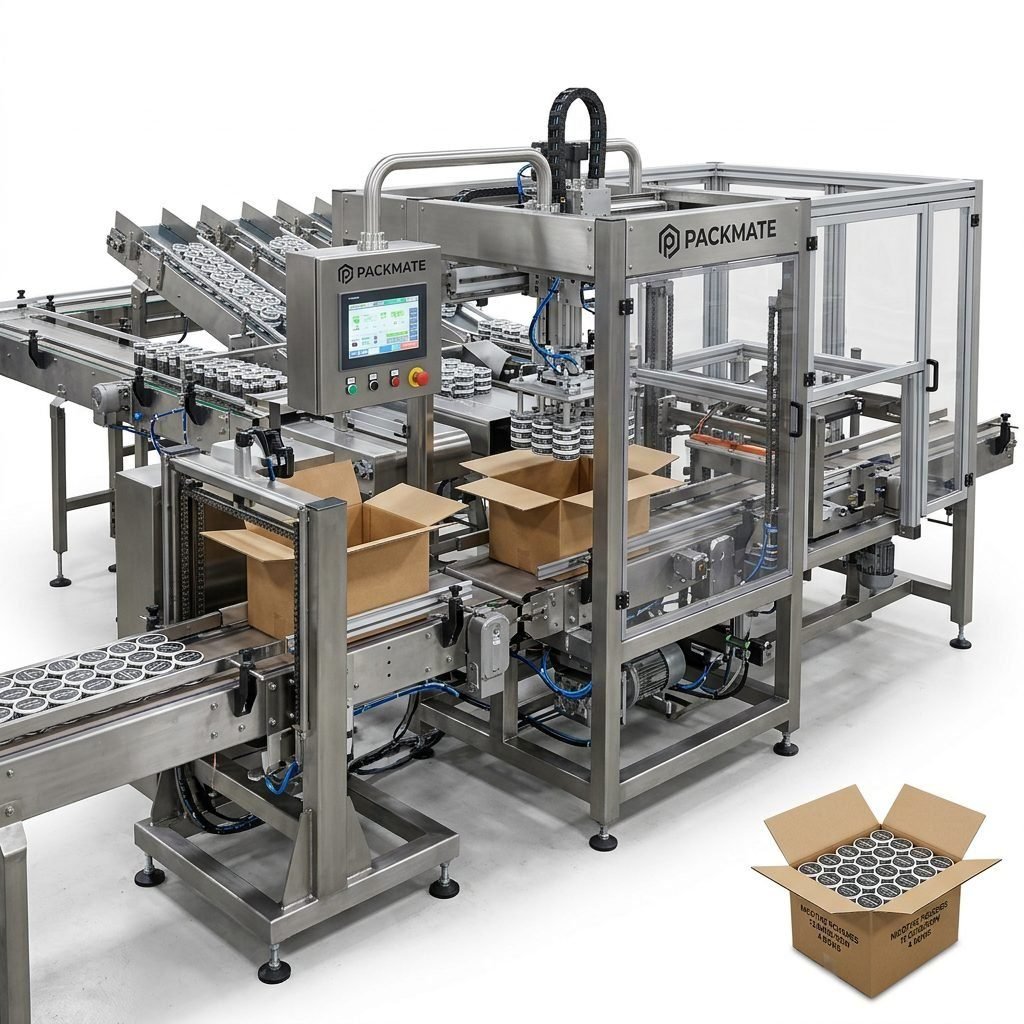
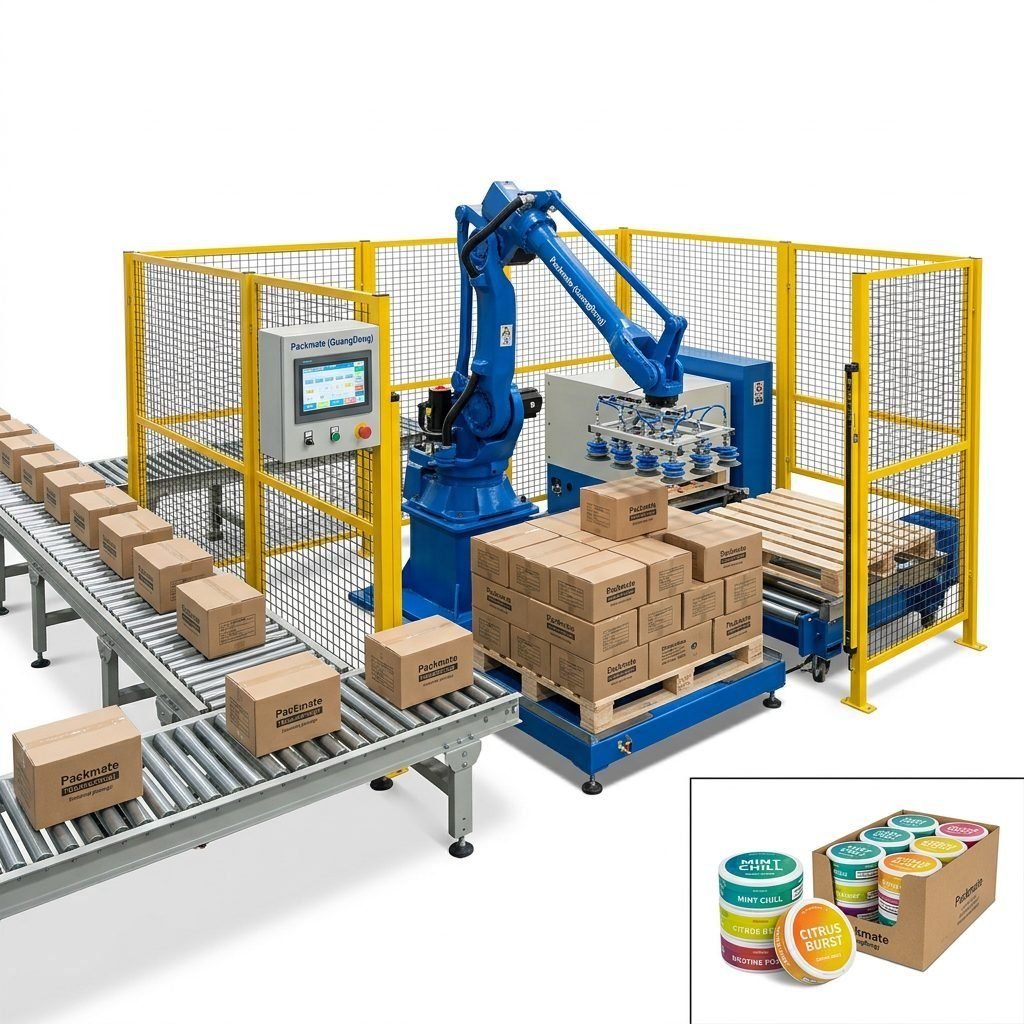
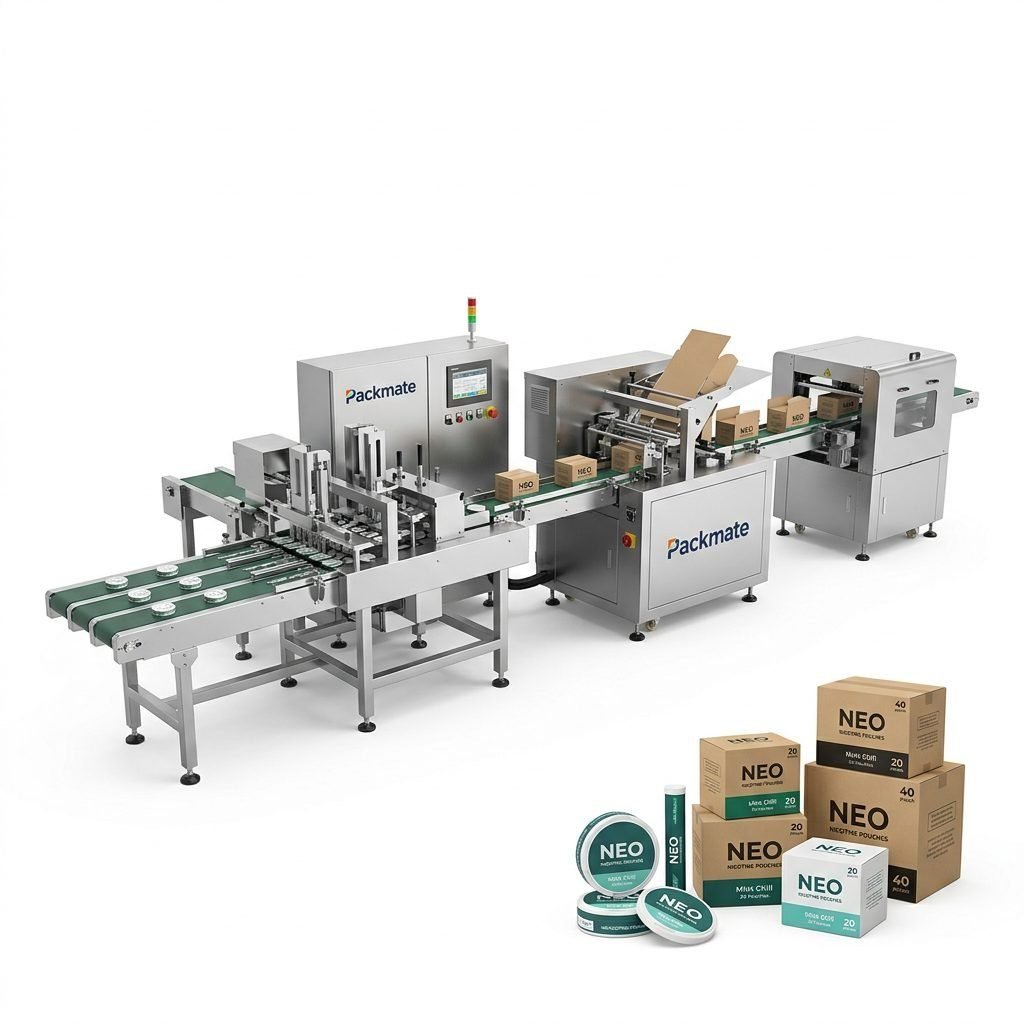
If you want an end-to-end solution from dosing to secondary packaging and case packing, consider turnkey filling & packaging lines. These reduce integration risk but require higher upfront investment and larger floor space.
Operational considerations specific to New Zealand buyers
Power, installation and site planning
Confirm local power supply compatibility and site requirements. Machines shipped from overseas may need adaptors or modifications for NZ standards. Plan for access for installation, ventilation for thermal sealing units and a clean, damp-free environment to protect electronic controls.
Spare parts, consumables and local stocking
Establish a parts stocking strategy with your supplier. Small businesses in New Zealand should prioritize quick access to seals, belts, cutters and electronic modules. Ask suppliers about recommended spare parts lists and average delivery times to NZ ports.
Training and support
Hands-on training for operators and maintenance teams reduces errors and increases uptime. Choose vendors who offer on-site commissioning, operator training, and comprehensive manuals. Suppliers that can provide remote diagnostics and spare-part kits are a major advantage for Kiwi businesses outside metropolitan centres.
Local logistics note:
Factor in port handling, customs clearance and inland freight — lead times to NZ can add several weeks. Verify CIF/CFR vs FOB responsibilities before purchase.
Supplier evaluation checklist
When comparing manufacturers, use a consistent checklist: performance data, MTBF, references, inspection reports, certifications (CE/ISO), installation services, spare parts policy, warranty and local support capabilities. Review machine photos, video demos and request a factory acceptance test (FAT) or video of a line running your actual product.
Ask for references and real-world cases
Request case studies and customer references in similar markets. Many reputable manufacturers showcase examples — see the supplier’s project gallery and Case pages for proof of performance.
Certifications and quality assurance
Confirm CE and ISO compliance and ask for inspection records. A sealed and verified machine reduces the risk of nonconformities and helps with import documentation. You can often view manufacturer credentials on their Certificate page.
Buying process: step-by-step for New Zealand businesses
1) Define product specs: pouch size, materials, target speed, secondary packing. 2) Shortlist machines and request performance data and videos. 3) Visit the factory or request a FAT; confirm spare parts list and warranty. 4) Clarify shipping, installation, training, and after-sales service. 5) Plan logistics and customs clearance in New Zealand. 6) Commission and run acceptance tests locally.
Negotiation points
Negotiate lead times, included spare parts, training days, warranty terms and penalties for missed performance guarantees. Ask for a parts kit and an initial supply of critical consumables to minimize early downtime.
Installation, commissioning and operator readiness
Plan for at least one week of on-site commissioning for most mid-to-high complexity lines. Ensure your electrical and compressed air systems match machine requirements. Train multiple operators and a maintenance technician during commissioning to build internal capability.
- Power compatibility and proper earthing
- Floor load capacity and anchor points
- Cable routing and emergency stops
- Safe access for operators and maintenance
Why consider a proven manufacturer like Packmate
Manufacturers with deep industry experience and in-house machining capabilities typically provide more reliable machines and faster spare parts support. For example, producers with decades of engineering experience, a large factory footprint and international certifications can offer robust turnkey solutions and tailor systems to local needs — from multi-lane pouch lines to integrated weighing and case packing. Learn more about supplier capabilities at About Packmate.
Integration with auxiliary and secondary equipment
Consider how your primary pouch machine will link with feeders, checkweighers, metal detectors, date coders and case packers. Look for suppliers offering an array of auxiliary packaging equipment so integration is smoother and warranty responsibilities are clearer.
Packaging design tips tailored for kiwi consumers
– Discreet, pocket-friendly pouches are popular for urban consumers.
– Clear labeling with ingredient and safety information is essential.
– Consider small batch or boutique-style finishes for premium positioning.
– Use recyclable or mono-material laminates where possible — many New Zealand buyers reward eco-friendly choices.
Final considerations and next steps
Make decisions based on long-term reliability, supplier support and total cost of ownership rather than simply the lowest purchase price. Factor in spare parts accessibility, training, spare consumables and the ability to adapt the line to future SKUs. Schedule FATs, factory visits or live demos, and confirm installation and training packages in writing before signing.
📌 Quick checklist before purchase
• Product specs and materials compatibility confirmed
• Throughput and scalability requirements defined
• Service, parts and warranty terms agreed
• FAT or demo with your product completed
• Shipping, customs and installation responsibilities clarified
If you need more detailed machine comparisons, explore product ranges such as Bag & Pouch Packaging Machines or contact suppliers to request tailored quotes and factory acceptance test arrangements.
Frequently Asked Questions (Common questions Kiwi buyers ask)
Q1: What machine format is best for small-batch nicotine pouches?
A: For small batches, choose a flexible sachet or single-lane snus machine with fast changeover and recipe memory. These machines keep capital costs lower while still providing professional sealing and dosing accuracy.
Q2: How important is after-sales service for New Zealand operators?
A: Extremely important. Remote locations and smaller teams make fast spare parts delivery and responsive technical support vital. Negotiate service agreements and local stocking of critical parts.
Q3: Can machines handle sustainable/biodegradable films?
A: Many modern machines can, but biodegradable films often require different sealing temperatures and pressures. Confirm the supplier has run tests with your chosen material and can supply the correct sealing tools or settings.
Q4: What lead times should NZ buyers expect?
A: Typical lead times vary by customization level — from several weeks for standard models to a few months for bespoke lines. Add shipping and customs time for deliveries to New Zealand ports.
Q5: Where can I see real-world installations and cases?
A: Ask suppliers for case studies and factory references. Many manufacturers publish examples and exhibition highlights — review their exhibition and case pages to see installed lines and demo videos.