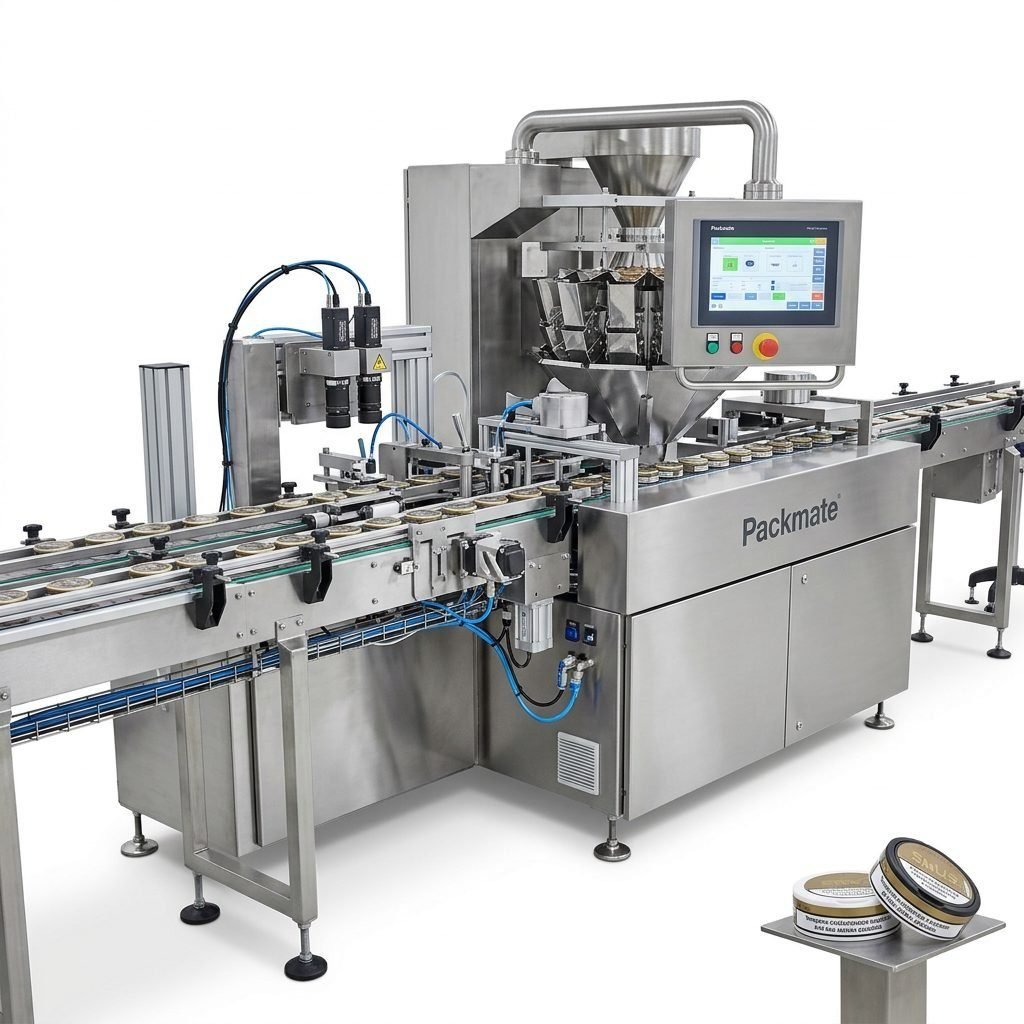
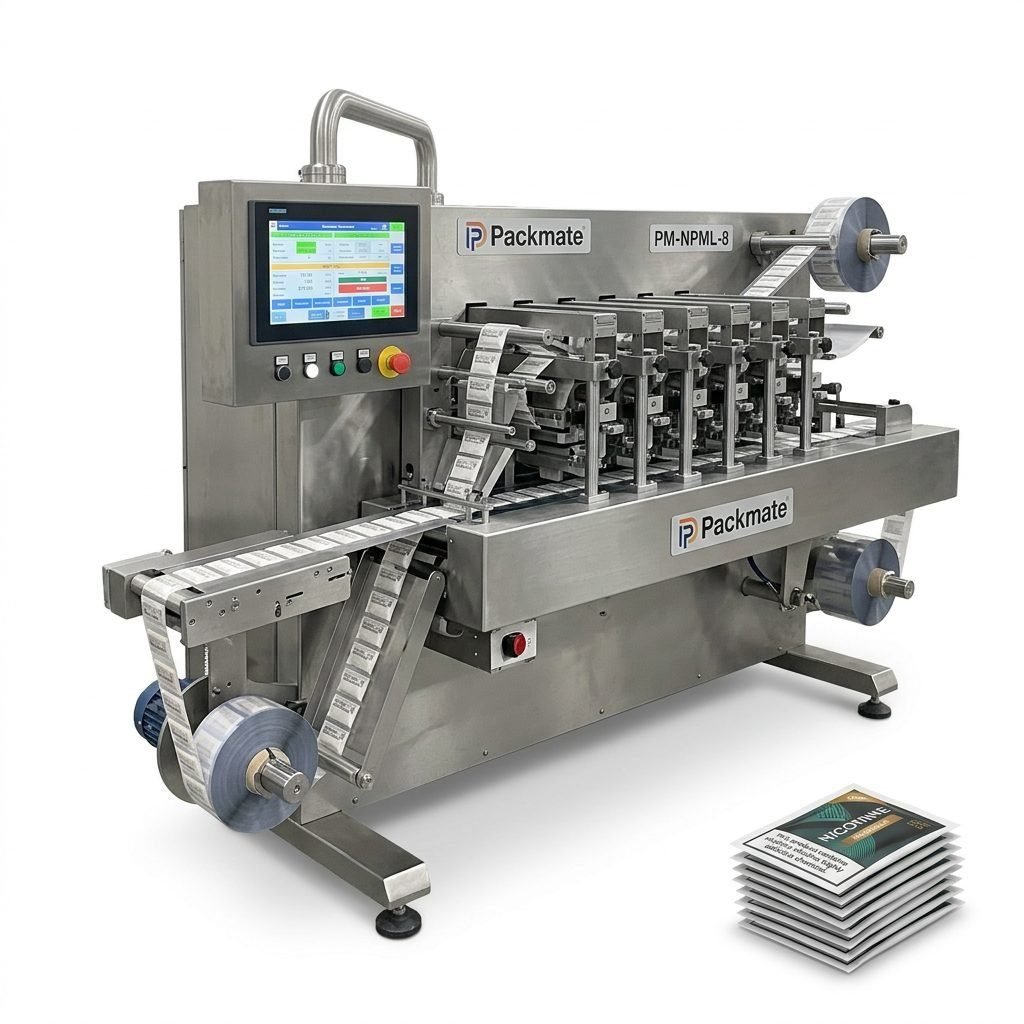
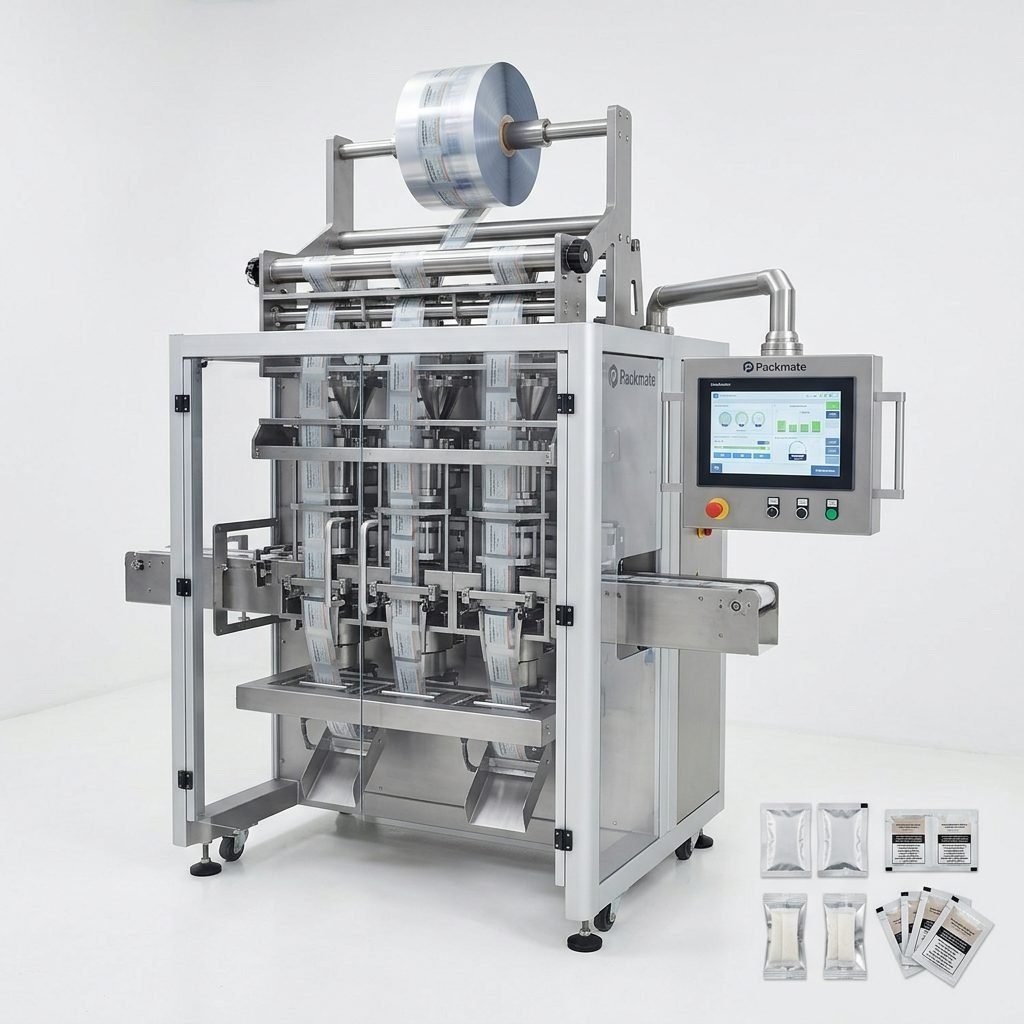
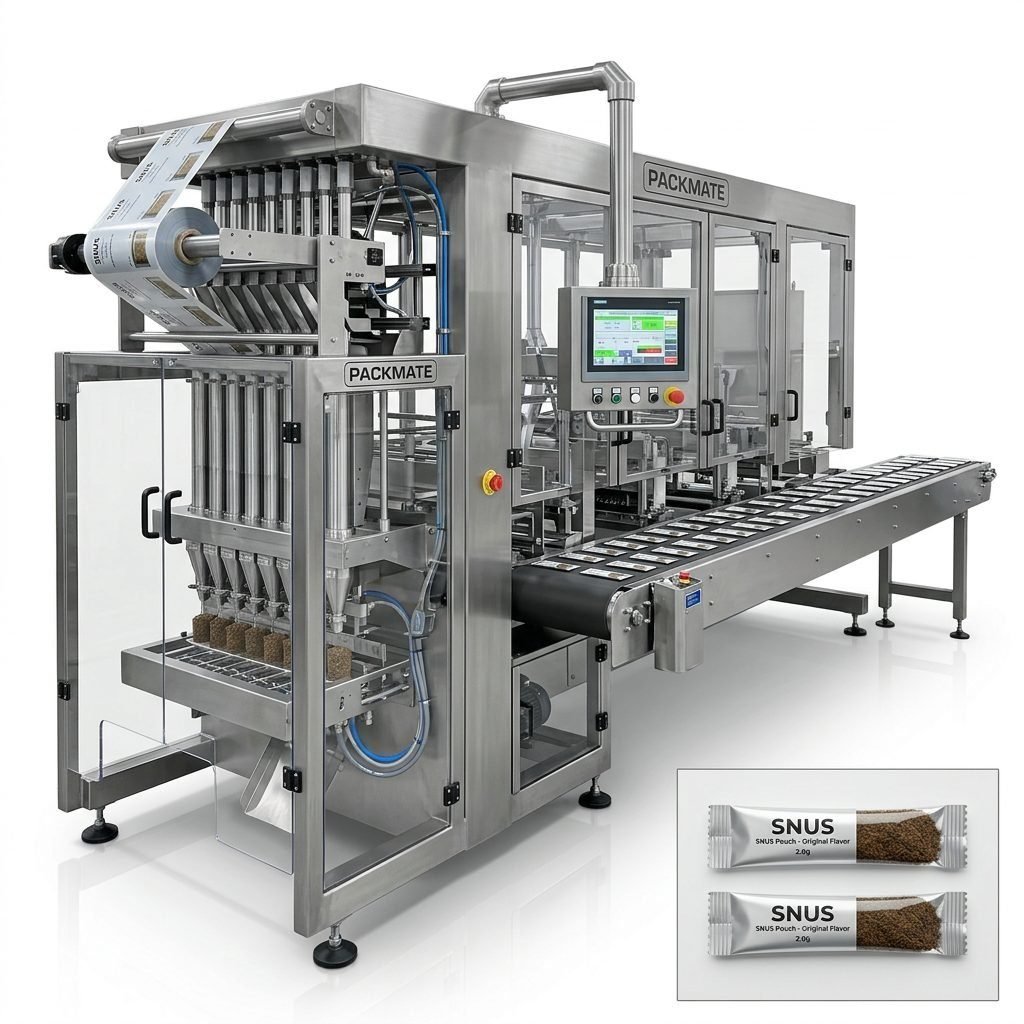
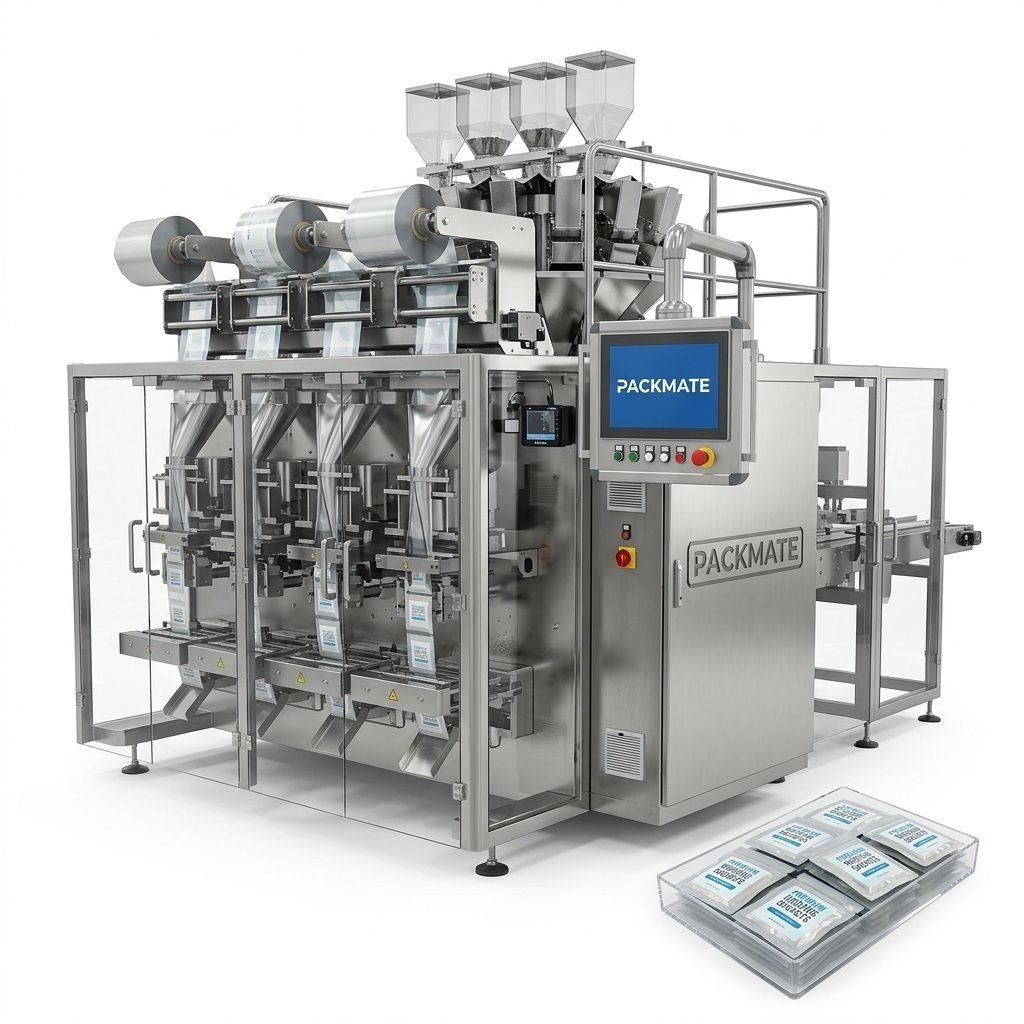
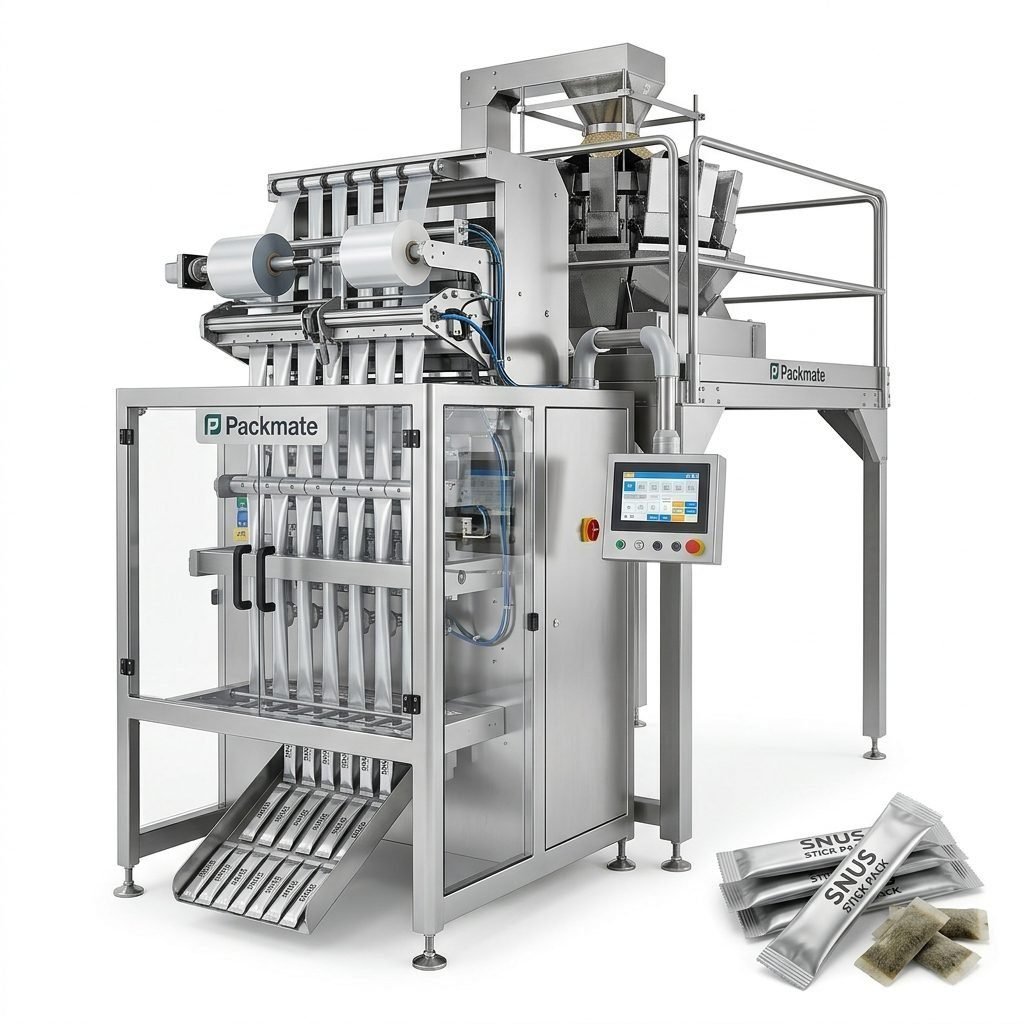
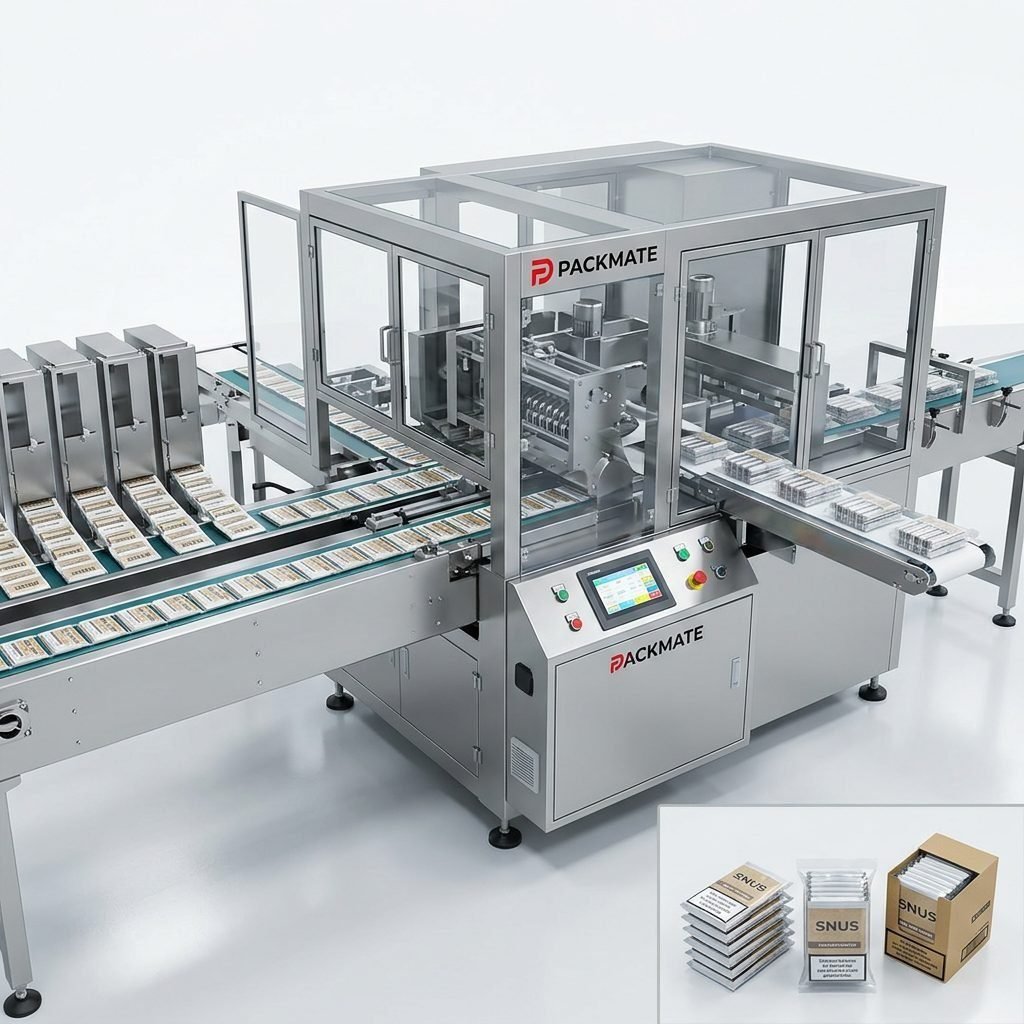
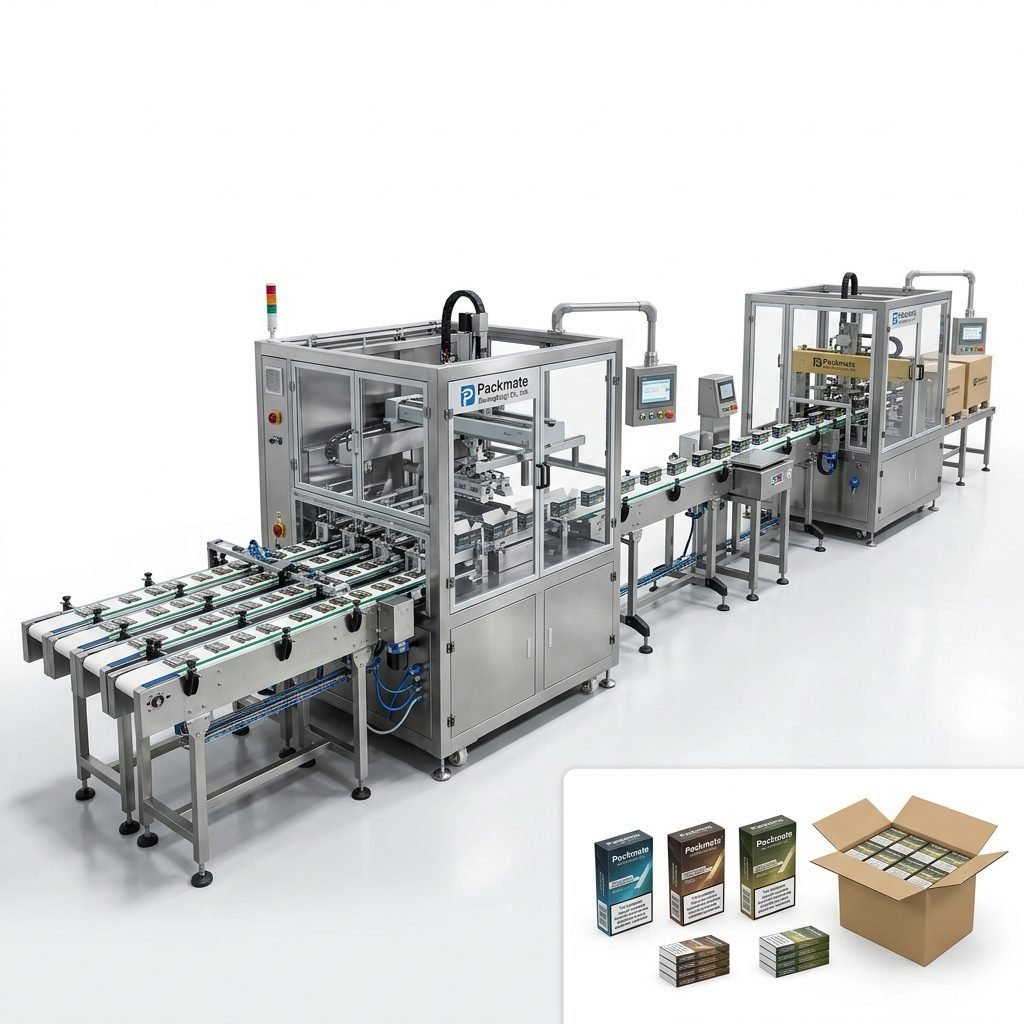
Maintaining snus production equipment is more than routine cleaning and occasional adjustments — it is a predictable cost center that directly affects uptime, product quality, and total cost of ownership. This guide breaks down the real costs of maintaining snus packing lines, from routine consumables to emergency repairs, and offers practical ways to budget, reduce risk, and get the best ROI from your packaging assets.
Understanding Snus Machine Maintenance Costs
Snus and nicotine pouch packaging machines are precision systems that combine mechanical, pneumatic and electronic subsystems. The maintenance costs for these machines typically fall into several categories: preventive maintenance, spare parts & consumables, labor, calibration & validation, and emergency repairs. Complexity (single-lane vs multi-lane), production speed, and the level of automation determine where your budget should be focused.
Key cost drivers at a glance
Below are the most important factors that drive maintenance costs for snus machines:
🔧 Spare parts & wear items: belts, cutting knives, sealing jaws, bearings, and sensors.
⚙️ Labor & technical expertise: in-house technicians vs OEM service contracts.
⏱️ Downtime & lost production: the most significant hidden cost when machines are offline.
🧰 Preventive maintenance programs: scheduled inspections, lubrication, and adjustments that reduce failures.
Breakdown of Maintenance Cost Components
1. Spare Parts & Consumables
Consumables and wear parts are recurring expenses. Typical items include cutting knives, sealing elements, O-rings, belts, filters, and pneumatic fittings. For high-speed multi-lane snus machines, the frequency of replacement increases with production volume. OEM parts usually cost more, but they preserve machine performance and warranty compliance.
Tip: Keep a stock of critical spares (knives, belts, sensors) to minimize downtime for immediate replacements.
2. Labor: In-house vs OEM Service
Labor includes routine maintenance, troubleshooting, and specialized repairs. Salaries for skilled technicians vary by region. Many manufacturers choose a hybrid approach: in-house teams for daily preventive tasks and OEM technicians for complex electrical, PLC, or servo system issues.
Consider investing in staff training provided by the OEM. Packmate’s service and training offerings can shorten repair times and lower the frequency of external service calls. Learn more about professional support at Service.
3. Preventive Maintenance Programs
Scheduled inspections, lubrication, alignment checks, and calibration reduce unplanned downtime. A well-documented preventive maintenance plan typically costs a predictable annual fee for parts and labor, but it can lower overall yearly cost by avoiding major breakdowns.
✅ Result: Fewer emergency callouts, longer component life, and improved product consistency.
4. Calibration, Validation & Regulatory Costs
For nicotine pouch and snus production, accurate dosing and sealing are essential. Calibration of weighing systems and validation for regulatory compliance can require third-party services and documented procedures. These costs are critical if you supply regulated markets.
For integrated weighing & packaging systems explore specialized solutions such as Weighing & Packaging Systems.
5. Emergency Repairs & Downtime
Emergency repairs often carry premium charges for parts and on-site service. The lost value from halted production often exceeds the repair invoice. Companies measure this as lost revenue per hour multiplied by downtime hours — a key metric when assessing maintenance investments.
Typical Annual Maintenance Cost Ranges (Illustrative)
Maintenance costs vary widely by machine type and usage intensity. The figures below are approximate ranges for budgeting purposes.
• Small single-lane snus/nicotine pouch machine: $2,000–$8,000 per year (light production, basic spares, minimal external service).
• Mid-range automated line (1–2 shifts): $8,000–$30,000 per year (more spare parts, scheduled maintenance, occasional OEM callouts).
• High-speed multi-lane production line: $30,000–$120,000+ per year (complex systems, critical spares inventory, contracted service, and calibration).
Note: These ranges are illustrative. Exact costs depend on machine age, operating hours, environmental conditions (dust, humidity), and the supply chain for spare parts.
Strategies to Reduce Long-Term Maintenance Costs
Proactive measures can significantly lower your maintenance budget over time:
1. Invest in quality OEM equipment and installation
Higher initial capital expense on well-engineered machines often reduces lifecycle costs. Manufacturers with strong engineering depth, such as Packmate, design machines for serviceability and longevity. See more about the product range at Snus & Nicotine Packaging Machines and Sachet & Stick Pack Machines.
2. Implement a tiered spares strategy
Classify parts into critical, recommended, and optional. Stock critical items locally. For recommended parts, maintain a regional buffer. Optional items can be ordered on demand. This reduces emergency air-freight costs and shortens repair times.
3. Train in-house technicians
Training reduces reliance on external service and improves Mean Time To Repair (MTTR). OEM-led training often includes troubleshooting, preventive routines, and PLC basics. You can check the company background and training offerings at About Packmate.
4. Use predictive maintenance tools
Condition monitoring (vibration, temperature sensors) and basic IIoT analytics flag wear before failure. Early detection lowers repair severity and cost.
Budgeting Checklist: A Practical Template
• Annual preventive labor hours: ________ (estimate technician hours x hourly rate)
• Critical spares cost (1 year): ________
• Calibration & validation services: ________
• Contingency for emergency repairs (10–25% of above): ________
Use this checklist to create a line-item budget that aligns with production schedules and warranty periods.
Choosing a Maintenance Partner
When evaluating a service partner, weigh response time, spare parts availability, and technical knowledge. OEM partners who provide documentation, spare catalogs, and global support networks deliver faster resolutions. Packmate’s global turnkey approach and manufacturing strength (20,000㎡ factory, advanced CNC centers) can be an advantage for customers needing reliable parts and rapid technical assistance. Explore case examples at Case.
Real-World Example: Multi-Lane Line Maintenance
Consider a high-speed four-lane snus pouch line running two shifts daily. Typical annual maintenance might include:
• Scheduled preventive visits (4 visits): labor & parts $12,000
• Critical spares replenishment: $18,000
• Calibration & validation: $6,000
• Emergency contingency (unplanned failures): $10,000–$20,000
Estimated annual total: $46,000–$66,000
This example highlights how multi-lane throughput and spare stocking dramatically influence costs. For companies scaling production, consider comprehensive proposals for entire filling & packaging lines to optimize compatibility and reduce spares diversity: Filling & Packaging Lines.
Procurement Tips: What to Ask Your Supplier
When you’re buying new or refurbished snus equipment, ask for:
- Detailed spare parts list and recommended inventory
- Service-level agreements (SLA) for response times
- Training options and technical documentation
- Warranty terms and upgrade paths
- References and case studies demonstrating uptime
Final Considerations
The real cost of maintaining snus packing equipment is predictable when you plan for parts, labor, preventive work, and contingency. Investing in quality machines, proper training, and a sensible spares strategy reduces long-term costs and keeps lines running. For tailored solutions and turnkey production lines, consult manufacturers with dedicated snus packaging expertise and robust manufacturing capabilities.
To explore machine types and models relevant to your production needs, review options such as Bag & Pouch Packaging Machines and Auxiliary Packaging Equipment.
Common Questions
Q1: How much should I budget for spare parts for a new snus line?
A1: A sensible starting point is 10–20% of the machine purchase price annually for the first few years, adjusted for production volume and criticality.
Q2: Are OEM parts necessary or can I use third-party components?
A2: OEM parts often ensure optimal performance and uphold warranty conditions. Third-party parts may be less costly but can increase risk and variability—use them cautiously for non-critical items.
Q3: What is the best way to minimize emergency downtime?
A3: Maintain critical spares on-site, implement preventive maintenance, and train in-house technicians to handle first-line troubleshooting.
Q4: How often should I schedule preventive maintenance visits?
A4: Frequency depends on usage; many high-speed lines benefit from monthly or quarterly preventive checks, supplemented by daily operator routines and monthly detailed inspections.
Q5: Where can I get manufacturer support and parts quickly?
A5: Work with suppliers that offer global spare networks, documented parts catalogs, and responsive service teams. For manufacturer details and support resources, visit the company’s Contact Us page.