Choosing the right nicotine packaging machine supplier in Kuwait can make the difference between a smooth launch and a costly production delay. Whether you are importing machines to serve the local market or supplying across the Gulf Cooperation Council, you need a partner who understands regulatory expectations, cultural preferences, and logistical realities. This guide walks you through practical, business-oriented steps to identify, evaluate, and select the best supplier for snus and nicotine pouch packaging machines in Kuwait.
Why Kuwait needs a tailored supplier approach
Kuwait’s market is unique: conservative social norms, strict import and labeling requirements, and a high expectation for product presentation and quality. Packaging that works in Europe or North America may need adaptation for local tastes and Arabic labeling. Suppliers who have experience exporting to the Gulf region or who offer customization for Arabic text, tamper-evident seals, and discreet retail presentation will save you time and compliance headaches.
Local customs and business etiquette to consider
Kuwaiti buyers value long-term relationships and clear communication. Expect negotiation cycles that include face-to-face meetings and a preference for reliable after-sales support. Consider suppliers who can provide Arabic documentation, local training, and on-site installation support. If you plan to sell through local retailers, ensure your packaging design aligns with cultural expectations regarding display, color, and labeling.
Key supplier evaluation criteria (what to check)
✔ Compliance & Certifications: Ensure machines meet international standards (CE, ISO) and ask for compliance documentation for the Gulf market. This reduces the risk of customs delays and shows a commitment to safety and quality.
1. Certifications, testing & regulatory fit
Look for suppliers who can provide CE, ISO certificates and test reports. For Kuwait and GCC markets, ask whether the machines have been exported to neighboring countries and how they complied with local labeling laws. A supplier with documented experience in the region can adapt electrical specifications (voltage/frequency), labeling templates (Arabic + English), and packaging safety features.
2. Machine performance and production capacity
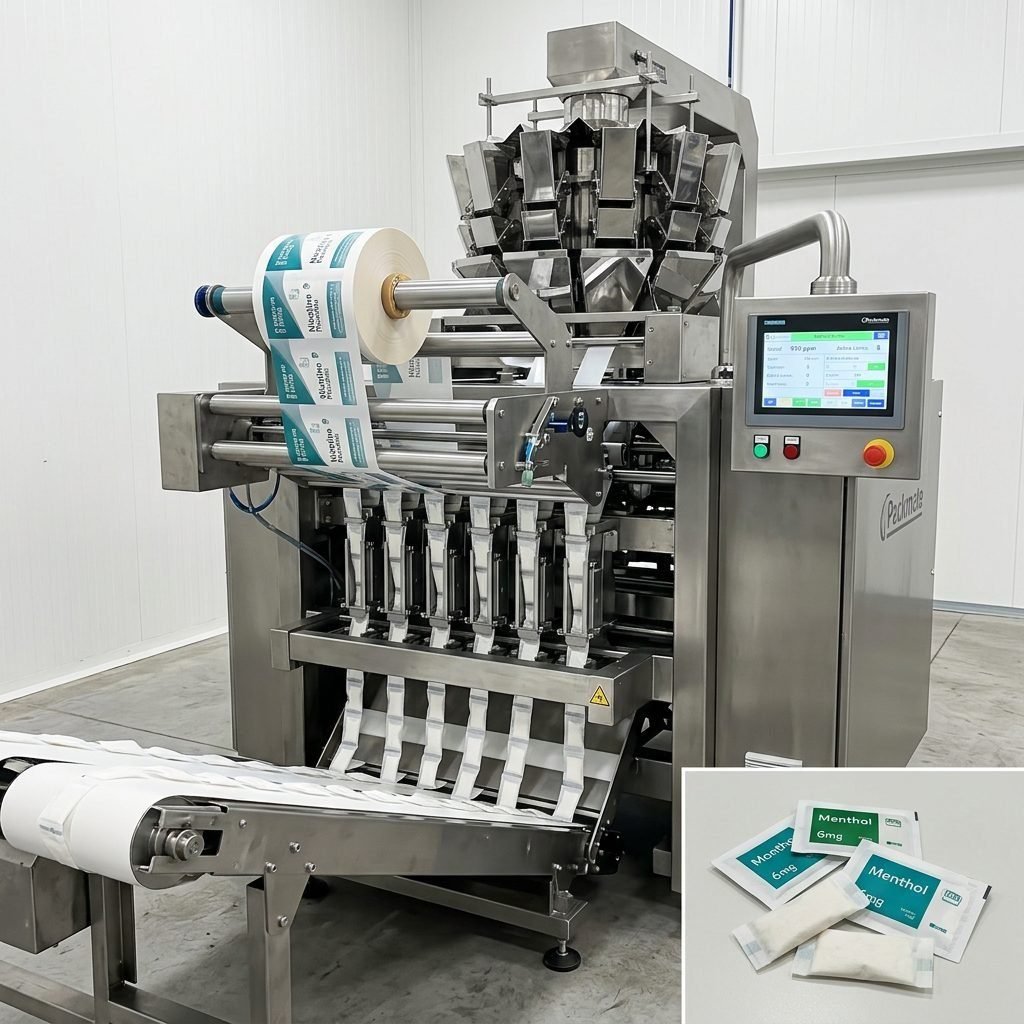
Prioritize throughput, lane configurations, and format flexibility. If you need multi-lane production for small-dose nicotine pouches, verify actual speed under load and product changeover time. Ask for real-world case studies showing sustained operation and reliability for products similar to your nic-pouch formulation.
📦 Build quality & factory capability: Inspect manufacturing capacity, CNC equipment, and precision assembly lines—these determine machine stability and spare parts consistency.
3. Customization & turnkey solutions
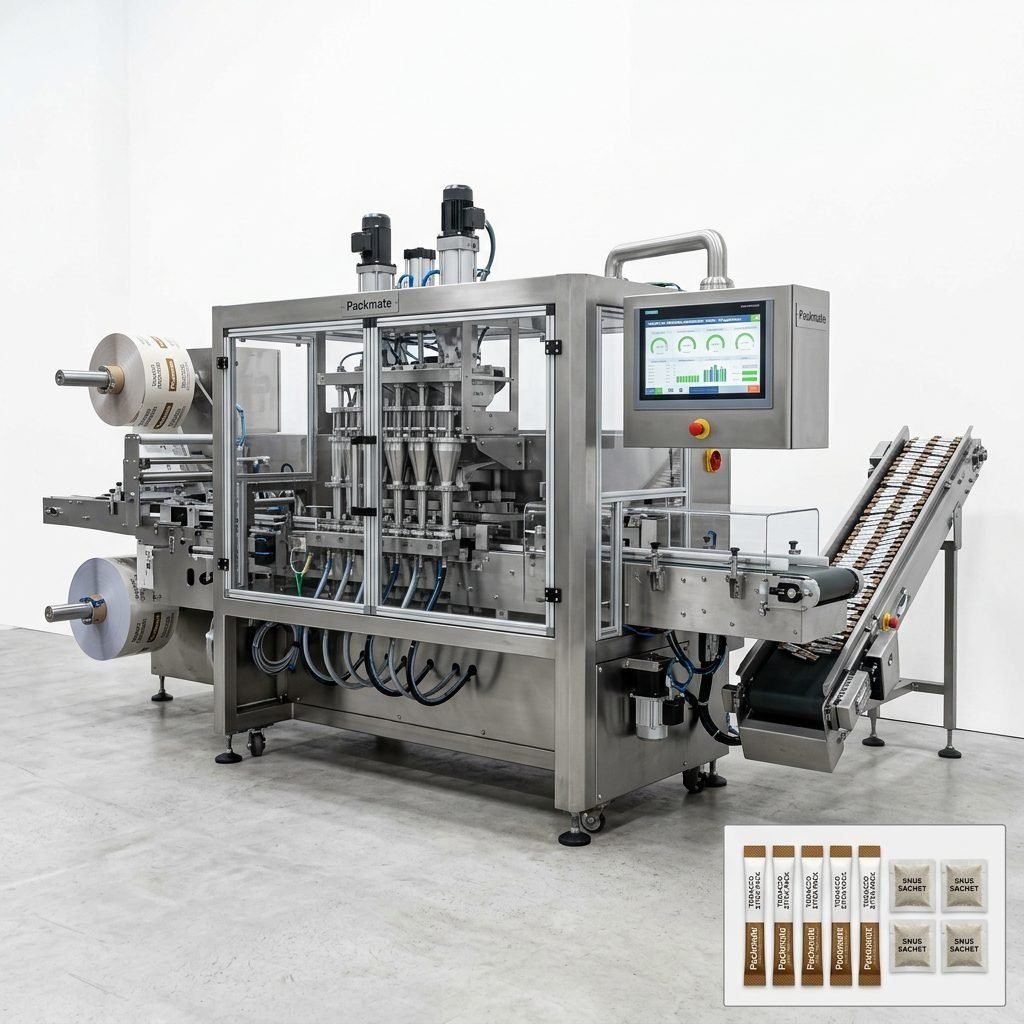
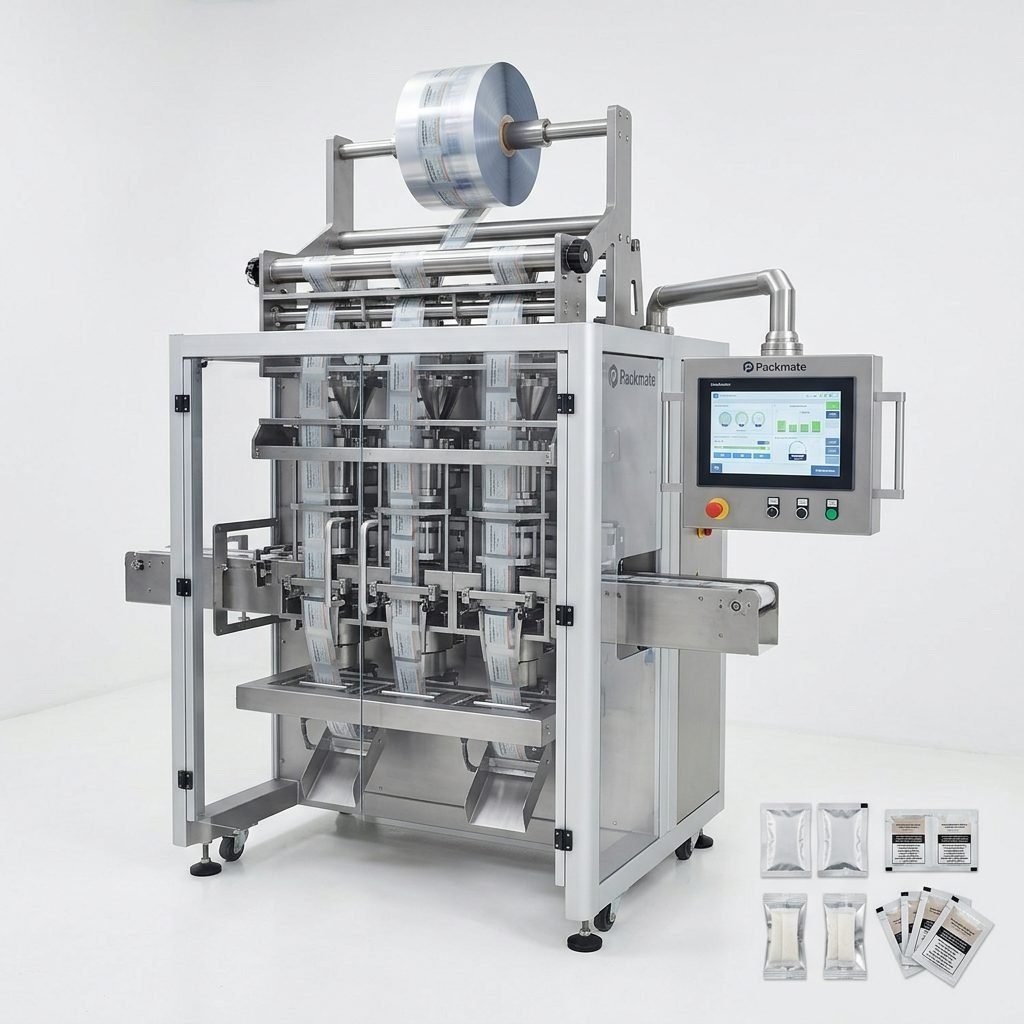
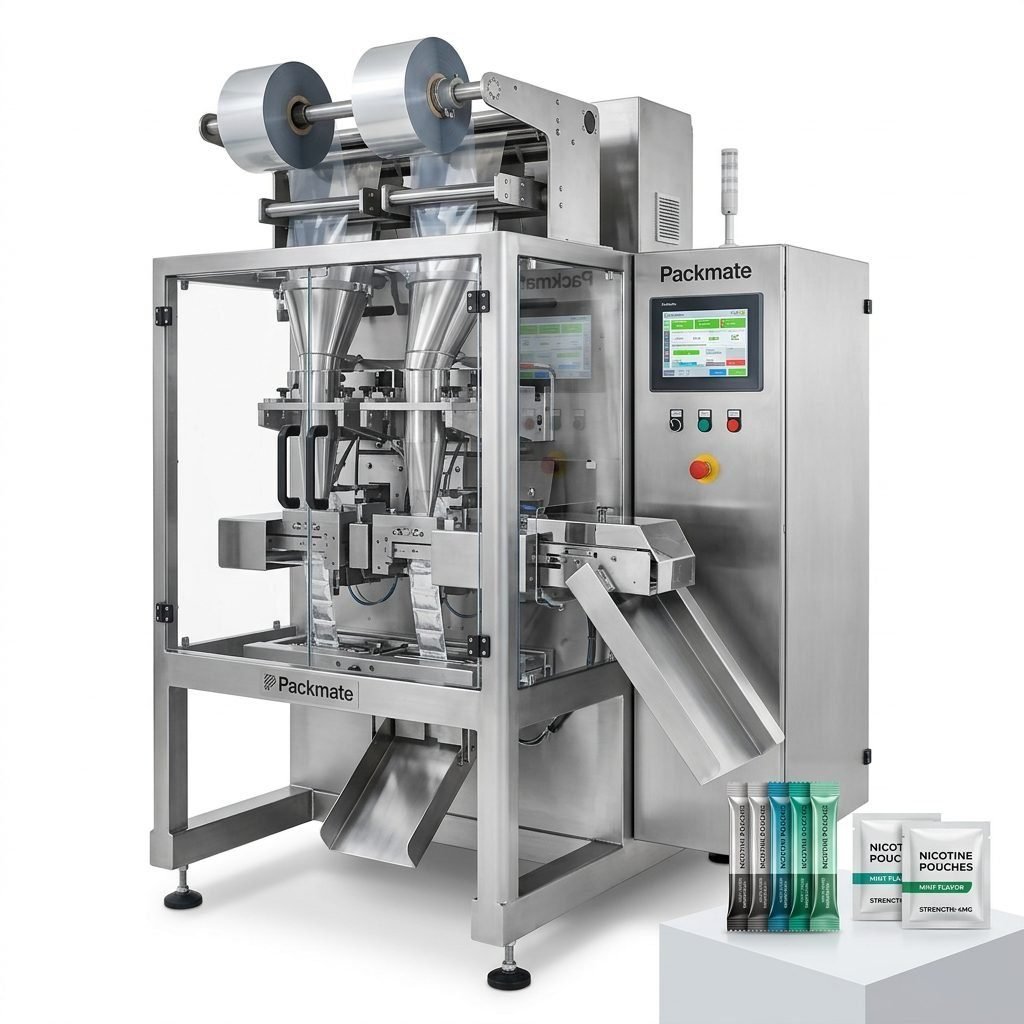
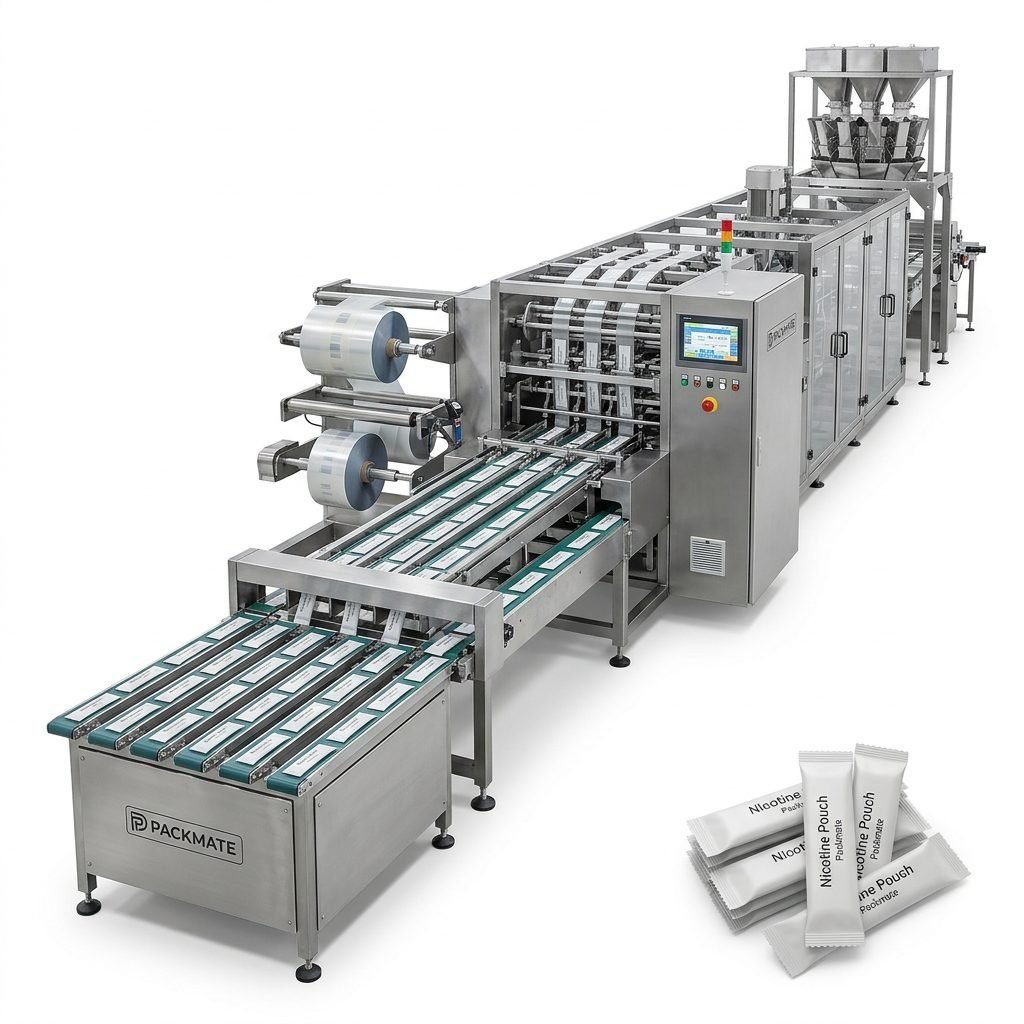
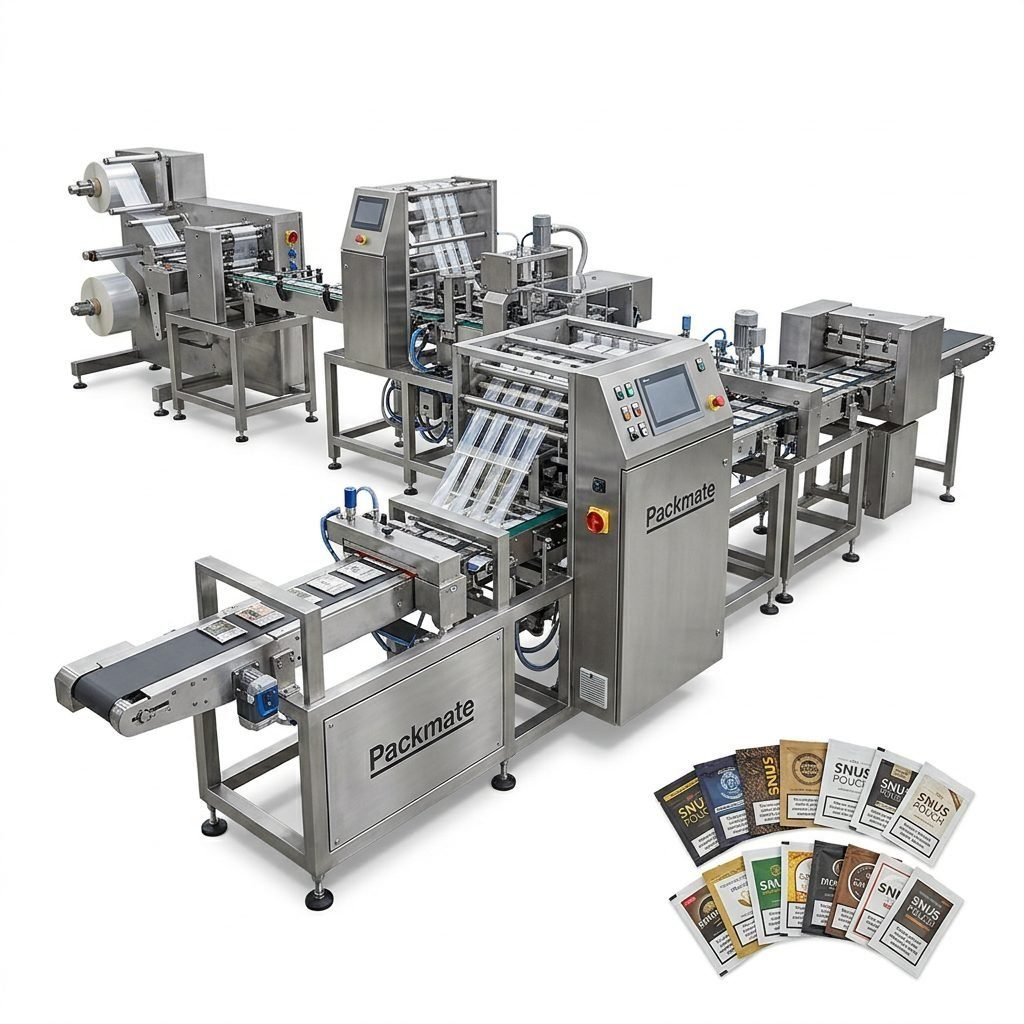
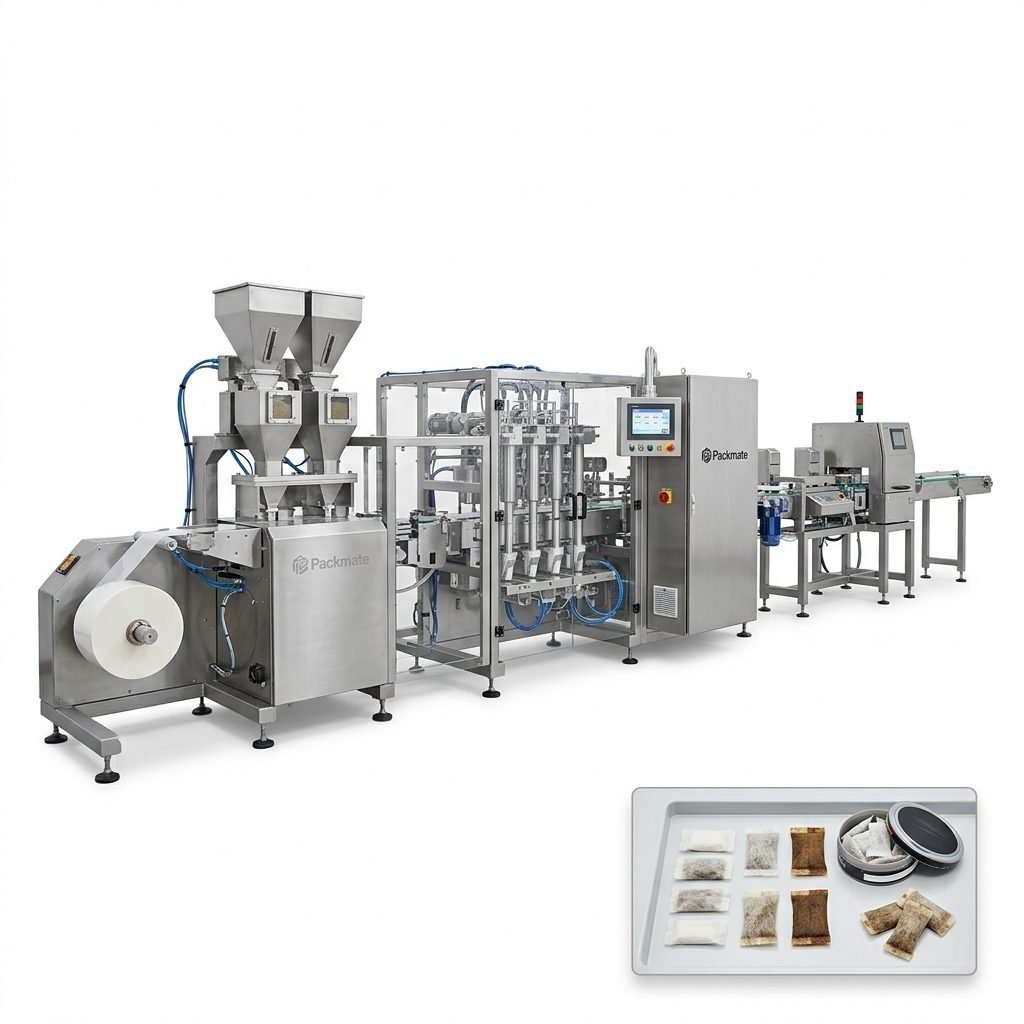
For nicotine pouch projects, turnkey solutions that include feeding systems, weighing, multi-lane forming, and final carton packing can dramatically shorten your commissioning window. Ask whether the supplier offers product-specific tooling, pouch formats (stick, sachet, multi-lane), and packaging materials testing.
4. After-sales support, spare parts & training
Strong after-sales service is critical in Kuwait, where remote technical teams may need fast parts shipment or local partner support. Prioritize suppliers who provide spare parts kits, remote diagnostic access, training for your operators, and clear warranty terms. Verify whether the supplier has authorized local service partners or can support customs clearance of parts.
Logistics, installation, and local commissioning considerations
Shipping heavy machinery to Kuwait requires attention to packaging for sea freight, port handling at Shuwaikh or Mina Al Ahmadi, and customs documentation. Ask potential suppliers about their shipping experience to Kuwait, export packing standards, and whether they can coordinate door-to-door delivery and installation. A supplier who offers installation and operator training in Kuwait will often accelerate your time to market.
🔧 Local adaptation: Arabic labeling, halal-compliant production areas (where relevant), and discreet retail packaging may be essential. Confirm the supplier’s flexibility in adapting print stations and label modules.
Cost vs. value: how to evaluate total cost of ownership
The lowest purchase price rarely delivers the best long-term value. Calculate total cost of ownership (TCO): purchase price, spare parts availability, energy consumption, downtime risk, training costs, and expected lifetime. Machines with robust CNC components and proven reliability often provide a lower TCO, especially if the supplier offers long-term spare parts support.
ROI factors to model
Production output vs. target volumes, packaging material savings from efficient pouch layout, and reduced labor costs thanks to automation are key. Include regulatory compliance costs and any rework risk from poor sealing or inaccurate fills when comparing proposals.
Questions to ask every potential supplier
Before signing any agreement, document answers to these essential questions. Keep written records to compare vendors side-by-side.
- What certifications and test reports can you provide for machines shipped to the GCC?
- Do you have installation and commissioning experience in Kuwait or neighboring countries?
- What is the standard lead time and what are possible bottlenecks for spare parts?
- Can you provide references or case studies for nicotine pouch / snus packaging lines?
- Do you offer modular upgrades for lane expansion, vision inspection, or automatic carton erectors?
How to validate claims: factory audits and inspection
If possible, visit the supplier’s factory or request a live video tour. Inspect CNC machining center quality, assembly standards, and test run videos with real product samples. A credible supplier will welcome audits and provide machine acceptance tests (FAT) and site acceptance testing (SAT) documentation.
Real-world proof: case examples and references
Ask for documented cases of nicotine pouch lines, including production speeds, lane counts, and uptime statistics. Review client testimonials and visit reference installations if feasible. Suppliers with global turnkey experience are often listed in their case studies and exhibitions pages.
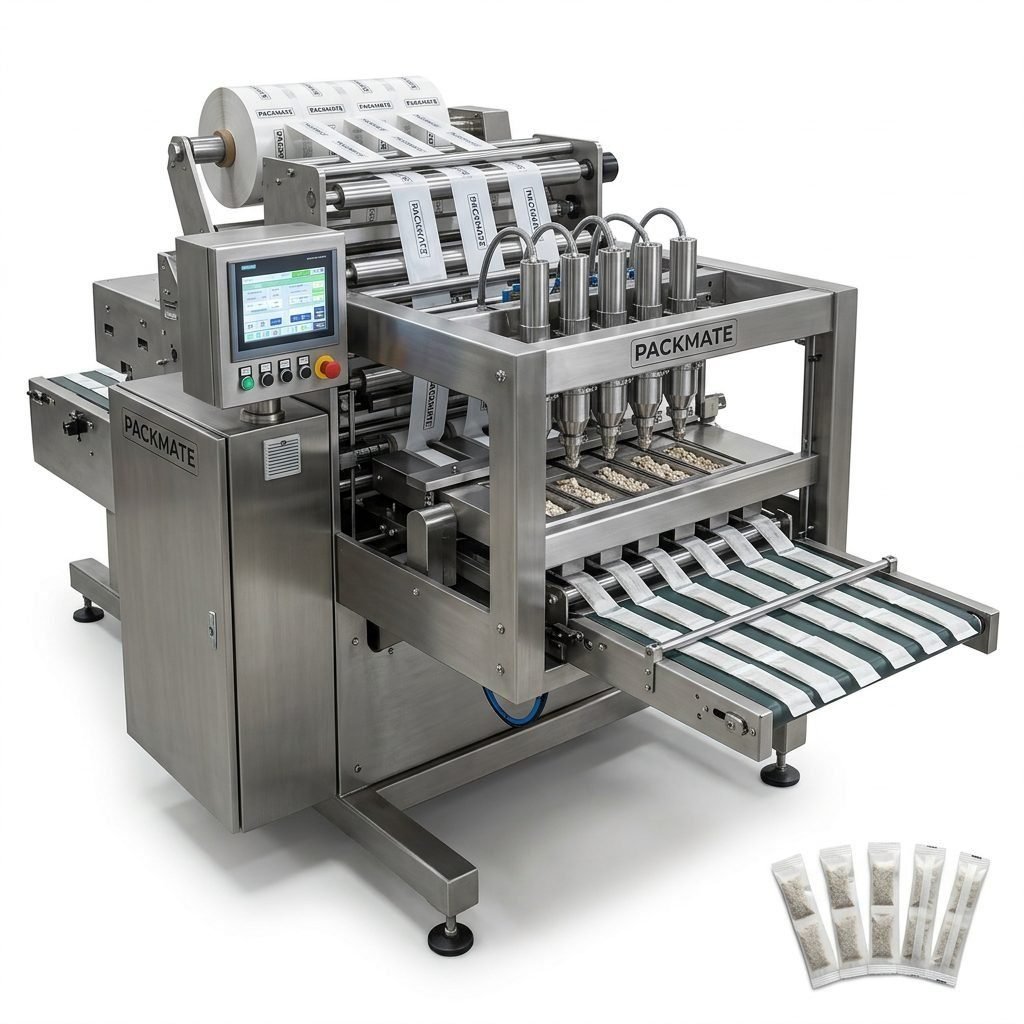
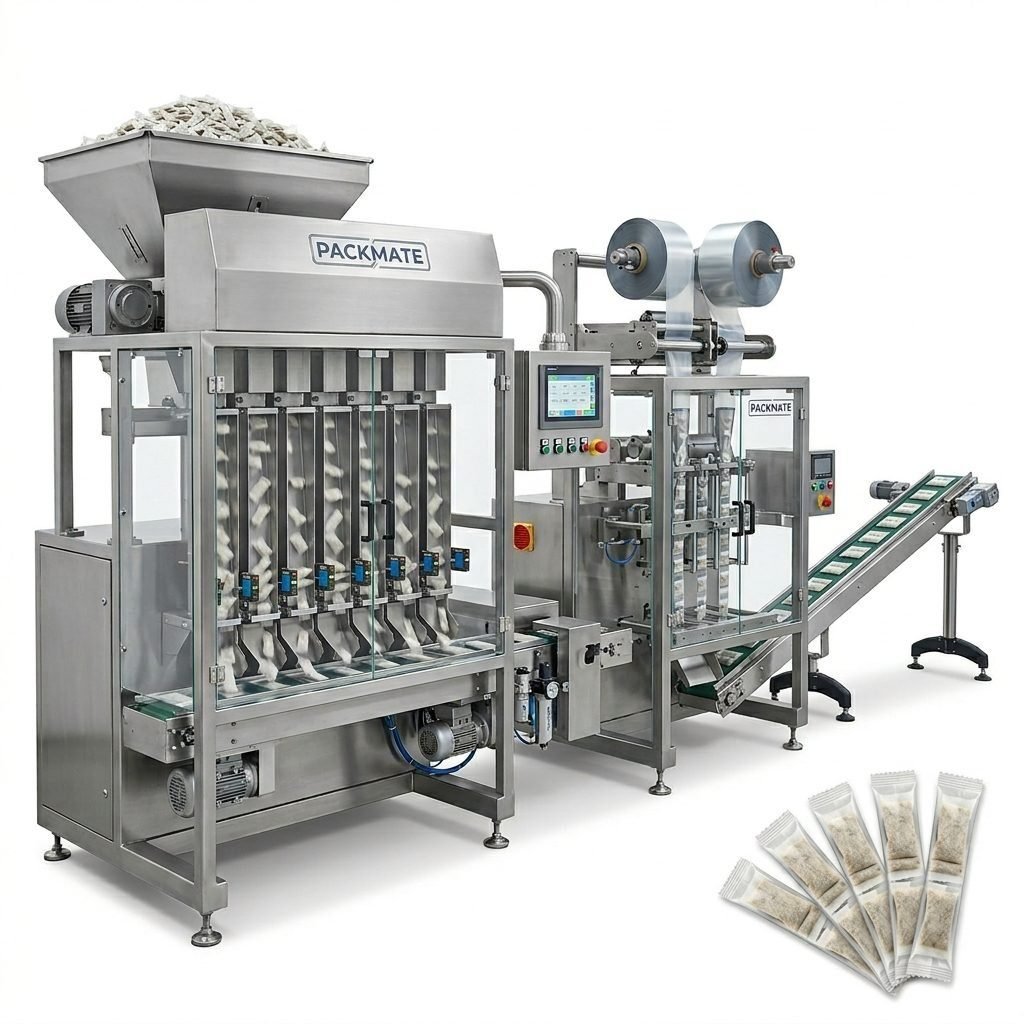
For reference and product details, review specialized solutions such as Snus & Nicotine Packaging Machines, and explore multi-component lines on the Filling & Packaging Lines page. To understand factory capabilities and brand history, see the company profile at About Packmate.
Why a specialized snus machine manufacturer can be advantageous
Specialized manufacturers bring domain knowledge: correct pouch forming for small-dose nicotine pouches, multi-lane synchronization, and minimal product waste. Their R&D often focuses on stability for low-dose products and consistent fill accuracy—critical for nicotine pouches where dose consistency affects regulatory compliance and brand reputation.
📣 Tip: Ask for sample pouches or a machine run with your exact product and packaging film—this reveals the supplier’s ability to handle your formulation and materials.
Selecting a partner: shortlisting and negotiation
Shortlist 3-5 suppliers and score them across key dimensions: compliance, performance, customization, warranty, lead time, and local support. Use the scores to negotiate value-based terms—longer warranty, spare parts package, or free training can be more valuable than a marginal price reduction.
Contract tips for Kuwait imports
Clarify Incoterms, delivery schedule, FAT/SAT criteria, acceptance tests, penalty clauses for missed deadlines, and detailed spare parts lists. Ensure Arabic and English documentation for customs and operations. Request clear warranty coverage terms and SLAs for remote troubleshooting.
How Packmate (example supplier) aligns with these needs
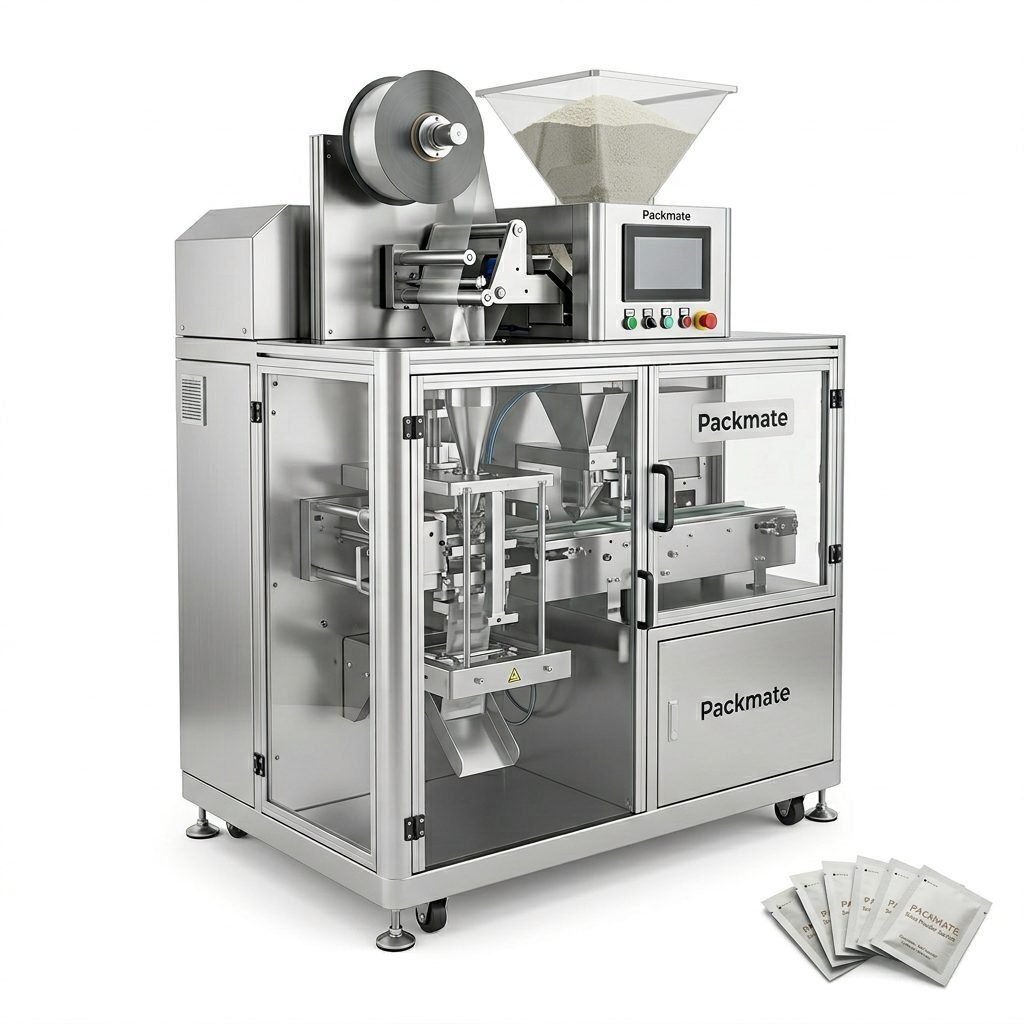
A specialized manufacturer with 30+ years of experience and a large production facility brings reliability and engineering depth. Packmate Snus Machine, for example, offers multi-lane snus and nicotine pouch lines, advanced CNC machining, and turnkey solutions suited for snus, sachet, and stick pack formats. Their documented factory capacity and certifications help shorten qualification times and minimize surprises during customs clearance.
Learn more about product options and completed projects on the Case page, and contact the team directly through Contact Us for tailored quotes and regional support options.
Practical checklist before you sign
Use this condensed checklist to ensure readiness:
- Verify certifications and export documentation for the GCC.
- Request FAT video and sample pouches using your materials.
- Confirm lead times, spare parts logistics, and warranty terms.
- Insist on Arabic labeling capability and operator training.
- Negotiate installation, commissioning, and acceptance criteria.
Final recommendations
Seek a supplier who combines technical competence with proven export experience to Kuwait. Prioritize reliability, spare parts availability, and local support. A partner who offers turnkey systems and can adapt to Arabic labeling and regional preferences will help you launch faster and operate more stably.
✅ Next step: Compile your product specs (pouch format, fill weight, film type, target output) and request a formal proposal with FAT/SAT terms from shortlisted suppliers.
Frequently Asked Questions
Q1: How do I ensure my nicotine pouch machine meets Kuwait import rules?
A1: Request CE/ISO certificates, export documentation, and past GCC export references. Confirm electrical adaptations and Arabic labeling support and ensure the supplier will provide FAT documentation that you can use for customs and local approvals.
Q2: What spare parts should I order with the machine?
A2: Order a critical spare parts kit: sensors, sealing jaws, belts, PLC modules, and common consumables. Ensure clear part numbers and shipping/lead-time commitments in the contract.
Q3: Can I get local installation support in Kuwait?
A3: Many specialized suppliers offer on-site installation and training or can dispatch technicians. Confirm whether the supplier has partners or can cover travel and local commissioning costs.
Q4: How important is a factory visit or FAT for nicotine pouch lines?
A4: Extremely important. FAT with your materials validates performance, sealing quality, and alignment with production targets. If a factory visit is not possible, request live video demonstrations and detailed acceptance criteria.
Q5: Where can I find supplier product pages and detailed specs?
A5: Review targeted product lines such as Snus & Nicotine Packaging Machines and consult the Catalog for detailed specs and modular options.