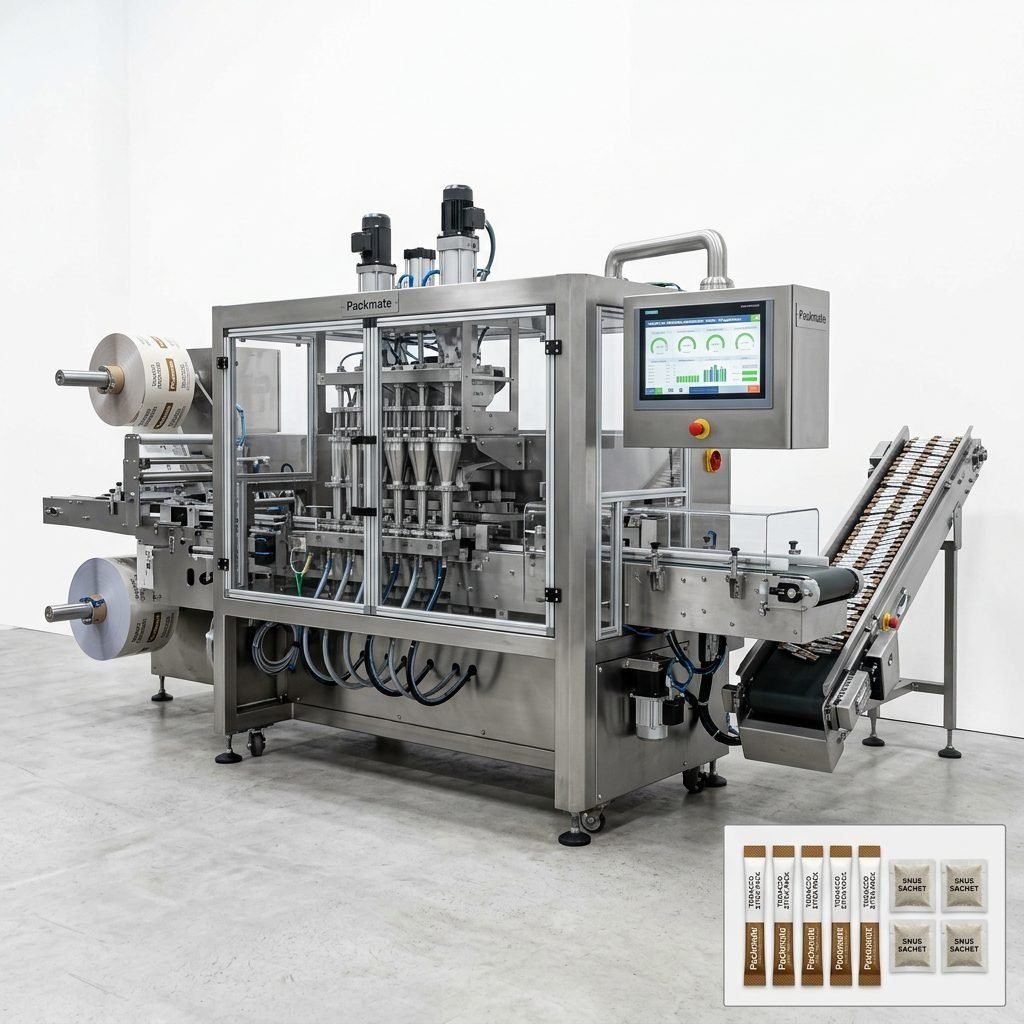
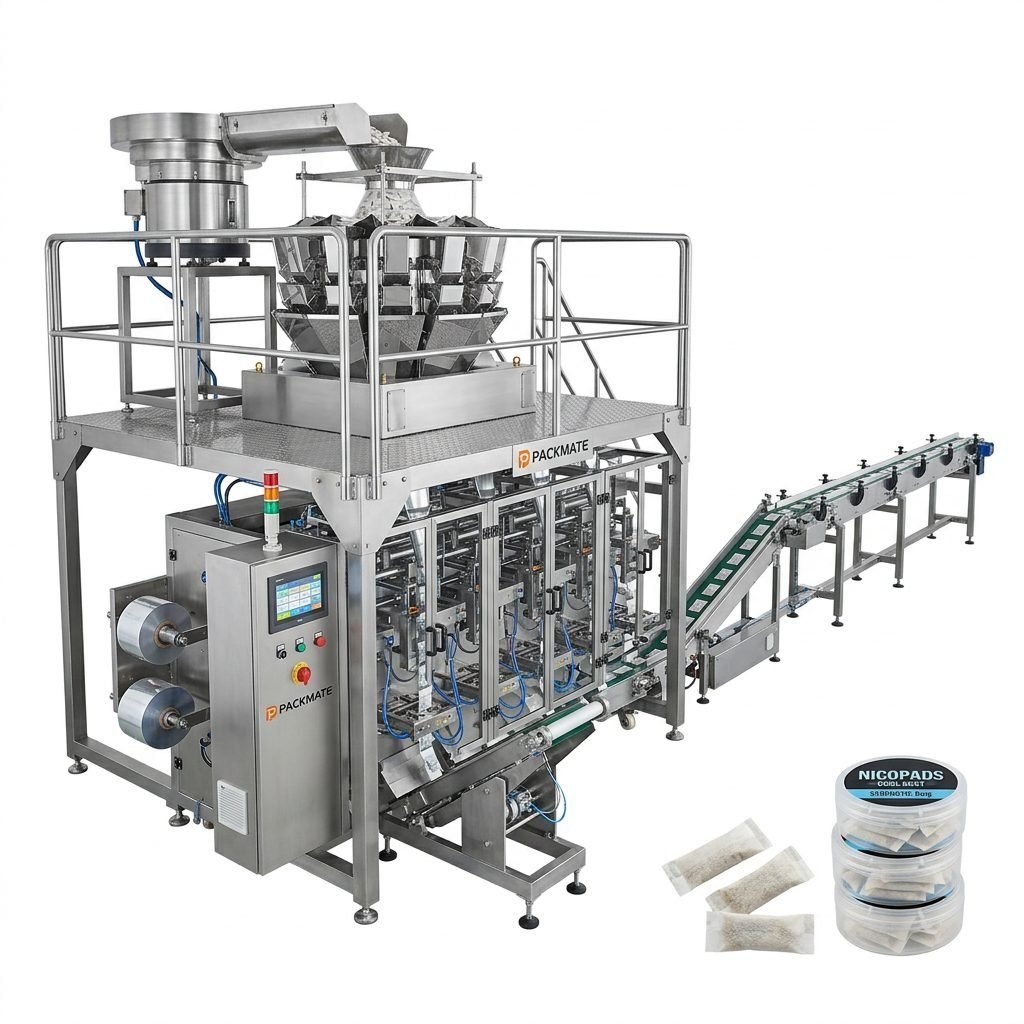
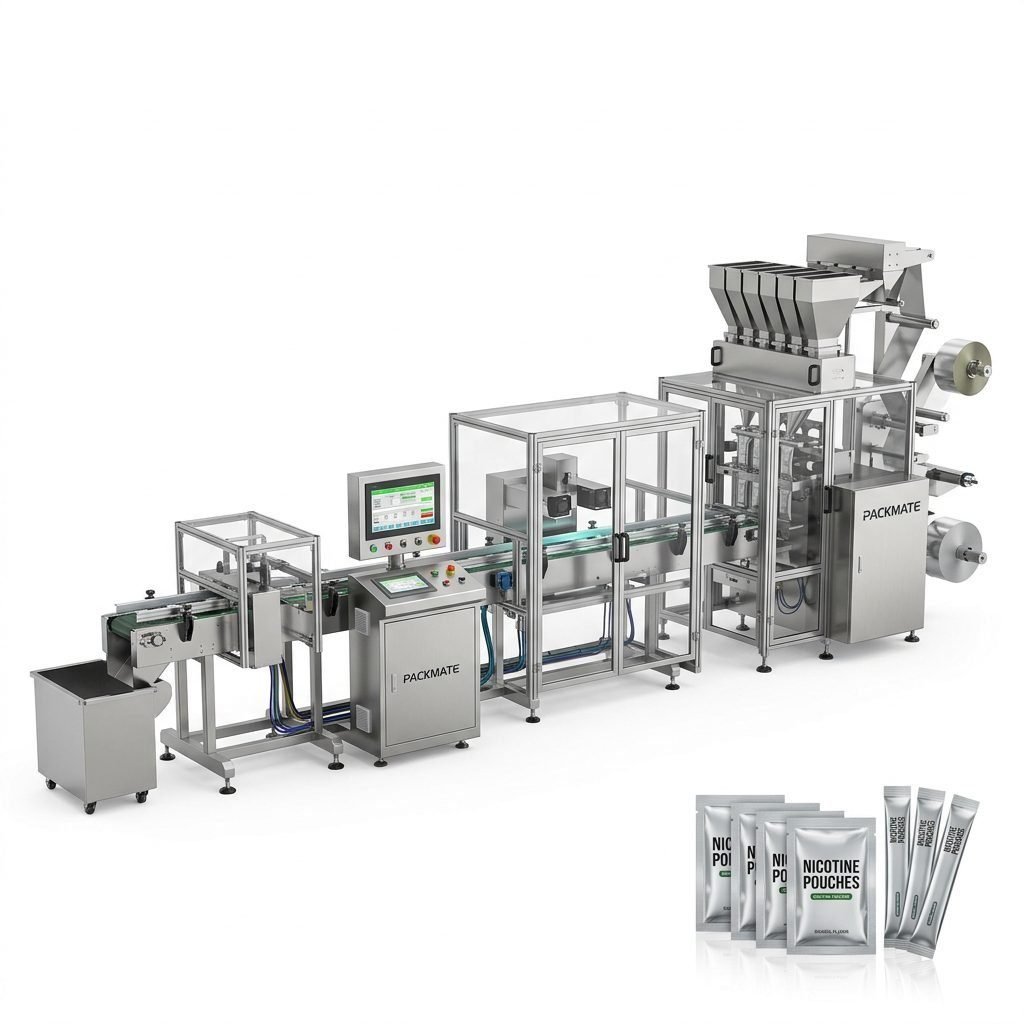
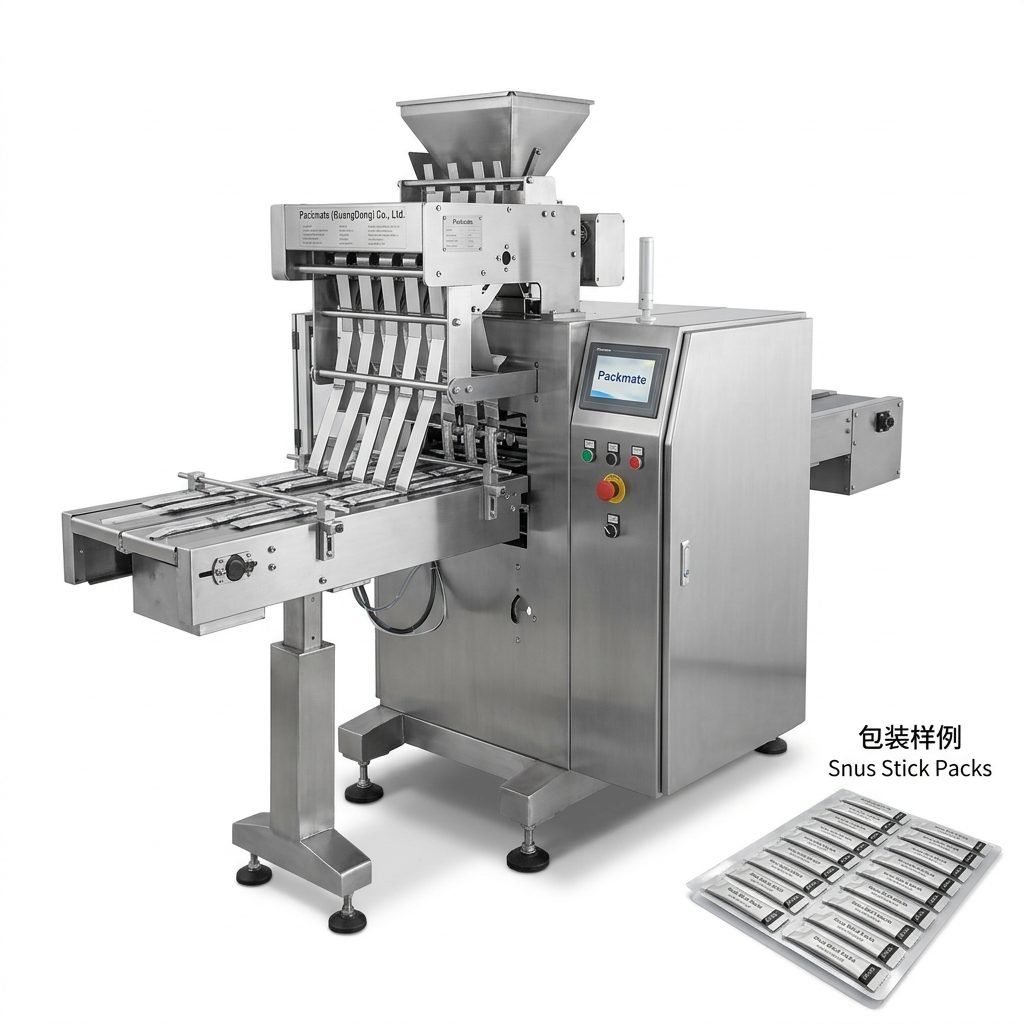
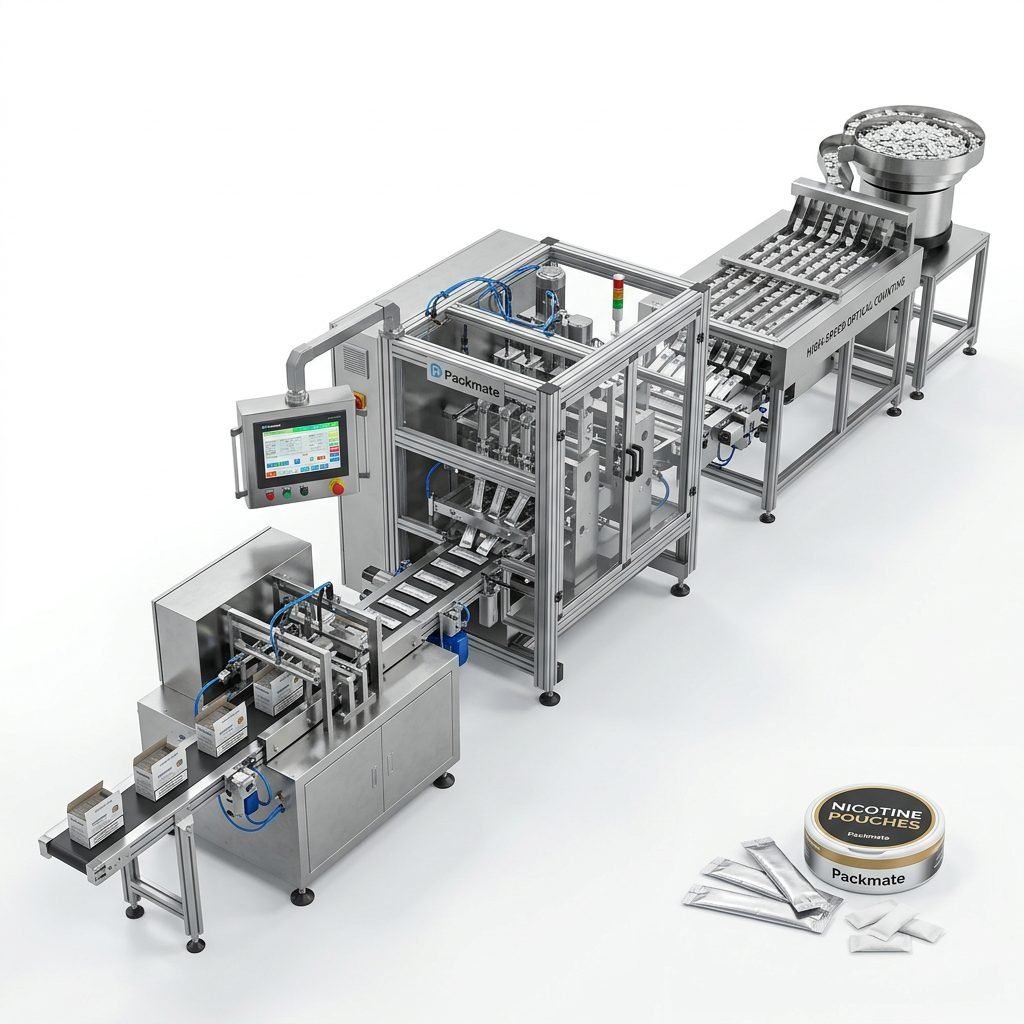
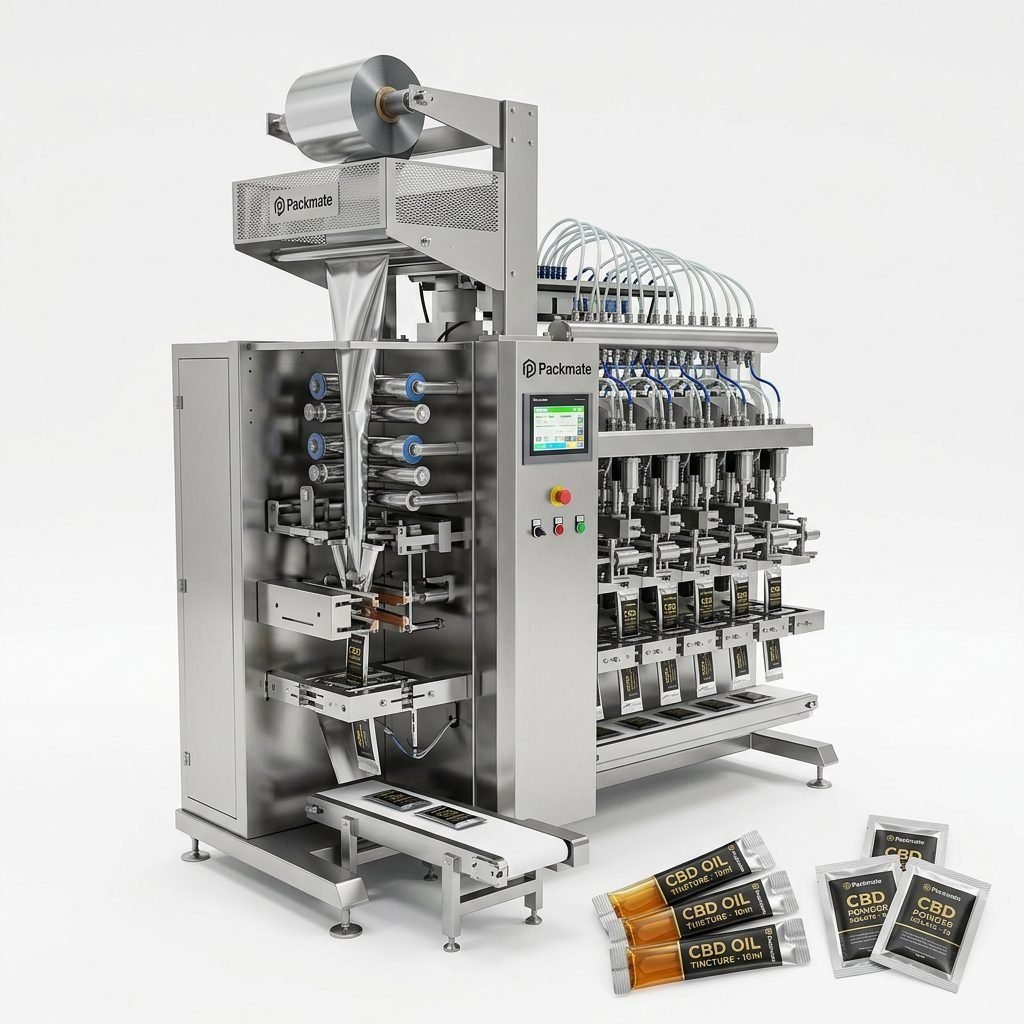
Choosing the right snus packaging machine supplier in Malaysia can make or break your production plans. This guide walks you through the most important practical considerations — from local regulatory and cultural factors to technical specifications, service expectations, and how to validate a supplier’s claims before committing to a major capital purchase. Whether you are launching a small nicotine pouch line or upgrading to a high-speed multi-lane solution, these actionable tips will help you select a partner who delivers performance, compliance, and long-term value.
Malaysia market snapshot & cultural considerations
Malaysia has a diverse consumer base and strict regulatory oversight regarding tobacco and nicotine products. Buyers should be sensitive to local customs — a significant portion of the population follows Islamic traditions, and consumer acceptance of tobacco-related products can vary regionally. For this reason, packaging design, labeling language (Malay & English), and public health compliance are not just legal matters but also matters of brand perception. Always consult local authorities or legal counsel to confirm import and distribution rules before importing machines or finished product lines.
Regulatory and compliance pointers
🔍 Check customs, health ministry, and local municipal rules for nicotine-containing products; ensure your production and labeling meet Malaysia’s requirements. Manufacturers often assist with compliance documentation, so ask potential suppliers about previous Malaysian or Southeast Asian customers and regulatory support services.
Key technical factors when evaluating snus packaging machines
✅ Machine type and format compatibility — Choose a supplier who offers machines compatible with the formats you need: pouches, sachets, stick packs, or multi-lane nicotine pouches. Consider flexibility for future SKUs.
✅ Throughput and scalability — Evaluate machines by both current and target output. A supplier should provide realistic RPM and pouch-per-minute rates under production conditions.
✅ Filling accuracy & dosing systems — Nicotine pouches require precise dosing. Confirm the weighing or volumetric system, its tolerance, and how it handles small-dose consistency.
✅ Materials & sealing quality — Reliable sealing technology preserves shelf life and avoids contamination. Ask for sample seals and test results from similar products.
Automation, controls & integration
⚙️ Modern PLC/HMI controls, recipe management, and remote troubleshooting are essential. If you plan a full production line, ensure the supplier can integrate upstream and downstream equipment such as weighers, metal detectors, cartoners, and case packers.
Quality, certifications & reliability
Buyers should prioritize suppliers with verifiable quality systems and international certifications. Look for CE, ISO, or other relevant certificates and ask for test reports, factory quality control procedures, and failure-mode case histories.
🔧 Reliability data — Request Mean Time Between Failures (MTBF) figures, typical wear part lifetimes, and a history of field issues and fixes. A reputable manufacturer will proactively share this information.
After-sales support & spare parts availability
✅ Local support options — In Malaysia, fast response times matter. Prioritize suppliers with regional service partners or a clear plan for fast spare parts shipping.
✅ Training & commissioning — Ensure on-site commissioning and operator training are included or available. Practical training shortens ramp-up time and reduces early production scrap.
Warranty & service contracts
Evaluate standard warranty terms and options for extended service contracts. Confirm what the warranty covers (electrical, mechanical, consumables) and the process for field service escalation.
Supplier capabilities & customization
Strong suppliers offer configurable platforms rather than one-size-fits-all machines. If you need unique pouch shapes, custom dosing profiles, or special materials handling, ask whether the supplier can prototype, supply tooling, and produce factory acceptance tests.
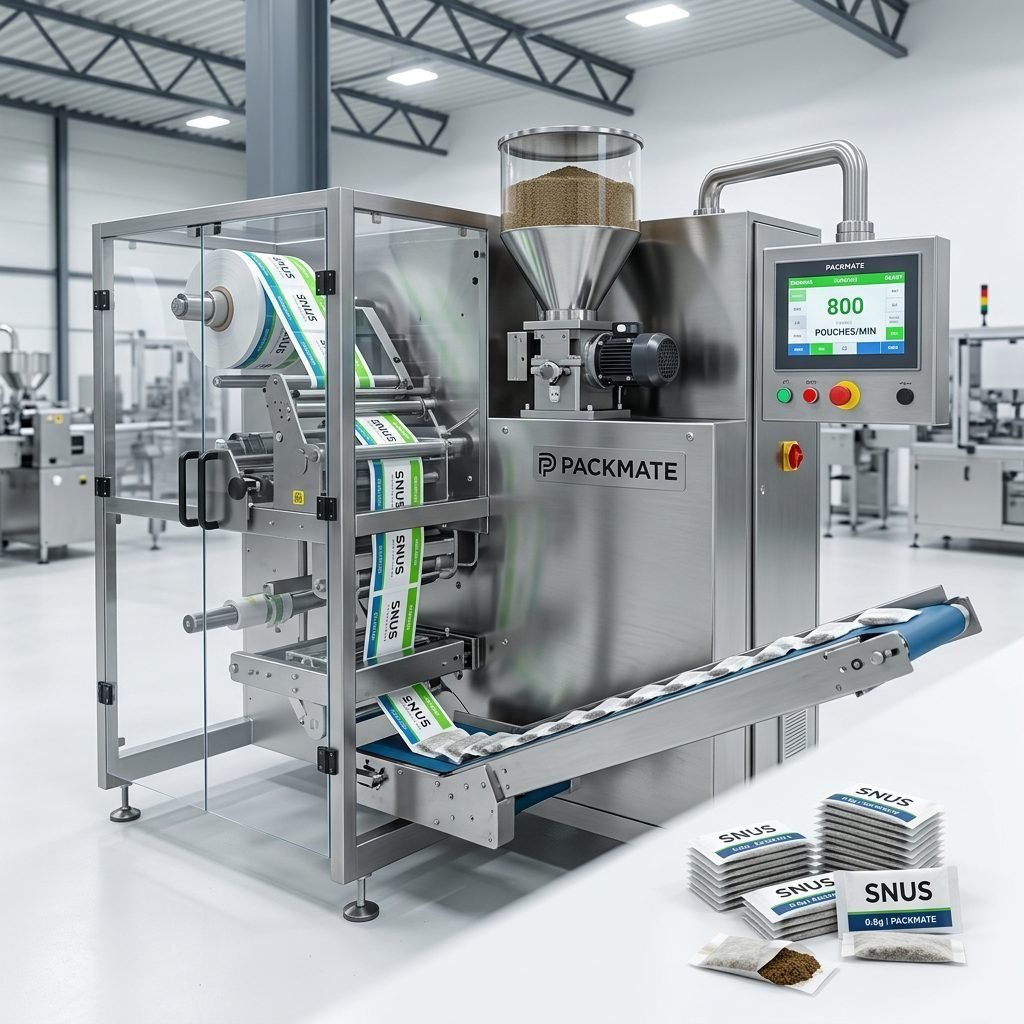
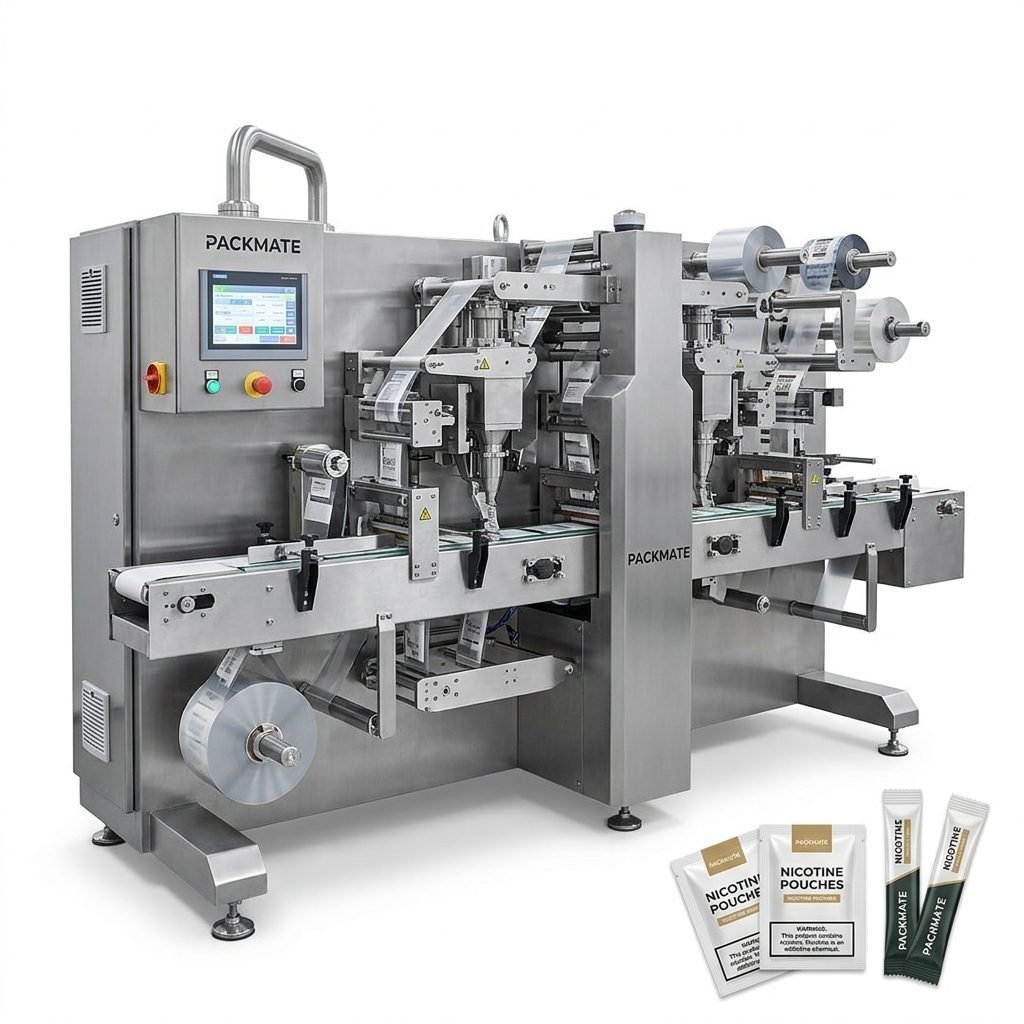
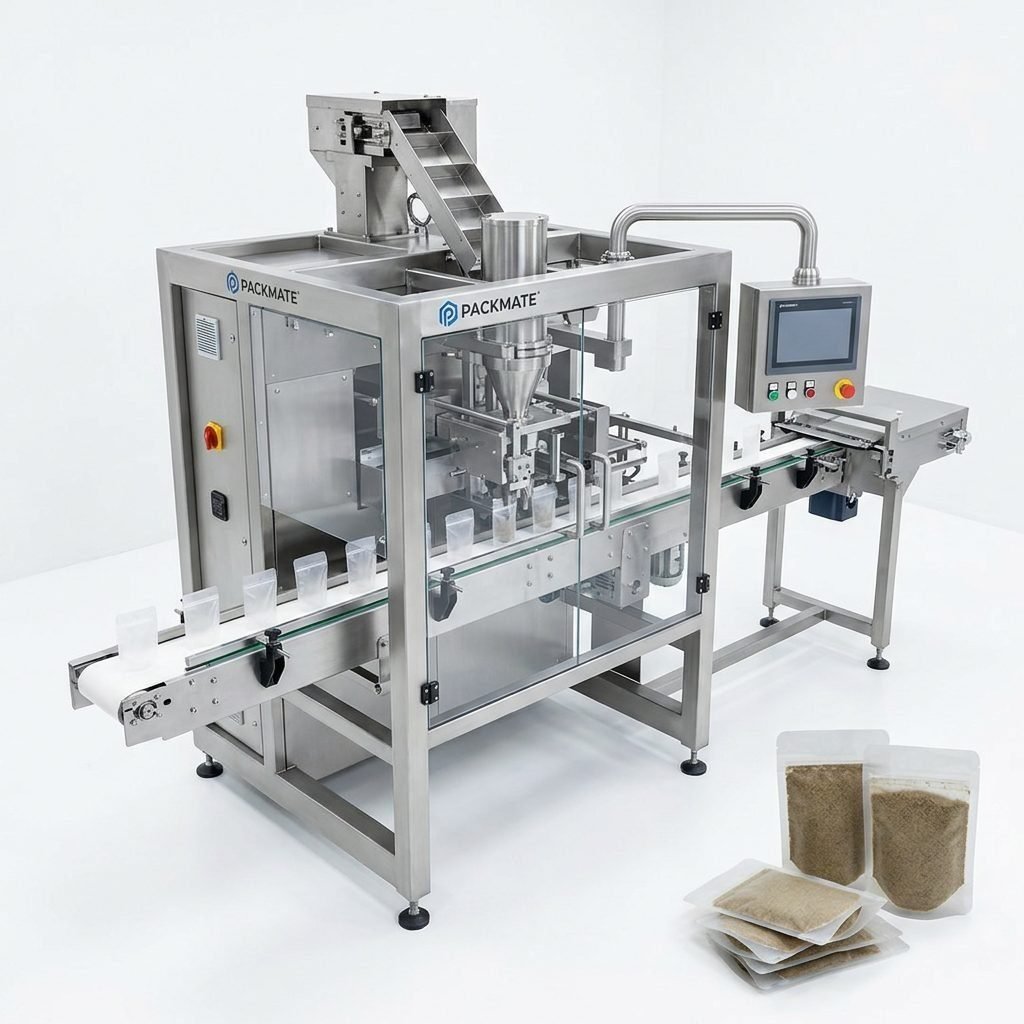
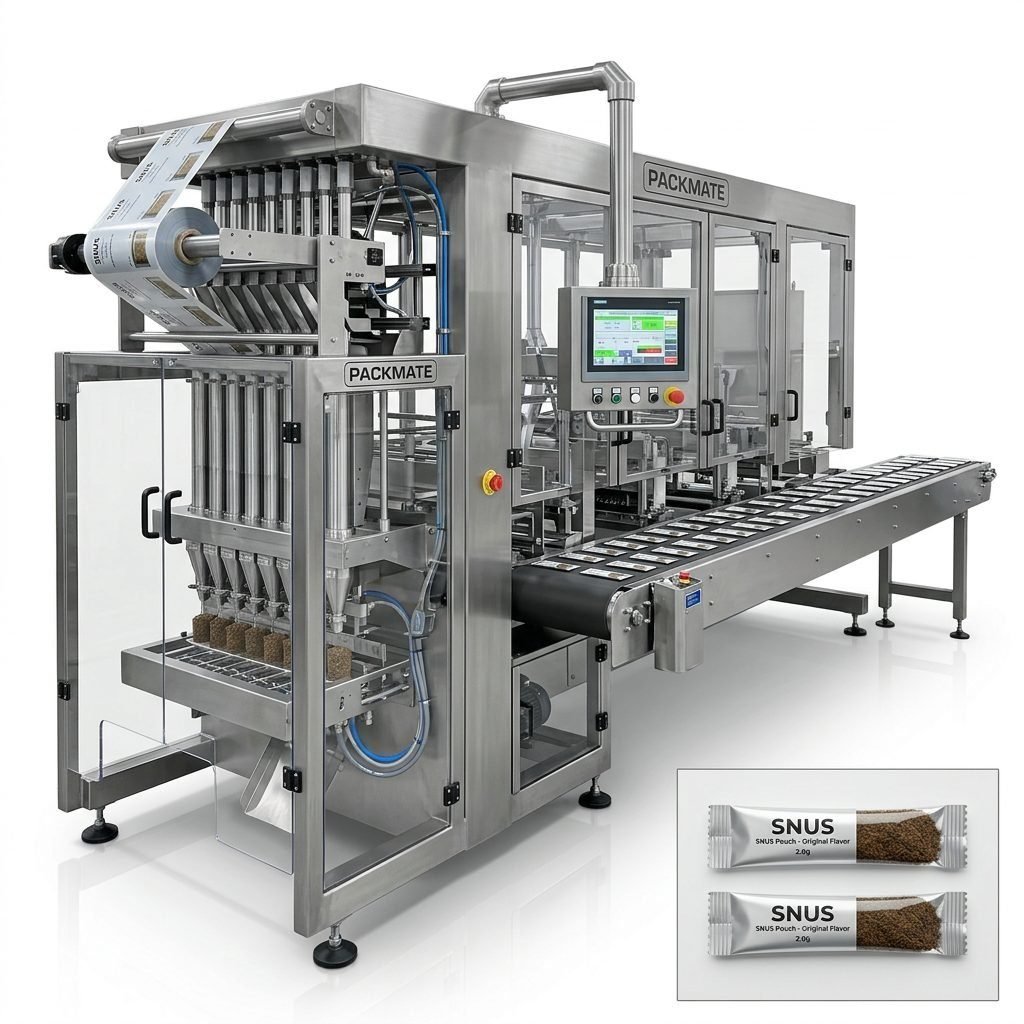
For example, Packmate Snus Machine provides a range of tailored snus and nicotine pouch solutions and turnkey lines that can be adapted to specific product formulations and packaging formats — useful when entering or expanding in Malaysia’s market. (See product details on their Snus & Nicotine Packaging Machines and Sachet & Stick Pack Machines.)
Practical supplier evaluation checklist
🔎 Ask for factory photos or a video tour to confirm manufacturing standards and assembly areas.
🔎 Request references in Southeast Asia; contact existing customers to verify performance claims and support quality.
🔎 Insist on FAT (Factory Acceptance Test) and SAT (Site Acceptance Test) with agreed acceptance criteria.
🔎 Obtain clear spare parts lists, lead times, and recommended on-site inventories for wear parts.
Factory visits & proof of performance
When possible, schedule a factory visit or watch a live demo. If travel is not feasible, ask for real-time machine demos via video conference, and request recorded runs using products similar to yours. Use these sessions to evaluate build quality, human-machine interface, and noise/vibration levels.
Financial considerations: pricing, ROI, and payment terms
Price is important, but total cost of ownership (TCO) — including downtime, spare parts, energy use, and service — often matters more. Request estimated ROI calculations based on realistic production scenarios, including ramp-up yield and maintenance schedules.
Consider negotiating phased payments tied to deliverables (design approval, FAT, shipment, SAT) and ask about leasing or financing options if capital constraints exist.
Logistics, lead time & installation in Malaysia
Confirm lead times for standard machines and customizations. For Malaysian projects, plan customs clearance, import permits, and local transport. Ask whether the supplier can assist with documentation for customs and compliance to minimize delays.
If the supplier provides turnkey lines, they should coordinate installation and commissioning, ensuring seamless integration with your facility utilities and factory layout.
Maintenance strategy & uptime optimization
✅ Predictive maintenance — Look for sensors and diagnostics that enable predictive maintenance to reduce unplanned downtime.
✅ Spare parts kits — Ensure critical spares are included with the initial order or available locally.
✅ Remote support — Remote troubleshooting can dramatically shorten downtime; confirm that the supplier offers secure remote access and technical support windows that suit your operating hours.
Training & documentation
Comprehensive manuals, electrical drawings, and maintenance guides are essential. Prefer suppliers that provide multilingual manuals (including English and Malay) and structured operator and technician training.
How to finalize the purchase: contract and acceptance criteria
Before signing, define measurable acceptance criteria for FAT and SAT, including acceptable fill tolerances, sealing integrity, production speed, and uptime targets. Include clauses for penalty or remediation if the delivered equipment fails to meet these standards.
Why work with experienced packaging machine manufacturers
An experienced supplier brings better engineering choices, robust spare parts management, and tried-and-tested integration for your manufacturing environment. Packmate Snus Machine, for instance, highlights decades of industry experience and specializes in snus/nicotine pouch solutions as well as turnkey packaging lines — a beneficial option for buyers looking for a proven partner. Explore their product pages for machines and systems suited to nicotine pouch production:
– Snus & Nicotine Packaging Machines: https://www.snusmachinery.com/products/snus-nicotine-packaging-machines/
– Sachet & Stick Pack Machines: https://www.snusmachinery.com/products/sachet-stick-pack-machines/
– About the manufacturer and capabilities: https://www.snusmachinery.com/about-us/
Real-world proof: case studies & exhibitions
See real installation stories and live demos where possible. Many manufacturers publish case studies and exhibition demos to showcase real outputs — review these materials and, if available, ask for references from companies operating in similar markets or climates. Packmate’s case page and exhibition history can provide useful insights into machine performance across regions.
Case examples: https://www.snusmachinery.com/case/ | Exhibition info: https://www.snusmachinery.com/exhibition/
Step-by-step buying checklist
1. Define product formats, speed targets, and quality criteria.
2. Shortlist suppliers with experience in nicotine pouch packaging and regional service ability.
3. Review certifications, FAT plans, and spare parts strategy.
4. Schedule demos or factory acceptance tests; verify references.
5. Finalize contract with acceptance criteria, service SLAs, and payment milestones.
6. Plan installation, training, and spare parts inventory for Malaysia-specific needs.
Negotiation tips & red flags
⚠️ Red flags — Vague technical specs, no FAT offering, no local references, or evasive warranty terms. Suppliers who can’t provide measurable performance data or avoid third-party verification should be approached with caution.
✅ Good negotiation levers — Ask for bundled spare parts, extended training, better payment terms, or inclusion of FAT and shipping assistance. Seek a clear timeline for spare part deliveries to Malaysia.
Closing the deal and next steps
Once terms are agreed, maintain transparent communication through the engineering, production, and logistics phases. Arrange for pre-shipment checks, document handover for customs, and schedule commissioning with enough buffer to handle any site modifications.
For direct inquiries and specific machine proposals, contact the manufacturer or request a line quote with detailed machine specs, FAT plan, spare parts list, and local support options: https://www.snusmachinery.com/contact-us/
Frequently Asked Questions
Q1: How do I check if a snus packaging machine is legal for use in Malaysia?
A1: Consult local regulatory authorities and legal counsel to confirm product and production compliance. Request supplier documentation and previous export records for Southeast Asia to support approvals.
Q2: What is the typical lead time for a custom high-speed nicotine pouch line?
A2: Lead times vary by customization and capacity, but expect several months for engineering, build, FAT, and shipping. Request a detailed project timeline and milestones during negotiation.
Q3: How important is FAT before shipment?
A3: FAT is critical — it validates performance under controlled conditions and reduces on-site surprises. Insist on documented acceptance criteria and witnessed runs with your product or an equivalent simulant.
Q4: Can suppliers provide turnkey solutions including weighers and cartoners?
A4: Many experienced manufacturers offer integrated lines. Review the supplier’s portfolio and request references for full-line projects. See related systems here: Weighing & Packaging Systems and Filling & Packaging Lines.
Q5: What should I stock in spare parts to minimize downtime?
A5: Keep an inventory of critical wear parts (sealers, belts, dosing nozzles, sensors), electrical spares, and fast-moving consumables. The supplier should advise a recommended spare parts kit based on your expected run rates.