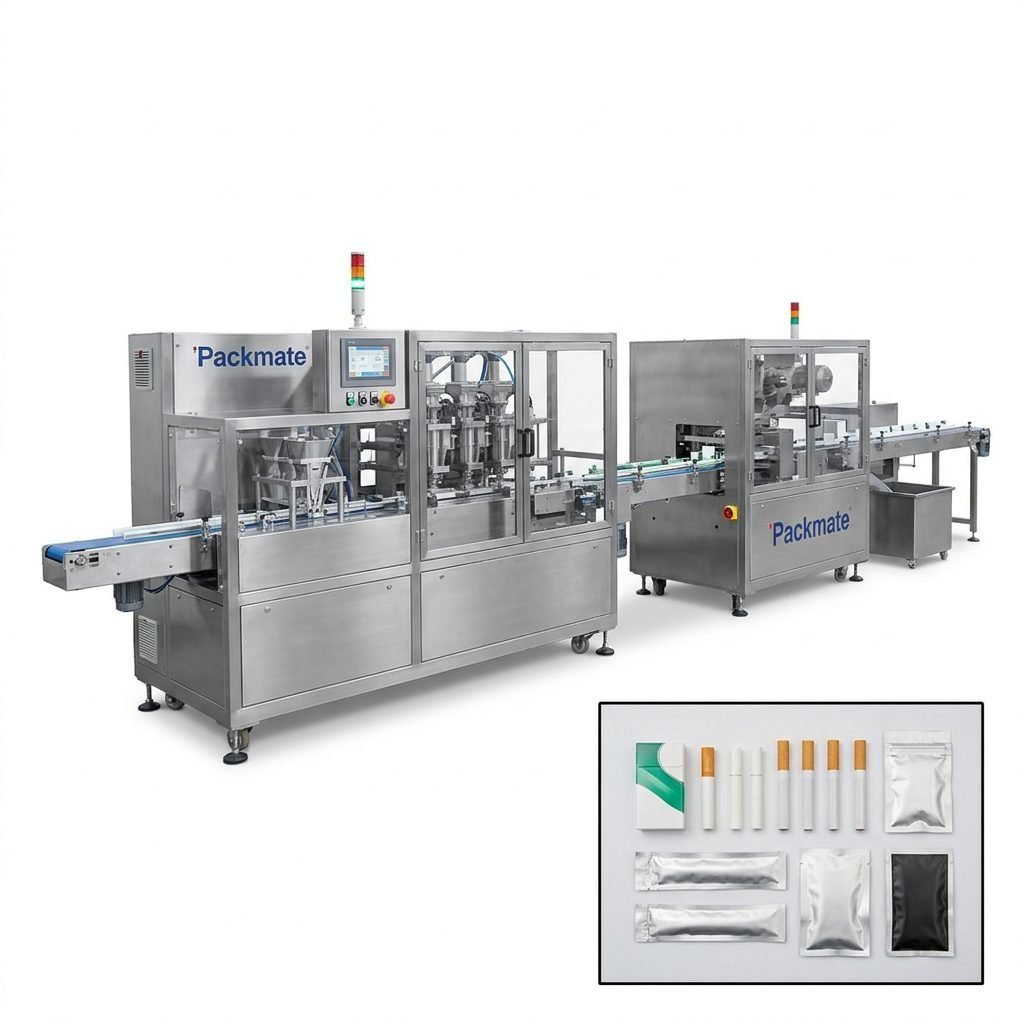
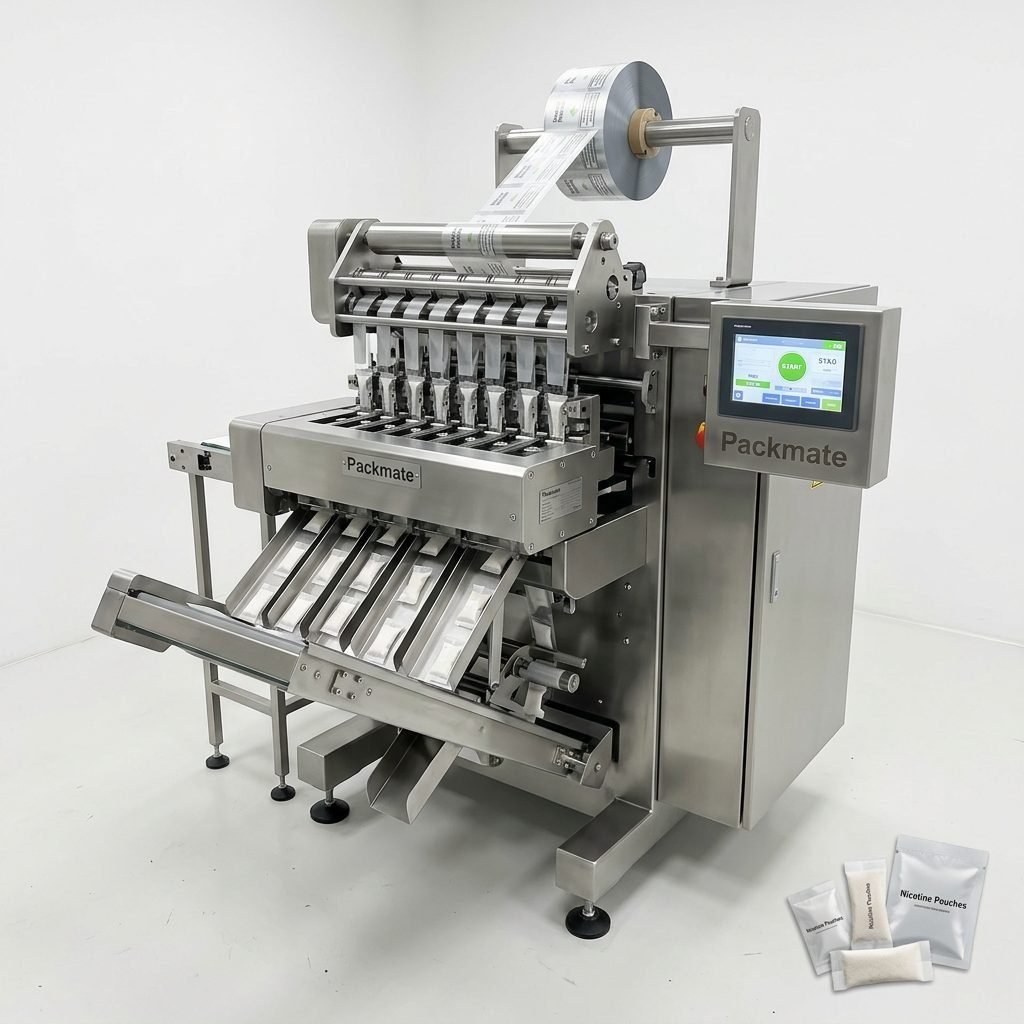
Introduction: Why Choosing the Right Nicotine Packaging Machinery Supplier Matters in the Middle East
The Middle East market presents unique commercial dynamics and regulatory challenges for producers of nicotine pouches and snus. Selecting the right packaging machinery supplier is not only a matter of machine specifications and price — it is a strategic decision that affects product quality, regulatory compliance, production uptime, and long-term market access. This guide helps manufacturers, distributors, and investors in the region evaluate potential suppliers and make an informed choice when purchasing snus and nicotine pouch packaging systems.
Understand Regional Context and Business Culture
Businesses in the Middle East often prioritize trust, long-term partnerships, and clear documentation. Import regulations can differ substantially between countries — for example, the Gulf Cooperation Council (GCC) countries often require strict customs paperwork and compliance certificates, while Turkey and North African markets have their own standards. When evaluating suppliers, consider how they handle technical documentation, CE/ISO certifications, and export-ready packaging of machinery.
🔧 Tip: In many Middle Eastern markets, suppliers who can provide bilingual documentation (English and Arabic) and local after-sales contacts gain a competitive advantage. Verify the supplier’s ability to support customs clearance and local installation procedures.
Key Selection Criteria for Nicotine Packaging Machinery Suppliers
Below are the most important aspects to evaluate when choosing a supplier for nicotine pouch or snus packaging equipment.
1. Proven Experience and Industry Focus
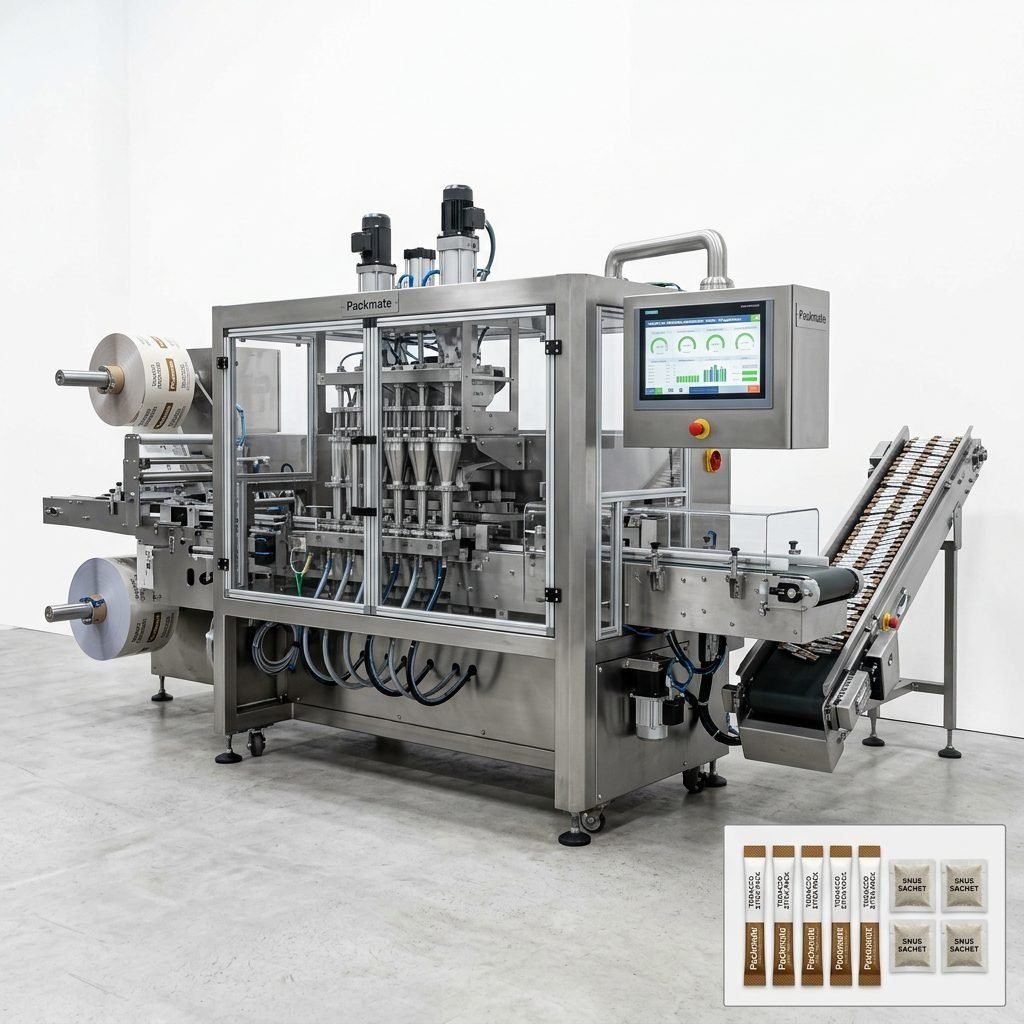
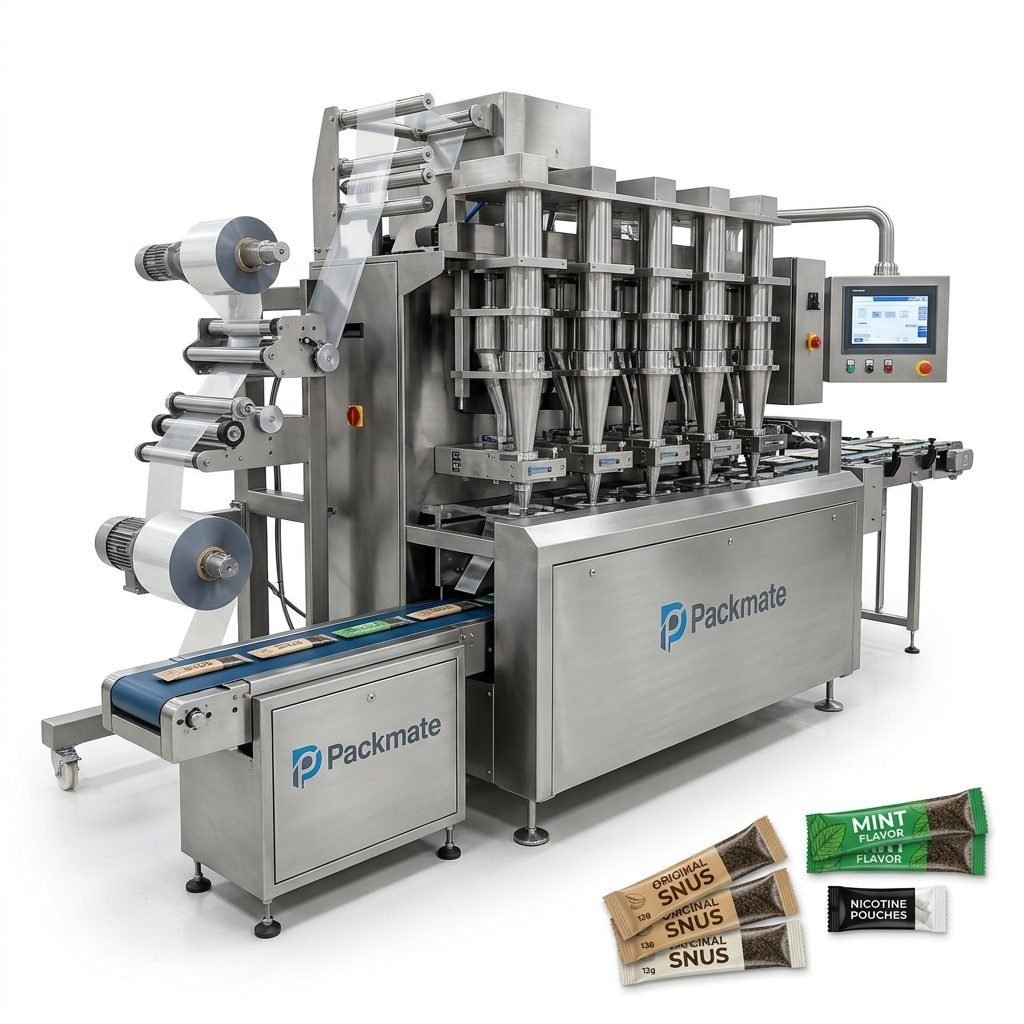
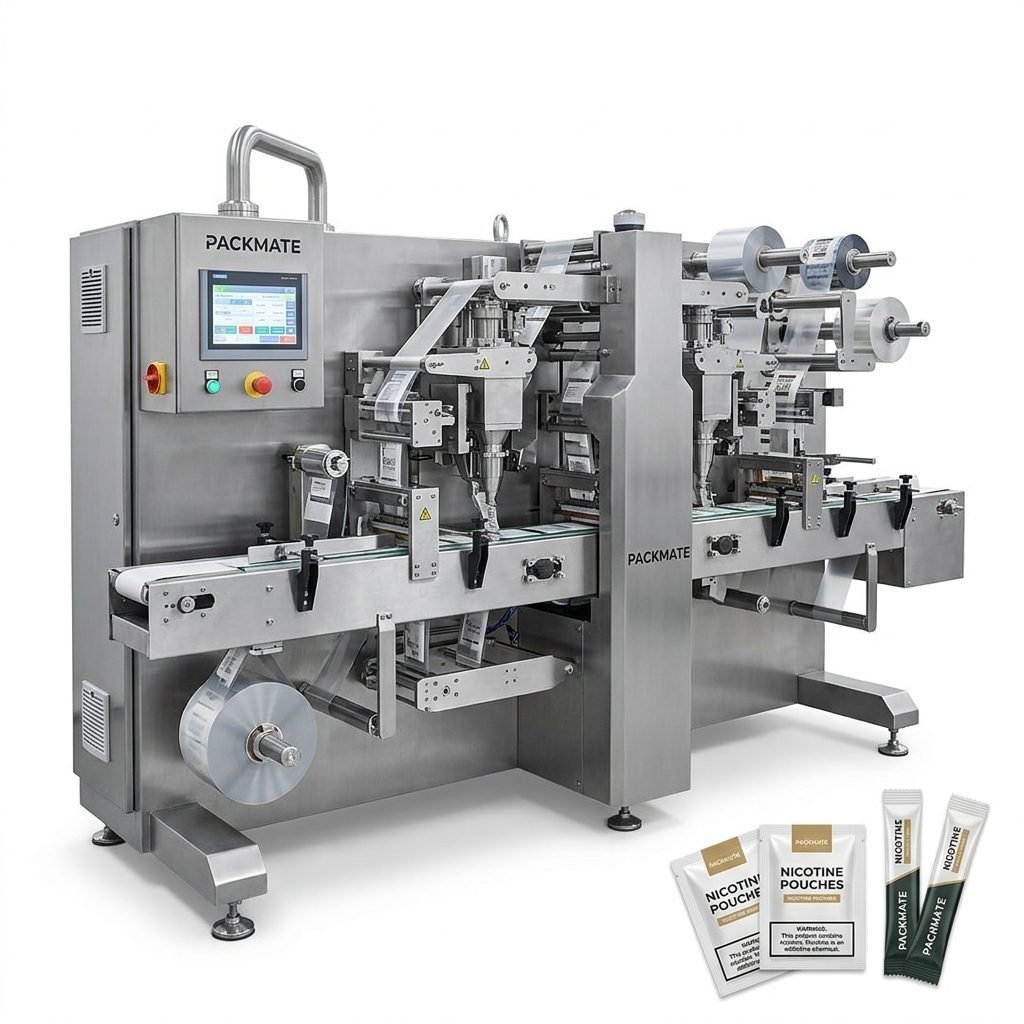
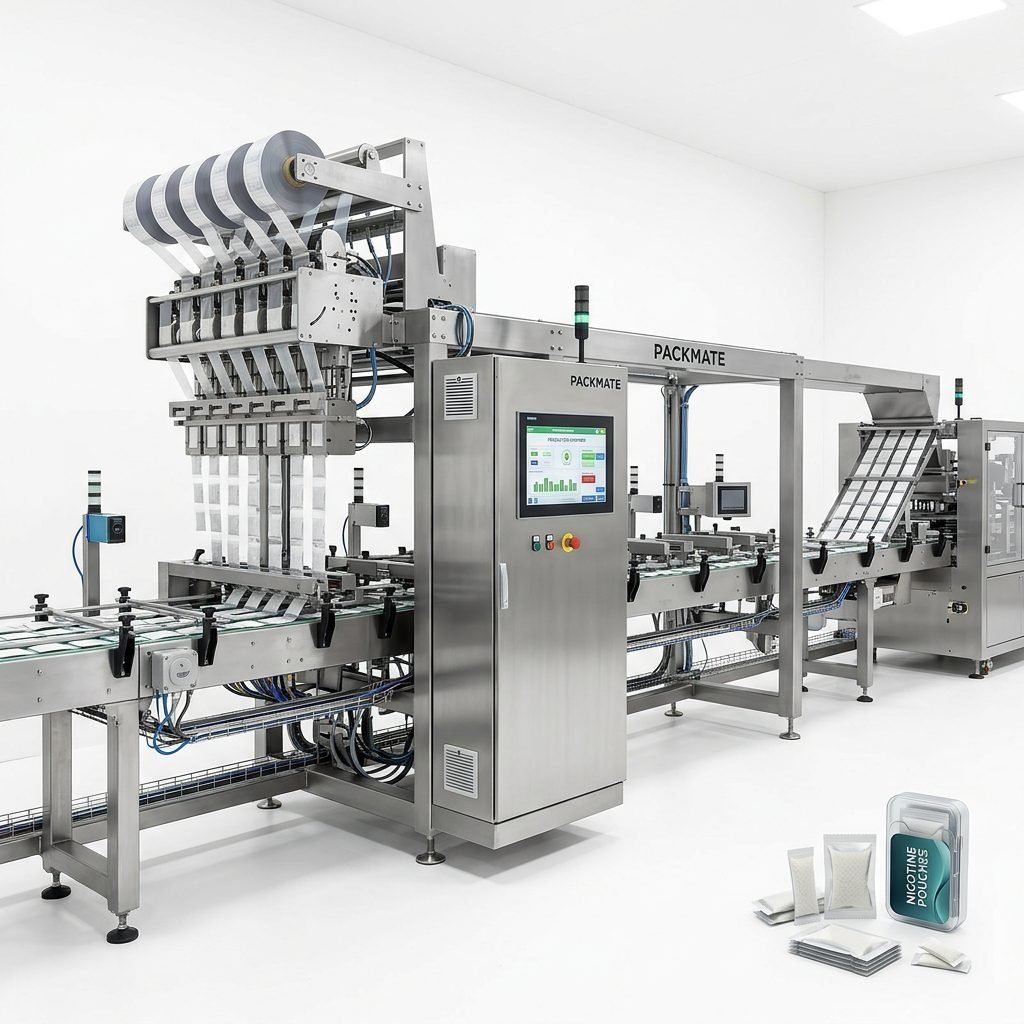
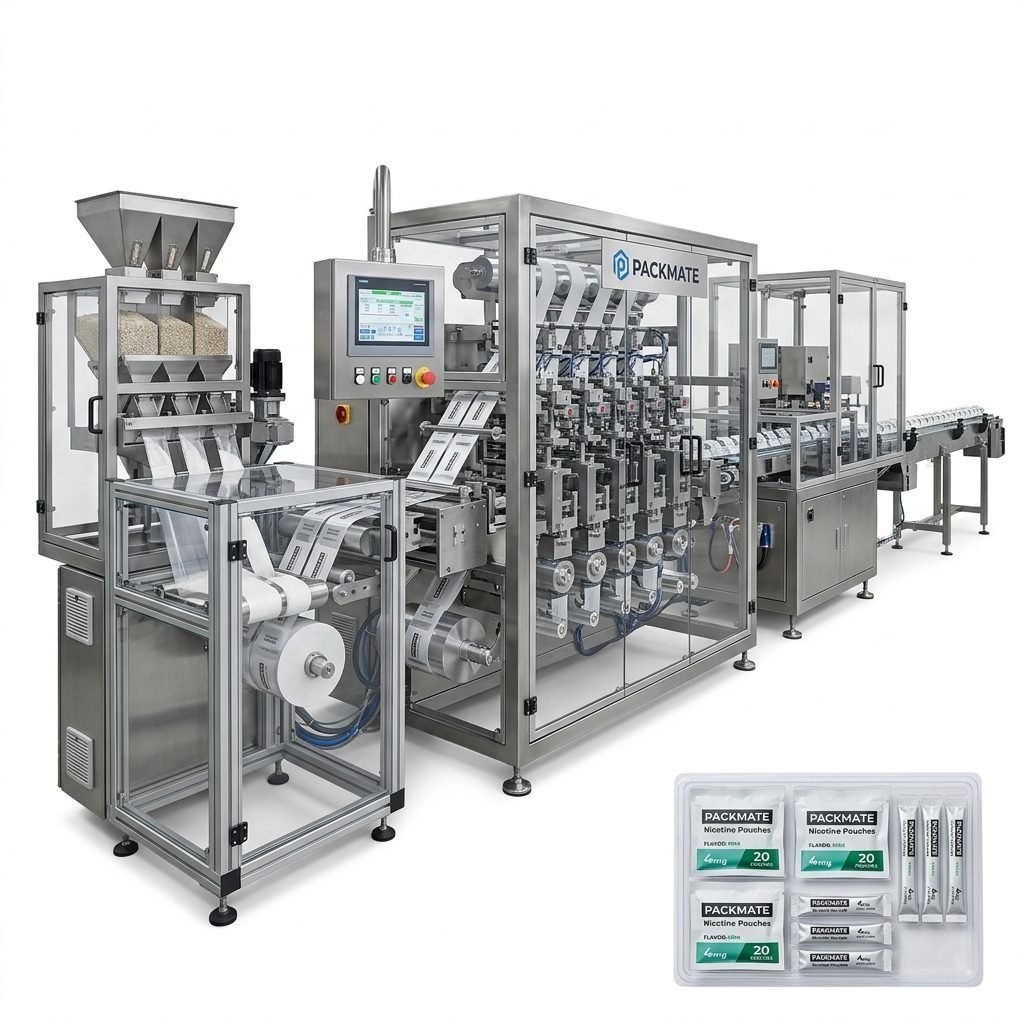
Look for suppliers with a documented history in snus and nicotine pouch equipment. Manufacturers with decades of engineering experience and a focused product line tend to deliver machines optimized for small-dose pouches, multi-lane production, and delicate filling processes. A supplier like this will be familiar with high-precision stick pack, sachet, and multi-lane systems designed specifically for nicotine products.
2. Range of Models and Customization Options
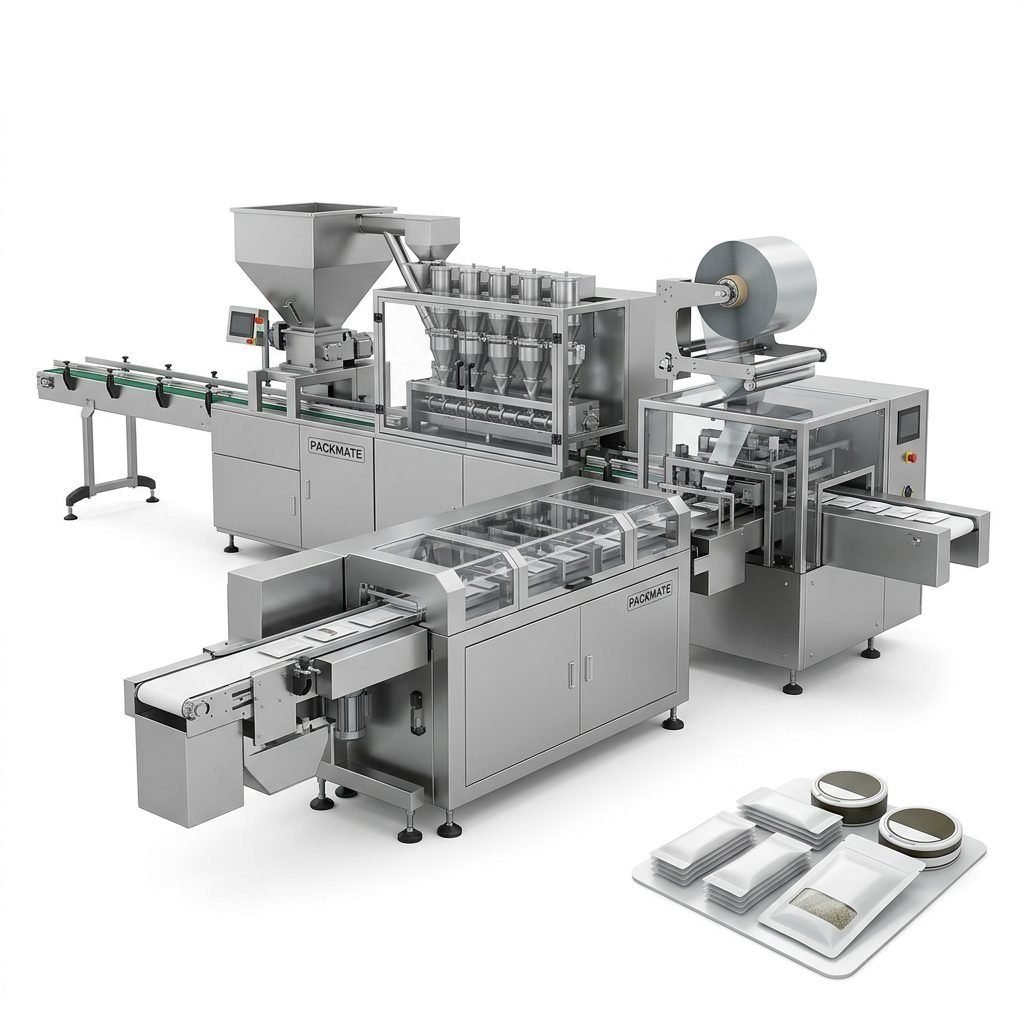
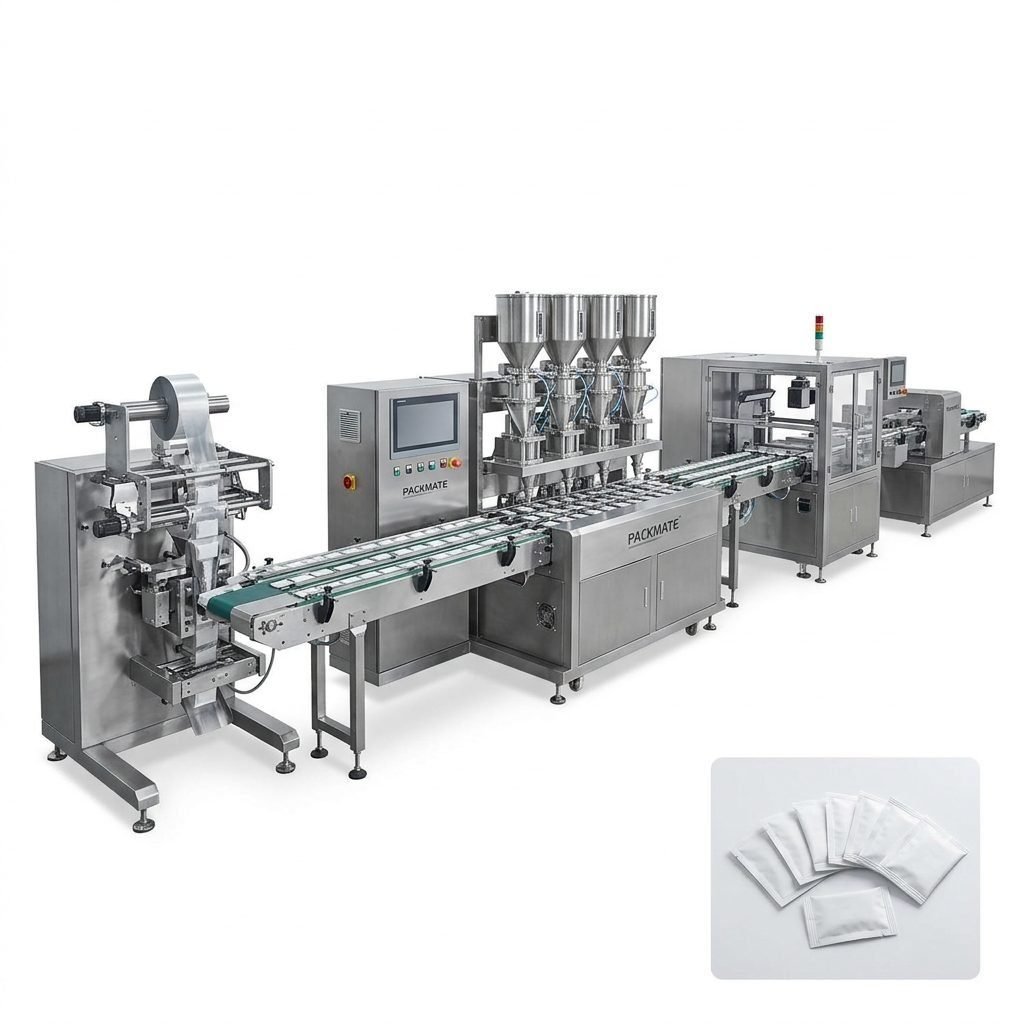
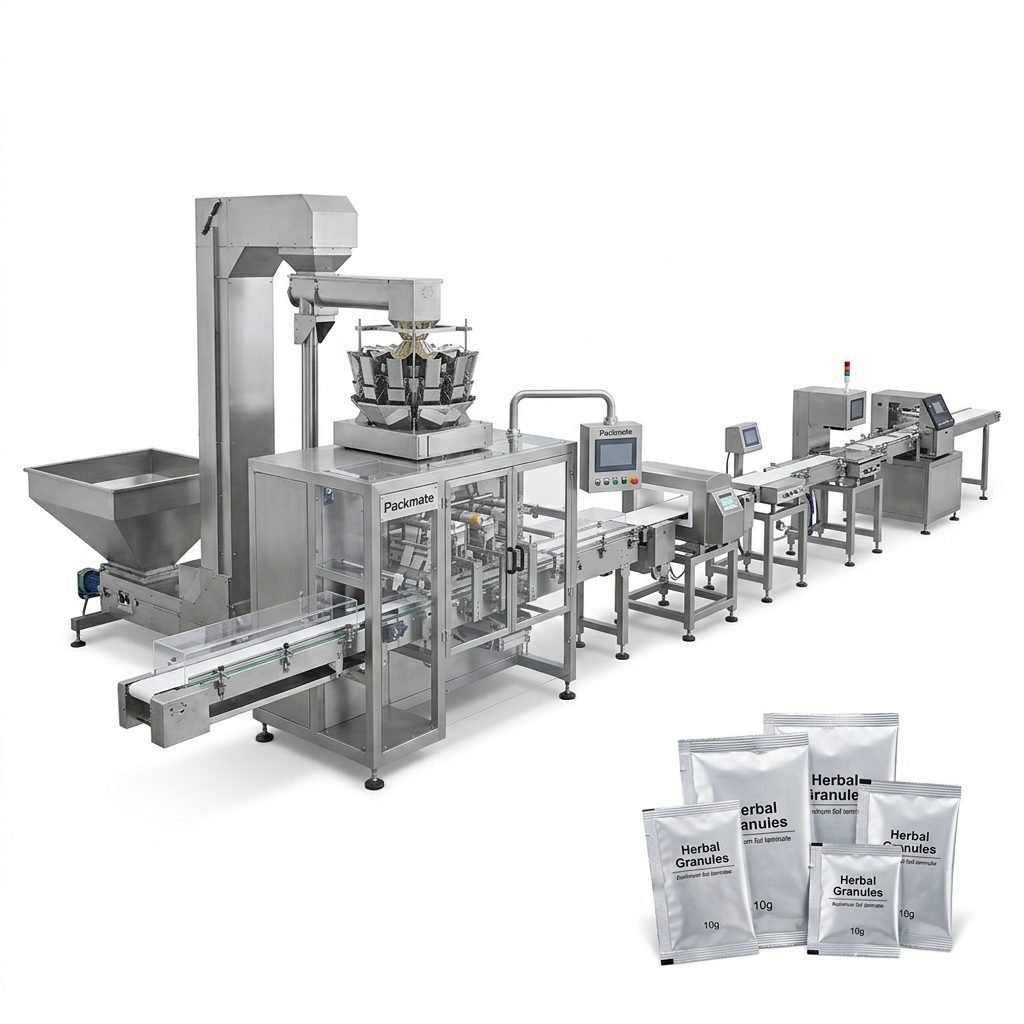
A strong supplier offers a portfolio of machines — from single-lane sachet fillers to high-speed multi-lane snus packing systems — and the ability to customize for your format, speed, and dosing accuracy. Check whether the supplier provides turnkey solutions that include auxiliary equipment such as weighing, conveying, and packaging integration.
Explore relevant product lines such as Snus & Nicotine Packaging Machines and Sachet & Stick Pack Machines to confirm technical fit.
3. Factory Strength and Quality Control
Assess the supplier’s manufacturing capability: modern CNC machining centers, precision assembly lines, and robust QA processes indicate reliable build quality. A 20,000㎡ facility with advanced equipment and a strict testing regime reduces the risk of frequent breakdowns and supports consistent machine performance.
4. Certifications & Regulatory Compliance
Certifications such as CE and ISO are critical. They show that machines meet international standards for safety and manufacturing. In the Middle East, customs and regulatory bodies often request these certificates during importation, so suppliers who maintain clear, verifiable certifications simplify the approval process.
✅ Must-Have: Ask for copies of certificates and a history of export compliance for Middle Eastern destinations.
5. After-Sales Support, Spare Parts & Local Service
Machines require fast access to spare parts and experienced technicians. Confirm the supplier provides spare parts packages, remote troubleshooting, and on-site service options. Suppliers with global exhibition presence and local partners are better positioned to provide timely support.
See their track record via case studies such as Case pages and ask for references in your target markets.
Technical Considerations Specific to Nicotine Pouch Lines
Nicotine pouch production demands precise dosing, contamination control, and gentle handling of product. Pay attention to:
• Dosing accuracy and repeatability for micro-doses.
• Material compatibility for pouches and outer packaging.
• Multi-lane synchronization for high throughput.
• Cleanability and hygiene design to prevent residue and cross-contamination.
⚠️ Warning: Underestimating dosing accuracy or maintenance access can lead to product rejects and line downtime. Prioritize machines designed for easy cleaning and fast part replacement.
Commercial & Contractual Terms to Negotiate
When finalizing a purchase, the following contract elements are essential:
Warranty and Performance Guarantees
Ensure clear warranty terms, acceptance testing criteria, and performance benchmarks. Agree on remedies if the machine fails to meet agreed KPIs.
Spare Parts & Consumables Supply Terms
Negotiate guaranteed availability of critical spare parts and lead times. Consider stocking a parts kit for the first year to prevent production delays.
Installation, Training & Commissioning
Confirm on-site commissioning, operator training in your preferred language, and full documentation. Remote commissioning and virtual training are valuable options during travel constraints.
For suppliers that offer full lines, check their Filling & Packaging Lines and Weighing & Packaging Systems to confirm integrated solutions.
Logistics, Installation & Local Compliance in the Middle East
Plan for shipping, customs clearance, and local electrical or safety rules. Many Middle Eastern industrial zones require specific documentation for electrical installations and may insist on Arabic labeling for manuals. Coordinate with a supplier who understands these processes or has a local agent.
📦 Logistics Note: Ask your supplier whether they provide DDP (Delivered Duty Paid) options and whether they can assist with local customs paperwork.
Choosing a Supplier: A Step-by-Step Checklist
1. Verify company background, manufacturing capacity, and years of experience in nicotine/snuss machinery.
2. Request performance videos, references, and factory visit options.
3. Confirm certifications and export history to Middle Eastern countries.
4. Compare spare parts policies, response times, and service networks.
5. Negotiate warranty, training, and acceptance test procedures.
6. Review turnkey options and integration capabilities for your production line.
Why Working with a Specialized Manufacturer Pays Off
A specialized supplier focused on snus and nicotine pouch lines brings domain-specific know-how: from gentle pouch handling to multi-lane synchronization, and from dosing precision to hygienic design. These advantages translate into fewer production issues, better product consistency, and faster time-to-market.
If you want to explore a supplier’s profile and factory capabilities, review their About Packmate page and certifications via their Certificate listings.
🌍 Insight: Suppliers who regularly attend international exhibitions and demonstrate machines overseas are more likely to offer mature export procedures and global after-sales coverage. Check their exhibition history at Our Exhibition.
Final Evaluation: Scoring and Pilot Runs
Before placing a major order, conduct a scoring exercise: rate suppliers on experience, machine performance, certifications, lead time, spare parts policy, and local support. Where possible, arrange a pilot run or factory acceptance test (FAT). A successful FAT with samples close to your product specification reduces commissioning risks.
How to Start Conversations with Potential Suppliers
Begin with clear technical requirements: product weight range, pouch dimensions, desired output (pouches per minute), multi-lane needs, and packaging materials. Ask for a complete quotation that includes FOB/EXW prices, shipping terms, lead times, warranty scope, training, and detailed acceptance testing criteria.
If you are evaluating turnkey solutions, request proposals for integrated lines — including Bag & Pouch Packaging Machines and Auxiliary Packaging Equipment — to confirm seamless compatibility.
Conclusion: Make a Strategic, Localized Choice
Selecting the best nicotine packaging machinery supplier for the Middle East requires a blend of technical diligence and cultural understanding. Prioritize suppliers with proven snus experience, robust factory capabilities, verified certifications, strong after-sales service, and demonstrable export experience to the region. When you couple these technical criteria with a supplier who comprehends local business practices and regulatory nuances, you position your production for reliability and long-term success.
Frequently Asked Questions
Q1: What certifications are most important for importing packaging machines into the Middle East?
A1: Internationally recognized certifications such as CE and ISO are essential. Also confirm supplier documentation for electrical safety and export compliance — some countries may request translated manuals or additional local approvals.
Q2: How can I verify a supplier’s claims about performance and reliability?
A2: Request factory acceptance tests (FAT), performance videos, client references in similar markets, and the option to observe machine testing. A trustworthy supplier will welcome visits or virtual demonstrations.
Q3: What spare parts and service arrangements should I require?
A3: Insist on a critical spare parts list, guaranteed parts availability, recommended stocking levels, and defined response times for technical support. Consider suppliers who offer annual maintenance contracts and remote troubleshooting.
Q4: Are turnkey production lines necessary, or can I buy individual machines?
A4: If you need rapid scale-up and guaranteed compatibility, turnkey lines reduce integration risk. If you already have some equipment, modular individual machines may be more cost-effective — ensure compatibility and integration support is available.
Q5: How do cultural and business practices in the Middle East affect supplier choice?
A5: Relationship-building, reliable documentation, and local support matter greatly. Suppliers who can provide bilingual materials, attend regional exhibitions, and assist with customs and installation are easier to work with and often preferred by local buyers.
For further details about product lines and company background, visit the supplier’s About Packmate and contact pages at Contact Us.