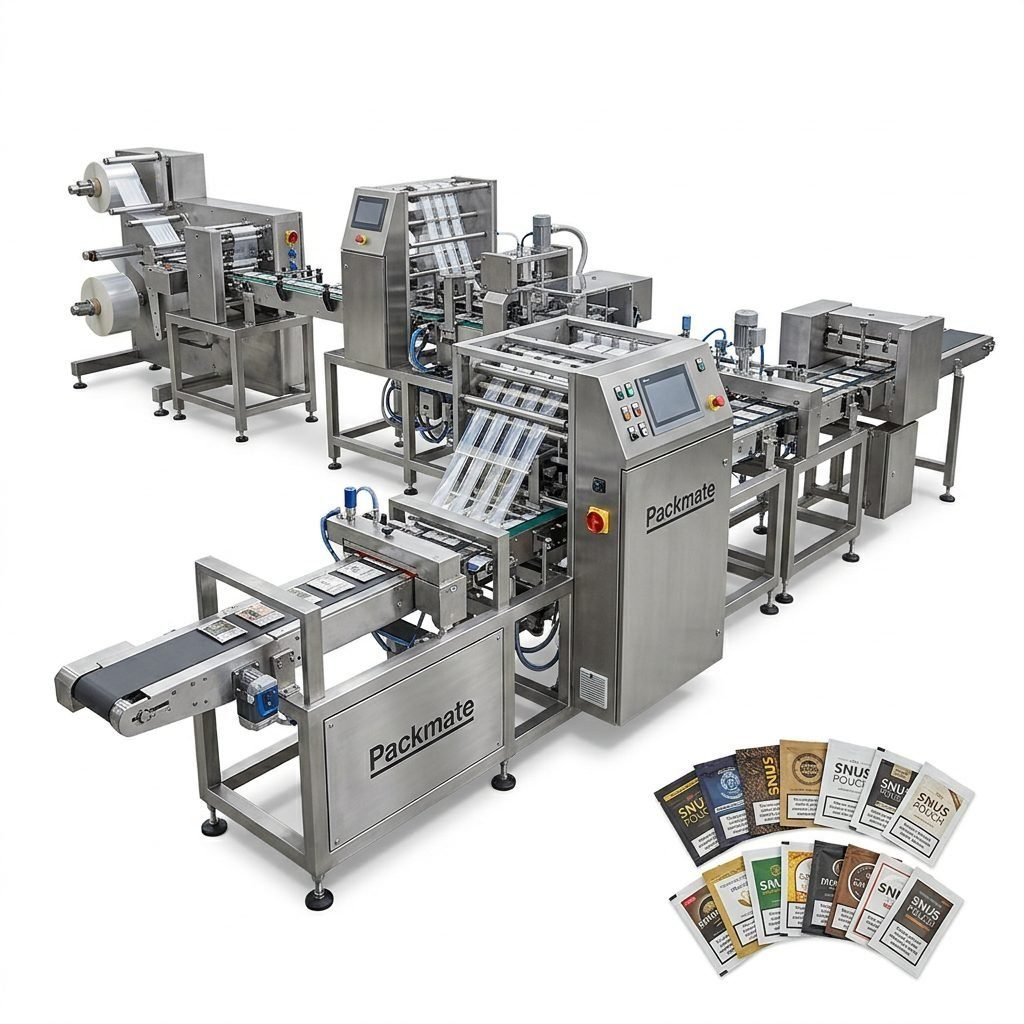
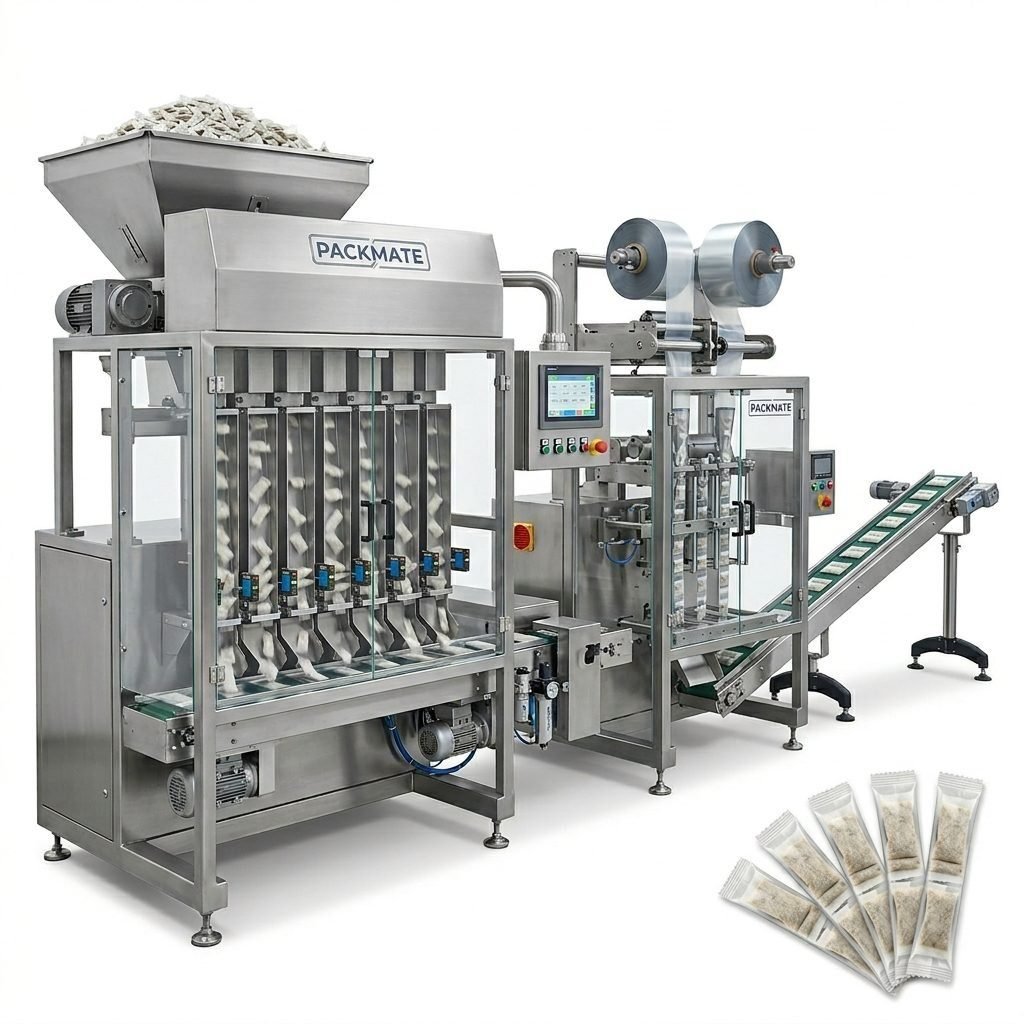
Selecting the right nicotine packaging machine supplier in Togo can define your product quality, production uptime, and long‑term profitability. This guide walks you through practical, business‑focused steps to evaluate suppliers, compare machines, and plan for local conditions in Togo — from customs and power stability to after‑sales service and regulatory compliance.
Understand the Togo Market & Local Considerations
Togo is a West African market with unique commercial habits: business relationships are often built on trust and face‑to‑face meetings, official processes are largely conducted in French, and infrastructure like electricity and logistics can vary by region. When evaluating a supplier, factor in local distribution channels, import duties, and language support. Also remember: regulations around nicotine products may differ across West African borders — always verify current rules with local authorities.
Why local conditions matter
✓ Power & climate: Machines should be tolerant of frequent voltage fluctuation and elevated humidity typical of coastal Togo. Choose systems with robust electrical protections.
✓ Workforce & training: Prioritize suppliers who provide on‑site commissioning and operator training in French or through a local partner.
✓ Logistics: Consider sea and road freight reliability into lead times and spare parts planning.
Identify the Right Machine Type for Your Product
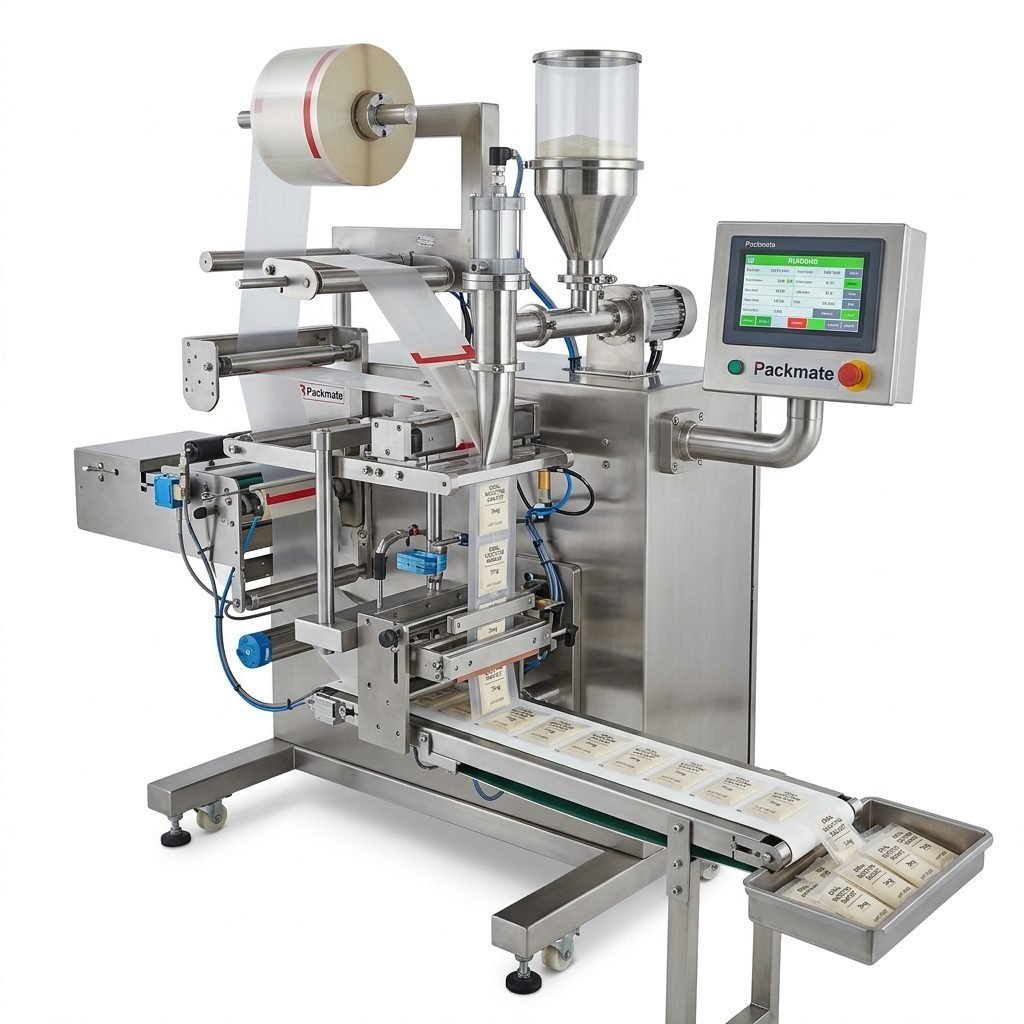
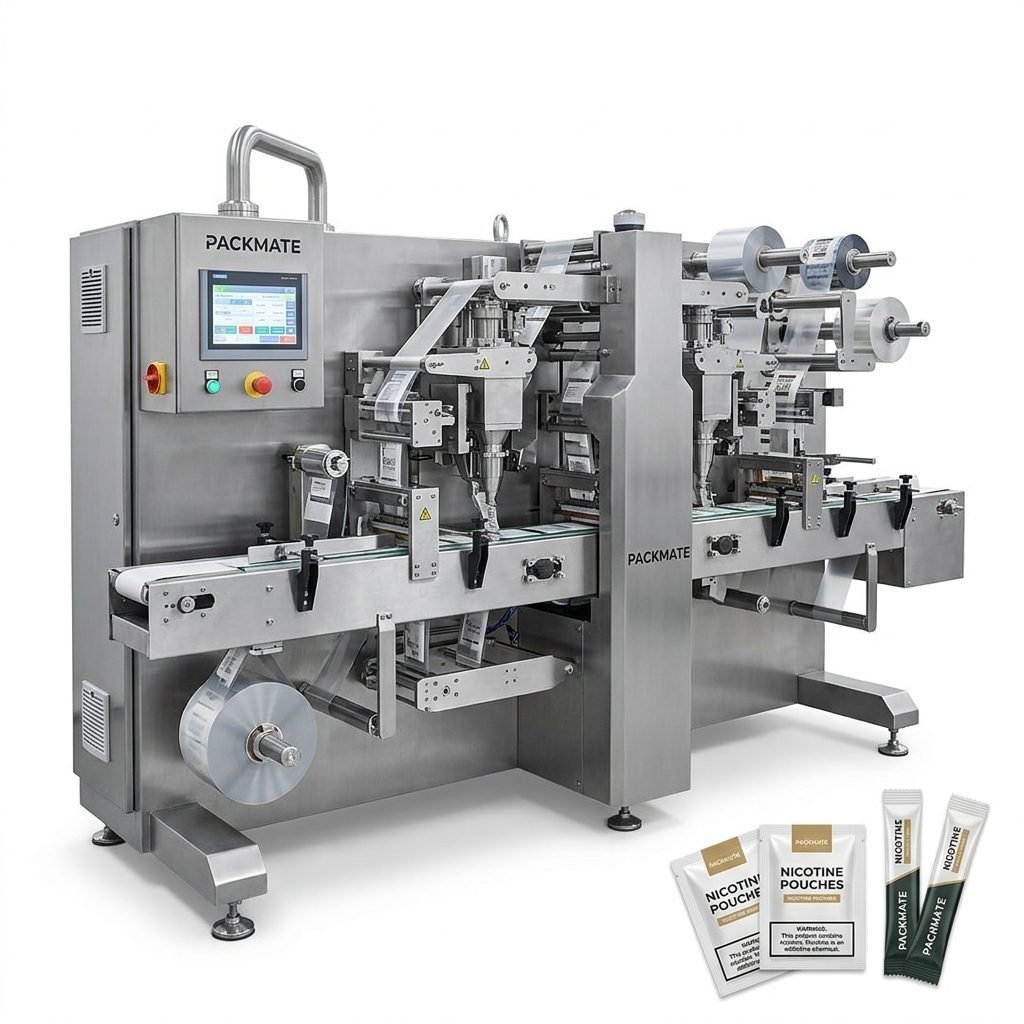
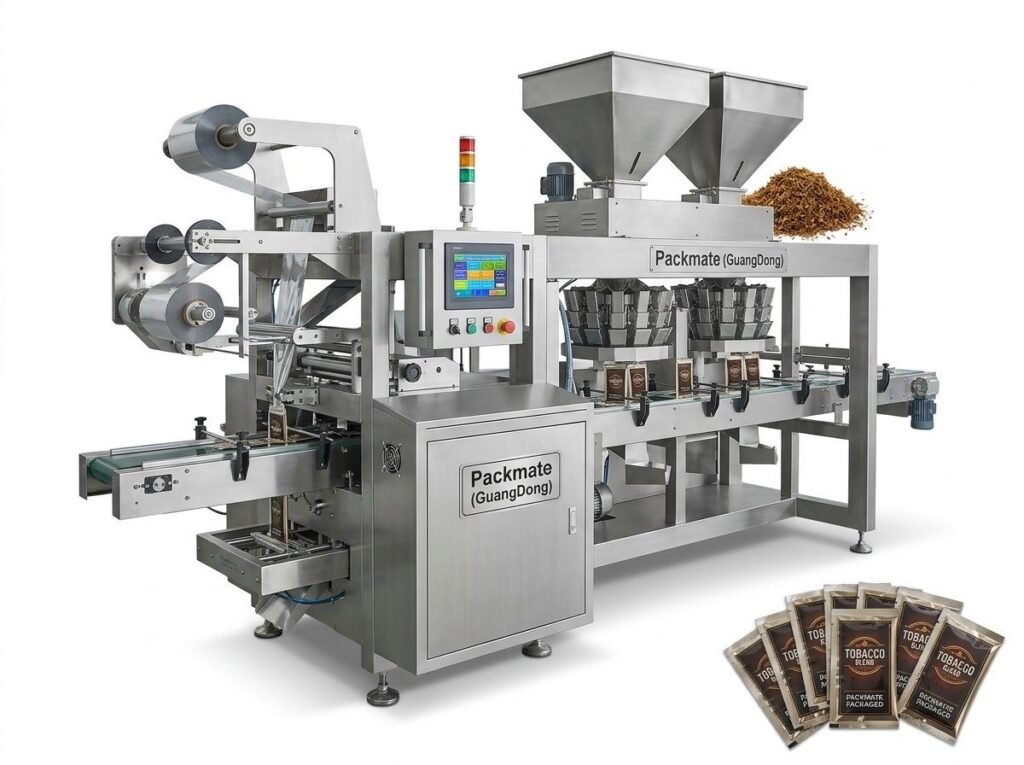
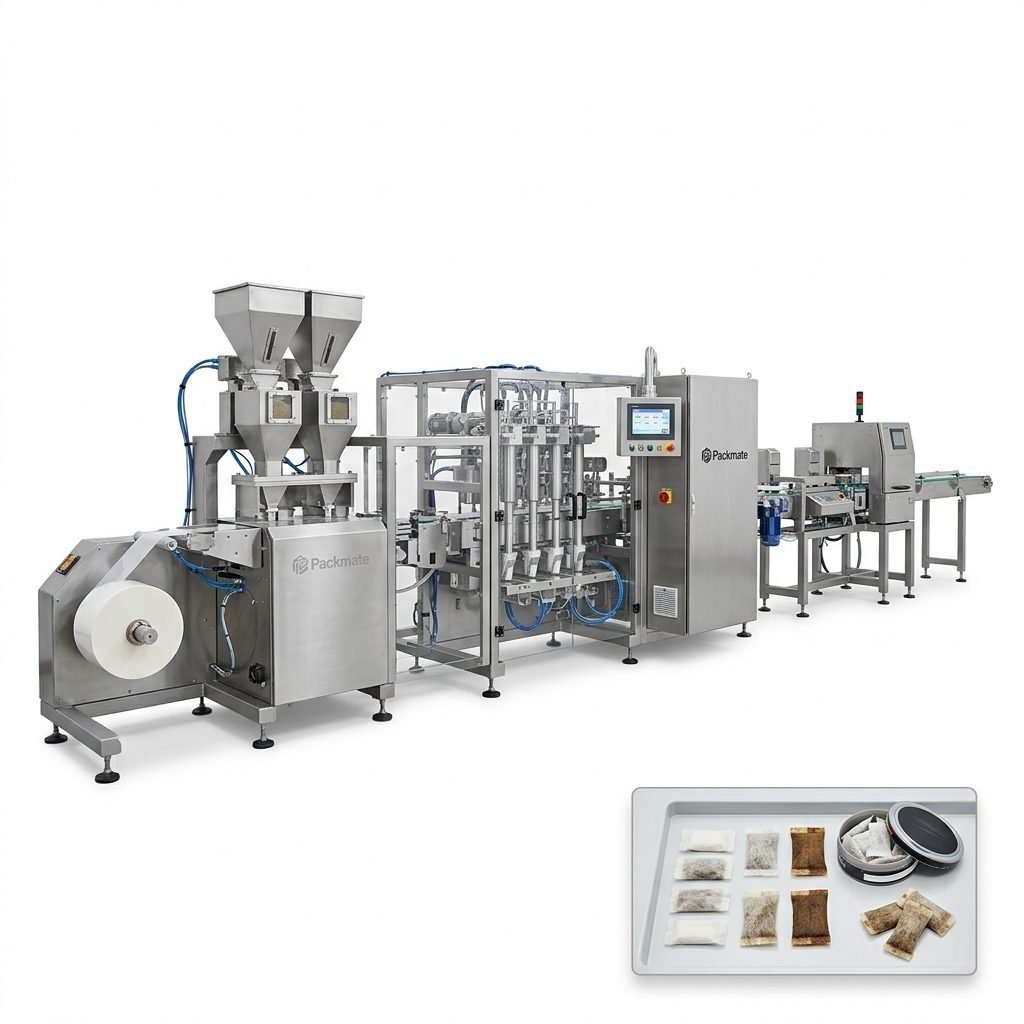
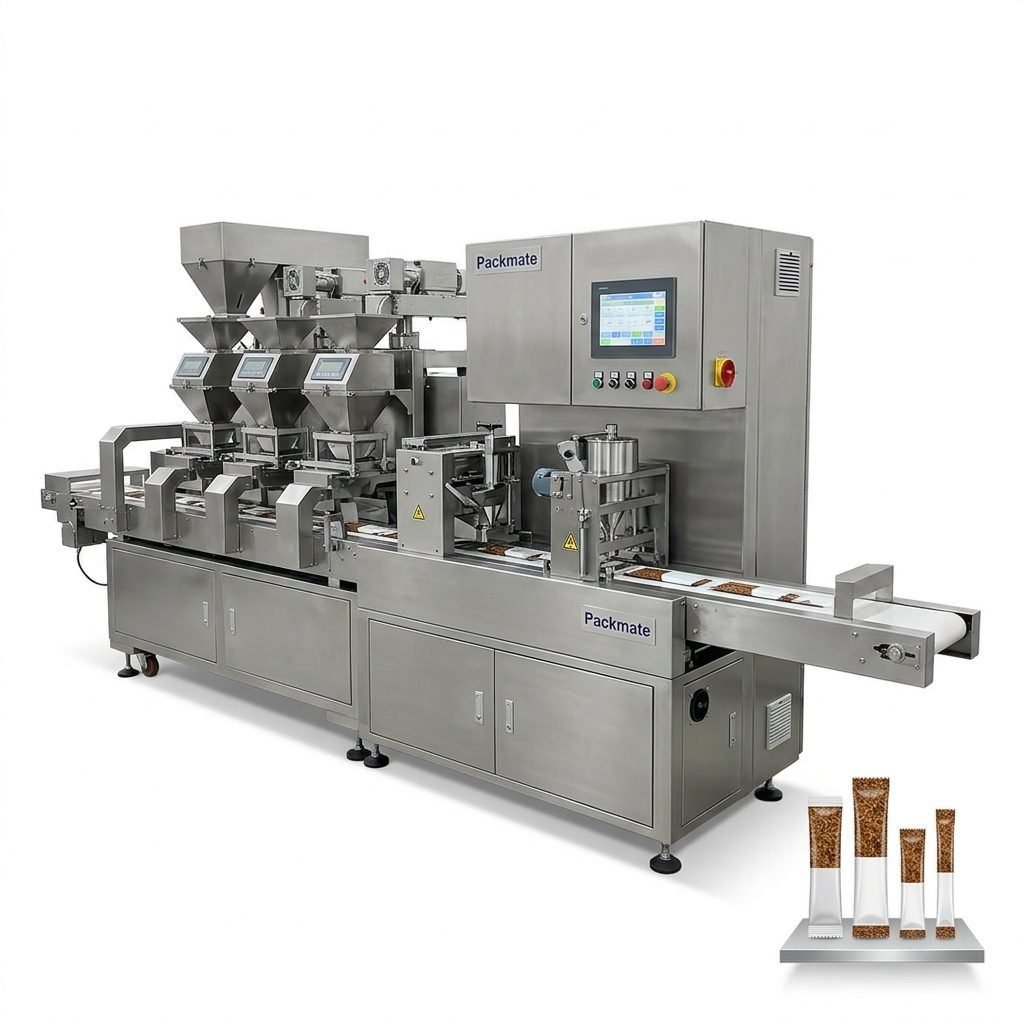
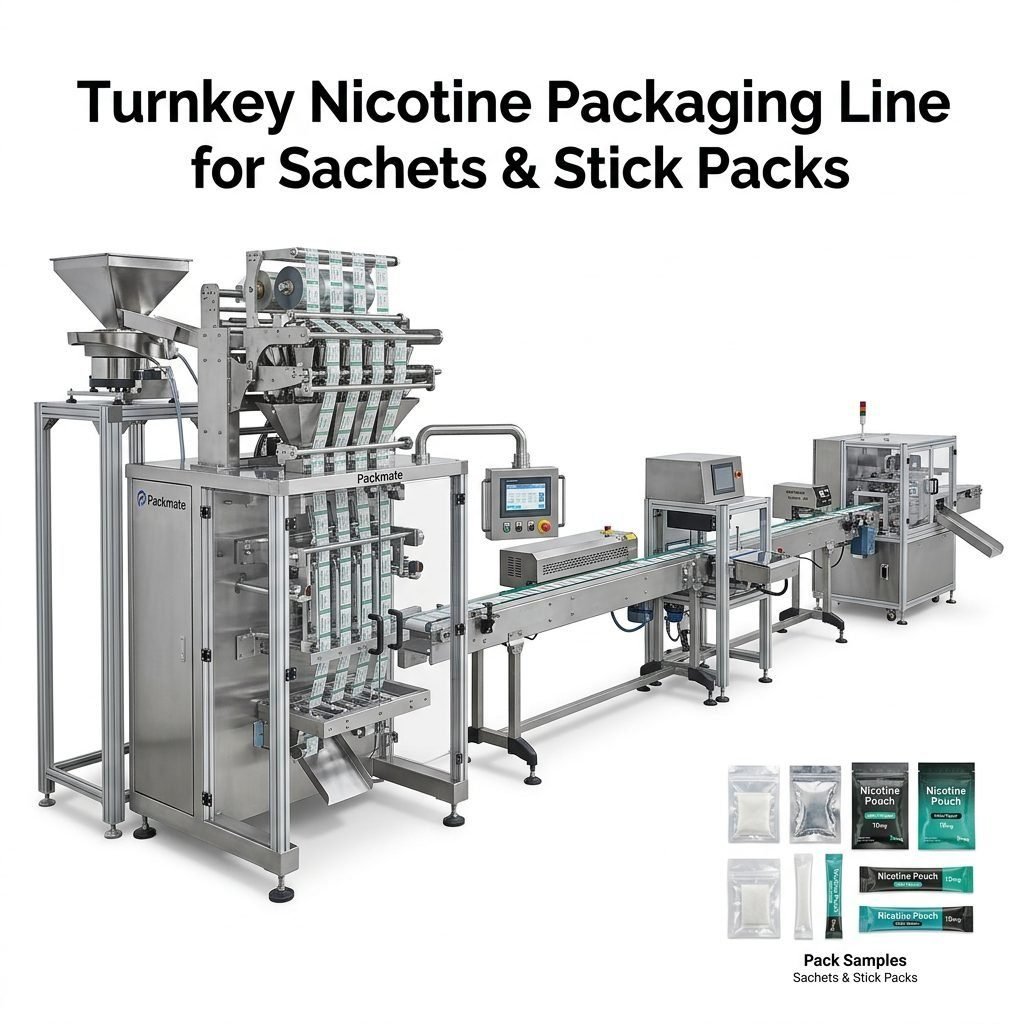
Nicotine pouches and snus come in different formats and dosing. Determine if you need single‑lane stick packs, multi‑lane sachets, or precision multi‑lane pouch lines. Evaluate fill accuracy, throughput, packaging material compatibility, and pouch sealing technology.
Explore detailed equipment categories such as Snus & Nicotine Packaging Machines and Bag & Pouch Packaging Machines to match machine type to your product and target output.
Technical Criteria: What to Compare
Use a technical checklist to compare suppliers objectively. Key parameters include:
- ⚙️ Throughput & Scalability: Is the machine capable of your current production and easy to scale?
- 📦 Compatibility with flexible films and barrier laminates: Vital for shelf life in hot climates.
- 🔧 Fill accuracy and weight control: Look for integrated weighing systems (or compatibility with weighing lines).
- 🛡️ Safety & certifications: CE and ISO certifications show adherence to global standards.
- 🔌 Electrical robustness: Voltage stabilizers, UPS options, and low‑sensitivity servo drives help in unstable grids.
Example: Multi‑Lane vs Single‑Lane
Multi‑lane machines increase throughput with a smaller footprint but require more sophisticated maintenance. For small batches and frequent flavor changes, single‑lane or modular lines may offer flexibility with lower initial cost.
Evaluate Supplier Capabilities & Factory Strength
Visit or vet supplier factories to validate claims about manufacturing capacity, CNC facilities, and precision assembly lines. Packmate’s 20,000㎡ manufacturing base and advanced CNC machining centers are examples of what to look for in a reliable supplier.
Ask for factory photos, machine build videos, and references. Review the supplier’s product range like their Weighing & Packaging Systems and ask for performance data on machines similar to your intended model.
Service, Spare Parts & After‑Sales Support
After‑sales service is often the differentiator. Verify the supplier provides:
- 📞 Local language technical support: French language manuals and on‑site training are essential in Togo.
- 🚚 Spare parts availability: Fast shipment options and a recommended spare parts list reduce downtime.
- 🛠️ Maintenance agreements: Preventive maintenance contracts and remote assistance (video/PLC access) are strong value adds.
Ask for: a Service Roadmap
Request a documented timeline for installation, training, spare parts lead time, and agreed SLA response times. A reliable supplier will provide case studies and contactable references — see their Case pages for examples.
Quality Assurance & Certifications
Ensure machines come with test certificates and meet international standards. CE and ISO compliance are signals of quality and safety. Ask for FAT (Factory Acceptance Test) videos and documentation for acceptance criteria before shipment.
Total Cost of Ownership & ROI
Beyond the purchase price consider:
- Energy consumption and expected consumables cost.
- Expected uptime and mean time to repair (MTTR).
- Training costs and time to reach target production yield.
- Customs, import duties and local installation expenses.
Customization, Turnkey Solutions & Local Adaptation
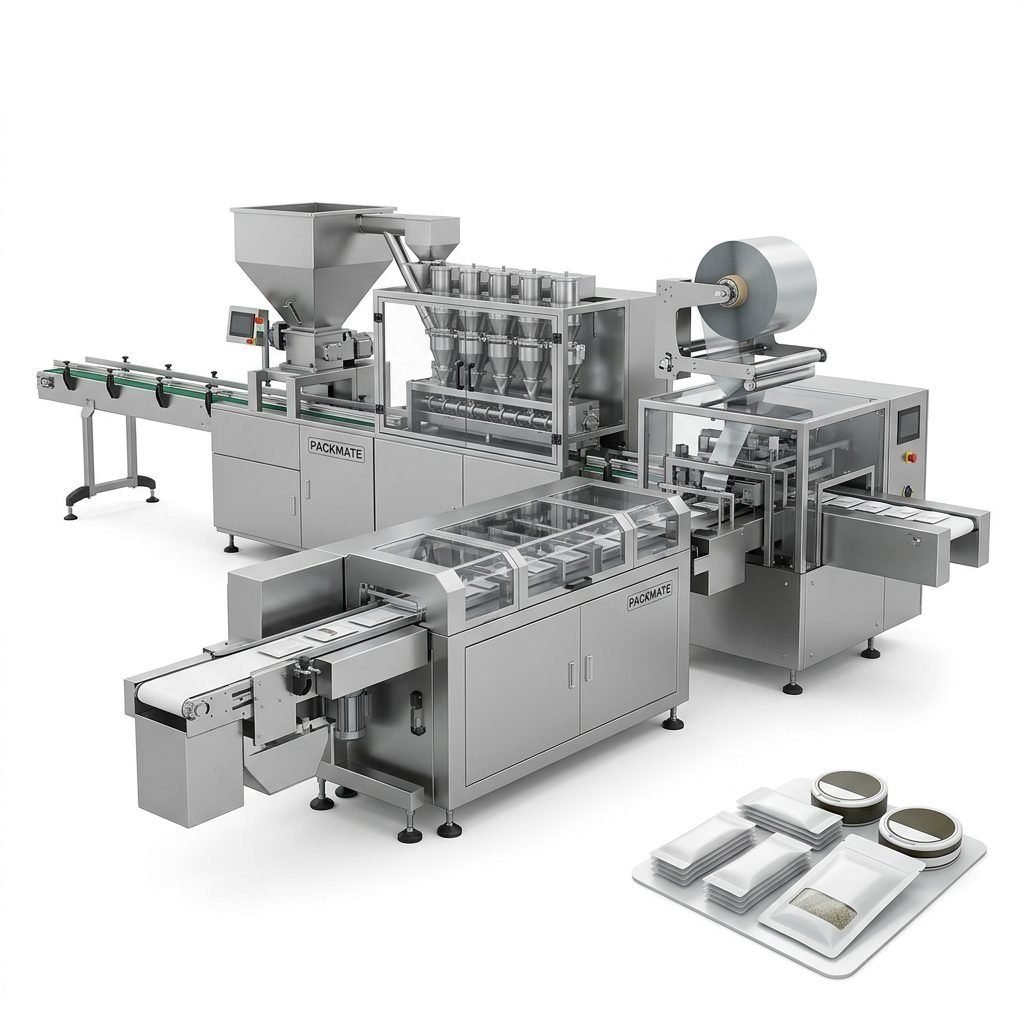
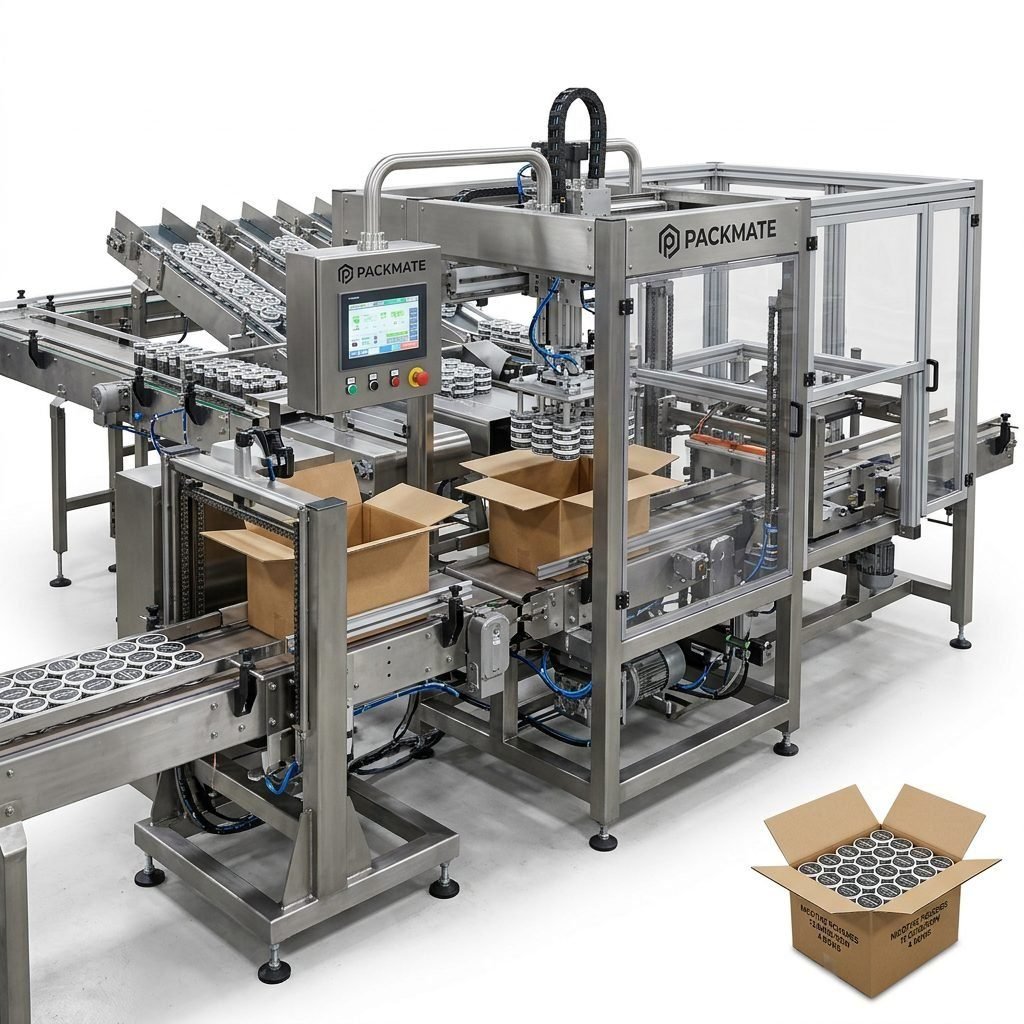
If you require bespoke dosing, unique pouch sizes, or automated packaging lines integrated with filling/weighting systems, find suppliers who offer turnkey solutions and custom engineering. Packmate’s capability to supply full lines — from filling to packing — is an example of integrated service.
Inspection, Testing & Shipping to Togo
Coordinate FAT and acceptance criteria in writing. Confirm packaging and crating for sea freight, and verify export documentation for Togo import. Plan for customs clearance delays and arrange a local customs broker who understands nicotine product regulations.
Shipping checklist
📦 Crating & moisture protection — critical for coastal climates.
🧾 Complete spare parts list & manuals in French.
⚠️ Regulatory paperwork for nicotine product equipment if required by local authorities.
Selecting & Negotiating with Suppliers
When you are down to two or three suppliers, compare:
- Delivery lead time and production schedule alignment.
- Warranty terms, response time guarantees, and training packages.
- Trial runs, FAT conditions, and penalties for missed specs.
- Local references and previous projects in Africa or similar climates.
For a formal offer, request a detailed quotation that breaks down machine scope, spare parts list, commissioning steps, training hours, and warranty conditions. If needed, negotiate staged payments tied to milestones: deposit, FAT completion, shipment, and successful commissioning.
Practical Steps to Buying (Quick Checklist)
Follow these simple steps to reduce risk and speed up implementation:
- Define product specs, formats and monthly capacity.
- Shortlist suppliers with proven snus/nicotine solutions and factory capability.
- Request FAT videos, references, and service roadmap.
- Negotiate contract terms, payment milestones and delivery schedule.
- Prepare local site: power stabilization, trained operators and spare parts inventory.
If you want to contact a vendor who offers a wide range of relevant solutions, check their Contact Us page for sales and service channels.
Real‑World Example & Case References
Look for suppliers who can show case studies of installations in climates and markets similar to Togo. Case studies demonstrate how suppliers handled commissioning, operator training, and supply of spare parts. Review published cases and request to speak with past clients before finalizing.
Tip:
Suppliers with exhibition presence and transparent documentation often have stronger global support networks — see exhibitor information and certificates as part of your review process.
Final Recommendations
When choosing a packaging machine supplier for nicotine products in Togo:
- Prioritize robust machines with good electrical tolerance and moisture protection.
- Insist on French language support and on‑site commissioning or a local partner.
- Verify certifications, FAT evidence, and customer references.
- Plan for spare parts inventory and clear SLAs for response times.
For more information about available machine lines and integrated solutions, review product categories such as Sachet & Stick Pack Machines and full Filling & Packaging Lines.
Frequently Asked Questions
Q1: What certifications should I ask a supplier for when buying nicotine pouch equipment?
A1: Request CE and ISO documentation, FAT records, and any export or conformity certificates. These demonstrate compliance with safety and quality standards.
Q2: How long does installation and commissioning usually take in Togo?
A2: Typical timelines vary by machine complexity. Simple single‑lane systems can be commissioned in days; multi‑lane turnkey lines often require several weeks for site prep, installation, and operator training. Budget additional time for customs clearance and local adjustments.
Q3: What spare parts should I stock locally?
A3: Keep critical wear parts (sealing jaws, belts, sensors, nozzles), a basic electrical spares kit (fuses, relays), and at least one set of PLC/servo repair parts. Your supplier should provide a recommended spare parts list.
Q4: How can I ensure legal compliance for nicotine packaging equipment imports?
A4: Check with local regulatory agencies in Togo regarding any special declarations for nicotine production equipment and consult a customs broker experienced with inbound industrial machinery. Suppliers should help prepare the necessary export documentation.
Q5: Where can I find reliable suppliers and product details?
A5: Review manufacturers with proven snus and nicotine lines, factory capabilities, and global case studies. For an example of a supplier with broad product lines and factory strength, see their About Packmate and contact pages.