Choosing the right snus packaging machinery supplier in Cyprus can make the difference between a smooth product launch and months of delays, compliance headaches, or costly rework. This guide walks you through everything Cyprus-based buyers need to know: local regulatory and cultural considerations, technical and commercial selection criteria, negotiation and logistics tips, and how to evaluate long-term service and ROI. Throughout the article you will find practical checklists, supplier questions, and examples of what world-class suppliers (like Packmate) can offer your business.
Understand the Cyprus Context: Regulations, Consumers, and Market Habits
Cyprus is an EU member state, and oral tobacco products such as traditional snus are generally regulated under EU directives. This means that sellers and manufacturers should pay close attention to the Tobacco Products Directive and local authorities. However, the market for nicotine pouches (tobacco-free) has been evolving quickly across Europe — including Cyprus — as consumers look for discreet, smoke-free alternatives.
Local buying habits in Cyprus often favor discreet, premium packaging with clear labeling in both Greek and English. Whether you plan to serve tobacconists, duty-free shops at Larnaca and Paphos airports, or online retail channels, expect demand for compact pouches, single-dose sachets, and attractive retail-ready formats. Packaging that emphasizes convenience, hygiene, and Mediterranean-style aesthetics will resonate well with many Cypriot customers.
Key local considerations
⚠️ Regulatory compliance: verify whether your product is classified as tobacco or nicotine-only (tobacco-free) and comply with labeling rules, health warnings, and any import restrictions in Cyprus.
🔍 Language & labeling: prepare labels in Greek and English, including batch numbers, manufacturing/expiry dates, and CE/ISO marks if applicable.
💡 Consumer preference: prioritize compact, discreet formats and premium finishes for the Mediterranean market.
Which Machine Types Should You Consider?
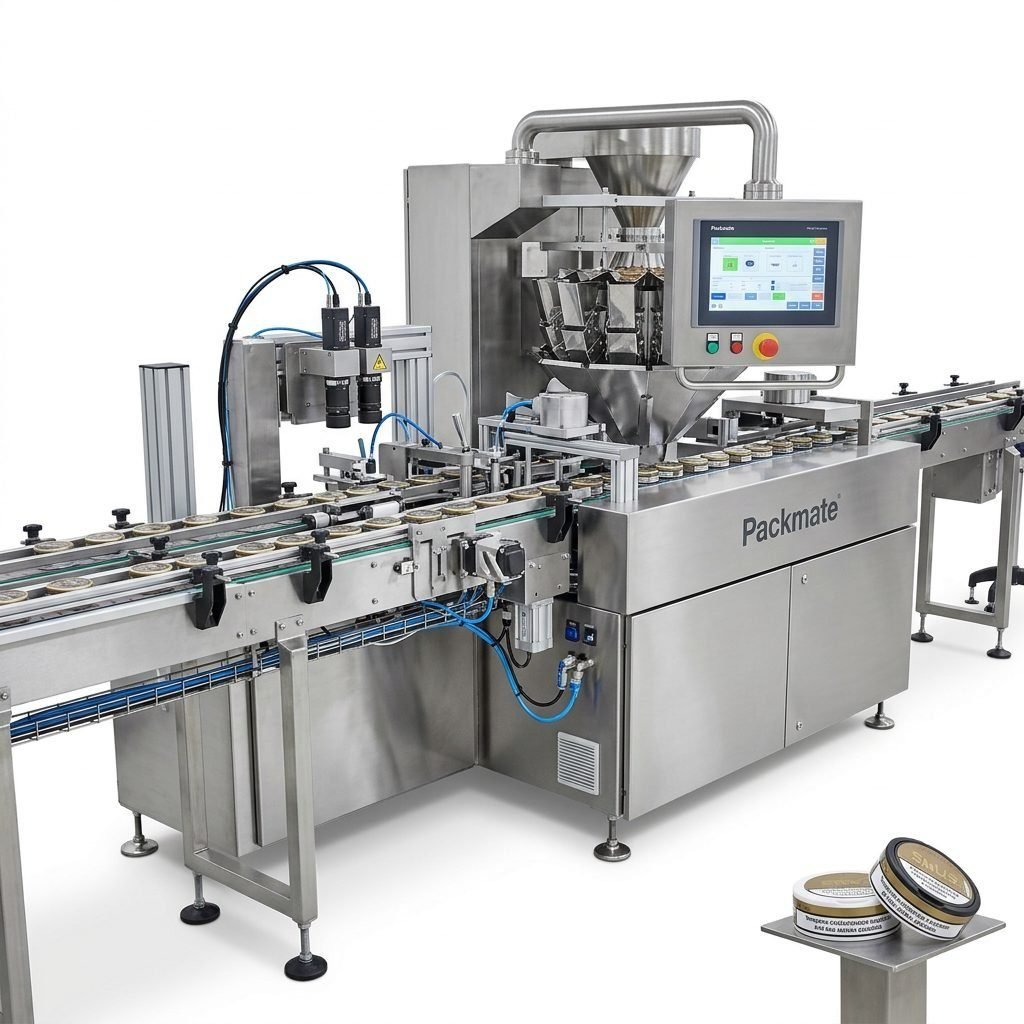
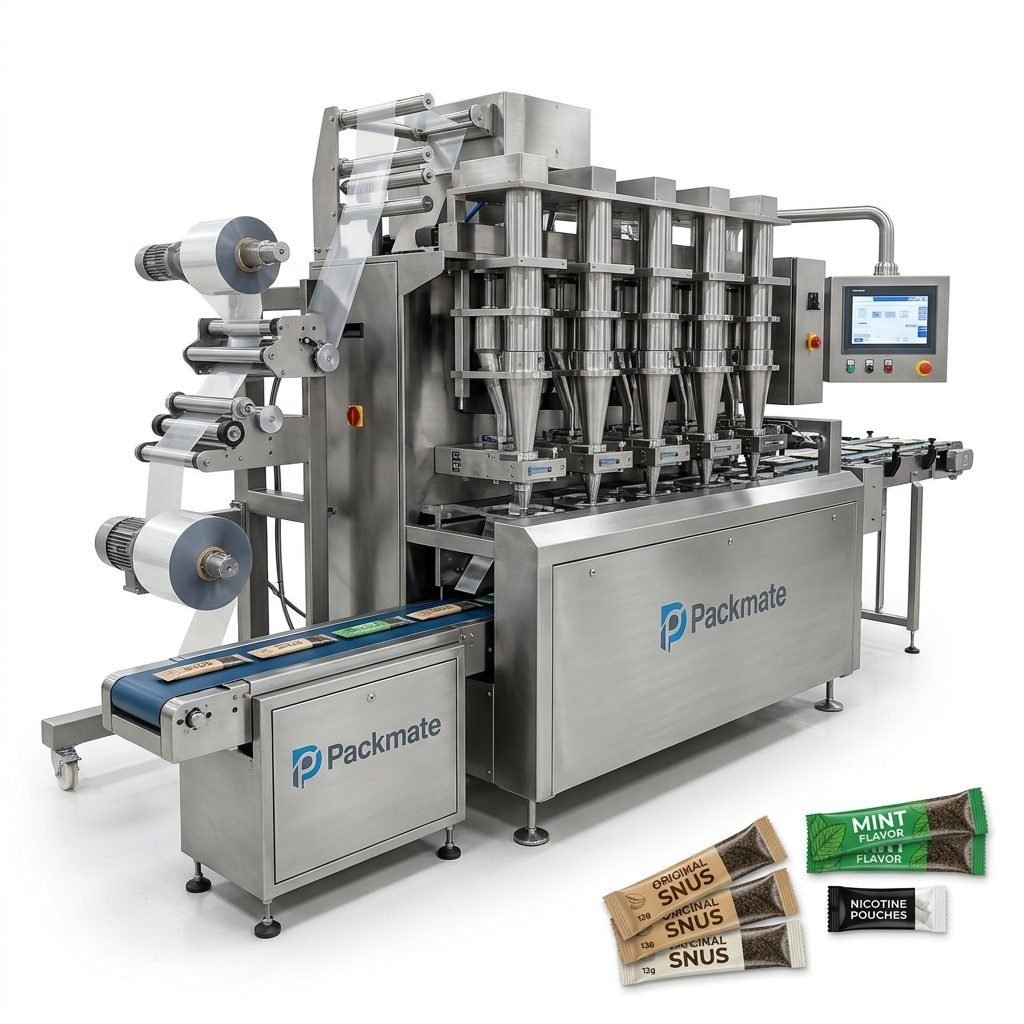
The right machine depends on product format, speed requirements, and future line flexibility. Typical machine types for snus and nicotine pouch production include:
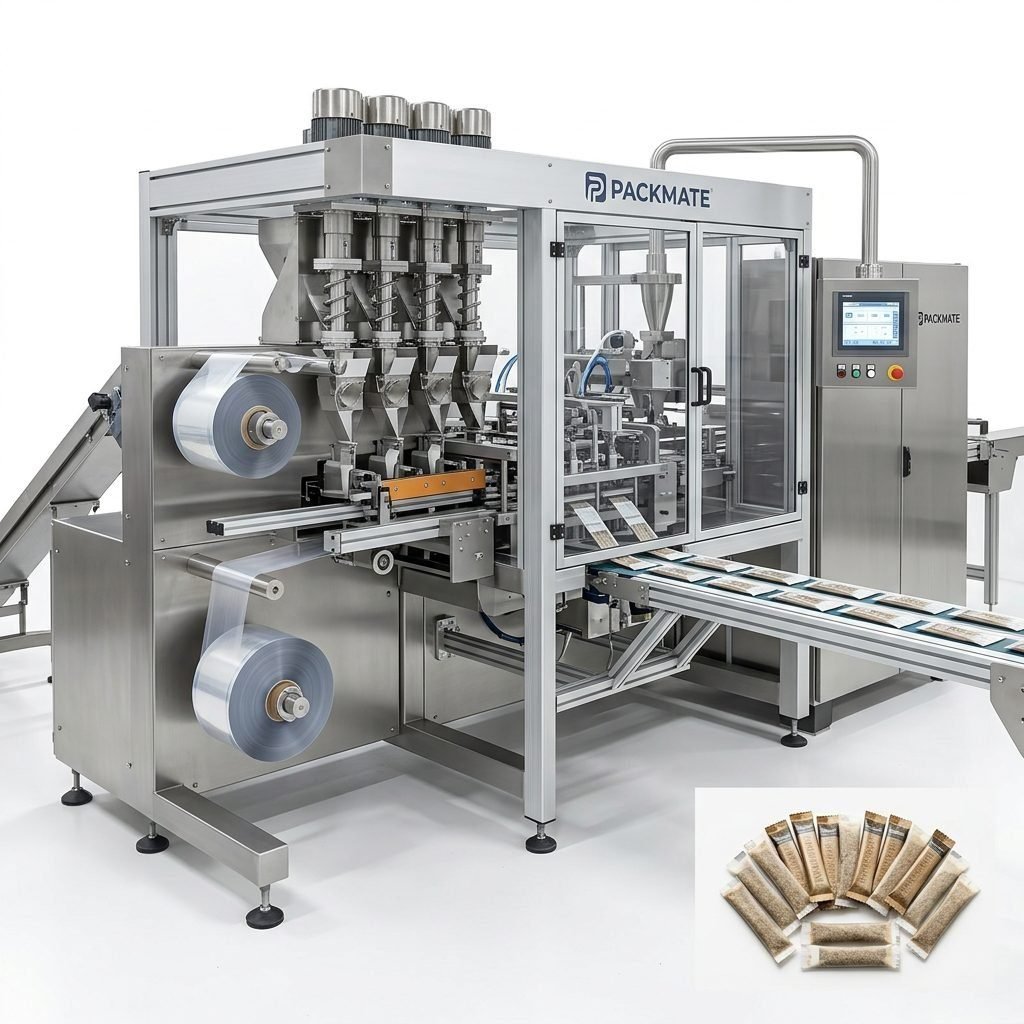
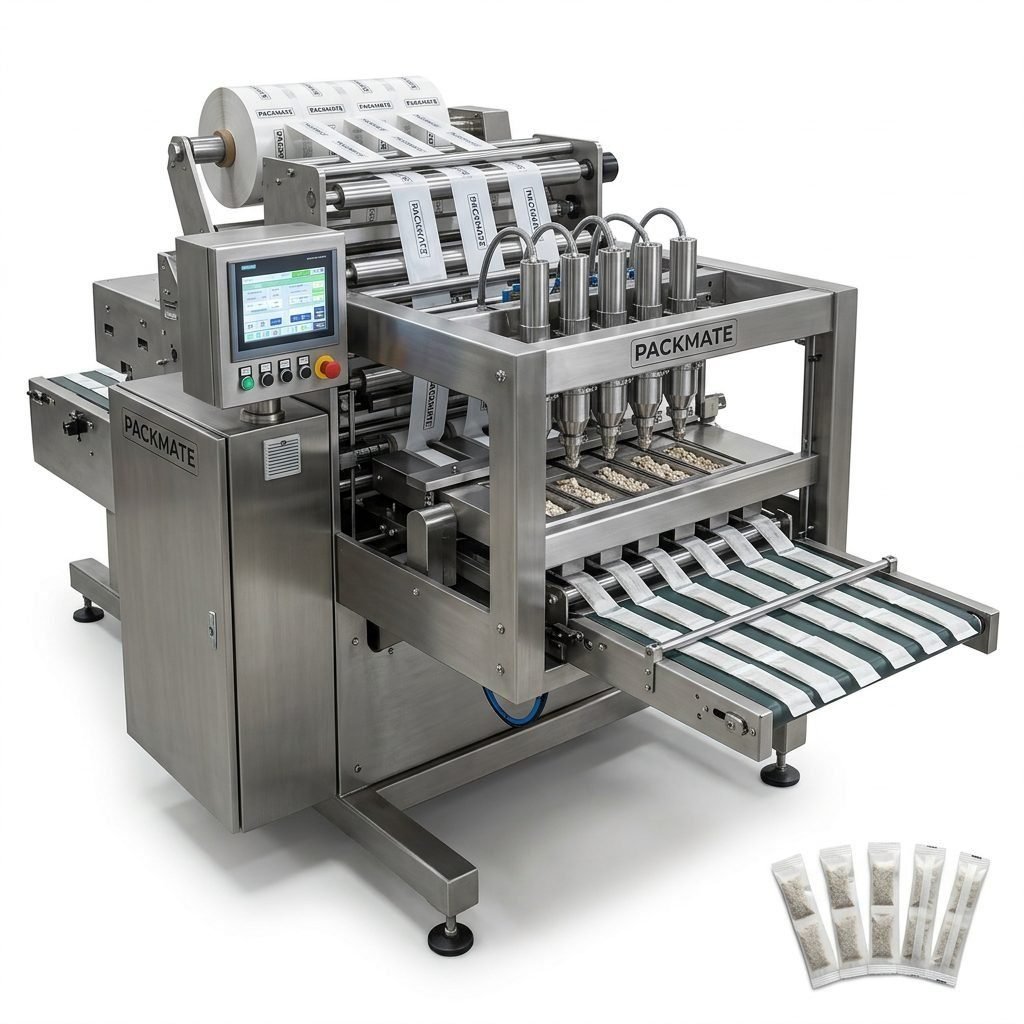
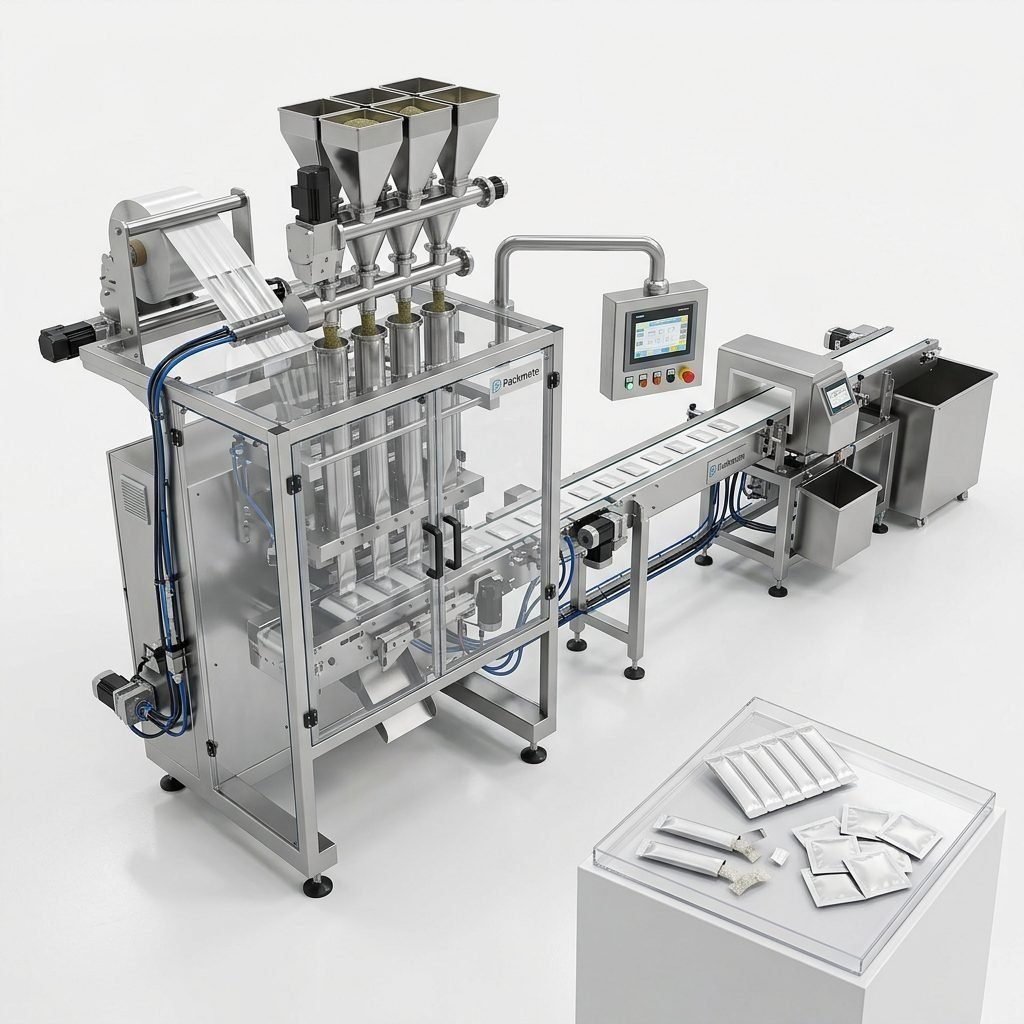
- Stick pack machines – ideal for single-dose sachets and slim packs.
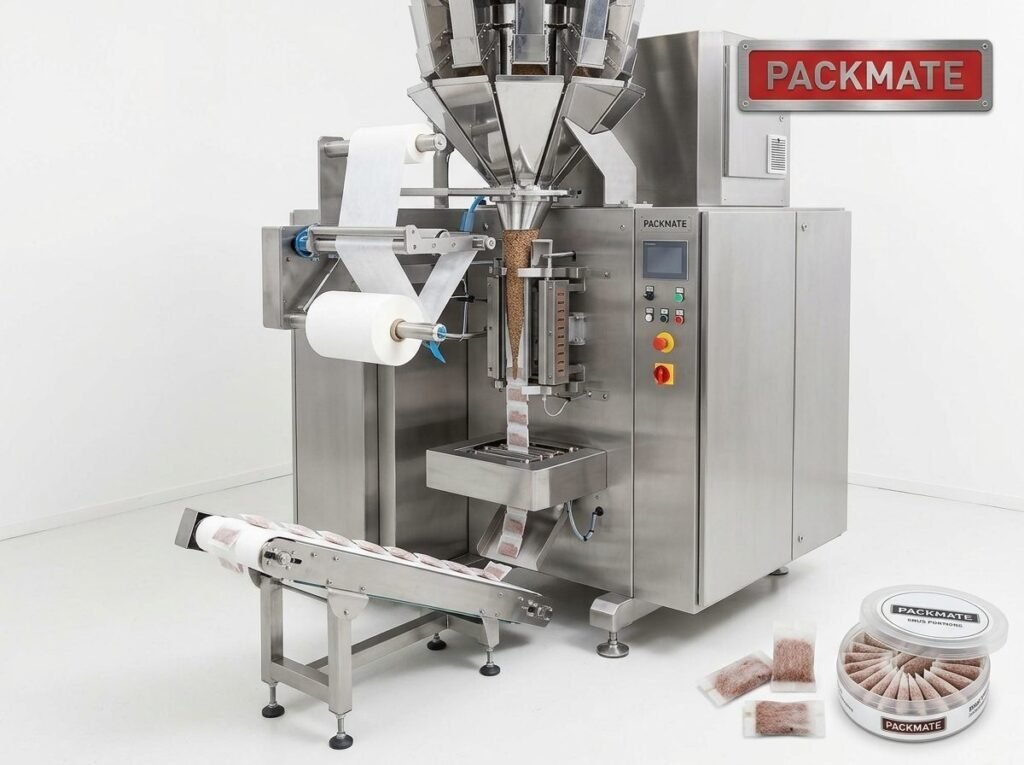
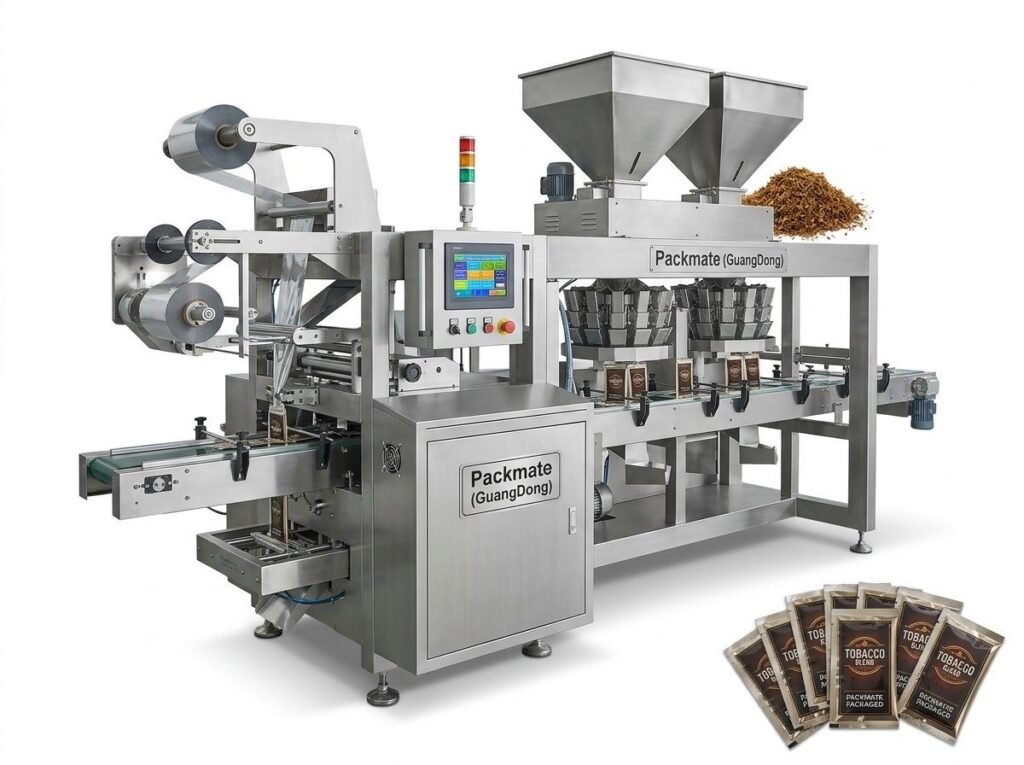
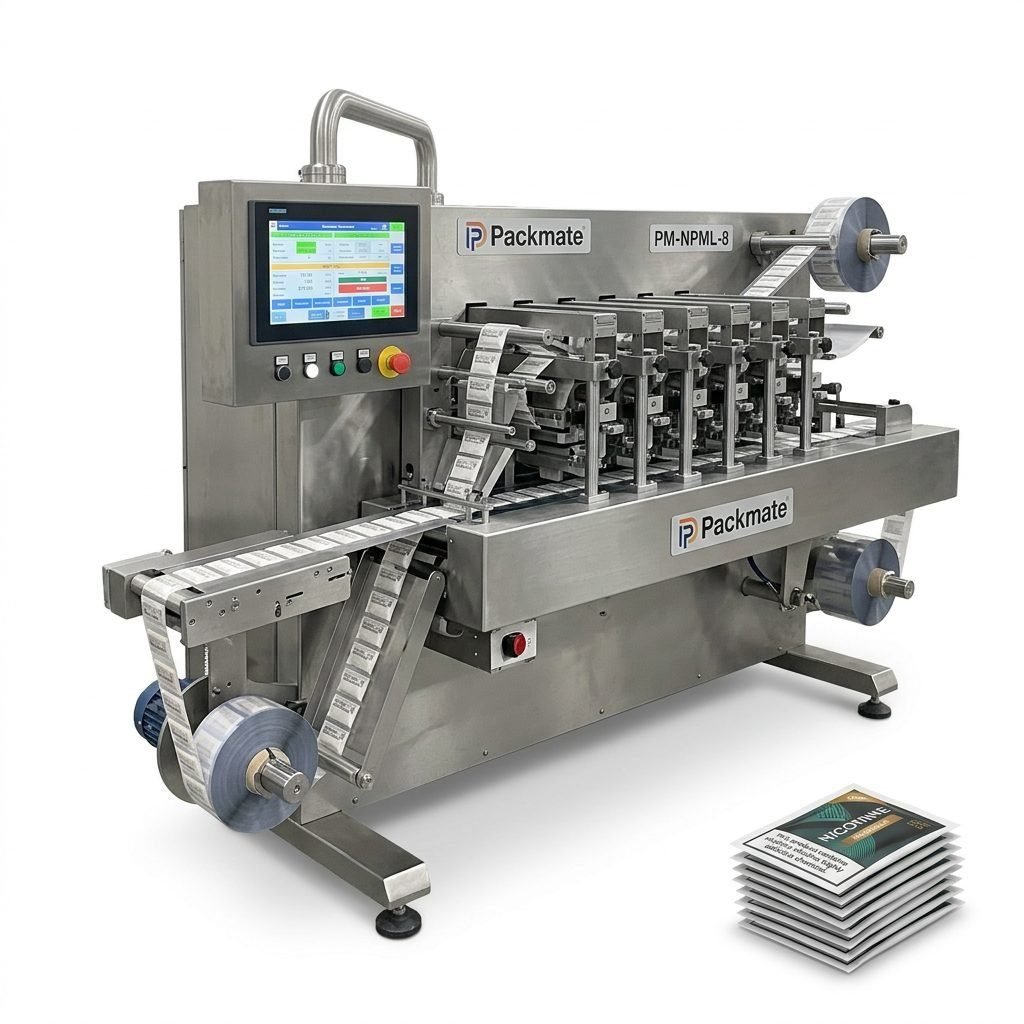
- Heat-seal pouch/sachet machines – perfect for small-dose pouches and tea-like sachets.
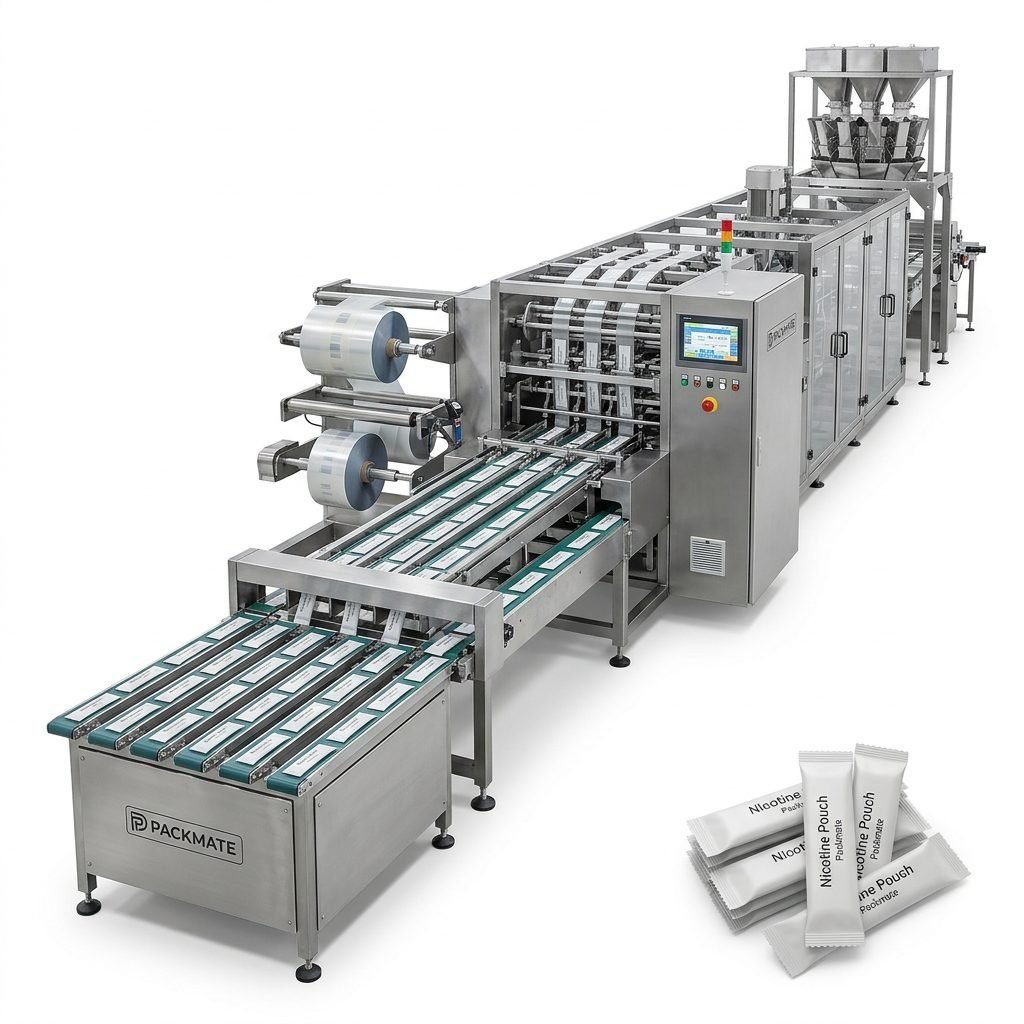
- Multi-lane systems – high-output lines that produce multiple lanes of pouches simultaneously for scale-up.
- Weighing & dosing systems – precision feeding for powders/granules to ensure consistent pouch weights.
- Filling & packaging lines with integrated capping/closing machines for liquids or slurry-based formulations.
If you want a deep product portfolio to compare, check the supplier’s product pages for specific machine classes such as Snus & Nicotine Packaging Machines, Sachet & Stick Pack Machines, and Weighing & Packaging Systems.
Critical Technical Criteria to Evaluate
When comparing suppliers, focus on verifiable technical specifications and real-world performance:
✅ Throughput & lane flexibility: can the machine run single- and multi-lane formats? What is the max pouches/minute at target dose?
✅ Filling accuracy: tolerance in mg for powder or granule filling—critical for regulatory compliance and customer satisfaction.
✅ Changeover time & tooling costs: how fast can the line switch flavors, pouch sizes, or formats? Are spare parts modular and easy to swap?
✅ Cleanability & materials: food-grade contact parts, IP/CE ratings, and sanitation-friendly design.
Automation, Data & Integration
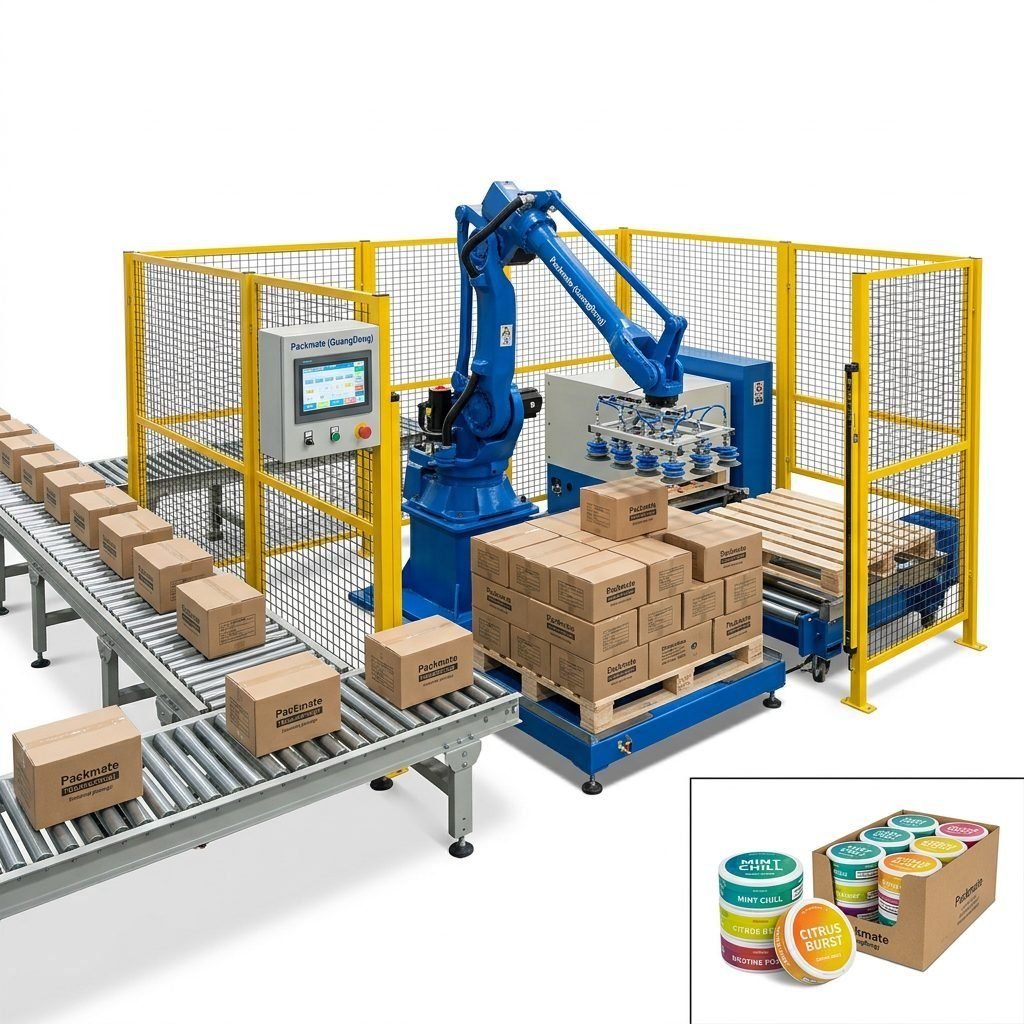
Modern production favors machines with PLC/HMI controls, recipe management, and data logging to support traceability. Ask about Industry 4.0 options and how the machine integrates with upstream weighing/feeding and downstream cartoning or palletizing lines.
Supplier Quality, Capacity & Certifications
Supplier credentials matter. Seek evidence of stable manufacturing capacity, quality systems, and global servicing experience. For example, a manufacturer with 30+ years of engineering experience and a 20,000㎡ factory footprint demonstrates scale and capability.
- Factory & engineering strength: CNC machining centers, precision assembly lines, and structured quality testing.
- Certifications: CE and ISO compliance to ease export and regulatory checks. See the supplier’s certificates for verifiable proof (Certificate).
- Global references & cases: ask for case studies and installations in Europe or similar markets (Case).
Commercial Terms, Warranty & After-Sales
A responsive aftermarket network reduces downtime in Cyprus. Clarify the following before signing:
- Warranty scope: parts, wear items, service response times, and extended warranty options.
- Spare parts availability: onshore vs. shipped parts, stock levels, and typical lead times for critical components.
- Remote support and training: remote diagnostics, training visits, and on-site commissioning plans.
- Service contracts: preventive maintenance plans tailored to throughput and operating shifts.
Ask for a Service & Installation Roadmap
A reliable supplier will provide a clear timeline for FAT (Factory Acceptance Test), shipping, customs clearance, installation, and SAT (Site Acceptance Test). Make sure the supplier includes training for operators and maintenance staff, ideally in English and with translated materials for Greek-speaking teams.
Logistics, Import & Customs for Cyprus
Shipping heavy machinery to Cyprus involves careful planning: container sizing, port handling, customs documentation, and local transport to production sites. To minimize surprises:
🚚 Freight terms: agree Incoterms up front (EXW, FOB, CIF) and define responsibilities for cargo insurance and unloading at the port.
📄 Customs paperwork: harmonized codes for machinery, certificates of origin, and CE/ISO documentation to speed clearance.
🔧 Local service: ensure the supplier or partner can dispatch technicians to Cyprus within agreed SLA windows.
Practical Buying Checklist: Questions to Ask Every Supplier
⚙️ What is the machine’s guaranteed throughput for my target pouch format and weight?
🔧 Can you provide FAT videos, references, and European case studies for similar installations?
📦 What is the lead time for manufacturing, and what are the options for expedited delivery?
🛠️ What parts are considered wear items and how quickly can they be sent to Cyprus?
📑 Do you include CE/ISO certificates and can you assist with local compliance documentation?
How Packmate Demonstrates Supplier Best Practices
A supplier with decades of experience and a wide model range is often easier to work with when scaling. Packmate is an example of such a manufacturer: over 30 years of engineering expertise, a 20,000㎡ factory, and more than 50 machine models. Their offering spans from snus and nicotine packaging machines to complete filling and packaging lines.
Explore product categories to match your needs: Snus & Nicotine Packaging Machines, Filling & Packaging Lines, and Auxiliary Packaging Equipment. You can also learn about the company background and mission on their About page (About Packmate).
Cost Vs. Value: How to Calculate ROI
Total cost goes beyond the machine purchase price. Include freight, import duties, installation, validation, operator training, spare parts inventory, and expected downtime. Compare expected throughput against labor savings and reduction in product waste. For many buyers in Cyprus, a higher-capacity multi-lane system pays back quickly if you plan exports or intend to scale.
Sample ROI factors
- Operational hours per day and expected uptime.
- Labor cost savings from automation.
- Material yield improvements from accurate dosing.
- Reduced recall risk from better traceability and batch control.
Negotiation Tips & Contract Clauses to Include
Negotiate clear acceptance criteria, penalty clauses for missed delivery or non-conformance, and defined warranty and support SLAs. Seek the following contract protections:
- Acceptance testing protocol (FAT & SAT) with measurable KPIs.
- Training commitments and documentation languages.
- Escalation and response timelines for technician dispatch to Cyprus.
- Spare parts kit with first-year recommended inventory.
Final Steps Before Purchase
Before you commit, request references from current customers in Europe, review video evidence of machine performance, and if possible, attend an exhibition where the supplier demonstrates the equipment. Many leading suppliers exhibit at global shows; check upcoming events and meet them in person to confirm capabilities.
For direct inquiries and service details, use the supplier’s contact page (Contact Us) and request factory visits, catalogs, and certification packages (Catalog).
Conclusion
Selecting the best snus packaging machinery supplier in Cyprus requires balancing regulatory compliance, machine performance, supplier credibility, and after-sales support. By focusing on verified technical data, production flexibility, spare parts availability, and local serviceability — and by asking the right questions — you can reduce risk and ensure a smooth market entry or scale-up. Work with suppliers who provide transparent documentation, proven European cases, and clear installation and training roadmaps to get the fastest and most reliable time-to-market.
Frequently Asked Questions
Q1: Are snus machines legal in Cyprus? A1: Sales of traditional tobacco snus are restricted under EU rules; nicotine pouches (tobacco-free) may have different regulatory treatment. Always confirm classification with local authorities and prepare Greek/English labeling.
Q2: How quickly can I get spare parts delivered to Cyprus? A2: Delivery times vary by supplier. Prioritize suppliers with European partners or spare parts shipping agreements to minimize downtime.
Q3: Should I buy multi-lane machines now or start with a single-lane? A3: If you expect rapid scale or export demand, multi-lane offers better unit economics. For niche or boutique lines, start with single-lane to reduce initial capital.
Q4: What certifications should the supplier provide? A4: CE and ISO are baseline; request certificates and evidence of testing. See supplier certificate pages for verification.
Q5: How can I verify real-world performance? A5: Request FAT videos, customer references in similar markets, and if possible attend an exhibition to witness live demonstrations (Our Exhibition).