Choosing the right nicotine packaging machinery manufacturer for production in Syria is a critical decision that affects product quality, regulatory compliance, line efficiency, and long-term operational costs. This guide walks you through practical, technical, and commercial factors to evaluate suppliers, with clear actions to help you select a manufacturer that aligns with your production goals, budget, and timelines.
Understand Your Production Needs First
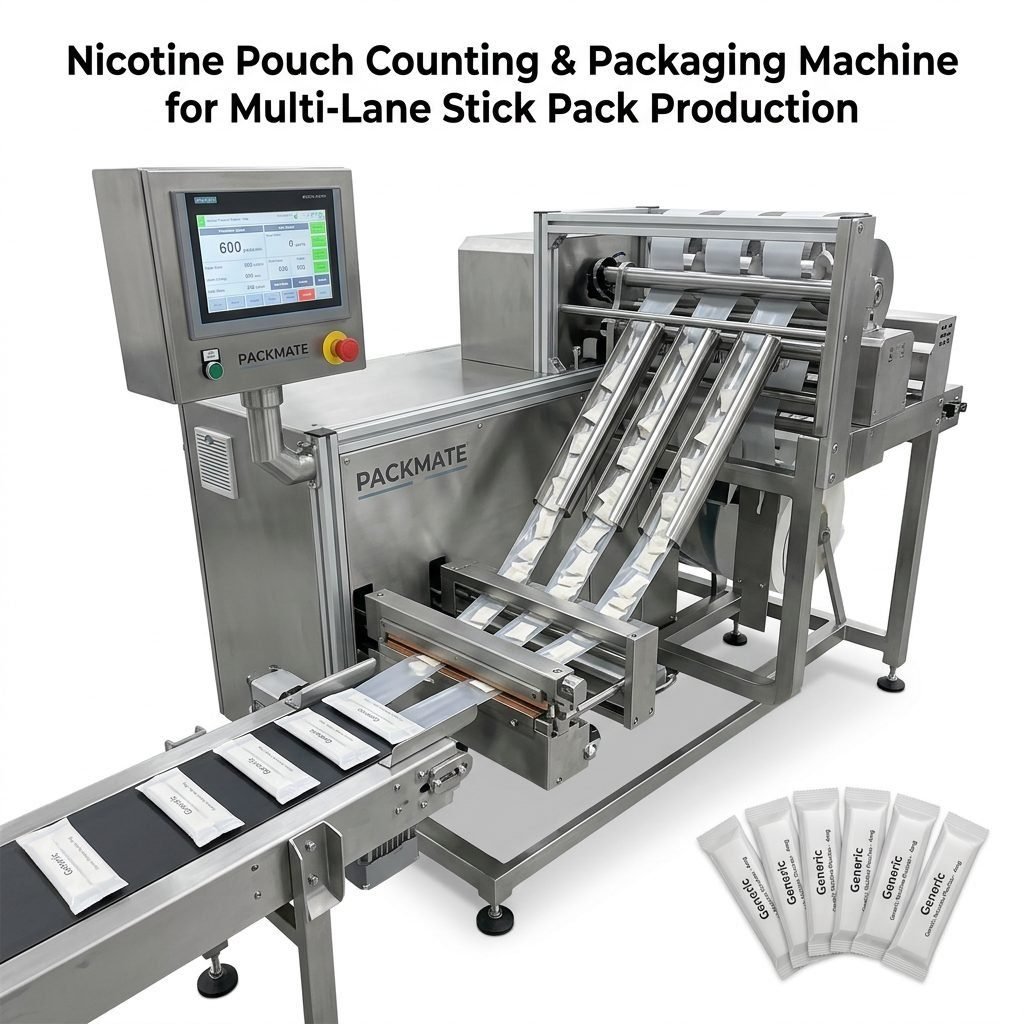
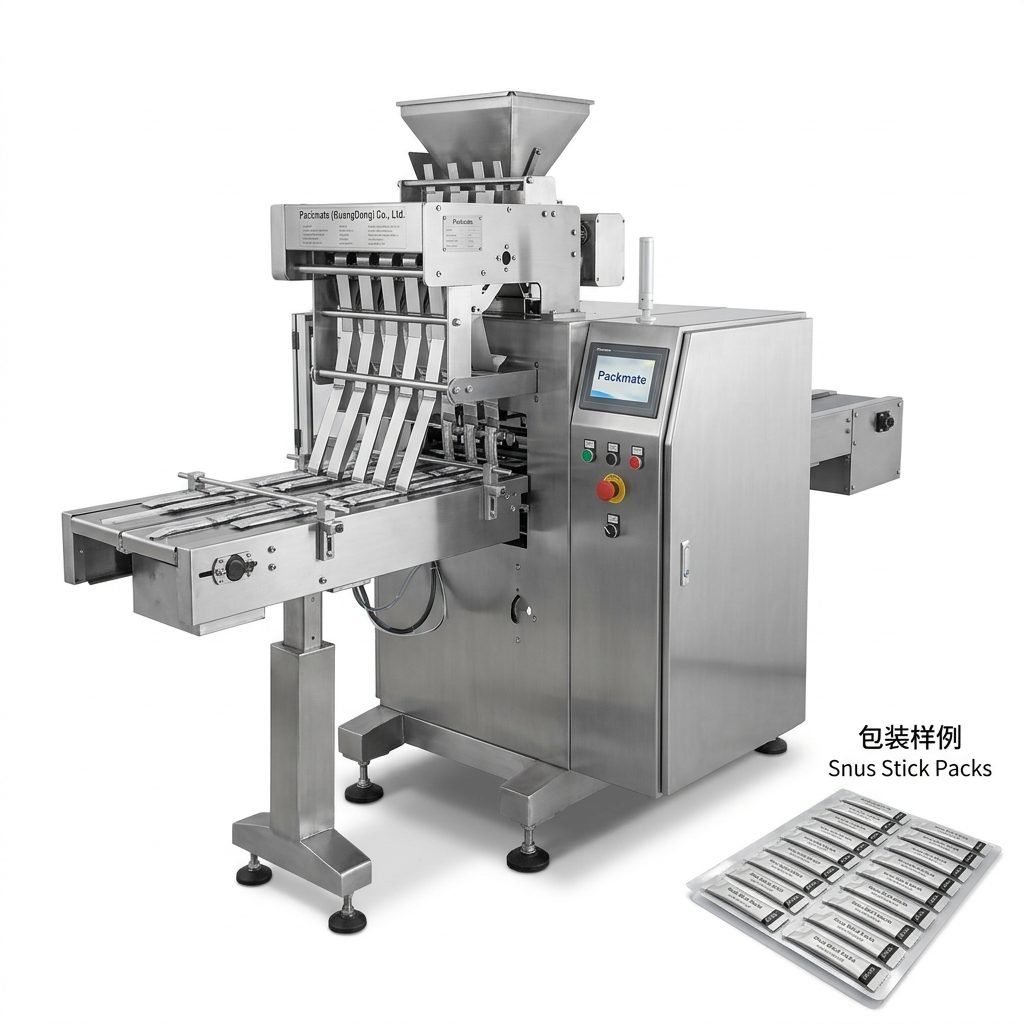
Before you start contacting manufacturers, define your production targets. Clarify the product formats (for example, nicotine pouches, snus sachets, stick packs), required throughput (pieces per minute or per hour), packaging material compatibility, and whether you need multi-lane systems for small-dose pouches. Knowing these parameters will save time and ensure targeted discussions with vendors.
Quick checklist:
✔️ Product type • ✔️ Target output • ✔️ Dose precision • ✔️ Packaging material
Why Manufacturer Selection Matters in Syria
Choosing a reliable manufacturer affects more than machine performance. It impacts supply chain continuity, spare parts availability, installation speed, regulatory documentation, and local technical support. For operations in Syria, assess a manufacturer’s international shipping experience, export documentation competency, global service network, and understanding of local market and regulatory constraints.
Compliance, Certifications, and Standards
Confirm that machines meet internationally recognized standards (for example CE and ISO) and that the manufacturer provides full compliance documentation. Certifications reduce customs delays and support acceptance by international buyers. A manufacturer with strong quality systems will provide traceable documentation, material certifications, and validated test reports.
Important:
Request certificates such as CE/ISO and ask for sample machine test reports and FAT (Factory Acceptance Test) records.
Machine Types and Technical Capabilities
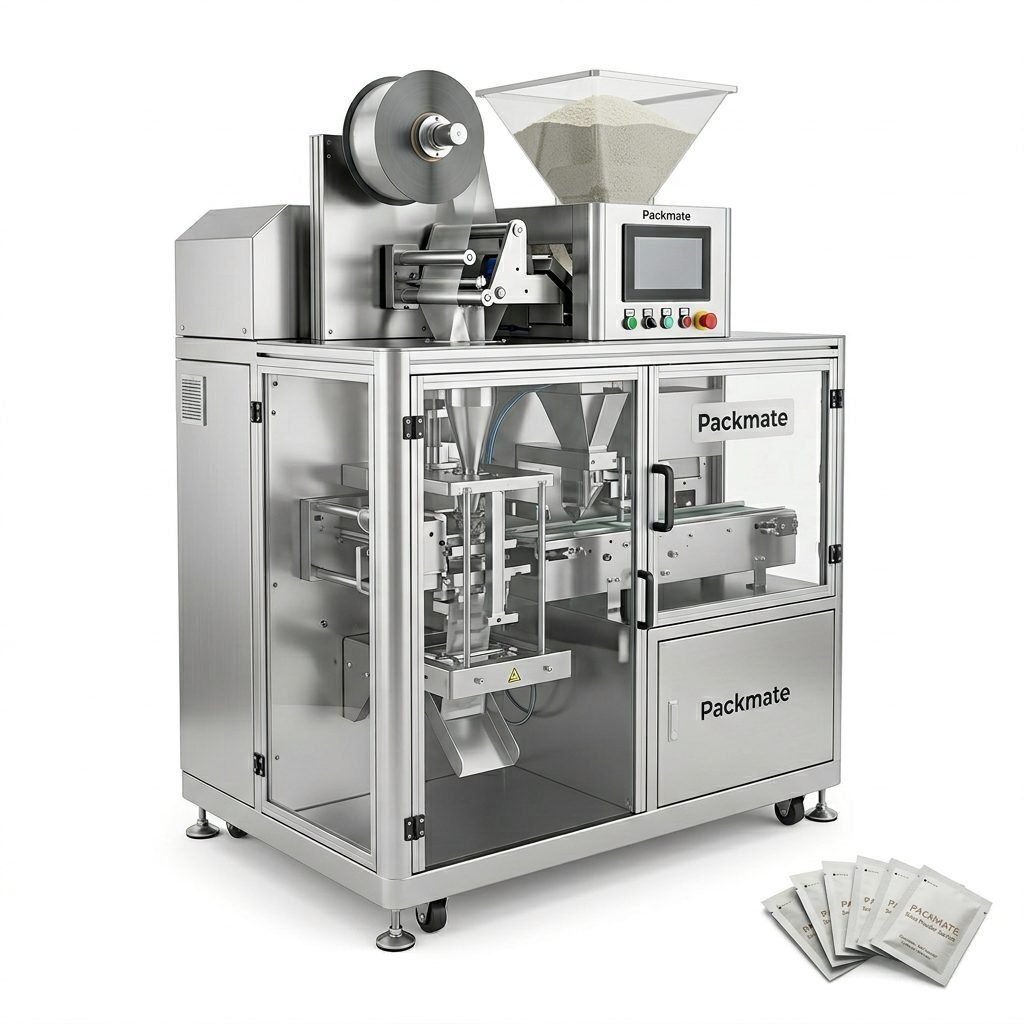
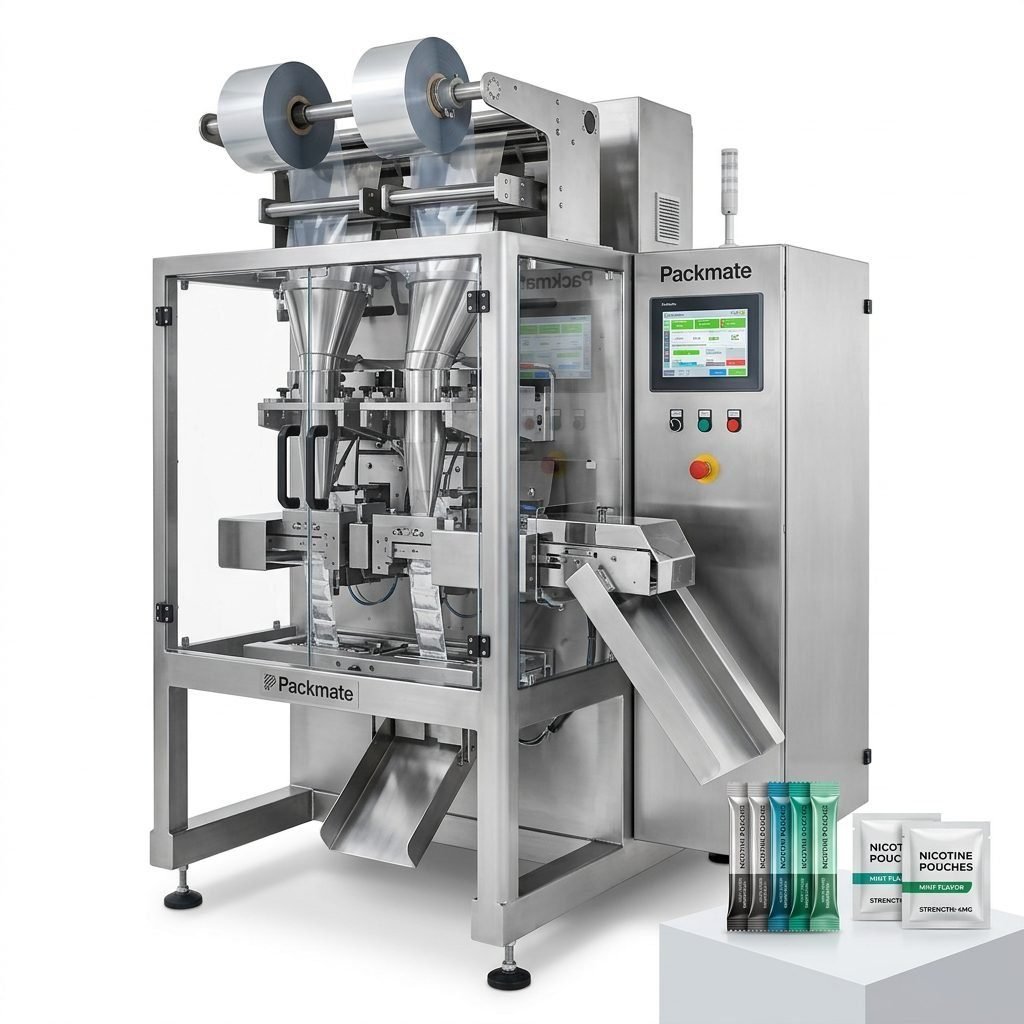
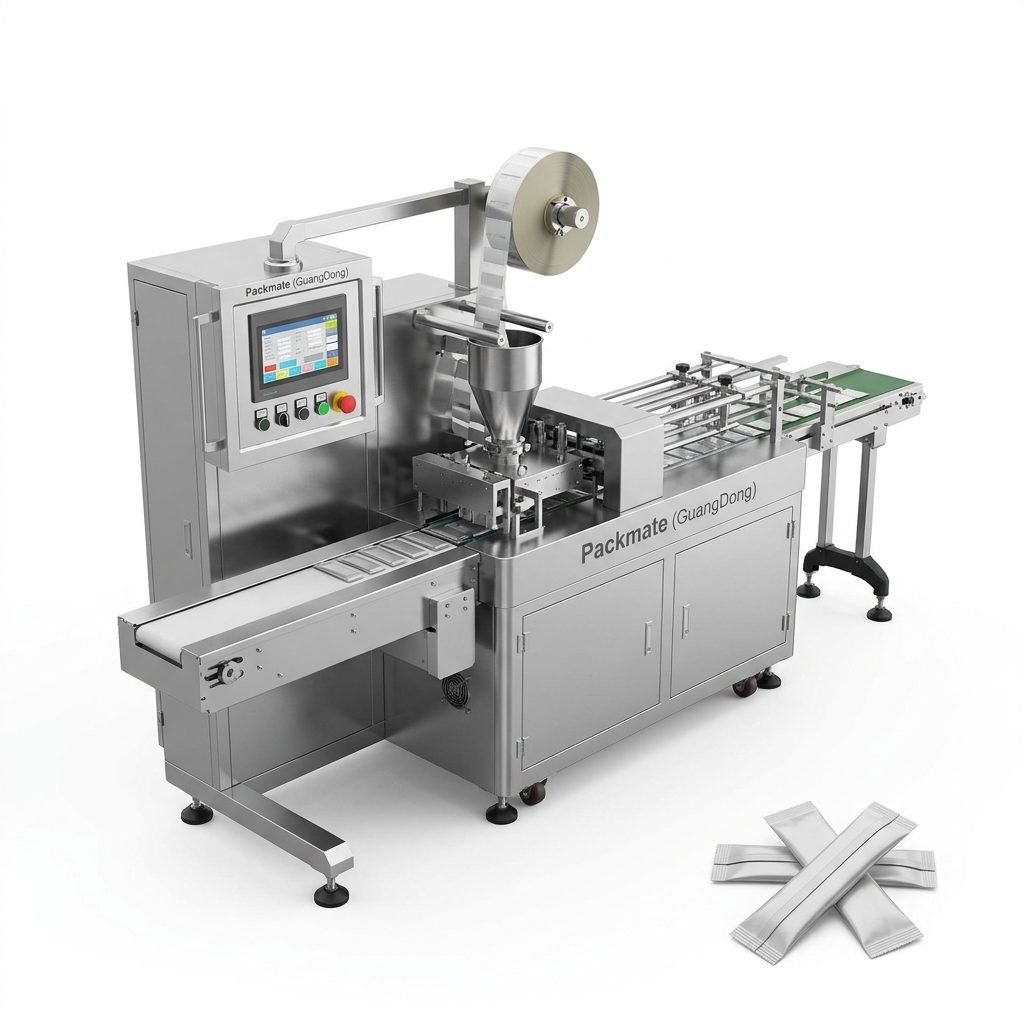
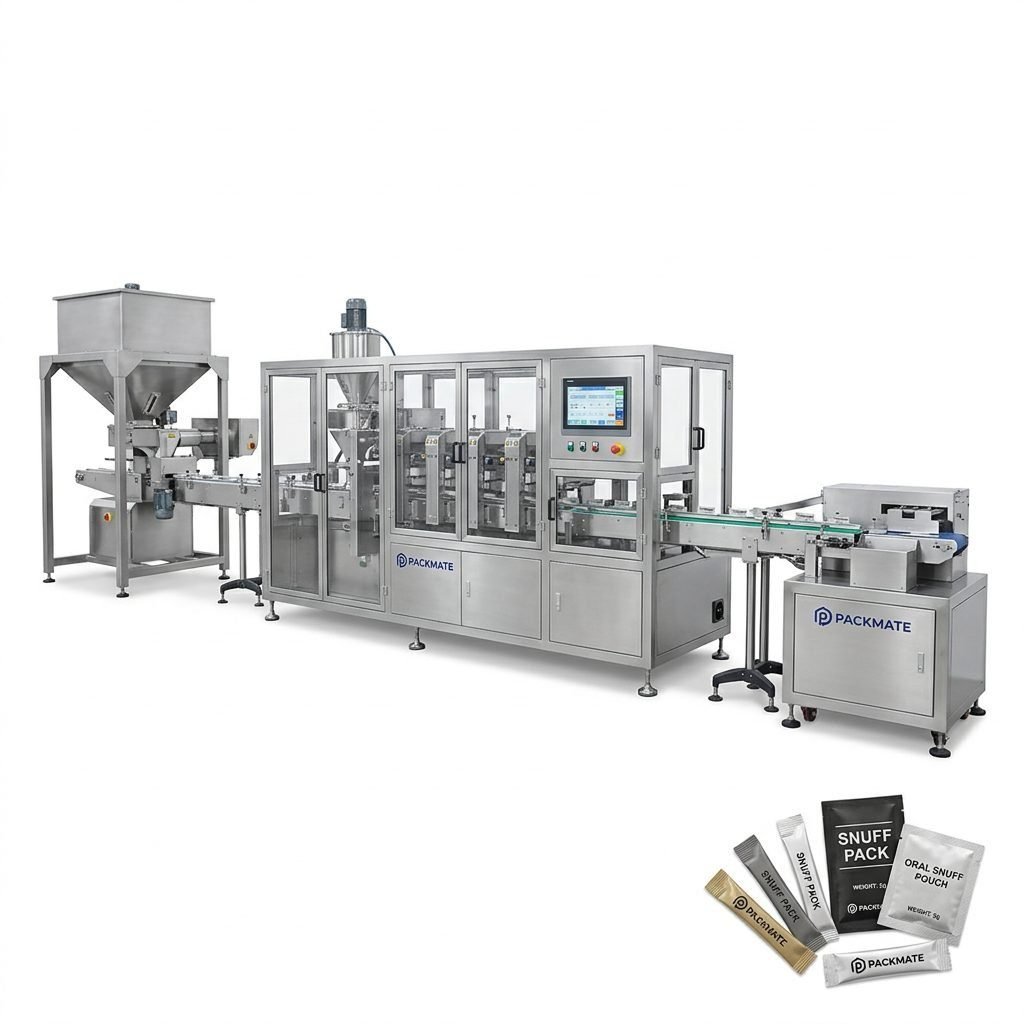
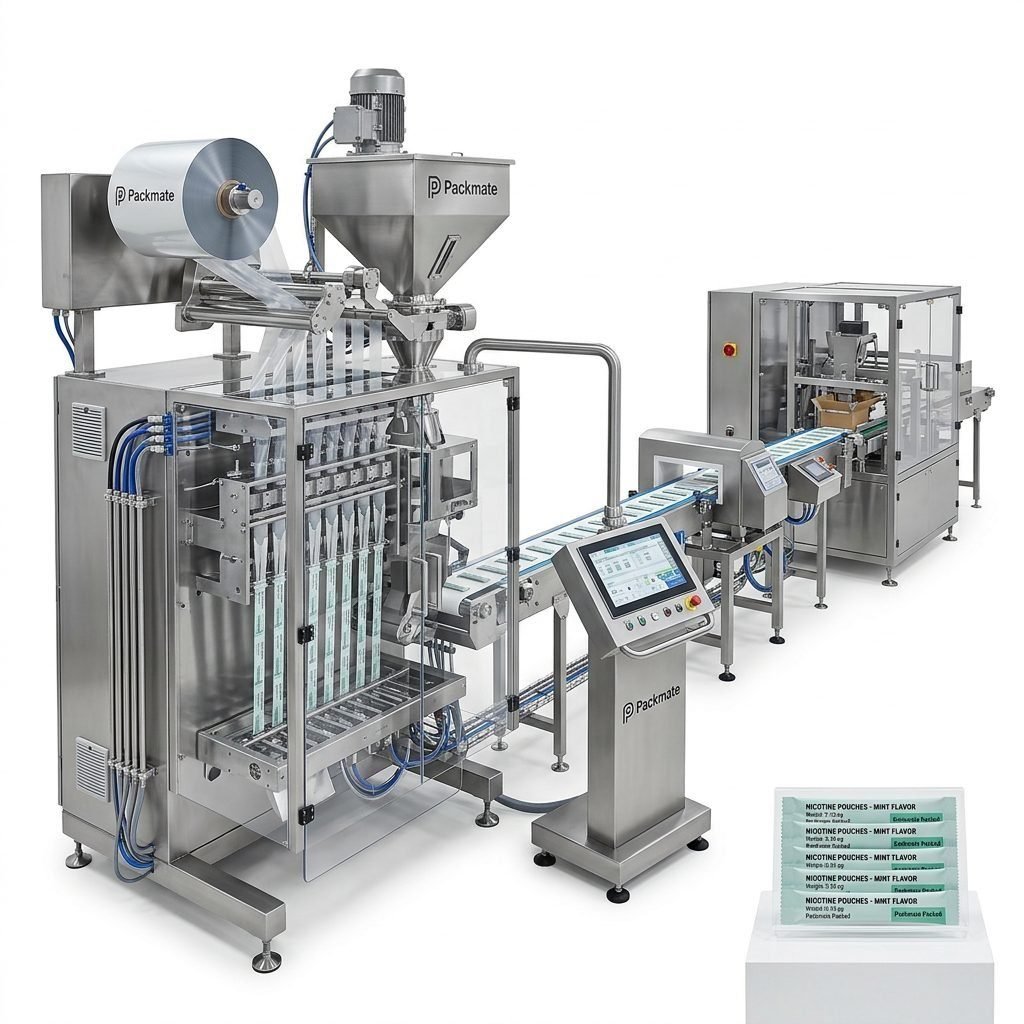
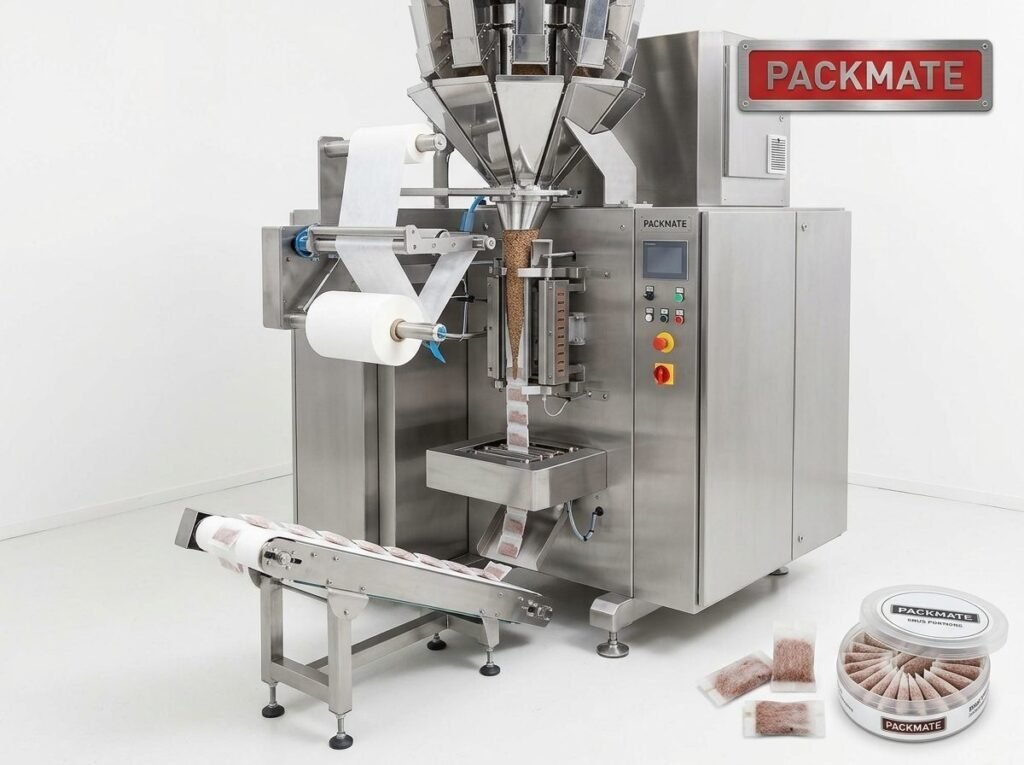
A good manufacturer will offer a product range suited to your needs: single-lane to multi-lane machines, stick pack, sachet, pouch systems, and integrated filling solutions. Evaluate technical specs including dosing accuracy, lane synchronization, servo control systems, format changeover time, and cleaning procedures. For detailed product families, you can review examples such as
Snus & Nicotine Packaging Machines and
Sachet & Stick Pack Machines.
Factory Strength, Capacity, and Customization
Evaluate the manufacturer’s production facility: machine model range, CNC machining centers, assembly lines, and testing capabilities. Manufacturers with in-house CNC and assembly lines can offer faster customization and better quality control. Press for information on lead times, spare parts inventory, and the ability to produce custom tooling or multi-lane conversions to meet your unique nicotine pouch specifications.
Factory indicators to request:
20,000㎡ facility • CNC centers • number of models • QA & QC protocols • turnkey project experience
Service, Support, and After-Sales
Reliable after-sales service is one of the most important differentiators. Ask about remote troubleshooting capabilities, spare parts logistics to Syria, training for operators and maintenance staff, and warranty terms. A supplier offering on-site commissioning and extended maintenance contracts will ensure faster ramp-up and lower unplanned downtime.
Vendors who provide documented service SLAs, global spare parts hubs, and training materials (manuals, videos) demonstrate higher maturity. Check if the manufacturer offers long-term project support, preventive maintenance schedules, and field engineering visits.
Local Considerations for Syria
Understand customs regulations, import restrictions, and any sanctions that might affect suppliers. Work with manufacturers experienced in exports to the Middle East and North Africa region and request references or past case studies for deliveries to nearby countries to assess reliability.
Evaluate Total Cost of Ownership (TCO) — Not Just Purchase Price
Purchase price is only part of the story. Calculate TCO by factoring in installation costs, training, spare parts, energy consumption, consumables (dies, sealing parts), downtime impact, and expected lifetime. Efficient machines with higher initial costs can deliver better ROI through reduced waste, higher uptime, and more consistent output.
TCO tips:
Compare energy consumption, parts lifespan, maintenance intervals, and mean time between failures (MTBF).
Testing, Trials, and Factory Acceptance Tests (FAT)
Insist on witnessing machine trials or obtaining video documentation of similar machines running with comparable materials. FAT procedures should include speed tests, accuracy checks, noise and vibration data, and sealing integrity tests. A transparent manufacturer will allow third-party inspection or virtual FAT if travel is restricted.
References, Case Studies, and Reputation
Evaluate supplier reputation by requesting customer references, success stories, and export records. Look for evidence of long-term client relationships and repeat orders. Packmate’s global cooperation cases and exhibition presence are useful indicators of industry standing — consider reviewing sections like
Case and
Our Exhibition for real-world examples.
Key Performance Indicators to Request
Ask for KPIs like nominal output (pouches/min), dosing accuracy (mg or %), downtime statistics, format changeover time, and mean time to repair (MTTR). These metrics help you compare different vendors objectively and determine which machine aligns with your production targets.
Ask for:
Output graphs, uptime %, spare parts lead times, and real customer contact details for verification.
Customization and Turnkey Solutions
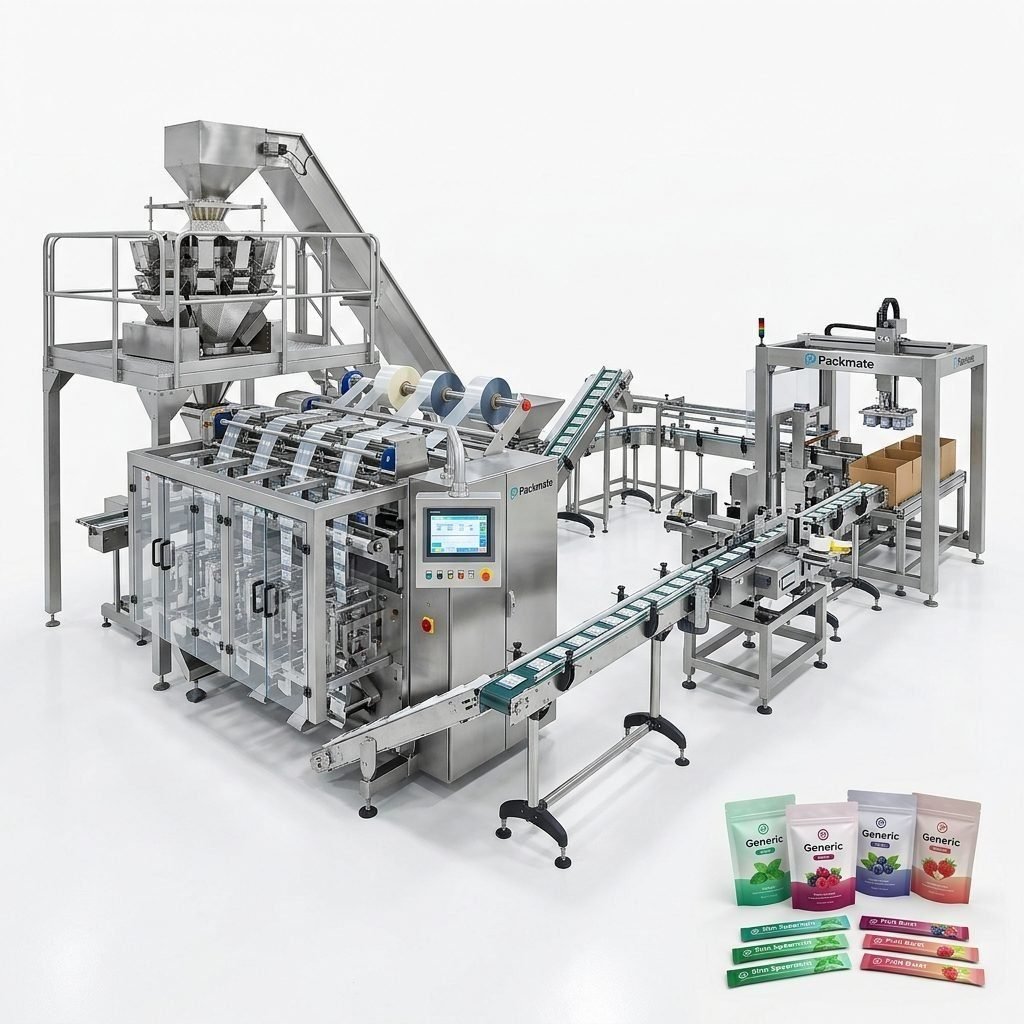
If you need a full production line — including feeders, weighers, filling units, multi-lane pouch collectors, and packaging conveyors — choose a manufacturer with turnkey experience. Verify design integration capabilities and if they provide project management, engineering drawings, and installation supervision. For integrated systems, explore relevant product lines such as
Filling & Packaging Lines and
Weighing & Packaging Systems.
Project Management and Delivery
Ask about a detailed project timeline, mechanical and electrical drawings, FAT schedule, shipping arrangements (Incoterms), and local installation plans. Confirm who is responsible for customs clearance and whether the supplier will support local contractors or provide supervision for local teams.
Negotiation and Contract Best Practices
Negotiate clear terms: delivery schedule, payment milestones, warranty scope, training obligations, spare part kits, and penalties for missed deadlines. Include acceptance criteria and a performance warranty clause. Prefer suppliers who agree to FAT and provide documented performance guarantees.
Contract essentials:
Delivery dates • Acceptance tests • Warranty • Spare parts list • Training provisions
How to Shortlist Suppliers — A Practical Workflow
Start with a broad list and narrow to a shortlist of 3–5 vendors. Use a weighted scorecard based on technical fit (40%), quality & compliance (20%), service & spare parts (15%), price & TCO (15%), and lead time & references (10%). Conduct virtual factory tours and FAT sessions where possible. For vendors with strong global presence and experience in snus/nicotine packaging, review their product assets and documentation before final negotiation.
Where to Find Supporting Information
Explore manufacturer pages for product catalogs, certificates, case studies, and FAQs. For example, Packmate provides product categories, company background, and support resources which can help you evaluate fit:
About Packmate and
Service.
Final Decision — Go/No-Go Criteria
Use these final decision gates: confirmed FAT performance within specified tolerances, clear installation and commissioning plan, acceptable TCO, documented warranty and spare parts lead times, and positive reference checks. If any of these are missing, request remediation or consider alternate suppliers.
Decision gate highlights:
FAT • Warranty • Spare parts • Training • References
Summary Checklist Before Signing
Make sure you have: complete technical specifications, FAT evidence, export documentation and certificates, written service and warranty terms, a spare parts kit, training plan, and a realistic installation timeline. Ensuring these elements will reduce risk and accelerate your plant’s production start.
Useful Links
For equipment examples and technical references, visit product pages such as:
Snus & Nicotine Packaging Machines,
Bag & Pouch Packaging Machines,
and the company’s Catalog.
Common Questions (FAQs)
Q1: How long does it take to receive and commission a snus/nicotine pouch packaging line in Syria?
A1: Typical lead times vary by model and customization, ranging from 12 to 26 weeks for production and FAT. Shipping and customs add additional time. Confirm schedule in the contract and request milestones to track progress.
Q2: What spare parts should be included with the first shipment?
A2: A basic spare parts kit should include sealing jaws, belts, sensors, servomotor fuses, PLC backup units, and wear components. Confirm recommended inventory based on expected throughput and local lead times for replenishment.
Q3: How do I verify machine performance before shipment?
A3: Require a Factory Acceptance Test (FAT) with speed, accuracy, sealing integrity, and visual documentation. If travel is limited, request a live video FAT session and third-party inspection options.
Q4: Can machines be upgraded later for higher throughput or additional lanes?
A4: Many manufacturers design modular solutions allowing lane additions or integration with multi-lane modules. Discuss future scalability and upgrade paths during procurement to avoid costly retrofits.
Q5: Who should I contact for technical support and spare parts in the future?
A5: Confirm the supplier’s authorized service channels and spare parts distribution. Keep a point of contact for escalation and request documented response times in your service agreement. For direct supplier contact and support resources, see the manufacturer’s Contact Us page.
Selecting the right nicotine packaging machinery manufacturer for Syria requires a blend of technical assessment, careful contract negotiation, and validation of service capability. Use the checklists and questions above to create a rigorous evaluation process that minimizes risk and positions your production line for reliable, efficient operation.