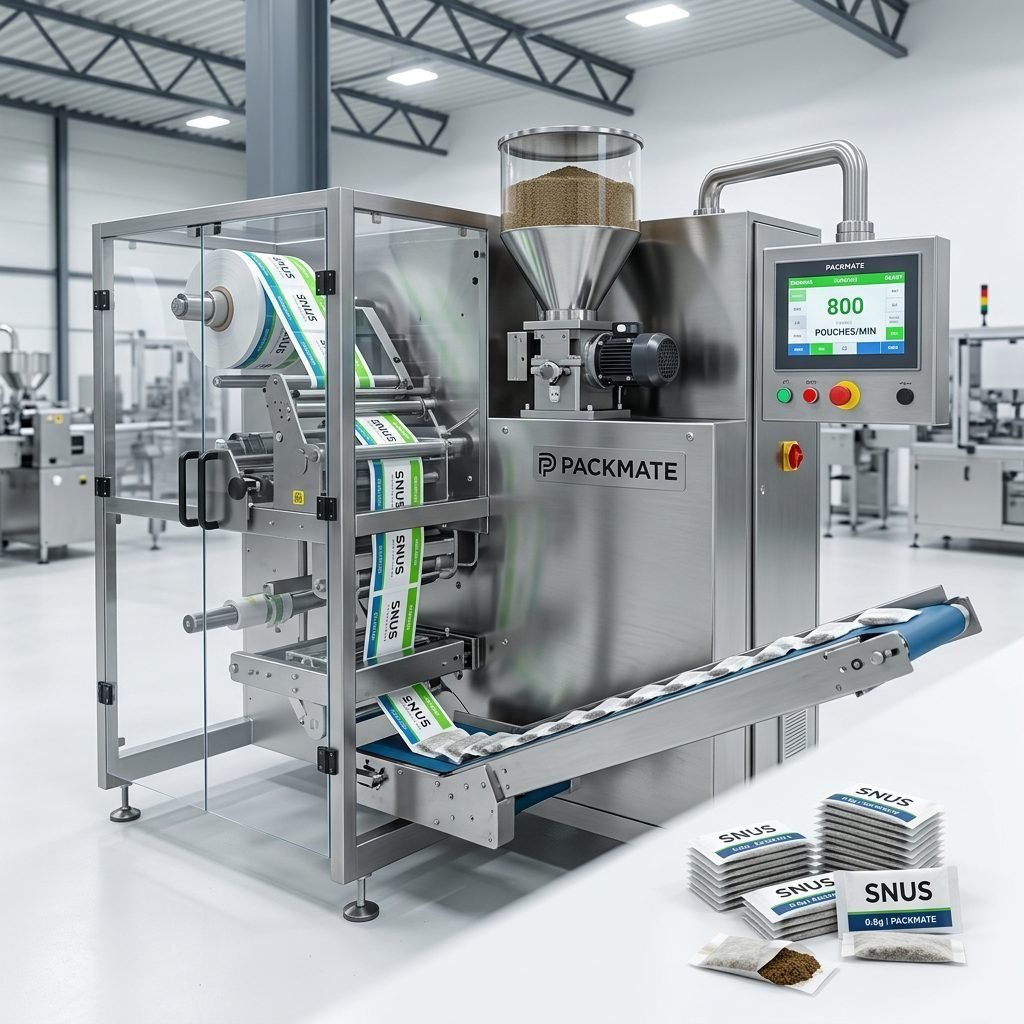
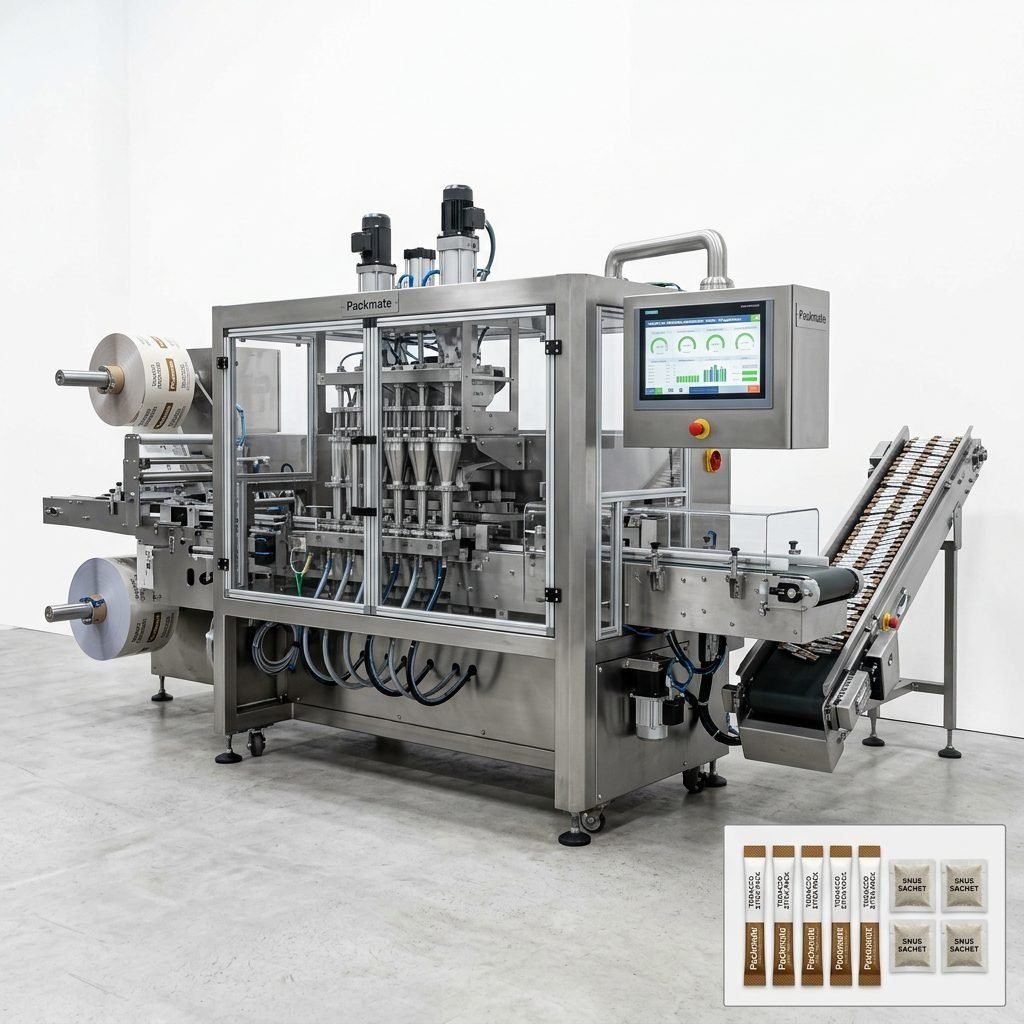
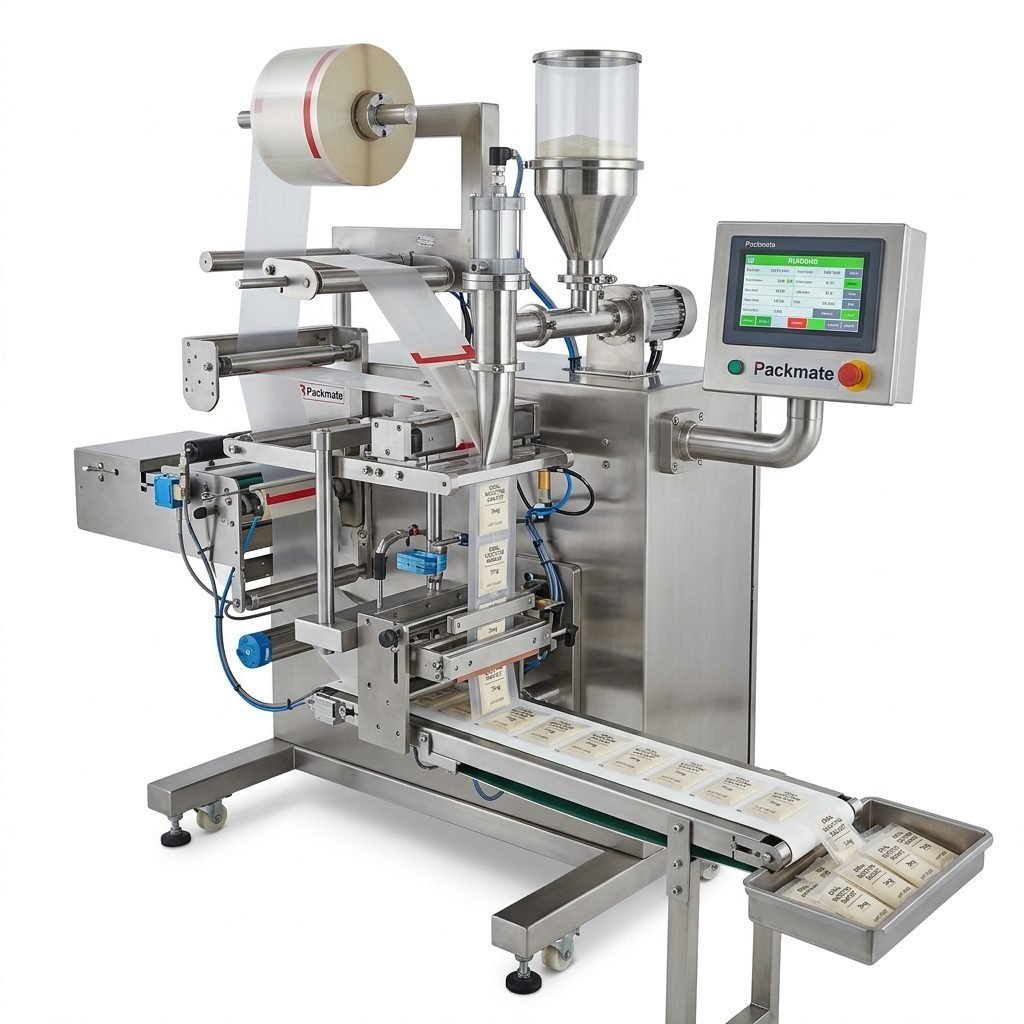
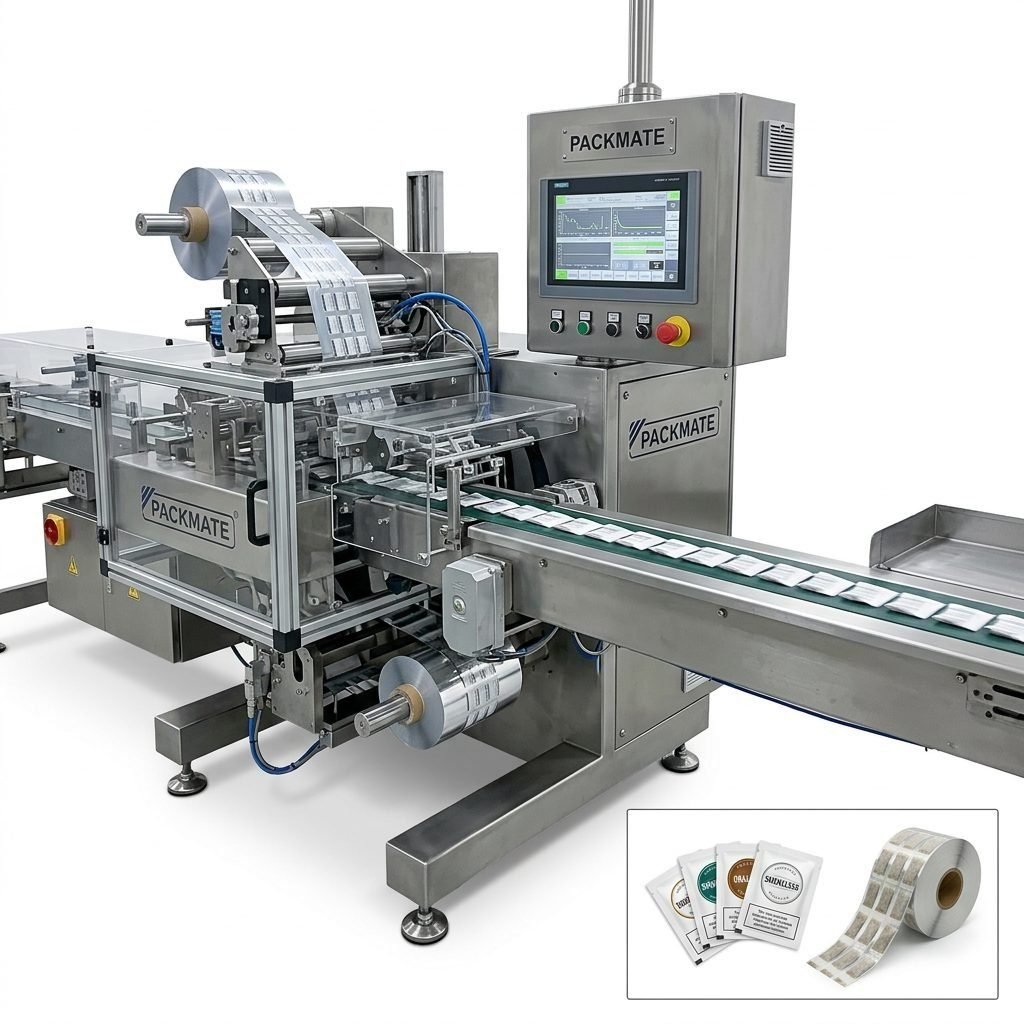
Navigating the purchase of a snus (nicotine pouch) packaging machine in the Bahamas requires a blend of technical knowledge, regulatory awareness, and practical logistics planning. Whether you are a small duty-free retailer on Nassau’s Cable Beach, a growing local manufacturer, or an importer serving the Caribbean market, selecting the right supplier will determine production stability, compliance, and long-term profitability. This guide walks you through the key factors to evaluate, practical steps to take, and supplier-specific considerations—tailored to the Bahamas market and its travel-driven retail dynamic.
Why the right supplier matters in the Bahamas
The Bahamas is a tourism-first economy where many nicotine pouch sales occur through duty-free shops, airport retail and specialty outlets on the islands. Choosing a reliable supplier ensures you get equipment that handles variable production runs, meets international safety and hygiene standards, and provides dependable after-sales support despite being geographically distant from large manufacturing hubs. A good supplier reduces downtime and import headaches while helping you maintain consistent product presentation to tourists and locals alike.
Key decision areas at a glance
Look for suppliers with strong engineering experience, certifications, flexible machine models for different pouch formats, and a clear plan for spare parts, installation, and training. Consider the total cost of ownership rather than just purchase price—service availability, spare parts lead time, and energy efficiency matter in island environments.
Quick tip: Choose machines that can run multiple pouch formats (stick, sachet, multi-lane) to adapt to seasonally shifting demand from tourists and bulk buyers.
1. Certifications, quality & supplier track record
Verify that the supplier adheres to global standards—look for CE and ISO compliance—and ask for documented testing and quality procedures. Suppliers with decades of engineering experience are preferable because their machines tend to be more robust and easier to maintain. For example, Packmate Snus Machine has 30+ years of R&D experience and CE/ISO certifications, which reduces regulatory risk for importers in the Bahamas.
What to ask
Ask for a portfolio of past projects and client references, preferably with exported installations to island markets or regions with similar logistics. Check for recorded machine performance metrics (uptime, OEE), long-term maintenance records, and the supplier’s willingness to share case studies.
2. Machine types, flexibility and production capacity
Match the machine to your production profile. If your business sells small-batch custom flavors for tourists, a flexible multi-lane or stick pack line makes sense. If you serve larger retailers with consistent SKUs, a higher-capacity sachet line could be more efficient. Many suppliers offer modular solutions so you can start small and scale up.
Explore these categories with potential suppliers:
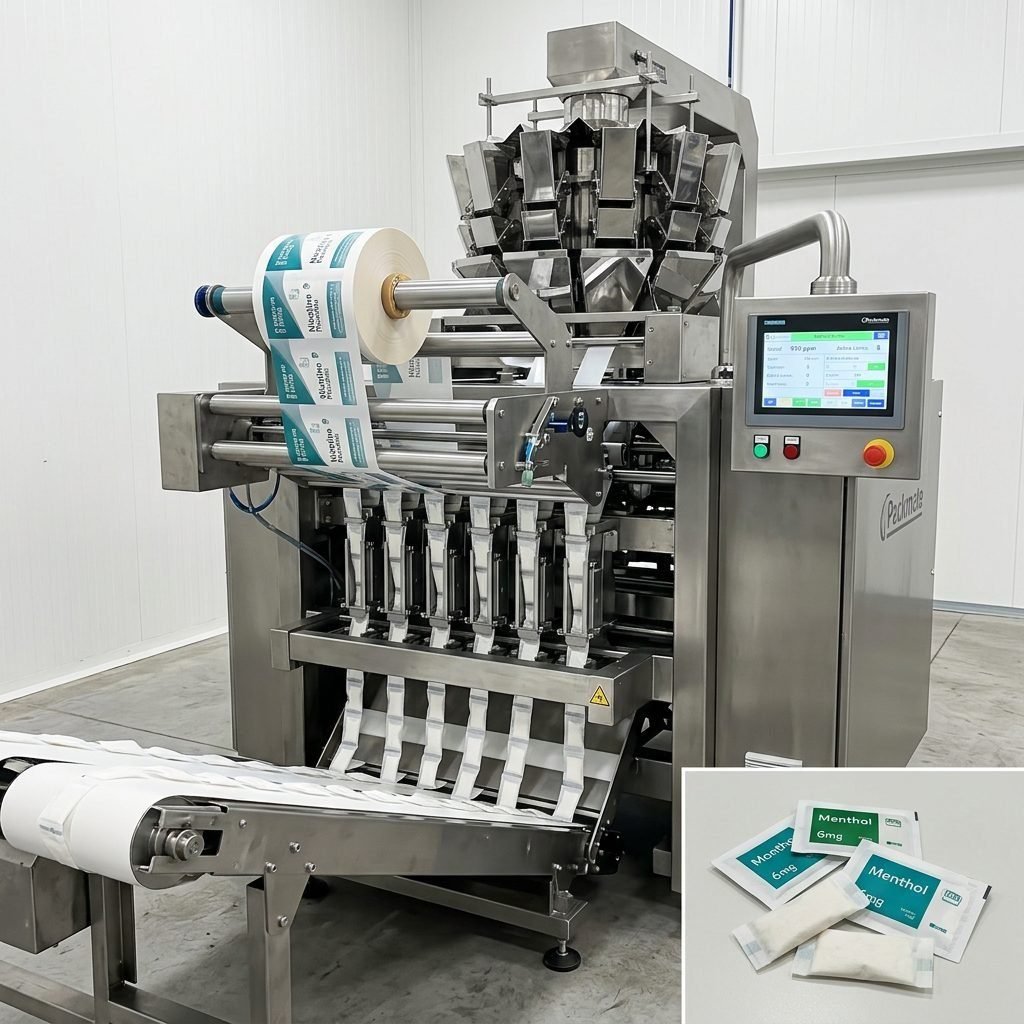
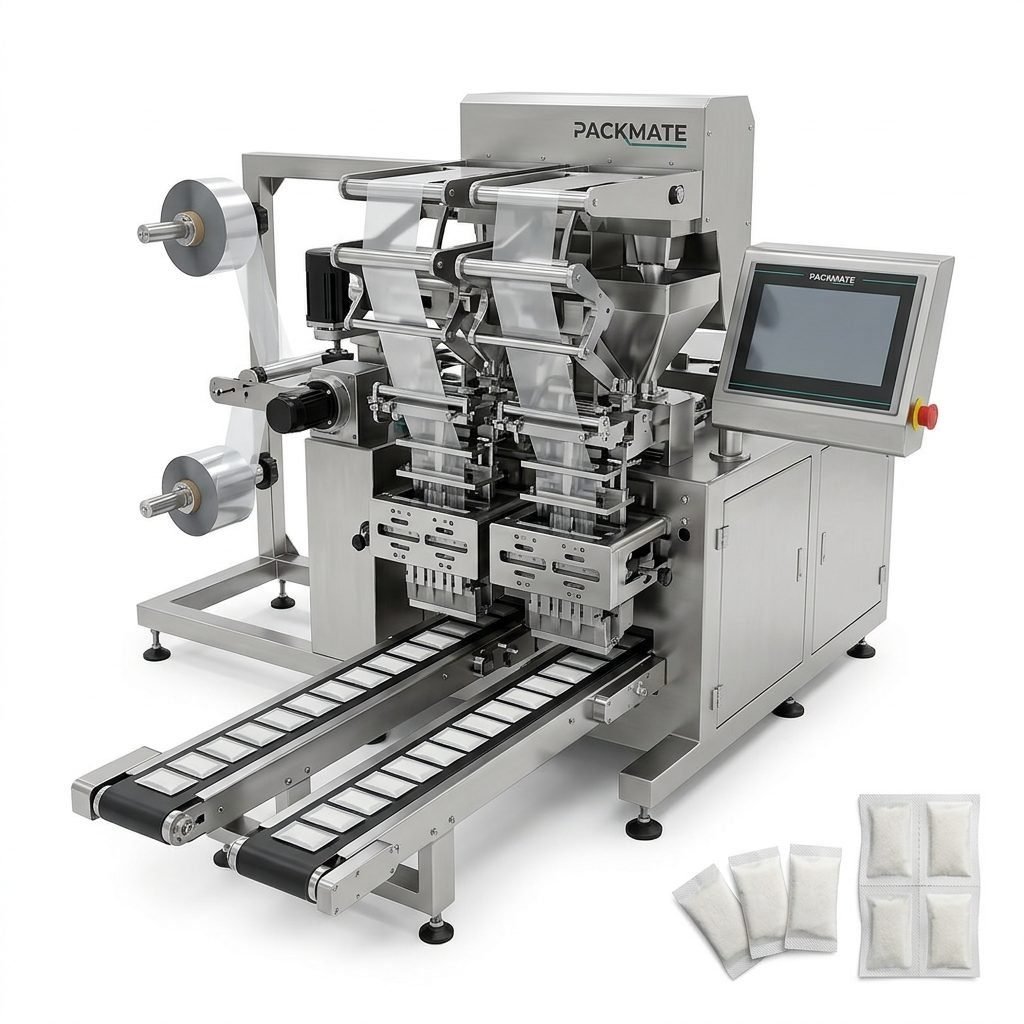
🔧 Snus & Nicotine Packaging Machines — specialized for nicotine pouches and small-dose formats, often with multi-lane options. See an example product range: Snus & Nicotine Packaging Machines.
📦 Bag & Pouch Packaging Machines — useful if you plan to diversify into larger pouches or combined SKUs: Bag & Pouch Packaging Machines.
3. After-sales service, spare parts and training
On an island, rapid access to technical service and spare parts is crucial. Confirm the supplier’s spare-parts policy, typical lead times, and whether local stocking arrangements can be made. Ask if the supplier provides remote diagnostics, on-site training sessions, and detailed manuals. Packmate’s global support model and turnkey solutions aim to reduce downtime for customers far from the factory.
✅ Essential: Ensure at least 12 months of warranty and a clear spare-parts list with part numbers and expected delivery times to the Bahamas.
4. Regulatory compliance and materials
The regulatory landscape for nicotine products varies. You must ensure your packaging materials and machine cleaning protocols comply with Bahamian import rules and any regional health regulations. Suppliers that provide hygiene-focused designs, easy-clean pathways and material traceability will help you pass customs and health inspections more easily.
5. Logistics, installation and local conditions
Consider shipping costs, island handling, and port logistics when comparing quotes. Machines often ship in crates and may require customs clearance documentation, which your supplier should assist with. Confirm electrical specifications (voltage, phase), foundation or floor requirements, and environmental tolerances (humidity and salt-air corrosion are real concerns in the Bahamas).
🌴 Local note: coastal humidity and salt spray can accelerate corrosion—ask for protective finishes and corrosion-resistant components if your facility is near the shore.
6. Total cost of ownership (TCO) and ROI modeling
Request a TCO breakdown: purchase price, installation, commissioning, training, annual maintenance, spare parts, and expected energy consumption. Use realistic production volumes to calculate payback time. A lower upfront price can hide higher operating costs—prioritize efficiency, reliability, and consumable costs.
Elements to include in TCO
– Consumables (film, laminates, inks) and supplier recommendations.
– Average energy draw per hour and local electricity rates in the Bahamas.
– Expected spare parts consumption per year and lead times for shipments.
– Training and technician travel costs for on-island support.
⚠️ Red flag: Suppliers who cannot provide clear spare parts lists or rely solely on airfreight with no local options may cause long downtime for island customers.
7. Customization, labeling and local market needs
Bahamian retail often emphasizes eye-catching duty-free packaging and small batch flavor runs targeted at tourists. Work with suppliers that can support custom labeling, variable data printing, and efficient changeovers for limited editions. Multi-lane machines are especially useful when you want several SKUs produced in parallel for seasonal demand.
8. Visiting the supplier and factory acceptance testing (FAT)
If possible, schedule a factory visit or request a live FAT via video. Confirm machine speed, pouch appearance, weighing accuracy, and hygiene features under real production conditions. Suppliers that welcome FAT and provide recorded run-tests demonstrate transparency and confidence in their equipment.
For additional confidence, review supplier case studies and exhibition participation—Packmate showcases machines at global exhibitions and provides real-world case examples: Case studies and Exhibition records.
9. Contracts, warranties and payment terms
Clarify warranty scope, accept/reject criteria during FAT, payment milestones, and penalties for missed delivery. Favor suppliers that include clear acceptance criteria and offer flexible payment terms like staged deposits aligned with manufacturing milestones.
10. Steps to a smart purchase (Bahamas-specific checklist)
1. Define production goals: daily output, SKU mix, and pouch formats.
2. Shortlist suppliers with industry experience and certifications (CE/ISO).
3. Request machine demonstrations and FAT records; verify with references.
4. Confirm spare parts stocking strategy and average lead times to the Bahamas.
5. Validate electrical and environmental requirements for your facility.
6. Negotiate warranty, training, and commissioning in the contract.
7. Plan logistics: freight forwarding, customs documents, and local handling.
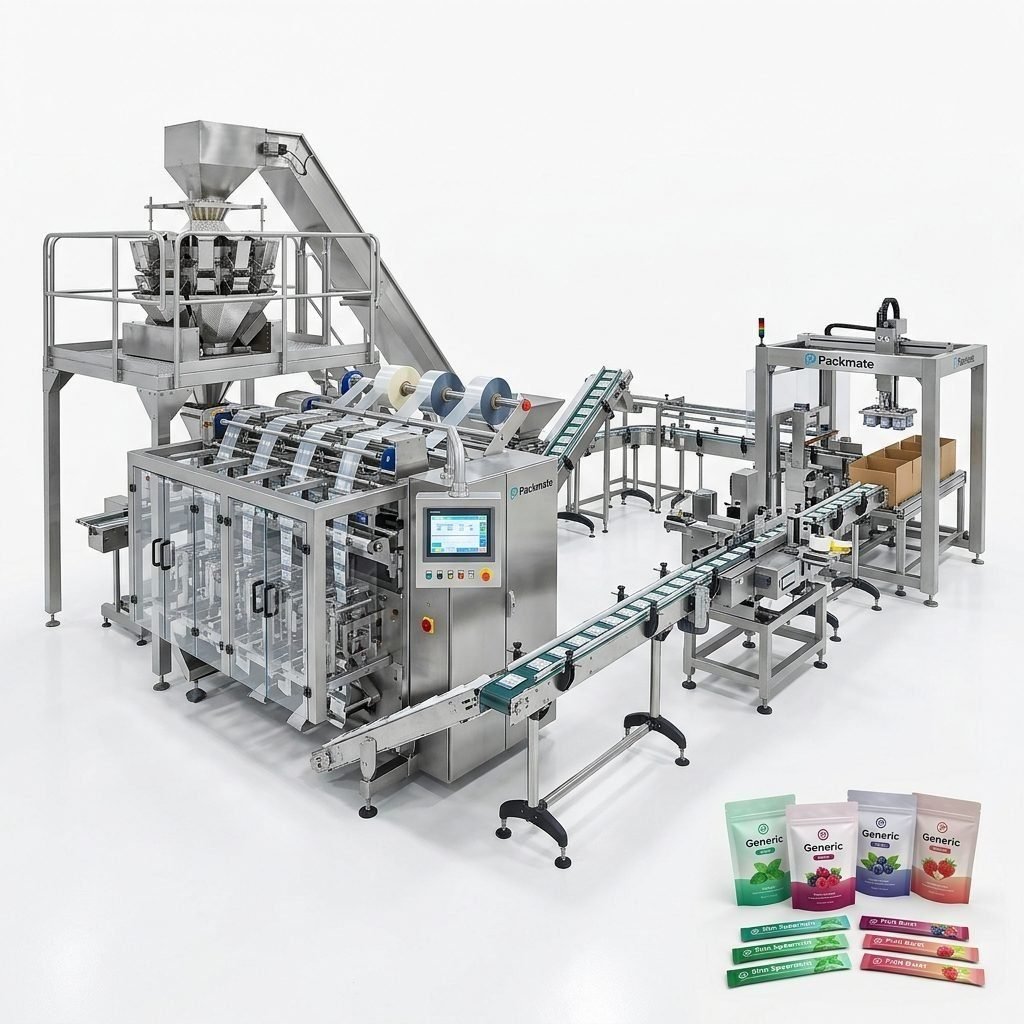
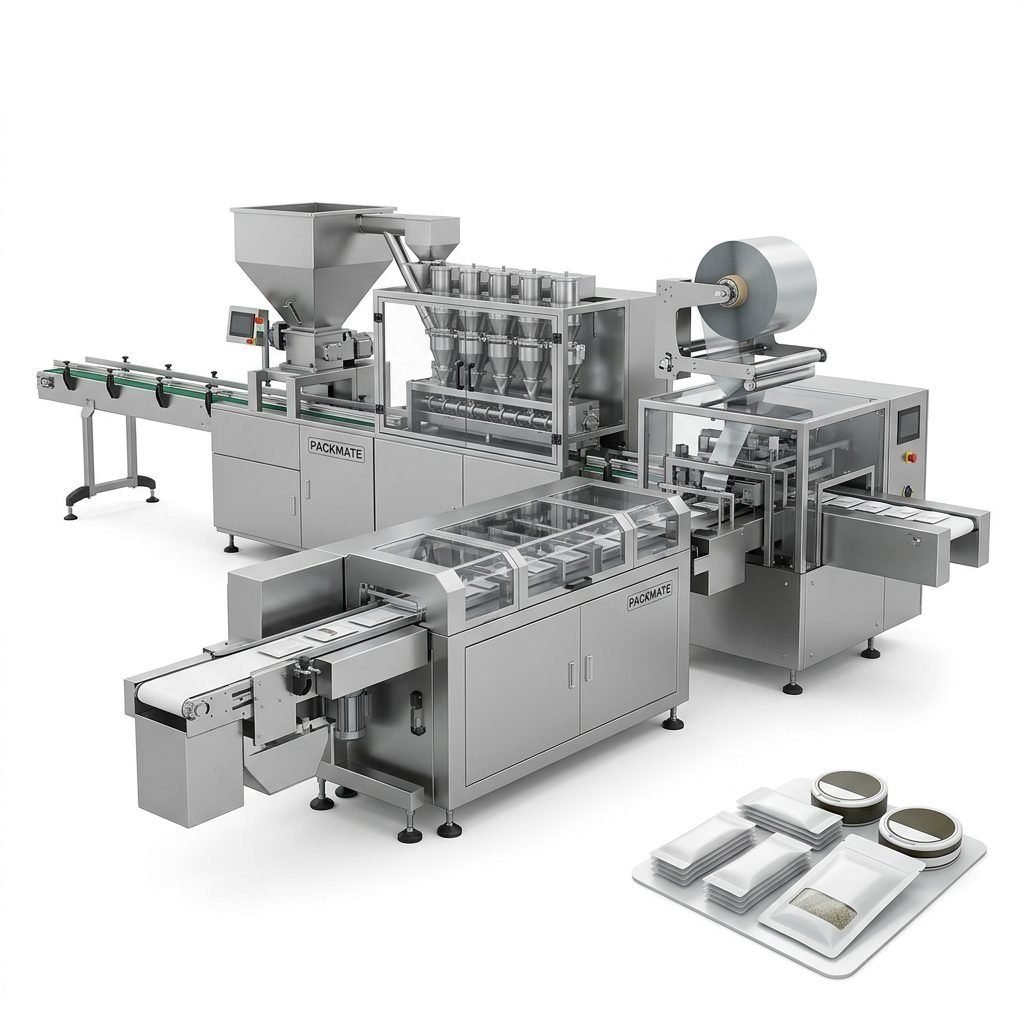
📌 Resources: Explore product categories that match your needs—Sachet & Stick Pack Machines, Weighing & Packaging Systems, and Filling & Packaging Lines are common choices: Sachet & Stick Pack Machines, Weighing & Packaging Systems, Filling & Packaging Lines.
Working with Packmate (example supplier profile)
Packmate Snus Machine brings 30+ years of engineering experience, a 20,000㎡ manufacturing facility with advanced CNC machining and precision assembly, and a product range that includes specialized snus and nicotine pouch machines. Their factory capabilities, turnkey solutions, and global exhibition presence make them a practical partner for Bahamas buyers seeking stability and technical support. Learn more about the company: About Packmate.
Communication tips when contacting suppliers
– Provide clear production targets and sample pouch designs.
– Ask for machine videos and references from similar markets.
– Confirm spare parts pricing and optional local stocking.
– Request remote support packages and SLA details for troubleshooting.
Final considerations tailored to the Bahamas market
– Seasonality: adjust capacity for high tourist seasons and cruise ship schedules.
– Duty-free & travel retail: ensure packaging meets airport retail regulations and appeals to international travelers.
– Environmental exposure: select materials and coatings designed for coastal climates.
– Local partnerships: consider local maintenance partners or training local technicians to reduce dependence on long shipments for repairs.
🌟 Pro tip: Build relationships with freight forwarders experienced in Caribbean customs and with suppliers who can co-ordinate documentation to smooth Bahamian import clearance.
Where to go from here
Start by creating a short supplier RFQ that outlines expected production rates, pouch formats, environmental conditions, and after-sales expectations. Request quotes that include installation, training, and spare-part kits. Consider visiting trade shows or requesting virtual demos to compare machine reliability and vendor transparency.
If you want to review a curated product range or contact a supplier directly, check product categories and service pages to compare models and support options: Auxiliary Packaging Equipment, Service, or Contact Us.
FAQ — Common questions from buyers
Q1: How long does shipping and installation typically take to the Bahamas?
A1: Shipping and customs can take several weeks depending on port and documentation; plan 6–12 weeks from confirmed production to on-site commissioning. Ensure your supplier assists with export documentation.
Q2: What spare parts should I stock locally?
A2: Stock belts, cutters, sensors, and critical electrical components. Ask your supplier for a recommended starter spares kit and part numbers to expedite future orders.
Q3: Can machines be adjusted for both small tourist runs and larger retailer orders?
A3: Yes—select modular or multi-lane machines with quick-change tooling and flexible control systems for efficient changeovers between SKUs.
Q4: How do I ensure compliance with local regulations in the Bahamas?
A4: Work with suppliers who provide hygiene features, material traceability, and documentation. Consult local customs and health authorities for labeling rules related to nicotine products.
Q5: Where can I find reliable suppliers and product details?
A5: Review supplier catalogs and product pages, ask for case studies and FAT videos, and validate references. For example, Packmate provides catalogs and detailed product lines across snus and packaging systems: Catalog.