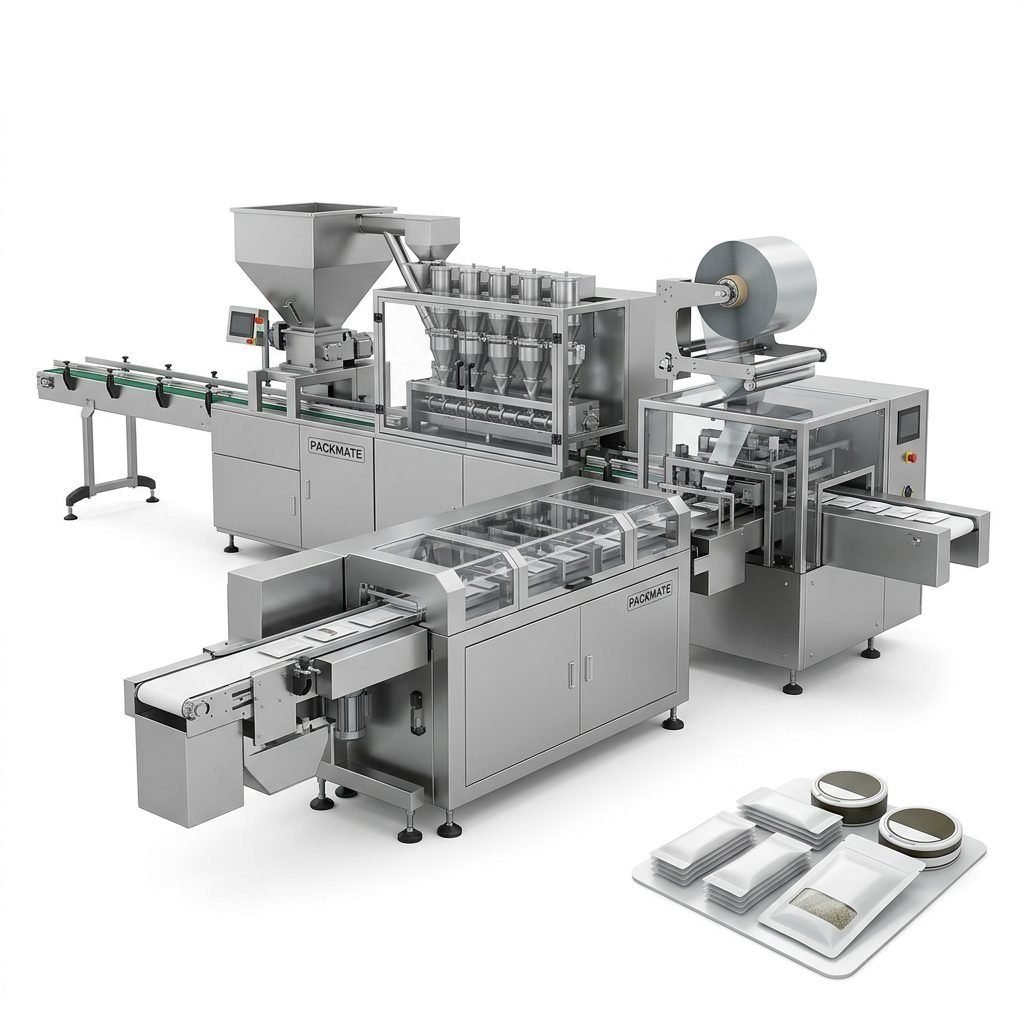
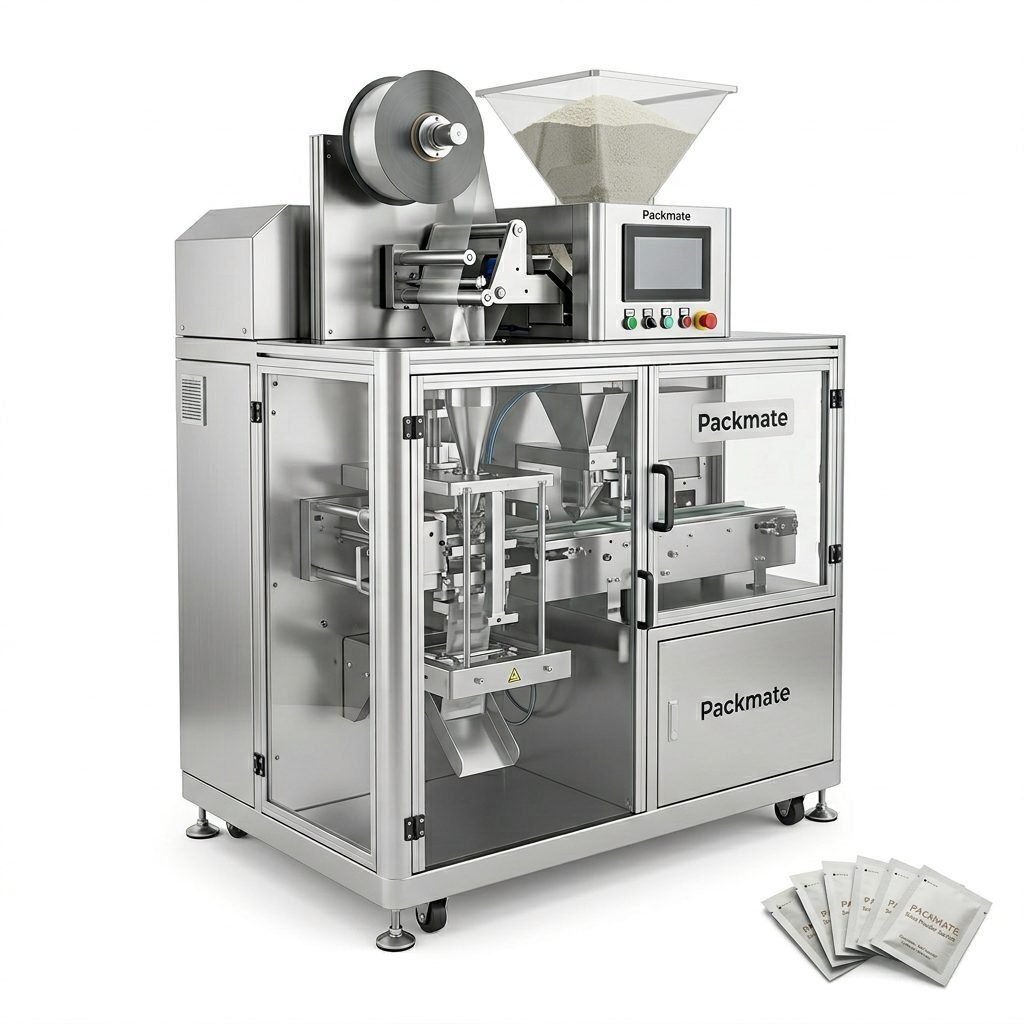
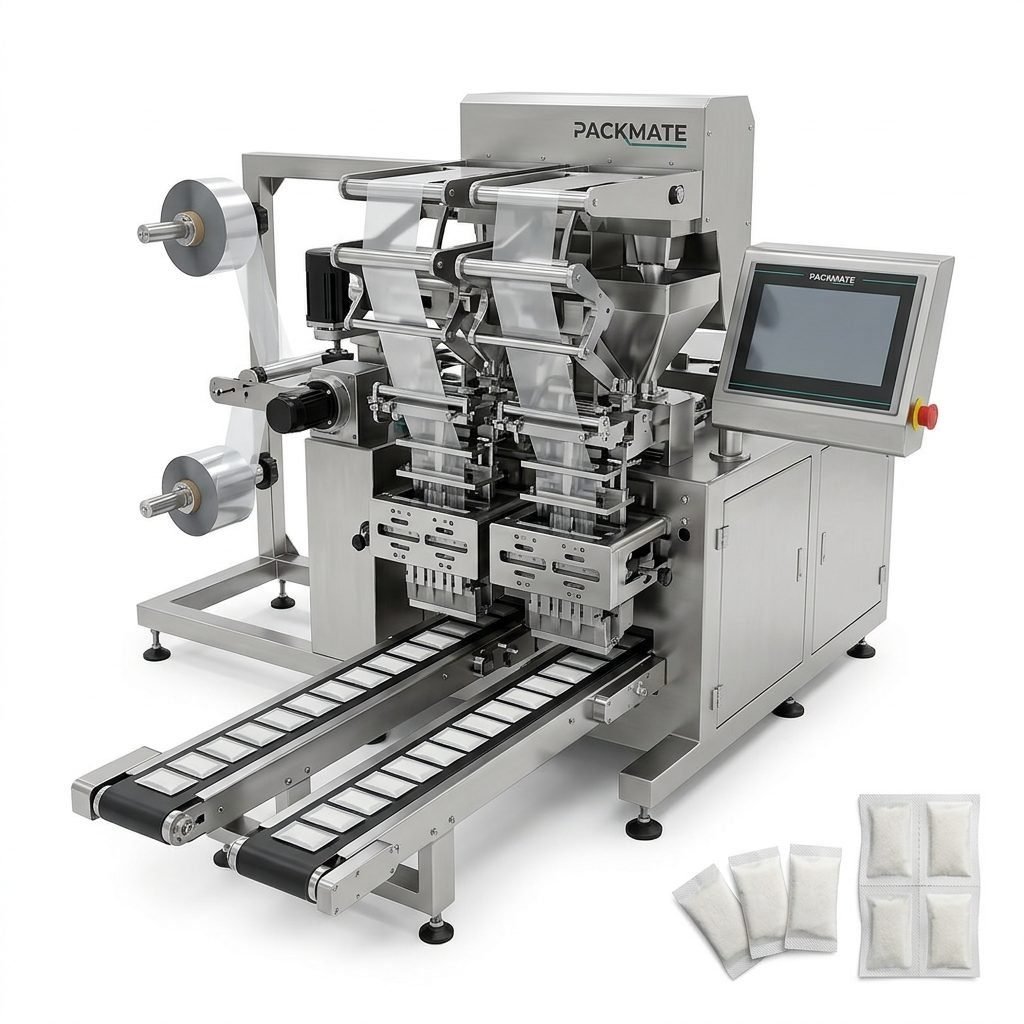
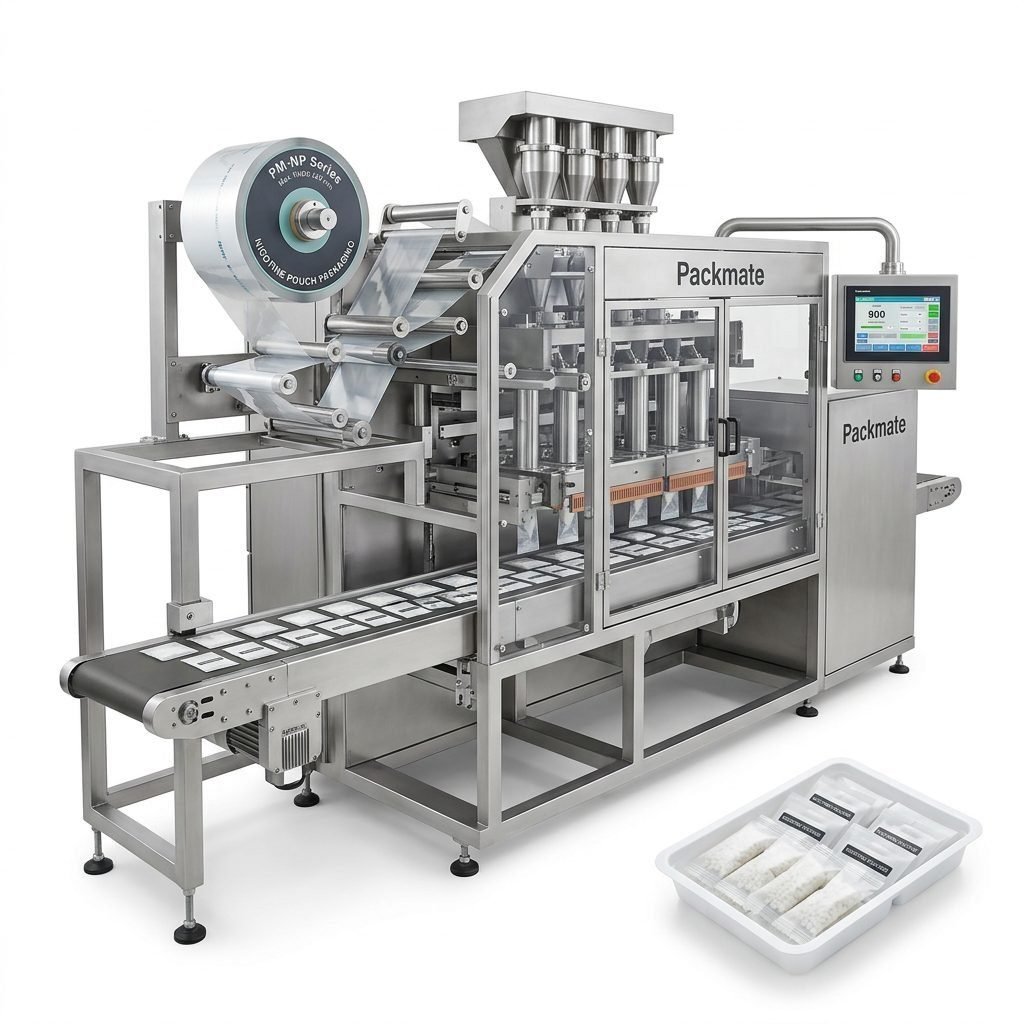
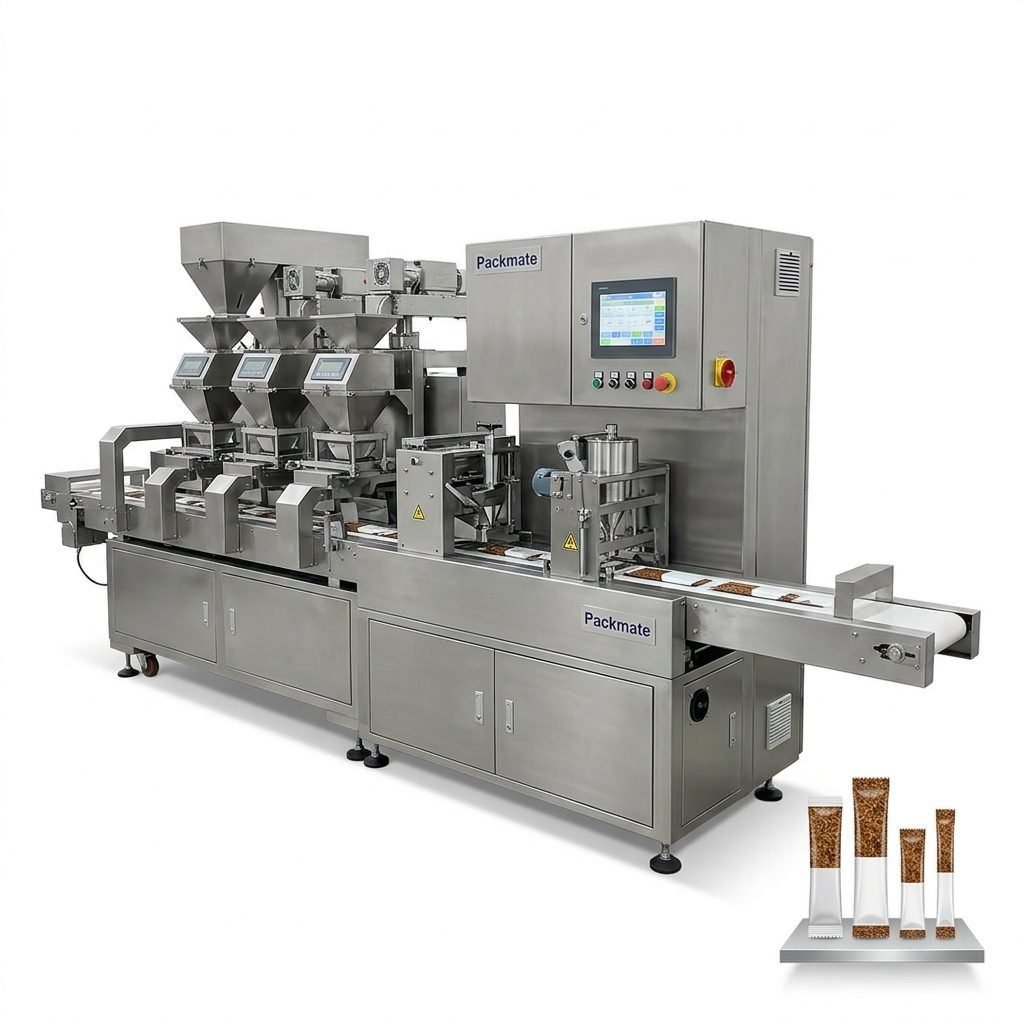
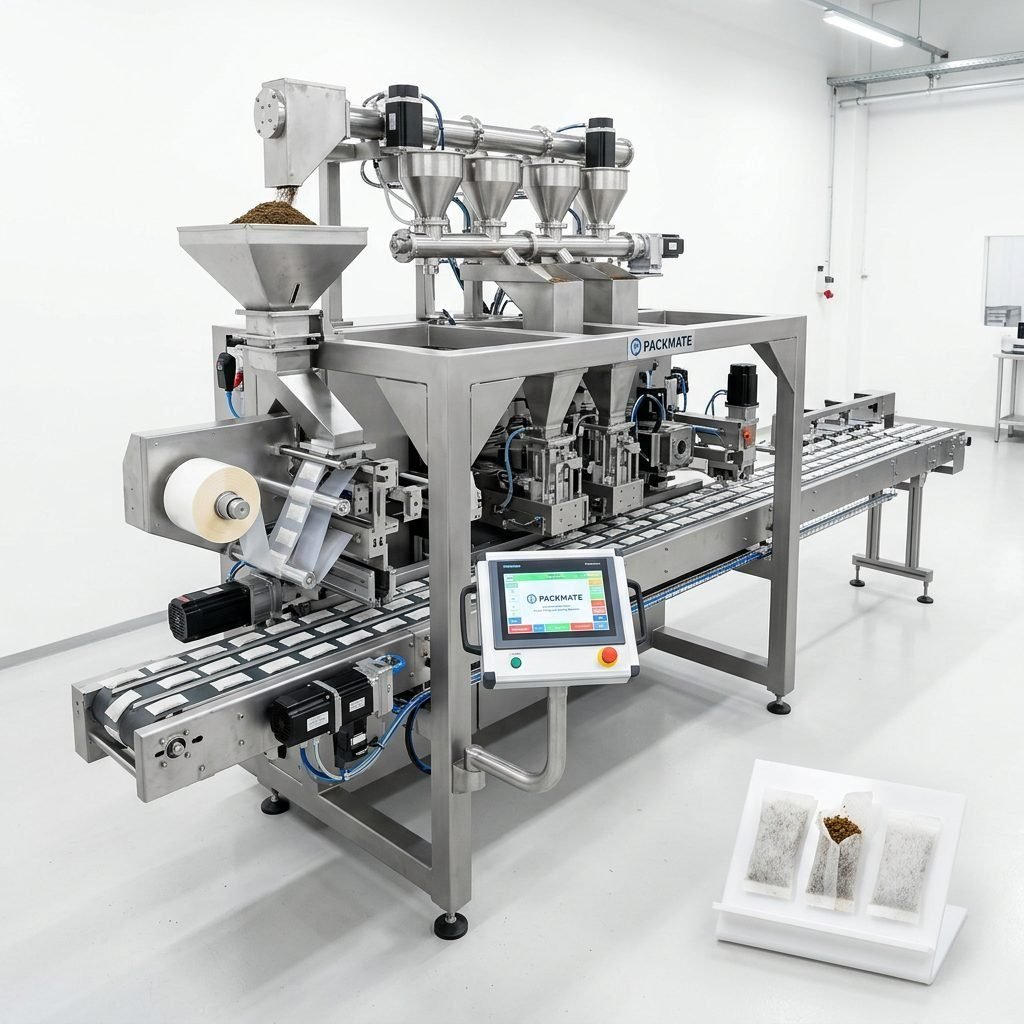
Choosing the right snus packaging machine for production in Egypt requires a balance of technical performance, regulatory compliance, local market understanding, and after-sales support. Whether you are running a small startup producing nicotine pouches for local distribution or scaling up a large snus line aimed at export markets, this guide will walk you through practical steps to identify the best equipment, optimize your workflow, and avoid common pitfalls in the Egyptian context.
Understand the Egyptian Market and Consumer Habits
Egypt’s tobacco and nicotine product market is shaped by local consumer habits, religious and cultural considerations, and growing regulatory attention. Most consumers in Egypt are sensitive to price, packaging aesthetics, and discreet consumption options. During Ramadan and religious holidays, consumption patterns shift — demand may dip during fasting hours and surge in the evenings. Many buyers prefer compact, discreet packs suitable for personal use or gifting. For manufacturers, this means flexibility in packaging sizes and designs is a competitive advantage.
From a regulatory perspective, clear labeling in Arabic and English, ingredient transparency, and adherence to local import/export rules are crucial. Consider working with legal counsel familiar with Egyptian regulations to ensure claims and labeling meet local requirements.
Why machine choice matters in Egypt
Choosing the wrong machine can result in frequent downtime, high operating costs, and non-compliant packaging. Egyptian manufacturers often face challenges such as inconsistent utilities, varying operator skill levels, and intermittent supply chain delays — selecting robust, easy-to-maintain equipment mitigates these risks.
Tip: For small to medium Egyptian operations, machines that prioritize easy changeover, low maintenance, and Arabic-capable HMI (Human Machine Interface) offer the best balance of performance and usability.
Step-by-Step Checklist: How to Choose a Snus Packaging Machine
Follow these steps to evaluate machinery options objectively.
1) Define your product and capacity needs
Identify the pouch type (portion snus, nicotine pouch, stick, sachet), material layers (foil, PET/PE, biodegradable films), fill weight range, and daily throughput. Egyptian SMEs often require flexible machines capable of handling multiple pouch sizes with quick changeovers for seasonal or promotional variations.
2) Look for multi-lane and modular systems
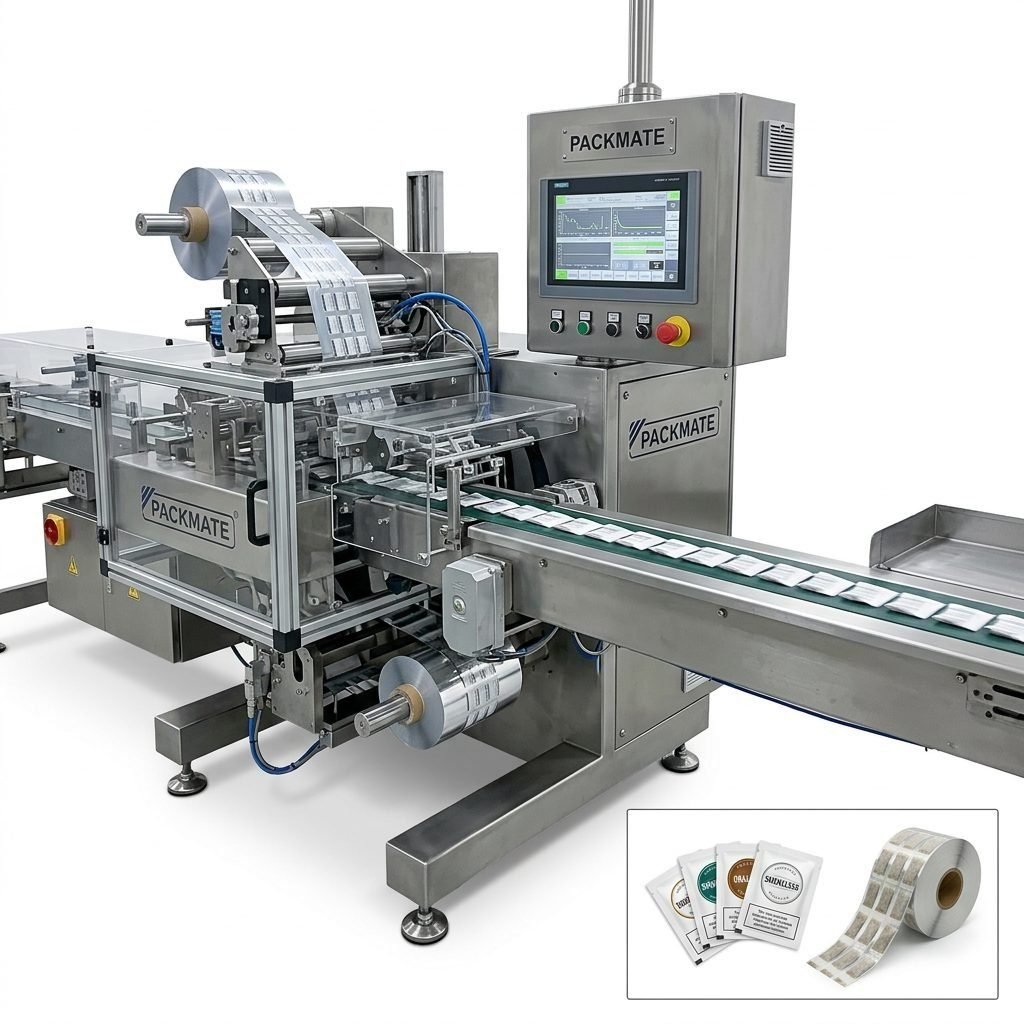
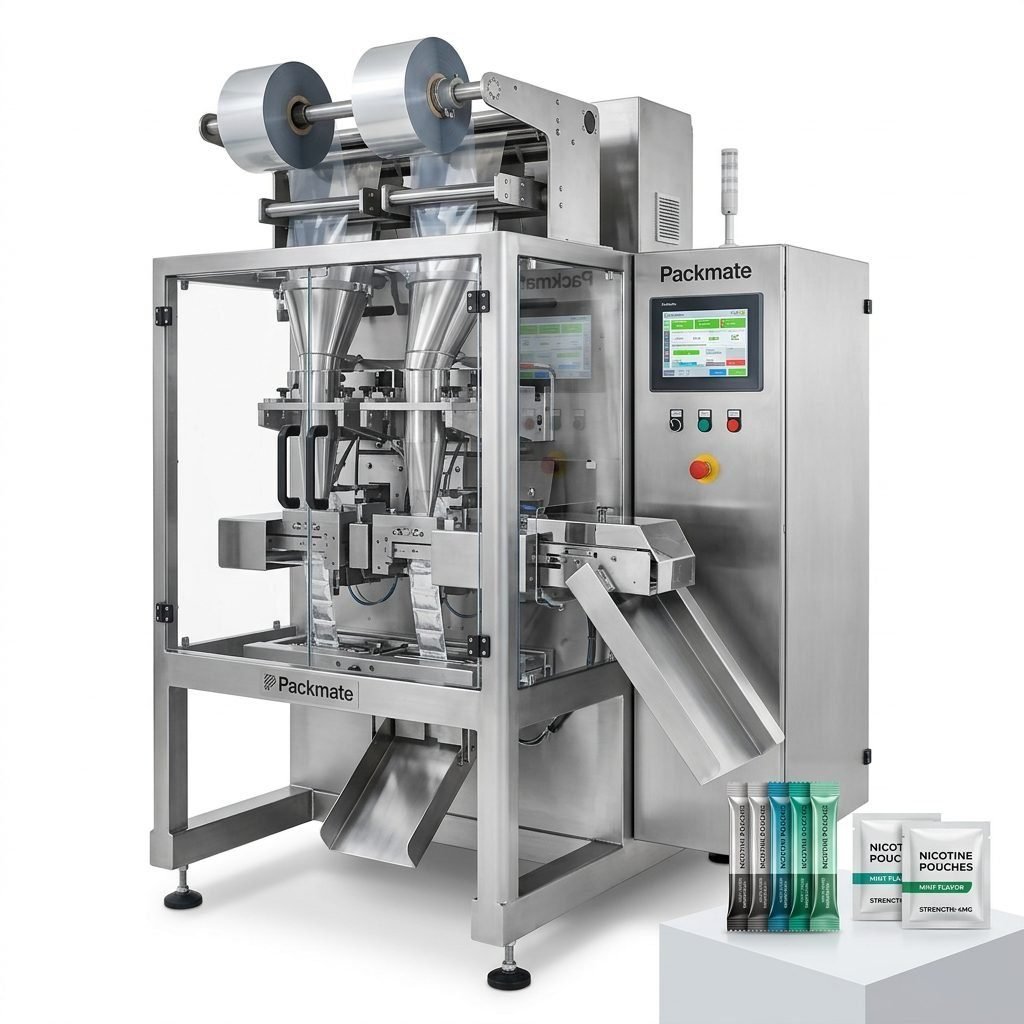
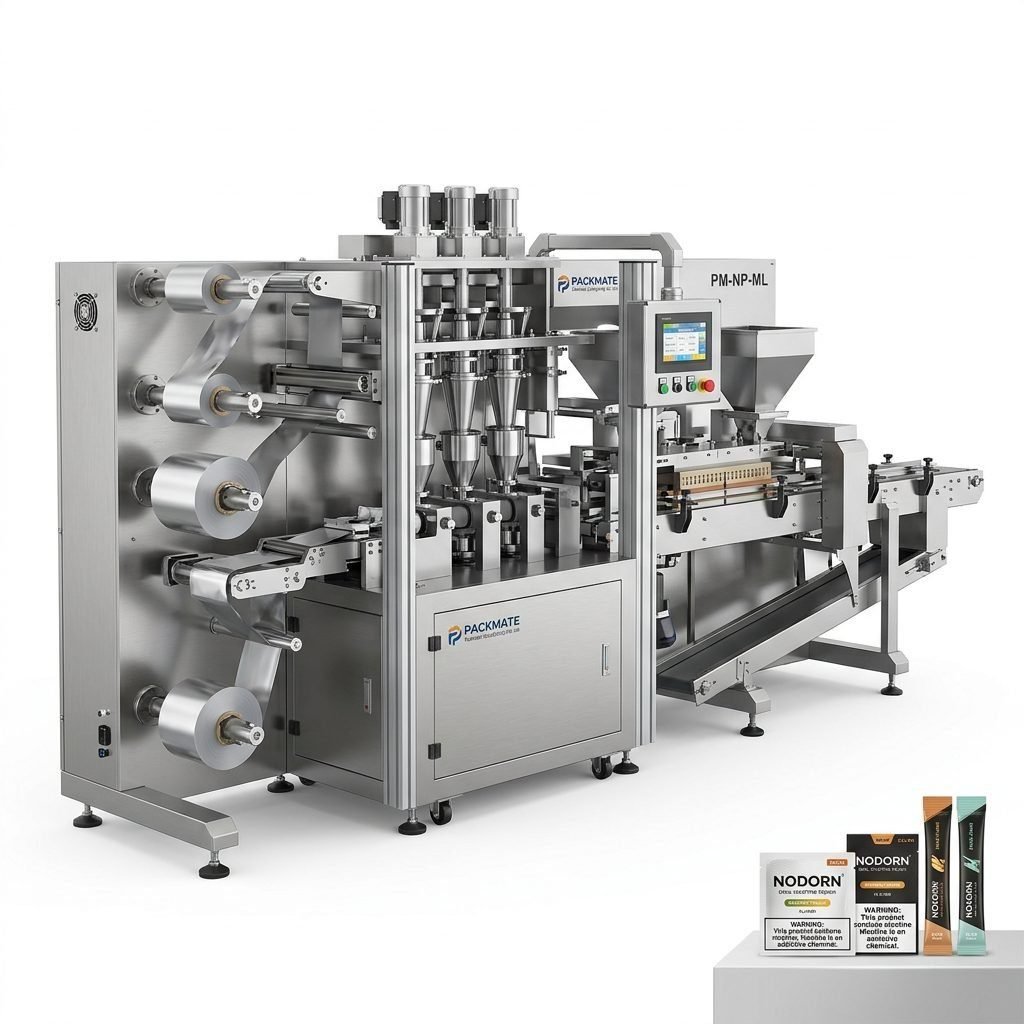
Multi-lane systems increase output without proportionally increasing operator burden or footprint. Packmate’s multi-lane solutions are tailored for small-dose pouch production and can be a fit for Egyptian lines looking to scale gradually.
3) Check the filling accuracy and dosing method
High-precision weighing and dosing reduce material waste and ensure compliance with declared content. Whether you use auger, vibratory, or multi-head weighing, confirm the machine maintains consistent accuracy under real-world operating conditions.
Quick check: Ask the supplier for production data from similar clients (ideally within the MENA region) and request onsite or remote demonstrations.
Key Machine Features to Prioritize
Machines vary widely in feature sets. Below are prioritized capabilities that impact both immediate output and long-term viability.
Reliability & uptime: Industrial-grade components, quality bearings, and robust sealing systems reduce downtime. For Egyptian environments where maintenance skills may vary, simpler designs with clear maintenance schedules are preferable.
Ease of operation: User-friendly HMI with multilingual capabilities (including Arabic) shortens operator training time and minimizes errors. Confirm spare parts availability and whether service manuals include Arabic or highly visual guides.
Compact footprint & sanitation: Machines that allow quick cleaning and meet hygiene standards reduce cross-contamination risk. Look for open frame designs that facilitate cleaning and comply with food/pharmaceutical sanitation norms.
Technical Compatibility and Standards
Confirm the equipment meets CE and ISO certifications and clarify electrical specifications to match Egyptian supply (typically 220V/50Hz). Packmate equipment complies with CE/ISO, which eases approval in export markets and ensures predictable performance.
Procurement Considerations Specific to Egypt
Import duties, customs procedures, and local supplier networks influence total cost of ownership. When importing, account for VAT, customs brokerage, shipping lead times, and potential delays. Working with an experienced supplier who supports local documentation and shipping simplifies clearance.
Local support: Choose a manufacturer offering local service partners or reliable remote support and quick spare parts shipment to minimize downtime.
Selecting a Trusted Manufacturer
Reputation, factory capability, and after-sales service matter. Packmate Snus Machine has over 30 years of engineering experience and a 20,000㎡ facility, offering tailored snus and nicotine pouch solutions. Review case studies, certifications, and exhibition presence to gauge their global performance.
Useful references:
Snus & Nicotine Packaging Machines,
Bag & Pouch Packaging Machines, and
About Packmate.
Factory visit and FAT (Factory Acceptance Test)
If possible, visit the manufacturer or request a live FAT video. During FAT, validate production speed, sealing quality, fill accuracy, film handling, and changeover time. Packmate often presents live demos at exhibitions — another opportunity to see machines in action. See recent demos and case examples for confidence in performance.
Installation, Training and After-Sales in Egypt
Plan for installation space, power, compressed air, and environmental controls. Arrange operator and maintenance training before commissioning to reduce startup downtime. Prioritize suppliers that provide:
• Comprehensive training packages (operator, maintenance) with local language support.
• Spare parts kits and clear lead times for replacements.
• Remote diagnostics and timely service response.
Service note: Check if the supplier has worked with clients in the Middle East or North Africa — regional familiarity speeds troubleshooting and spare part logistics.
Cost of Ownership: Beyond the Purchase Price
Consider lifecycle costs: energy consumption, consumable film usage, maintenance intervals, spare parts, and operator labor. A slightly higher upfront investment in a more efficient machine often pays back through lower waste and higher uptime.
Packaging Design, Labeling and Cultural Sensitivity
In Egypt, respectful and culturally aware packaging design helps with brand acceptance. Avoid imagery or wording that might conflict with local religious sensibilities. Include Arabic labeling for ingredients, weight, manufacturing and expiry dates, and import/distributor information where applicable. Also consider discreet designs that appeal to conservative consumers while complying with local regulations.
Flexible packaging formats
Offer multiple formats—single-dose pouches, multi-packs, and retail cartons. Machines capable of producing sachets, stick packs, and pouches increase your product mix and help you respond quickly to market trends.
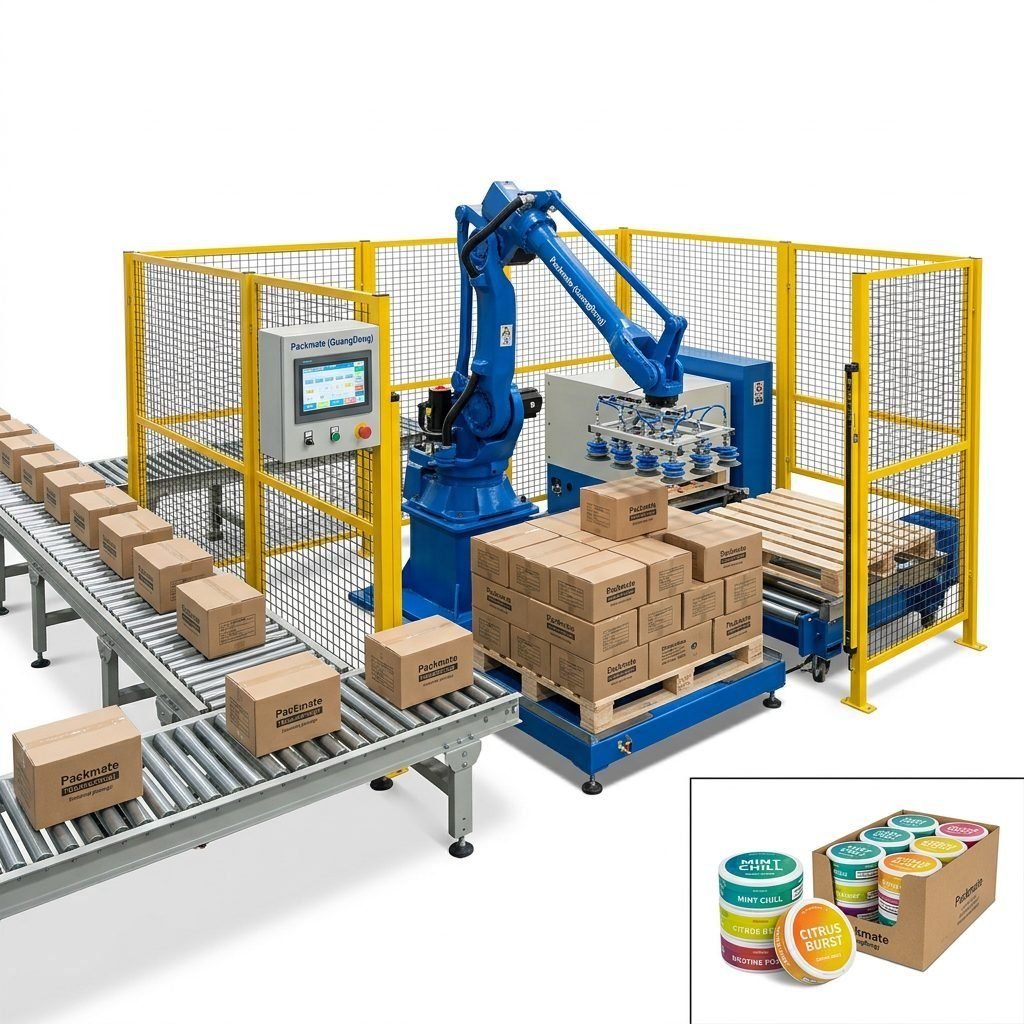
Explore complementary machinery on the manufacturer site for full lines: Filling & Packaging Lines and Weighing & Packaging Systems.
Common Pitfalls and How to Avoid Them
Many manufacturers encounter similar issues when beginning snus production in Egypt. Anticipating these helps prevent costly delays.
Underestimating maintenance: Plan preventive maintenance and stock critical spare parts.
Ignoring regulatory labeling: Verify Arabic labeling rules and health claim restrictions before production.
Skipping trials: Run pilot batches to optimize film selection, sealing temperatures, and fill settings before full-scale production.
Pro tip: Ask for case studies and references — review similar installations on the supplier’s Case page to learn how issues were resolved.
Final Selection Summary
The best snus packaging machine for an Egyptian operation is one that blends robust engineering, flexible modularity, and strong after-sales support. Prioritize machines with multi-lane capability, high dosing accuracy, Arabic-capable controls, and local support options. Verify certifications, request demonstrations, and plan for training and spare parts. Manufacturers with long-term experience in snus packaging — like Packmate — provide turnkey solutions that reduce risk and accelerate time-to-market.
Next step: Contact the supplier for a tailored quote and schedule a FAT or demonstration to validate performance against your production targets. You can reach out via their Contact Us page.
Useful Resources
Explore product lines and technical specs to match machines with your needs:
Snus & Nicotine Packaging Machines
Bag & Pouch Packaging Machines
Sachet & Stick Pack Machines
Frequently Asked Questions
Q1: What machine speed do I need for a small Egyptian operation?
A: For small operations, start with a machine capable of producing 30–100 pouches per minute per lane, or a multi-lane setup that achieves your daily throughput without requiring 24/7 operation. Balance speed with reliability and fill accuracy.
Q2: Are Arabic labels required?
A: Yes, Arabic labeling is typically required for consumer-facing products in Egypt. Include ingredient lists, weight, manufacturer/importer info, and production/expiry dates in Arabic and English where appropriate.
Q3: How important is local service and spare parts availability?
A: Extremely important. Local or regional spare part availability reduces downtime. Verify the supplier’s spare part lead times and whether they maintain regional stocks or authorized service partners.
Q4: Can machines handle multiple pouch sizes?
A: Many modern snus machines are modular and allow quick changeovers to different pouch sizes. Confirm changeover time, whether conversion kits are needed, and if the supplier provides setup assistance.
Q5: Where can I see case studies or demos?
A: Request case studies and live demos from the manufacturer or visit their exhibition appearances and case pages to observe machine performance in real-world settings.