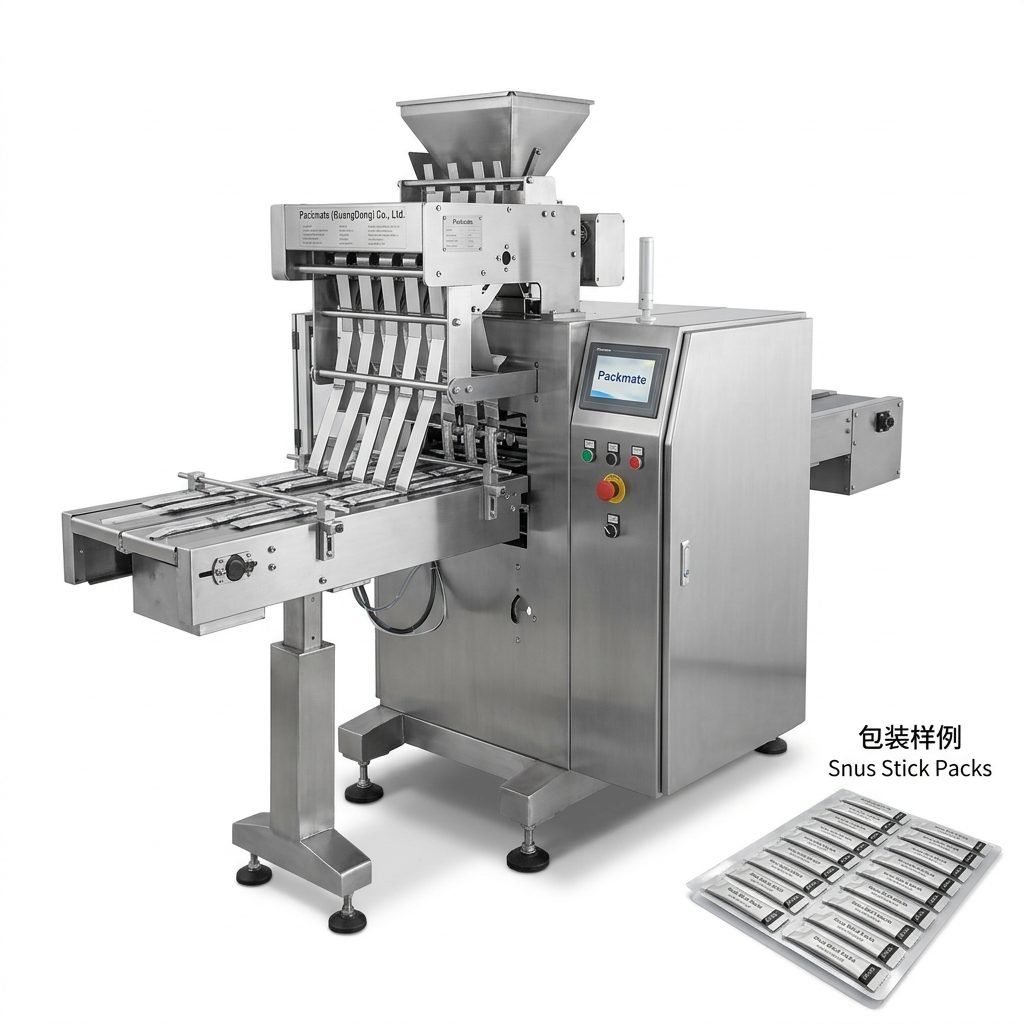
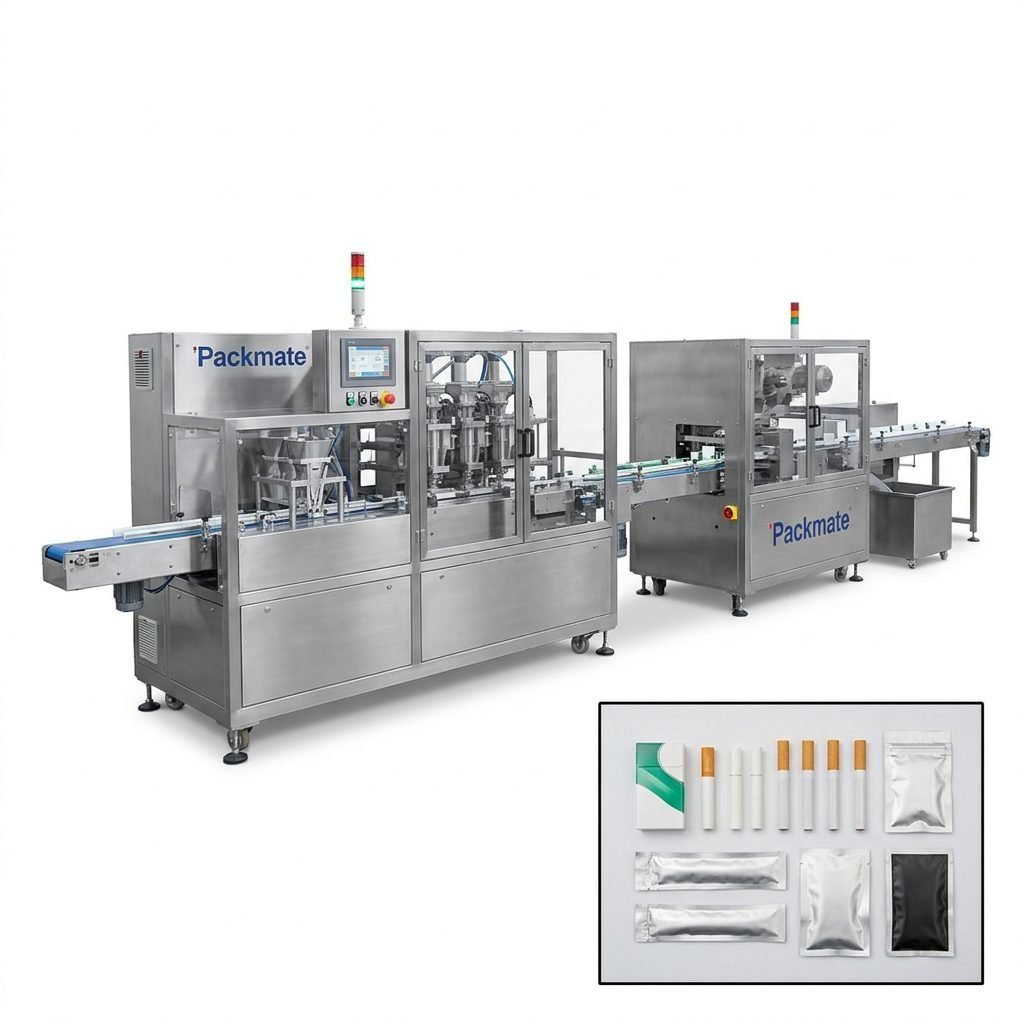
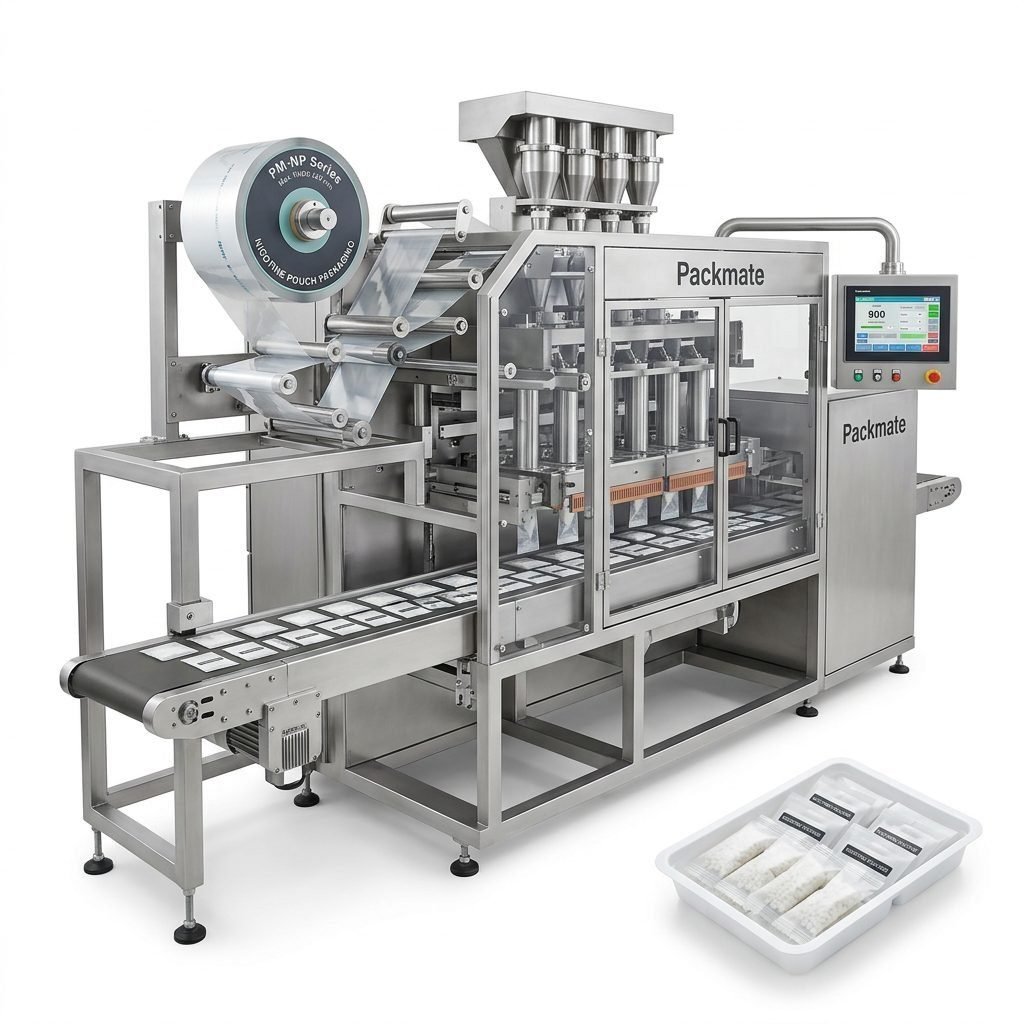
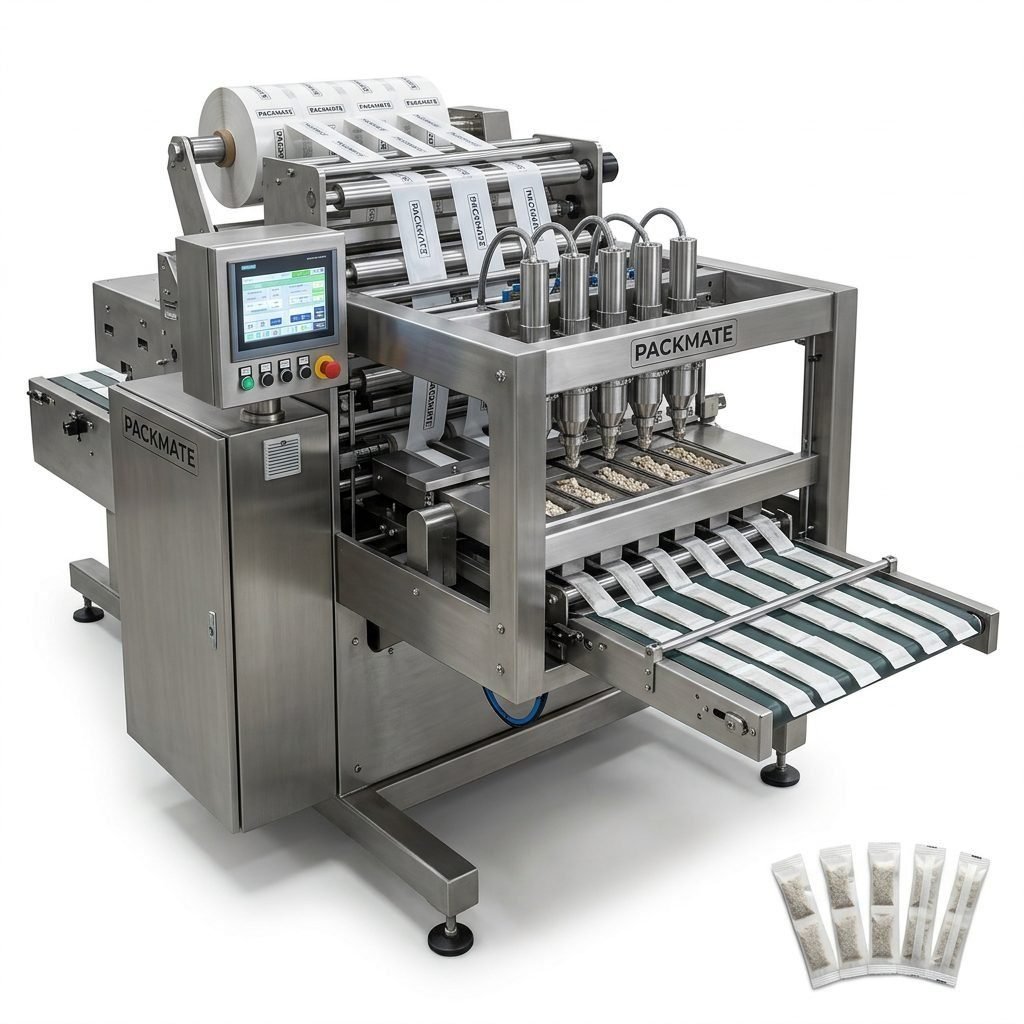
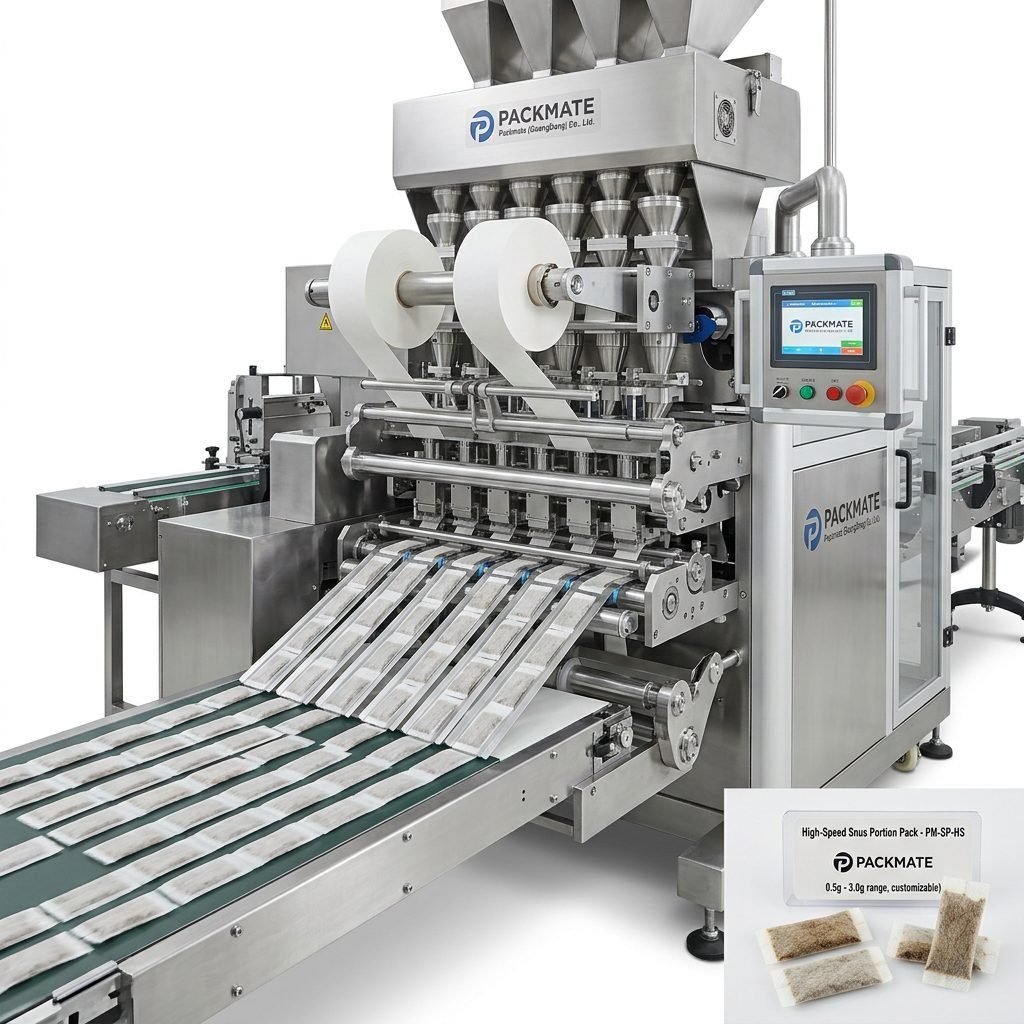
Snus pouch making machines are the backbone of modern nicotine pouch and snus production. This guide walks through how these machines work, the core features to look for, production line layouts, maintenance tips, and buying advice for manufacturers and entrepreneurs. Whether you are scaling up a small lab line or building a fully automated plant, understanding machine functionality and specifications will help you choose the right equipment and ensure consistent, compliant output.
How a Snus Pouch Making Machine Works ⚙️
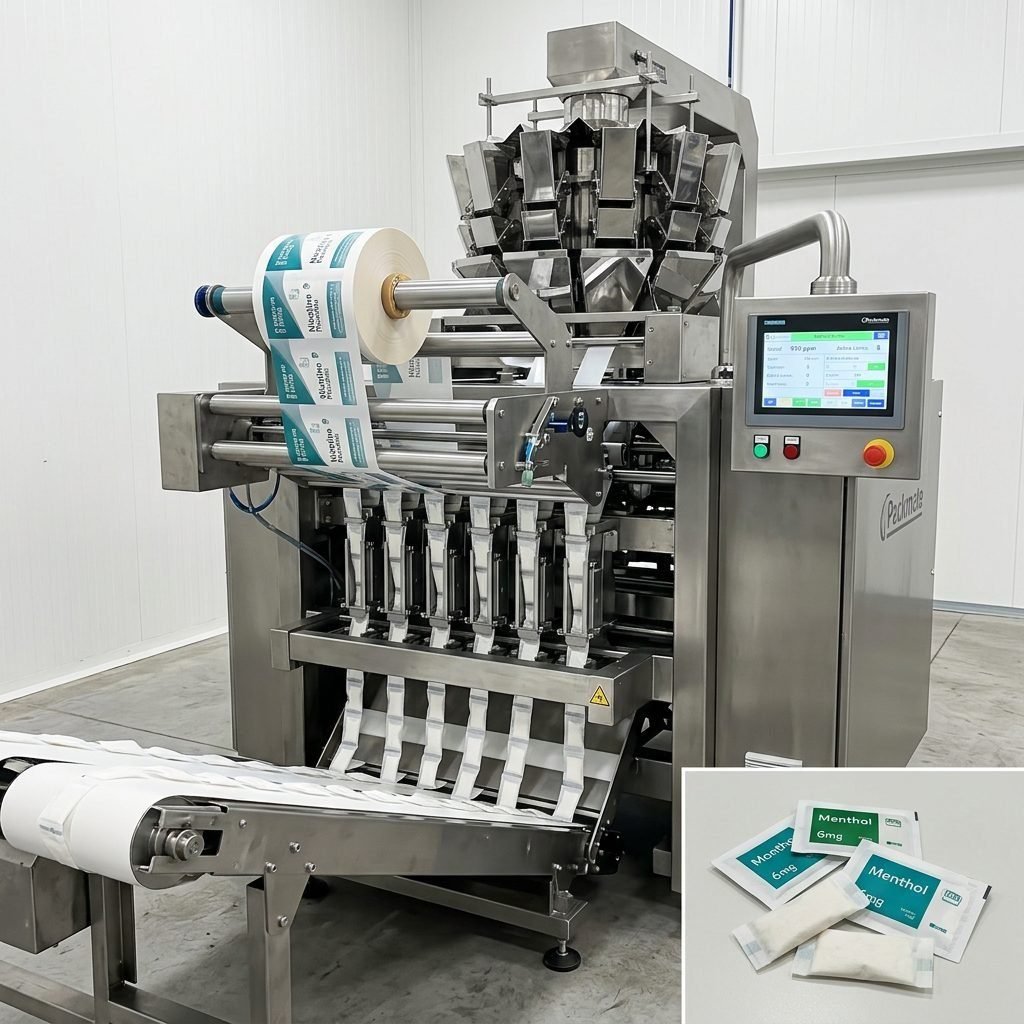
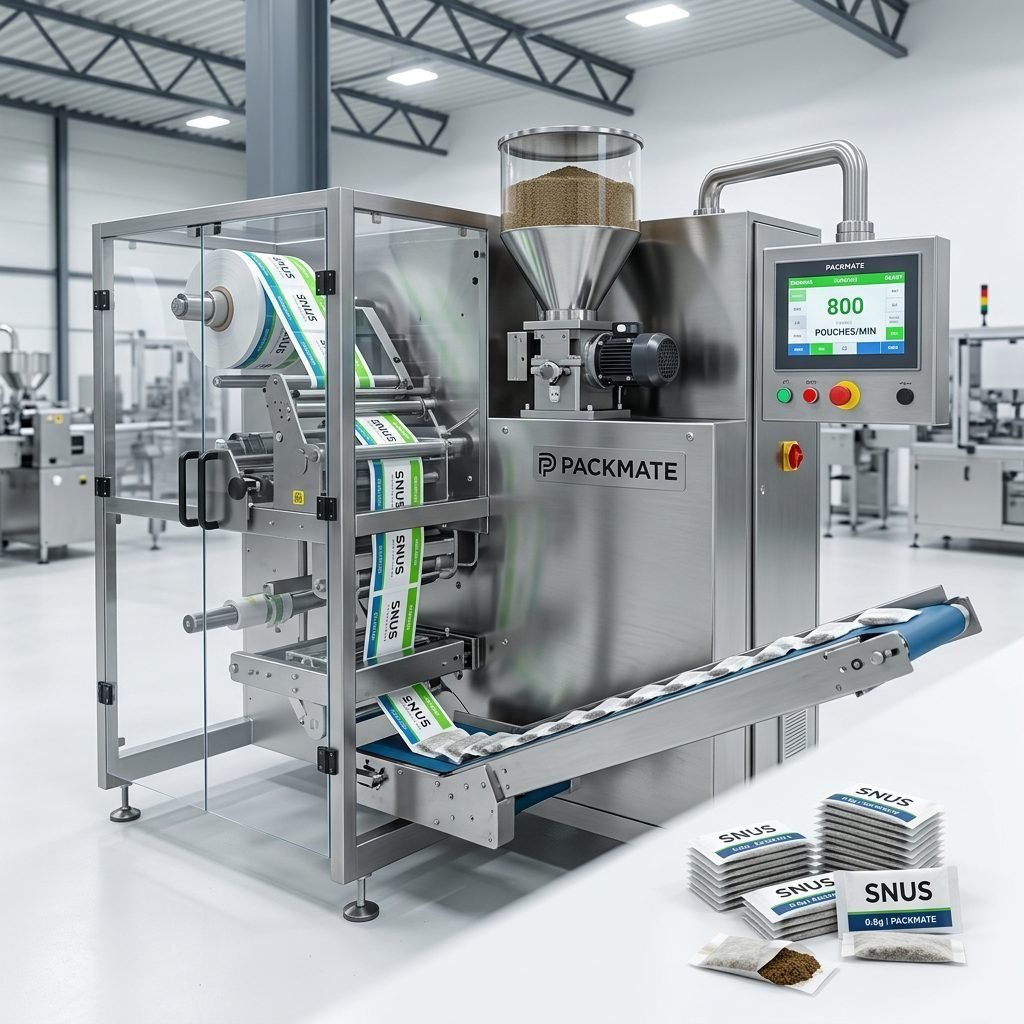
A snus pouch making machine combines precise dosing, pouch forming, filling, sealing and counting in a continuous flow. The process typically follows these stages:
Step 1 — Pouch film feeding: A roll of packaging film (or preformed pouch material) is unwound and guided through forming stations that create the pouch shape. Materials can include non-woven fabric, paper laminated films, or biodegradable options depending on product design.
Step 2 — Dosing & filling: The machine’s metering system (volumetric cup, auger, or multi-head weigh filler) doses the exact amount of tobacco, nicotine powder, or herbal blend into each pouch lane. High-precision multi-lane weighers are common for small-dose pouches to maintain +/- tolerance.
Step 3 — Sealing: Heat sealing, ultrasonic sealing or impulse sealing creates airtight seams. Sealing quality is vital to shelf life and user experience. Many snus machines feature seam inspection systems to detect weak seals.
Step 4 — Cutting & counting: Pouch separation, edge trimming and counting are handled downstream. Integrated counting systems and servo-driven separators ensure accurate outputs ready for secondary packaging.
Step 5 — Secondary packaging: Completed pouches are transferred to carton erectors, fill-and-seal case packers or stick pack lines for final retail packaging. For turnkey solutions, you can integrate filling and packaging lines into a continuous production cell.
Core Components and Technology to Know 🔍
⚙️ Forming module: Precision dies and guides to ensure consistent pouch geometry and film alignment.
⚙️ Dosing system: Choose between volumetric filling, auger dosing for powders, or mini-weigh systems for multi-lane low-dose applications.
⚙️ Sealing stations: Ultrasonic or heat-seal modules with temperature control and real-time monitoring.
⚙️ Control & HMI: PLC-based controls with touchscreen, recipe management and fault logging for quick changeovers.
Why Multi-Lane Systems Matter
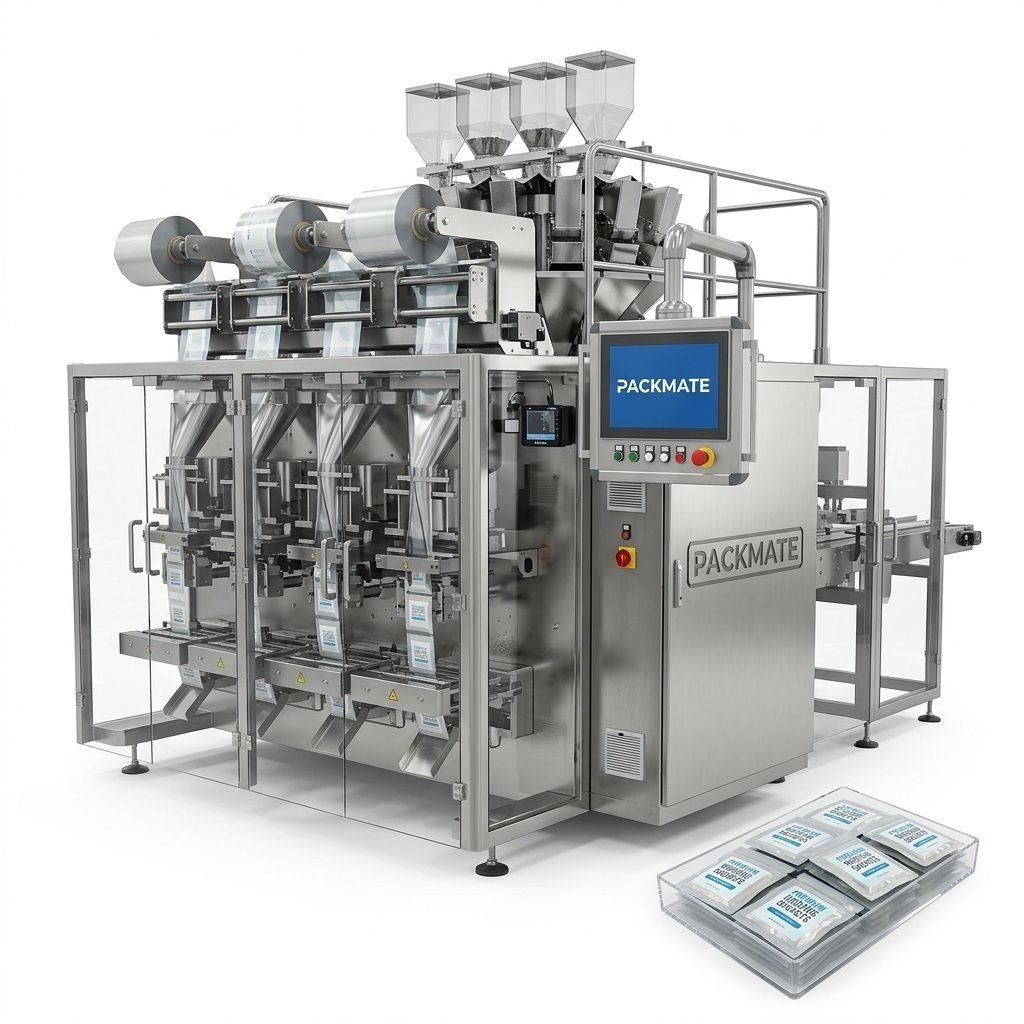
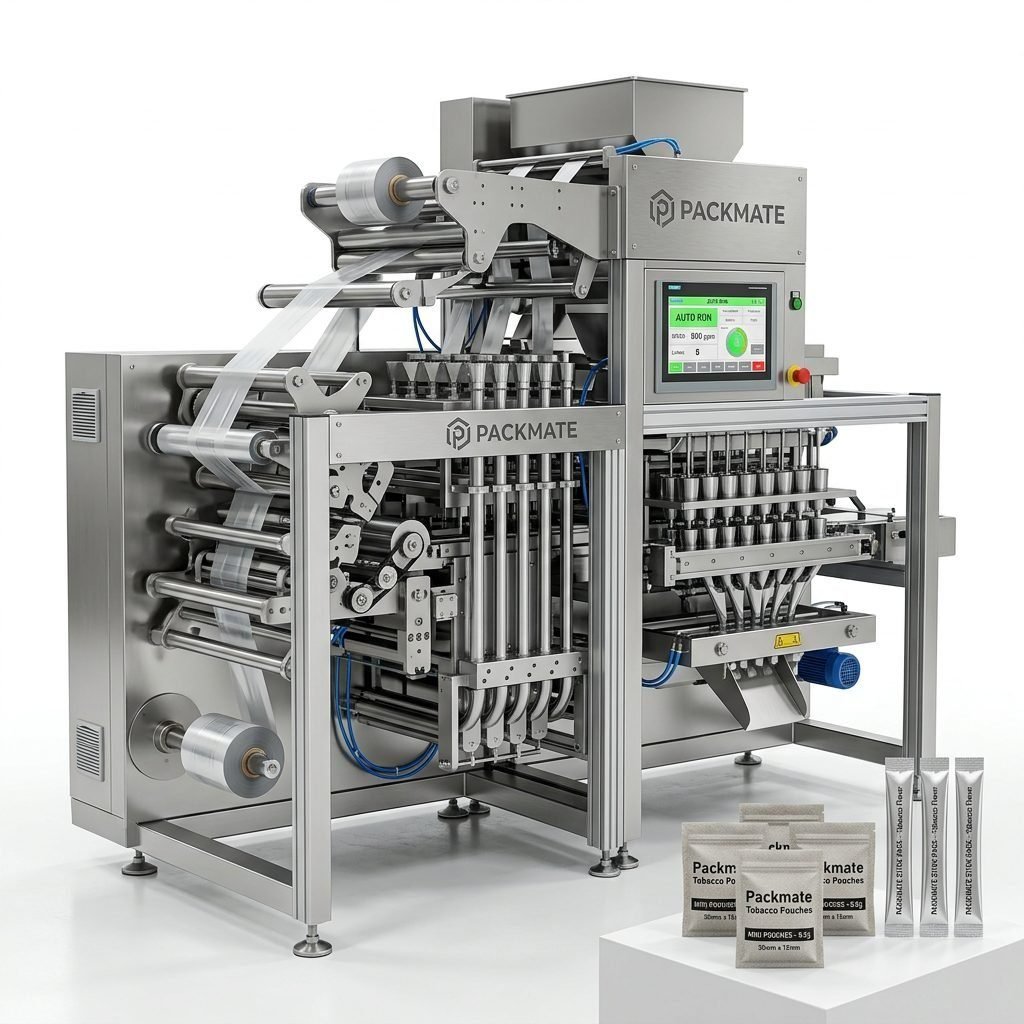
Multi-lane snus pouch machines increase output by running several pouch lanes simultaneously, reducing per-unit cost and footprint for high-volume production. For manufacturers focusing on small-dose nicotine pouches, multi-lane precision weighing and synchronized sealing systems are essential to ensure uniform fill weight across lanes.
Key Features to Prioritize When Buying 📌
🔧 Build quality & materials: Stainless steel contact parts (SUS304/SUS316) for hygiene and corrosion resistance.
⏱️ Precision dosing: Look for multi-head weighing or high-resolution auger systems with repeatability data.
🛡️ Sealing integrity: Temperature-controlled sealing, cooling stations, and in-line leak detection options.
🎯 Recipe & changeover: Quick-change tooling, recipe memory and modular design reduce downtime.
🔁 Integration capability: Compatibility with upstream feeders and downstream cartoners for a complete line.
Common Machine Types and Their Uses
Stick pack and sachet machines are traditional choices for single-dose products, whereas specialized snus pouch machines are engineered for small, soft pouches used in nicotine products. If you need a broad view of machine types and product fit, check solutions for Snus & Nicotine Packaging Machines and Bag & Pouch Packaging Machines.
For stick packs and single-dose units, visit product pages like Sachet & Stick Pack Machines to compare formats and speeds.
Speed vs. Accuracy Trade-off
Higher speeds can reduce per-piece cost but may compromise dosing accuracy for very small fills. When evaluating machines, request performance curves showing production rate at different dosage tolerances and ask for on-site or video trials using your own product formulation.
Designing a Turnkey Production Line
A turnkey line integrates material handling, weighing/filling, pouch forming, sealing, inspection and secondary packaging. Packmate Snus Machine offers full lines that include weighing & packaging systems and auxiliary equipment to automate product flow from raw material to boxed shipments. For turnkey options, explore Weighing & Packaging Systems and Filling & Packaging Lines.
📦 In-line quality control: Metal detectors, vision systems and weight checks reduce recalls and waste.
🔗 Material traceability: Barcode and batch tracking across modules for regulatory compliance.
⚡ Energy efficiency: Servo drives and optimized pneumatic systems lower operational costs.
Operation, Maintenance and Lifespan
Routine maintenance and operator training are crucial for machine uptime. Establish preventive maintenance schedules, keep critical spares (sealing bars, sensors, belts) and use calibrated tooling. Machines built with high-quality CNC components and precision assembly lines, like those from experienced manufacturers, typically offer longer service life and stable performance.
Key maintenance tips:
• Lubricate moving parts as recommended and monitor pneumatic system pressure.
• Keep sealing jaws and cutting knives clean and replace when wear affects seal integrity.
• Update PLC recipes and keep software backups to speed up recovery after failures.
Quality, Certification and Supplier Evaluation ✅
Select suppliers with documented quality systems and industry certifications (CE, ISO). Evaluate manufacturer capabilities — look for a sizeable factory area, advanced CNC machining centers and a broad product range that demonstrates engineering depth. Packmate’s facility, for example, highlights a 20,000㎡ factory, 30+ years of experience and 50+ machine models, which reflect robust production capability and long-term support potential.
Questions to Ask Potential Vendors
Ask for references, case studies and exhibition demo videos. Review after-sales support, spare parts availability, and whether onsite commissioning and operator training are included. If you want to review real customer implementations, vendor case pages and exhibition records are useful resources to validate claims.
For more background on suppliers and exhibitions, visit the manufacturer’s About and Exhibition pages.
Buying Tips & Budget Considerations 💡
1) Define production targets and tolerance limits before requesting quotes to ensure vendors size machines correctly.
2) Budget for integration costs, secondary packaging and automation rather than only the primary pouch machine.
3) Consider total cost of ownership: spare parts, energy, downtime and service contracts matter more over machine lifetime than initial price.
4) Request factory acceptance testing (FAT) with your product to verify performance before shipment.
Case Examples & Global Reach
Reliable manufacturers supply machines worldwide and support multi-language service teams to commission lines at customer facilities. Review case studies to understand how similar products and configurations perform in real operations. For customer stories and cases, see dedicated references and examples on vendor websites.
If you want to review real-world implementations, vendor case pages often include photos, line specs and customer feedback — useful aids for selecting the right model.
Final Checklist Before Purchase 📋
• Production capacity and lane configuration.
• Dosing accuracy and multi-lane synchronization.
• Material compatibility and sealing methods.
• Service, warranty and spare parts lead times.
• Compliance and certifications (CE, ISO) for export markets.
Where to Get Started
Contact an experienced snus machine manufacturer to request a consultation, sample trials, and a tailored solution. Many suppliers provide modular options from single machines to complete packaging lines. For a broad view of products and services, explore the manufacturer’s service and product catalogs to match your production plan.
For direct inquiries, product catalogs and service details, check the supplier’s Service and Catalog pages.
Frequently Asked Questions
Q1: What is the typical lead time for a snus pouch machine?
A1: Lead times vary by model and customization; standard machines often ship in 8–16 weeks while fully customized turnkey lines can take 4–6 months including FAT.
Q2: How do I ensure dosing accuracy for tiny nicotine pouch fills?
A2: Use high-precision multi-head weighers or micro-augur systems, perform FAT with your product, and maintain consistent material properties (moisture, particle size).
Q3: What certifications should I expect from reputable manufacturers?
A3: Reputable suppliers provide CE and ISO documentation, and can often assist with additional regulatory compliance for target markets.
Q4: Can a snus pouch machine integrate with my existing carton packer?
A4: Yes — most modern machines feature synchronization and communication protocols (PLC/IO) to integrate with upstream and downstream equipment. Discuss specific interfaces with your vendor early in the planning phase.
Q5: What after-sales support should I expect?
A5: Onsite commissioning, remote troubleshooting, spare parts supply, and training are standard offerings. Confirm response times and local service presence to minimize downtime.